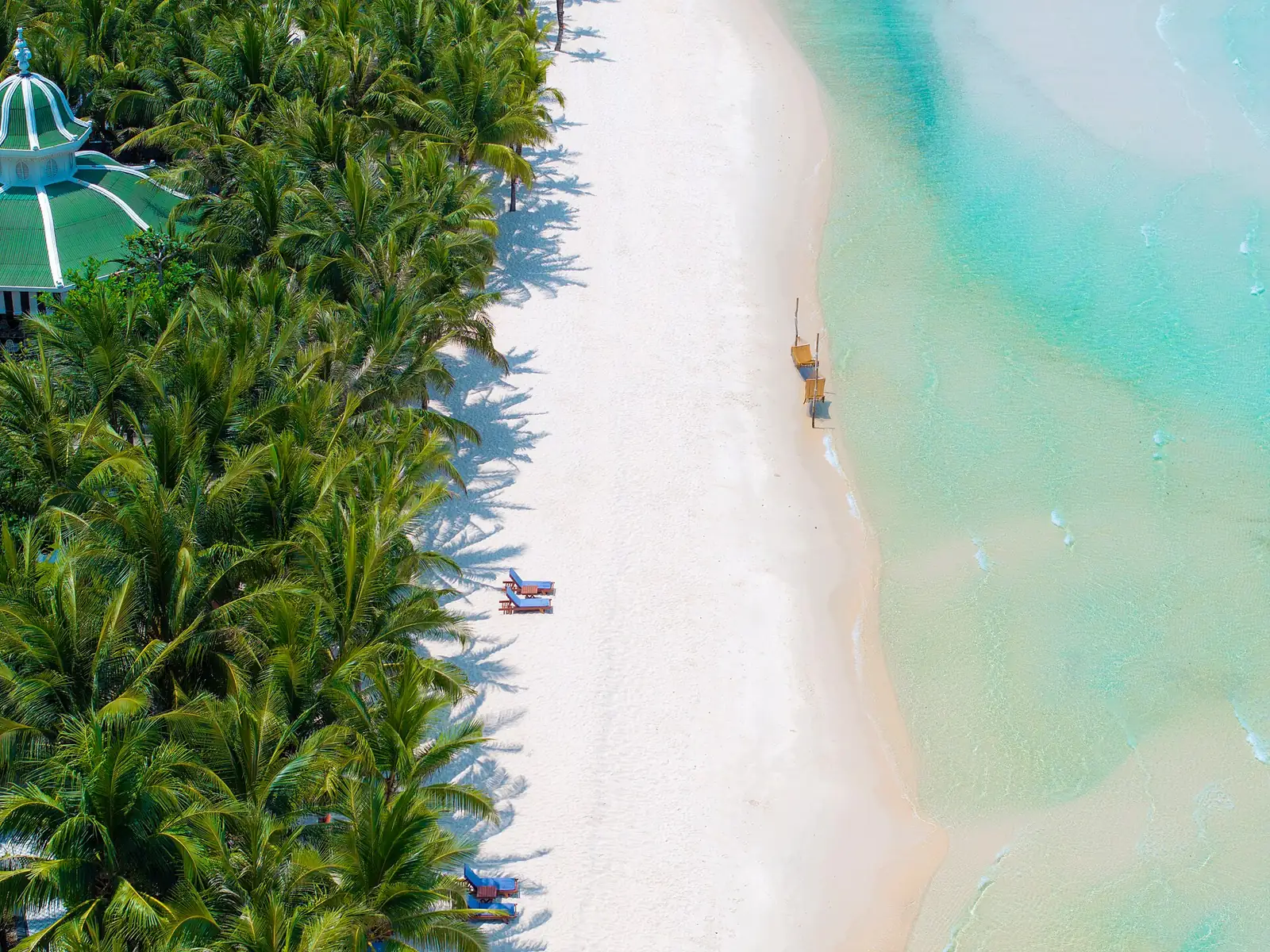
Phu Quoc is the most divisive destination in Vietnam. Depending on who you ask it is either a genuinely beautiful tropical island with white sand and warm water, or an overdeveloped resort strip that has lost whatever it once had. Both descriptions are accurate. They are just descriptions of different parts of the same island.
So rather than argue about it, let me tell you where the two versions are, which one suits you, and the couple of things that decide whether a trip here is lovely or disappointing.
The basic geography
Phu Quoc sits in the Gulf of Thailand off Vietnam’s southwestern corner, closer to Cambodia than to most of Vietnam. It is large, forested down the middle, and the development is concentrated on the coasts.
The south is where the resort building has happened at scale: large hotel complexes, a cable car, theme parks, a purpose-built entertainment area. It is polished, convenient and busy, and if you want a resort holiday with everything laid on, this is the part that delivers it.
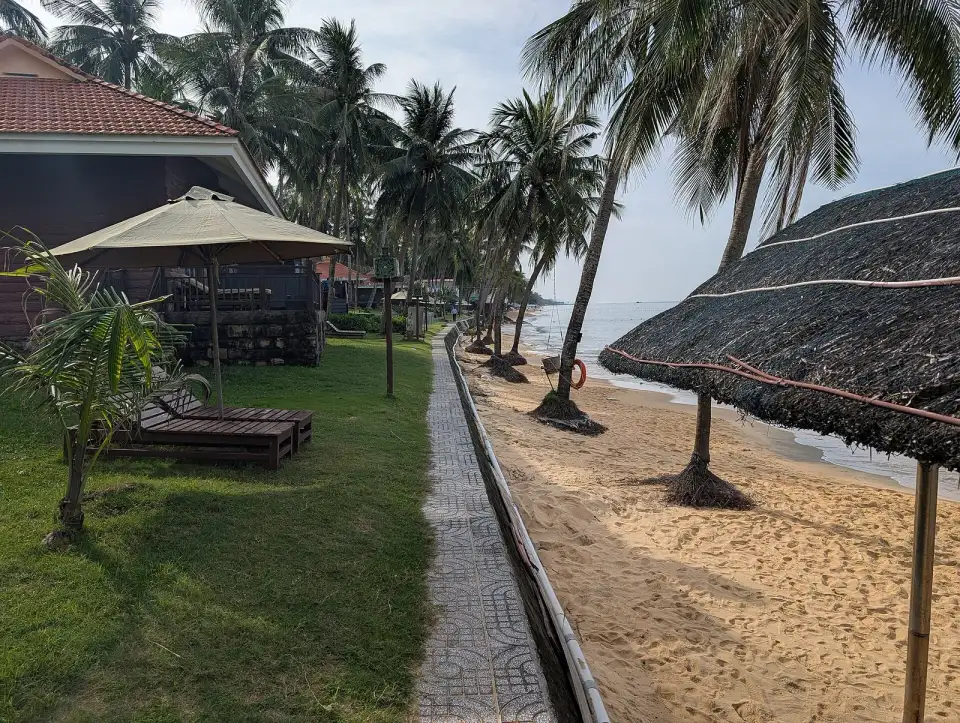
The north is quieter, greener and less built, with smaller places and stretches of coast that still feel undeveloped. Roads are rougher. There is less to do, which for many people is the point.
The middle and east hold the national park and the less-visited beaches, and this is where you go if you want to feel like you are on an island rather than at a resort.
| Area | Best for | Trade-off |
|---|---|---|
| South | Resorts, families, convenience | Busy, built-up |
| North | Quiet, nature, small places | Less to do, rougher roads |
| East and interior | Empty beaches, forest | Needs your own transport |
The honest bit about development
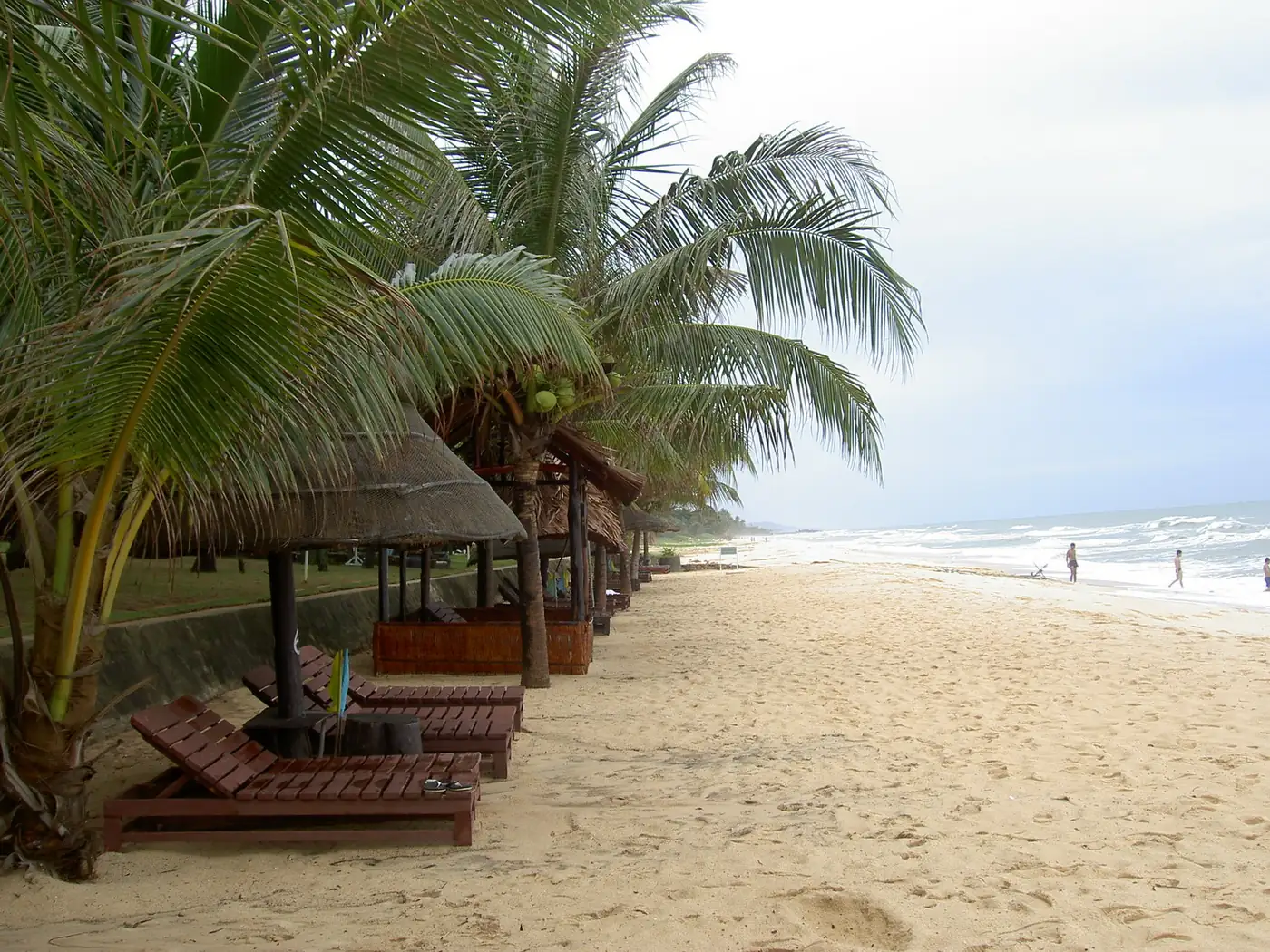
Phu Quoc has been built on hard and fast, and in places it shows. There is construction, there are half-finished projects, and some stretches of coast that appear in older articles as idyllic are now backed by large hotels.
If you arrive expecting an undiscovered island you will be disappointed, and the internet is full of people who did exactly that. If you arrive knowing that the south is a resort destination and the north is where the quiet is, you will have a good time.
This is genuinely a place where choosing your side of the island matters more than choosing your hotel.
The beaches
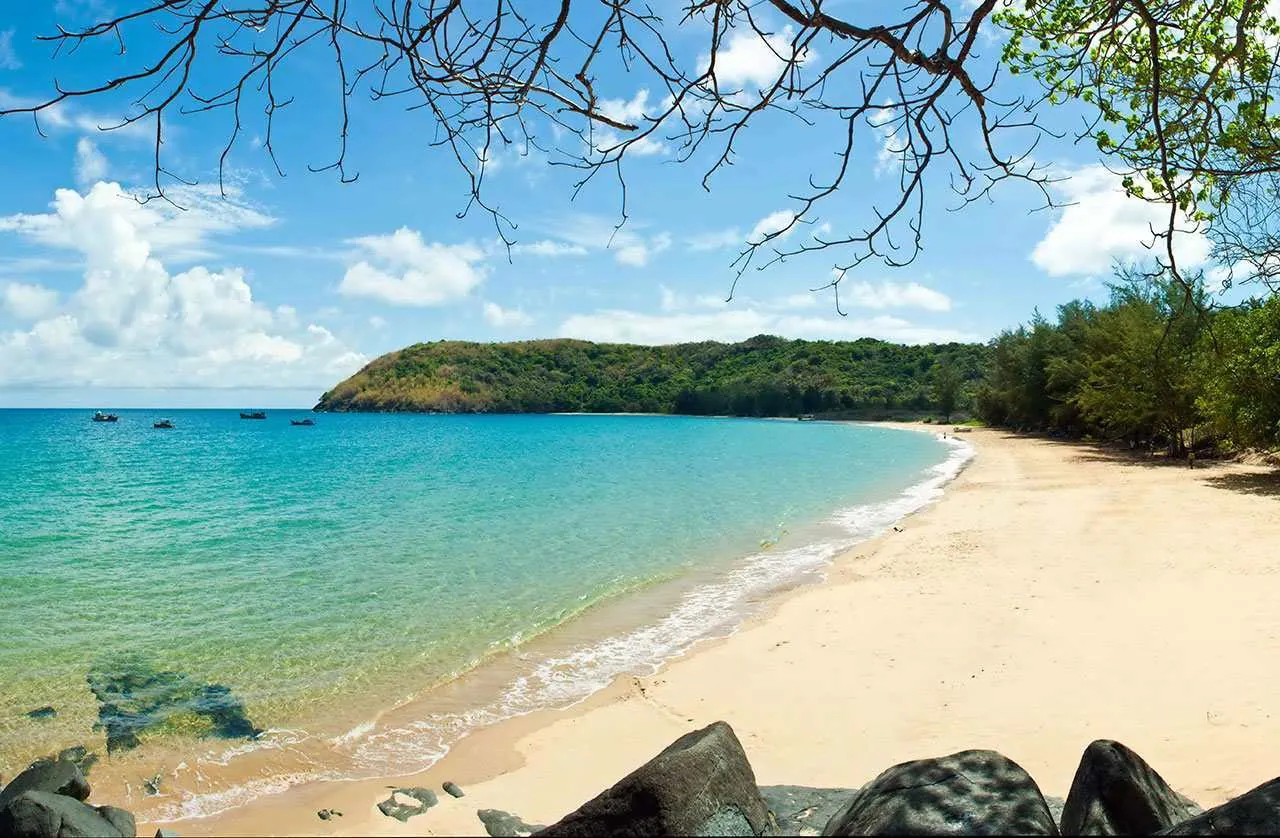
Long Beach on the west coast is the main strip: long, sandy, sunset-facing, and lined with accommodation of every level. Convenient and busy. The sunsets are genuinely excellent.
Sao Beach in the south is the postcard one, with the whitest sand and the clearest water on the island. It is beautiful and it is well known, which means it is busy and increasingly commercialised. Go early in the day.
The northern beaches are quieter, less developed and where I would spend my time. Fewer facilities, fewer people.
The eastern side faces a different sea and is affected differently by the seasons, which brings us to the thing that most affects a trip here.
When to go, because it matters more than usual
This is the single most important planning decision for Phu Quoc, and it is the one people skip.
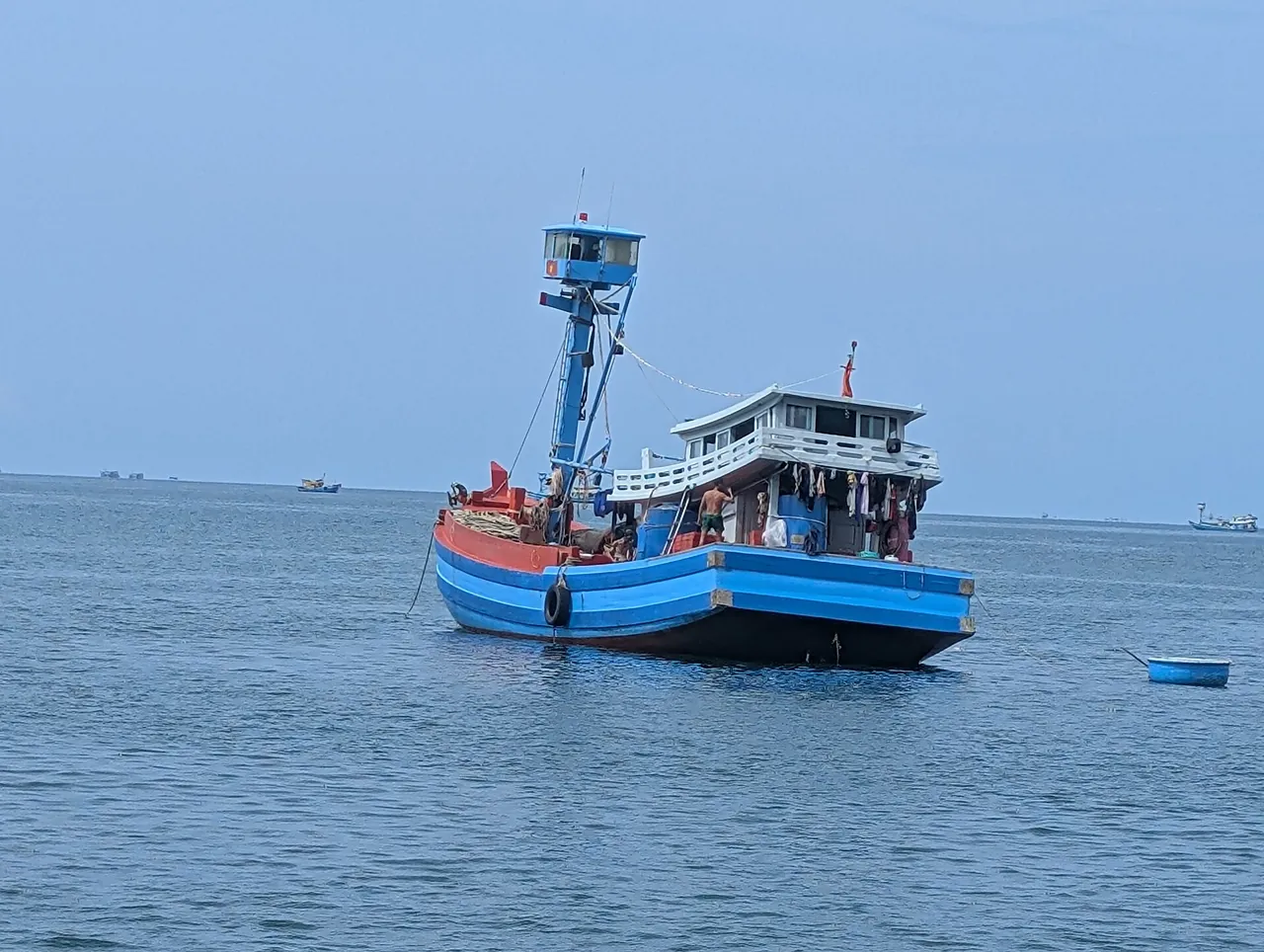
The island has a dry season and a wet season, and unlike much of the southern mainland where the wet season is a manageable afternoon downpour, here it comes with wind and sea state. In the wet months the western sea can be choppy and murky, boat trips and snorkelling get cancelled, and the postcard water is simply not postcard water.
In the dry season the sea is calm and clear, island-hopping and diving run reliably, and the island is at its best. It is also the busy, more expensive season, and that is not a coincidence.
If your reason for coming is beaches and boats, come in the dry season or reconsider the destination. A beach island in rough weather is not a compromise version of itself; it is a different and much worse trip. Our guide to the best time to visit Vietnam sets out how the southern calendar works and how it differs from the rest of the country.
South for resorts, north for quietCompare both ends of the island before you commit to a coast.What there is to do
Island hopping and snorkelling to the small islands off the southern coast is the main activity, usually by speedboat, and dependent on sea conditions.
The cable car to Hon Thom is one of the longest over-sea cable cars anywhere, and the ride itself is the attraction.
The national park covers a substantial part of the island and offers forest walks and quieter roads.
Night markets and seafood are a genuine strength. The island is known for its fish sauce production and for pepper farms, and the seafood is excellent and much cheaper than the resorts suggest.
Doing very little is, honestly, the main event. This is not a sightseeing destination.
South for resorts, north for quietCompare both ends of the island before you commit to a coast.Getting there and around
Phu Quoc has an international airport with domestic connections to the main Vietnamese cities, and reaching it is straightforward. Ferries also run from the mainland delta ports, which is slower and weather-dependent.
On the island, the distances are larger than people expect. Taxis and ride-hailing operate, scooters are widely rented, and if you are staying in the north and want to explore, you will want your own transport. The usual motorbike caution applies: check what your insurance covers before you ride, because policies commonly exclude bike accidents without the right licence.
Does Phu Quoc fit your trip?
This is worth thinking about honestly, because the island is a detour from every other route in the country.
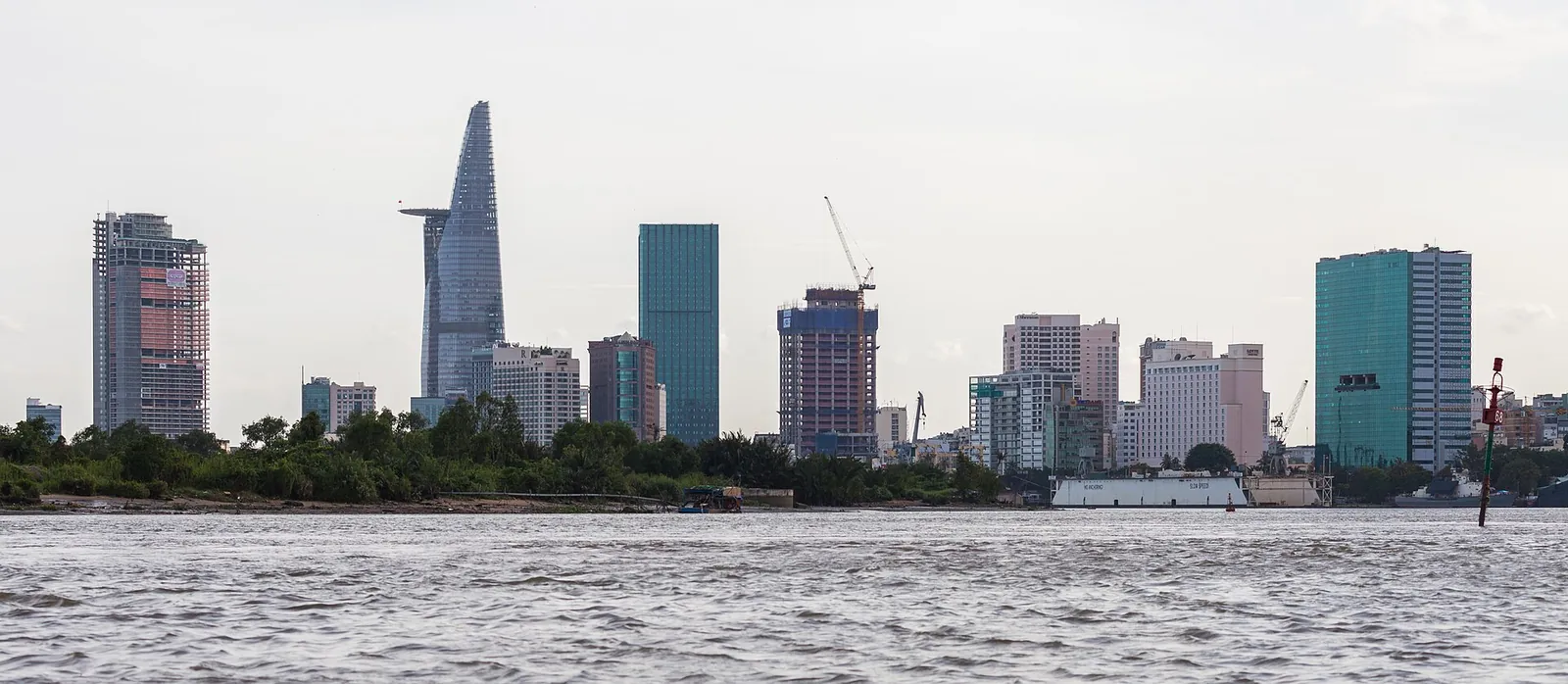
It fits if you want to end a busy two-week trip lying still, if you are travelling with children, or if you specifically want a resort stretch. It pairs naturally with the south, and after the intensity of Ho Chi Minh City a few flat days by the sea are genuinely restorative.
It does not fit if your trip is already short, or if you are trying to see the country’s culture and history. Phu Quoc has very little of that, and the days you spend here are days not spent on the mainland.
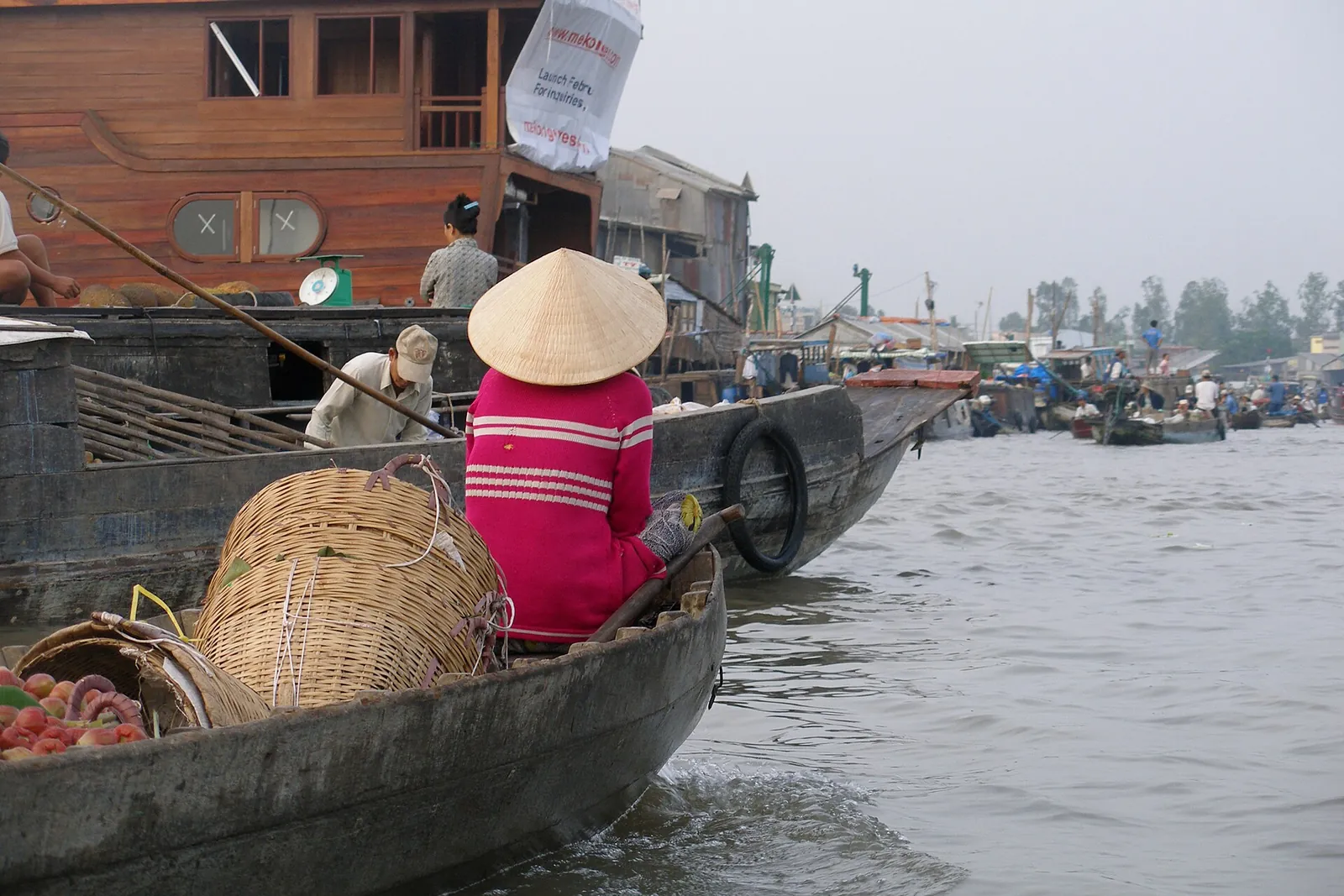
A reasonable alternative for the southern leg, if what you want is a sense of place rather than a beach, is an overnight in the Mekong Delta, which gives you something you cannot get anywhere else rather than something you can get in fifty countries.
The verdict
Phu Quoc is a good beach island, not a great one, and it is a genuinely good one if you go in the dry season and pick the right coast. Go north for quiet, south for resorts, in the dry months, with three or four nights at the end of a longer trip.
What it is not is a reason to come to Vietnam. Come for the rest of the country, and add this if you want to finish horizontal.
Have you stayed north or south on Phu Quoc, and would you pick the same again? Tell me in the comments.