The first thing I noticed on Con Dao was the silence. I had flown in from the noise and heat of the mainland, and within twenty minutes of landing I was standing on an empty road with jungle on one side and a flat turquoise sea on the other, listening to nothing but cicadas. If you have read about Con Dao and wondered whether the remote archipelago off Vietnam’s southern coast is worth the extra effort to reach, this guide is my honest answer, with the turtle-nesting season front of mind.
Con Dao is a cluster of sixteen islands sitting roughly 180 kilometres off the coast, most of it protected as a national park. The main island, Con Son, holds the airport, the town, the beaches and the eerie old prison complex. Between June and September the beaches here become one of the most important green-turtle nesting sites in Vietnam, and that is the reason many people, myself included, choose to visit in summer.
Why come to Con Dao at all?
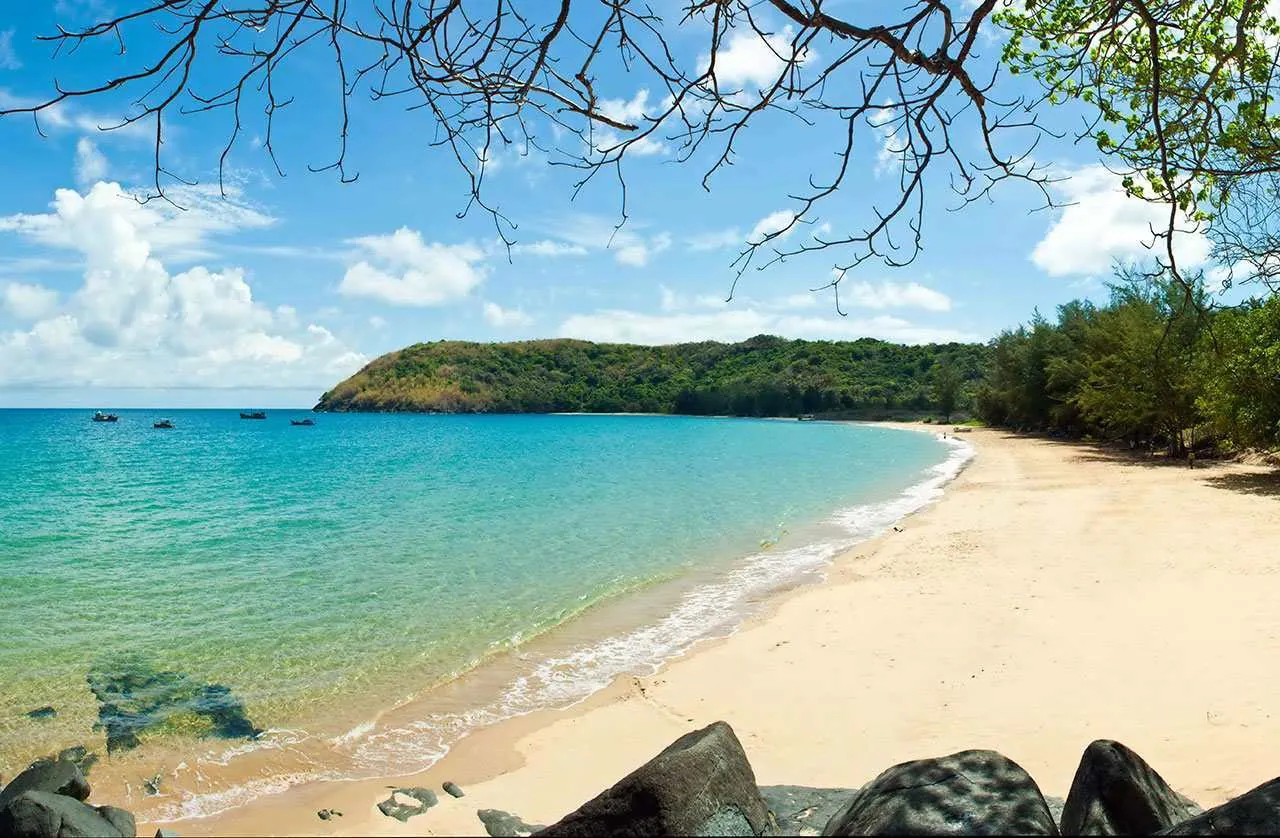
Honestly, if you want resorts, nightlife and easy logistics, Con Dao is not the place, and you would be happier on Phu Quoc, with its beaches and resorts in the south. Con Dao rewards a different traveller: someone who wants near-empty sand, clear water, a slow pace and a heavy dose of history. I spent a full afternoon on Dam Trau beach and shared it with maybe a dozen other people, planes drifting low over the headland every so often.
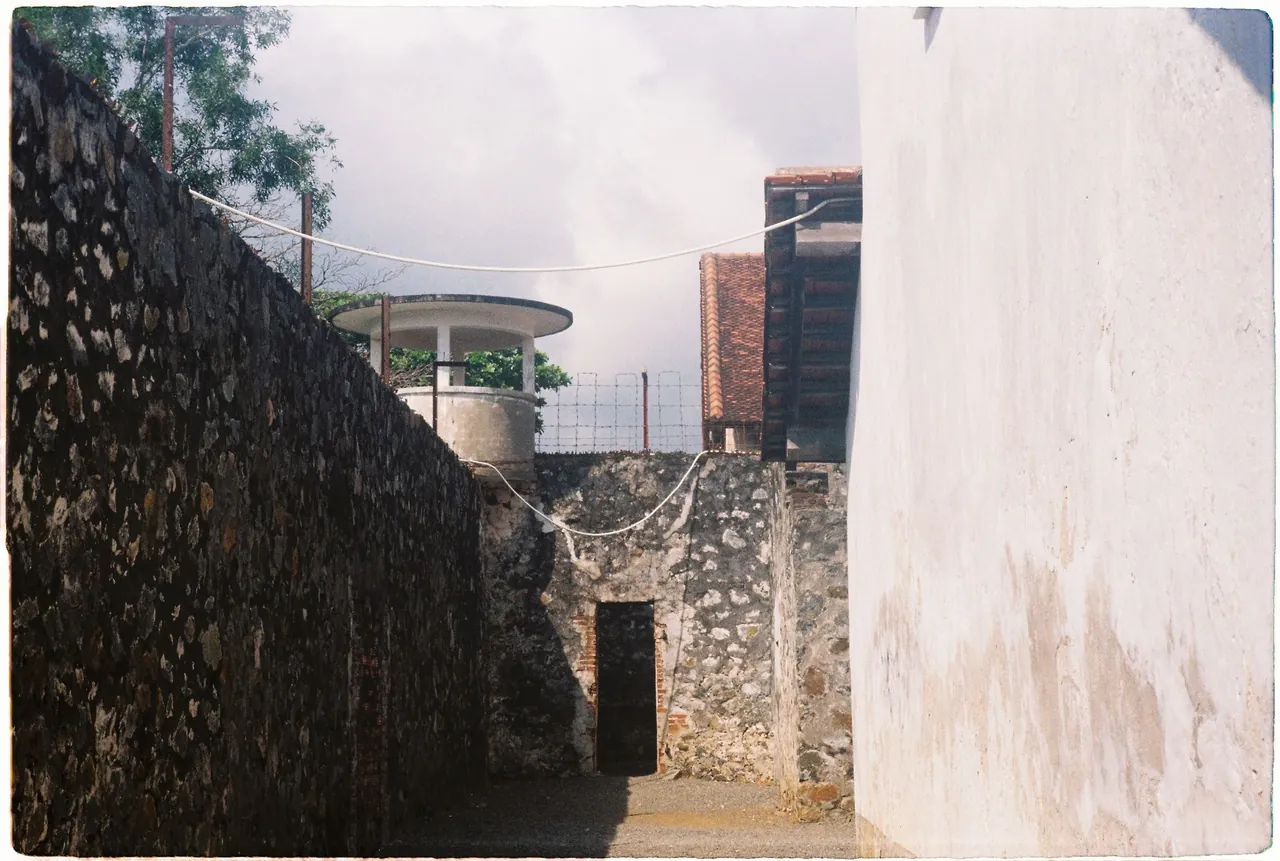
The island’s other, darker draw is the prison history. Con Dao was a penal colony under the French and later held political prisoners, and the preserved cells, including the notorious “tiger cages”, are sobering to walk through. The Hang Duong cemetery, where many prisoners are buried, is visited late at night by Vietnamese travellers paying respects. It is a genuinely moving place and worth a couple of quiet hours.

When is the turtle nesting season?
Green turtles come ashore to lay eggs mainly from June to September, with the peak usually in July and August. This overlaps with the wetter, warmer months, so expect humidity and the chance of afternoon downpours. If you are still deciding when to travel, it is worth cross-checking with our overview of the best time to visit Vietnam, region by region, because the south and the far islands do not follow the same rhythm as the north.
The nesting itself happens on protected beaches, above all on Bay Canh island, a short boat ride from Con Son. You cannot simply turn up. Access is managed by the national park.
How do I book a responsible turtle-watching night?
The only proper way to see nesting is through the Con Dao National Park programme. Numbers are limited, rangers guide the visit, and you typically travel out to Bay Canh in the late afternoon, sleep in very basic ranger accommodation, and are woken when a turtle comes ashore. Watching a female haul herself up the sand and dig, or seeing hatchlings released, is the kind of thing I still think about.
A few things I learned the hard way. Book ahead through the national park office in town rather than assuming there will be space, especially in July and August. Bring your own food, water and a torch with a red filter, because white light disturbs the turtles. Conditions are rustic, so do not expect comfort. And treat the rangers’ rules as non-negotiable: no flash photography, no touching, keep your distance.
The best beaches and diving spots
Dam Trau, near the airport, is the postcard beach: soft sand, calm water, a few simple seafood shacks. An Hai and Lo Voi are closer to town and handy for a swim at the end of the day. For something wilder, Ong Dung beach involves a short walk through forest and is often almost deserted.
The diving and snorkelling around Con Dao are genuinely good by Vietnamese standards, with healthier coral than many mainland sites thanks to the protected status. Visibility is usually best in the drier months, and conditions can be choppier during the summer nesting season, so ask dive operators directly about the day’s plan. There are a small number of operators in town; go with one that respects the park rules.
Somewhere quiet to sleep near the beach?Guesthouses in Con Son town from around 700,000 VND a nightHow do I get to Con Dao?
There are two realistic ways to reach Con Dao, and each has trade-offs.
| Option | Rough journey | Good to know |
|---|---|---|
| Flight to Con Dao (Co Ong) airport | Short hop by small aircraft | Fastest option; small propeller planes; book early and check current routes and airlines |
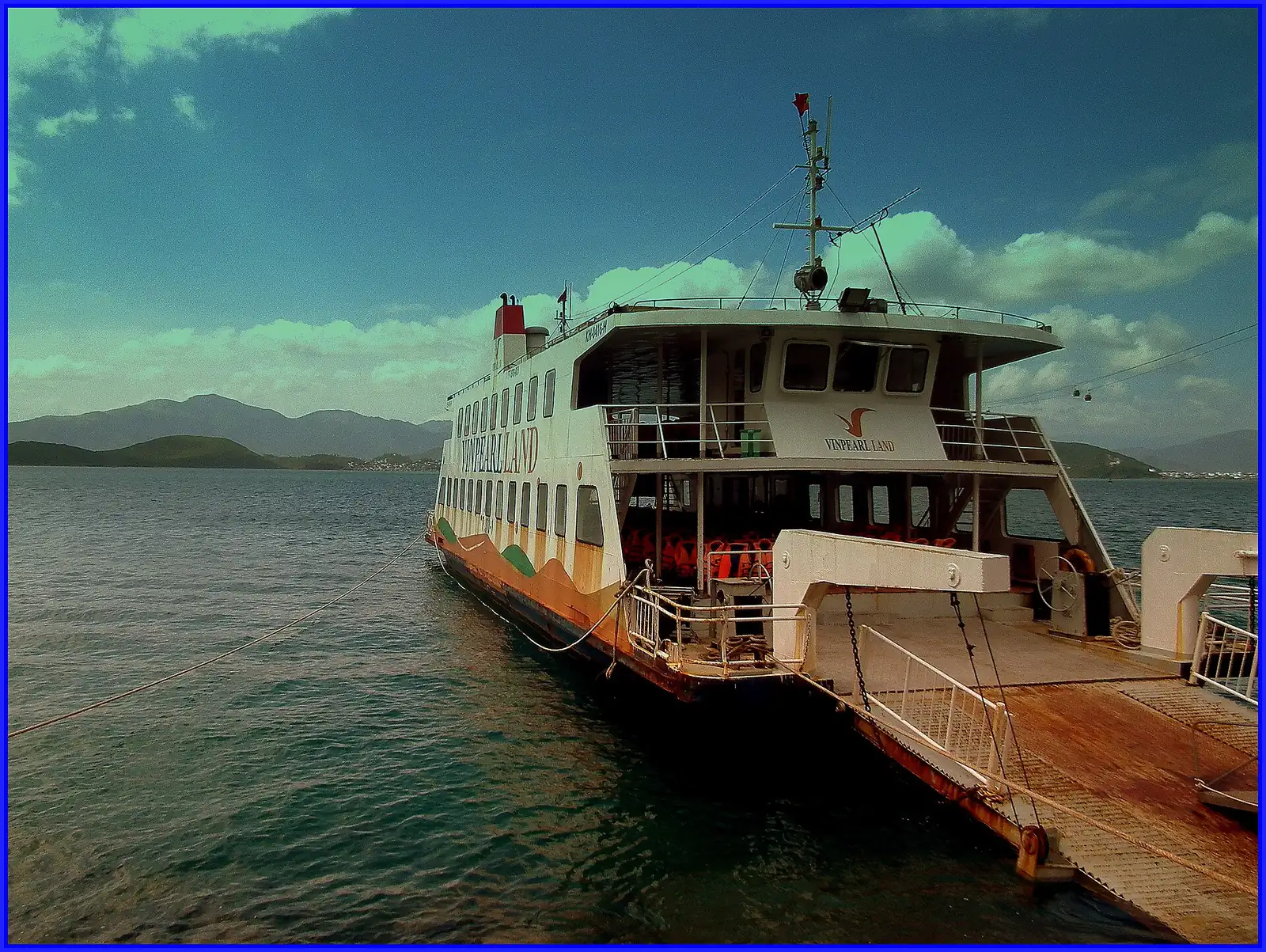
| Fast ferry from the mainland | Several hours by sea | Cheaper; sailings depend on weather and season; can be cancelled |
Most international visitors fly, usually connecting through the south of the country. If you are arriving via the mainland, our guide to getting around Vietnam by flights, trains and buses is worth a read for planning the wider trip. Ferries run from ports on the southern coast and are a budget-friendly alternative, but they are weather-dependent and the crossing can be rough, so I would not rely on them if your schedule is tight. Always confirm timetables and airlines close to your travel date, as they change.
Where should I stay?
Accommodation clusters in and around Con Son town. At the top end there is a well-known luxury resort with private beach access, where villas run into the hundreds of dollars a night. In the middle you will find comfortable guesthouses and small hotels, often somewhere between roughly 700,000 and 1,500,000 VND a night, though prices move with the season, so confirm before booking. Budget travellers can find simple rooms for less. I stayed in a family-run guesthouse a short cycle from the beach and rented a scooter to explore, which is how most people get around the island.
Is Con Dao worth the effort?
For me, yes, but with eyes open. It costs more to reach than almost anywhere else in Vietnam, the logistics take planning, and in summer the weather is unpredictable. What you get in return is space, quiet, a rare stretch of protected sea and a wildlife encounter that most beach destinations cannot offer. If your idea of a good holiday is doing very little on an empty beach with a strong dose of history nearby, Con Dao delivers.
Have you been to Con Dao, or are you weighing it up against another island for your trip? I would love to hear which way you are leaning in the comments.
Worth reading next: Ho Chi Minh City, a Complete Guide and Nha Trang, City Beach and Islands.