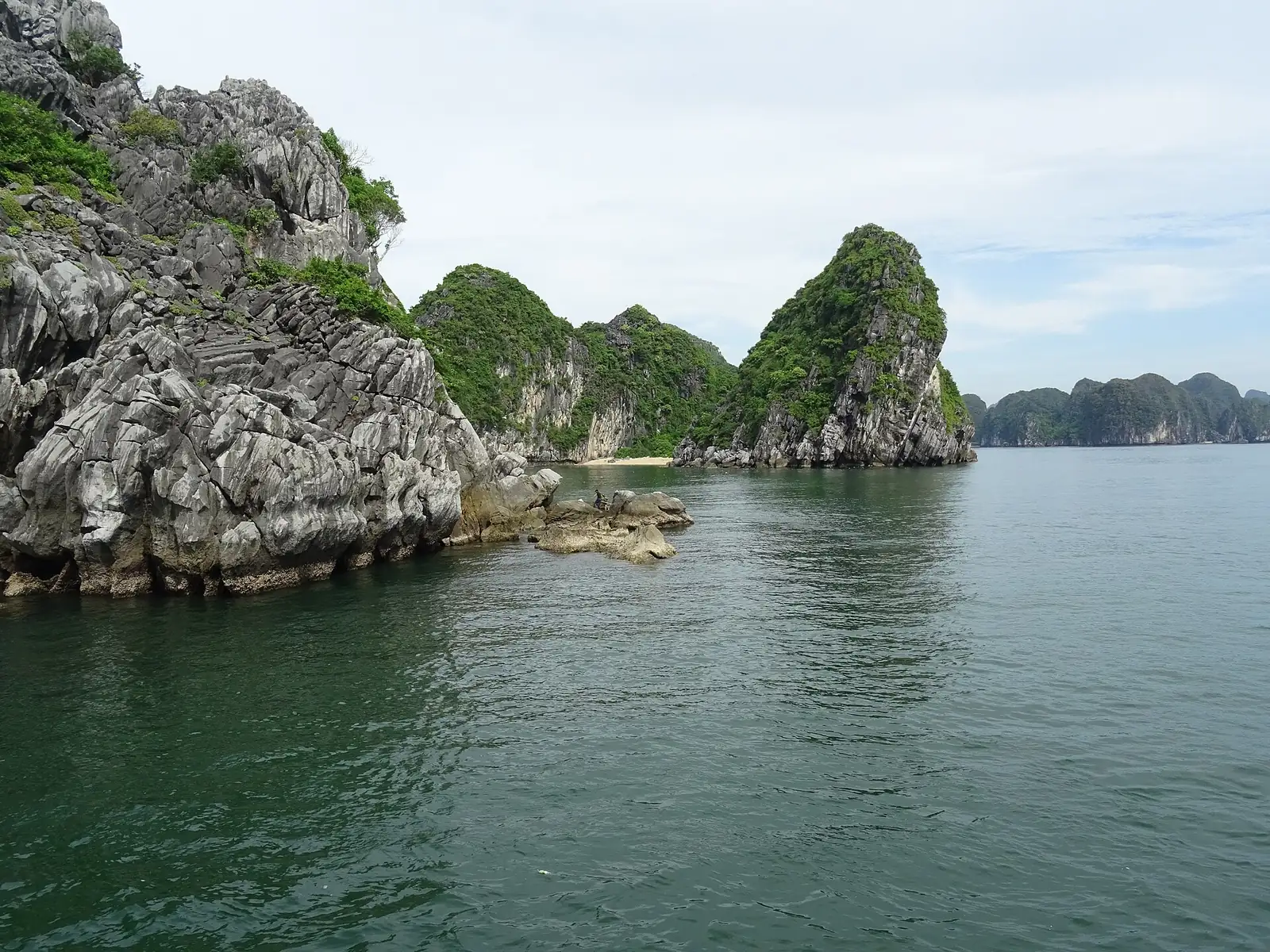
Most visitors to northern Vietnam hear about Ha Long Bay long before they hear about Cat Ba, and that is a shame, because Cat Ba is where a lot of the same scenery is quieter, cheaper to build time around, and easier to combine with hiking, climbing and beach time rather than a single boat itinerary. It is the largest island in the Ha Long Bay archipelago, it has its own national park, and it sits right beside Lan Ha Bay, a stretch of karst islands and green water that looks remarkably like Ha Long Bay’s postcard shots without the same crowds. If you are weighing up a Ha Long Bay cruise against something with more to do on land, Cat Ba deserves serious consideration.
What Cat Ba actually is
Cat Ba sits at the southern edge of the Ha Long Bay area, close enough that boat trips regularly link the two, but it functions as its own destination rather than simply an extension of the bay. The interior of the island is largely covered by Cat Ba National Park, a UNESCO-recognised biosphere reserve protecting one of the last significant blocks of primary limestone forest in the region. It is also the only place on earth where the Cat Ba langur survives, a strikingly marked primate reduced to a small and precarious population found nowhere else.
Cat Ba Town, on the southern coast, is the practical base: harbour, hotels, restaurants and the jumping-off point for boats into Lan Ha Bay. It is a working fishing town with a tourist layer on top rather than a purpose-built resort, which some visitors prefer.

Lan Ha Bay by boat
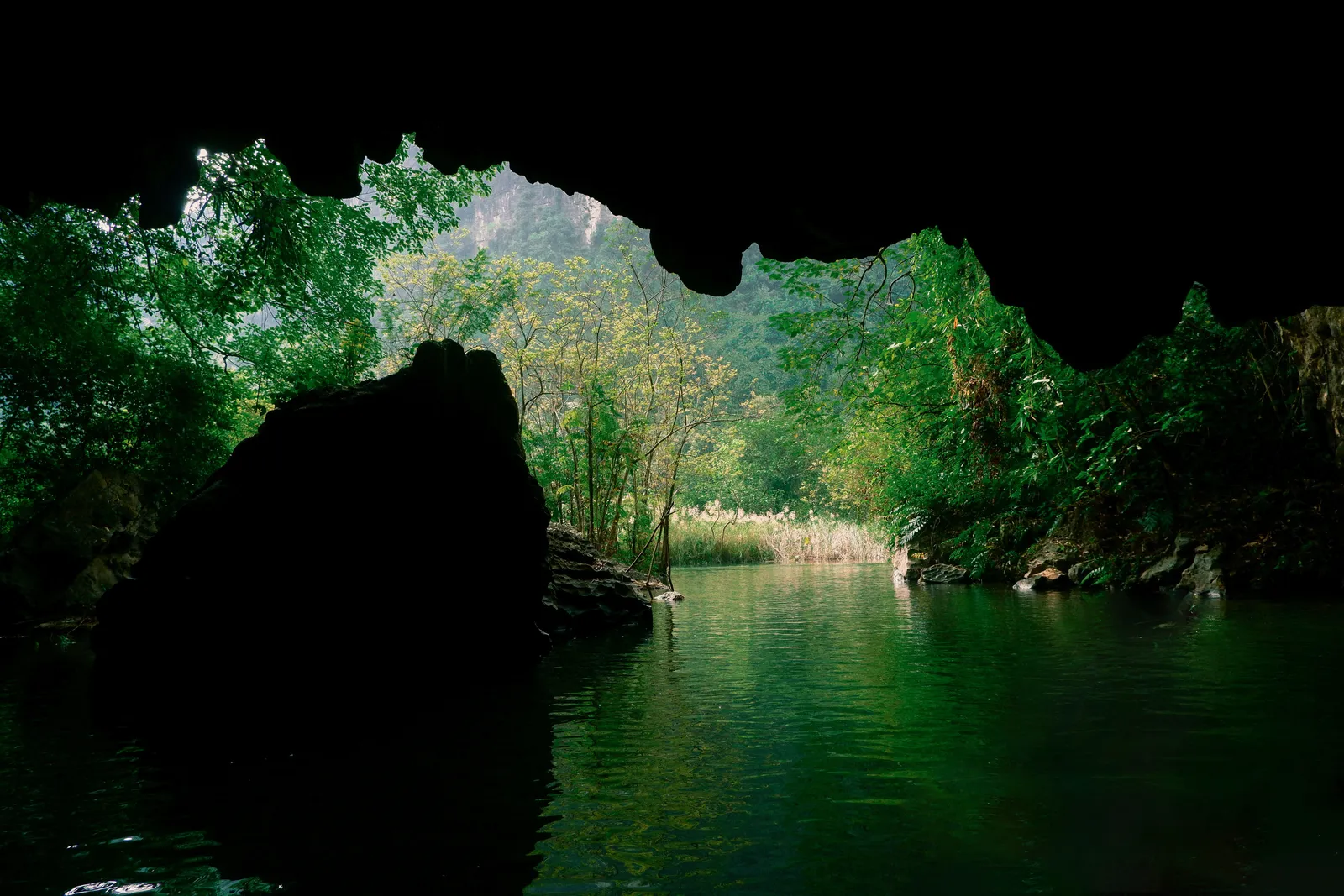
A day trip or overnight boat into Lan Ha Bay is the single best reason to base yourself on Cat Ba. Expect the same dramatic limestone islands, hidden lagoons and quiet coves that Ha Long Bay is famous for, generally with far fewer other boats sharing the view. Most trips combine cruising with a stop for swimming, kayaking through a cave or lagoon, and often a beach landing.
Overnight boat stays are available if you want to wake up on the water rather than doing it as a single long day, and they are usually a calmer, smaller-scale version of a full Ha Long Bay cruise. If your main goal is the classic limestone-islands photograph without the busier boat traffic, this is where to spend your time on the water.
Hiking and the national park
Cat Ba National Park covers much of the island’s interior, and its trails range from a manageable few hours to a full day, generally climbing through dense forest to a summit viewpoint that looks out over the forest canopy toward the sea. It is humid, often muddy underfoot, and considerably more physical than a stroll, so wear proper footwear and bring water.
Spotting the Cat Ba langur is not something you can plan around; sightings are rare and usually depend on an early start with a park guide and a good amount of luck. Even without one, the forest itself, and the sense of how little of the island’s original wilderness has been touched, is worth the walk.
Climbing and kayaking
Lan Ha Bay has a genuine reputation among climbers for deep-water soloing: climbing routes on the limestone cliffs directly above the sea, without ropes, where a fall simply drops you into the water. Several operators run beginner sessions that include instruction, safety equipment and supervised routes, so it is realistic even if you have never climbed before, though a degree of comfort in open water helps.
Kayaking through the bay’s grottoes, lagoons and narrow gaps between islands is offered widely and needs no experience at all. It is a good lower-intensity way to see the same scenery from water level, and many boat trips include a kayaking stop as standard.
Get out on Lan Ha BayCompare boat trips, kayaking and climbing options around Cat Ba before you book.Beaches
The closest beaches to Cat Ba Town are a short walk or ride away and are the easiest option if you just want an afternoon in the sun without arranging a boat. They are pleasant rather than spectacular, and can get busy in peak season, but they are genuinely convenient. For a beach that feels more like the island’s wilder side, some travellers head further round the coast or combine a beach stop with a Lan Ha Bay boat trip instead, landing on a quieter cove that is only reachable by water.
How it compares to a straight Ha Long Bay cruise

A classic Ha Long Bay cruise is largely passive in the best sense: you board, the boat does the moving, and the itinerary is planned for you over one or two nights among the karsts. Cat Ba asks more of you but gives more back if you enjoy being active: hiking, climbing, kayaking and a choice of when and how you get out on the water, alongside a normal town with normal restaurants rather than a boat cabin.
They are not mutually exclusive. A common pattern is a Ha Long Bay cruise that concludes on Cat Ba, or a Cat Ba base with a day or overnight boat trip built in, which lets you compare the two bays for yourself rather than choosing blind.
Getting there
From Hanoi, the standard way to reach Cat Ba is a combined bus and boat ticket sold as a single journey, which takes care of the transfer between road and water without you having to book each leg separately. Routes and connection points change from time to time as infrastructure on the mainland side has developed, so check current options when you book rather than assuming a fixed route.
Cat Ba is also reachable directly as part of many Ha Long Bay and Lan Ha Bay cruise itineraries, which is worth considering if you would rather arrive by boat than by road. However you travel, allow a proper half day for the journey from Hanoi rather than treating it as a quick hop, since it involves at least one transfer regardless of route.
When to go
The cooler months from autumn through to spring are generally the most dependable for boat trips, hiking and clear views over the bay, though the depths of winter can bring mist and a real chill on the water. Summer brings heat, humidity and the seasonal risk of typhoons in this part of the coast, which can disrupt boat schedules with little notice. Whatever season you travel in, check the forecast and any weather advisories in the days before a boat trip, since conditions on the water can change faster than they do on land.
The honest verdict
Cat Ba will not replace a proper Ha Long Bay cruise if a night or two drifting among the karsts is what you actually want. But as a base with a beach, a national park, genuine hiking, climbing you do not need experience for, and Lan Ha Bay on its doorstep, it does more with your time than a single boat itinerary can. Give it two or three nights, get out onto Lan Ha Bay at least once, and decide for yourself whether it is the quieter half of this coastline or the better one.
Would you choose a Ha Long Bay cruise, a Cat Ba base, or try to fit in both? Tell me in the comments.
Where it fits in a northern trip
Cat Ba works as a base rather than a stop, which is the argument for it over a night on a boat: you sleep on land, you can come and go, and the bay is still on your doorstep.
Two things pair naturally with it. Most visitors arrive from the capital, and our guide to day trips from Hanoi covers what else is within reach from the same base. And for travellers heading south with an appetite for landscape rather than cities, the caves at Phong Nha are the other great limestone destination in the country, on an entirely different scale underground.