The question I get asked more than any other about Vietnam is “when should I go?”, and the honest answer is that the question is slightly wrong. Vietnam is over 1,600 kilometres from top to bottom, and at any given moment the three regions are usually doing three different things. I have stood in Hanoi in a grey, damp 15 degrees, flown ninety minutes south, and stepped out into Saigon at 33 and blazing. Same country, same afternoon.
So forget the idea of one perfect month. The useful question is which regions you want, and what compromise you are willing to make. Below is what each part of the country is actually doing through the year, and how to build a route that follows decent weather rather than fighting it.
Why Vietnam has no single best month
The country stretches from a subtropical north that genuinely gets cold, through a narrow central coast with its own typhoon-influenced rhythm, to a tropical south that only really has two settings: wet and dry. These three systems do not line up. When the south is at its most pleasant, the north can be chilly and drizzly. When the north is glorious in autumn, the central coast is often in its wettest stretch.
This matters more than it sounds, because the classic first trip tries to do Hanoi, Ha Long Bay, Hoi An and Ho Chi Minh City in two or three weeks, which means crossing all three climates in one go. There is no month where all three are perfect. There are months where all three are acceptable, and that is what you are really aiming for.
The three regions in one glance
| Region | Best stretch | Worst stretch | What goes wrong |
|---|---|---|---|
| North (Hanoi, Sapa, Ha Long) | Autumn and spring | Deep winter, peak summer | Cold and damp, or hot with heavy rain |
| Centre (Hue, Da Nang, Hoi An) | Late winter through summer | Autumn | The wettest months and the typhoon window |
| South (Ho Chi Minh City, Mekong) | Dry season | Wet season | Daily downpours, though usually short |
The north: Hanoi, Sapa and Ha Long Bay
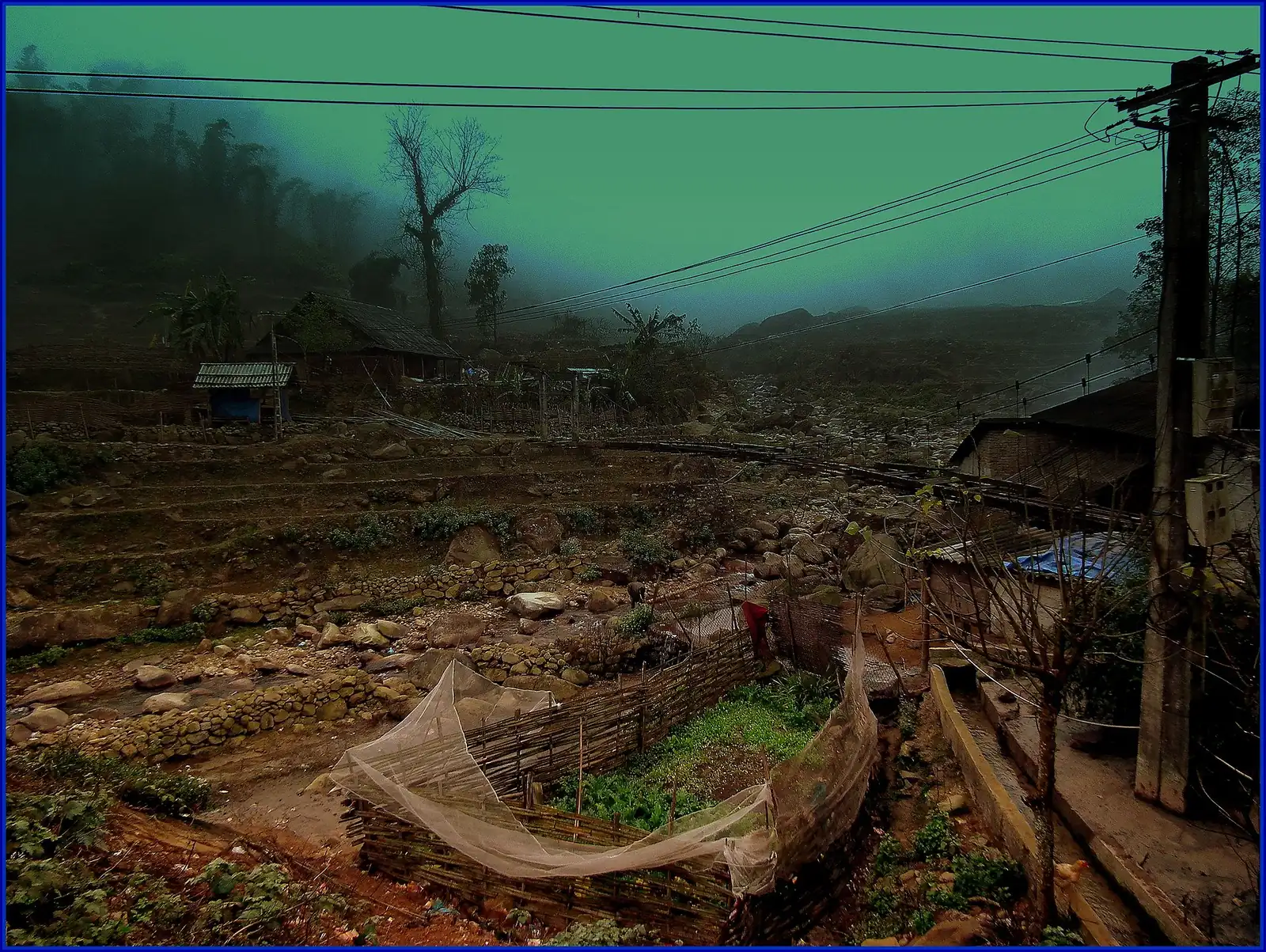
The north has four seasons in a way the rest of the country does not, and visitors are regularly caught out by this. Winter in Hanoi is not tropical at all. It can sit in the low to mid teens for days, often grey and damp with a fine drizzle that never quite becomes rain, and heating is not standard in older hotels. Pack a proper jacket; people who arrive with only shorts spend the first morning shopping.
Summer swings the other way into serious heat and humidity, and it is also the wetter half of the year, with heavy downpours that tend to arrive in bursts rather than lasting all day.
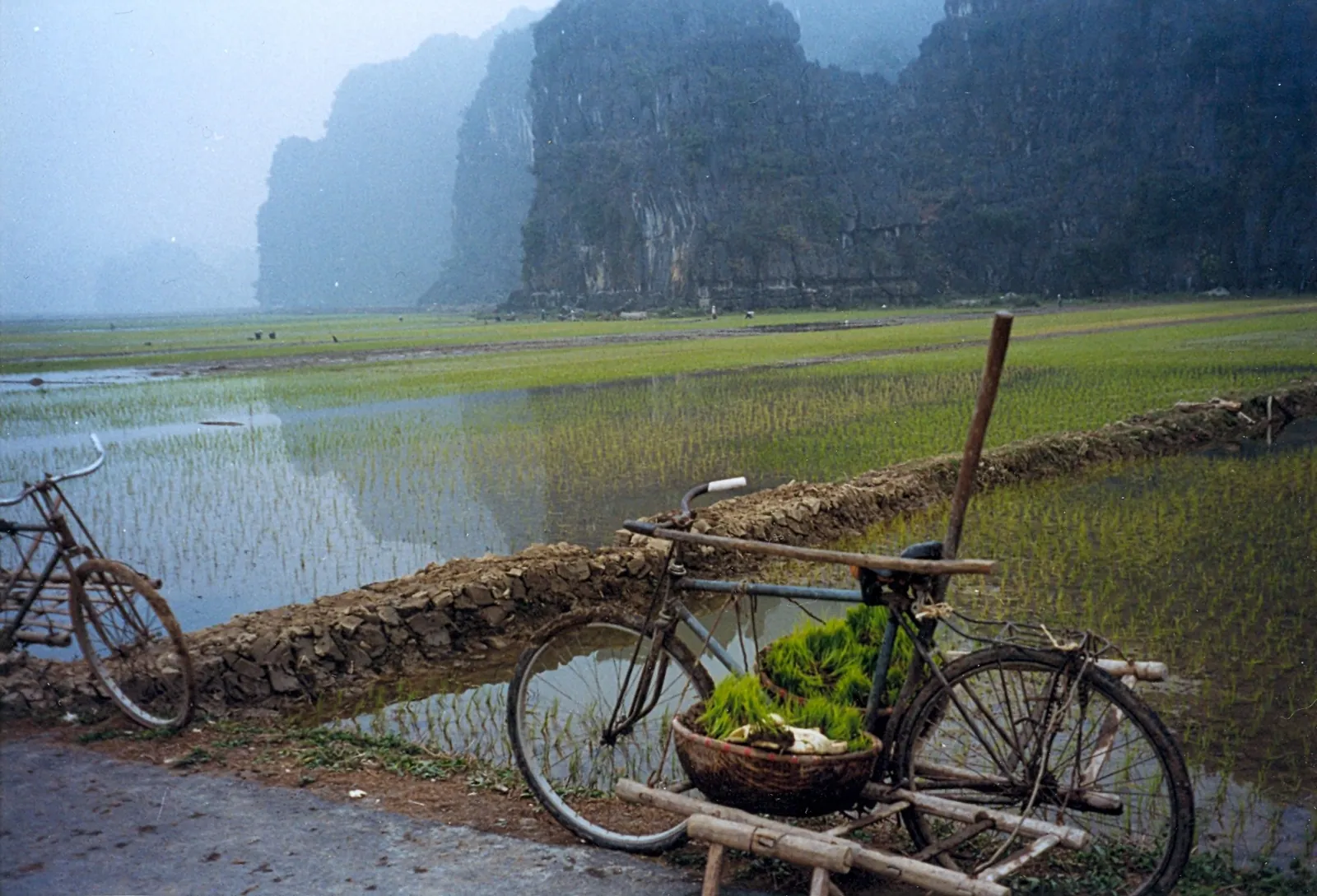
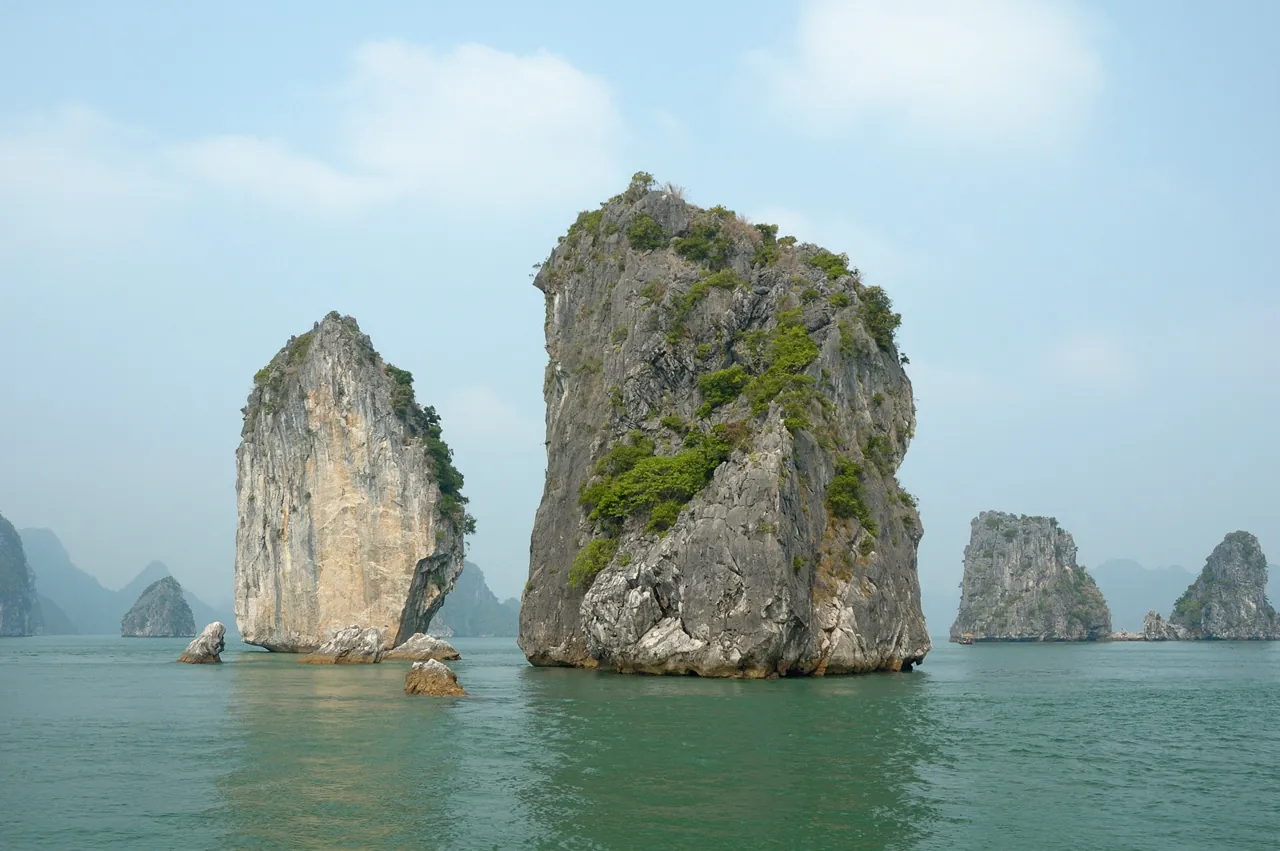
The sweet spots are the shoulders. Autumn is what most locals will tell you is the best time in Hanoi: cooler, drier, clearer light. Spring is lovely too, though it can bring a persistent damp haze. For Ha Long Bay specifically, visibility matters enormously, since the whole point is looking at karst towers rising out of the water. A clear autumn morning is a different experience from a grey one, and cruises can be cancelled outright in bad weather, so build in a spare day rather than booking a cruise for your last morning.
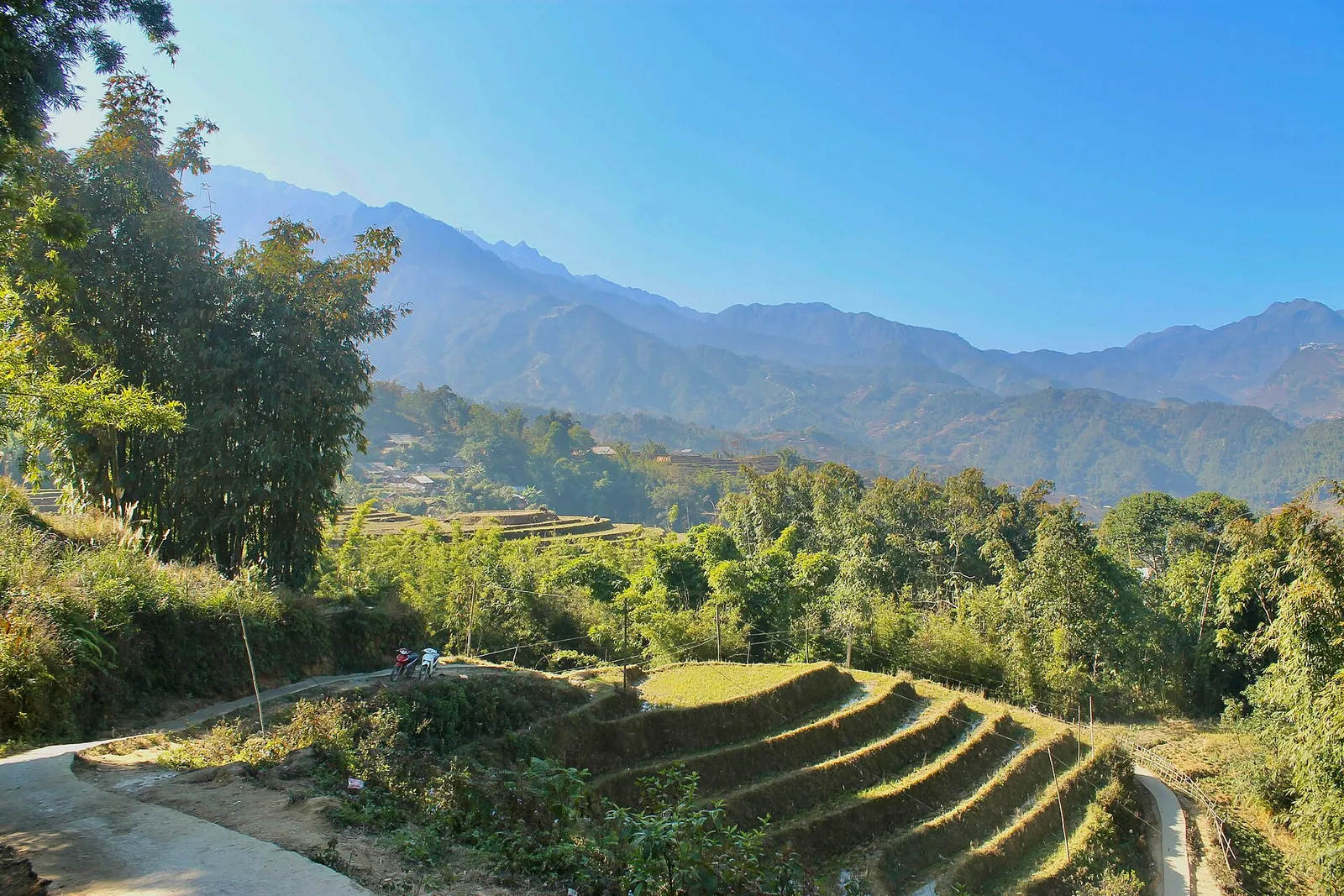
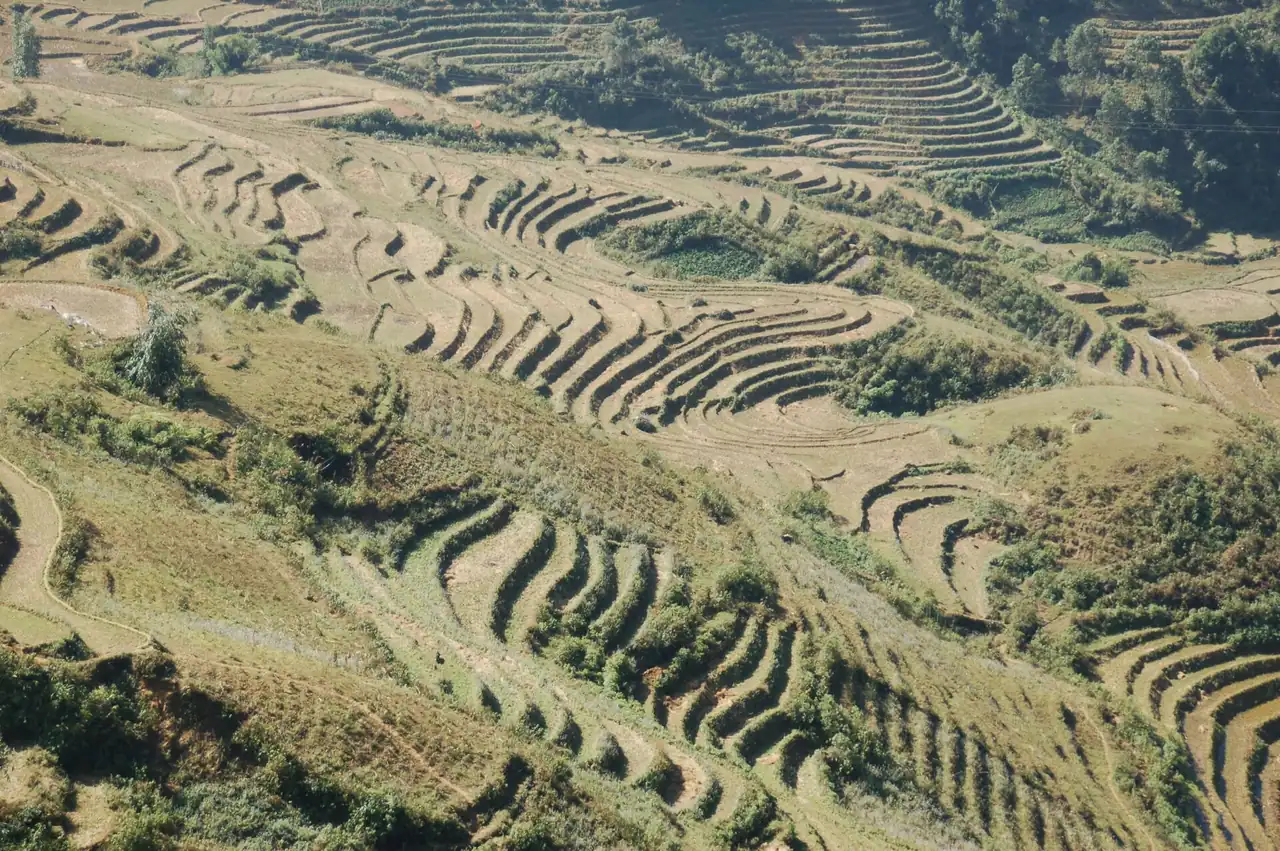
For trekking the terraces, the fields are at their greenest and most photogenic in the growing season, and golden just before harvest, which is why those months are busiest. Our Sapa trekking guide goes into the routes and what the walking is really like underfoot.
The centre: Hue, Da Nang and Hoi An
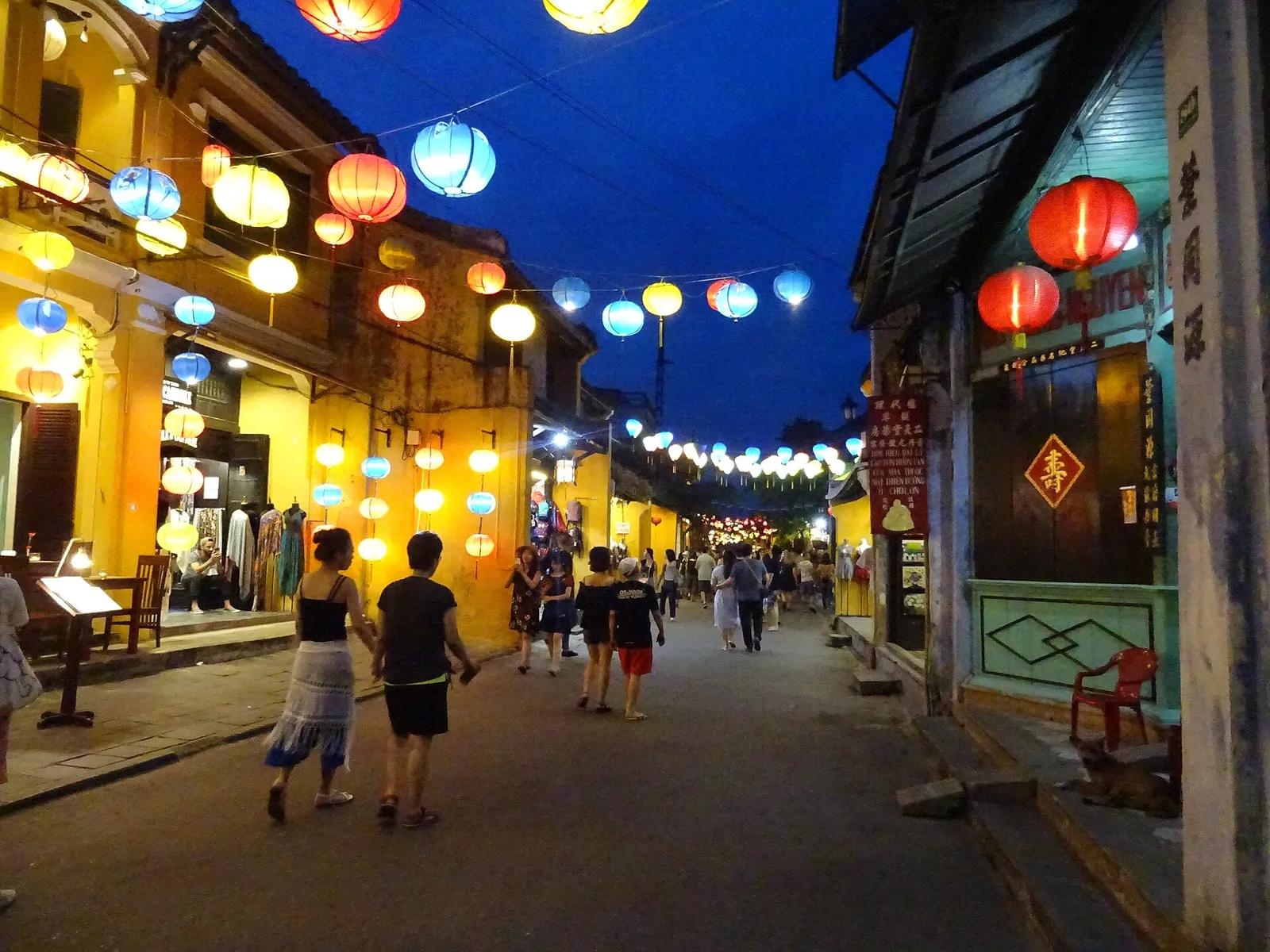
The central coast is the region most likely to ruin a badly timed trip, and the one people research least. Its wet season is concentrated into the autumn months, and that stretch is also Vietnam’s typhoon window. Storms make landfall along this coast, and the practical effects are flooding in low-lying Hoi An, cancelled boats, and occasionally disrupted flights and roads.
I want to be careful here rather than dramatic. Most trips through central Vietnam in autumn are simply damp, not dangerous. But it is the one part of the Vietnamese calendar where I would genuinely build slack into the plan and take travel insurance seriously. Hoi An’s old town has flooded to the point where people move through the streets by boat, which is remarkable to see and much less fun to be booked into.
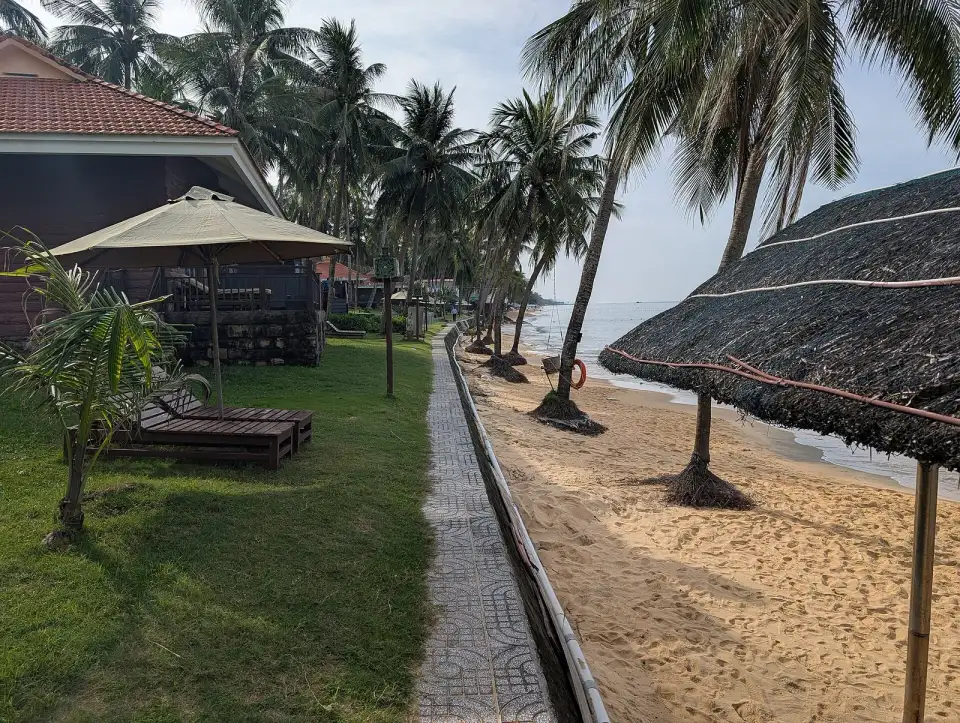
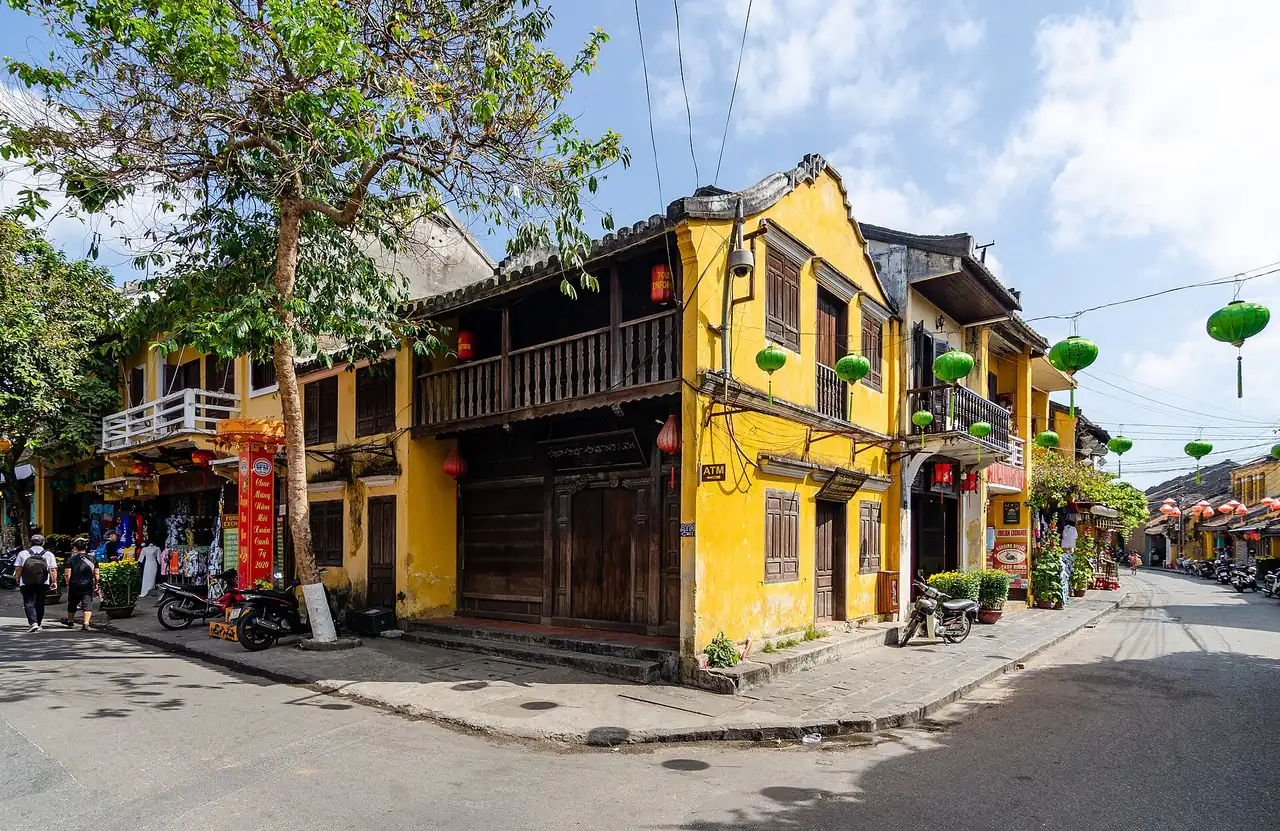
The good news is the rest of the year is generous. Late winter through spring is warm and mostly dry, and the summer months are hot but with the beaches at their best. Da Nang and Hoi An have a proper beach season that does not line up with the north’s best months at all, which is exactly the tension in planning a full-country route. If you are basing yourself there, our Hoi An guide covers the old town, the beaches and how to split your time.
The south: Ho Chi Minh City and the Mekong Delta
The south is the simplest to plan around because it really does have just two seasons. The dry season is hot, bright and reliable, which is why it is the peak tourist stretch. The wet season brings near-daily rain, but this is where expectations need adjusting: it is usually a heavy, dramatic downpour in the afternoon that clears within an hour or two, not a full day of grey. Mornings are frequently fine.
That makes the southern wet season far more travellable than people assume. Prices are softer, the Mekong Delta is full and green, and if you plan sightseeing for the morning and something indoor or unhurried for mid-afternoon, you lose very little. What you should not do is book a tight, unforgiving schedule of outdoor activities and hope.
Heat is the bigger factor than rain in the south. The hottest stretch before the rains break is genuinely draining, and if you are not used to that kind of humidity it will slow you down more than you expect.
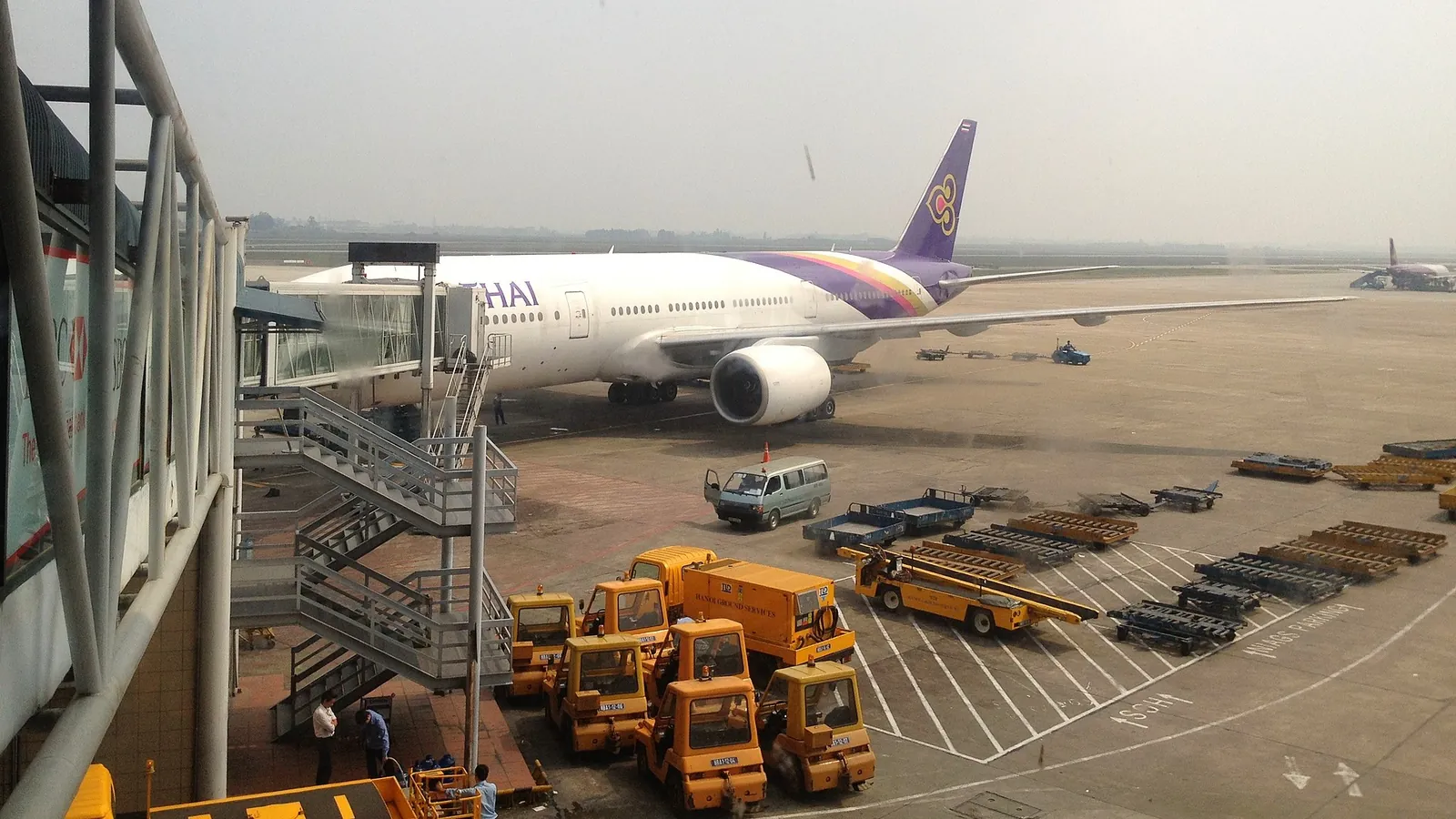
Flying into Hanoi or Saigon?Compare both entry points, the right one depends on the month you travel.Building a route that follows the weather
Here is the practical trick, and it is the single most useful thing on this page: let the calendar choose your direction of travel.
If you are travelling in a period when the north is at its best, start in Hanoi and work south. If you are travelling when the north is cold and grey, flip it: start in the south, where it will be warm and bright, and treat the north as a shorter add-on with proper clothing. Most people book Hanoi to Saigon out of habit because it reads well on a map, not because it suits the month they are going.
The compromise months, roughly the spring window, are the closest thing to a universal answer. The north has usually shaken off winter, the centre is in its drier half, and the south is still in dry season. Nothing is at its individual peak, but nothing is actively working against you either. That is why spring gets recommended so often for full-country trips. If you are still shaping the trip itself rather than just the dates, our first time in Vietnam guide walks through the route, the budget and the practicalities.
Where the crowds and prices sit
Two things move independently of weather and catch people out. Tet, the Lunar New Year, is the biggest holiday of the year: domestic transport books out, many family-run businesses close for several days, and prices spike. It is a fascinating time to witness and a difficult time to move around, so check the dates for your year before booking, since they shift. The northern-hemisphere summer holidays also fill the beaches with domestic tourists even when the international crowd is thin.
Flying into Hanoi or Saigon?Compare both entry points, the right one depends on the month you travel.Practical things worth checking before you book
Entry rules depend on your passport. Vietnam’s e-visa and visa-exemption arrangements vary by nationality, and the exemption lengths and conditions have changed more than once in recent years. Check the current requirement for your own passport on an official Vietnamese government source before you book flights, and note that requirements for South African passport holders in particular often differ from those for Western European ones.
Prices here are in Vietnamese dong. Cash is still king in markets and for small transfers, cards are widely accepted in cities and hotels, and you should expect to handle large-numbered notes. Some tourist-facing operators quote in other currencies; ask for the dong price.
On motorbikes, the honest warning. Riding is how much of Vietnam moves, and it is also the single biggest physical risk most visitors face here. Traffic conventions are genuinely different from what you are used to, roads are wet and slippery for large parts of the year in every region, and many travel insurance policies exclude motorbike accidents entirely unless you hold a licence valid for that engine size in Vietnam. Confirm what your own policy covers and what licence it requires before you get on a bike, not after. If you are not an experienced rider, hiring a driver or using ride-hailing is a completely reasonable choice.
So when should you actually go?
If you want one region done well, pick that region’s peak and ignore the rest of the country. Autumn in the north is genuinely special. The central beaches in early summer are excellent. The southern dry season is dependable.
If you want the classic full-country trip, aim for the spring compromise window and accept that no single stop will be at its absolute best. And whenever you go, build in one spare day around Ha Long Bay and one around the central coast, because those are the two places where weather actually cancels things.
The country is worth seeing in any month, as long as you go in knowing what that month is doing rather than being surprised by it. Which region are you leaning towards, and what month are you looking at? Tell me in the comments and I will tell you honestly what to expect.