Nobody arrives in Ho Chi Minh City gently. You come out of the airport into a wall of warm air and a river of motorbikes that does not appear to have gaps in it, and for the first hour you wonder what you have done. Then somebody hands you an iced coffee thick enough to stand a spoon in, you sit on a plastic stool eighteen centimetres off the pavement watching the whole thing flow past, and it clicks.
Saigon, as almost everyone including locals still calls it, is the loud, fast, commercial half of Vietnam. It is not prettier than Hanoi and it does not pretend to be. What it has is energy, the best eating in the country by a margin some people will fight me over, and a history that is still close enough to touch.
How the city fits together
The thing to understand is that Ho Chi Minh City is enormous and numbered by district, and as a visitor you will spend almost all of your time in a handful of them.
District 1 is the centre: the colonial-era landmarks, the main museums, the big hotels, the backpacker street and most of the nightlife. If it is your first visit and you have a few days, stay here. Everything you have heard of is either in it or a short ride away.
District 3 sits immediately alongside and is quieter, leafier and more residential, with some of the best neighbourhood eating and a slower feel. It is where I would stay on a second visit.
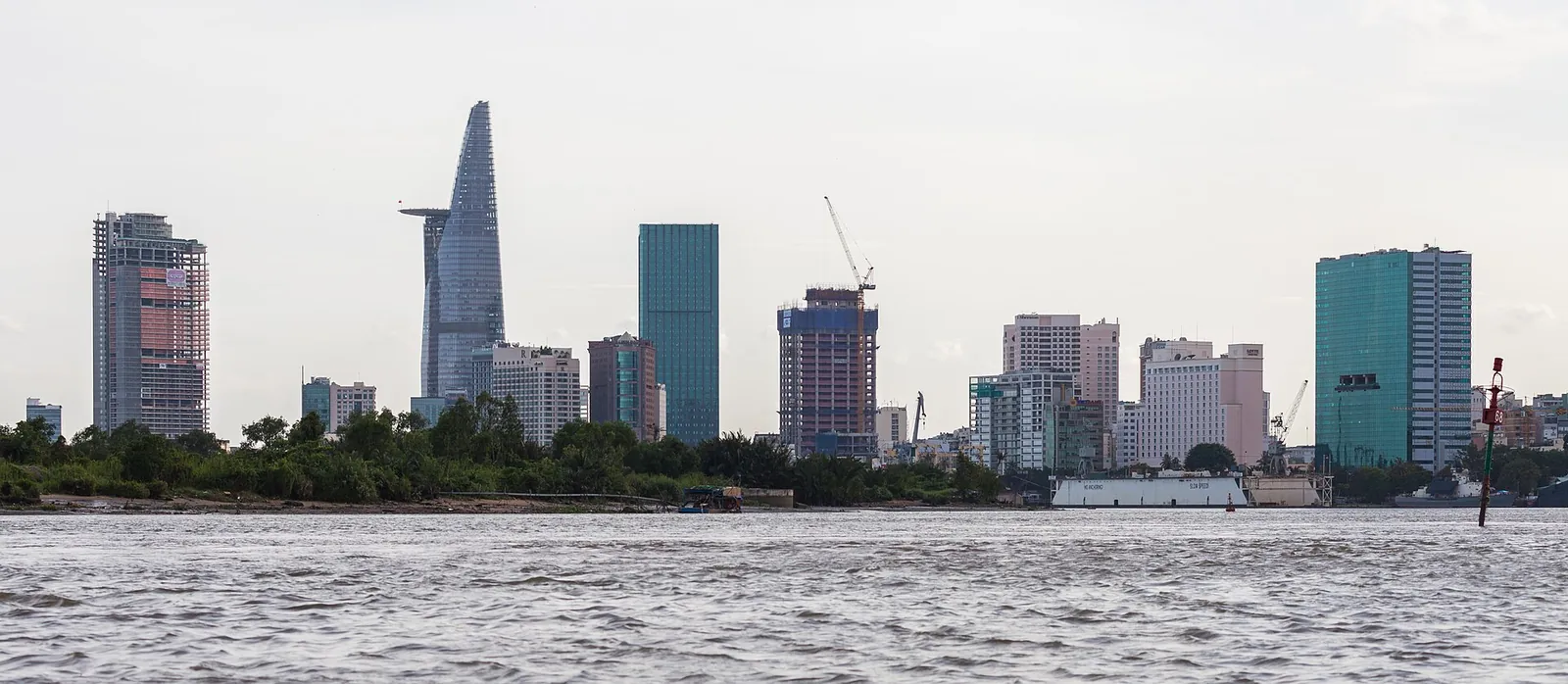
Binh Thanh and Thao Dien are where the modern city has gone: riverside towers, international restaurants, coffee shops full of laptops. Thao Dien in particular is the expat quarter and feels almost like a different city, which is either a relief or a cop-out depending on your mood.
Cholon, the historic Chinese quarter, is further out and worth a dedicated half day for the temples and the wholesale market chaos.
District cheat sheet
| Area | Best for | Feel |
|---|---|---|
| District 1 | First visits, sights, nightlife | Busy, central, touristy in parts |
| District 3 | Food, staying longer | Local, leafy, calmer |
| Thao Dien | Modern cafes, families | International, quiet, spread out |
| Cholon | Temples, markets, half-day trip | Older, denser, less polished |
The history you came for
Two places anchor most itineraries, and they are both heavy going.
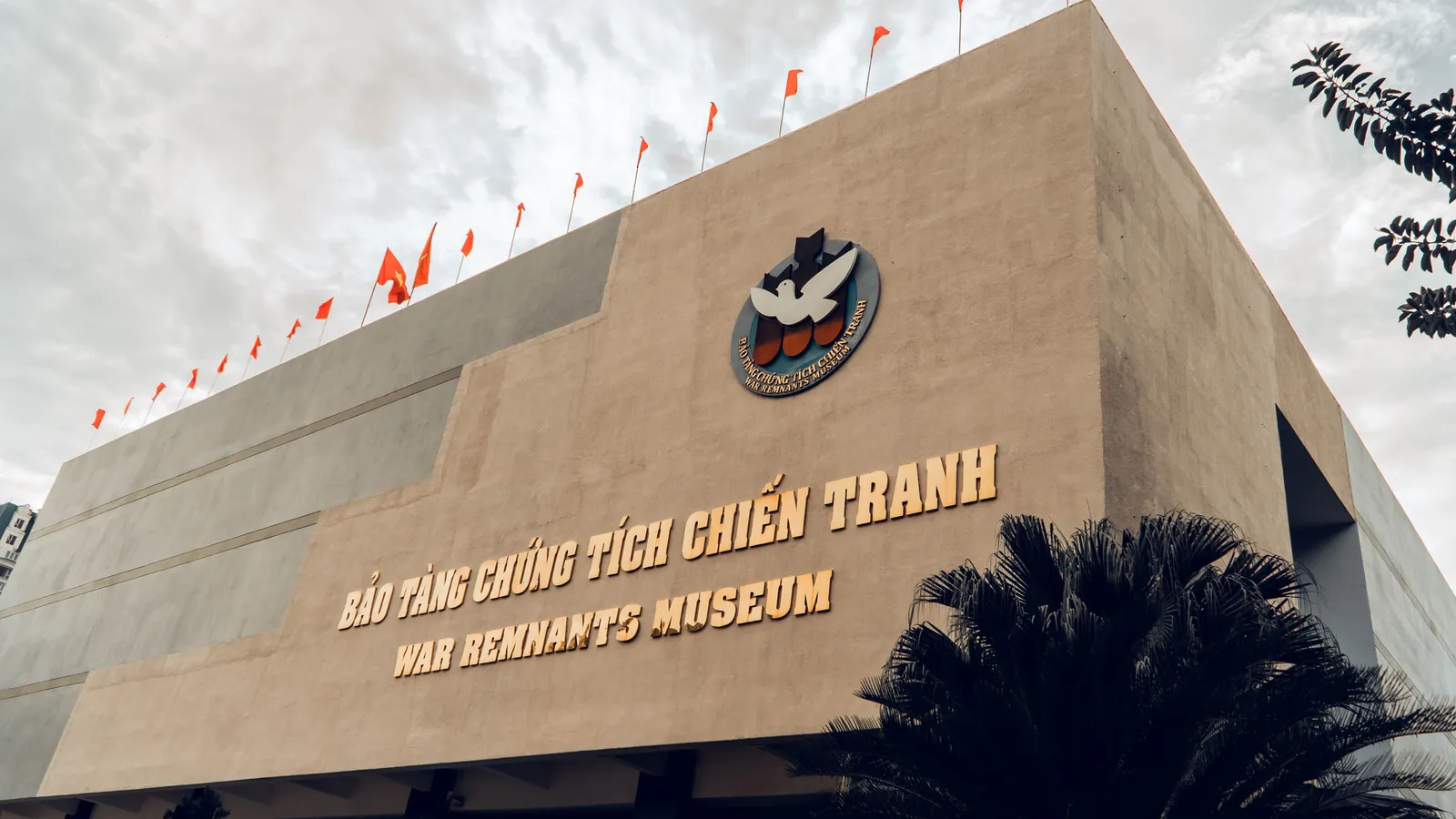
The War Remnants Museum presents the American war from the Vietnamese perspective, and it is unflinching. The photography on the upper floors, particularly the sections on chemical defoliants and their effects on children, is genuinely distressing. I think it is essential and I would not take a young child. Go in the morning when you have the emotional energy, and plan something gentle afterwards rather than stacking another museum on top.
The Independence Palace, the former presidential residence, is the other. It is preserved almost exactly as it was, down to the rotary phones and the war rooms in the basement, and it is a strange, still, time-capsule sort of place after the noise outside.
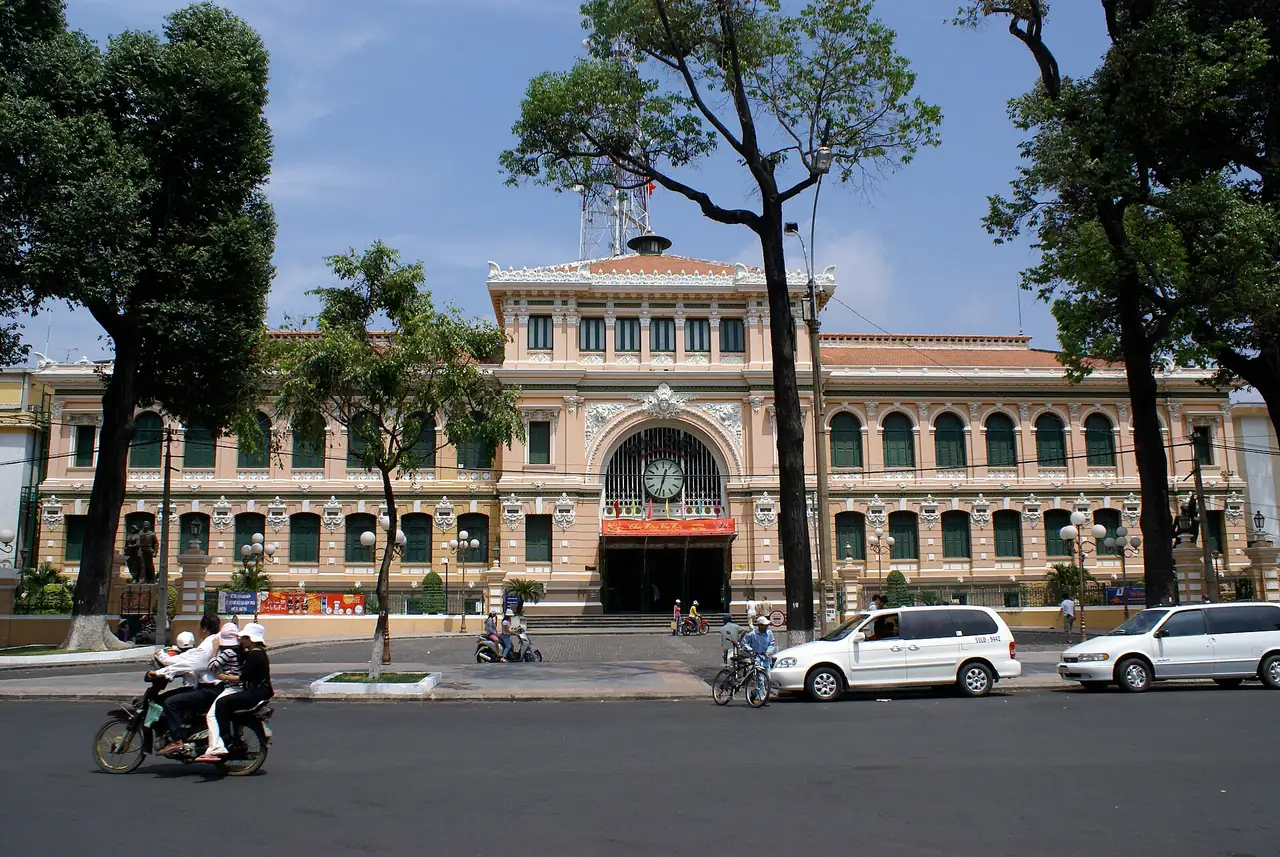
For a lighter counterweight, the Central Post Office and the cathedral opposite are the postcard colonial pairing, and the old opera house and city hall complete the set. They take an hour, they are free to look at from outside, and they are five minutes from each other.
Eating, which is the real reason to come
Southern Vietnamese food is sweeter, herbier and more generous with fresh greens than the north, and Saigon is where the whole country’s cooking collides. The version of a dish you get here is often not the version you get elsewhere, which is exactly why comparing as you travel is half the fun. Our Vietnamese food guide walks through the dishes themselves; what follows is where to find them here.
Eat on the street, at least once properly. The plastic-stool places with one dish and a queue are the point, not a compromise. Look for turnover: a stall that is busy is a stall whose ingredients have not been sitting out.
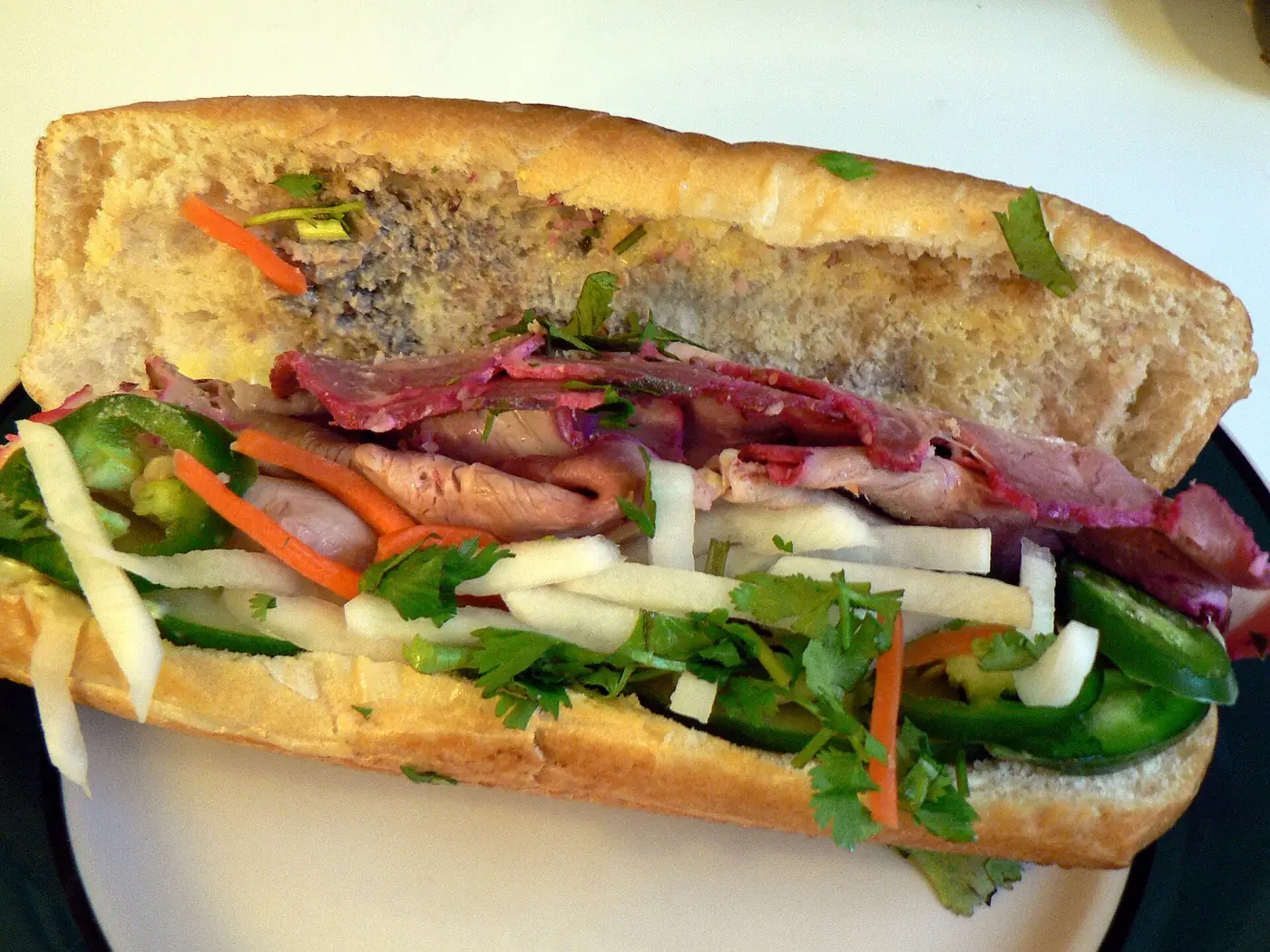
Things worth going out of your way for: a banh mi from a dedicated cart rather than a cafe, southern pho with its plate of herbs and sprouts to add yourself, com tam (broken rice with grilled pork), banh xeo the sizzling turmeric crepe you wrap in lettuce, and ca phe sua da, the iced coffee with condensed milk that runs this city.
Ben Thanh Market is the famous one and it is fine, but it is expensive and aimed squarely at visitors. The food courts on its perimeter after dark are better than the stalls inside. For a real market, go to one in District 3 or Cholon.
Crossing the road, seriously
This sounds like a joke and it is not. The traffic does not stop for you, and waiting for a gap means waiting forever.
The technique is genuinely counterintuitive: step off the kerb and walk slowly and steadily in a straight line at a constant pace. The motorbikes are watching you and they will flow around you, and they can do that precisely because your movement is predictable. What causes accidents is stopping suddenly, sprinting, or jumping backwards. Do not do any of those. Walk like you have somewhere to be and trust it. Cars and buses are a different matter and will not swerve, so treat those with real respect.
For getting around, ride-hailing apps work well and remove all argument about fares, including motorbike taxis if you are comfortable on two wheels. The metro has begun operating and is clean and cheap, though its coverage is still limited compared to the sprawl of the city.
Booking the tunnels or the delta?Compare small-group options and skip the six-hour coach version.Day trips worth taking
The Cu Chi tunnels are the standard half-day, an hour or so out of the city, and worth it for how physically small the tunnel sections are more than for the presentation.
The Mekong Delta is the other big one. A day trip gives you a taste and a lot of coach time; an overnight in the delta is a genuinely different and better experience if you can spare it.
Booking the tunnels or the delta?Compare small-group options and skip the six-hour coach version.How long to stay, and where it fits in a trip
Two full days covers the central sights and eats you properly. Three lets you add Cholon or a day trip without rushing. More than that and you want to genuinely like big cities, because Saigon does not really do restful.
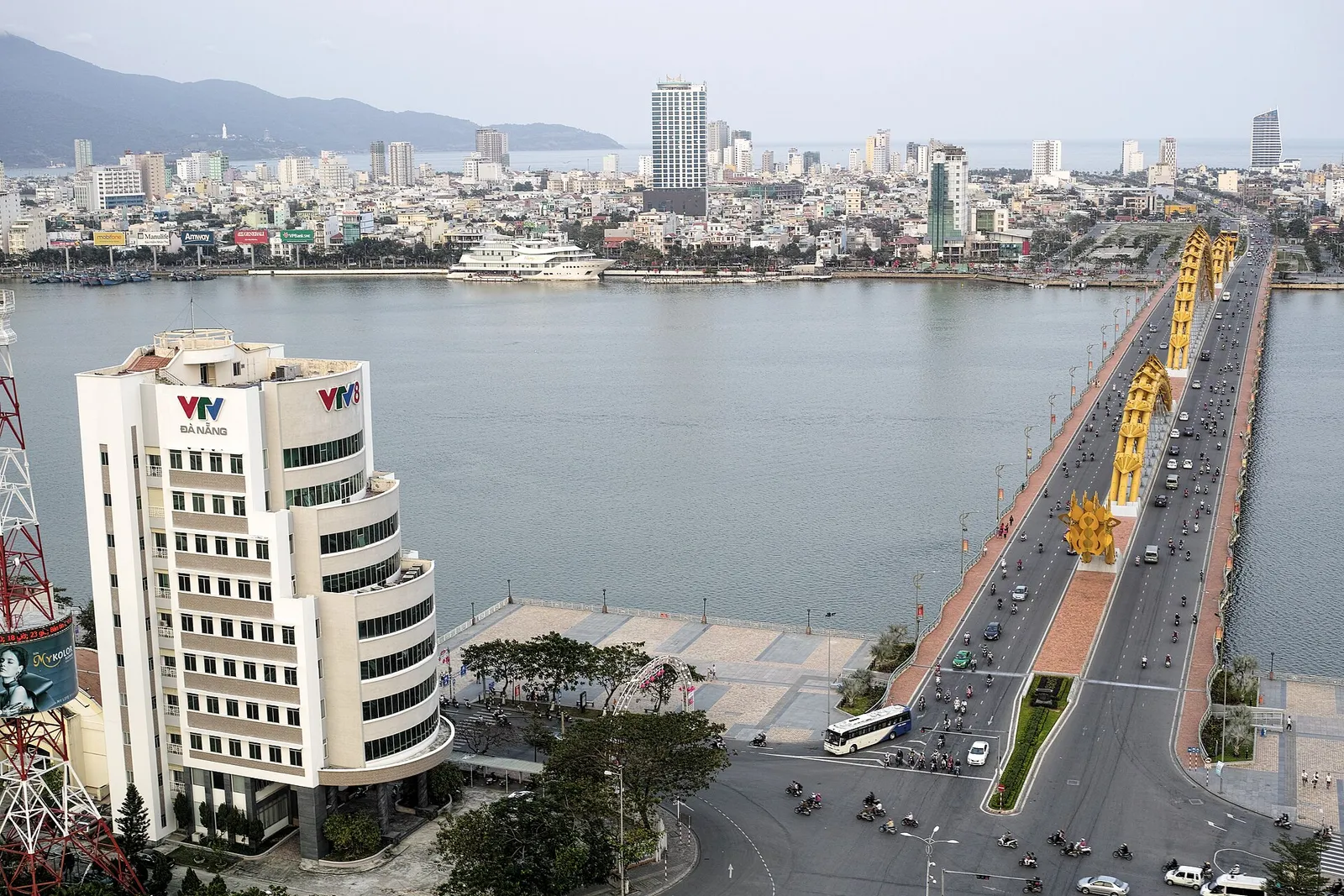
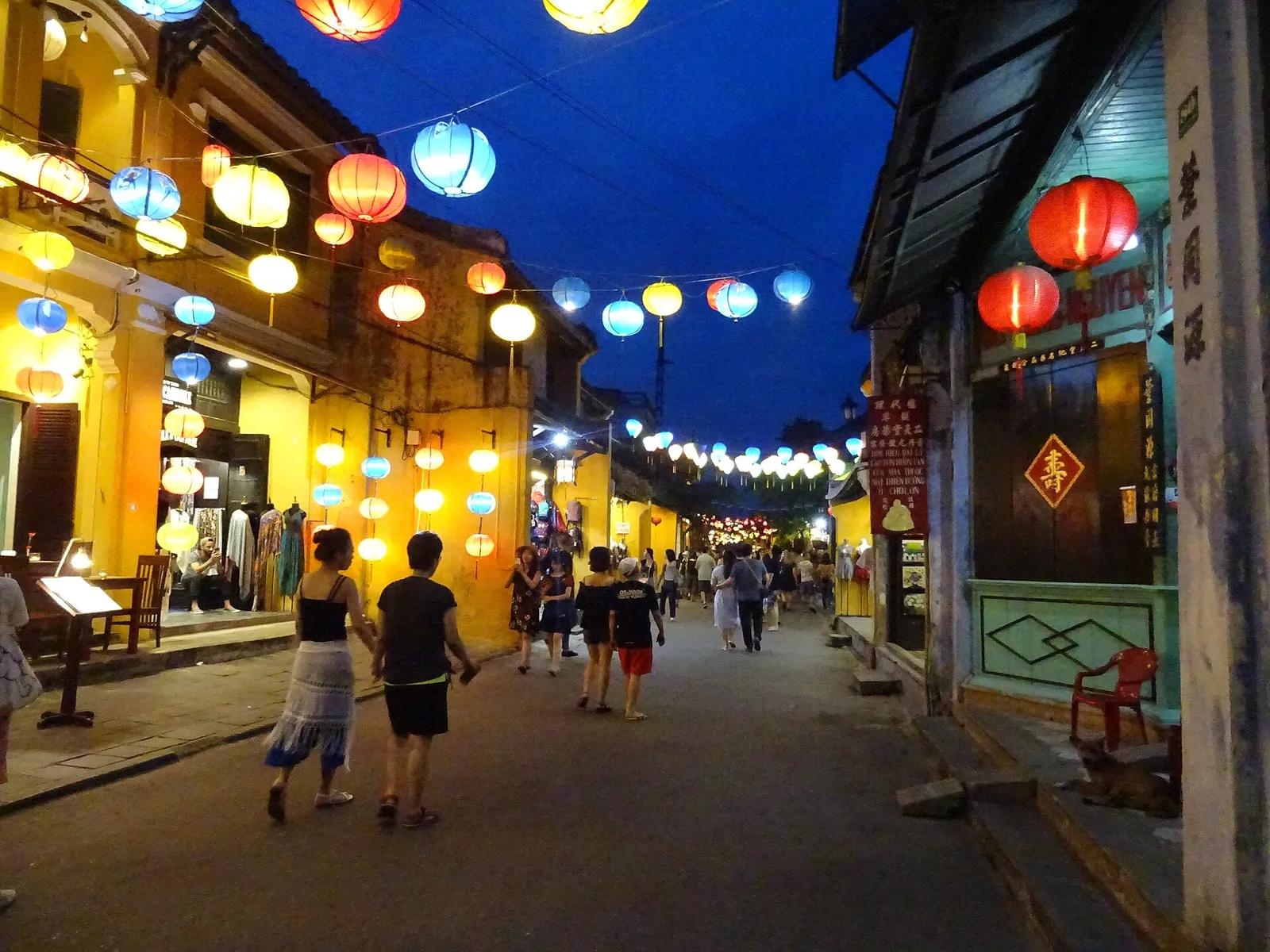
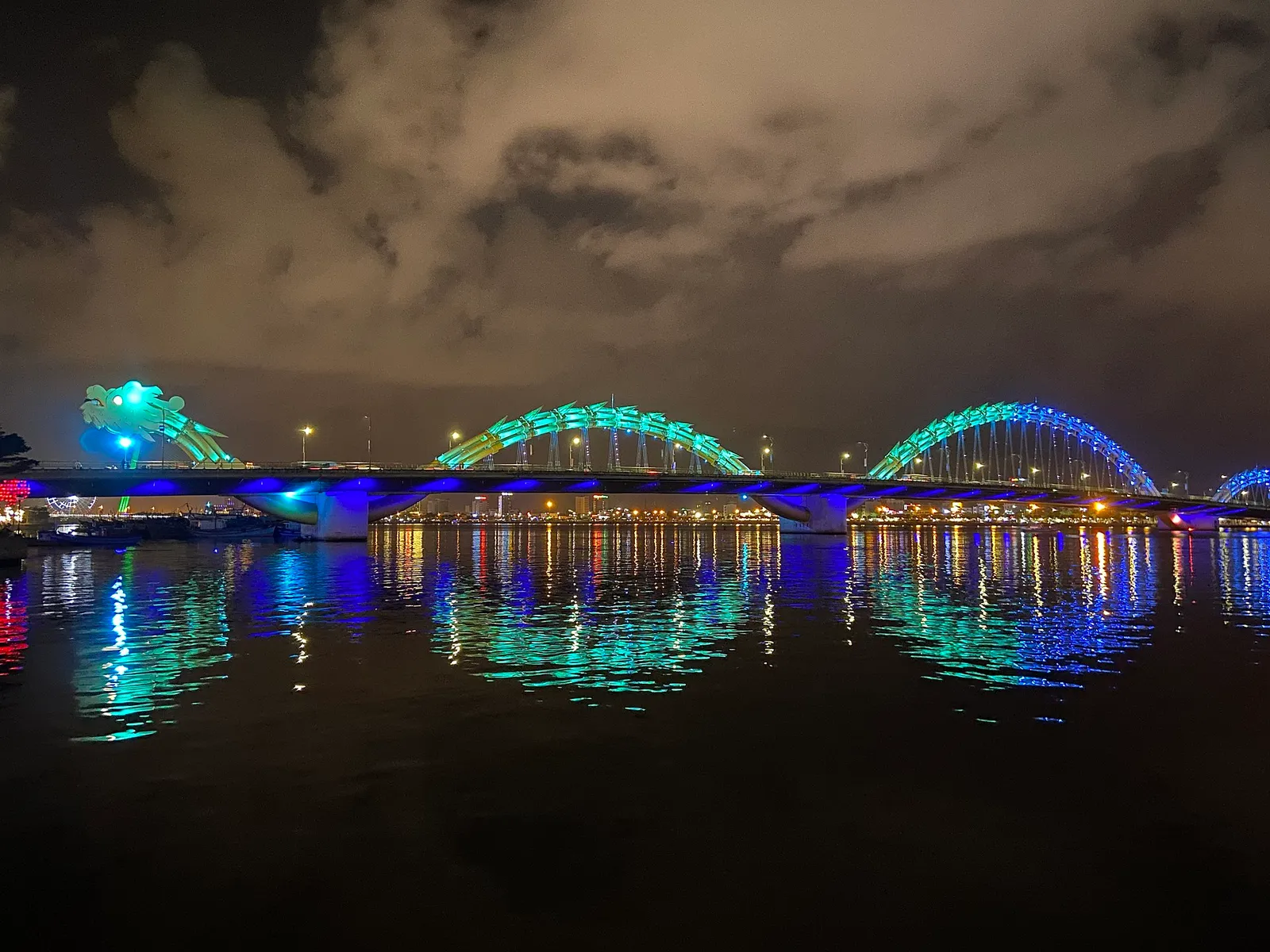
Most itineraries put it at one end of the country and fly to the other, which is the sensible way to do it given the distances. If you are coming up the coast, Da Nang makes the natural modern-city counterpoint and Hoi An the slow, low-rise antidote to all this noise. The three of them together tell you more about Vietnam than any one of them alone.
One planning note: the south has a wet season with near-daily afternoon downpours, which sounds worse than it is because they usually clear quickly. Our guide to the best time to visit explains how the southern calendar differs from the north’s, which matters a lot if you are combining both.
The honest summary
Ho Chi Minh City is not a beautiful city and it is not a relaxing one. It is a brilliant one. Come hungry, stay in District 1 the first time, give the War Remnants Museum a morning and your full attention, learn to cross the road, and eat at least one meal sitting on a stool low enough that your knees are level with your ears.
What is the best thing you ate in Saigon, and which district did you find it in? Tell me in the comments, I am always after another address.