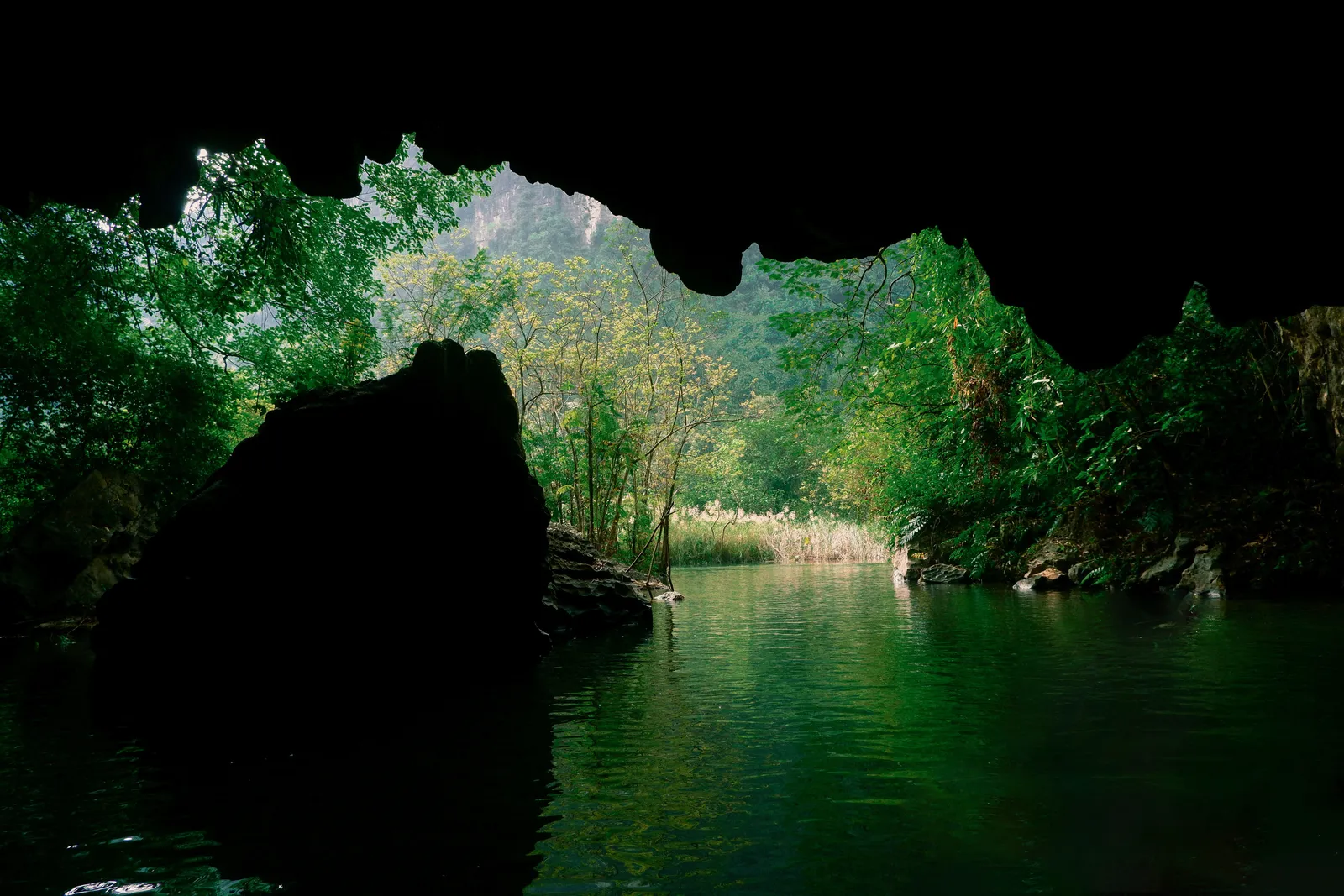
Phong Nha-Ke Bang is the reason Vietnam turns up on lists of the world’s great caving destinations. This national park in Quang Binh province, a UNESCO World Heritage Site, sits inside some of the oldest karst mountains in Asia, and beneath them runs a network of caves so large that one of them is widely regarded as the biggest single cave passage on the planet. You do not need to be a caver to visit. There is an easy boat ride for people who want to see something extraordinary without breaking a sweat, and there is a multi-day expedition for people who want to disappear into the earth for a few days. Most visitors land somewhere in between, and that range is exactly what makes this park worth building real time into a Hue or central Vietnam itinerary for.
Why this particular patch of limestone
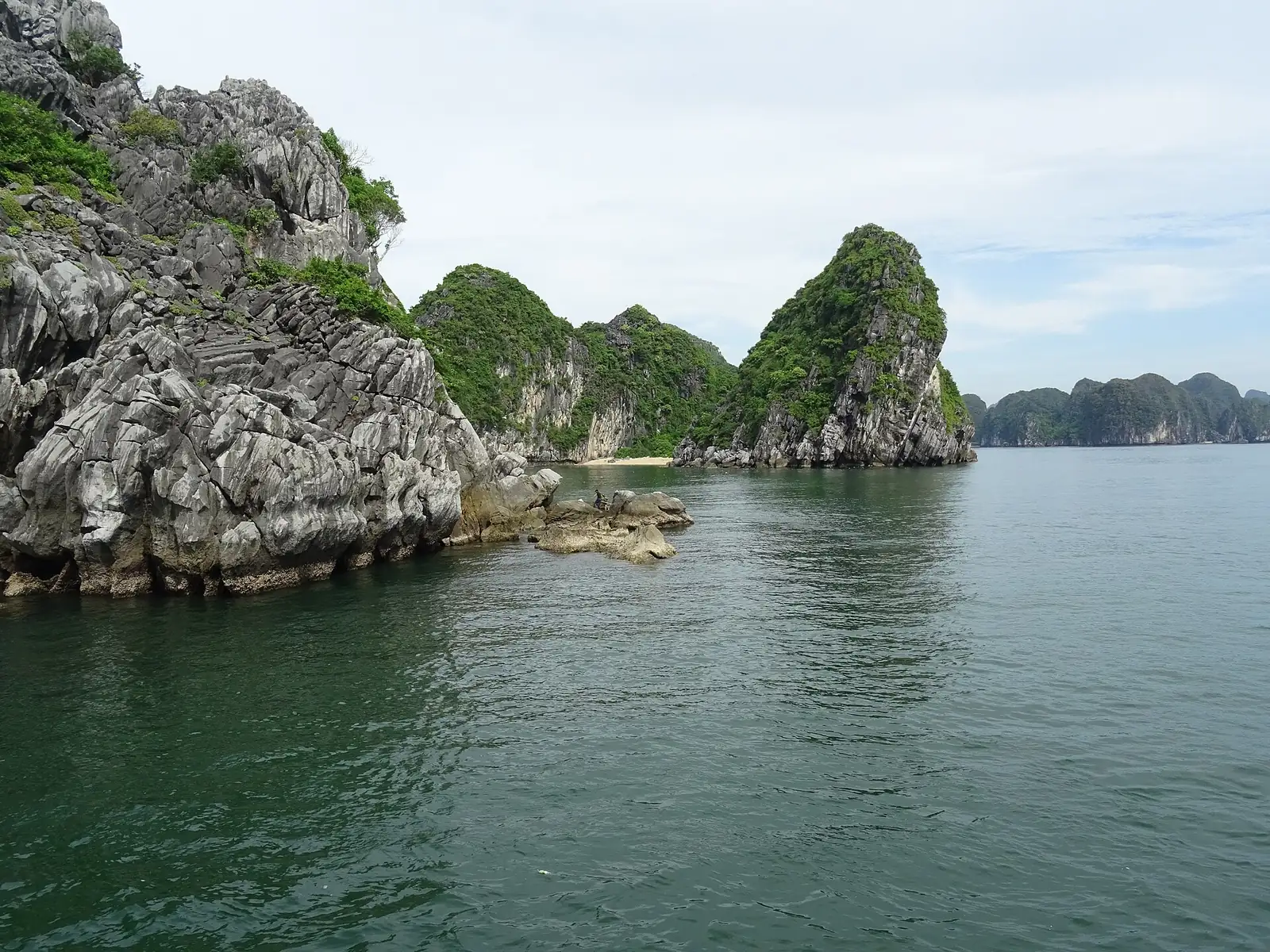
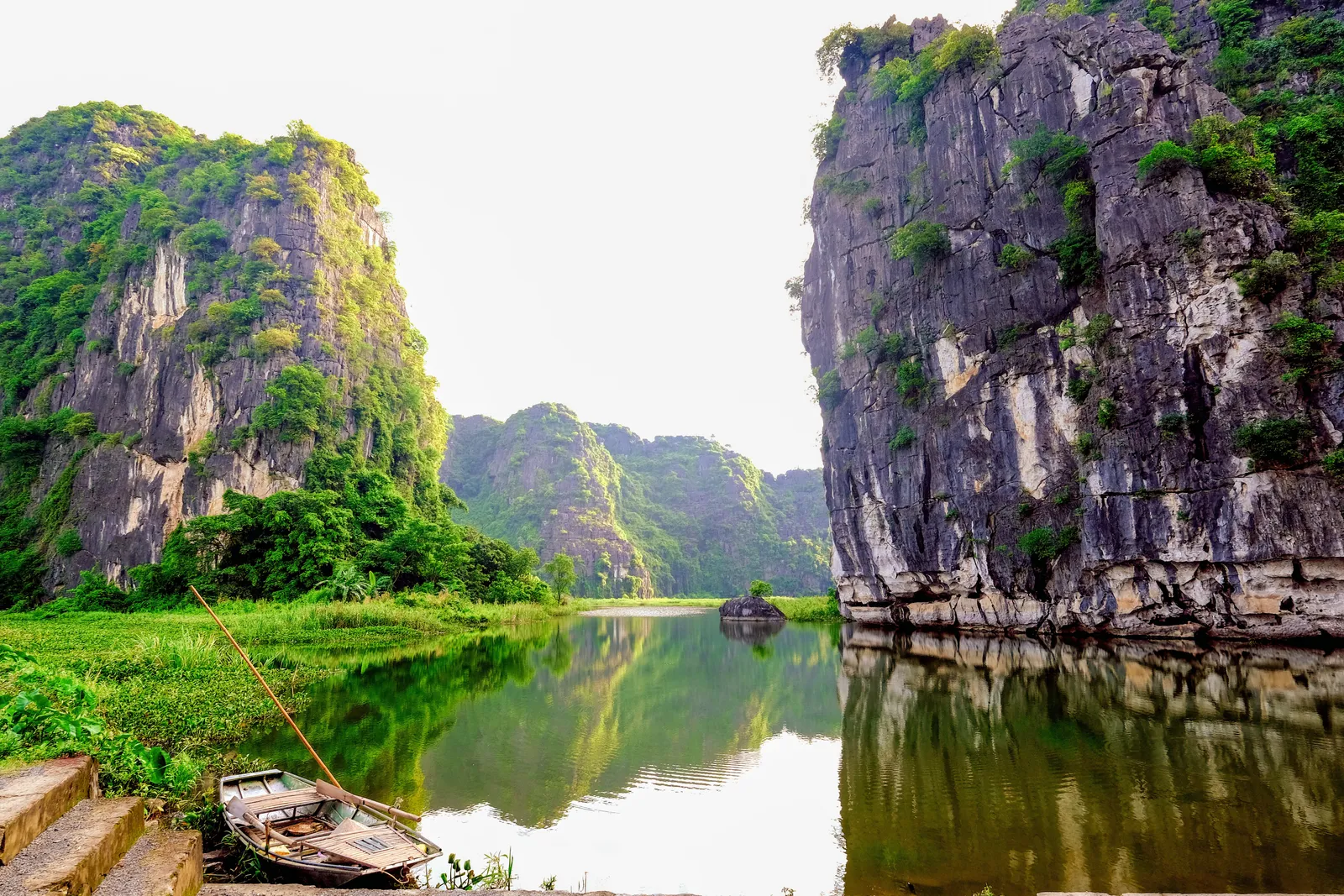
The park sits on ancient limestone that has been dissolving and collapsing for millions of years, which is why the region has such a dense concentration of caves, sinkholes and underground rivers. Much of it stayed largely unexplored until relatively recently, and new passages are still being surveyed. That sense of a landscape not fully mapped is part of the appeal, and it is why researchers and cavers keep coming back long after the tour groups have gone home.
The park earned its UNESCO listing for both its geology and its biodiversity, since the forest above the caves is one of the largest remaining blocks of primary limestone forest in Indochina, home to primates and other wildlife that have become rare elsewhere in the region. Most visitors will not see much of that on a cave tour, but it is worth knowing that the caves sit inside a genuine wilderness, not a manicured park.
The easy option: Phong Nha Cave by boat
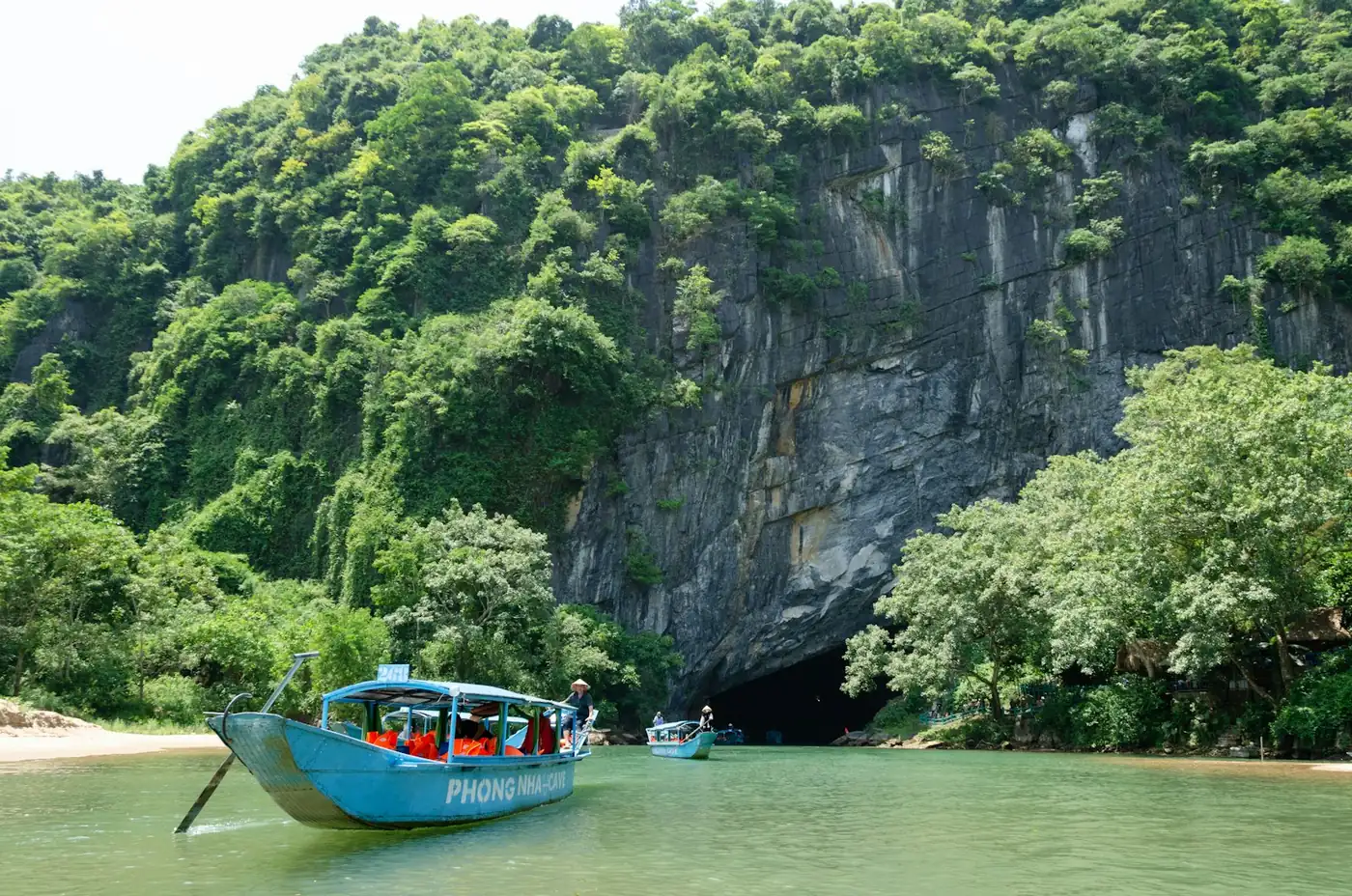
Phong Nha Cave is the most accessible site in the park and the one most people do first. You board a small boat at the park entrance and travel along the underground river straight into the mouth of the cave, gliding past illuminated chambers, stalactites and rock formations without having to walk at all for the core of the trip. It is a genuinely striking introduction to what this landscape hides, and it works for almost any age or fitness level.
Because it depends on the river, this trip is the one most likely to be affected by weather. During the wet season, rising water levels can close it for safety, so if you are visiting outside the reliable dry months, it is worth checking locally before you plan your day around it.
Paradise Cave, the vast dry chamber
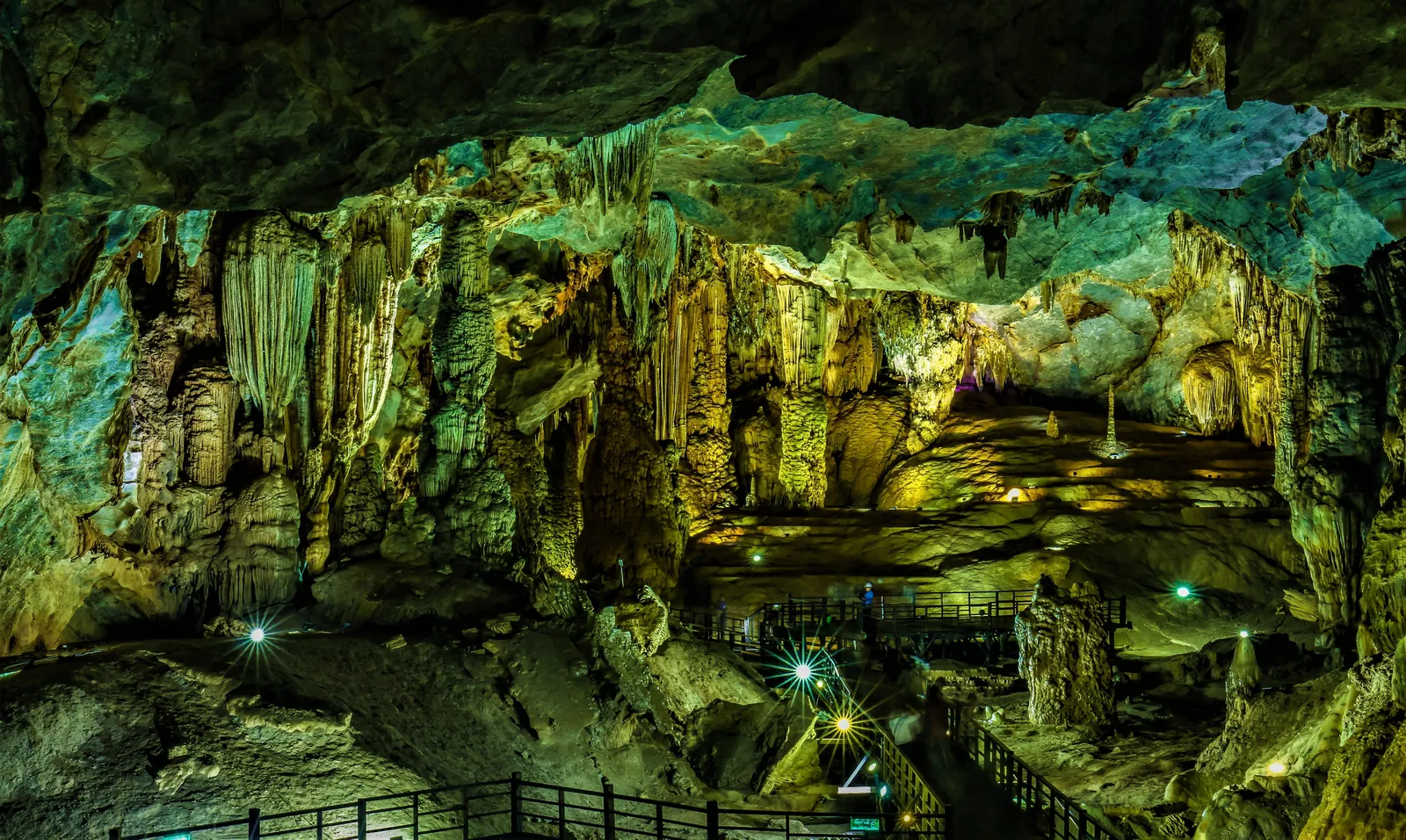
Paradise Cave is a different kind of experience: a huge, dry cave reached by climbing a set of stairs up the hillside and then descending into a chamber that opens out into an enormous, cathedral-like space, lit to show off pale stalactites and stalagmites built up over an immense stretch of time. A wooden walkway runs along part of the cave system, and simply walking it, taking in the scale of the place, is worth the visit on its own.
It suits a wider range of visitors than the more adventurous options here, since the walkway is well maintained, but the staircases at the entrance and the length of the walk mean it is not effortless. Give it a couple of hours if you want to take it slowly rather than rush through.
The Dark Cave, for a wetter and muddier day
The Dark Cave is the park’s adventure package: a zipline across the river to the cave mouth, wading and swimming through sections of the cave itself, a genuinely odd mud bath deep inside where you float rather than sink, and kayaking back out along the river afterwards. It is less about geology and more about having a memorably ridiculous few hours, and it is a good choice for a group that wants something active without committing to a multi-day trek.
Bring clothes you do not mind ruining and expect to be thoroughly wet, muddy and laughing by the end of it. It is one of the more universally enjoyable half-days in this part of Vietnam, and it does not require prior caving experience.
Hang En and Son Doong, for the committed
For travellers who want to go further, two multi-day expeditions run into the park’s deeper cave systems. Hang En is a two-day, one-night trek to one of the world’s largest cave passages, where an expedition camp is set up on a sandbank inside the cave itself. It requires a reasonable level of fitness and a night camping, but no technical caving skill, and it is the more attainable of the two big expeditions.
Son Doong is the famous one: widely described as the largest cave passage in the world by volume, discovered by a local man decades before it was first properly surveyed and opened to a very limited number of visitors. It runs as a multi-day expedition through a single licensed operator, involves genuine trekking and some technical sections, and it is not a spontaneous booking. Group sizes are small, the season is limited, and departures sell out well ahead of time, so this is the one trip in this guide that needs to be arranged before almost anything else in your itinerary.
Choose a cave for your paceFrom an easy boat ride to a multi-day expedition, compare tour operators before you commit.How to choose between them
Think in terms of effort rather than trying to do everything. Phong Nha Cave and Paradise Cave are a strong, achievable pairing for a single day and suit almost anyone. Add the Dark Cave if you want an active, playful day and do not mind getting wet. Reserve Hang En or Son Doong for when caving itself, not just the scenery around it, is the point of your trip, and book those well ahead of everything else.
Getting there
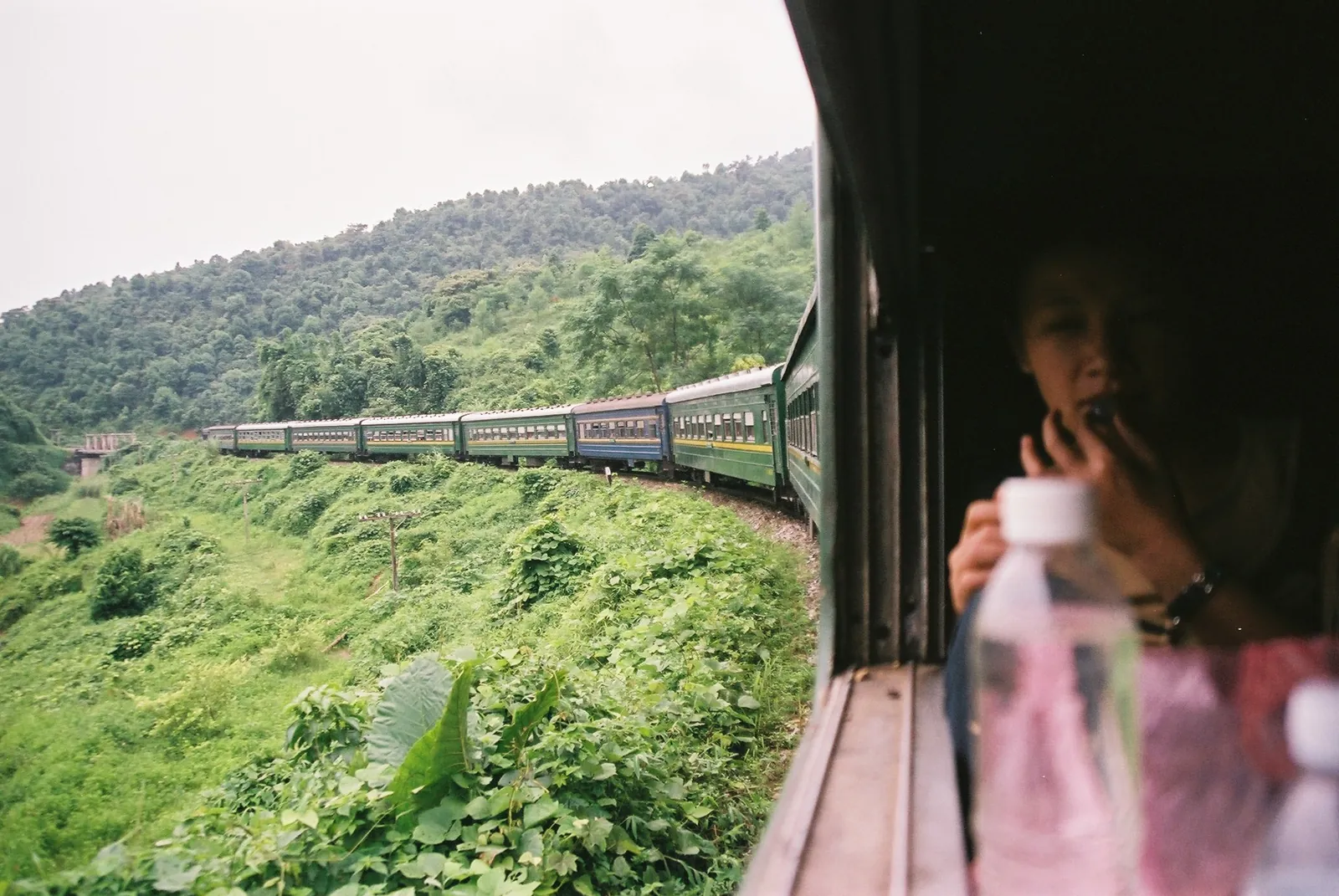
The nearest airport is Dong Hoi, which has domestic flights connecting to both Hanoi and Ho Chi Minh City, followed by a short road transfer to Phong Nha town. Dong Hoi is also a stop on the Reunification Express train line that runs the length of the country, so a train journey followed by a local transfer is a realistic option if you are already travelling that route overland.
If you are coming from Hue, the drive north is a few hours and is a common way to combine the two in a single loop through central Vietnam, whether by hired car, tour minibus or an overnight sleeper bus. Buses also run directly from Hanoi, though that is a considerably longer overnight journey. Whichever route you take, base yourself in Phong Nha town itself rather than trying to day-trip from further afield, since several of the caves start early and a short, local transfer makes a real difference to your morning.
When to go
The park is at its most reliable through the drier stretch of the year, roughly spring into summer, when river levels are lower and boat trips into caves like Phong Nha Cave are least likely to be disrupted. The autumn and early winter months bring the region’s heaviest rain and occasional typhoon activity, which can affect access and safety on some of the wetter routes. If your dates fall in that window, it is worth checking conditions with your operator before you build your schedule around a specific cave.
The honest verdict
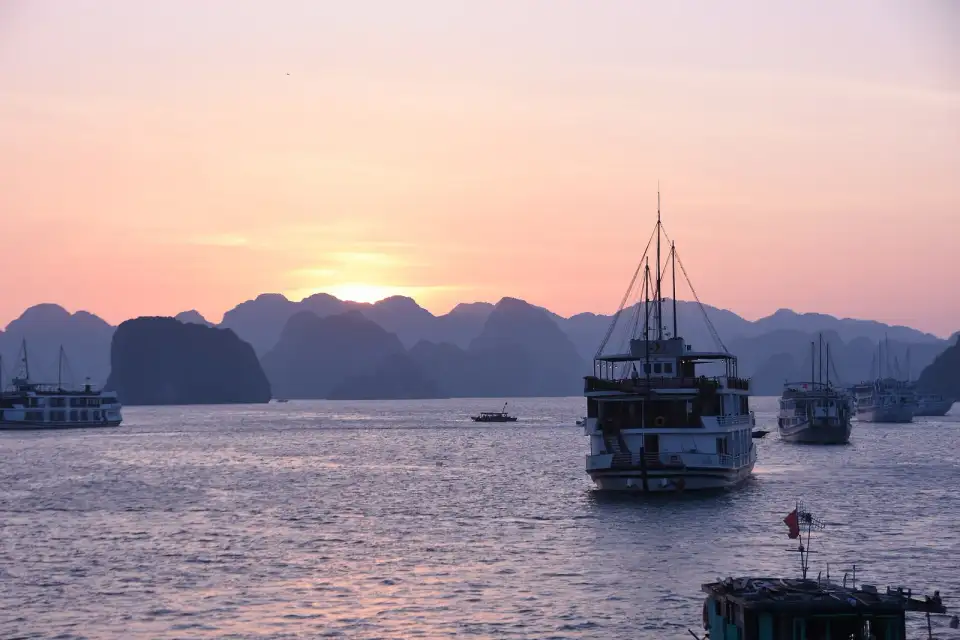
Phong Nha-Ke Bang rewards whatever level of commitment you bring to it. A single day gets you a boat ride into a river cave and a walk through one of the largest dry chambers in Asia, which is more than enough to understand why this landscape is protected. A multi-day expedition into Hang En or Son Doong gets you something few travellers anywhere ever see. Either way, give the park more than a rushed afternoon between Hue and the coast: it is one of the few places in Vietnam where the scenery is genuinely unlike anything else in the country. Getting here is the part that decides how many days it costs you, and our guide to getting around Vietnam sets out how the overnight trains and buses along this stretch actually work. And if it is the limestone itself that draws you here, the same rock rises straight out of the sea further north: our guide to Cat Ba island covers the Ha Long Bay version of it.
Which cave is on your list, the easy boat ride or the multi-day expedition? Tell me in the comments.