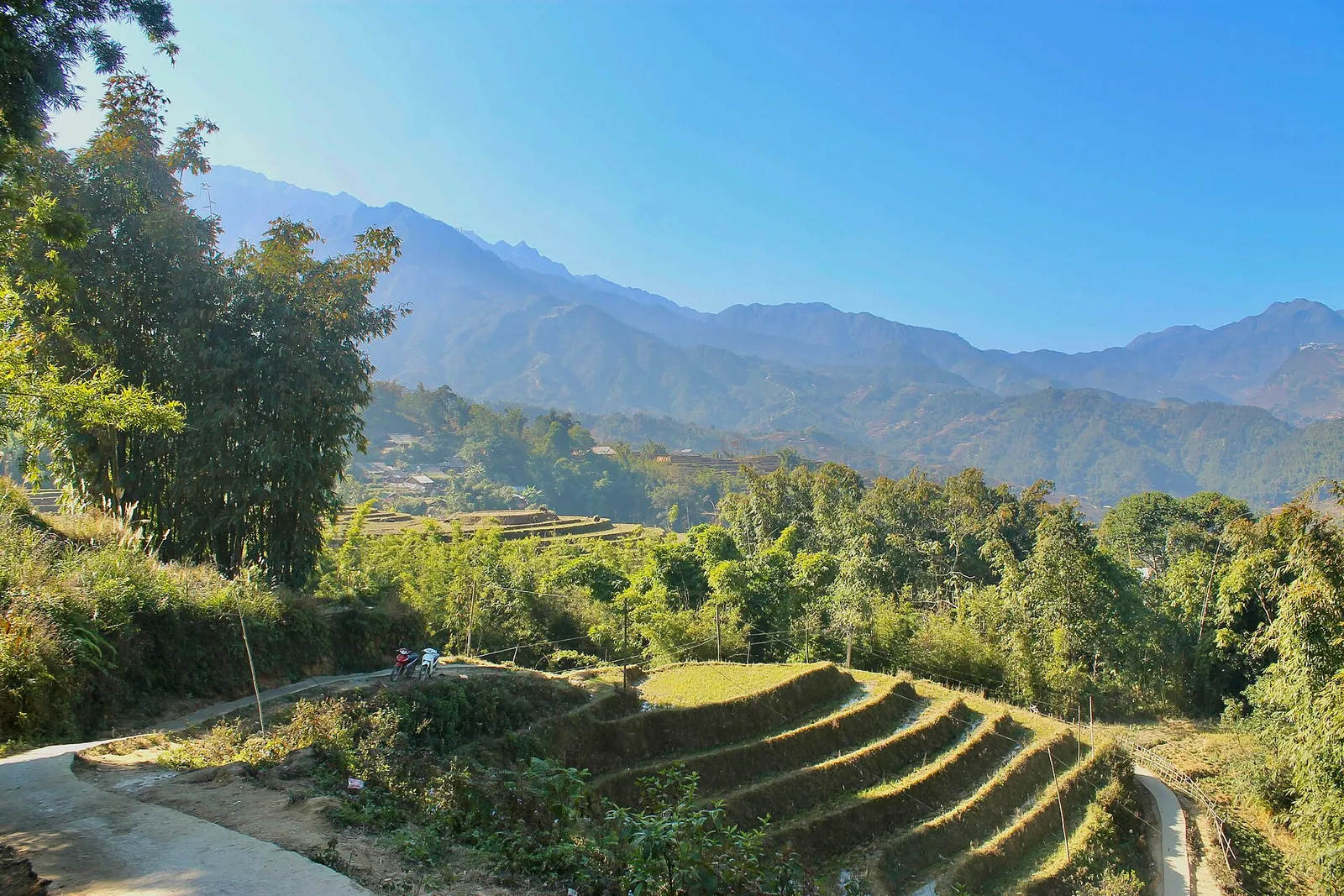
Sapa is northern Vietnam at its most breathtaking: a mountain region of rice terraces stacked like staircases up impossibly steep valleys, hill villages threaded by footpaths, and communities whose way of life has changed little in generations. It is a place made for walking, and a night in a village homestay is one of the most memorable things you can do in the country. Here is how to plan it well.
Why come to Sapa
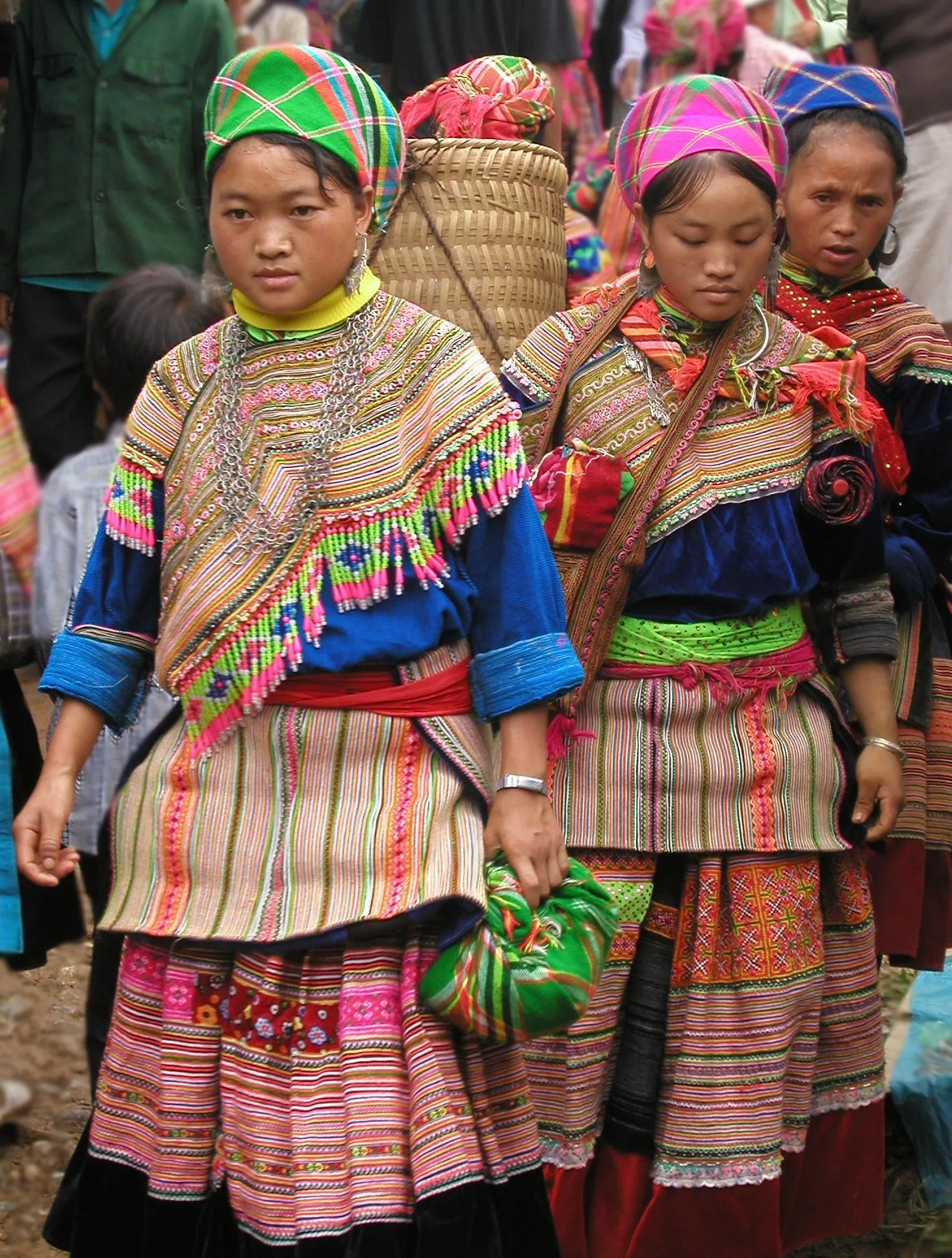
Sapa sits in the far north, near the Chinese border, in the shadow of Fansipan, the highest peak in Vietnam and the wider region. The draw is the scenery and the culture in equal measure: emerald and gold rice terraces carved over centuries, and the ethnic-minority communities, including Hmong, Dao and Tay peoples, who farm them and keep their own languages, dress and traditions. Trekking here is not a manufactured attraction, it is a walk through a living landscape, and a chance to meet people whose hospitality you will not forget.
When to go
Timing changes everything in Sapa, because the terraces transform with the seasons. September and October are the showstopper, when the rice ripens and the valleys turn to gold before the harvest. May and June are the other magic window, when the paddies are freshly flooded and shine like mirrors as planting begins. For the most reliable trekking weather, aim for March to May or September to November. Winter is cold, misty and occasionally frosty, while high summer is lushest but also wettest and most slippery underfoot.
Trekking, from gentle to serious
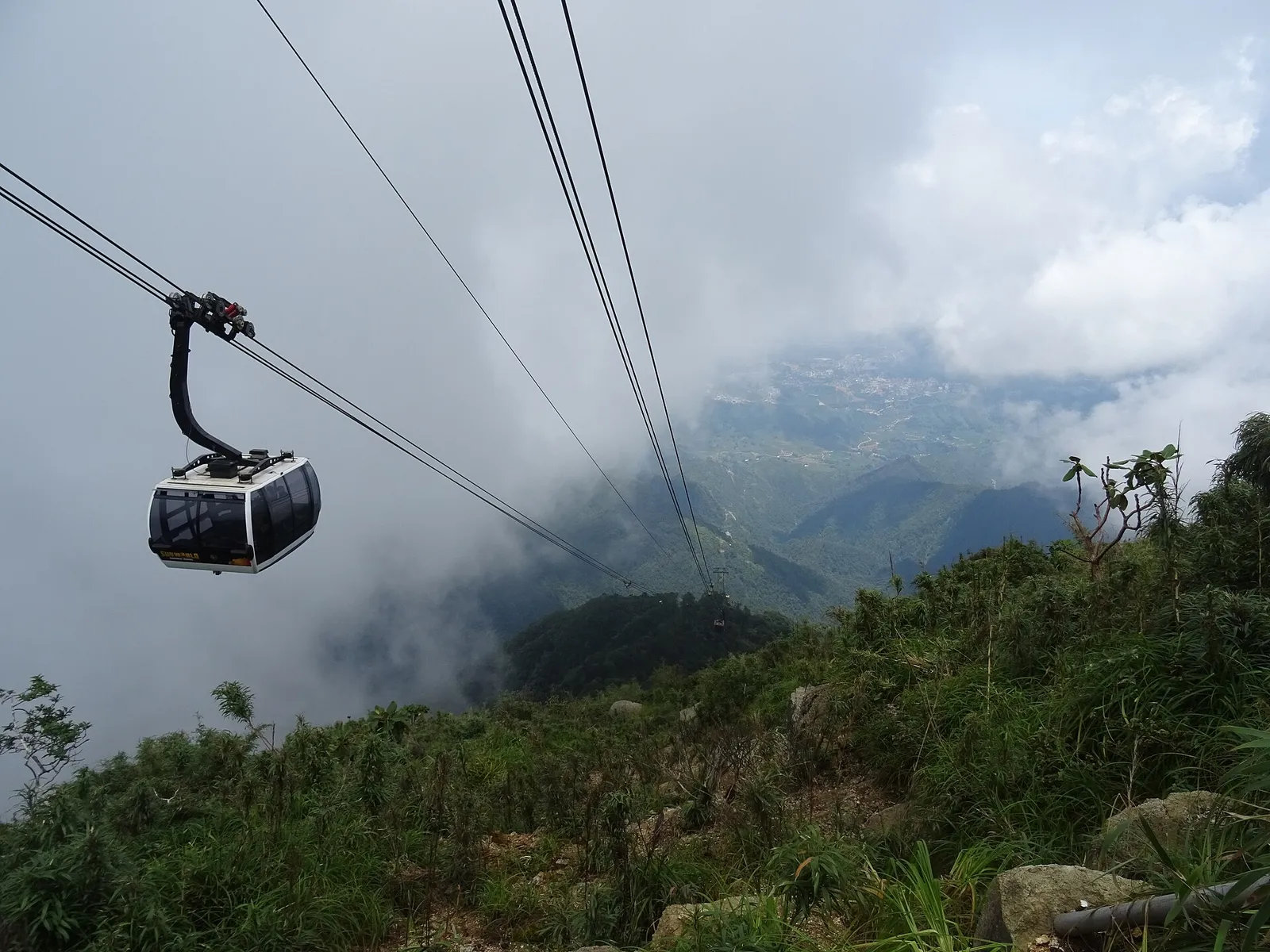
Sapa suits all levels, but be honest about which you are. Easier day walks follow valley trails between villages such as Lao Chai, Ta Van and Giang Ta Chai, on mostly manageable ground with unforgettable views. Multi-day routes go further and higher, with steep, muddy and slippery sections, especially after rain, and reward you with the quieter corners most day-trippers never see. The serious can also summit Fansipan, either on a long two-day trek or the easy way by cable car.
Whatever you choose, wear shoes with real grip, bring layers because the mountain weather turns fast, and pack a light rain jacket year round. A walking pole helps on the descents.
Let a local lead the wayA guided trek keeps you on the right trails and opens doors into village life you would never find aloneGo with a local guide
You can walk some routes on your own, but hiring a local guide is strongly recommended, and often becomes the best part of the trip. A guide from one of the hill communities knows every path, keeps you off private farmland, translates, and shares the stories and daily life of the valley in a way no map can. Many also arrange your homestay and cook alongside the family. Booking a guided trek rather than going solo is money very well spent.
The homestay experience
For most travellers the overnight homestay is the heart of a Sapa trip. You trek into a village, arrive at a family home, help or watch as dinner is cooked over the fire, share a hearty meal, and sleep in a simple bed under a heap of blankets. Facilities are basic, expect shared bathrooms, limited hot water and no frills, so pack light, bring a small gift if you like, and come with open expectations. In return you get warmth, real connection and a window into rural mountain life that a hotel could never offer.
Getting there and practicalities
Sapa is reached from Hanoi, most easily by the comfortable sleeper bus or overnight train to Lao Cai followed by a short transfer up the mountain, a journey of roughly five to six hours by road. Bring cash, since ATMs are limited once you leave Sapa town, dress in layers for fast-changing weather, and keep your pack light because you carry it on the trail. A little Vietnamese dong for tea, snacks and small purchases in the villages goes a long way.
The short version
Come in the golden autumn or the mirror-like early summer, match the trek to your fitness, and always wear shoes with grip and pack layers. Hire a local guide, because they make the trip, and say yes to an overnight homestay for the real Sapa, basic comforts and all. Reach it by night bus or train from Hanoi, carry cash, and leave room to simply stop and stare. Few places in Vietnam stay with you like these mountains.
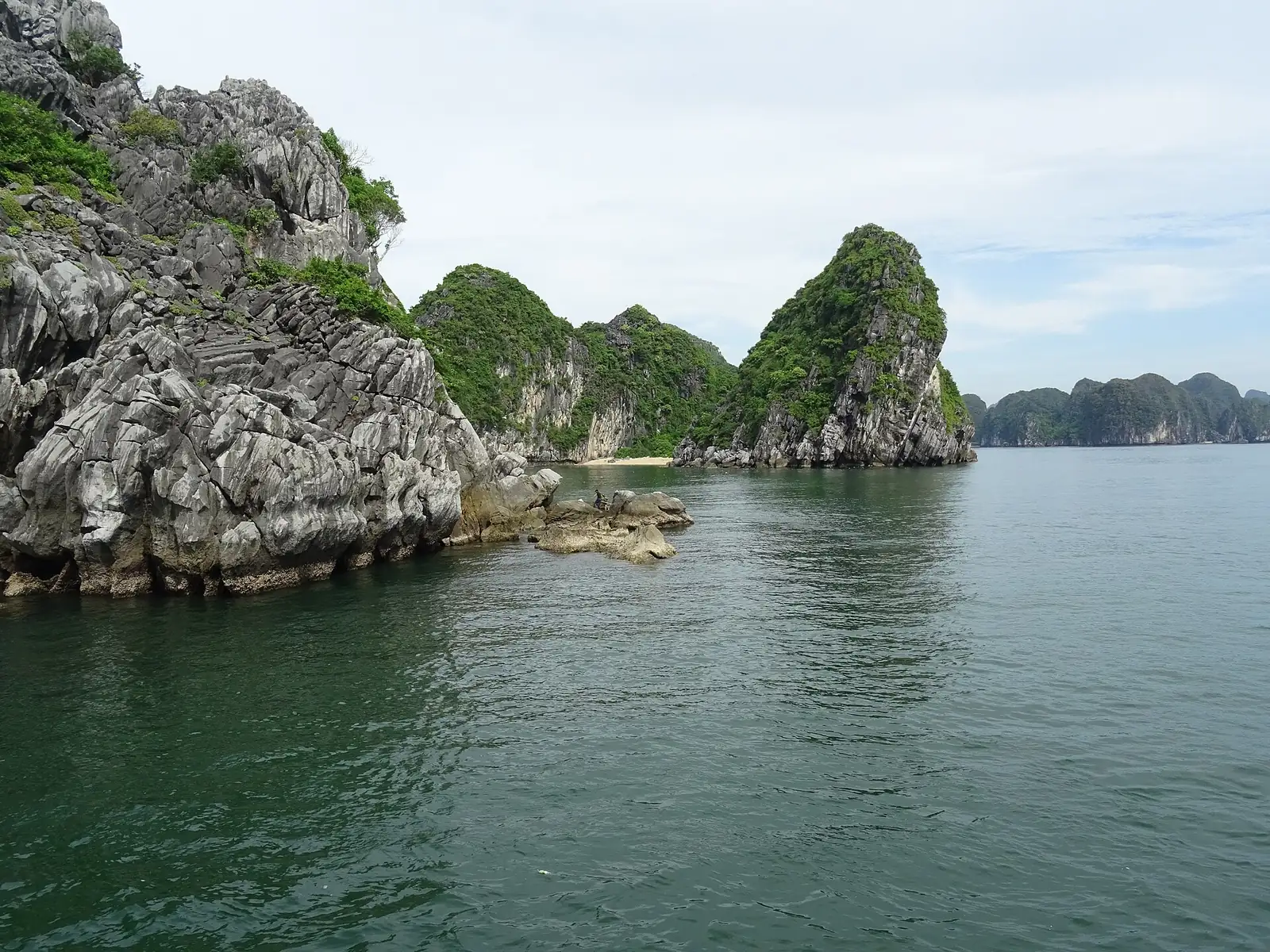
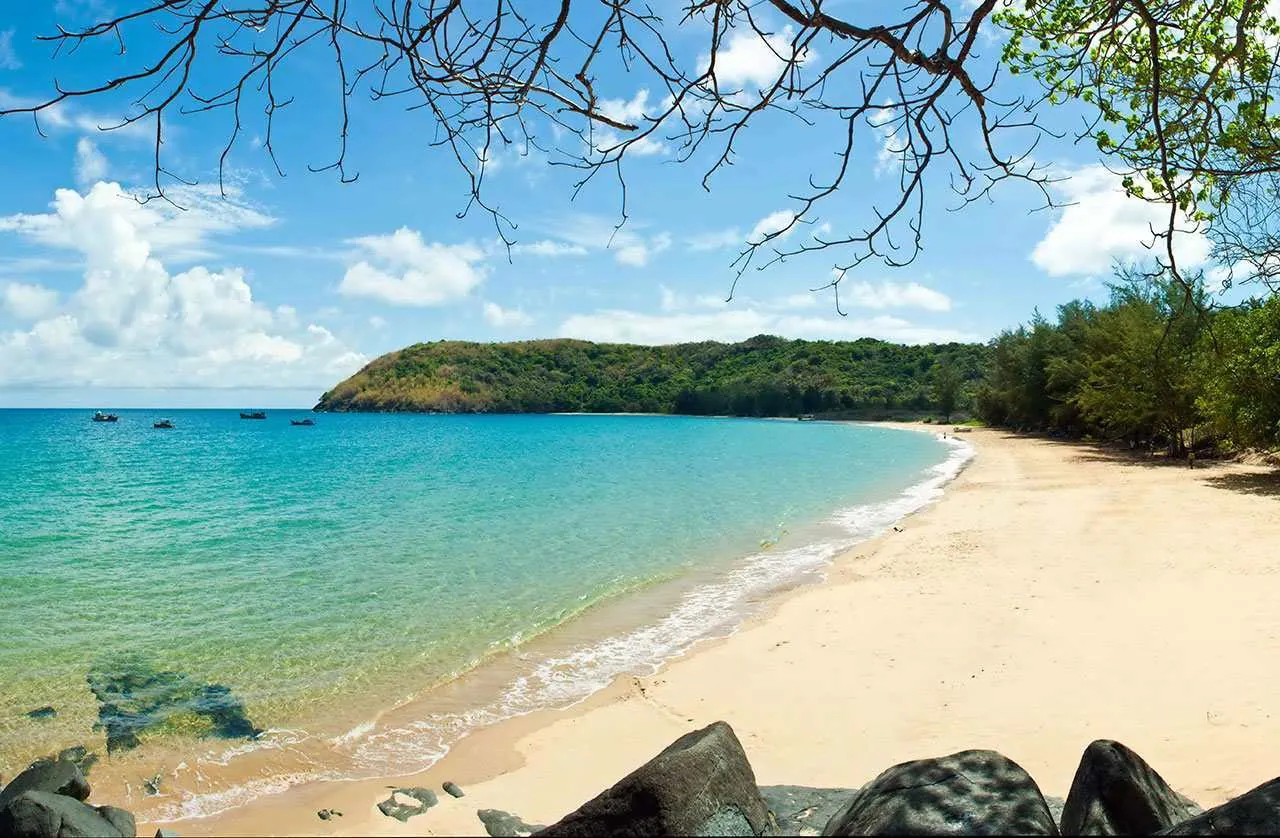
If you are building a northern week, the obvious pairing is a night on the water among the karsts of Ha Long Bay, which is the same limestone country in a completely different setting. And if you are coming down off the mountains wanting warmth rather than more altitude, the coast delivers it: Nha Trang for diving and islands, or Phu Quoc if you want to finish the trip horizontal.