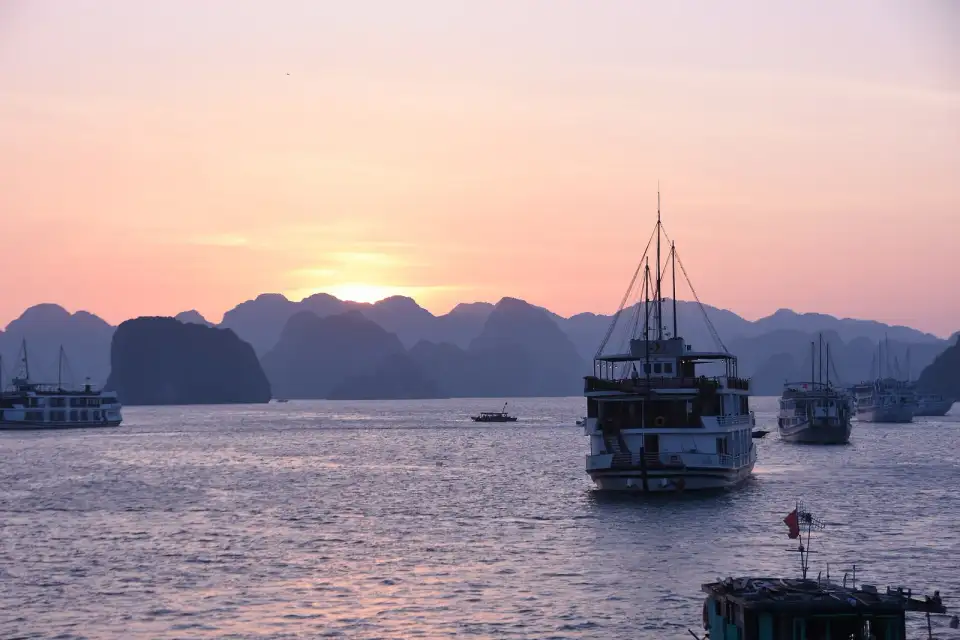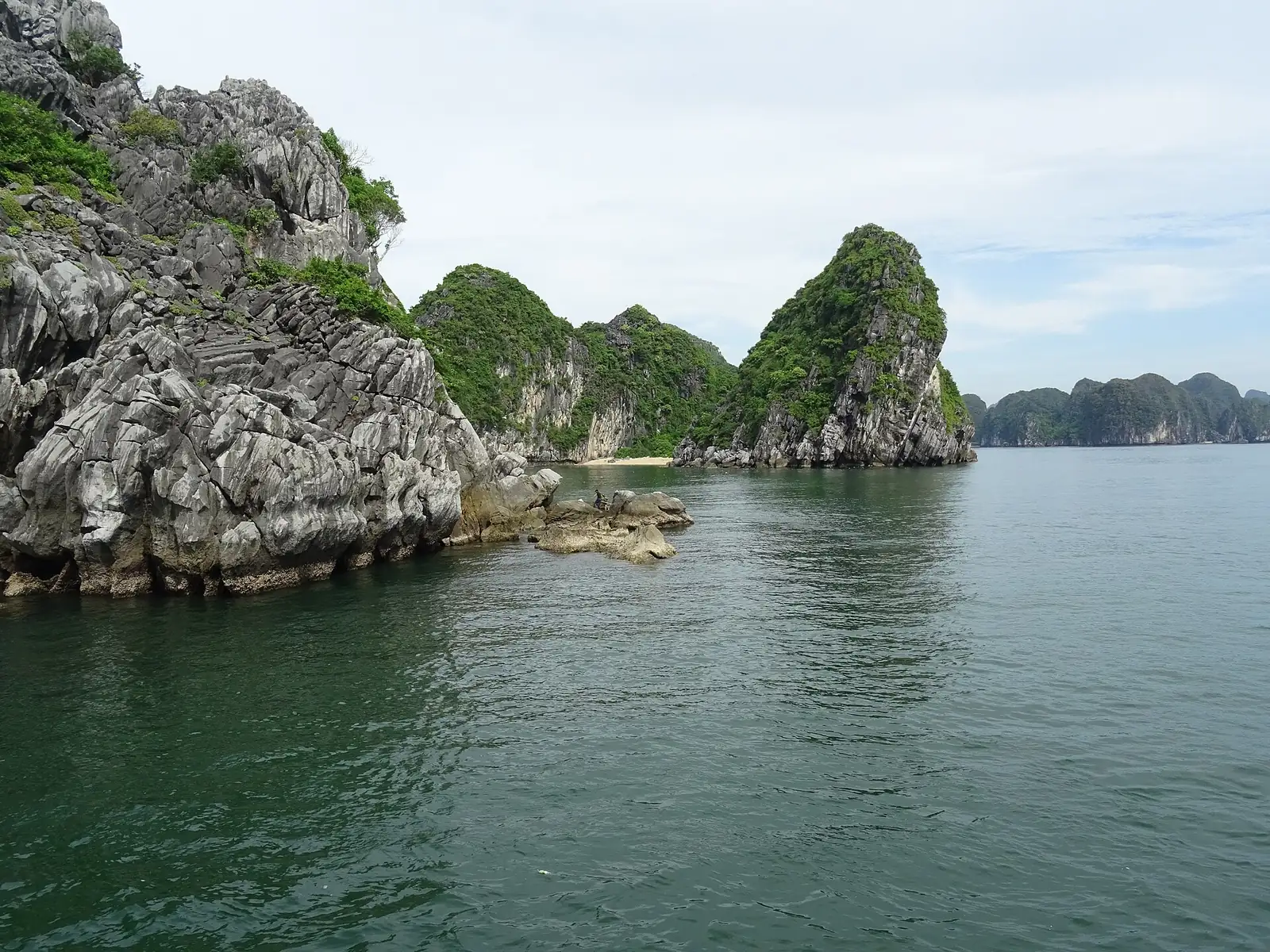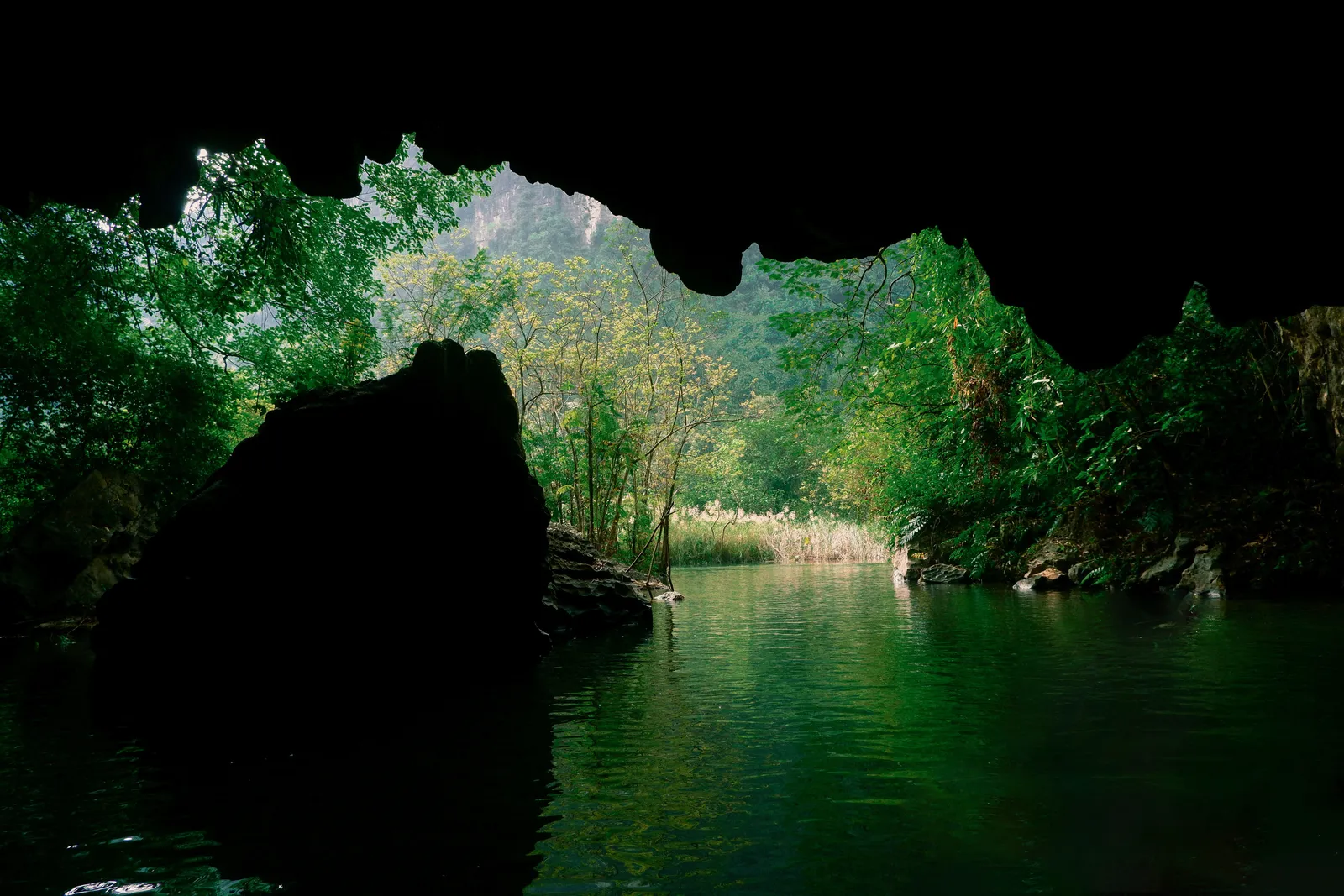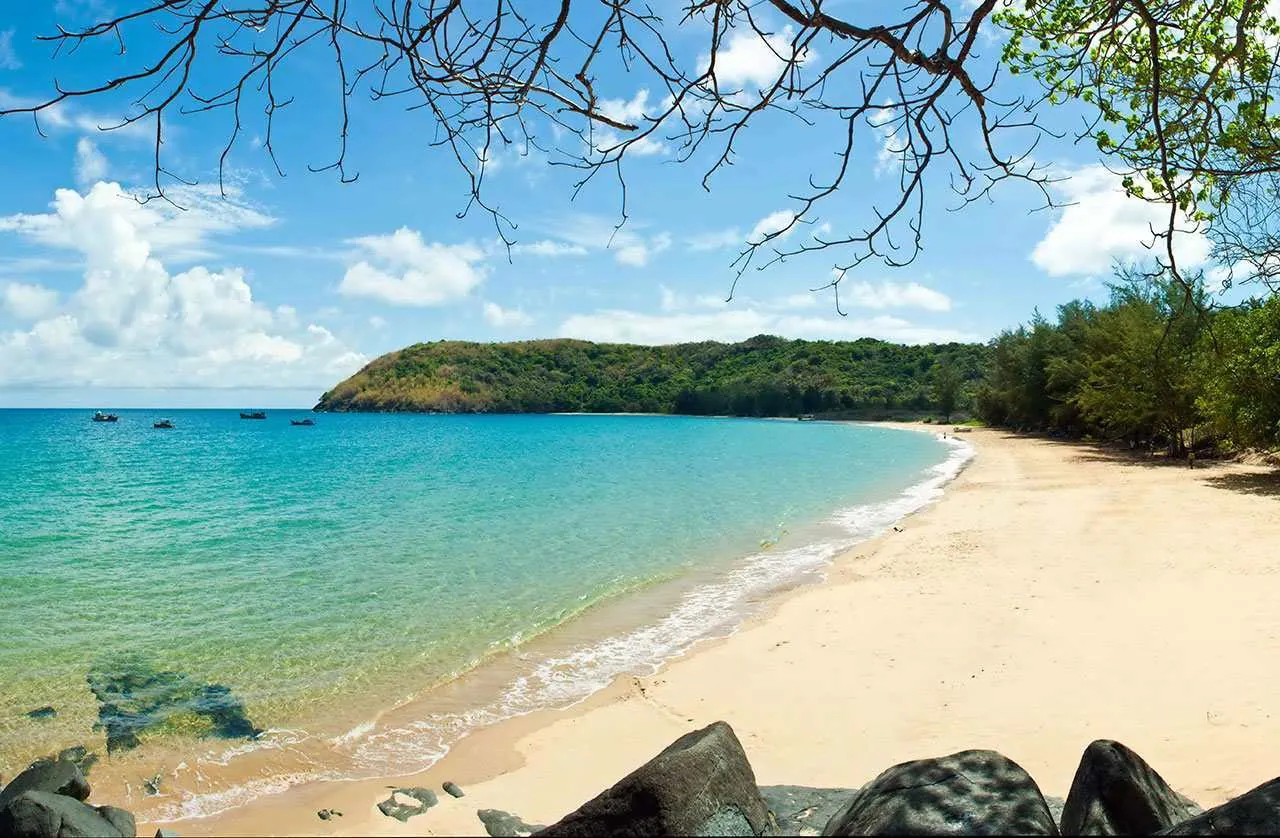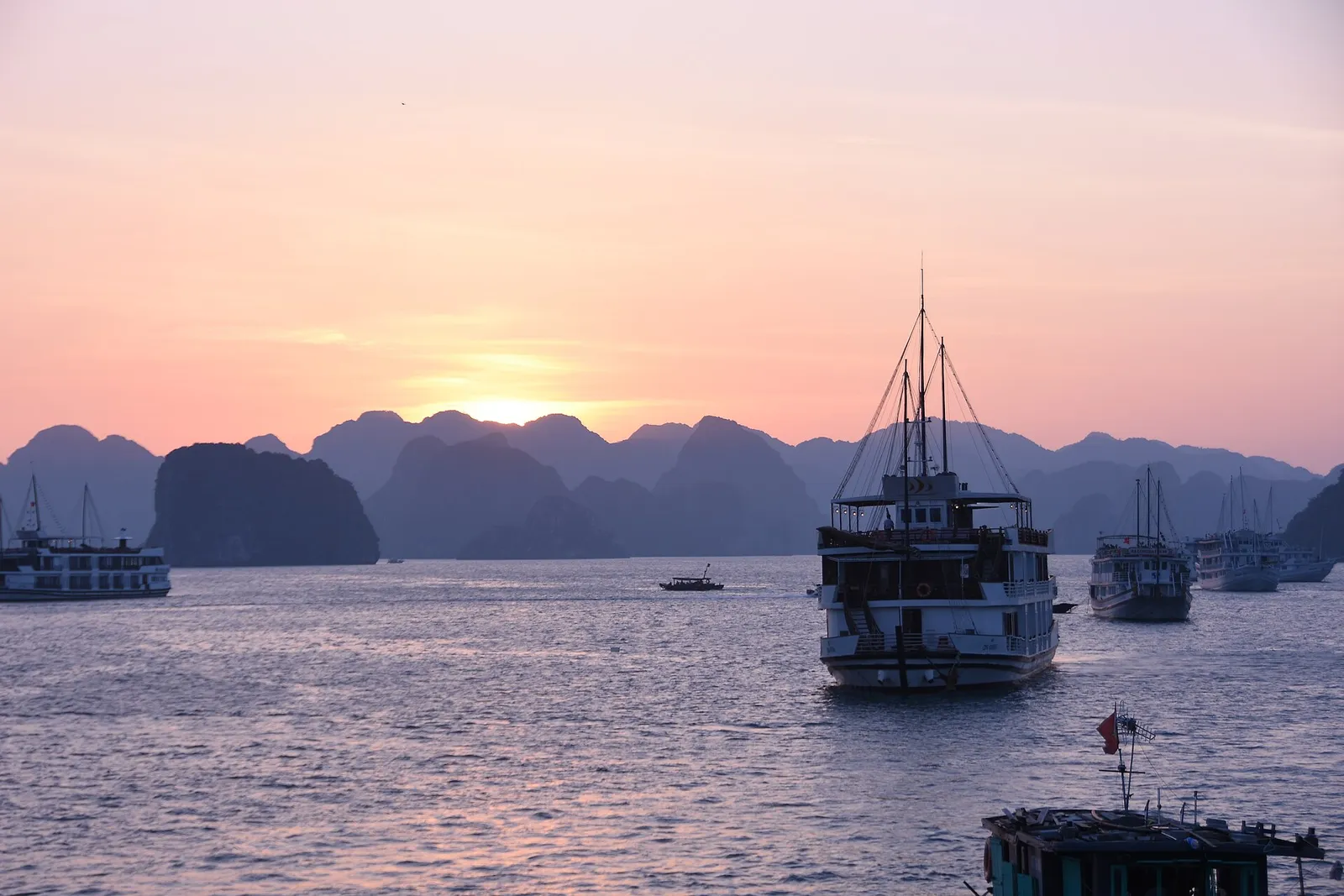
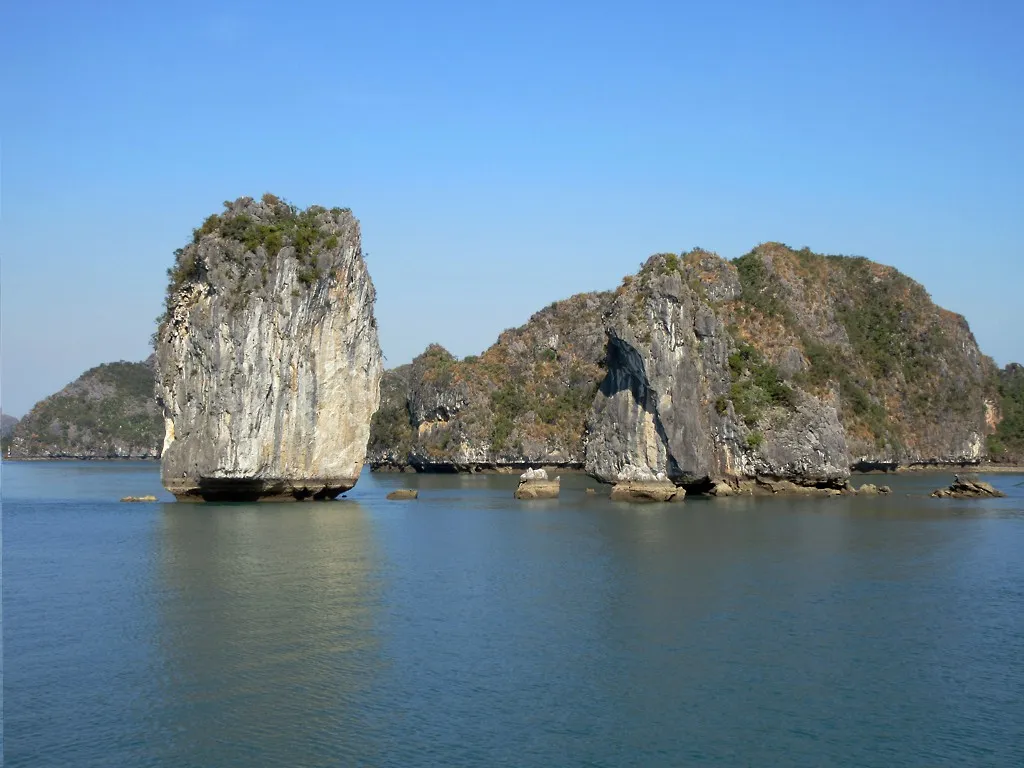
Ha Long Bay is the postcard image of Vietnam: thousands of limestone karsts rising sheer from emerald water, threaded by junk boats and hidden lagoons. It more than lives up to the photos, but the experience you get depends almost entirely on the cruise you choose. Pick well and it is unforgettable. Pick badly and it is a rushed, crowded coach day. Here is how to get it right.
Day trip or overnight?
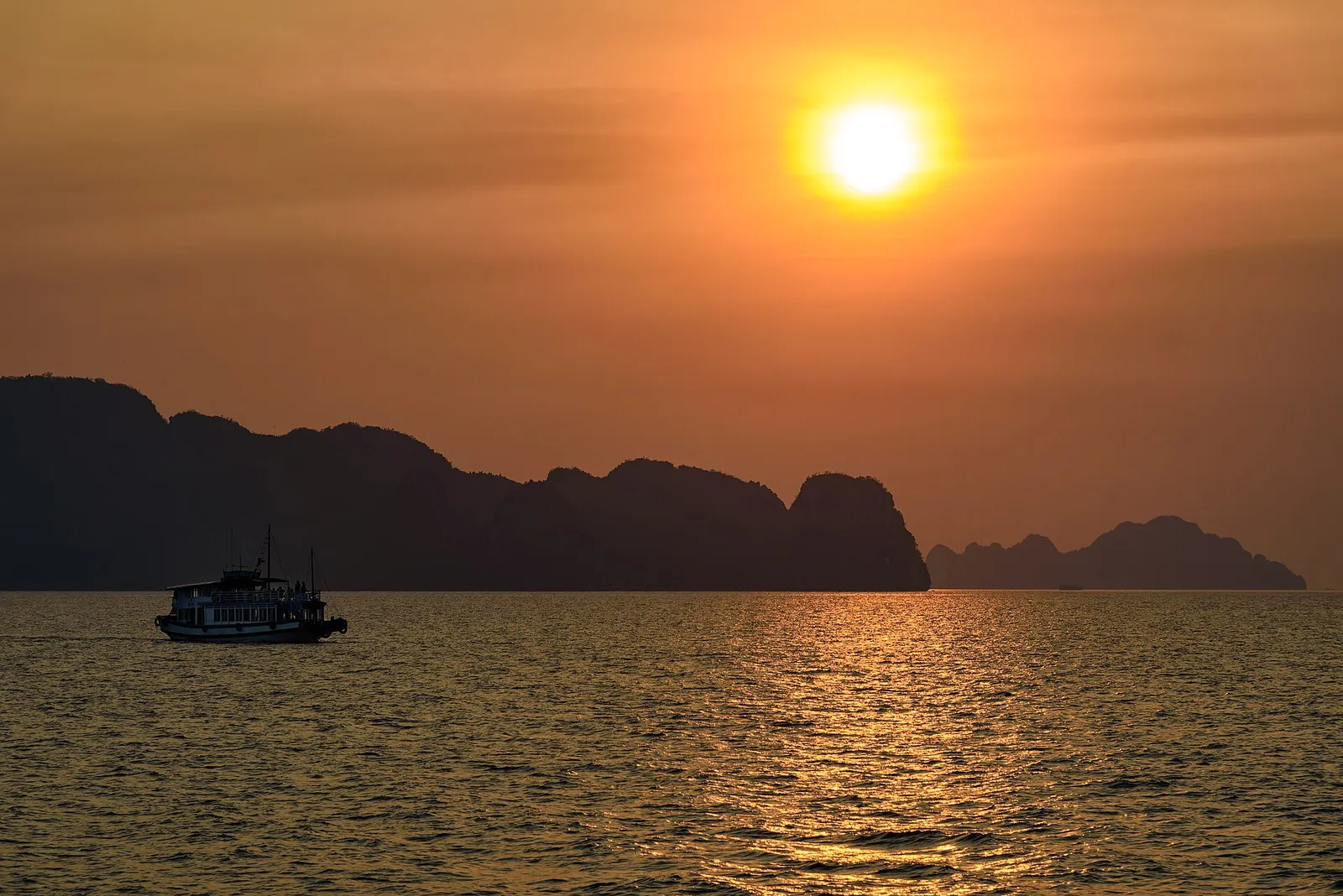
This is the big decision, and for most people the answer is overnight. A day trip from Hanoi involves roughly three to four hours of driving each way for only a few hours actually on the water, and you share the busiest routes with everyone else on the same schedule. An overnight cruise changes everything: you sail into quieter waters, watch the karsts turn gold at sunset and misty at sunrise, join activities like kayaking and swimming without the clock ticking, and sleep out among the islands. A two-night cruise goes further still into the calmest, least-crowded areas. Only choose a day trip if you are genuinely pressed for time.
Ha Long, Lan Ha and Bai Tu Long
The famous name is Ha Long Bay, and it is also the busiest area with the most boats. But the same spectacular seascape continues into two quieter neighbours. Lan Ha Bay, near Cat Ba Island, is greener, has more beaches, and sees far fewer crowds. Bai Tu Long Bay to the northeast is quieter again and beautifully wild. Many of the better cruises now sail routes through Lan Ha or Bai Tu Long precisely to escape the crush, so when you are comparing options, look at where the boat actually goes, not just the headline name.
How to choose a good cruise
Quality varies wildly here, more than almost anywhere else in Vietnam, so this is one trip worth researching rather than grabbing the cheapest deal. Read recent reviews closely and look at the same handful of things on every option: the group size and number of cabins, what is included (meals, activities, transfers), the cabin and boat condition, and crucially the route, favouring boats heading into the quieter bays. A reputable mid-range cruise booked ahead almost always beats a bargain-basement one booked at a Hanoi hostel desk. This is the moment to spend a little more.
Lock in a good boat before you goA well-reviewed overnight cruise into the quiet bays is the single biggest factor in a great Ha Long tripWhat a cruise day looks like
Most overnight cruises follow a lovely rhythm. You are collected from Hanoi in the morning (many include the transfer), reach the harbour around midday, and board for lunch as you sail out among the karsts. The afternoon brings the activities: kayaking or a bamboo boat through a lagoon, a visit to a cave or a floating village, and time to swim in summer. Evenings are for sunset on the deck, a seafood dinner, and often squid fishing or a cooking demo. You wake to a quiet, misty morning, perhaps a tai chi session on deck, before a final activity and the sail back. It is a genuinely magical routine.
When to go
The north’s cool dry season, October to April, is the most reliable window, with the clearest skies most likely between October and December. Summer is warm and best for swimming, but it carries the risk of storms that can occasionally cancel sailings. Because bad weather can pause cruises at any time of year, it is wise to build a little flexibility into your plans and not schedule your flight home for the morning straight after your cruise returns.
Practical tips
Ha Long is an easy add-on to Hanoi, and most cruises bundle the road or express transfer, so you rarely need to arrange it yourself. Pack a small overnight bag rather than your big case, since you leave the rest at your Hanoi hotel, and bring swimwear, a light layer for the evening breeze, and cash for drinks and tips on board. Confirm exactly what is included before you pay, since some cheaper trips add on transfers and activities. And keep your camera charged, because you will use it constantly.
What separates a great cruise from a bad one
This is the trip where the gap between operators is widest, and the differences are predictable enough to shop for.
| What to check | Why it decides the trip |
|---|---|
| The route | The main bay is busy; the quieter bays are the reason people rave |
| Group size | A boat of a dozen and a boat of forty are different holidays |
| What is included | Transfers, activities and drinks are the common hidden extras |
| Boat condition | Recent photographs in recent reviews, not the brochure |
| Cabin position | Engine noise at the stern is the classic complaint |
The single most useful filter is recent reviews, read for specifics rather than scores. Boats change hands, refit and decline, and a glowing review from three years ago describes a different vessel.
The second most useful is route. A cheaper boat that stays in the busiest stretch delivers a completely different day from one that sails into the quieter waters, and that difference is worth more than the cabin.
Seasickness, comfort and small realities
The bay is sheltered and the water is usually glassy, so serious seasickness is uncommon, but a few practical things shape how the night feels.
Cabin position matters. Rooms at the stern sit over the engine, which runs when the boat repositions, and rooms on a lower deck have smaller windows. If a view or quiet matters to you, ask before booking rather than on arrival.
The schedule is fixed and full. Cruise days run to a timetable of activities, meals and departures, which is efficient and not especially restful. Anyone hoping to sit quietly with a book should choose a smaller boat, where the pace is gentler.
Swimming depends on the season. The water is genuinely pleasant in the warmer months and cold enough to skip in winter, when the appeal shifts to the mist and the light instead.
Cash on board. Drinks and tips are usually cash, and prices on the boat are higher than on land, which is entirely normal.
Where it fits, and the alternatives
An overnight here is the northern set piece of a Vietnam trip, and it slots naturally into a few days in the capital rather than standing alone.
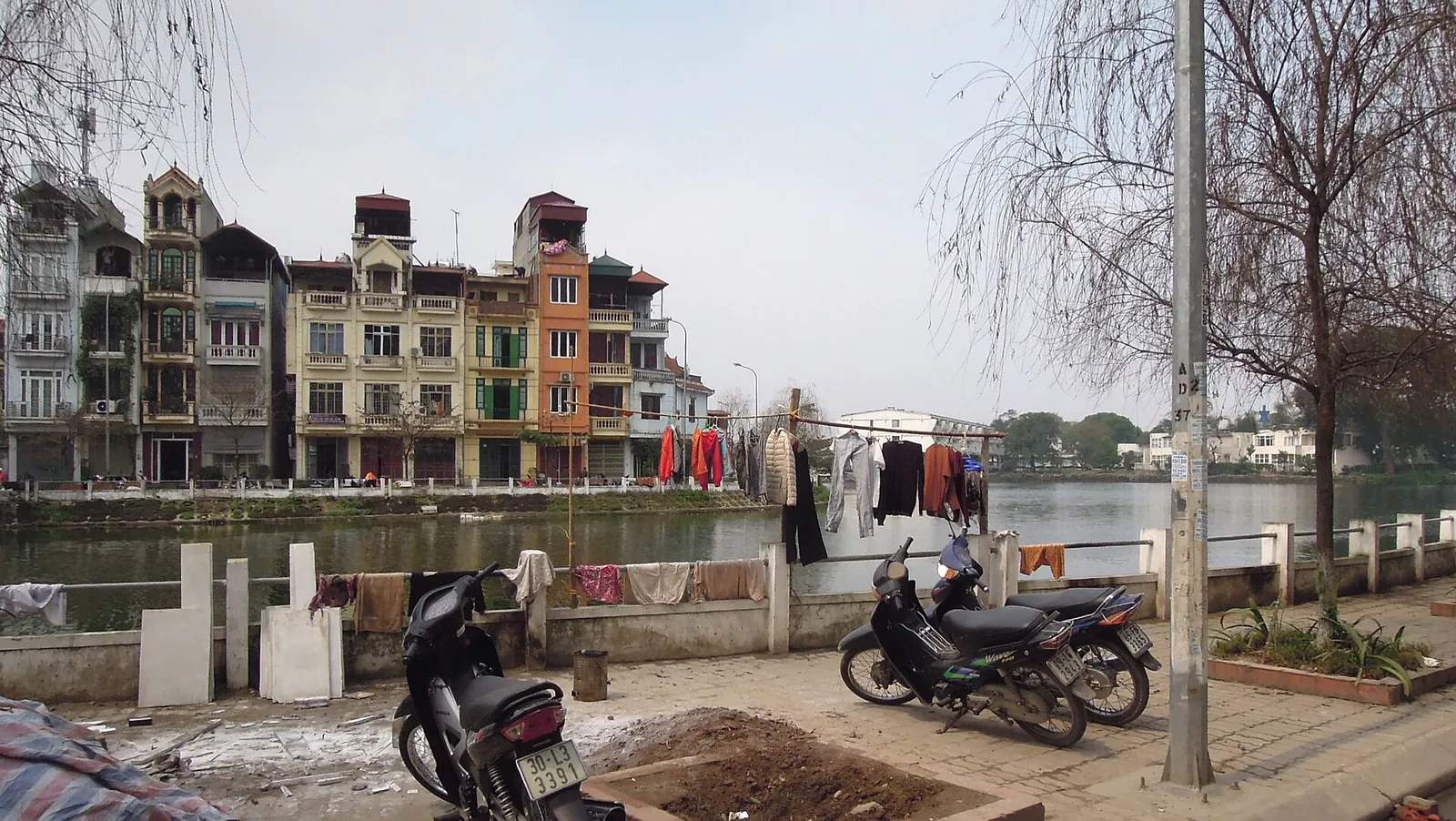
Almost every operator collects from the centre early in the morning, so where you stay in Hanoi genuinely decides how the day starts, and a hotel that can hold your main bag while you sail is the small detail that makes it easy.
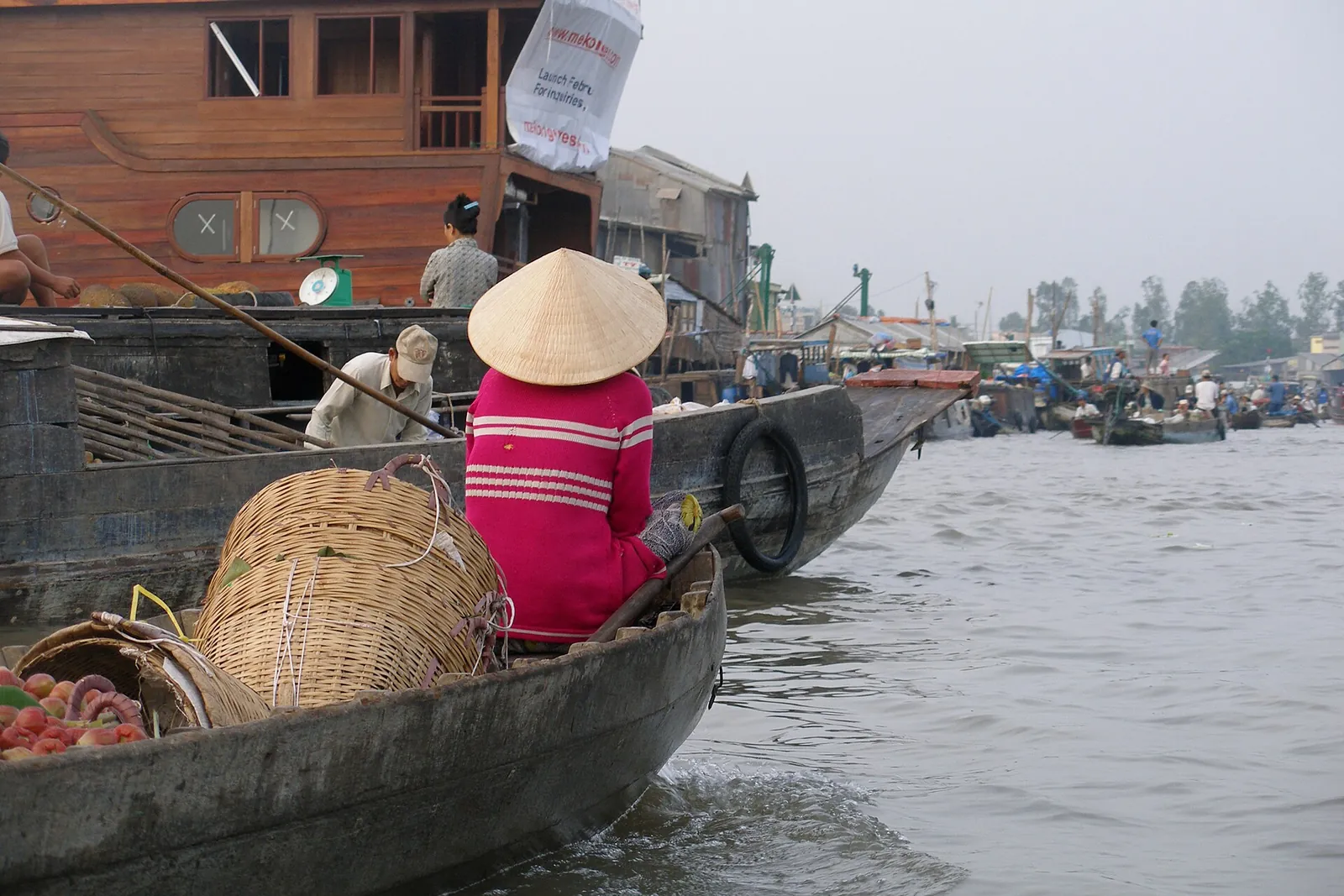
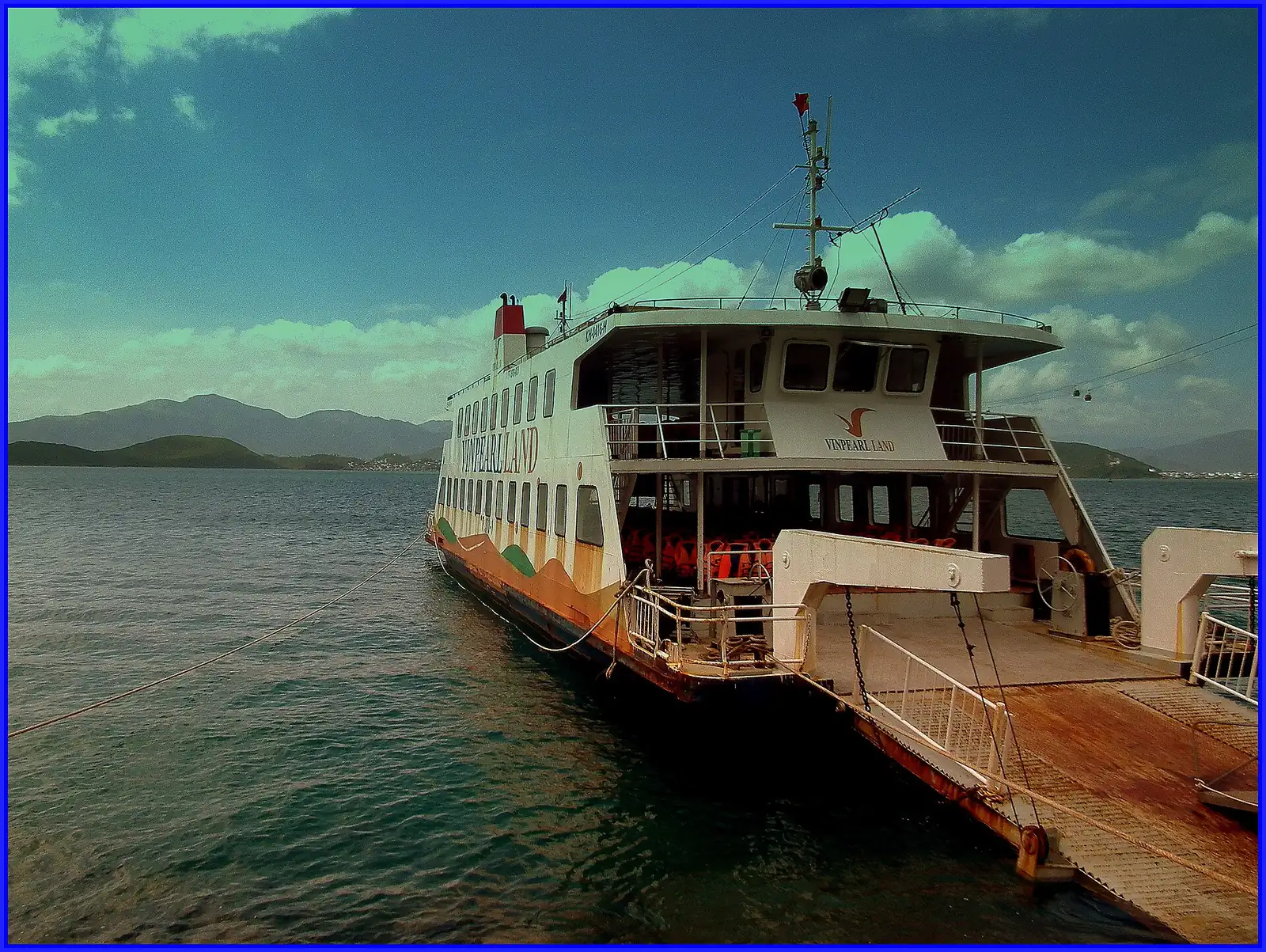
If you want a second water landscape, the country offers two very different ones. The Mekong Delta is the opposite in every respect, flat, green, agricultural and slow, and an overnight there is about life on the water rather than scenery above it. And for clear water, diving and beach time rather than karst scenery, that is Nha Trang on the central coast.
Doing all three is a lot of travel. Doing one of them well is a better trip.
The short version
Go overnight, not on a day trip, choose a well-reviewed boat that sails into the quieter Lan Ha or Bai Tu Long areas, and book it ahead rather than last minute. Aim for the clear autumn skies, pack a small bag and some cash, and leave a buffer day in case the weather delays a sailing. Do that, and a night among the karsts of Ha Long Bay will be the image of Vietnam you carry home.
One practical note before you book: almost every cruise collects from central Hanoi early in the morning, so where you stay in the capital decides how your day starts. And if you want the country’s other great water landscape, it is at the far end: an overnight in the Mekong Delta is flat, green and slow where this is vertical and dramatic. For clear water and diving rather than scenery, that is Nha Trang.