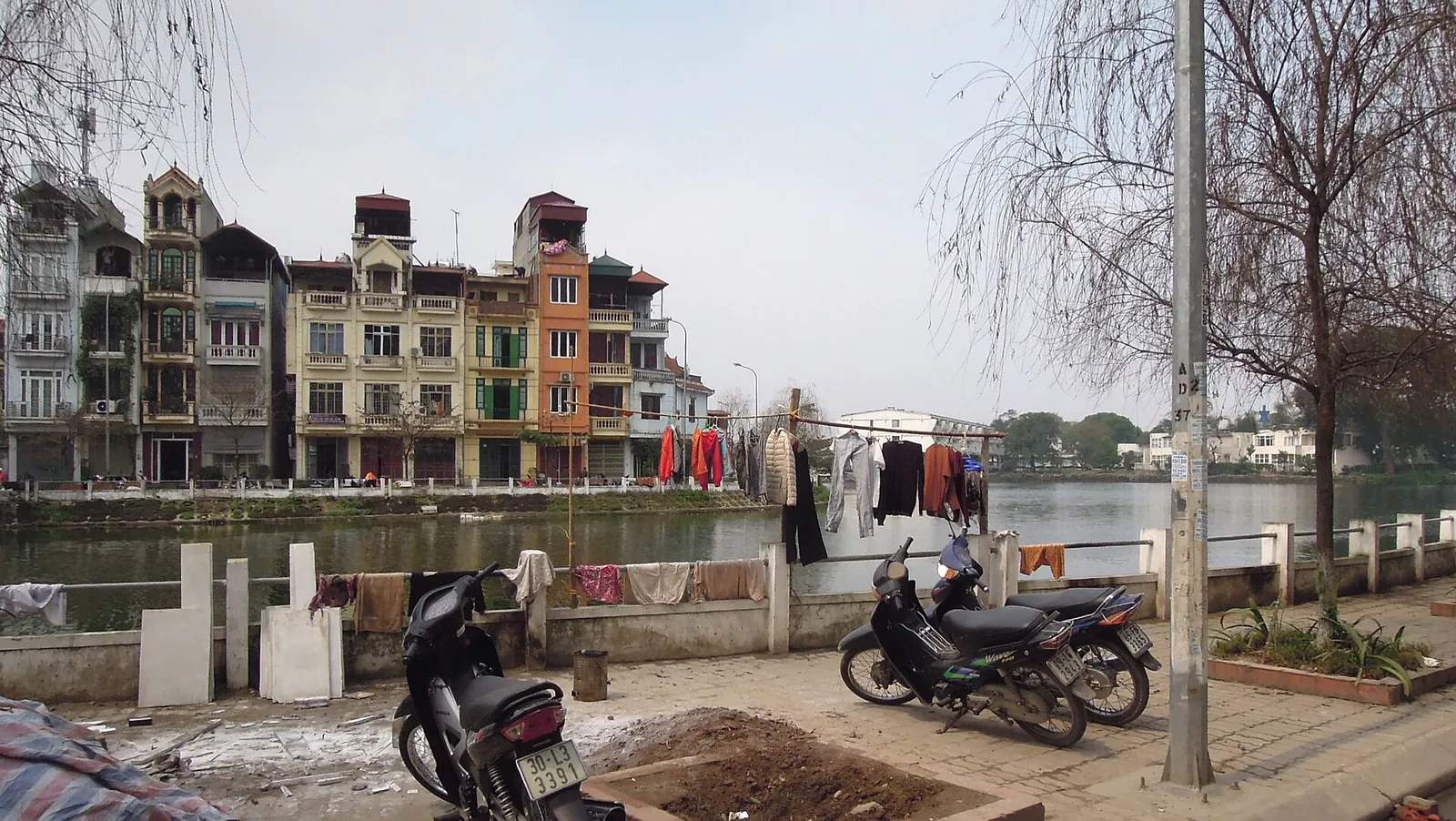
Hanoi is a city where the address matters more than the hotel. Two places a five-minute walk apart can give you completely different holidays: one where you step out into the noise and the food and the chaos, and one where you wake up to a quiet street and have to go looking for the city.
Neither is wrong. But nobody tells you the difference before you book, and the reviews will not either, because a hotel cannot describe its own neighbourhood honestly. So here is the district-by-district version, including the part about which streets you should not sleep on.
The quick answer
| Area | Best for | Trade-off |
|---|---|---|
| Old Quarter | First visits, food, walking | Noise, small rooms |
| French Quarter | Comfort, quiet, style | Less atmosphere on the doorstep |
| West Lake | Longer stays, families, calm | Twenty minutes from everything |
| Ba Dinh | Museums, space, value | Quiet in the evenings |
If it is your first visit and you have three or four nights: Old Quarter, but read the noise section below before you pick a street.
The Old Quarter
This is the Hanoi people come for. A thousand years of trade compressed into a grid of narrow streets, each historically dedicated to one craft, still half-organised that way. Everything is on foot. The food is at its densest here, which is the real argument for staying in it: you fall out of your door into the street food rather than commuting to it.
The accommodation is mostly small family-run hotels in tall thin buildings, often excellent value, often with genuinely warm service and generous breakfasts. Rooms are small and windows sometimes face a light well rather than the street, which matters less than you would think and helps enormously with noise.
The honest downside is the noise. This is a loud quarter until late and awake early. Karaoke, deliveries, horns and roadworks are all part of it.
The streets around the lake’s north end and the pedestrianised weekend zone are the liveliest. Ta Hien, the famous beer corner, is fun to visit and a poor place to sleep near. If you want the Old Quarter without the worst of the volume, look at its western and northern edges rather than the middle.
The French Quarter
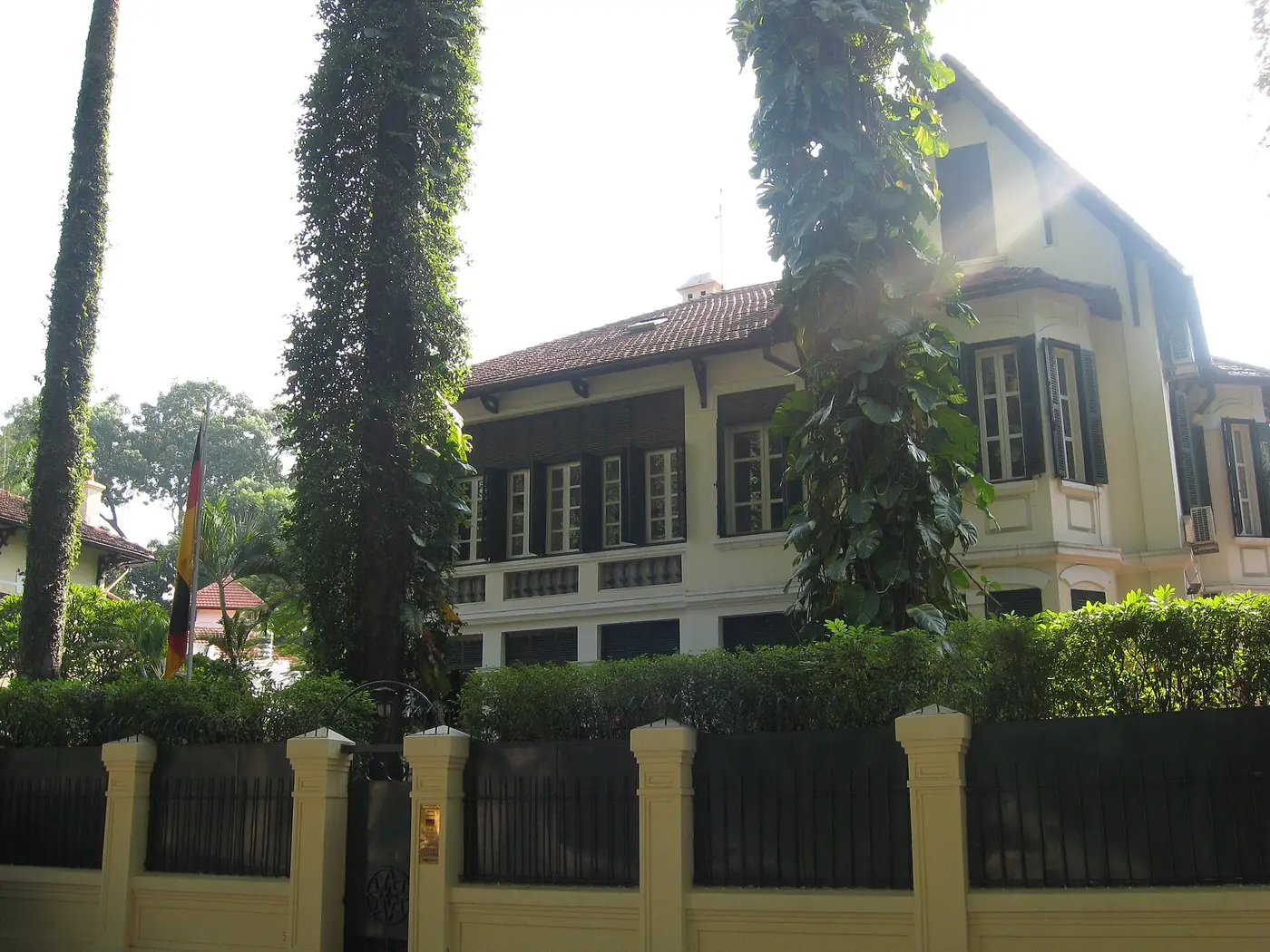
South and east of the lake, the streets get wider, the trees get bigger and the buildings turn colonial. This is where the opera house, the grand old hotels and most of the international-standard accommodation sit.
Stay here if you want comfort, a proper-sized room, and the ability to sleep. It is a fifteen-minute walk to the Old Quarter, which sounds fine and in practice means you visit the chaos rather than living in it. For some travellers that is exactly right, particularly on a second visit or with a partner who does not love crowds.
It is also the best area for a business-style stay or for anyone who wants a hotel that feels like a hotel rather than a family home with rooms.
West Lake and Tay Ho
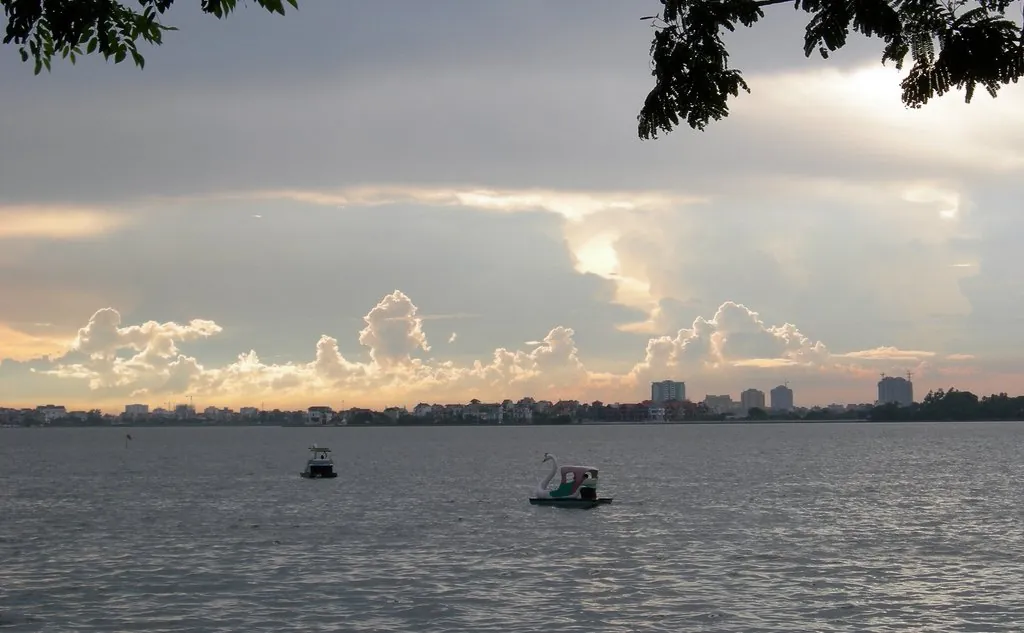
The large lake north of the centre is where much of Hanoi’s expat community lives, and it is a genuinely different city: wide roads, lakeside cafes, international restaurants, apartment-style accommodation and space to breathe.
Stay here if you are in Hanoi for a week or more, if you are travelling with children, or if you want mornings that start slowly. Stay somewhere else if you are here for three nights, because you will spend a meaningful part of them in traffic getting to and from the centre.
Picking between the Old Quarter and the lake?Compare both, and filter for free cancellation while you decide.Ba Dinh
The government and museum district, west of the Old Quarter. This is where the mausoleum, the citadel site and several of the main museums are. Accommodation is a mix of larger hotels and quieter guesthouses, and value is often good because it is not a nightlife area.
A reasonable choice if your priority is the historical sights and you like a quiet evening. Our Hanoi guide covers what is actually in each district, which is worth reading alongside this before you commit.
Matching the area to your trip
Two or three nights, first visit. Old Quarter, interior room, western edge. You want everything on foot because you do not have time to commute.
Four to five nights. Old Quarter or French Quarter, depending on whether you prioritise atmosphere or sleep. Both work.
A week or more. West Lake, or split: a few nights in the Old Quarter to be in it, then move out to the lake to recover.
With small children. West Lake, without much hesitation. Space, quieter roads, easier eating.
Using Hanoi as a base for trips out. Anywhere central, but check where your pickups happen. Most day trips and the buses north collect from the Old Quarter, and a hotel out at West Lake means an early taxi in the dark. If you are heading to Ninh Binh or the northern mountains, this matters more than the hotel itself.
Picking between the Old Quarter and the lake?Compare both, and filter for free cancellation while you decide.Practical things worth knowing
The tall thin building thing. Hanoi buildings are narrow and tall, and many small hotels have steep stairs and no lift. If you have heavy luggage or limited mobility, ask specifically.
Airport transfers. The airport is a fair distance out, and the price gap between arranging a car through your hotel and taking whatever is offered at arrivals is significant. Arrange it in advance.
Weekend street closures. The streets around the lake pedestrianise on weekend evenings, which is lovely to walk and means vehicles cannot reach some hotels. If you arrive on a Saturday evening with bags, expect to walk the last stretch.
Noise, again. I know. But it is the single most common complaint from visitors to this city, and it is entirely avoidable with two questions at booking.
Booking a room you will actually sleep in
Hanoi accommodation is cheap enough that the choice is rarely about money, which makes the specifics matter more than the price.
Ask which way the room faces. Interior rooms in these tall, narrow buildings are darker and dramatically quieter, and the trade is almost always worth making in the central districts.
Ask about the floor and the lift. A fourth-floor room up a steep staircase is common and completely fine with a backpack, and a genuine problem with two suitcases.
Ask what breakfast is. At small family-run hotels it is often a proper cooked meal and one of the nicer parts of staying there; at others it is a token effort and you are better off eating on the street for a fraction of the cost anyway.
Read the last few reviews, not the score. Small hotels here change management and refit frequently, and a two-year-old review describes a different place.
Two more that catch people out. Left luggage is standard and worth confirming, because almost everyone leaves a main bag while going out to the bay or the mountains. And late arrivals need a word in advance, since smaller places lock up and the person on the desk may also be the person asleep behind it.
Getting from the airport, and back again
The airport sits a fair way outside the city, and this is one of the few places in Hanoi where money is genuinely lost through inattention.
Arrange the car through your hotel or book a ride-hailing app rather than accepting whichever offer meets you in arrivals. The difference in price between the two is significant and entirely avoidable, and a driver holding a sign with your name at eleven at night is worth the small premium over the app.
Allow more time than the distance suggests in both directions, because traffic into and out of the city is heavy at predictable hours and unpredictable at others.
And note the weekend detail that surprises arriving visitors: the streets around the lake pedestrianise on weekend evenings, so a car cannot reach some Old Quarter hotels and you will walk the last stretch with your bags. It is a lovely thing to walk into and an annoying thing to discover with a suitcase.
What I would actually book
A small family-run hotel on the quieter western edge of the Old Quarter, interior room, three or four nights. Close enough that everything is walkable and the food is downstairs, far enough from the beer corner to sleep, and cheap enough that the money goes on the trips out of the city instead.
On a second visit I would go French Quarter, because by then you have proved the point and you would quite like a bath.
The same logic applies at the other end of the country, though the districts are numbered rather than named: our Ho Chi Minh City accommodation guide covers which ones actually suit which trip.
Where did you stay in Hanoi, and would you pick the same street again? Tell me in the comments, and name the street, because that is the part that helps.