Two weeks in Vietnam is a good trip. Three weeks is a different one. The extra seven days are what let you add the northern mountains, sit still in Hoi An for more than a night, and reach the Mekong Delta without treating it as an afternoon errand. This route runs Hanoi to the Mekong, uses the railway where it is genuinely pleasant and flies where the map is simply too long, and assumes you would rather have four unhurried stops than eight rushed ones.
First, check what your passport actually allows
This is the one detail that decides whether a 21-day plan is even legal for you, and it is not the same for everyone reading this.
Citizens of a defined list of mostly European and East Asian countries can enter Vietnam visa free for up to 45 days. That list includes the United Kingdom, France, Germany, Spain, Italy, Denmark, Sweden, Norway, Finland, Japan, South Korea and Russia, along with a further group of European nationalities added under a tourism scheme announced to run from August 2025 to August 2028, among them Belgium, the Netherlands, Poland, Switzerland, Czechia, Hungary, Croatia and several others.
Passports from the United States, Canada, Australia, New Zealand and Ireland are not on those lists. Those travellers apply for an e-visa, which is issued for stays of up to 90 days, single or multiple entry, through the official government portal at evisa.gov.vn. Twenty-one days sits comfortably inside either allowance, but the paperwork differs, and the unofficial application sites that outrank the real one are a persistent problem. Check the government portal directly, and treat our dedicated visa and entry article as the authority if anything here ever drifts out of date.
One further change worth knowing before you read addresses and old guidebooks: on 1 July 2025 Vietnam merged its 63 provinces into 34. Place names you will actually use, Hoi An, Phong Nha, Sapa, are unchanged, but the province they sit in may have a different name now.
Days 1 to 5: Hanoi and the northeast
Land in Hanoi and give yourself two full days before moving. The Old Quarter is dense, loud and best understood on foot with no fixed plan, and the jet lag from Europe or North America is real.
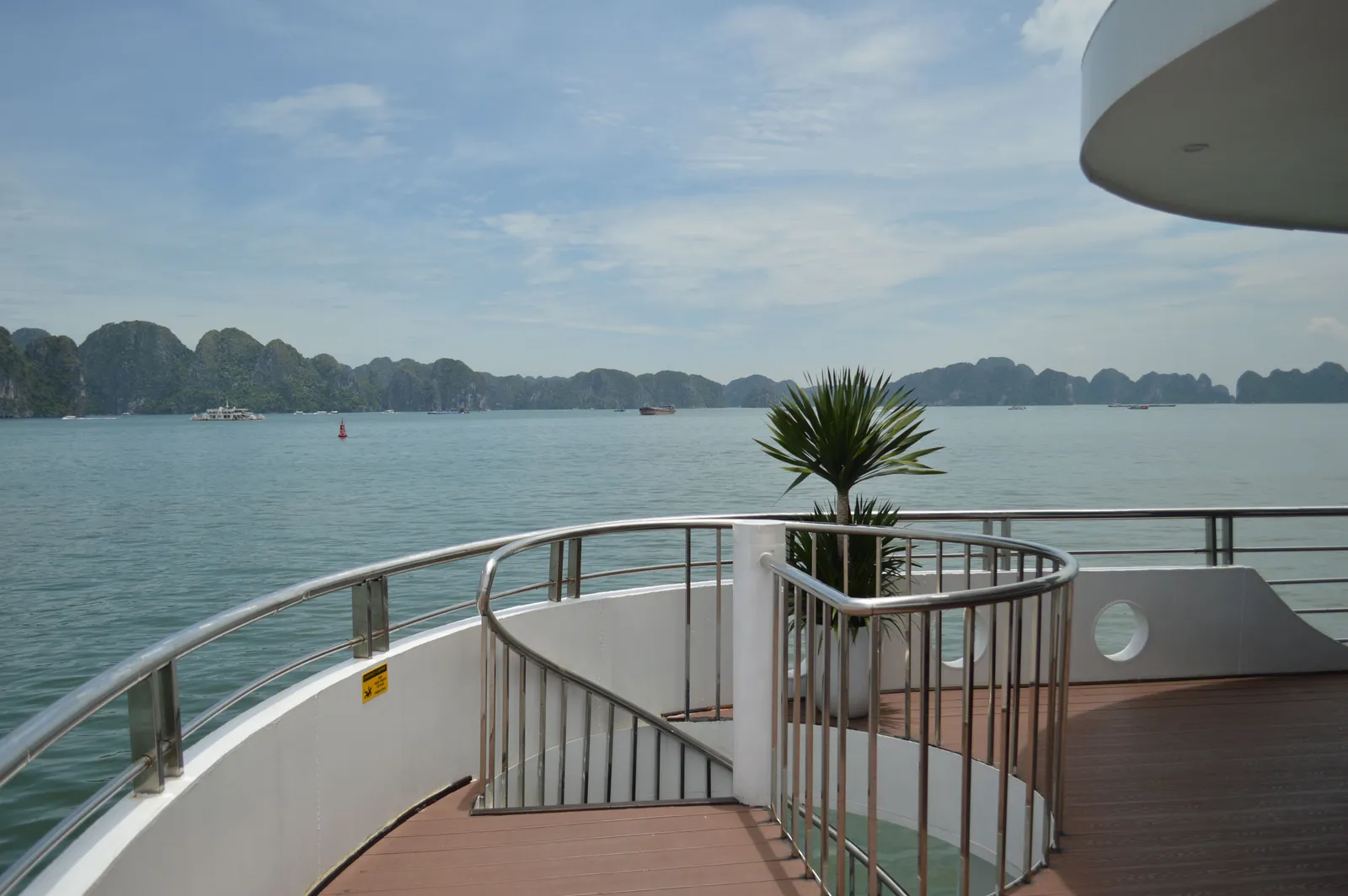
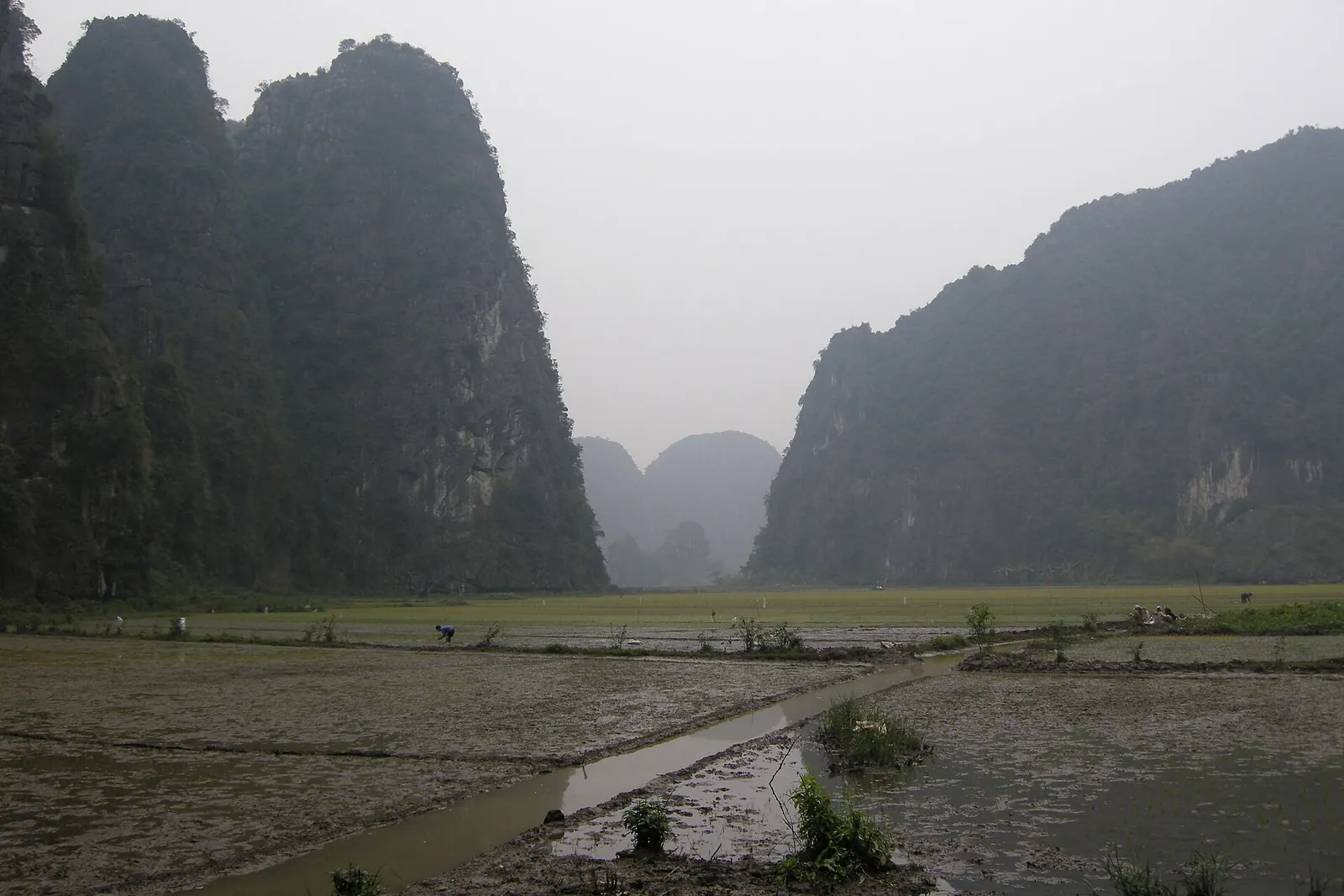
From Hanoi the classic add-on is Ha Long Bay or Lan Ha Bay, usually as an overnight boat. Book a smaller vessel if you can, and treat the second night on board as optional rather than assumed. Alternatively, Ninh Binh offers karst scenery of the same family without the sea, reached by a short train or bus ride, and it makes an easy standalone stop or day trip.
Five days here is enough for the city, one bay and one countryside excursion. It is not enough for all three plus the mountains, which is the next decision.
Days 6 to 9: choose one northern mountain region
The far north is where three-week trips separate themselves from two-week ones, and where over-ambition does the most damage. Pick one.
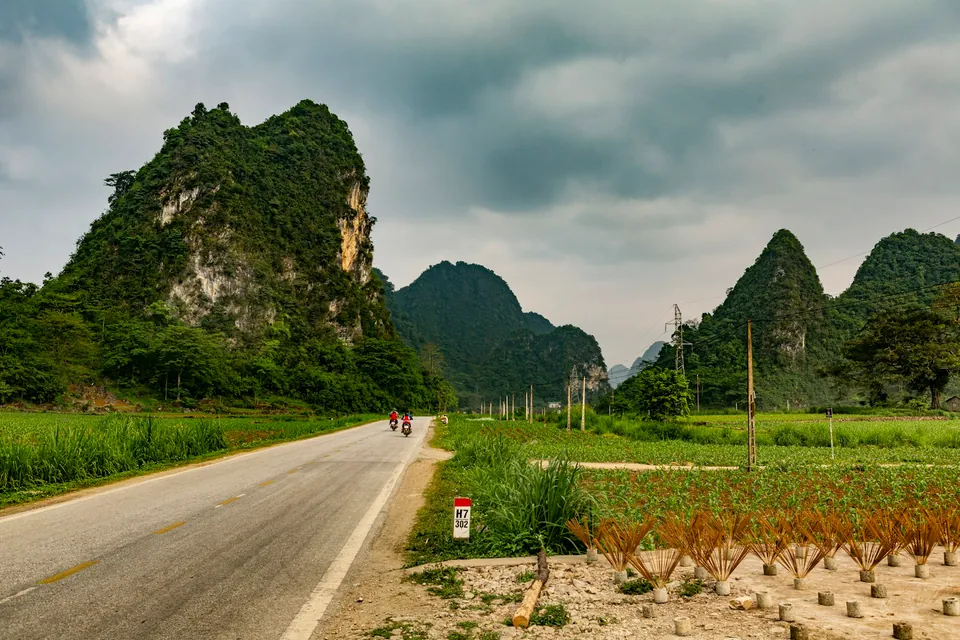
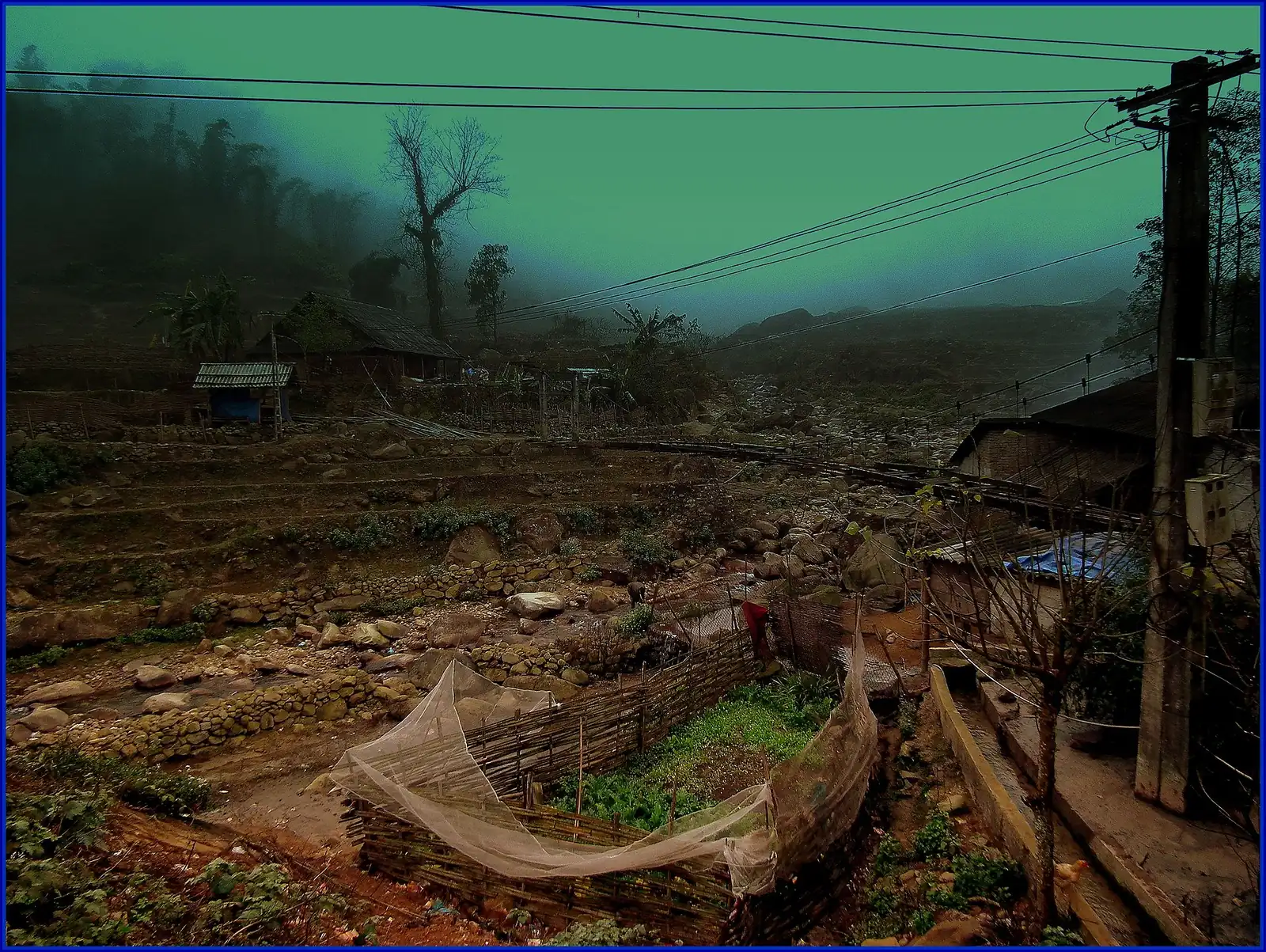
Sapa is the accessible choice: overnight train or sleeper bus from Hanoi, terraced valleys, homestays and organised treks, and a town that has grown considerably. Ha Giang is the harder, more rewarding option, a mountain circuit usually ridden over three or four days on the back of a motorbike with a local driver, or self-driven if you genuinely hold the correct licence.
If you go to Ha Giang, be aware that checkpoints in the border districts have been asking foreign visitors for a border area permit. Operators in Ha Giang City arrange this as a matter of course, and the practical answer is to book with one and ask what paperwork they will obtain for you rather than to rely on a blog post from a previous season.

Days 10 to 14: Phong Nha and the central coast
Come back to Hanoi and start moving south. This is where the railway earns its place.
Phong Nha Ke Bang is the caving stop, and it deserves a serious mention on a long trip because a short one cannot fit it. The show caves are open year round in principle, though heavy rain closes them at short notice. The large expedition caves run on strict seasons: the Son Doong expedition is permit-only through a single licensed operator, sells out many months in advance, and does not run during the wettest part of the year, and Hang En has its own closed window. If a cave trek is the reason you are coming, book it before you book anything else in this itinerary.
Continue to Hue for the citadel and the royal tombs, then cross to Da Nang and Hoi An. If you are travelling between Hue and Da Nang under your own steam, note that motorbikes are not permitted through the Hai Van tunnel, so riders take the pass road over the top, which is the better ride anyway.
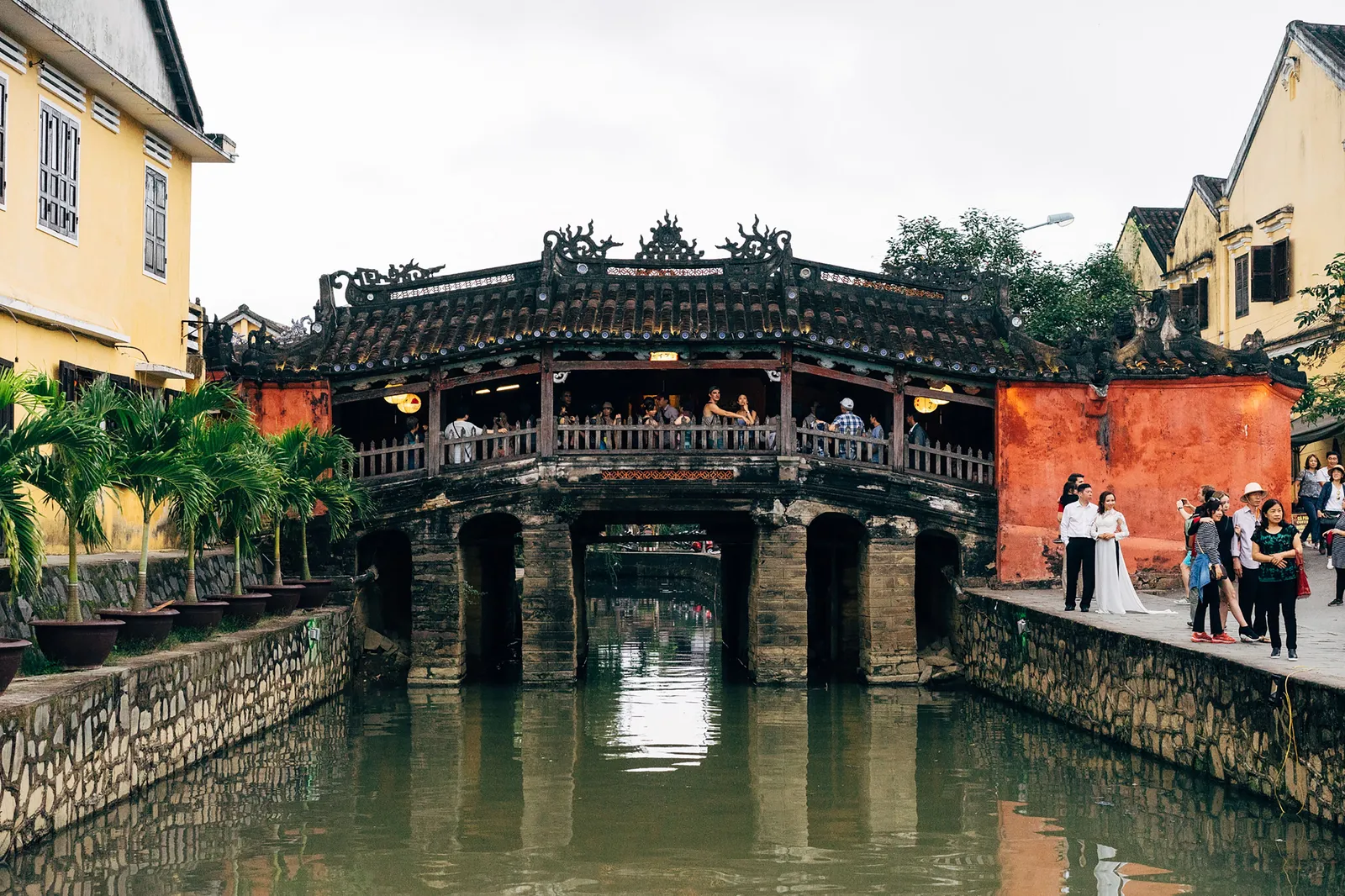
Give Hoi An three nights rather than two. It is the one place on this route where slowing down changes the trip.
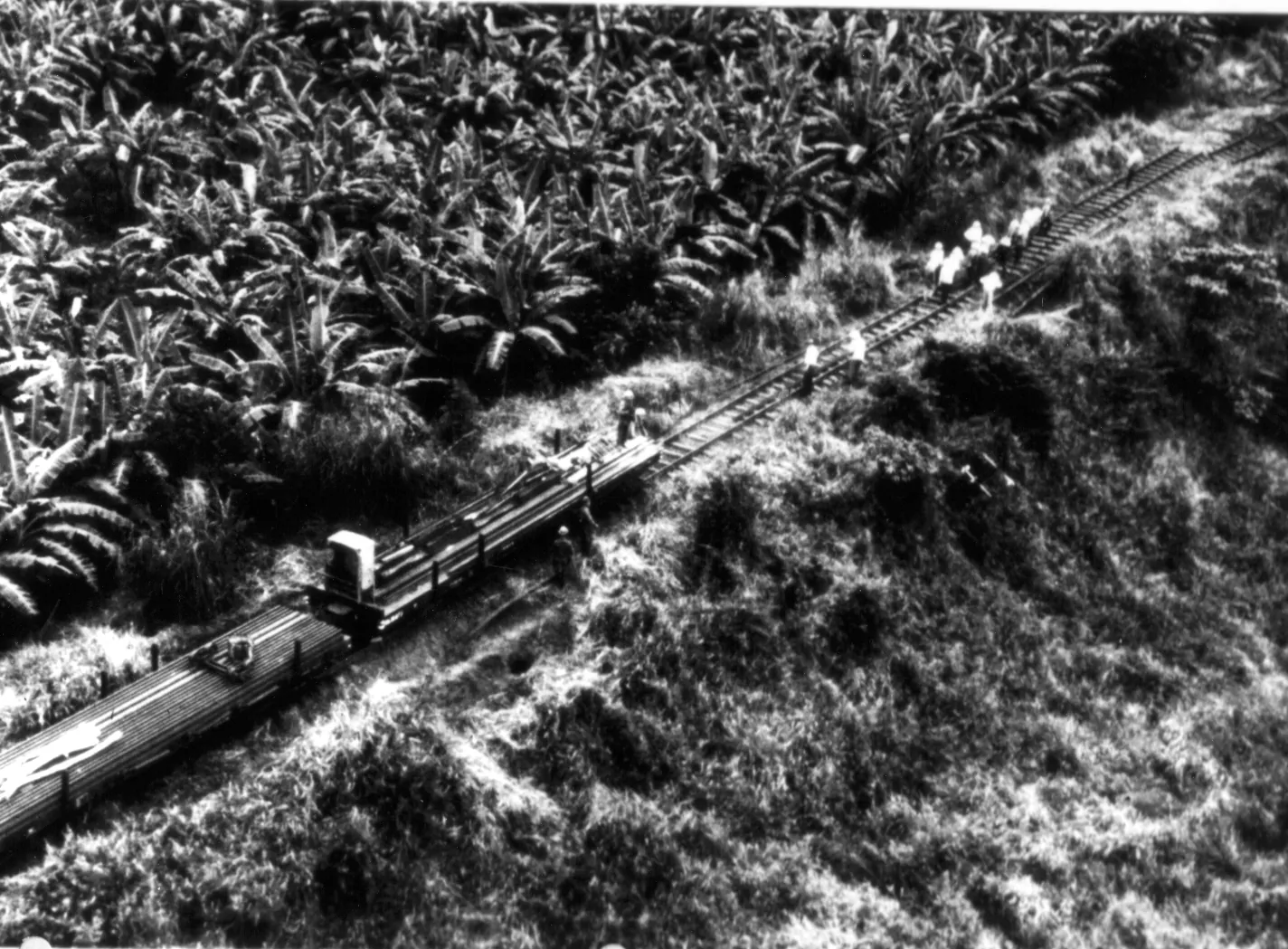
Book the station and airport legs earlyPrivate transfers between city centres and terminals are the part of a long itinerary that is easiest to get wrongThe full Reunification Express run from Hanoi to Ho Chi Minh City takes upwards of 30 hours, with several direct services a day and journey times varying by how many stops the train makes. Almost nobody on a three-week trip should ride it end to end. Break it into legs. Our Vietnam sleeper train guide covers carriage classes and booking, and journey times should be checked against Vietnam Railways at dsvn.vn rather than any third-party timetable.
Days 15 to 18: the south coast or the highlands
From Hoi An, fly or take a long overnight leg south. Two reasonable choices open up here.
The coastal option runs through Nha Trang or Mui Ne for beaches and diving, straightforward and low effort. The highland option goes inland to Da Lat, cooler, pine-scented, full of waterfalls and coffee farms, and a genuine change of climate after weeks of heat.
Both are fine. What does not work is trying to do both plus an island, which turns your last week into a sequence of airports.

Days 19 to 21: Ho Chi Minh City and the Mekong Delta
Finish in the south. Ho Chi Minh City wants two nights minimum: the War Remnants Museum, the Reunification Palace, the street food of District 1 and Binh Thanh, and the new metro line, which since December 2024 has made the run from the centre out towards Thu Duc genuinely easy.
Use one of these days for the Mekong Delta. A day trip to My Tho or Ben Tre is the common compromise, but an overnight to Can Tho, timed for an early morning floating market, is far more rewarding and is exactly the sort of thing a third week buys you.
Then fly home from Ho Chi Minh City. If you are booking for late 2026 or beyond, confirm your departure airport with the airline: Vietnam plans to shift long-haul international traffic to the new Long Thanh airport east of the city, and that transition is phased.
Making the pacing work
Three practical rules keep a 21-day trip from collapsing into transit.
Move no more than six times. Every move costs half a day once you count packing, transfers and check-in, no matter how short it looks on a map.
Book an open-jaw flight, into Hanoi and out of Ho Chi Minh City. Backtracking to your arrival city at the end wastes a day and a fare.
Leave one day genuinely empty. Weather closes caves, boats and mountain roads at short notice on this route, and a spare day converts a cancelled plan into an inconvenience rather than a hole. If you are still weighing up whether to do the whole country at all, our comparison of north versus south Vietnam is the better starting point, and if 21 days turns out to be optimistic, the two-week Vietnam itinerary is the tighter version of this same route.