People ask whether they should do northern or southern Vietnam as though it were a question about scenery. It is not. The two halves of this country differ in climate, food, pace, history and temperament to a degree that genuinely surprises first-time visitors, and choosing between them is choosing between two different holidays.
I have a preference, which I will give you at the end. But it depends entirely on what you want, so let me lay out the actual differences first.
The short version
| North | South | |
|---|---|---|
| Climate | Four seasons, genuinely cold winter | Hot year-round, wet and dry |
| Landscape | Mountains, limestone, terraces | Delta, beaches, flat |
| Food | Subtle, savoury, restrained | Sweet, herbal, generous |
| Pace | Slower, more reserved | Faster, louder, more commercial |
| Cost | Slightly cheaper | Slightly higher |
| Best for | Scenery, history, trekking | Beaches, food, energy |
Climate, which is the decision-maker
This is the one that should drive your choice, and it is the one people skip.
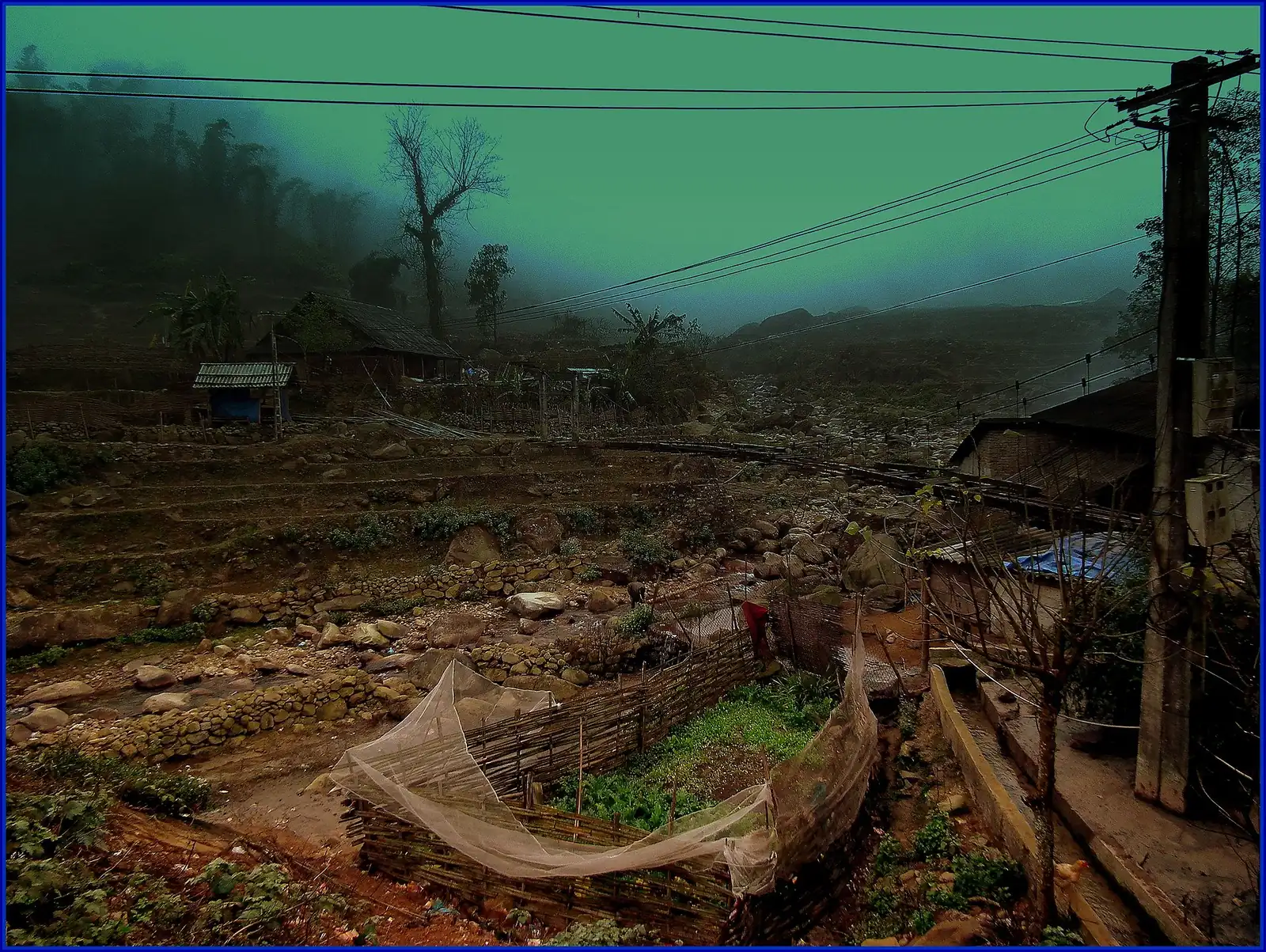
The north has four seasons, and its winter is genuinely cold. Not tropical-cool, actually cold: grey, damp, in the low teens for weeks, with no heating in older buildings and mountain areas that can approach freezing. Visitors who arrive in December expecting Southeast Asia are consistently caught out.
The south is hot all year, with a wet season of short heavy afternoon downpours and a dry season that is simply hot and bright. There is no cold, ever.
So: if you are travelling in the northern-hemisphere winter and you want warmth, go south. If you are travelling in the northern autumn, the north is at its absolute best. Our guide to the best time to visit breaks down the calendar in detail, and on a one-region trip it should determine your choice rather than your preferences doing so.
Landscape
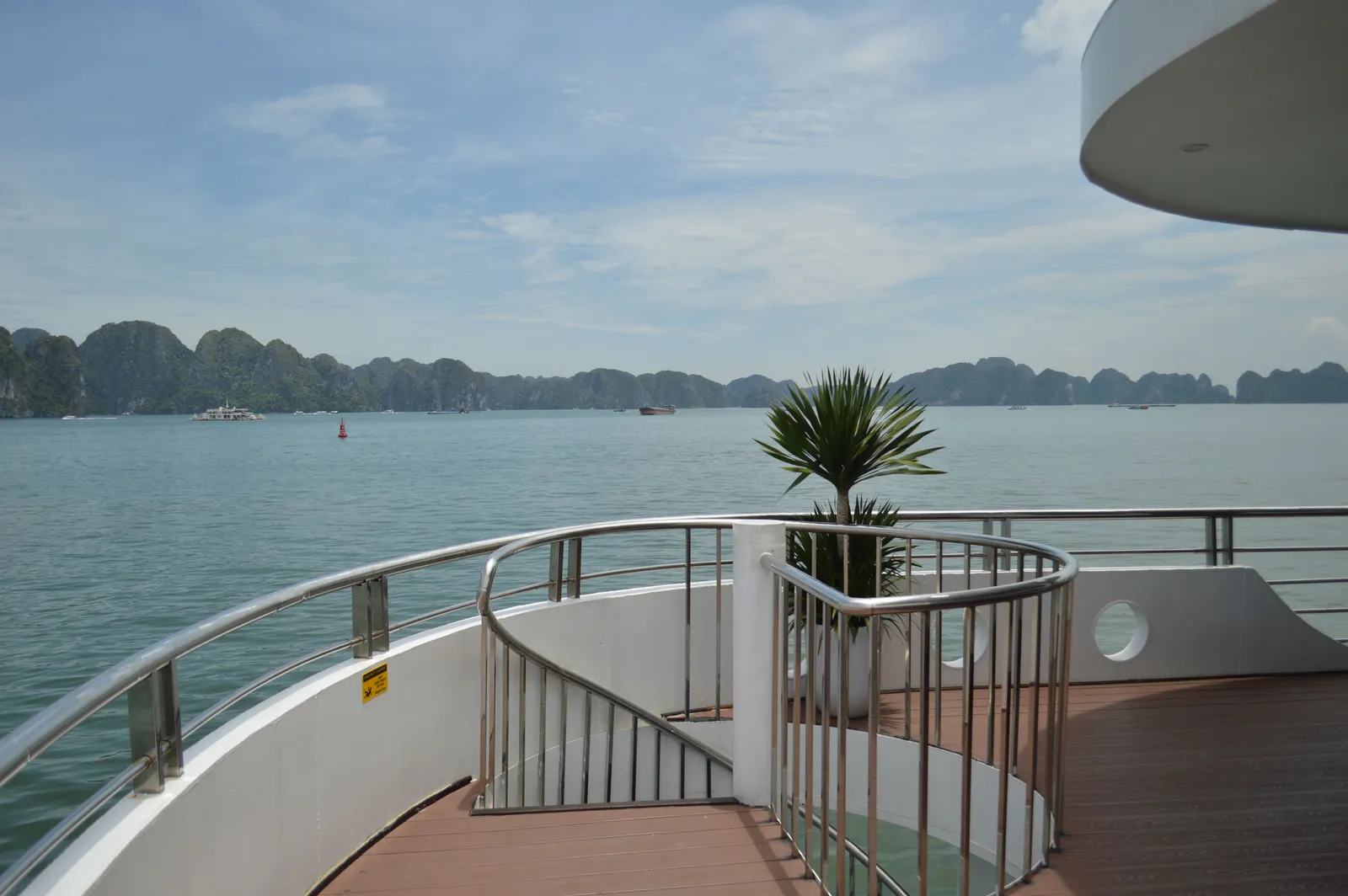
The north is the dramatic half. Limestone karsts rising out of water, mountain passes, terraced rice valleys, and the country’s only genuinely alpine feel. If your mental image of Vietnam is towers of rock in a green bay or rice terraces stacked up a mountainside, that is the north.
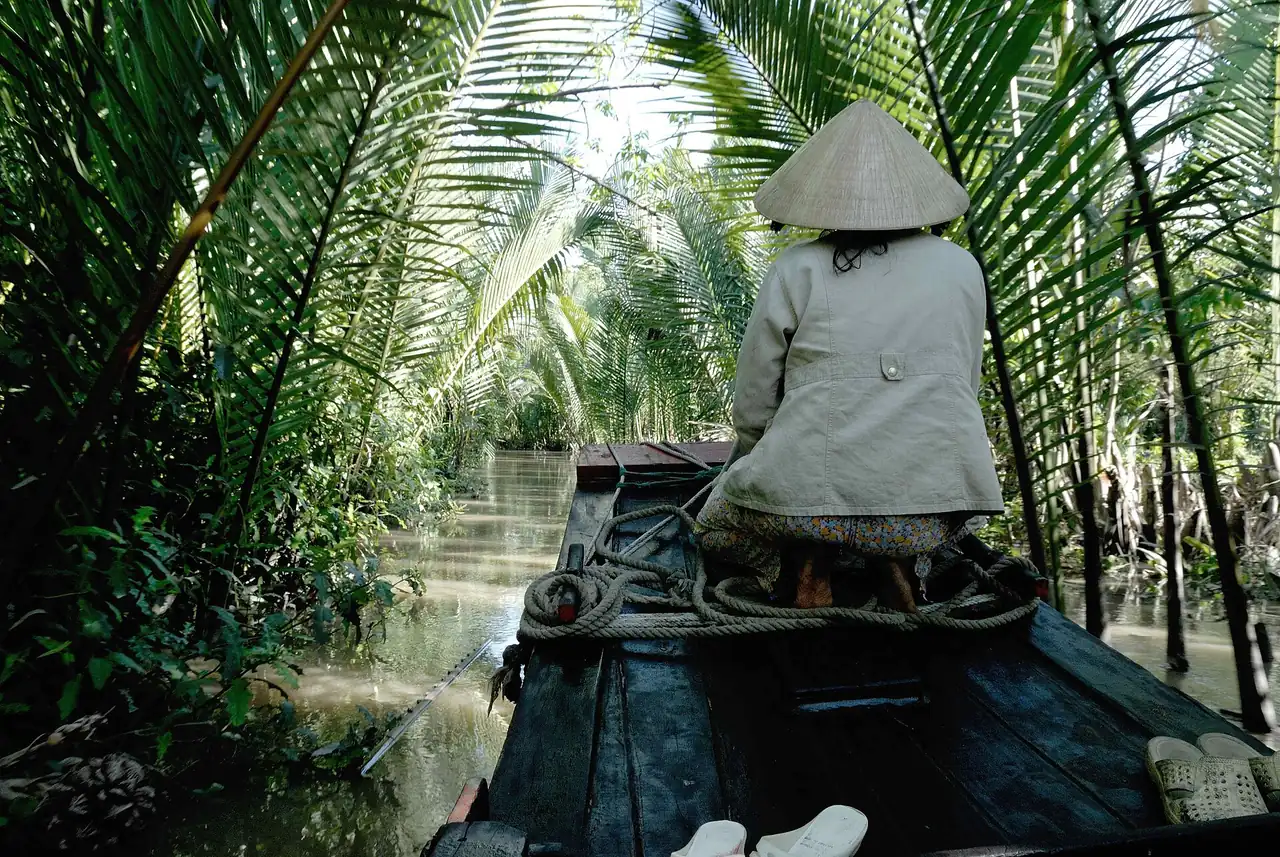
The south is flat. The delta is water and rice and coconut palms, and the coast has the beaches and the islands. It is beautiful in a gentler, more horizontal way, and it does not photograph as spectacularly.
For scenery, the north wins clearly. For swimming, the south does.

Food, which is where it gets interesting
The regional split in Vietnamese cooking is real and it is significant.
Northern food is restrained. Clearer broths, less sugar, fewer herbs on the side, more emphasis on balance than on impact. Northern pho arrives with almost nothing added because the broth is meant to carry it. The signature dishes are subtle. Our Hanoi street food guide goes into what the north actually specialises in.
Southern food is sweeter and more abundant. More sugar, more coconut, an enormous plate of herbs and sprouts to add yourself, and a general generosity. Southern pho comes with a side plate bigger than the bowl.
Which is better is a genuine argument among Vietnamese people. Northerners consider southern food unsubtle; southerners consider northern food plain. Both are right and both are wrong.
Pace and temperament
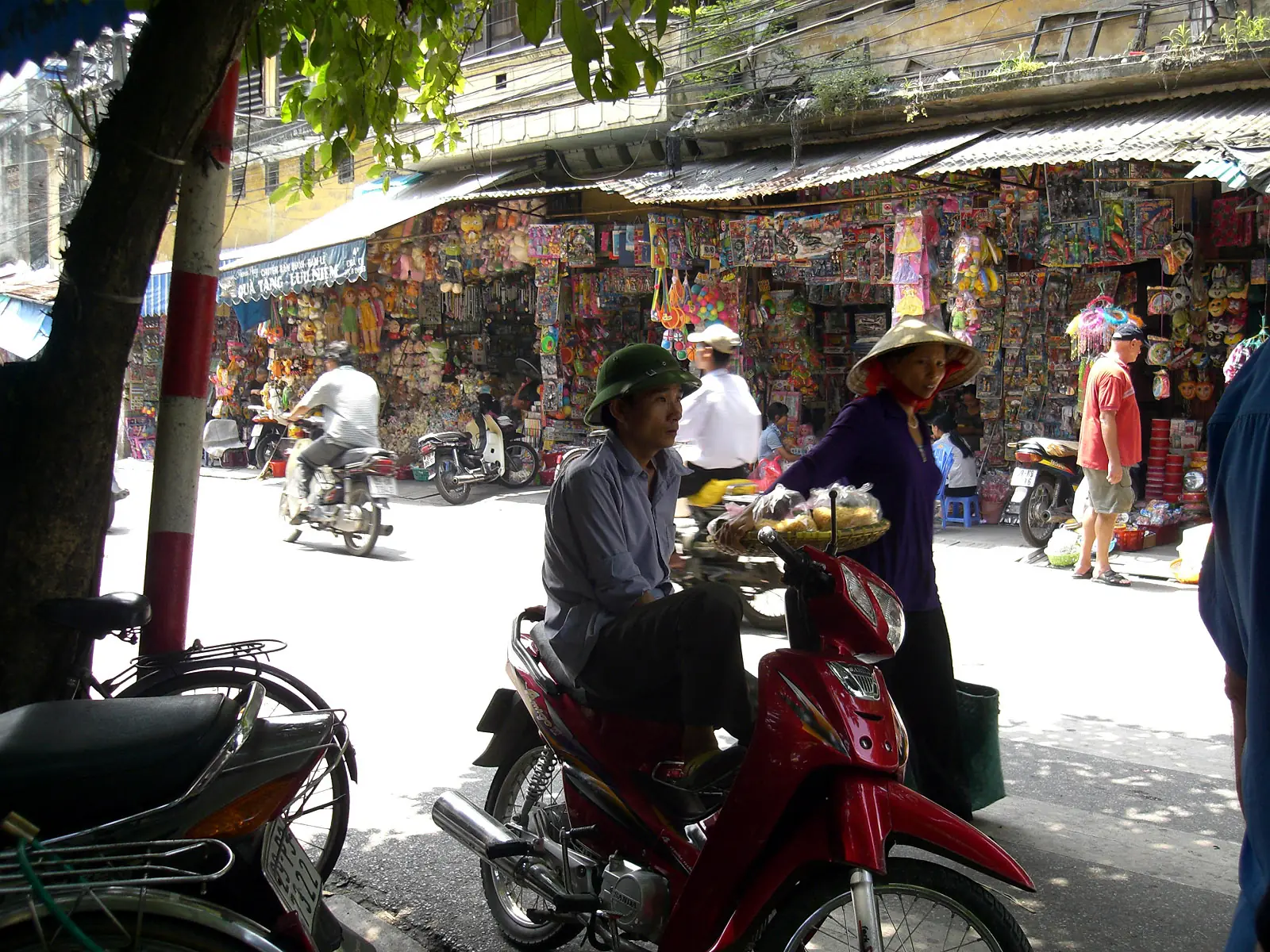
The north is more reserved. Hanoi is ancient, dense and slightly formal, and the further you go into the mountains the quieter it gets.
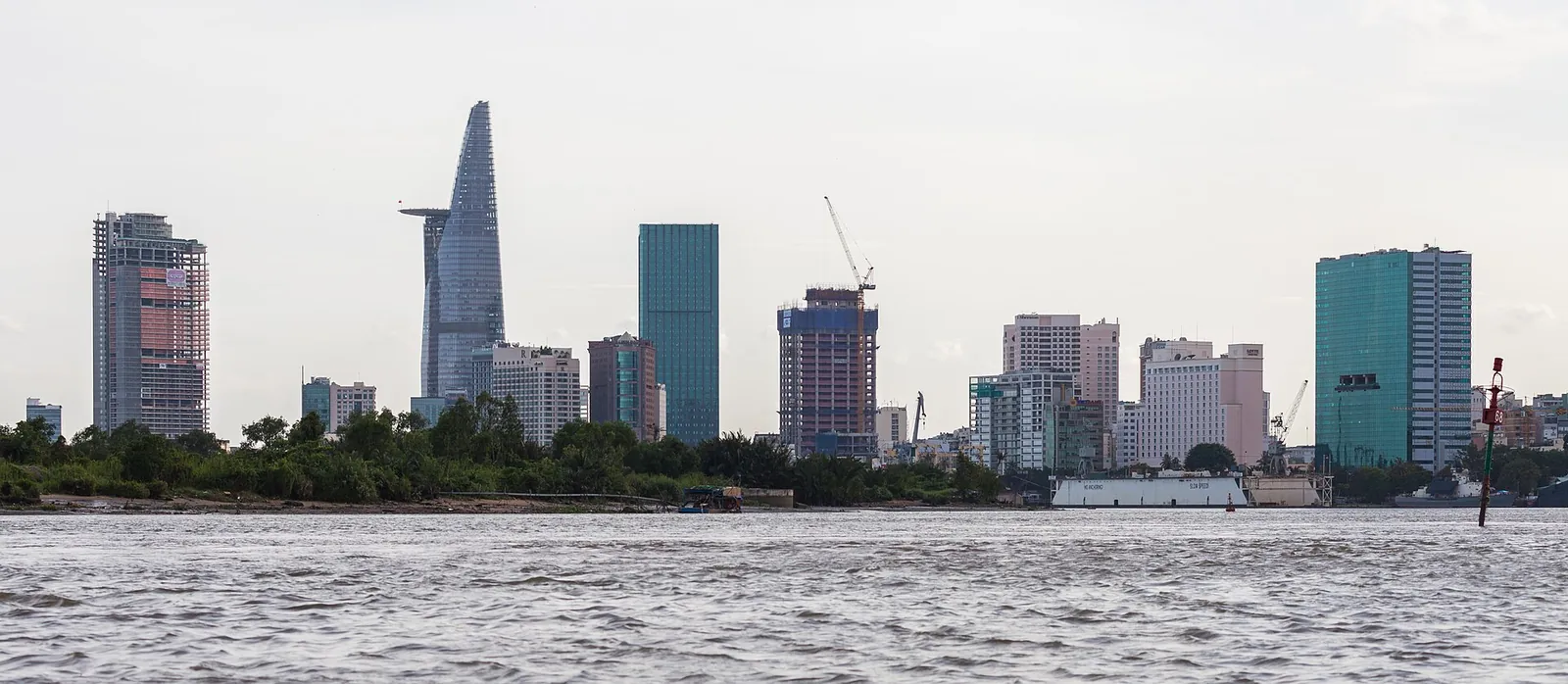
The south is commercial and fast. Ho Chi Minh City runs at a speed nowhere else in the country matches, it is more international, and the whole region is more used to visitors. Our Ho Chi Minh City guide gives a sense of the difference in energy.
This is a real difference in how a trip feels, and people tend to have a strong reaction one way or the other.
Whichever half you pickCompare stays in both, with free cancellation while you decide.Cost
The north is generally slightly cheaper, particularly outside Hanoi. The south has more resort and international infrastructure, which pushes the top end higher, though street-level costs are similar across the country.
Neither difference is large enough to decide anything.
Which suits which traveller
Choose the north if you want mountains and dramatic landscape, if you are interested in history and traditional culture, if you want to trek, if you are travelling in autumn or spring, or if you want the country at its least commercial.
Choose the south if you want beaches and warm sea, if you are travelling in the northern winter, if you want big-city energy and the best eating, if you are travelling with children who need a pool, or if you want an easier, more relaxed trip with less packing.
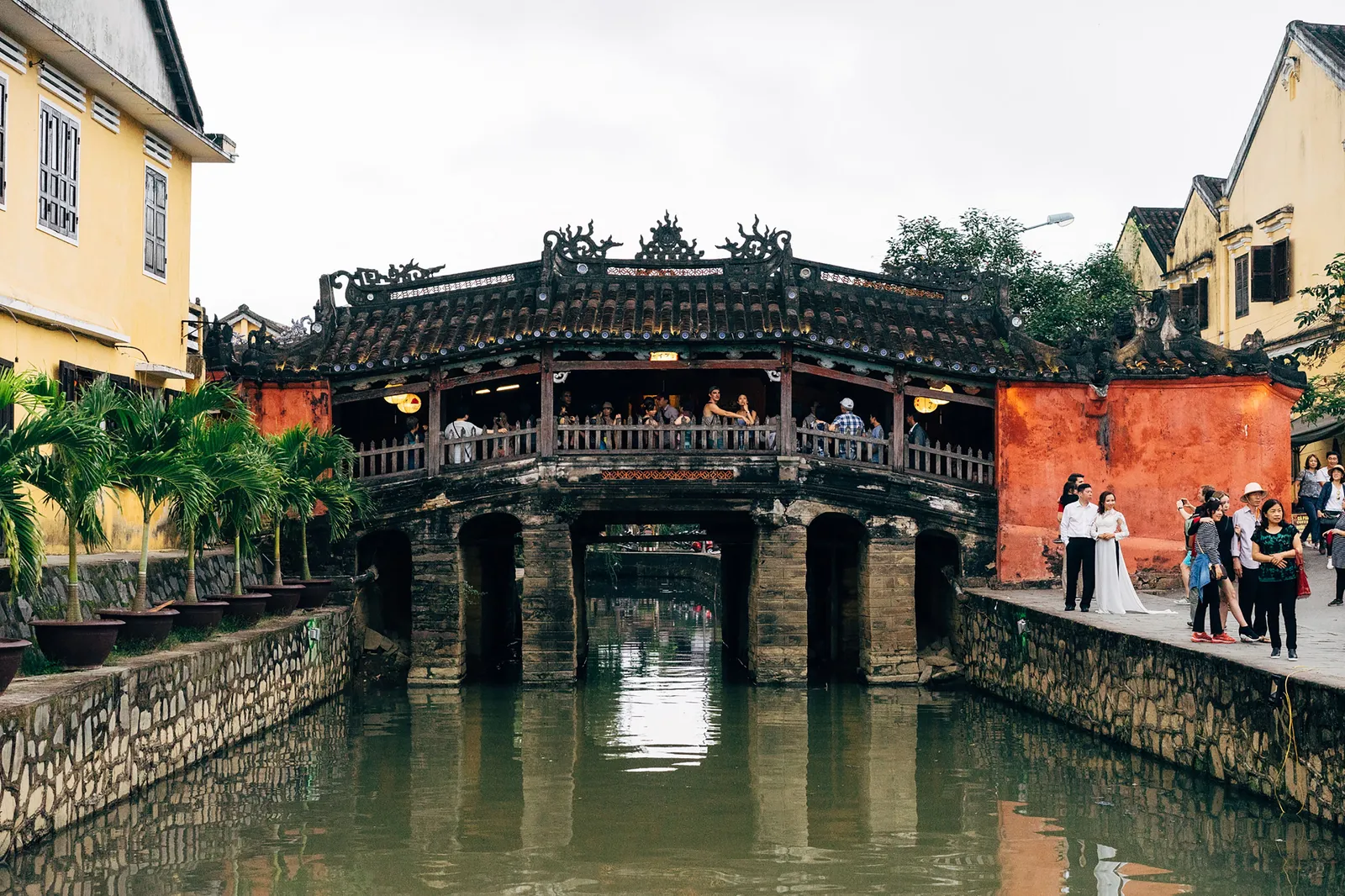
Choose the centre if you want a bit of both, which is the answer nobody asks for and is frequently correct. The imperial city, the old town and the beaches sit in the middle geographically and in temperament, and a week there gives you history, coast and good food without extremes.
If you can only do one, on a first trip
Here is my actual view.
The north, for most people. It contains more of what makes Vietnam distinctive rather than what makes it a pleasant tropical destination. The landscape is unlike anywhere else, the capital is one of Asia’s great cities, and the mountains and the bay have no southern equivalent. Beaches you can get in fifty countries.
But go south if you are travelling in the northern winter. A cold, grey Hanoi is a real disappointment for a first trip, and the south in those months is at its most reliable. The calendar should override the preference.
And if you are agonising, the honest answer is that a first-time visitor with two weeks should do both plus the centre, which is what our first time in Vietnam guide is built around. The choose-one question really only applies to short trips.
The one-line summary
North for scenery, history and mountains, in autumn or spring. South for beaches, food and warmth, especially in winter. Centre if you want a compromise that is genuinely good rather than a compromise.
Which half did you do, and did you regret not doing the other? Tell me in the comments.
With a week, that choice stops being optional. Our Vietnam in 7 days commits to one end of the country and explains what you gain by not trying to see both.