Vietnam is over 1,600 kilometres long and shaped like a letter S, and that geography decides everything about a short trip. A week is enough to see one end of the country properly and not enough to see two. Here are the three routes that work, and the mistake that produces a holiday spent in airports.
The rule: one region
The country divides naturally into north, centre and south, each with its own climate, food, character and even accent. They are genuinely different places rather than variations on a theme.
Covering two of them in a week means at least one internal flight plus the airport time at both ends, and realistically two. That takes the best part of a day and a half out of seven and leaves each region at a day and a half of actual time.
Pick one. Our north against south comparison covers the differences in detail if you are undecided, and our ten day itinerary shows what the extra three days make possible.
Option one: the north
Hanoi, a bay cruise, and one more stop.
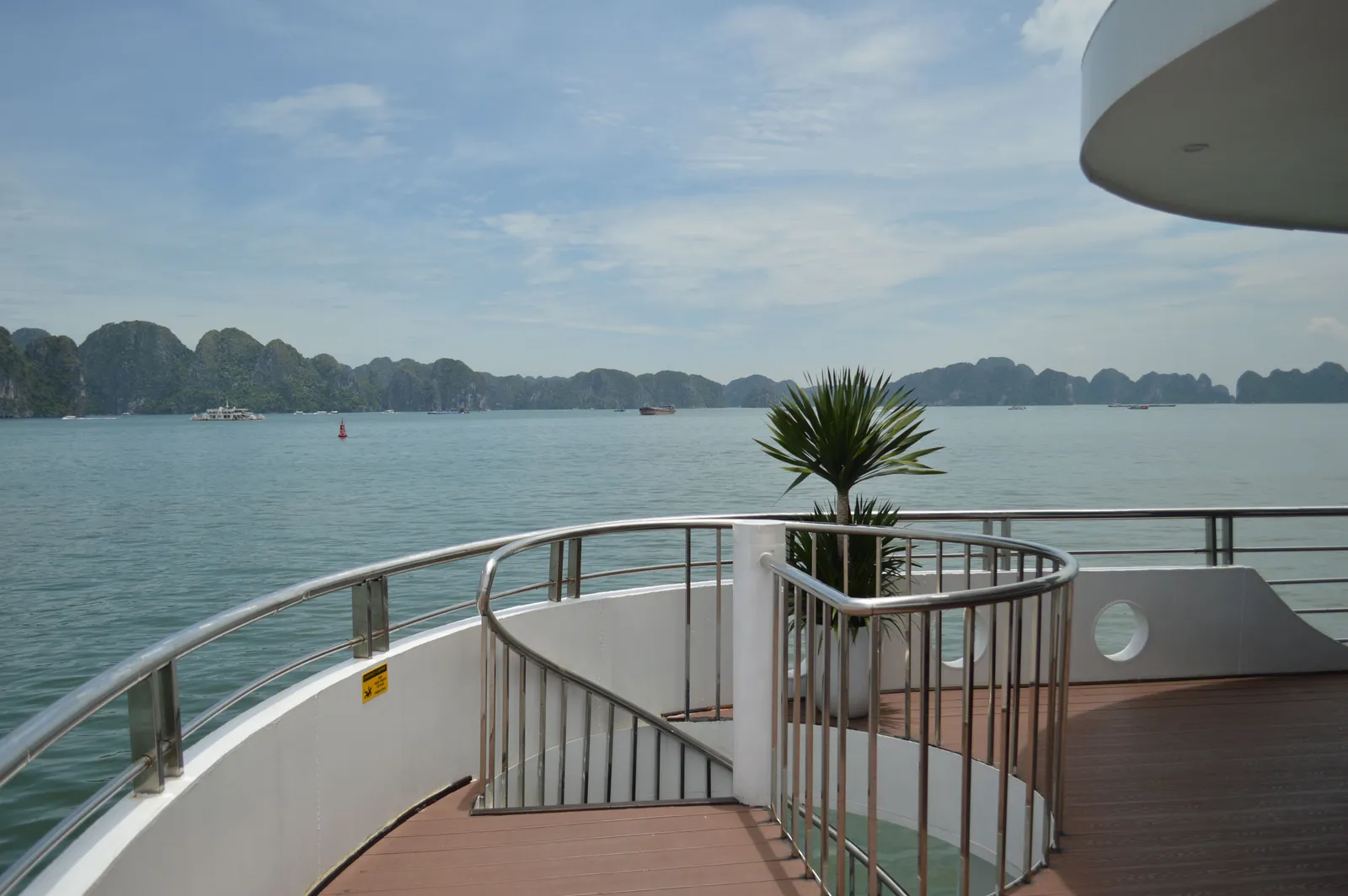
Three nights in Hanoi covers the old quarter, the lakes, the food and the museums, and it is a city that rewards wandering more than ticking off sights. Two days go to an overnight cruise in Halong or the quieter Lan Ha bay, which is the standard way to do it and much better than a day trip, since the bay is at its best early and late when the day boats have gone.
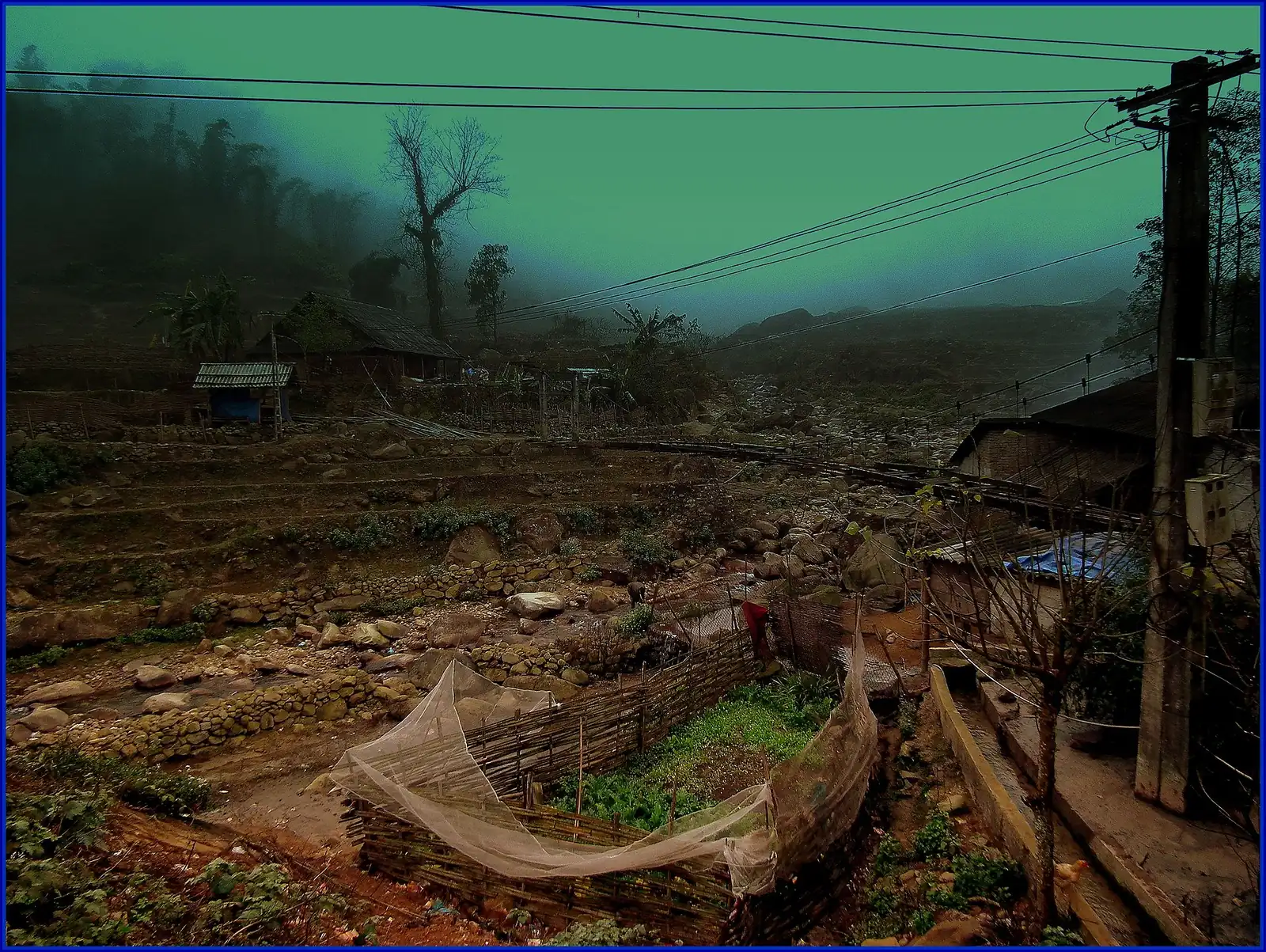
That leaves two days for one more thing: Ninh Binh, the inland karst landscape sometimes called the dry Halong Bay, which is close enough to be comfortable, or Sapa in the mountains, which is a longer journey and better suited to a slightly longer trip than this one.
Option two: the centre
This is the easiest week and the one most people should take. The three anchors sit within short distances of each other and no internal flight is needed once you have arrived.
Hoi An is the draw: a preserved trading port of lantern-lit streets, tailors and riverside restaurants, with a beach nearby. Three nights minimum.
Hue, the old imperial capital, is a couple of hours north, with the citadel and the royal tombs along the river. Two nights.
Da Nang sits between them with beaches, the mountain pass and the airport that gets you in and out.
The stretch of railway between Hue and Da Nang is one of the most scenic short train journeys in Asia and is worth taking deliberately rather than driving.

Option three: the south
Ho Chi Minh City, the Mekong Delta, and an island.

Three nights in the city covers the war history, the markets, the food and the nightlife, and it is a much more modern and faster-moving place than Hanoi. Two days for the Mekong Delta, which is further out than the map suggests and better as an overnight than a rushed day trip.
Two or three nights on Phu Quoc if you want beach time, reached by a short flight. This is the one southern route that does need an internal flight, and it is a short one.
One internal flight, not threeDomestic flights here are cheap and quick, and the trick is using exactly one rather than building a week around themThe distances that catch people out
Two specific misjudgements recur.
Sapa is not a day trip from Hanoi. It is a long journey each way through mountains, and doing it properly means at least two nights. Squeezing it into a week in the north means dropping the bay.
The Mekong Delta is further from Ho Chi Minh City than it looks. The traffic getting out of the city is substantial, and a day trip delivers a few hours on a boat surrounded by other day trippers.
More generally, Vietnamese road journeys take longer than the distances suggest, and our guide to getting around Vietnam covers the realistic timings.
Flying, and the baggage trap
Domestic flights are frequent, competitive and inexpensive, and Hanoi to Ho Chi Minh City takes about two hours against more than thirty by rail.
The one thing to watch on the budget carriers is hold baggage, which is charged separately and enforced considerably more strictly than many travellers expect. Add it when booking rather than at the airport, where it costs substantially more.
For everything else that applies whichever region you choose, our first-time guide is the place to start.
Which region suits which traveller
If you are still deciding, three rough guides.
Choose the north if you want landscape above all: the bays, the karsts and the mountains are the country’s most photographed scenery, and Hanoi is the more atmospheric of the two big cities, older and denser and harder to navigate in a way many visitors come to love.
Choose the centre if you want the easiest week and the most concentrated variety. It is the only one of the three that needs no internal flight once you have arrived, and it combines a preserved old town, imperial history and beaches within short distances. For a first trip of exactly seven days, this is the recommendation.
Choose the south if you want a fast modern city, the war history at first hand, and the delta, with the option of an island at the end. Ho Chi Minh City is the more energetic of the two cities and the food scene is exceptional.
None of the three is a compromise version of the others, which is precisely why trying to combine two of them in a week costs more than it gives.
An open-jaw note
Where the fare difference is small, flying into one city and out of another is worth checking even on a single-region trip, since it removes a return leg. On a central-region week that could mean flying into Da Nang and out of Hue’s nearest airport, and in the south flying home from Phu Quoc rather than backtracking to Ho Chi Minh City. Airlines often price these close to a standard return.