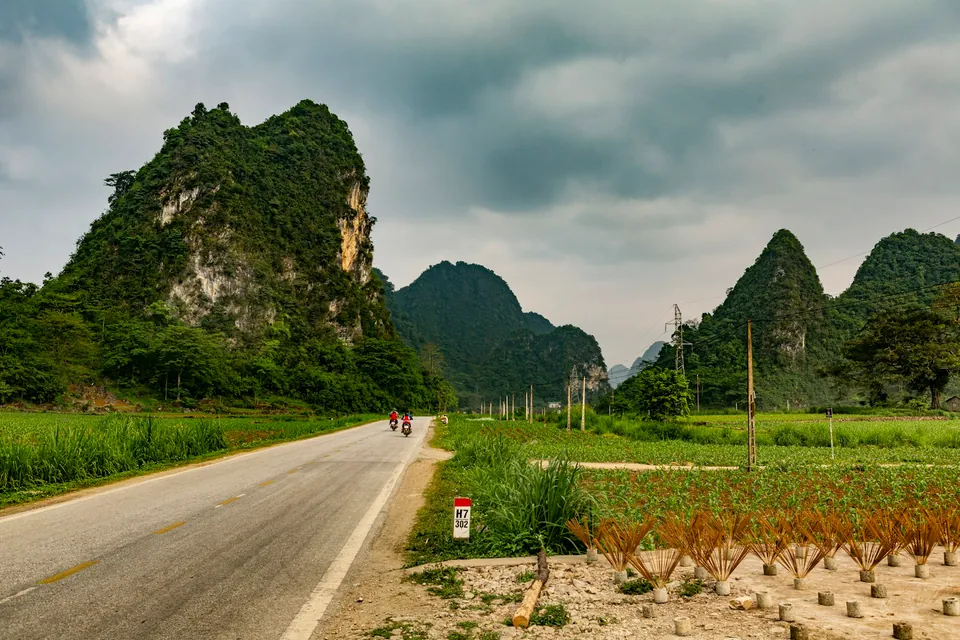
Central Vietnam is the part of the country that rewards a loop rather than a dash. Within a few hours of each other you get a walled imperial city, one of the largest cave systems on earth, a mountain pass that drops straight into the sea, a modern beach city and a lantern-lit trading port that has barely changed shape in two centuries. Almost nobody links them well, because the standard advice treats Hue, Da Nang and Hoi An as three separate stops rather than one region with a natural order.
This is that order, built for seven days at minimum and ten days if you want the caves.
The shape of the region
Everything here sits on a north to south line along the coast, which makes planning unusually simple.
At the top is Phong Nha Ke Bang, a karst national park of enormous caves, inland from the coastal town of Dong Hoi. Several hours south of it is Hue, the former imperial capital, with its citadel and the royal tombs scattered along the Perfume River. Beyond Hue the coast road climbs over the Hai Van Pass and drops into Da Nang, the region hub with the international airport, a long city beach and the Marble Mountains. Half an hour further on is Hoi An, the old trading port.
One administrative note that will confuse you if you are reading older sources: since the provincial reorganisation of July 2025, Hoi An sits within an enlarged Da Nang, and the Phong Nha area falls within a merged Quang Tri province. The places themselves are unchanged, only the labels on the paperwork are.
Days 1 to 2: Phong Nha and the caves
Start at the north end if you have the days, because Phong Nha is the stop most often sacrificed and the one that least deserves it.
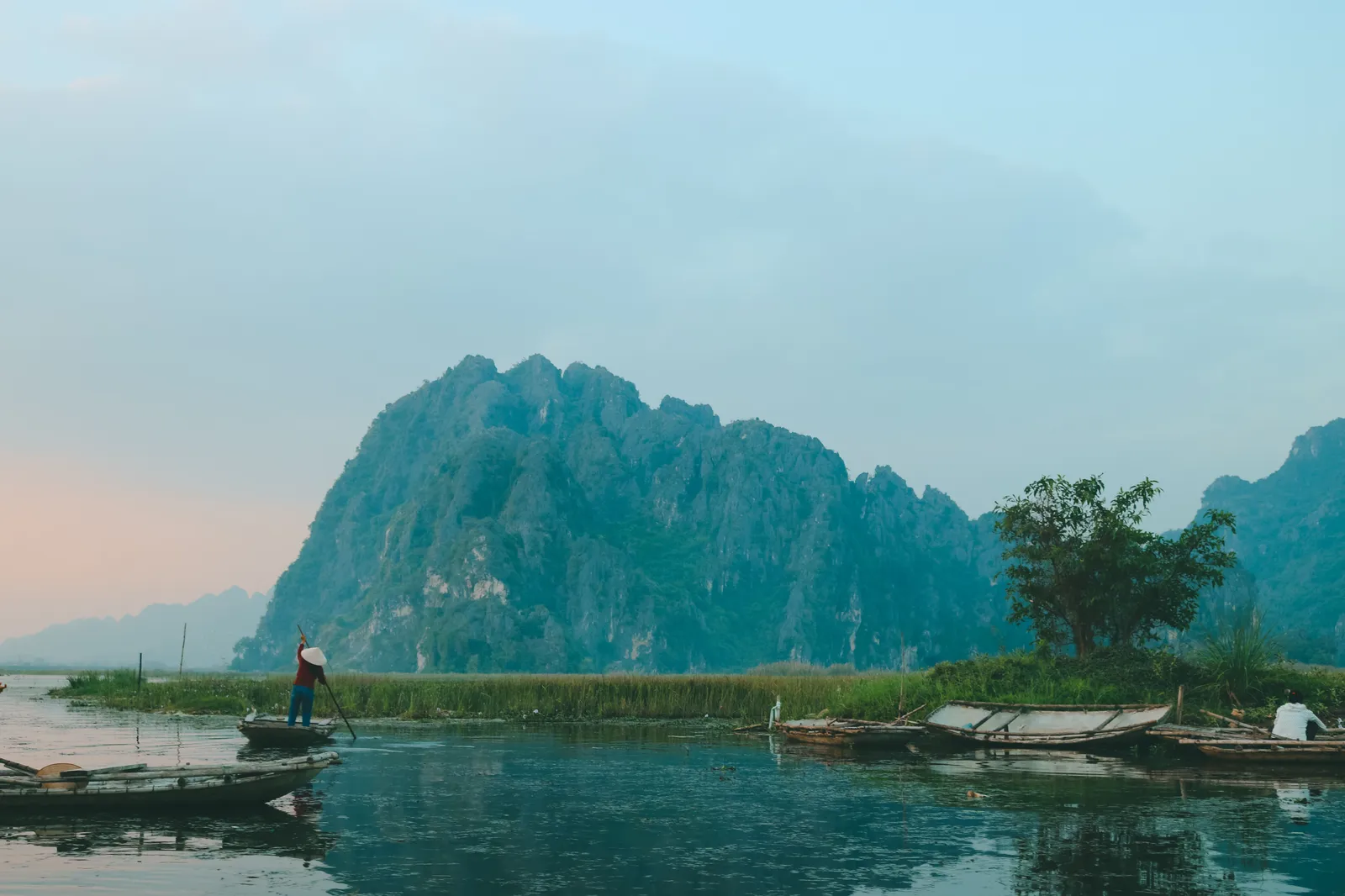
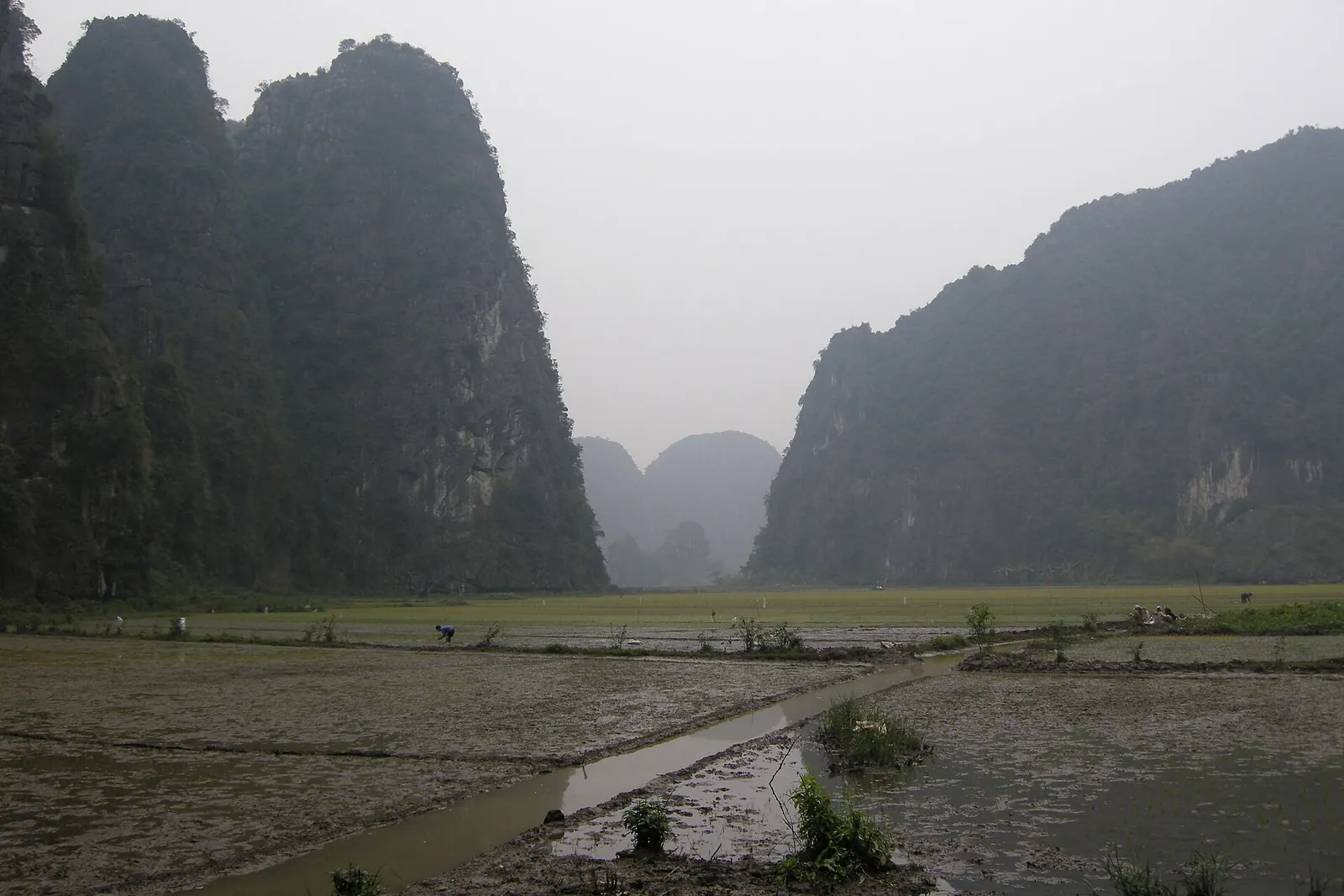
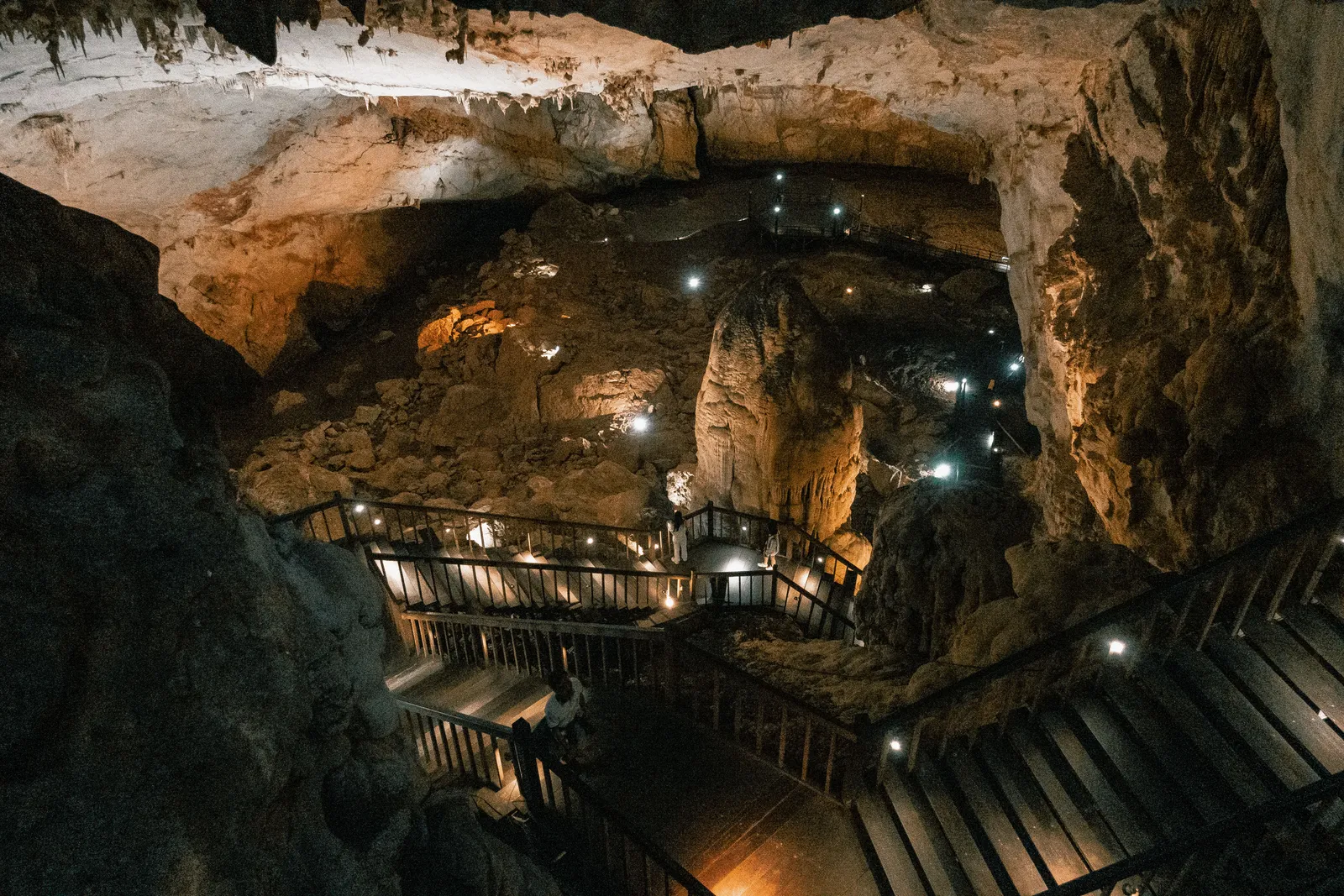
The park has a tiered set of experiences. Paradise Cave and Phong Nha Cave are the accessible ones: a boardwalk and a boat ride respectively, doable on a half day, no fitness requirement. Above them sit multi-day expedition treks such as Hang En, which involve river crossings and a night camping underground. At the top is Son Doong, the largest cave passage known, which runs only as a permit-only expedition through a single licensed operator, is capped at a small number of visitors per year, sells out far ahead and does not operate during the wettest part of the year.
The practical rule is simple. If a serious cave trip is the reason you are coming to central Vietnam, book it first and build the rest of the itinerary around the date you are given. If you only want to see a big cave, the show caves are enough and can be arranged locally.
Days 3 to 4: Hue and the imperial sites
Hue is where the pace changes from adventure to history, and two days is the right allocation.
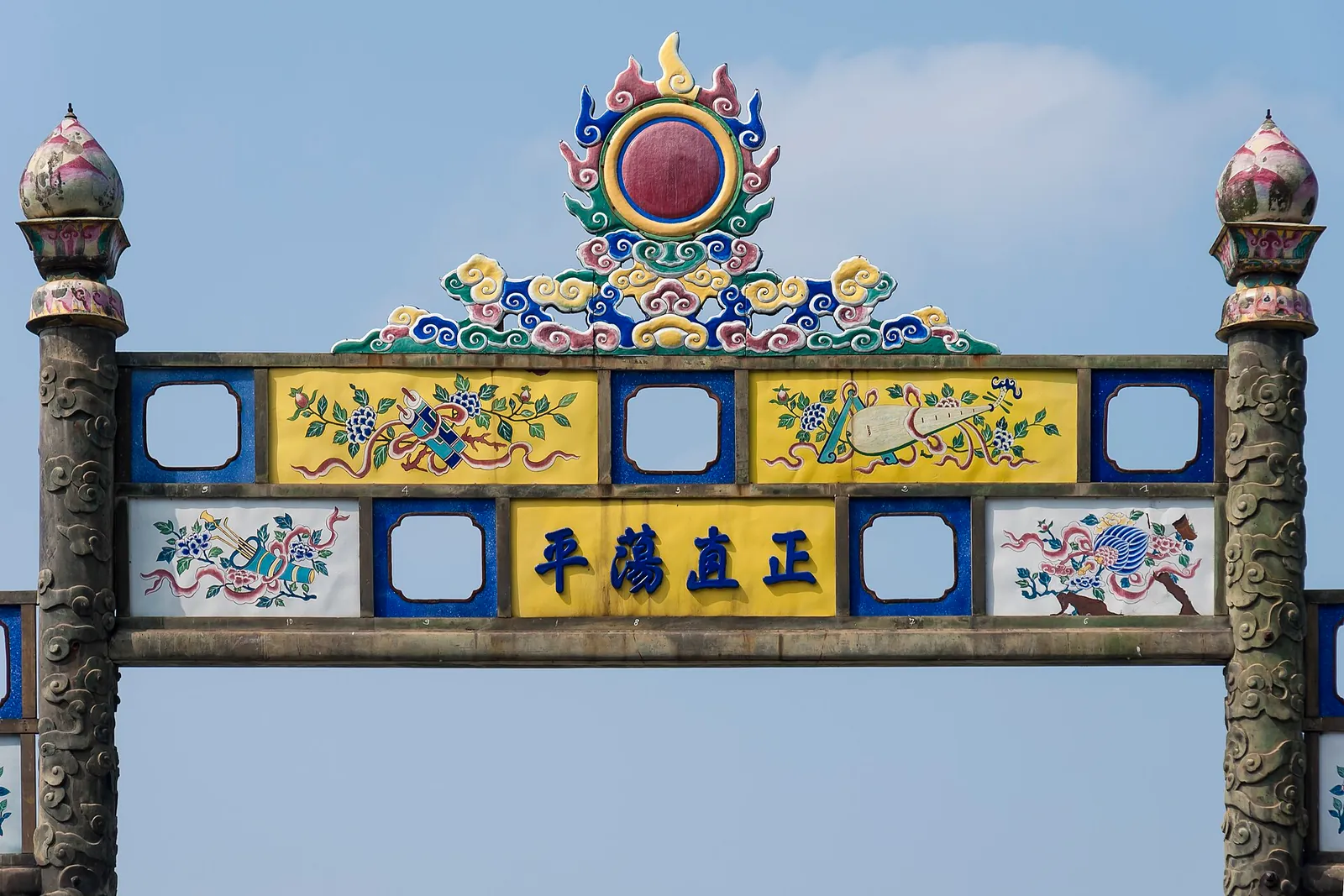
The Imperial City is the anchor: a walled citadel within a citadel, badly damaged in the twentieth century and steadily restored, big enough to absorb most of a morning. Go early, both for the light and because there is very little shade inside the compound.
The royal tombs are the other half of Hue and they are spread out along the river, several kilometres from the centre and from each other. Two or three is plenty for most visitors. Renting a bicycle or a driver for a half day is far more efficient than trying to reach them one by one, and a dragon boat trip on the Perfume River is the traditional way to combine a couple of them with the Thien Mu Pagoda.
Hue is also the best eating city in the region, with a distinct royal cuisine and a set of dishes, above all the beef noodle soup that carries the city name, that are noticeably different from what you find further south. Our Hue guide goes deeper into the sites and where to eat between them.
Day 5: the Hai Van Pass to Da Nang
Do not treat this as a transfer. It is one of the best half days on the entire route.
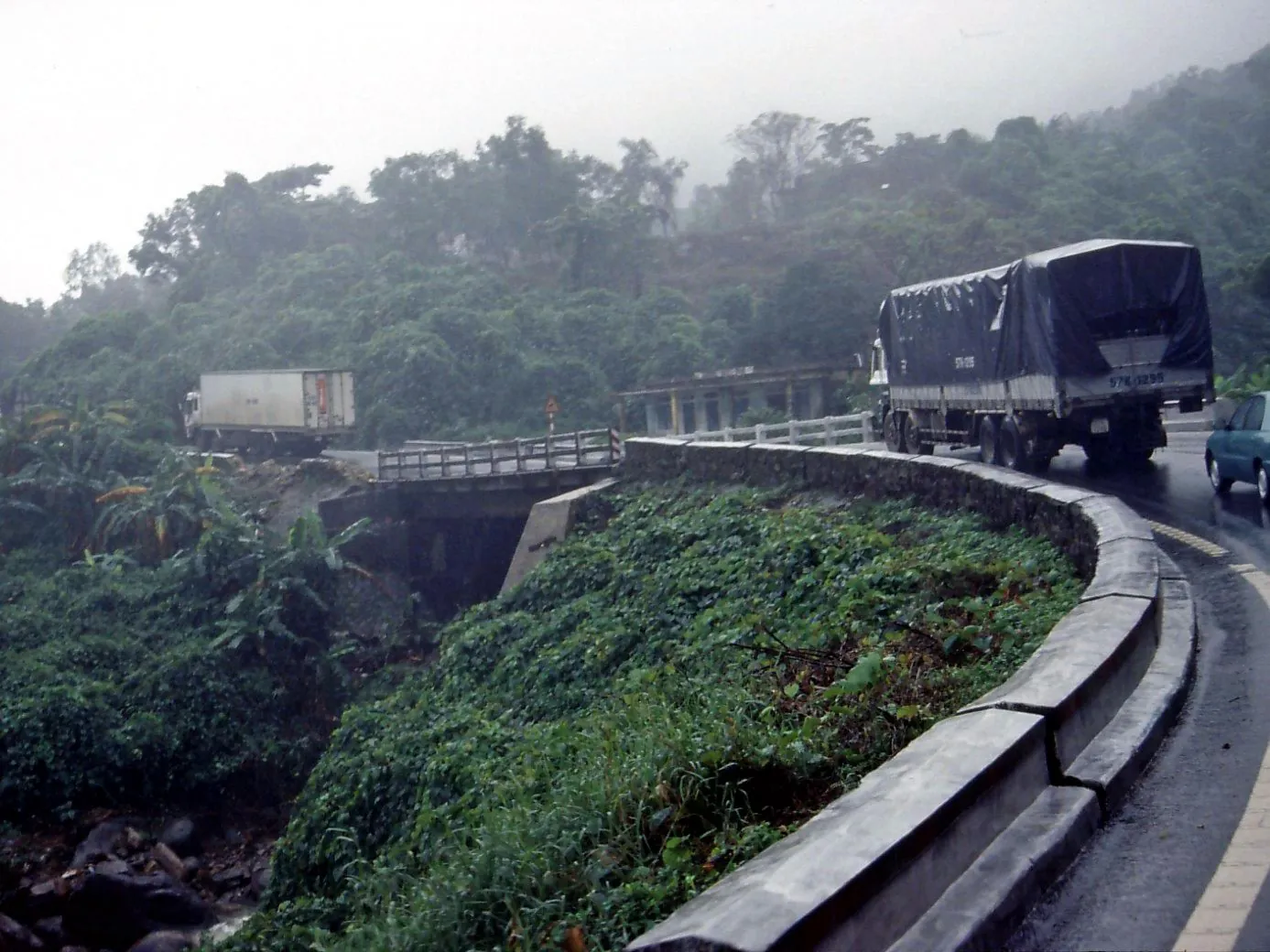
The Hai Van Pass climbs over a headland that forms a genuine climatic divide between the north and south of the country, and on a clear day the view back down over the Lang Co lagoon is the picture everyone comes for. Cars and buses now use the tunnel underneath, which is why the old road is so quiet.
Motorbikes are not allowed through the tunnel, so riders take the pass. Plenty of travellers do this as a guided one-way ride with luggage sent ahead by van, which is the low-risk version if you are not a confident rider. In poor weather, and particularly in the wetter autumn months, the pass can be closed or simply unpleasant, and the tunnel by car is the sensible fallback. Our guide to the Hai Van Pass by motorbike covers the route and the rental question in detail.
Hue to Hoi An over the passCompare private cars and guided motorbike transfers that stop at the viewpoints instead of driving straight through the tunnel.Arrive in Da Nang in the afternoon. Give the city an evening at least: the riverfront, the Dragon Bridge and the seafood along the beach front are worth the stop even if you sleep elsewhere.
Days 6 to 7: Da Nang, Ba Na Hills and the Marble Mountains
Da Nang is the region practical centre and it has two obvious excursions.
The Marble Mountains are five limestone hills riddled with caves and shrines, right between the city and Hoi An, and easily worth a couple of hours on the way past. Lifts save the worst of the steps.
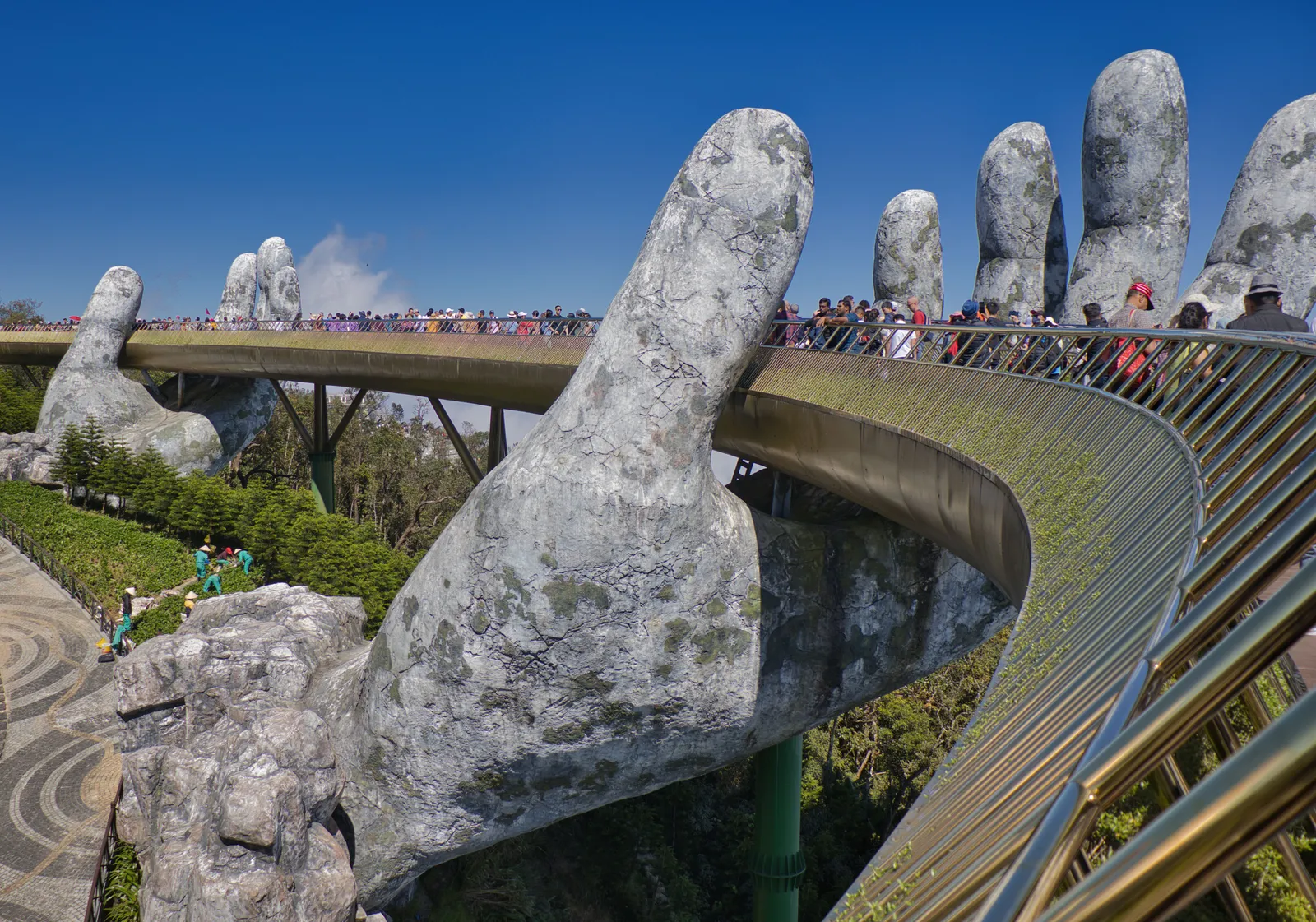
Ba Na Hills, up in the mountains west of the city, is the cable car and theme park complex where the Golden Bridge with its enormous stone hands sits. It divides opinion sharply. It is unapologetically a resort rather than a heritage site, and it is often shrouded in cloud, but the cable car ride itself is genuinely spectacular and the bridge photographs exactly as advertised. Go early to beat both the crowds and the afternoon mist, and check current operating hours before you set out, as they change seasonally.
Days 8 to 10: Hoi An and slowing down
Finish in Hoi An, and give it more nights than you think you need.
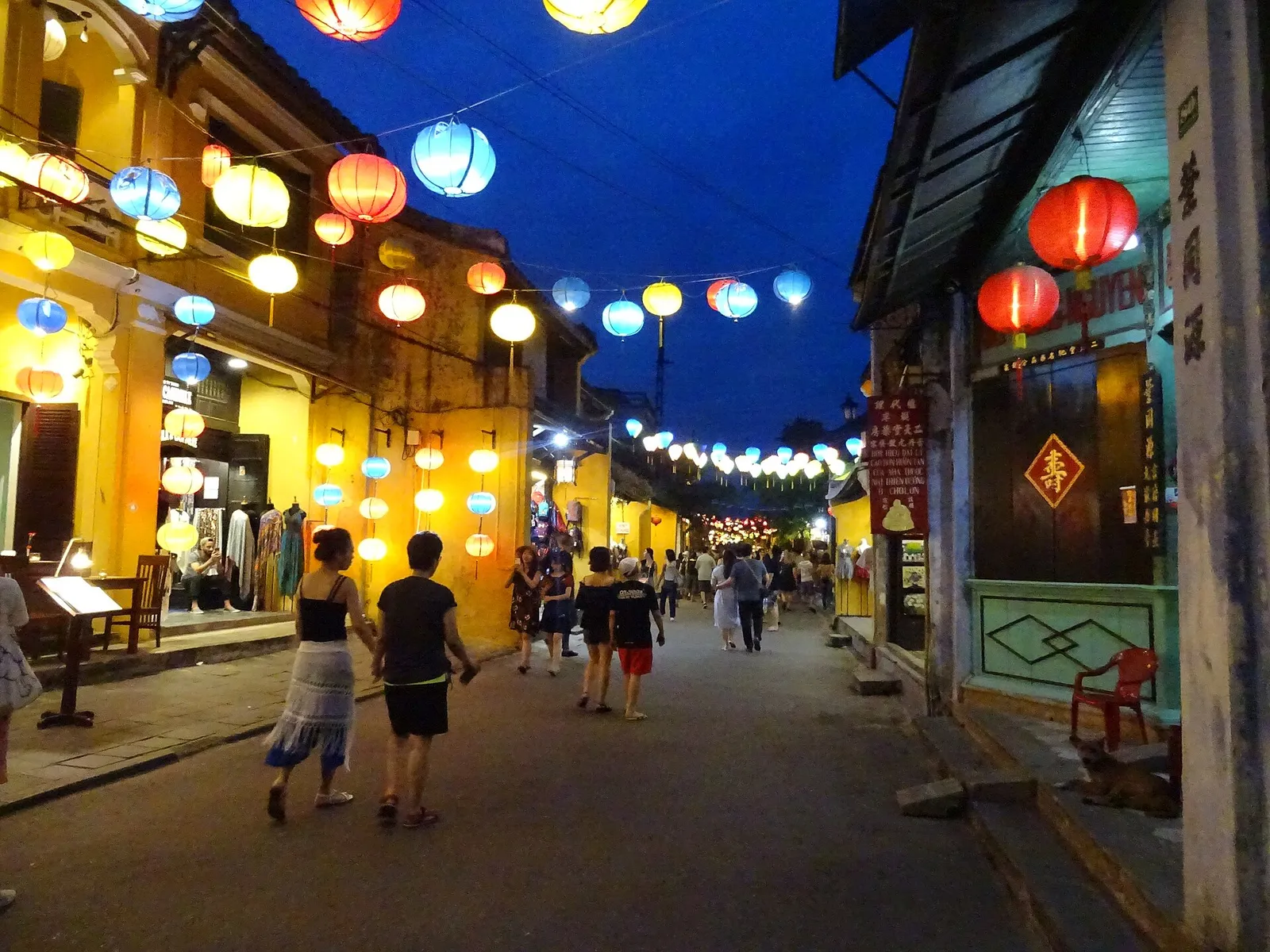
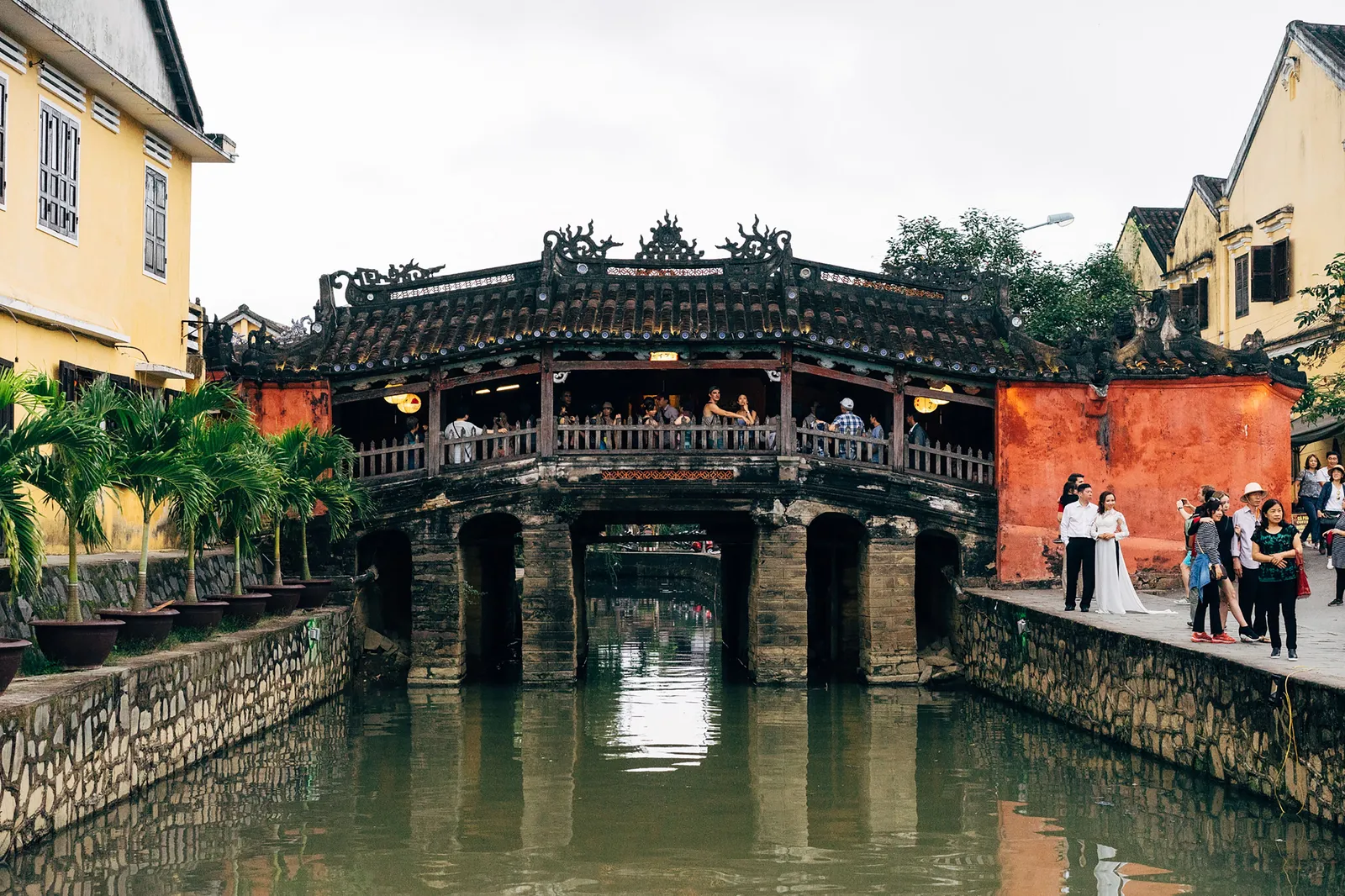
The old town is a UNESCO listed merchant port of yellow shophouses, Chinese assembly halls, the Japanese Covered Bridge and a riverfront that fills with lanterns after dark. It is busy, and it is still lovely, largely because the centre is closed to cars for much of the day. Walk it early in the morning and again after nine at night when the day-trippers have gone.
Around the town there is more than most itineraries admit: An Bang beach a few kilometres away, the Tra Que herb village, boat trips through the water coconut palms, cooking classes, and the tailoring trade the town is known for, which needs a couple of days to do properly rather than a rushed overnight fitting. The Hoi An guide covers the old town and what is worth booking ahead.
If you have the tenth day spare, use it here rather than adding another destination. Central Vietnam is compact enough that the temptation is always to add one more stop, and it is almost always the wrong call.