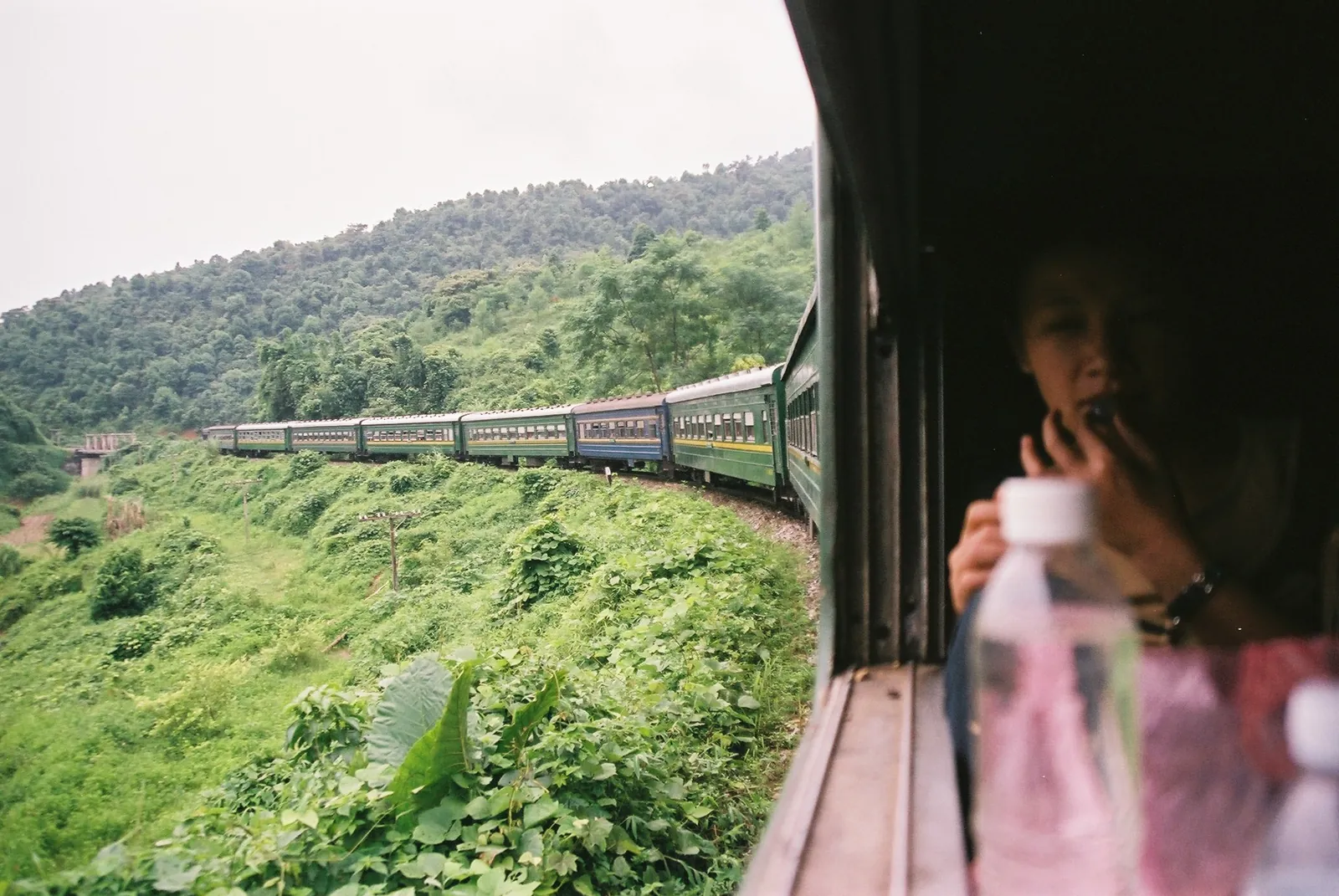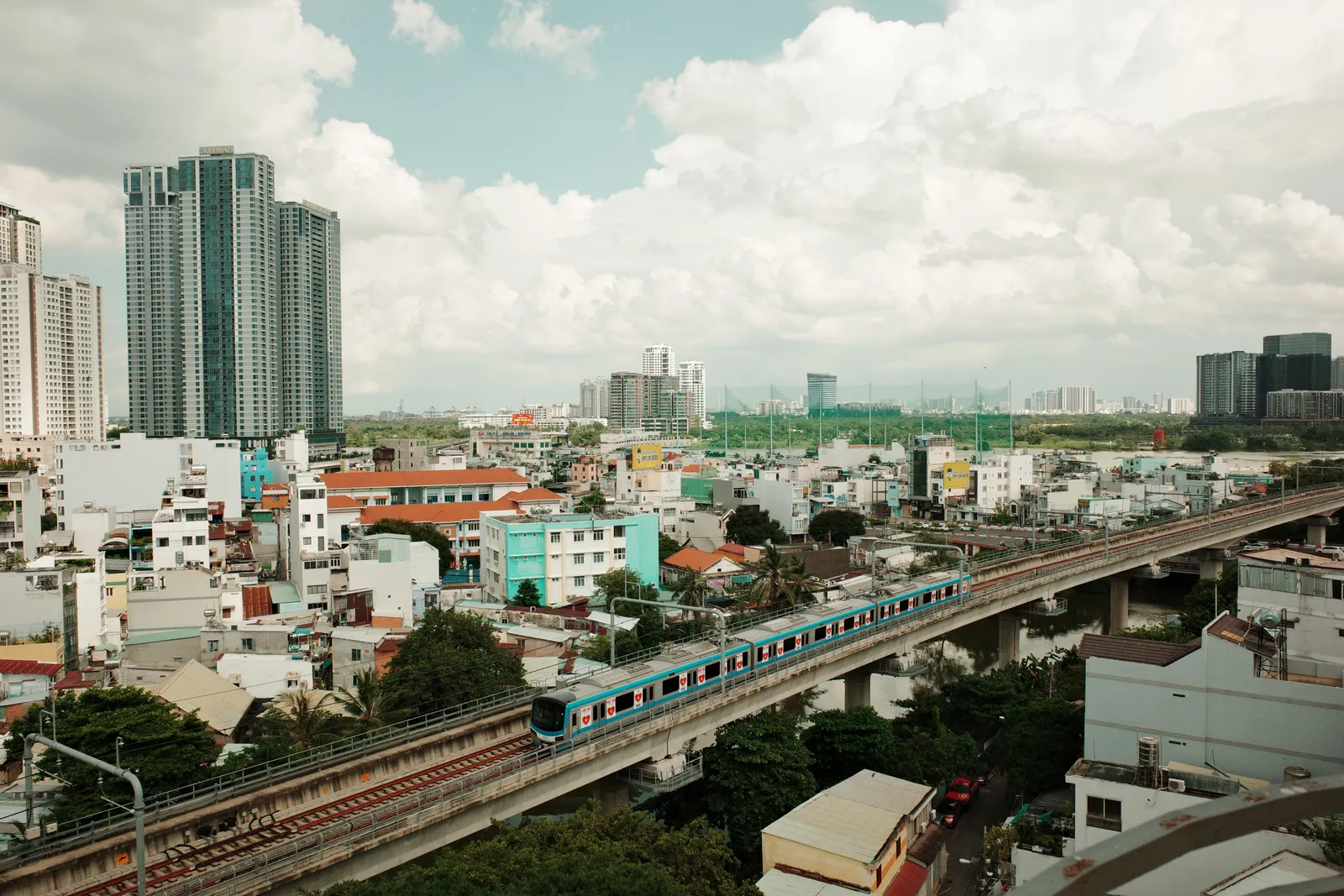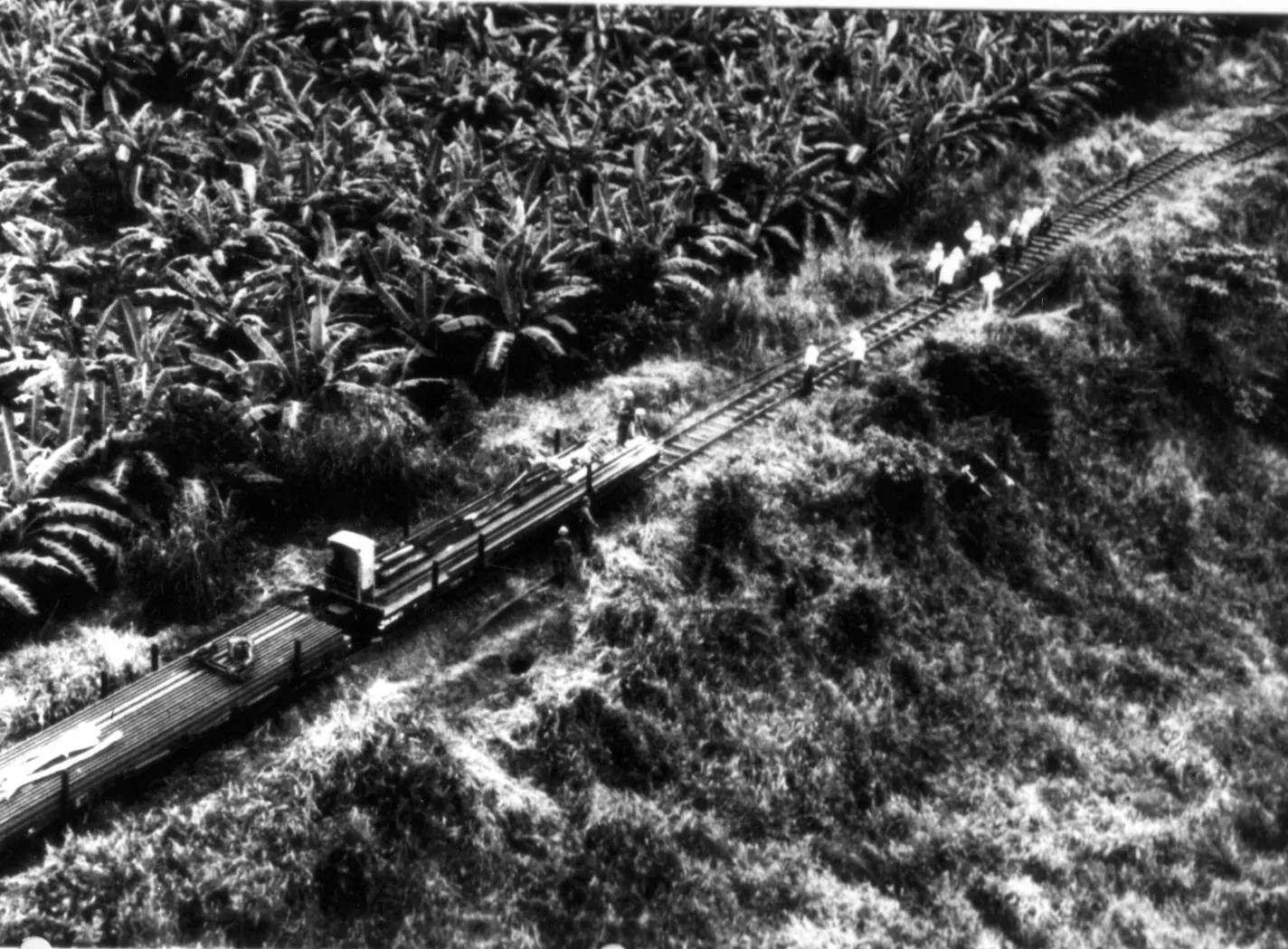
Vietnam’s railway is slow, and that is the wrong reason to dismiss it. The single main line runs almost the length of the country, hugging the coast for long stretches, and there are journeys on it that are worth taking purely for what goes past the window.
There are also journeys on it that are fourteen hours of darkness for no reason at all, when a flight would have cost about the same and taken ninety minutes.
Knowing which is which is the whole skill. Here is how the trains actually work and where they are the right choice.
The classes, and which to book
Four options, in ascending order of comfort and price:
Hard seat. A bench. For short daytime hops only, and honestly not even then if a soft seat is available.
Soft seat. A reclining padded seat, air-conditioned. Fine for daytime journeys of a few hours.
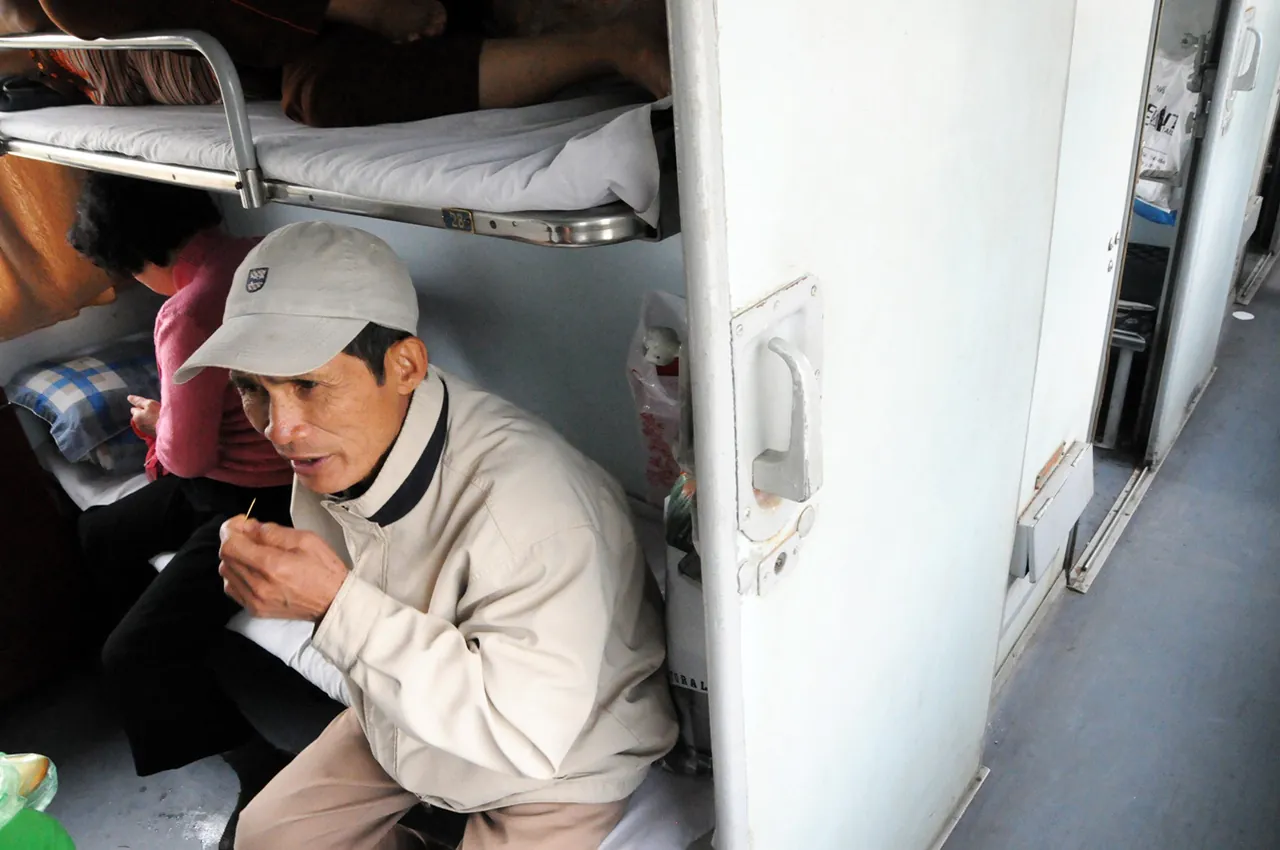
Hard sleeper. Six berths in a compartment, stacked three high. Cheaper, more crowded, and the top berth has very little headroom.
Soft sleeper. Four berths in a compartment, two on each side, with a door. This is the one to book for any overnight journey.
The price gap between hard and soft sleeper is modest by visitor standards, and the difference in whether you actually sleep is not. Do not save money here.
Some private operators run their own carriages attached to the standard trains, with better fittings and fewer berths. They cost more and are a genuine upgrade if available on your route.
The journey that is actually worth it
If you take one train in Vietnam, take the central coast stretch.
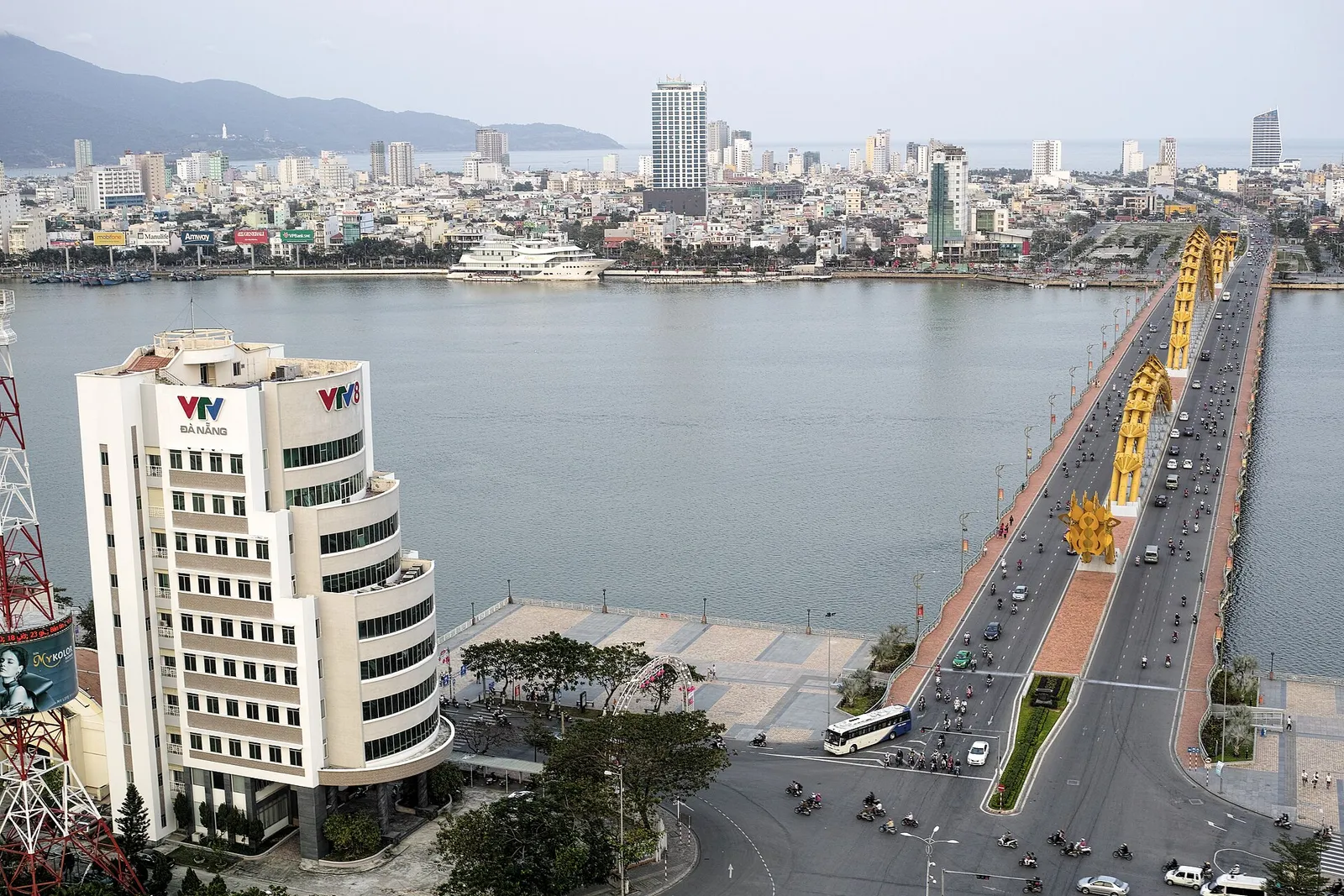
The line between the imperial city and the coastal city to its south runs along the shoreline below the mountains, curving around bays with the sea directly below the window. It takes a few hours, it costs very little, and it is one of the most scenic rail journeys in Southeast Asia.
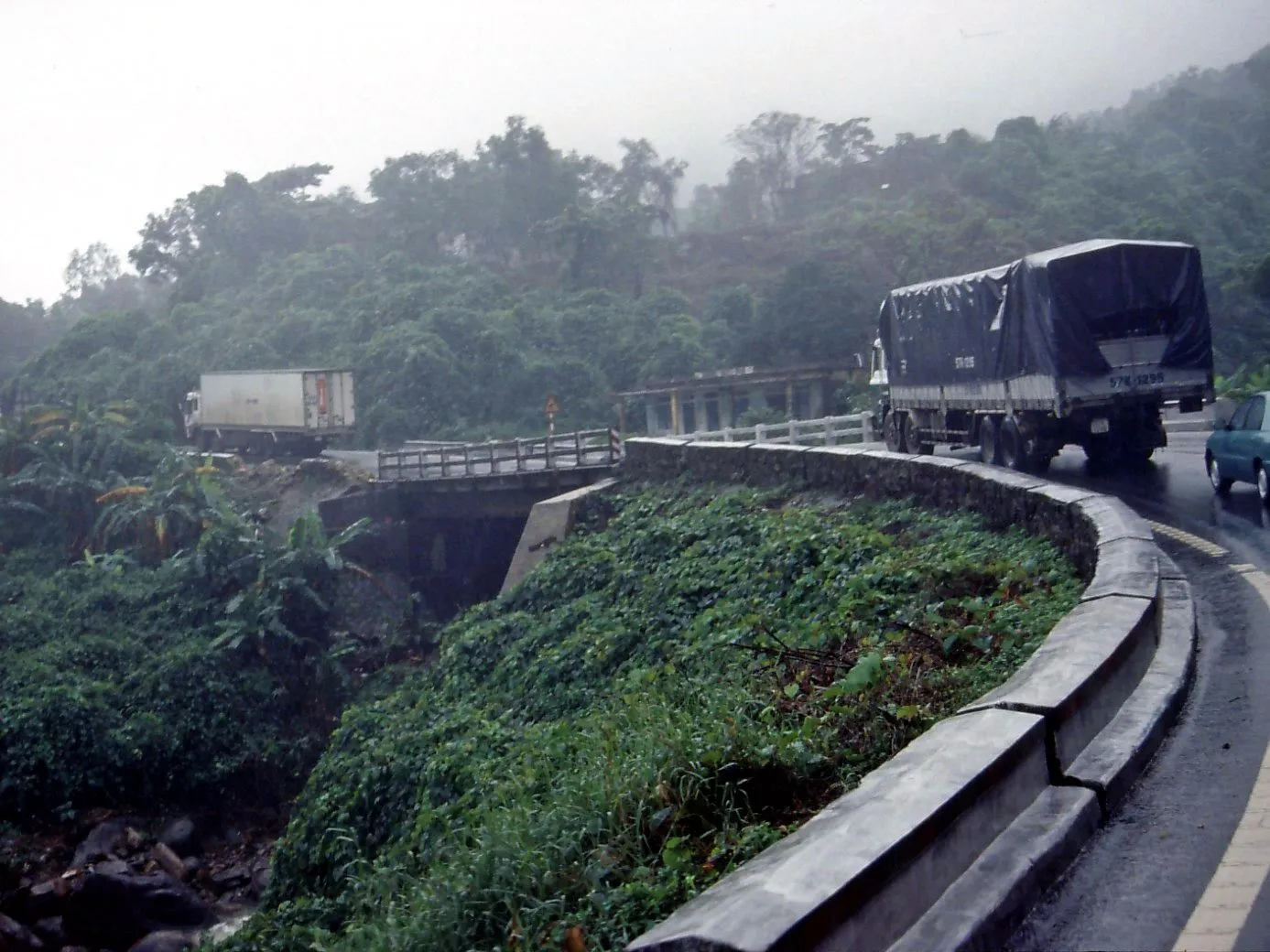
This is also the stretch where the train genuinely beats every alternative. The road over the mountain pass above it is spectacular too, but on the train you can watch instead of driving. If you are travelling between Hue and Da Nang, book the daytime train and sit on the sea side.
That is the one everybody should take. The rest is a calculation.
When the train beats flying, and when it does not
Take the train when:
- The scenery is the point, which on this railway means the coastal sections.
- The journey is medium length and daytime, where flying loses its advantage once you add transfers and check-in.
- You want to arrive in a city centre rather than an airport on its outskirts.
- You would otherwise pay for a hotel night, and an overnight sleeper replaces it.
Fly instead when:
- The leg is the full length of the country. Overnight after overnight is how people lose days.
- The route is inland with nothing to see.
- You are tight on time. Our getting around guide sets out the general rule, which is to fly the long legs and take ground transport for the short regional ones.
Booking
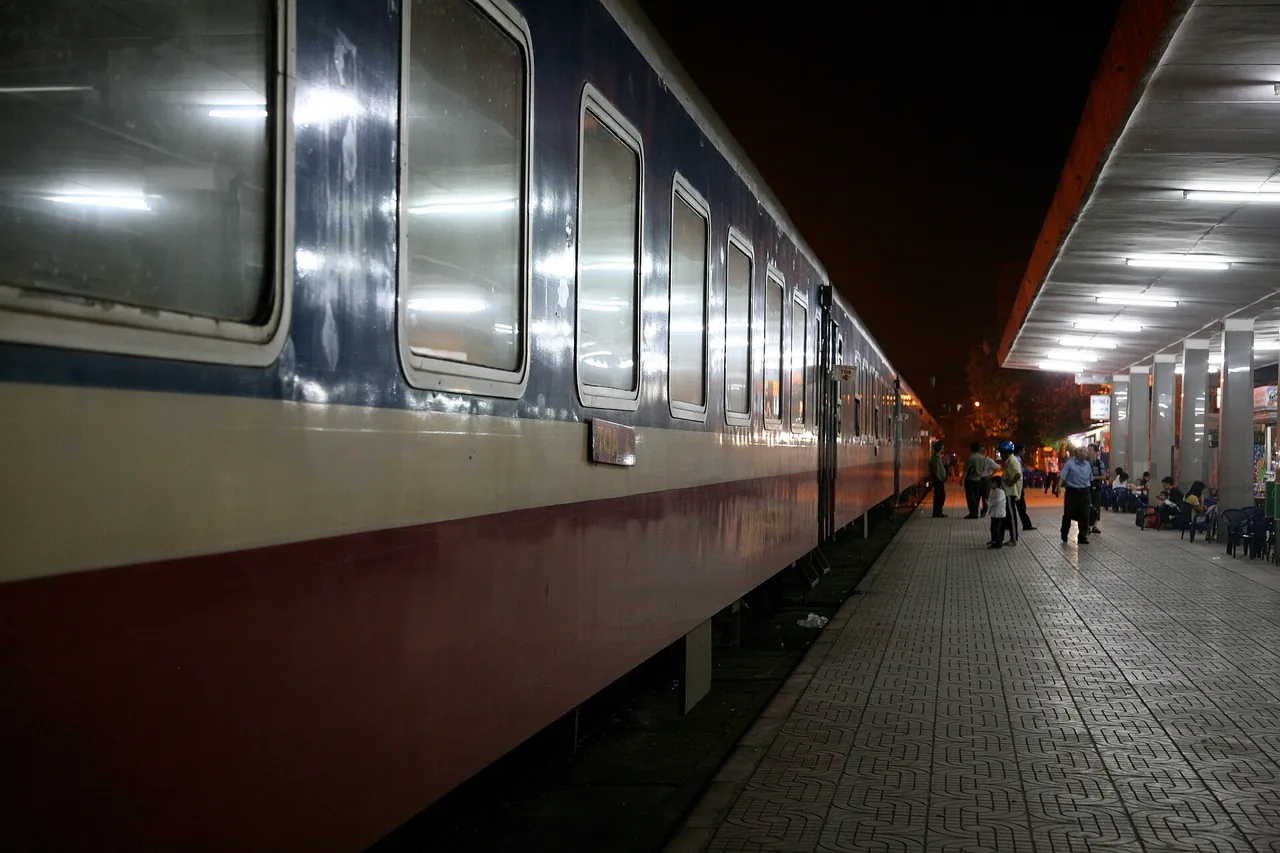
Tickets can be bought at stations, through agents and accommodation, and online. Booking ahead matters more than people expect: sleepers fill, and around major holidays the entire network books out weeks in advance.
Bring your passport, since it is used for the booking. Check which station your train uses in cities with more than one, and confirm the platform on the day rather than assuming.
Arriving at dawn?Booking the previous night gets you a room to shower in rather than a lobby to wait in.What the overnight is actually like
Honest expectations, because this is where people are either delighted or disappointed.
The compartment is small, and in soft sleeper you are sharing with two strangers unless you book all four berths. Bedding is provided. Doors lock.
It is not quiet. Vietnamese trains are old, the track is jointed, and there is a constant rhythmic noise plus movement. Some people sleep beautifully to it. Light sleepers should bring earplugs and an eye mask.
Toilets are at the end of the carriage and are basic. Bring your own paper and hand gel.
Food is sold from trolleys and at station stops, and it is fine rather than good. Bring snacks and more water than you think.
Temperature swings. The air conditioning is often aggressive. Bring a layer.
Security is generally not a concern, but keep valuables with you in the berth rather than in the luggage area, and use the compartment lock.
Timings, and the thing nobody warns you about
Trains here run late as a matter of routine, and the delay accumulates over a long journey. Do not schedule a connection, a tour or a flight tightly after a train arrival, particularly on the long north-south legs.
Equally, the overnight schedules are built around arriving early in the morning, which is convenient in principle and means you may be deposited in a city at five in the morning with nowhere to go. Book accommodation for the night before, or at least somewhere you can leave bags and get breakfast.
Arriving at dawn?Booking the previous night gets you a room to shower in rather than a lobby to wait in.The mountain branch
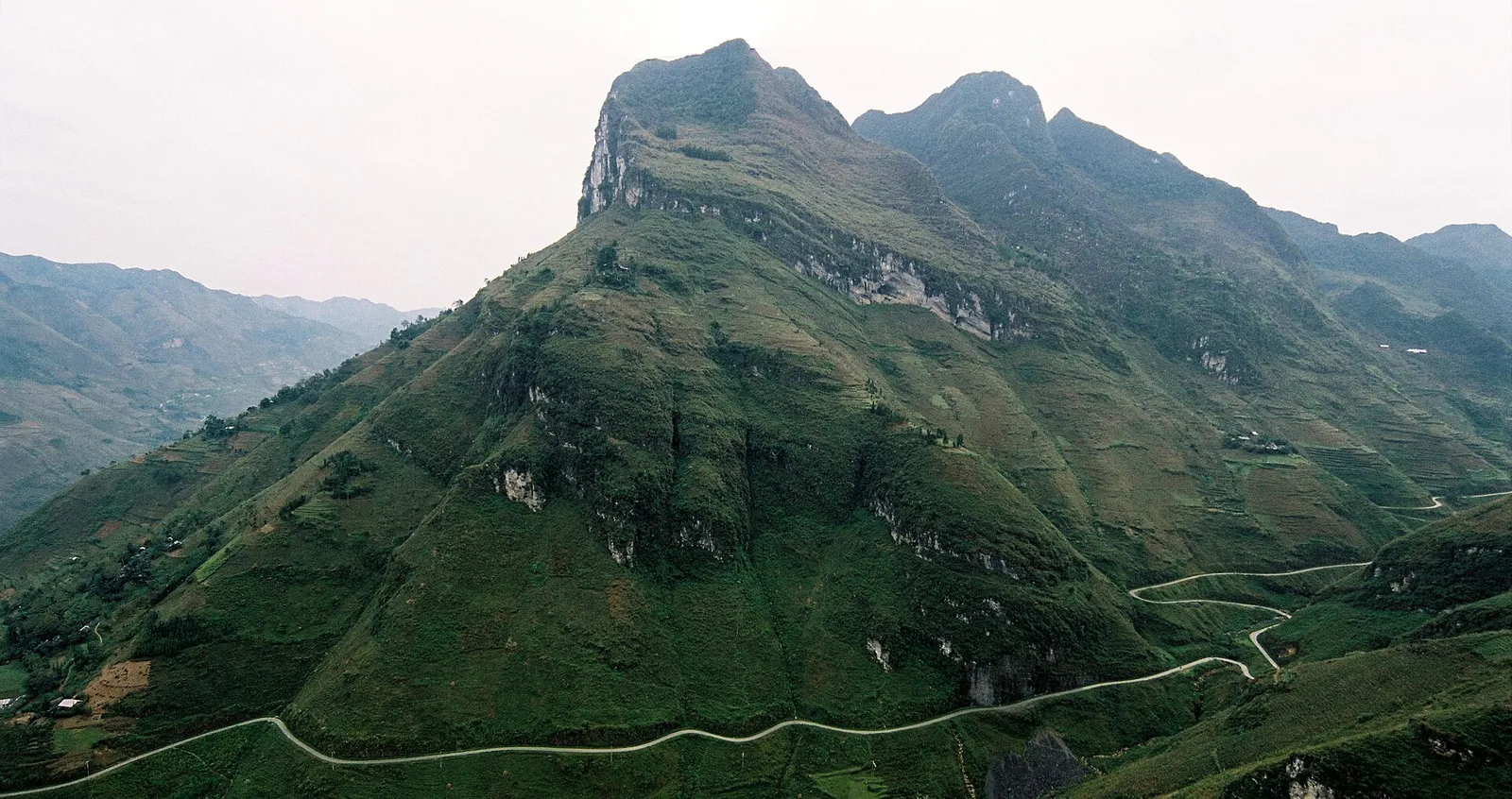
A separate northern branch line runs from the capital towards the mountains, and it is a popular overnight to reach the trekking valleys. Private sleeper carriages operate on this route and are noticeably more comfortable than the standard ones.
It is a good use of a night: you sleep, you arrive in the mountains, and you have not spent a day travelling. This is the overnight I would take without hesitation.
The short version
Book soft sleeper, lower berth, for any overnight. Take the coastal daytime stretch on the central coast even if you fly everything else, because it is genuinely one of the best things you can do here for the price of a sandwich. Fly the full-length legs. Bring earplugs, a layer, snacks and your own toilet paper. And do not book anything tightly after a train arrival.
Done that way the railway is one of the pleasures of travelling here rather than an endurance test.
What is the best train journey you have done in Vietnam? Tell me in the comments, and say which berth you had.