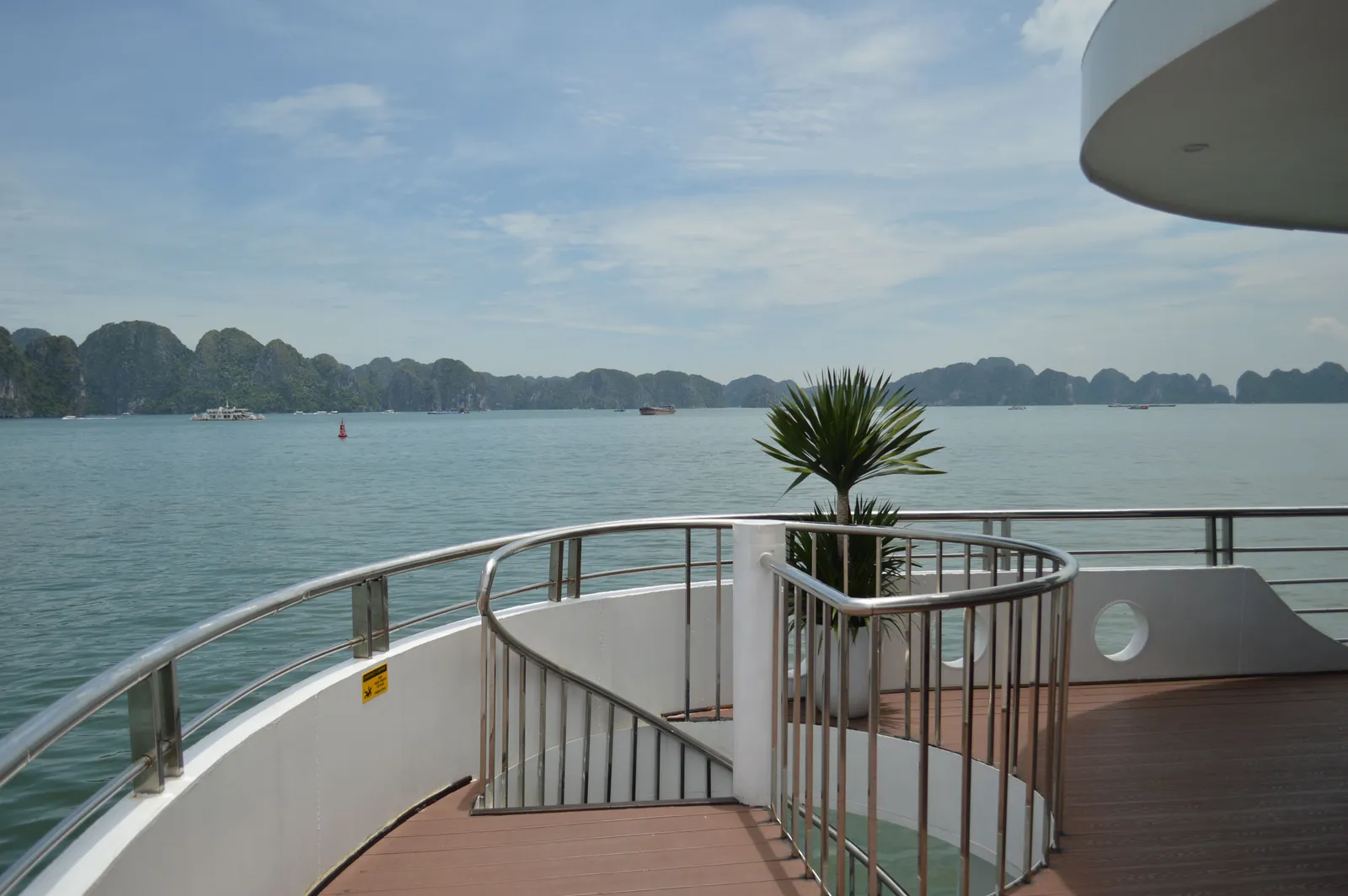
Vietnam is long. Not long in the way a country you drive across in a day is long, but roughly seventeen hundred kilometres from the Chinese border to the Mekong Delta, with a railway that takes well over thirty hours to run the full length of it. This single fact should shape any seven day plan, and the fact that it usually does not is why so many first trips feel like a blur of airport lounges. The fix is not a cleverer route. It is choosing one region and doing it properly. Below are three routes that genuinely work in a week, and the one habit that ruins the trip for everyone who tries it. If you have longer, our 10 day itinerary opens up combinations that seven days simply cannot support.
The mistake: trying to do north, centre and south
The standard first draft looks like this. Two nights in Hanoi, a night on a boat in Ha Long Bay, fly to Da Nang for Hoi An, fly to Ho Chi Minh City, day trip to the Mekong Delta, fly home. On paper it is seven days. In practice it is three check-ins, three check-outs, two domestic flights with airport transfers at both ends, and a permanent low-grade sense of being behind schedule.
The arithmetic is unforgiving. Each internal move burns most of a day once you count packing, the transfer to the airport, the recommended check-in buffer, the flight itself, and the ride into the city at the other end. Do that twice in seven days and you have converted roughly two of your days into logistics. Add jet lag on arrival and a departure day that is really only half a day, and the actual sightseeing time collapses.
There is also a weather argument. Vietnam does not have one climate, it has several, and the north and south are frequently out of step. Chasing all three regions in a week means accepting whatever each throws at you, whereas choosing one region lets you pick the one that is at its best when you are travelling.
Route one: the north, from Hanoi
This is the classic Vietnam of the imagination, and it is the strongest week for a first visit if you want landscape.
Days one and two: Hanoi. The Old Quarter, the lake, the Temple of Literature, the food, and an evening on the plastic stools. Two nights lets you arrive, sleep off the flight and still have a full day.
Days three and four: Ha Long Bay or Lan Ha Bay. An overnight cruise among the limestone karsts is the region’s signature experience and worth the money. Booking a slightly better boat matters more here than almost anywhere else on a Vietnam trip.
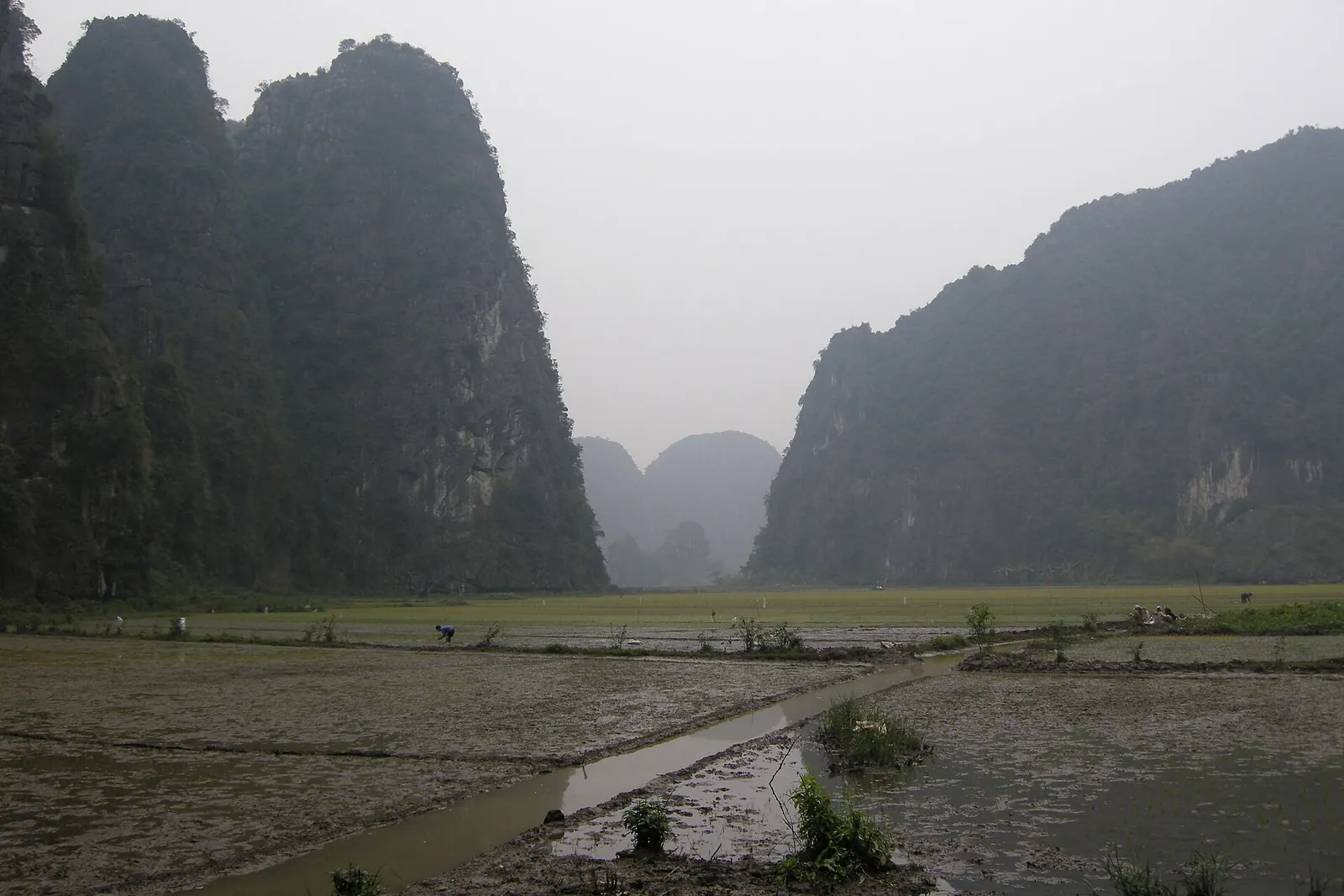
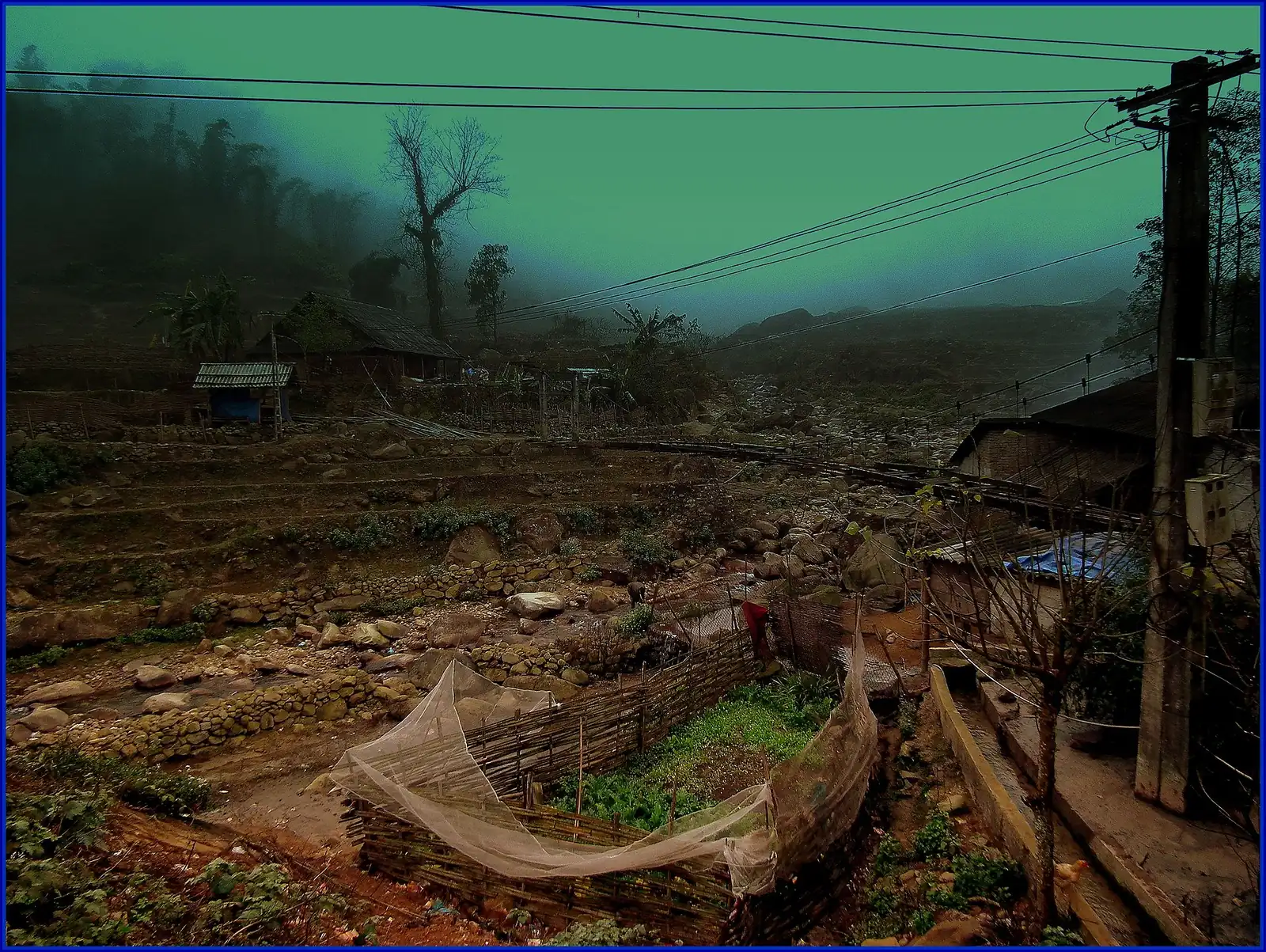
Days five to seven: Ninh Binh or Sapa. Ninh Binh, sometimes called the inland Ha Long Bay, is closer and easier, with river boats between karst towers and cycling through rice fields. Sapa, in the far northwest mountains, offers terraced hillsides and villages but costs more travel time. Pick one, not both.

Fly out of Hanoi. The whole route sits within a few hours of the capital by road, which is precisely why it works.
Route two: the centre, from Da Nang
The gentlest week of the three, and the best choice for travellers who want to slow down rather than tick things off.
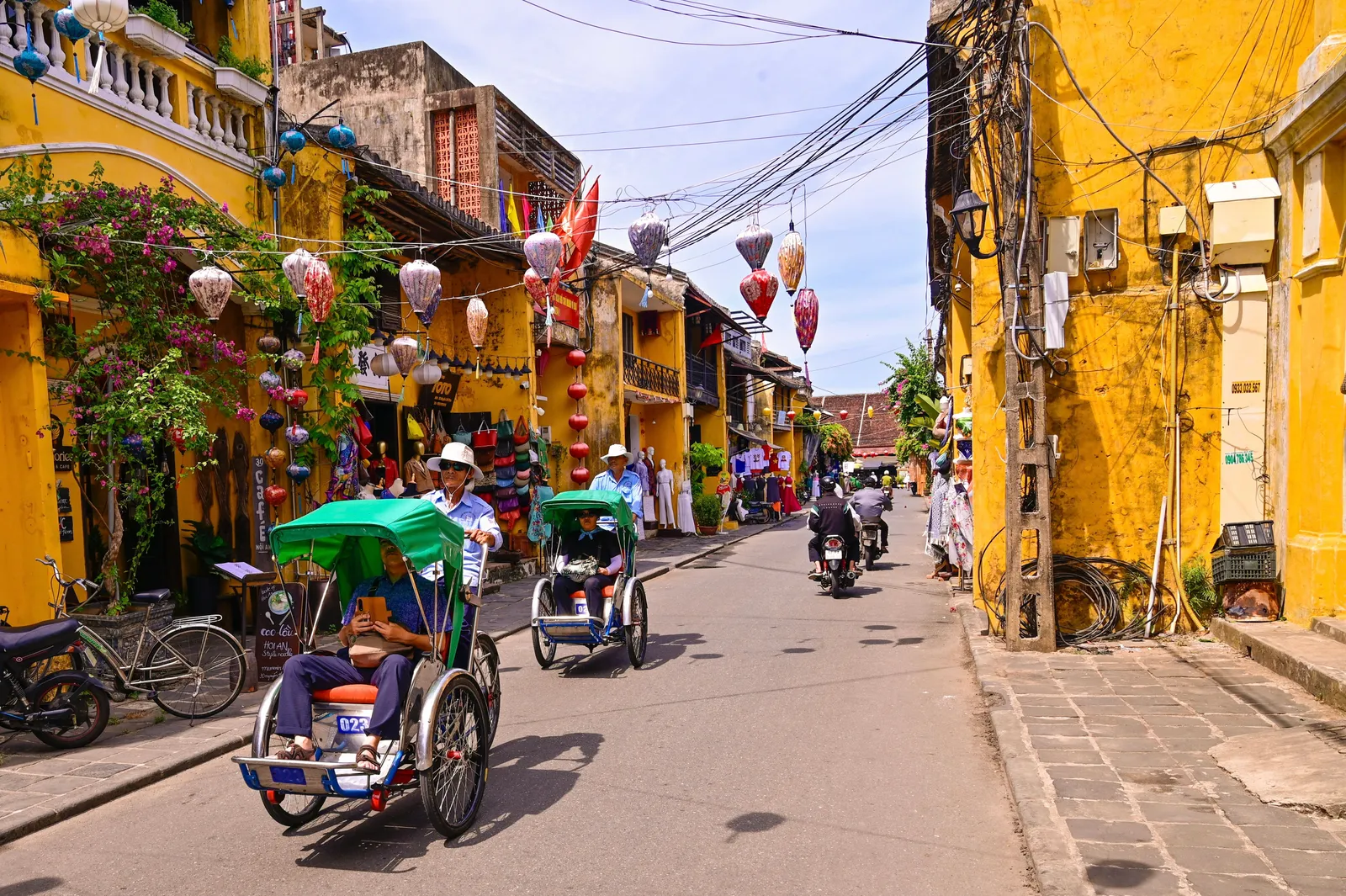
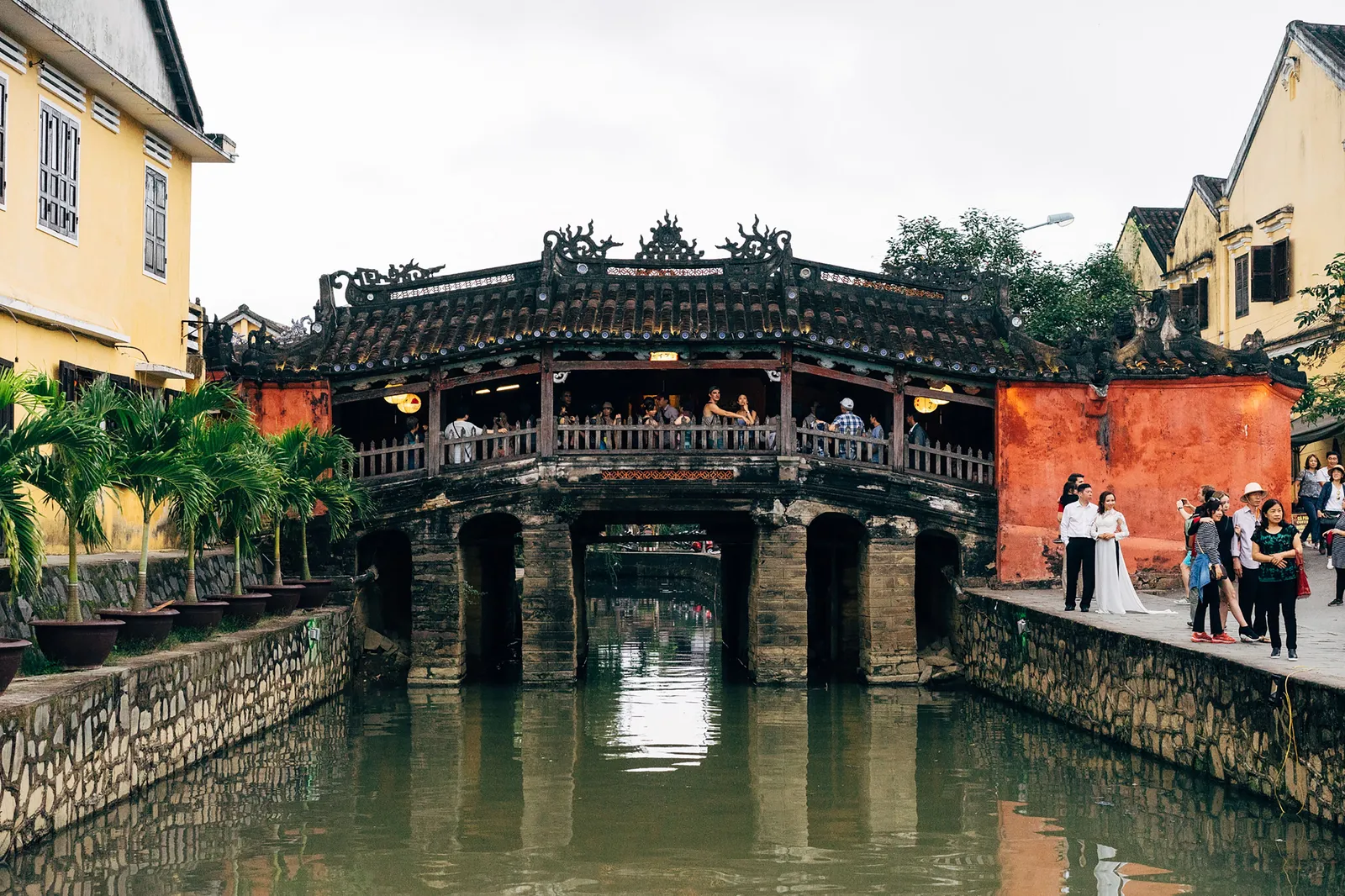
Days one to four: Hoi An. The old town is a UNESCO listed trading port of lantern-hung streets, and it is also a beach town, a food town and the country’s tailoring capital. Four nights is not too many. Fill them with a cooking class, a bicycle ride out to the rice fields, an afternoon at An Bang beach and a fitting or two.
Day five: Da Nang. The Marble Mountains, the beach, the bridges and the cable car up to Ba Na Hills. Da Nang is also your airport, so it makes sense either as a first or last stop.
Days six and seven: Hue or the Hai Van Pass. Hue, the former imperial capital, has the citadel and the royal tombs along the Perfume River, and the road between the two cities over the Hai Van Pass is one of the great coastal drives in Asia. Doing the pass by car with a driver, or by motorbike if you are experienced, turns a transfer into a highlight.
Book the experiences that make the weekCruises, cooking classes and guided day trips fill up in high season, especially the good boats.Everything here is within a couple of hours of everything else by road, which is what makes it restful.
Route three: the south, from Ho Chi Minh City
The right choice if you are visiting during the northern winter, when Hanoi can be cold and grey while the south is warm and dry.
Days one to three: Ho Chi Minh City. The war history museums, the markets, the colonial architecture, the coffee, and a nightlife scene that runs from pavement stools to tower rooftops. Add the Cu Chi tunnels as a half day out of the city.
Days four and five: the Mekong Delta. Do not do this as a rushed day trip from the city. Staying a night or two in the delta, ideally at a homestay, gets you onto the smaller waterways after the day tour boats have gone home, and that is where the region is at its best.
Days six and seven: Phu Quoc or Con Dao. A short flight gets you to a beach island for a proper wind-down before flying home. Phu Quoc is the developed, resort-heavy option with easy connections; Con Dao is quieter, wilder and more of a commitment.
How to choose between the three
Pick on season first, because it matters more than the route itself. From roughly December to February the north can be cold, damp and grey while the south is warm and dry. Through the middle of the year the north is at its greenest, while the central coast is prone to heavy weather later in the year.
Pick on temperament second. The north is the most scenic and the most effortful. The centre is the most restful, with everything close together and a beach at the end of the day. The south is the busiest and most urban, with the delta as its counterweight.
Then fly in and out of that region’s own airport rather than routing through another city, which otherwise wastes a day at each end.
Practical planning notes
Check your visa position by passport, early. Vietnam’s rules differ sharply by nationality. A group of mainly European countries, along with Japan and South Korea, currently hold exemptions permitting stays of up to forty five days under a policy running to 2028. Citizens of the United States, Canada, Australia, New Zealand and Ireland are not in that group and generally need an e-visa, which is open to all nationalities for stays of up to ninety days. Apply only through the official government portal, since lookalike sites charging extra are common.
Book internal flights rather than long overland legs. Hanoi to Da Nang is a short hop of a little over an hour, and Hanoi to Ho Chi Minh City is roughly two hours, both flown frequently by several carriers. Times are approximate and schedules change, so confirm when booking.
Watch which airport you are using in the south. The new Long Thanh International Airport is scheduled to begin taking long-haul international flights from December 2026, with domestic services expected to remain largely at Tan Son Nhat during the transition. It sits well outside the city, so factor in the transfer.
Expect changed place names on paperwork. Vietnam merged its provinces from sixty three to thirty four in July 2025 and removed the district tier. Some addresses on older booking confirmations and maps no longer match current official names, which occasionally causes confusion at hotel check-in and with police registration.
Do not overbook the days. Heat, humidity and traffic all slow you down more than you expect, and two substantial things per day is a realistic ceiling. Our first-timer guide to Vietnam covers the practical groundwork in more detail, and if your leave allows a longer trip, the two week itinerary is where the combinations finally start to make sense.