Vietnam is long. That is the fact that shapes every itinerary, and the one most people underestimate when they look at the map and think it looks manageable. From the far north to the Mekong Delta is well over 1,600 kilometres, and the country narrows in the middle to a strip you could cross in an afternoon. Everything about moving around here follows from that shape.
The good news is that Vietnam is genuinely easy to travel. There are more ways to get between two points than in most countries, they are all cheap by Western standards, and the infrastructure has improved enormously. The bad news is that choosing badly costs you days. Here is how each option actually works, and when to pick it.
The four ways to cover distance
| Mode | Best for | Trade-off |
|---|---|---|
| Domestic flights | Long hops, saving days | Airport transfers eat the time saved on short routes |
| Trains | Scenery, comfort, sleeping | Slower than the bus on some routes |
| Sleeper buses | Budget, frequency, reach | Comfort is a lottery |
| Motorbike | The journey itself | Risk, licence and insurance |
Domestic flights: use them more than you think
The single most common planning mistake I see is a traveller trying to do the whole country overland because it feels more authentic, and spending a third of their holiday in transit.
Vietnam has a well-developed domestic network connecting the main cities, fares are frequently low if you book ahead, and a flight that takes ninety minutes replaces an overnight journey of fourteen hours or more. On the long north-to-south legs this is not a luxury, it is the difference between seeing three regions properly and seeing one and a half.
Where flying is not worth it is the short hops. Anything under about four hours by road usually loses its advantage once you add the transfer to the airport, the check-in, and the transfer at the other end.
Two practical notes. Baggage allowances on the cheaper fares are tight and enforced, so check before you turn up with a rucksack you have been carrying all trip. And domestic delays happen; do not build a same-day connection to an international departure.
The trains: slower, and often the better choice
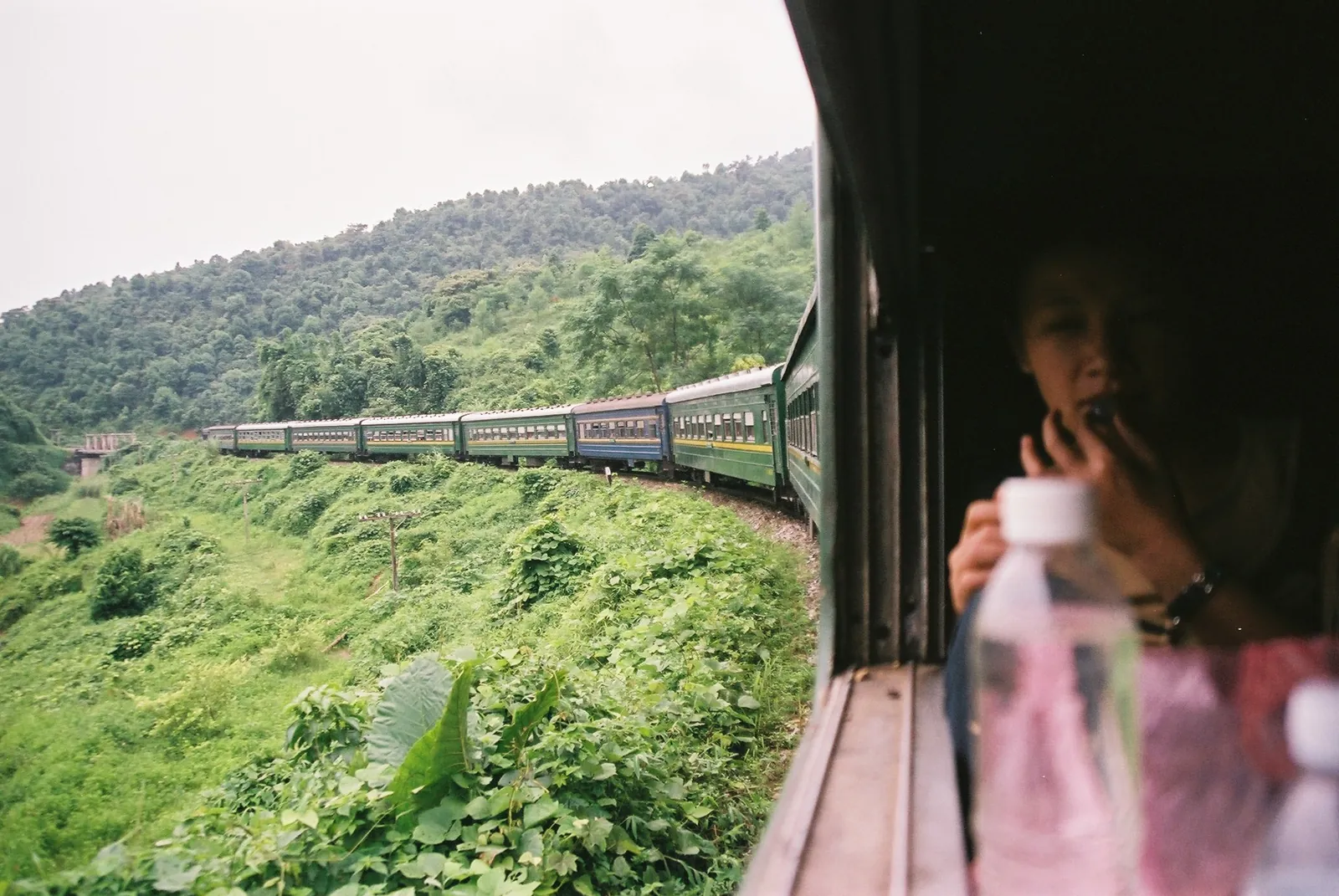
Vietnam’s railway runs the length of the country along a single main line, and travelling on it is one of the genuine pleasures of the place. It is not fast. That is not really the point.
Classes, roughly in order: hard seat, soft seat, hard sleeper (six berths to a compartment), soft sleeper (four berths). For any overnight journey, take the soft sleeper. The price difference is modest by visitor standards and the difference in whether you actually sleep is not.
The scenic case for the train is strongest on the central coast stretch, where the line hugs the shoreline below the mountains between the imperial city and the beaches. If you are travelling between Hue and Da Nang, this short leg is one of the most beautiful rail journeys in Southeast Asia and costs very little. Even people who fly everything else should take this one.
Book ahead in busy periods, particularly around major holidays, when trains fill weeks in advance.
Sleeper buses: cheap, frequent, and a lottery
The sleeper bus network reaches everywhere the train does not, runs constantly, and costs very little. For many routes, including the run up to the far northern mountain circuits, it is the only practical public option. The exception in the north is the trekking valleys, which a branch line reaches on an overnight train.
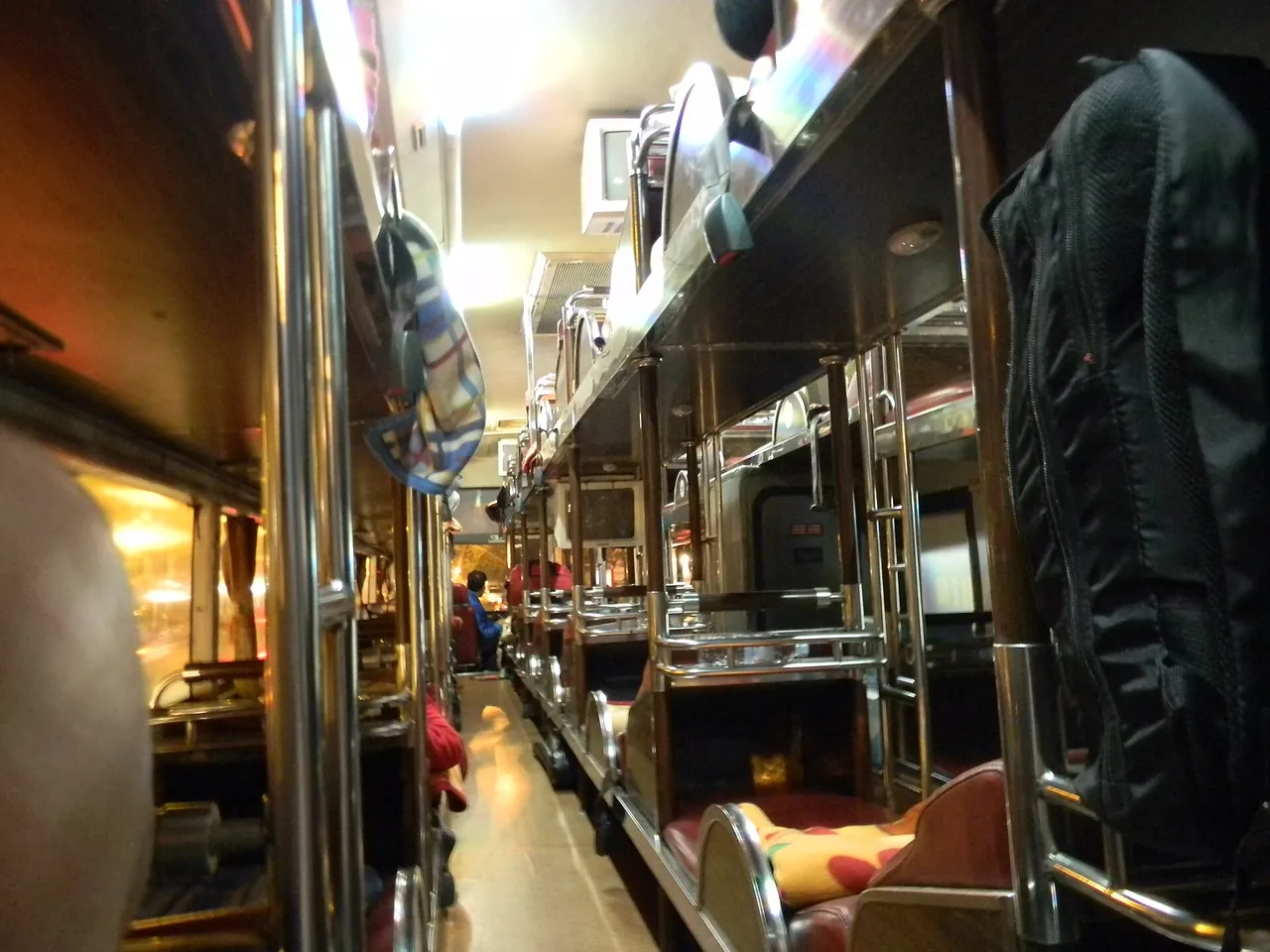
What to know before you book. The beds are reclining pods rather than flat berths, and they are sized for the local average build; if you are tall, you will be folded. Shoes come off and go in a bag at the door. The temperature is usually set to arctic, so bring a layer. Drivers use the horn liberally and the ride can be firm.
The newer limousine vans are a genuinely different product: fewer seats, more space, more money, and they have taken over many of the shorter intercity routes. If they exist on your route, they are usually worth the upgrade.
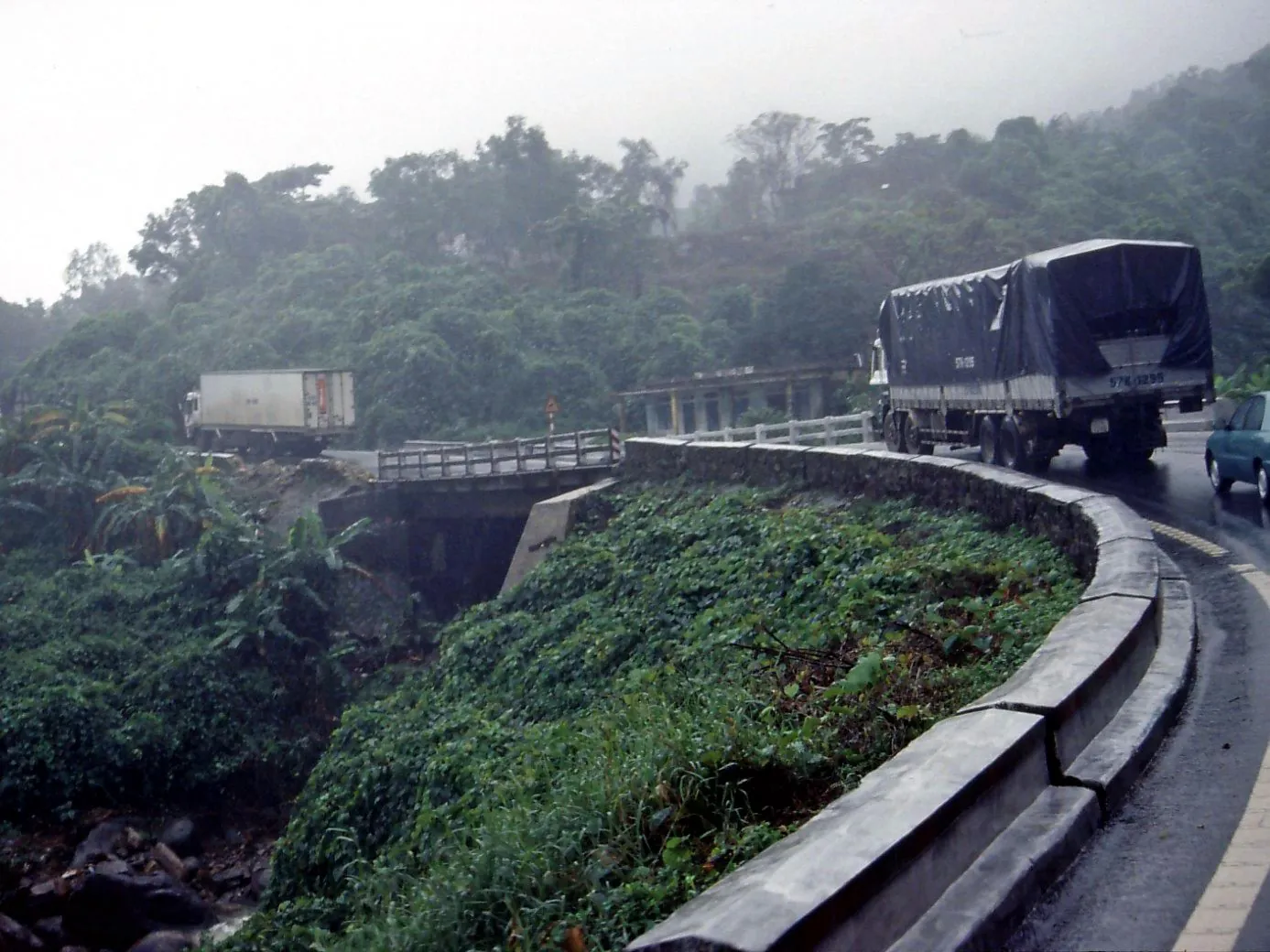
One honest safety note: standards vary between operators, and overnight driving on mountain roads is the higher-risk end of it. Booking through your accommodation or a known operator rather than the cheapest ticket you can find online is a reasonable precaution.
Within cities
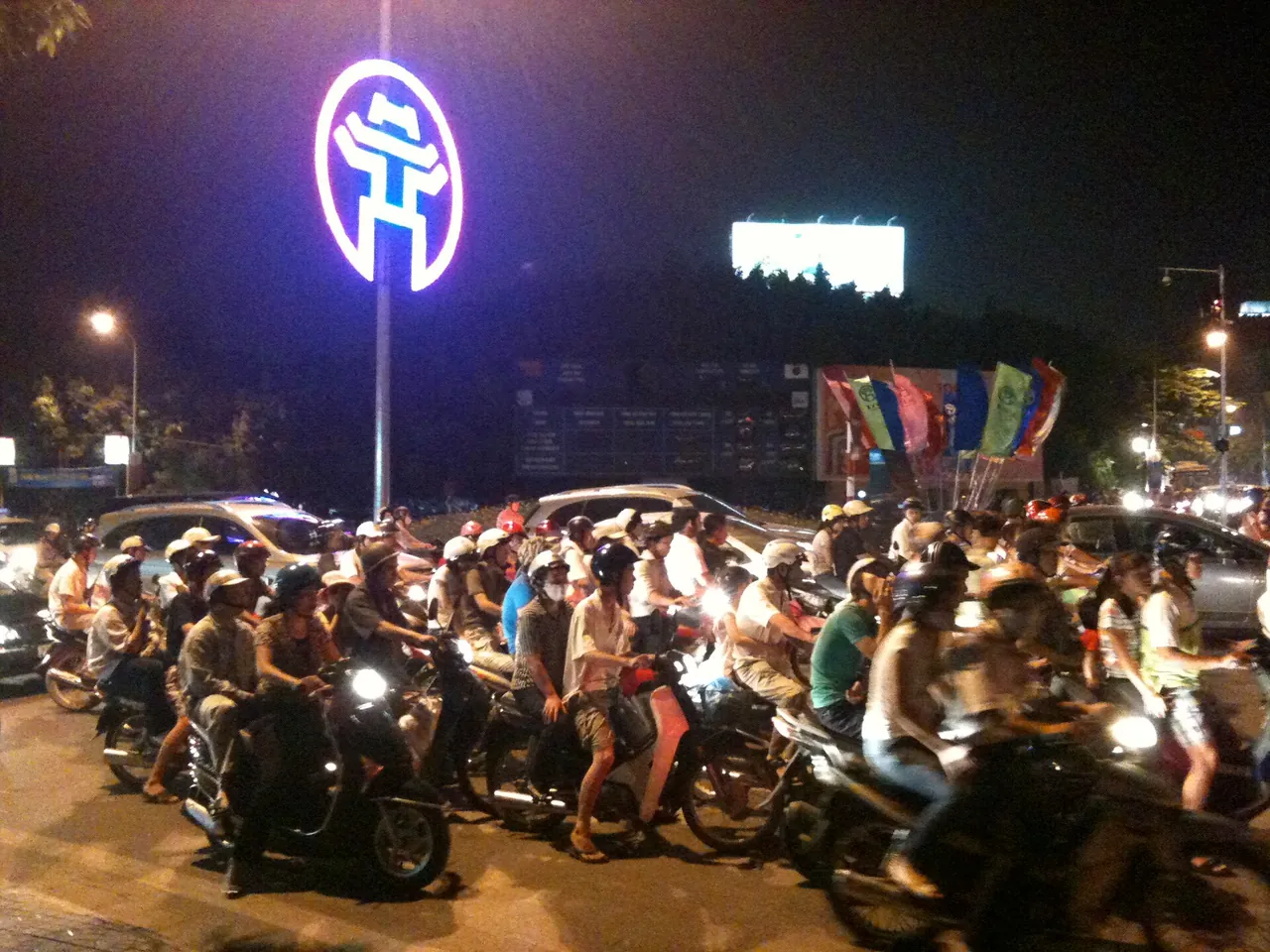
Ride-hailing apps are the answer for almost everything. They work across the major cities, they remove all argument about fares, and they include motorbike taxis if you are comfortable riding pillion, which is faster and cheaper than a car in heavy traffic.
Metered taxis are fine with the established companies; the reputable ones are well known and worth asking your hotel to name. Cyclos, the passenger tricycles, are a tourist experience rather than transport and should be negotiated firmly in advance.
City metro systems have begun operating and are clean and cheap, though coverage is still limited relative to how far these cities sprawl.
Flying the long legs?Compare domestic routes and see which entry and exit points save you a travel day.The motorbike question
Riding is how Vietnam moves, and for some travellers riding the country is the whole trip. I am not going to talk anyone out of it. I am going to insist you answer two questions honestly first.
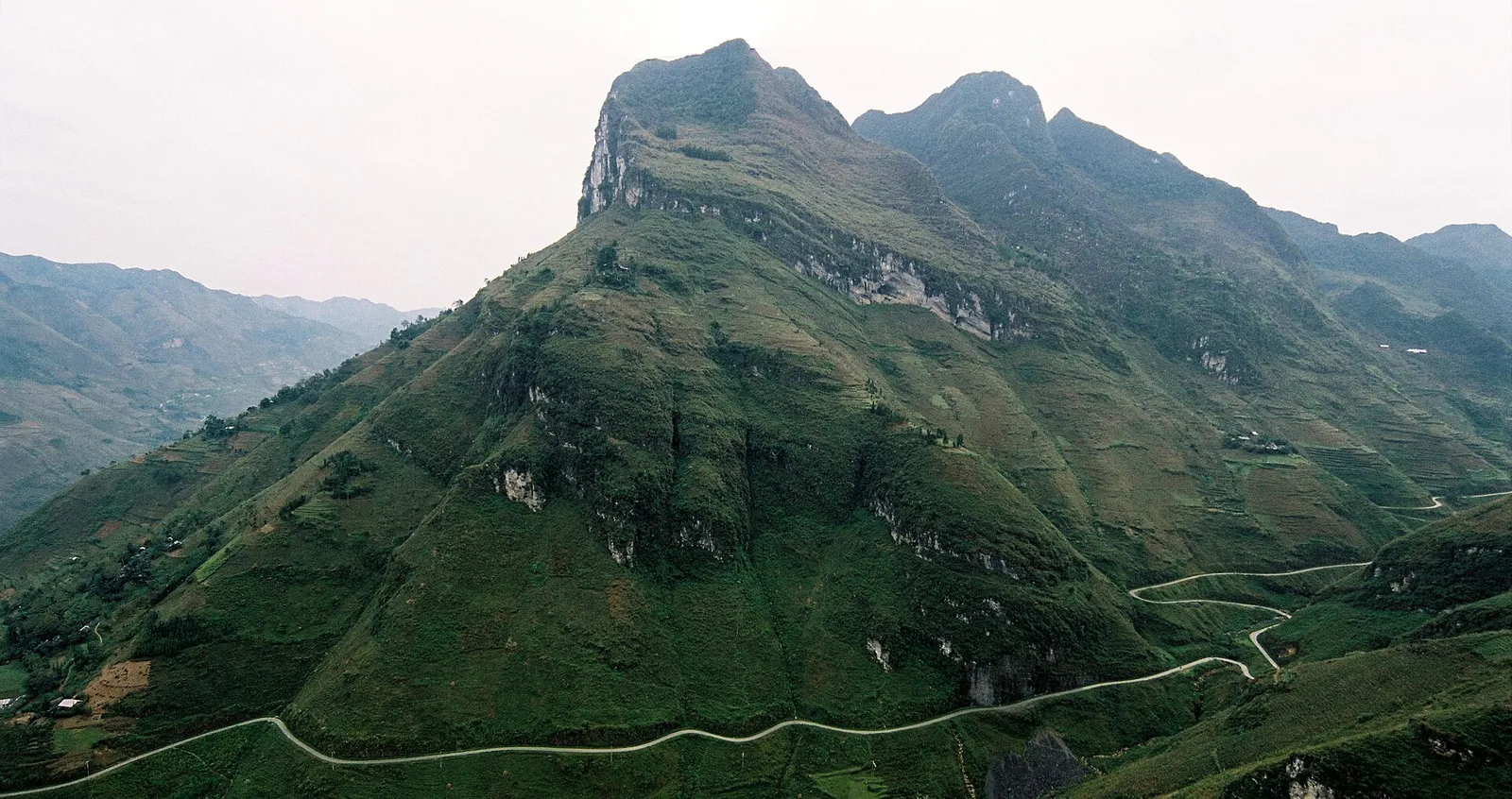
Are you an experienced rider? Not “did you rent a scooter on a Greek island once”. Vietnamese traffic follows conventions that are real but unfamiliar, road surfaces vary enormously, and mountain routes are unforgiving. The Ha Giang Loop in particular is not a place to learn.
What does your insurance actually say? Many travel policies exclude motorbike accidents entirely unless you hold a licence valid for that engine size in Vietnam. A rental shop that does not ask to see a licence has not covered you; it has simply not asked. Read the motorbike clause in your own policy, confirm the licence and engine size it requires, and decide from there. On the permit itself, Vietnam recognises only the International Driving Permit issued under the 1968 Vienna Convention. The 1949 Geneva permit, which is what the United States, Canada and Australia issue, is not recognised here, so drivers from those countries are not legally covered on a home licence plus a Geneva permit. The permit also has to carry the motorbike category: a permit that only covers cars does not make you legal on two wheels.
If the answer to either question is uncomfortable, the alternative is excellent: hire a driver, or ride pillion with a local one. You see more from the back anyway.
Flying the long legs?Compare domestic routes and see which entry and exit points save you a travel day.Putting it together: a working rule
After a lot of trips, this is the shape I would recommend to almost anyone:
Fly the long north-south legs. Train the central coast. Bus or van the short regional hops. Ride only if you genuinely ride.
That combination gets you the scenery where the scenery is worth the slowness, and buys back the days that overland travel eats on the legs where there is nothing to see but road. Our first time in Vietnam guide sets out how that translates into an actual route.
Practical odds and ends
Book ahead around major holidays. The Lunar New Year period in particular sees the entire country travelling at once, and transport of every kind books out.
Journeys take longer than the distance suggests. Roads are busy, mountain sections are slow, and ferries and bridges add time in the delta.
Carry cash in dong. Cards work in cities and at airlines, but bus stations, small operators and rural transport are cash businesses.
Keep your passport accessible. Accommodation and some transport will want it, and you should not have it buried in a bag in the hold.
Luggage, comfort and the small realities
Long-country travel is mostly about the details nobody mentions until you are already on the bus.
Travel lighter than feels sensible. Sleeper buses have limited space and awkward berths, trains involve steps and narrow corridors, and city transfers frequently end with a short walk. A large hard case is a genuine handicap on this route in a way it is not in Europe.
Bring a layer for everything with air conditioning. Long-distance buses, trains and even some cafes run cold enough to be uncomfortable, and it is the single most common thing travellers wish they had packed.
Motion sickness is worth taking seriously on mountain roads and on the boats, and remedies are cheap and widely available locally if you did not bring any.
Keep valuables on you, not in the hold or the overhead area of a sleeper bus, and keep a phone charged, since almost every booking, map and ticket now lives on it. A power bank earns its place on any overnight leg.
Carry small notes. Local buses, short rides and food stops rarely take cards and rarely have change for large bills.
The one thing to take away
Do not try to see the whole country overland because it feels more virtuous. Vietnam is too long for that on a normal holiday, and the transit days are the ones you will not remember. Fly the boring legs, take the train where the coast is beautiful, and spend the days you save actually being somewhere.
What is the best journey you have done here, and did you fly it, ride it or sleep through it? Tell me in the comments.