The Cu Chi tunnels are the most-booked day trip out of Ho Chi Minh City, and the one visitors are least prepared for. Not because it is difficult to reach or complicated to arrange, but because most people book it as a sightseeing outing and it is not one. It is a war site, presented from one side, at a place where a great many people died.
That does not mean you should skip it. I think it is one of the more valuable half days in Vietnam. It means arriving with the right expectations, and knowing three specific things in advance that determine whether the visit works.
What the tunnels were
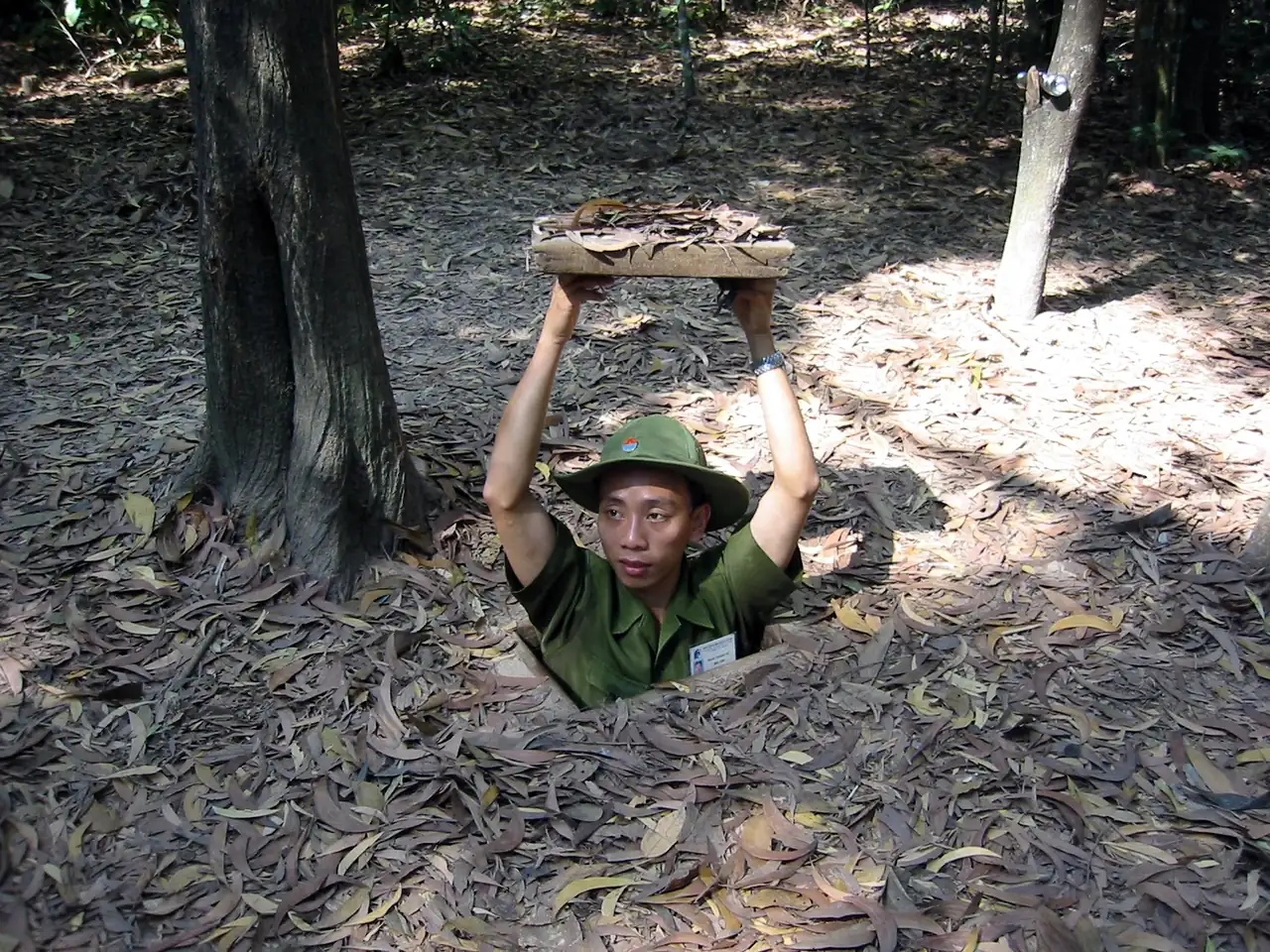
An enormous network of hand-dug tunnels northwest of Saigon, used during the war as living quarters, supply routes, hospitals, kitchens and command posts. People lived underground for extended periods, in conditions that are difficult to comprehend until you are in a short section of it.
The network ran on multiple levels, with concealed entrances, ventilation shafts and trap systems. What survives and is open to visitors is a small fraction, partly restored and in places deliberately widened.
The two sites, and this is the decision
Most people do not realise there are two, and which one you visit changes the day considerably.
| Ben Dinh | Ben Duoc | |
|---|---|---|
| Distance from the city | Closer | Further |
| Crowds | Busy, coach groups | Quieter |
| Tunnels | Widened for visitors | Closer to original size |
| Feel | More presented | More sober |
Ben Dinh is the nearer, more visited site, set up to handle large groups, with tunnel sections enlarged so that ordinary visitors can pass through. If your tour was booked cheaply and quickly, this is almost certainly where you are going.
Ben Duoc is further out, sees fewer coaches, and the sections are closer to original dimensions. It also holds a memorial temple. If you want the more sober and less packaged version, ask for this one specifically and expect to pay a bit more for the extra distance.
Neither is wrong. But booking without knowing which you are getting is how people end up somewhere they did not want to be.
How narrow is it, honestly
This is the question everyone actually wants answered.
The visitor sections are short, typically a stretch of some tens of metres, with exit points along the way so you can come up early. Even widened, they are a proper crawl: bent double or on hands and knees, hot, airless, dark apart from the lighting, and close on all sides.
If you are claustrophobic, do not do it. Nobody thinks less of you, the guides expect it, and standing at the entrance while others go through still gives you the essential understanding. If you are large-framed or tall, the widened site is the one to choose, and even then it is snug.
Wear clothes you do not mind getting filthy. The ground is red dirt and it transfers.
The traps, and the tone of the site
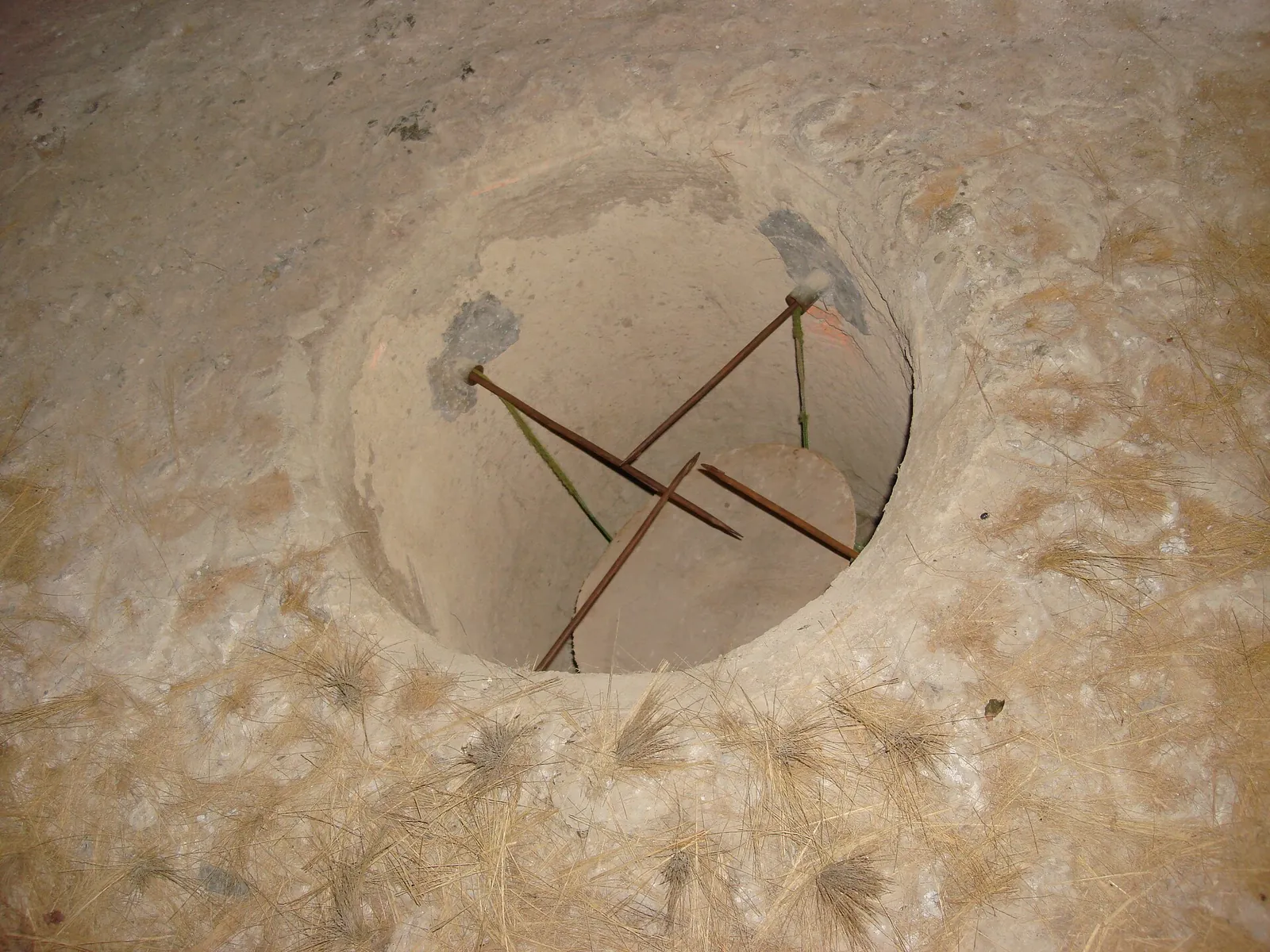
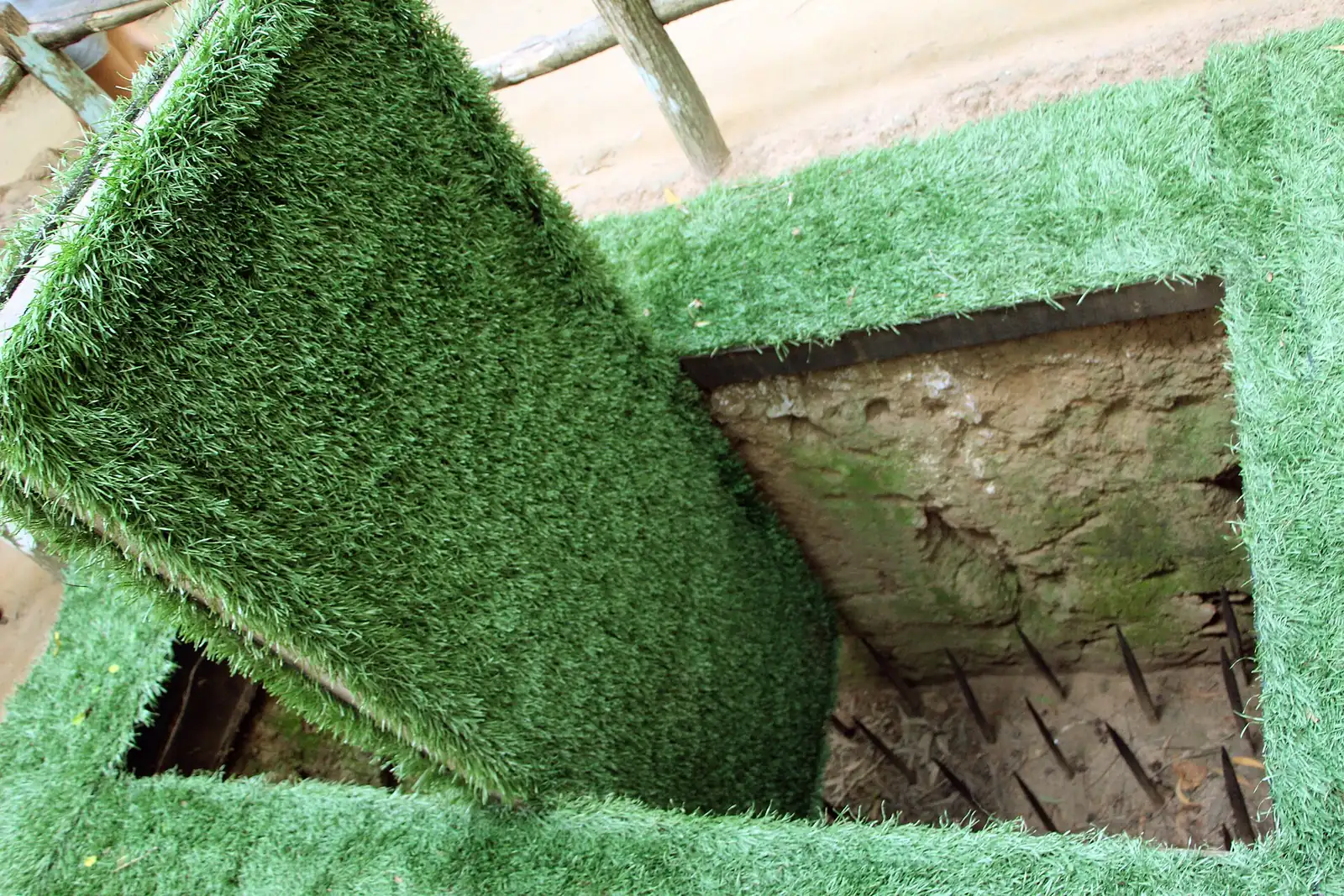
Part of the tour covers the trap systems used against soldiers, displayed as working models. They are ingenious and they are grim, and the presentation is fairly matter-of-fact about their purpose.
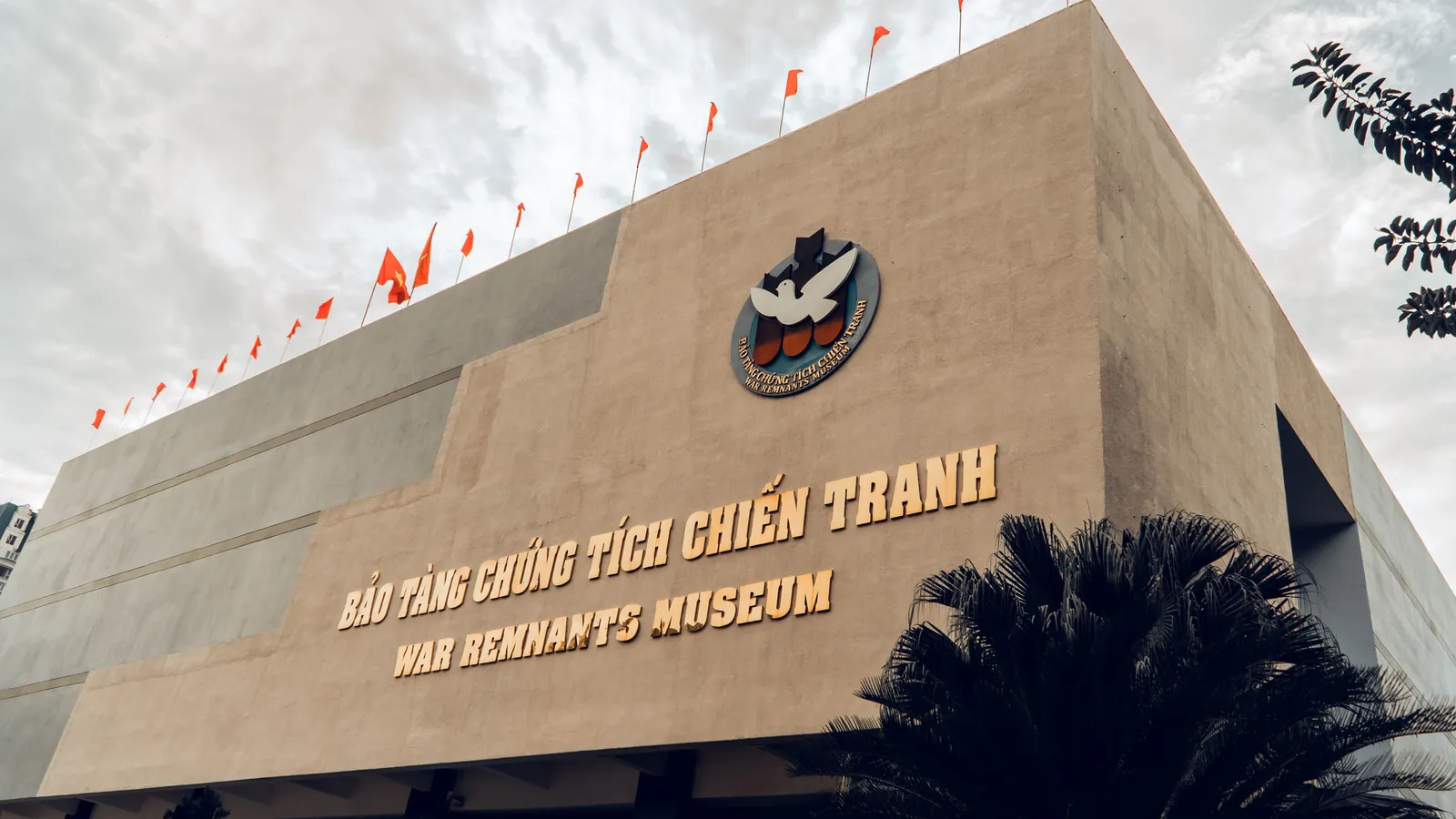
The site is presented from the Vietnamese perspective throughout, including the film shown to visitors, which is of its time and unambiguous in tone. Some visitors find this jarring; I would say it is exactly what you should expect at a national war memorial in the country that won, and that reading it as propaganda rather than engaging with it misses the point of coming. If you have already been to the war museum in the city, this is the same perspective in a different register. Our Ho Chi Minh City guide covers that museum, which is heavier still.
Ask which site, and which group sizeCompare small-group and boat options rather than booking the cheapest coach.The shooting range
At both sites you can pay to fire live rounds from period weapons on a range.
I am going to be direct: this sits oddly at a site where people died in large numbers, and a lot of visitors find it distasteful. It is also loud enough that the noise carries across the whole complex, which some people find genuinely distressing while walking through the memorial areas.
You do not have to participate, and most tours treat it as optional. Decide in advance rather than in the moment.
Practicalities
Half day or full day. The site itself needs around two to three hours. Tours are sold as half day, or as a full day combined with something else, frequently a stop at a lacquer workshop that exists for commissions.
By boat or by road. Speedboat transfers along the river cost more and are considerably more pleasant than the coach. Coach tours are cheap and involve a lot of sitting.
Small group over large. As with everything in Vietnam, the size of the group determines the experience. A large coach means queueing to enter each tunnel section.
Guides matter enormously here. A good guide turns a set of holes in the ground into a coherent story about how the network functioned. A bad one recites and moves you along.
Ask which site, and which group sizeCompare small-group and boat options rather than booking the cheapest coach.Where it fits
This is a half day out of the southern city and pairs naturally with it. On a two-week route, the standard shape puts the southern leg at the end, with the city, one day trip, and either the tunnels or an overnight in the delta. Our two-week itinerary sets out where that leg sits and what it competes with for your days.
If you have to choose between the tunnels and the delta and you only have one spare day, my honest view is that the delta overnight is the better experience and the tunnels are the more important one. Which of those matters more is genuinely a personal call.
Worth adding: if your route has already taken in the imperial history around Hue, the tunnels are a useful counterweight. One site tells you what Vietnam was for a thousand years, the other what happened to it in a single generation.
The bottom line
Go in the morning. Ask which of the two sites you are booked into and choose deliberately. Wear clothes you can ruin. Skip the crawl entirely if you are claustrophobic, and skip the shooting range if it sits badly with you.
And go in understanding that this is a memorial rather than an attraction. It is a better visit that way, and a much more affecting one.
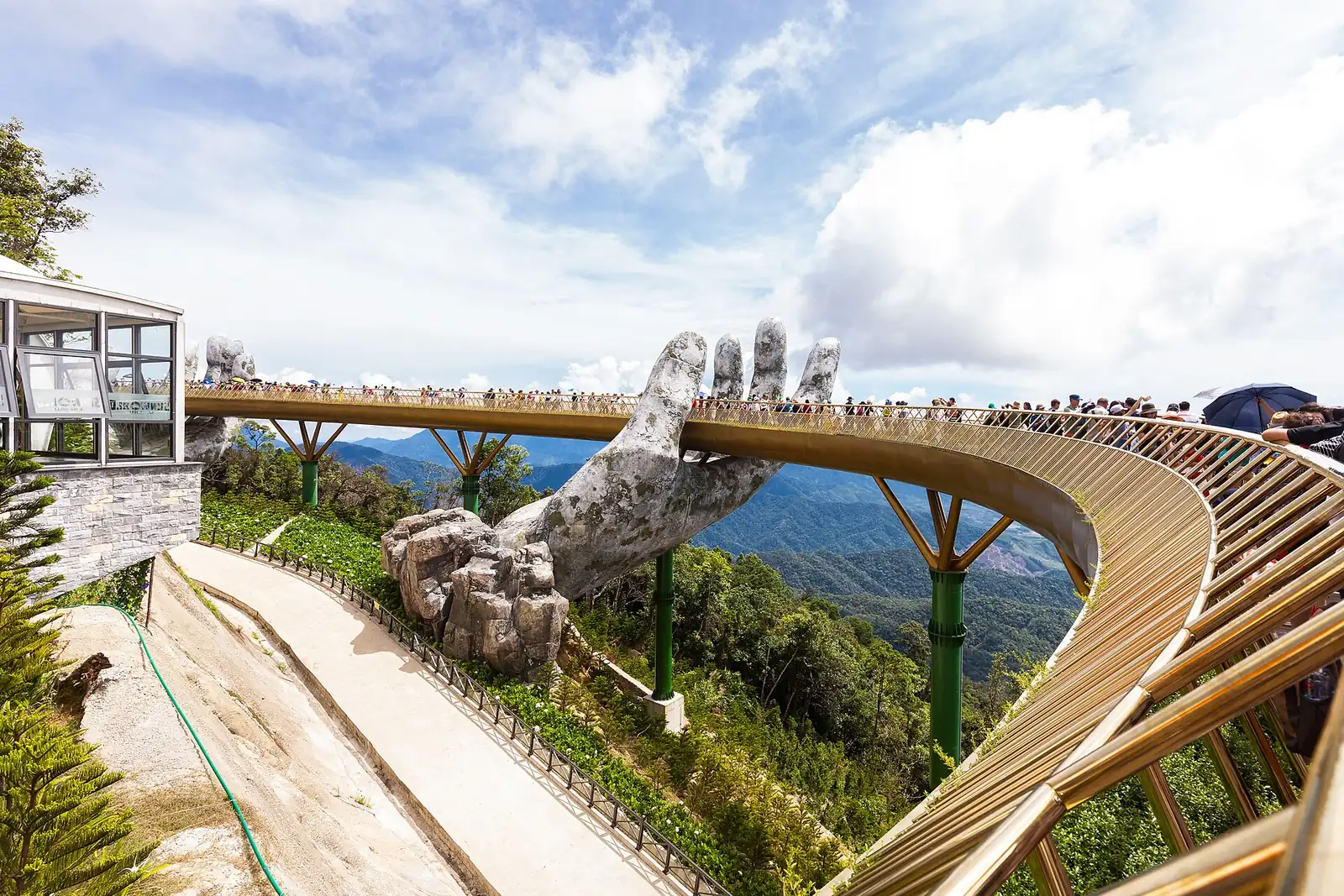
If you want the opposite kind of day out somewhere else on your route, Ba Na Hills and the Golden Bridge on the central coast is pure spectacle with no weight to it at all, which after this you may well want.
Did you go through the tunnels or stop at the entrance, and which site were you at? Tell me in the comments.
The tunnels are one half of how the war is presented to visitors here, and the museums in the city are the other. Our guide to the war museums in Ho Chi Minh City covers what each holds and how to visit them with some care.