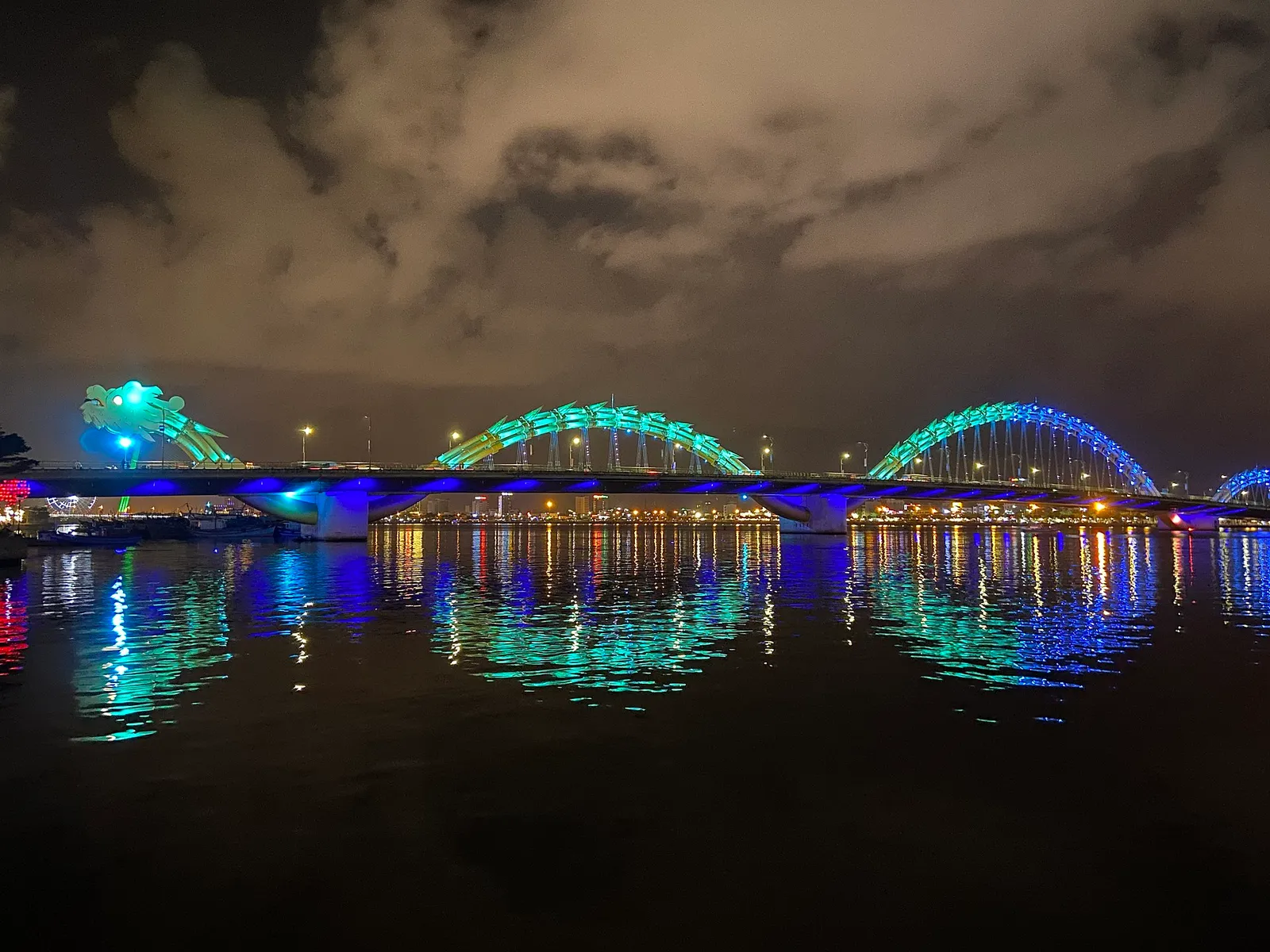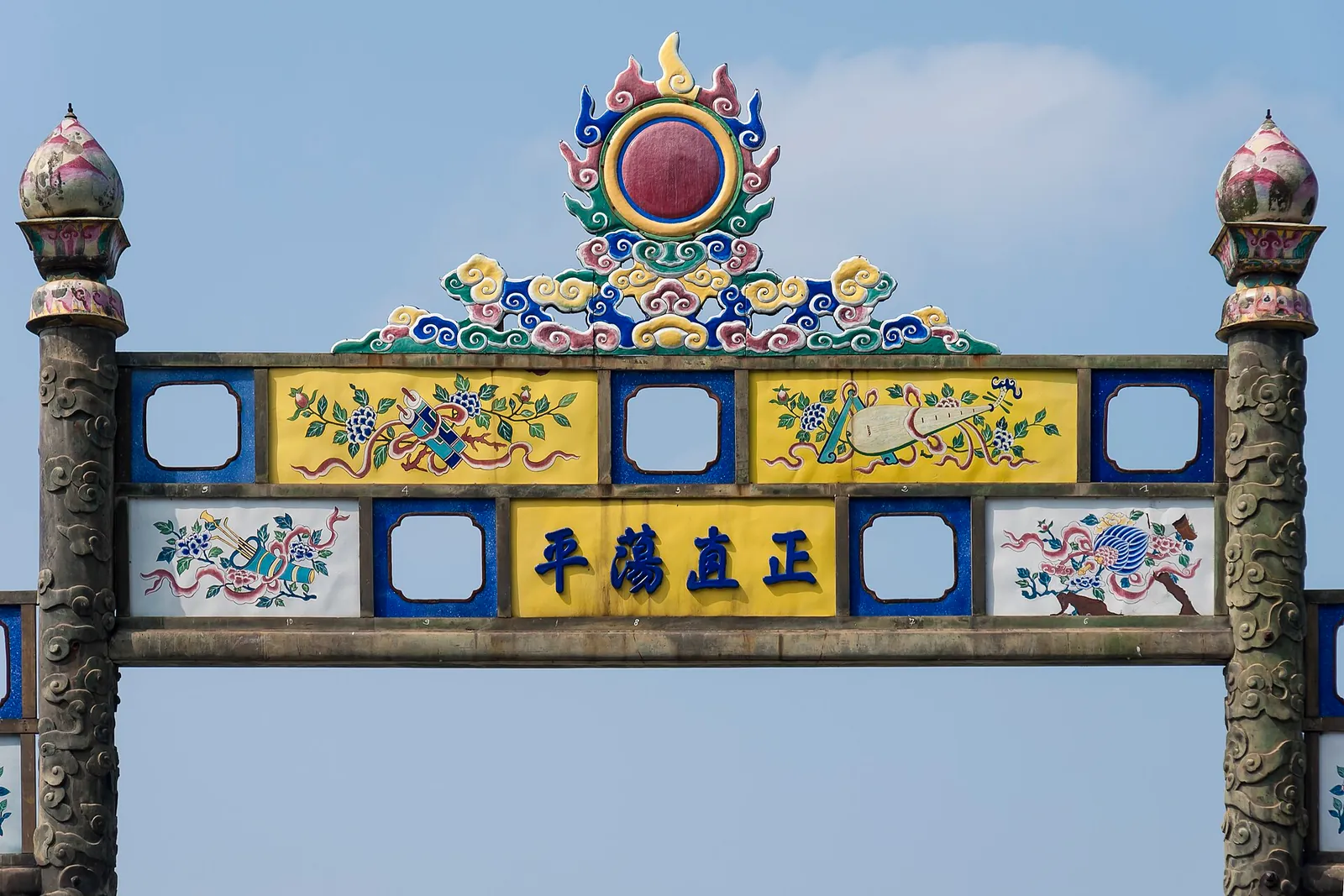
Hue is the city people cut from the itinerary, and it is the one I would fight hardest to keep. It is quieter than Hanoi, smaller than Da Nang and far less immediately charming than Hoi An, and it holds the deepest history in Vietnam by some distance. This was the seat of the Nguyen emperors, the last dynasty, and the country’s capital until the middle of the twentieth century.
It is also a city that carries visible damage. The Citadel was fought over during the war and much of what stood inside it did not survive. You walk through vast, quiet, half-empty enclosures with restored gates and grass where palaces were. That absence is part of what makes it moving rather than a disappointment, as long as you arrive expecting it.
The Citadel and the Imperial City
The Citadel is a walled fortress city with a moat, and inside it sits the Imperial City, and inside that again sat the Forbidden Purple City, the emperor’s private quarters. Think of it as three rings, each more restricted than the last.
What you see today is a mixture of original structures, careful restorations and open ground. The main gate, the throne palace, the mandarin halls, the reading pavilion and several temple compounds are the highlights, and restoration work has been steadily bringing more back. The Forbidden Purple City is largely foundations.
Give it three hours minimum, more if you like reading the panels, and go early. There is limited shade, the enclosures are large, and the middle of the day here is punishing for much of the year. Wear something you can walk in and cover shoulders and knees for the temple areas.
The royal tombs, and choosing between them
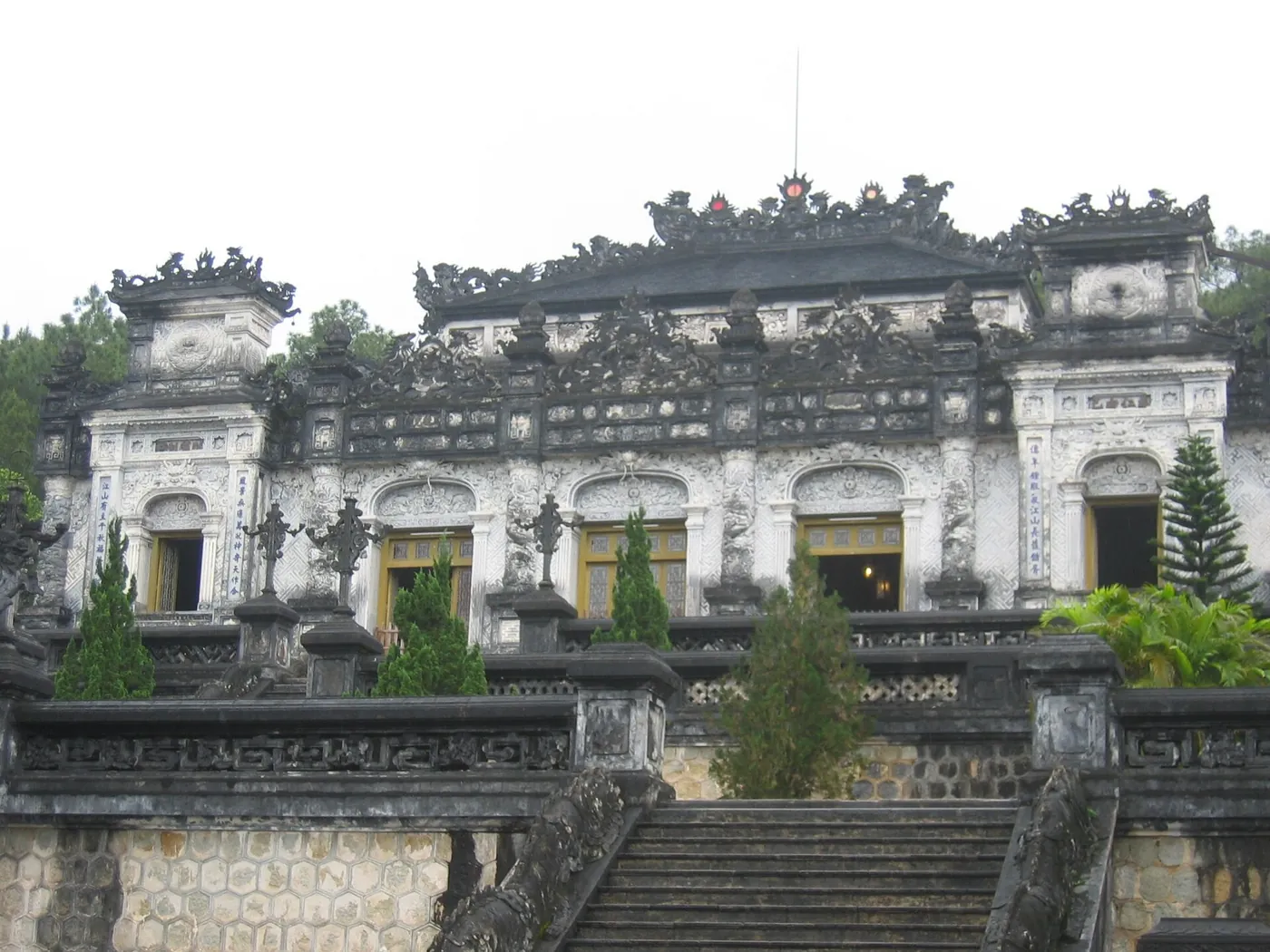
Scattered along the Perfume River outside the city are the tombs of the Nguyen emperors, and they are not tombs in any modest sense. They are landscaped complexes with lakes, pavilions, courtyards of stone attendants and temples, each reflecting the taste of the emperor who built it.
There are several, and visiting all of them is a mistake. Pick two. They are spread out, they charge separately, and by the third you will have stopped looking.
The usual recommendation, and I agree with it, is to take one grand and formal complex and one that is unusual, so you see the range rather than the same idea twice. Some are austere and symmetrical, some are startlingly ornate with imported tilework and concrete, and one or two are half-swallowed by pine forest and much the better for it.
Getting there is part of the appeal: a dragon boat along the Perfume River, a hired driver, or a scooter if you are comfortable riding. The boat is slow and lovely and drops you a walk from some of them.
The food, which is a genuine reason to come
Hue cooking is its own school, and locals will tell you it descends from what was served at the imperial court, where the requirement was many small, elaborate, beautiful dishes rather than large ones.
Bun bo Hue is the famous export: a lemongrass and chilli beef noodle soup that is spicier and more robust than northern pho. Eating it in Hue, where it is a breakfast dish, is a different experience from eating it elsewhere.
The city’s real specialities are the small steamed rice cakes: banh beo served in little dishes with dried shrimp, banh loc translucent tapioca parcels around shrimp and pork, and banh nam flattened and wrapped in leaf. They arrive as a set of tiny plates and they are the closest thing to that imperial idea you can eat today.
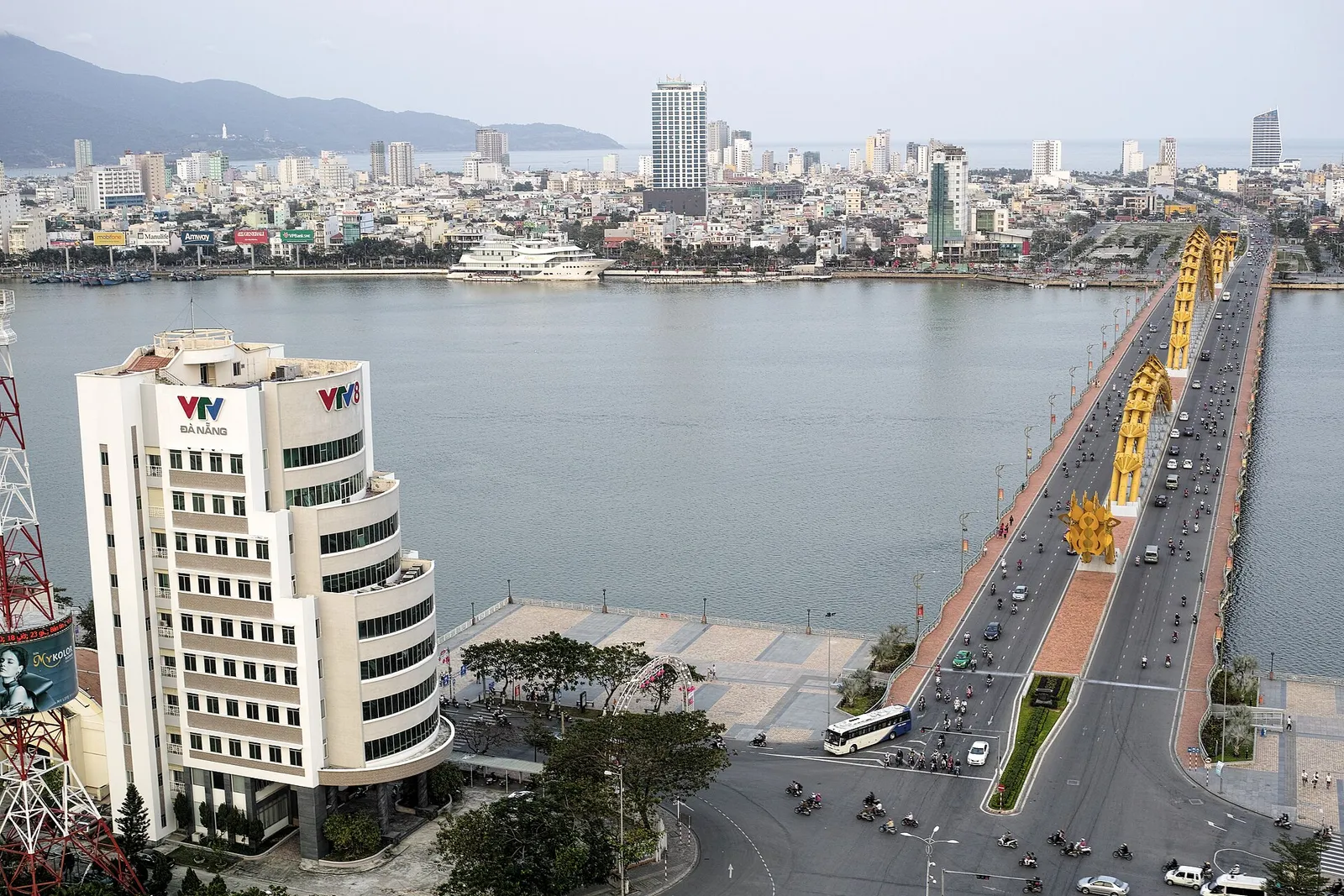
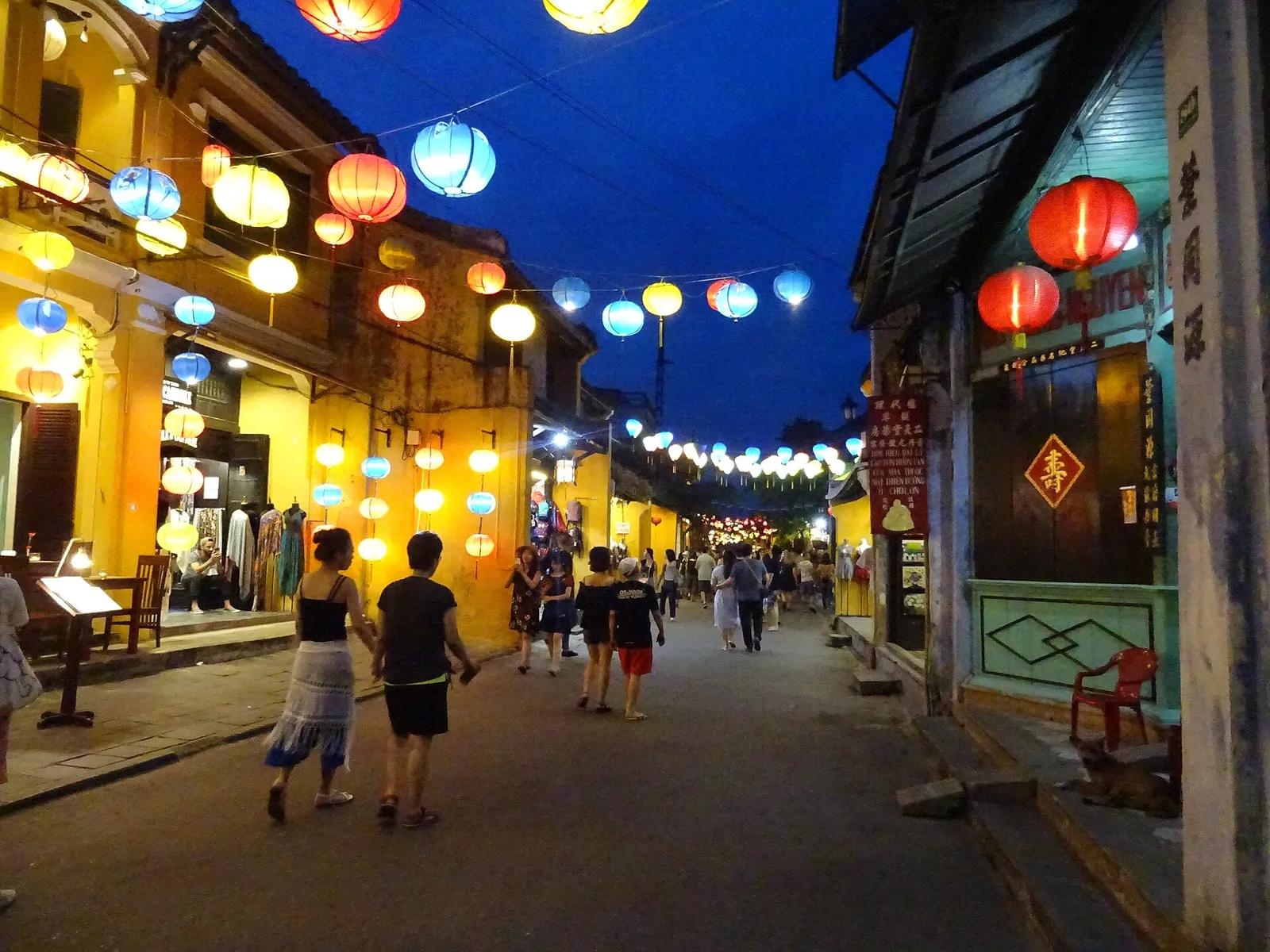
The contrast as you move down the coast is sharp. Hue is spicier and more court-influenced; an hour or so south, Da Nang leans hard into seafood, and Hoi An guards its own handful of dishes that you genuinely cannot get properly anywhere else. Eating across those three in a few days is one of the best food runs in the country.
The Hai Van Pass
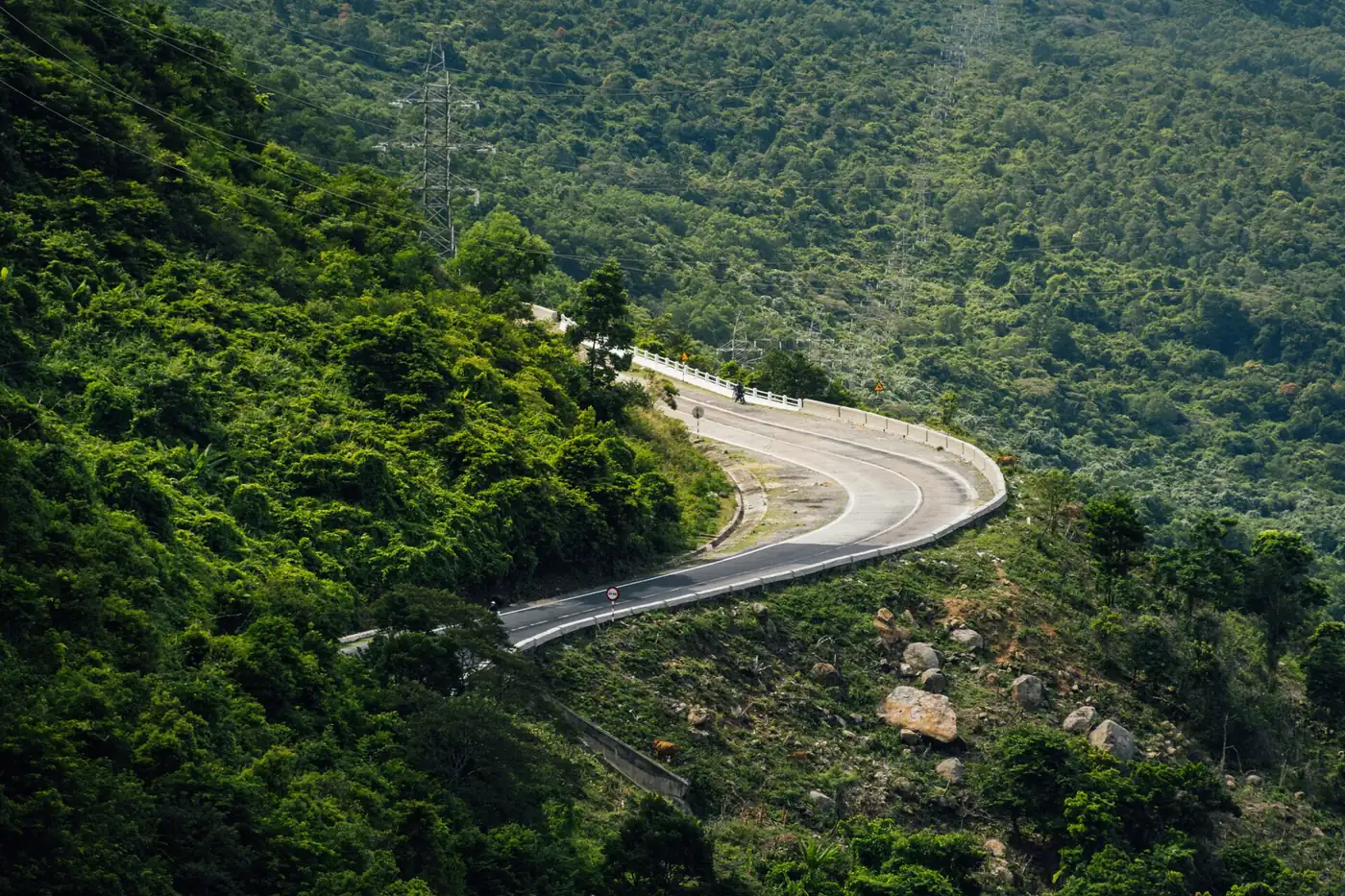
The road between Hue and Da Nang climbs over the Hai Van Pass, a mountain shoulder that drops into the sea, and it is one of the great coastal drives anywhere. On a clear day the view back down over the bays is exceptional.
Three ways to do it. By motorbike, either riding yourself or on the back with a driver, which is the classic and the best if the weather is good. By private car, which lets you stop at the top and is the sensible option with luggage or children. By train, which does not cross the pass itself but hugs the coastline below it and is genuinely one of the most scenic rail stretches in Vietnam, for very little money.
On riding it yourself: the pass is winding, frequently misty at the top, and shared with trucks. If you are not an experienced rider, take the back seat or the car. And check your travel insurance, because motorbike accidents are excluded by many policies unless you hold a licence valid for that engine size in Vietnam. That is the single most common insurance gap for visitors here.
Tombs, river and the passCompare guided options that handle the driving and the timing for you. Tombs, river and the passCompare guided options that handle the driving and the timing for you.How long, and when
Two nights is right for most people: one day for the Citadel and the city, one for the tombs and the river, and a departure over the Hai Van Pass on the third morning. One night is possible and rushed. Three is comfortable if you want the pagodas and a slower pace.
On timing, central Vietnam has its own calendar and it does not match the north or the south. The autumn stretch is the wettest along this coast and coincides with the typhoon window, which means flooding and disruption are real possibilities. Hue in particular is prone to it. The rest of the year is generous, with a warm dry stretch that is the reliable window.
Where it sits in a trip
Hue works best as part of the central run rather than as a standalone stop. The natural shape is the capital in the north, then down to Hue for the history, over the pass to Da Nang and Hoi An for the beaches and the old town, and onward south.
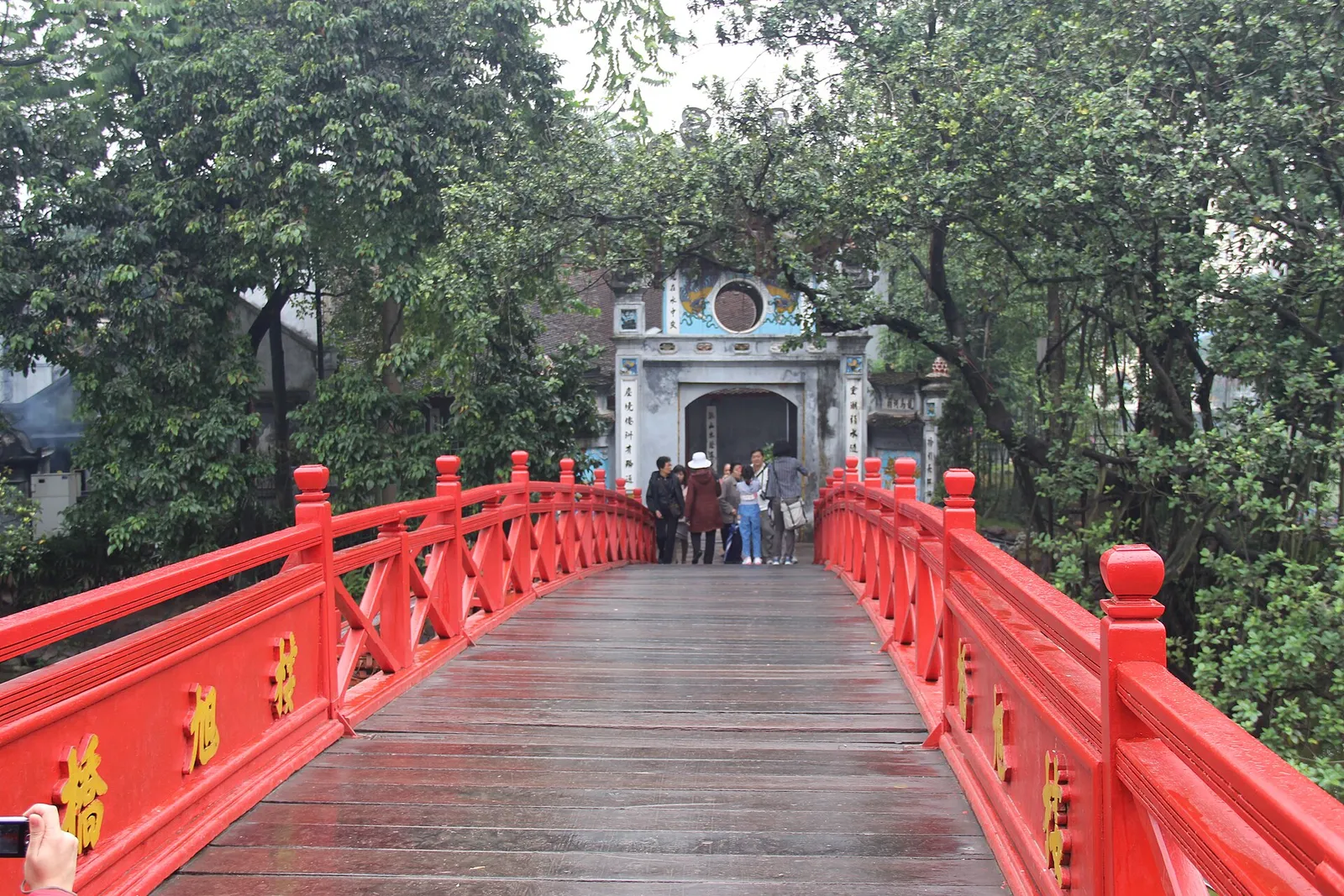
If you have come from the capital, the comparison is instructive: our Hanoi guide covers a city that grew organically over a thousand years, where Hue was deliberately laid out as an imperial seat. Standing in both in the same week tells you a lot about how Vietnam sees its own history.
The honest verdict
Hue is not the prettiest city in Vietnam and it does not try to be. It is the one with the most to say. Give it two nights, get a guide for the Citadel, pick two tombs rather than five, eat the little steamed cakes, and leave over the Hai Van Pass rather than flying out.
Did you keep Hue in your itinerary or cut it, and do you regret the decision either way? Tell me in the comments.