Hanoi is Vietnam at its most atmospheric: a thousand-year-old capital of narrow lanes, French balconies, incense-filled temples and street kitchens that spill onto every corner. It can feel overwhelming for about an hour, and then it grabs you. Give it two or three days, walk everywhere you can, and eat constantly. Here is how to make the most of it.
Start in the Old Quarter
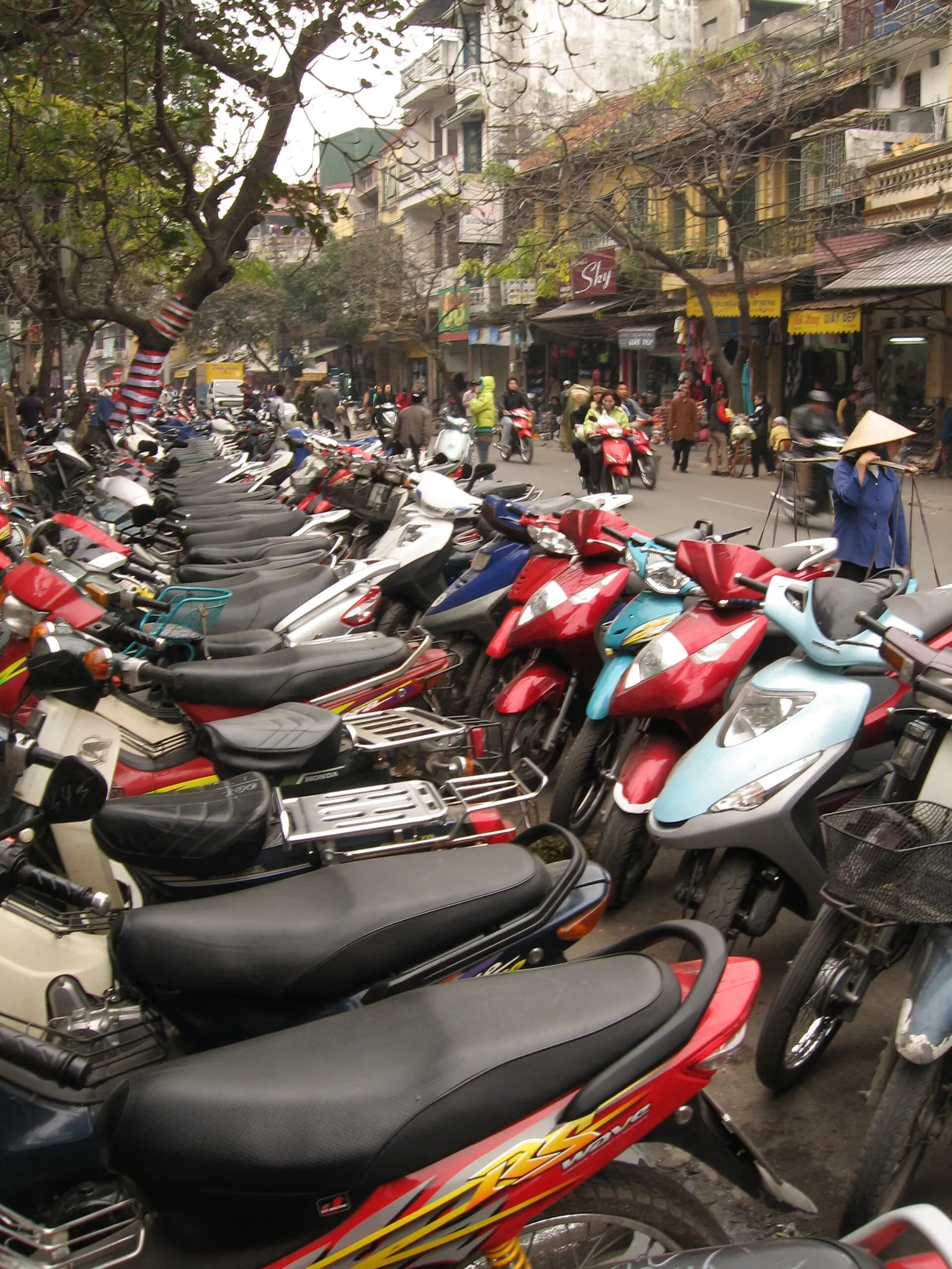
The Old Quarter is the beating heart of Hanoi, a dense grid of streets traditionally named for the trades once sold on them, from silk to tin to bamboo. There is no better way to experience it than to simply walk and get a little lost, dodging motorbikes, peering into shophouses, and stopping wherever something smells good. Come evening, the weekend night market fills the streets with stalls, and the pavement beer corner known as Bia Hoi Junction hums with cheap fresh draught beer and plastic stools.
Stay in or near the Old Quarter for your first visit. It is noisy and never sleeps, but you will be steps from the food, the lake and the buzz.
Circle Hoan Kiem Lake
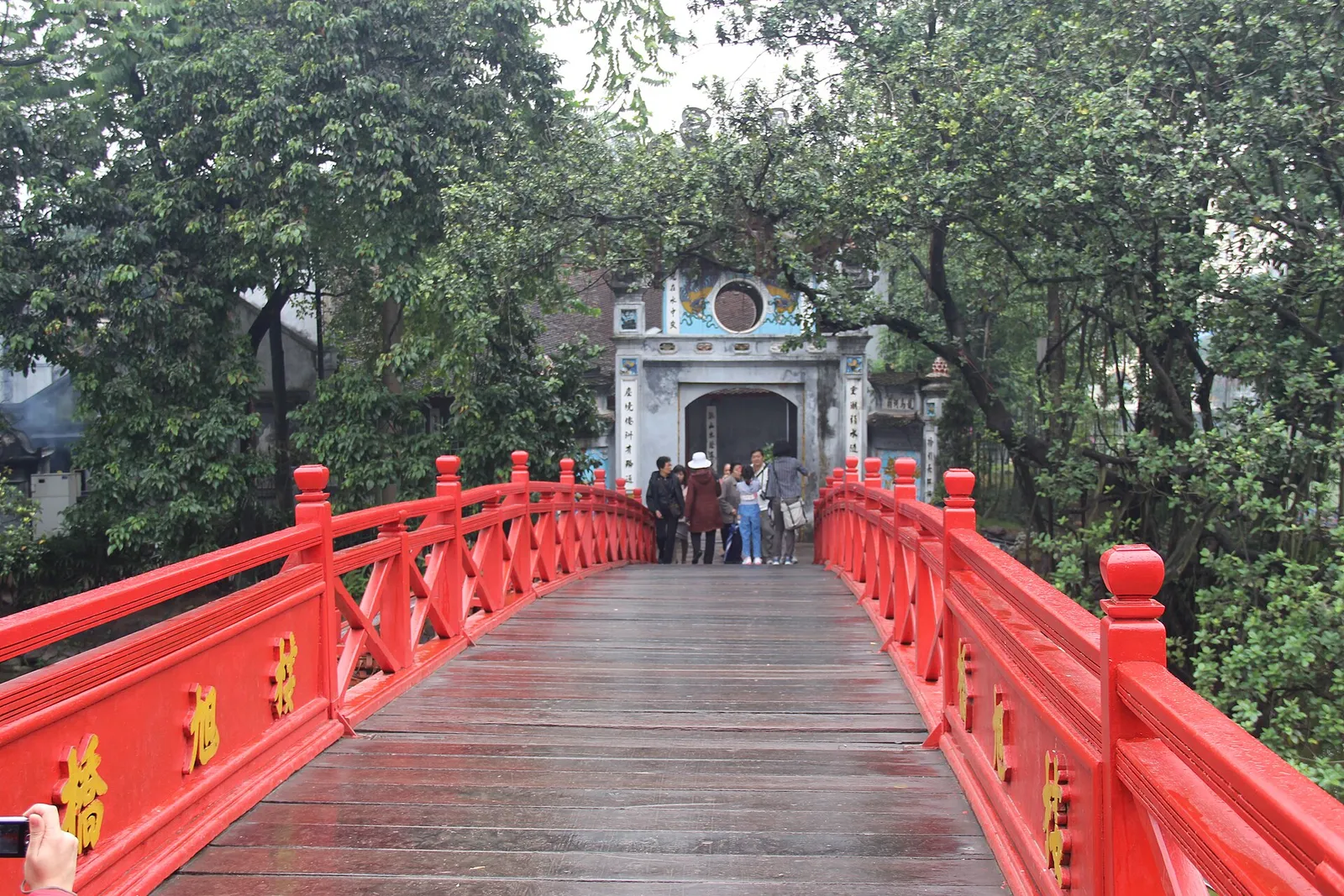
A few minutes south, Hoan Kiem Lake is the green lung and social heart of the city. Locals walk, jog and practise tai chi around it at dawn, and at weekends the surrounding roads close to traffic and turn into a lively pedestrian zone. Cross the red Huc Bridge to the little Ngoc Son Temple on its island, then find a lakeside bench and watch the city go by. It is the perfect antidote to the Old Quarter’s intensity.
The big sights
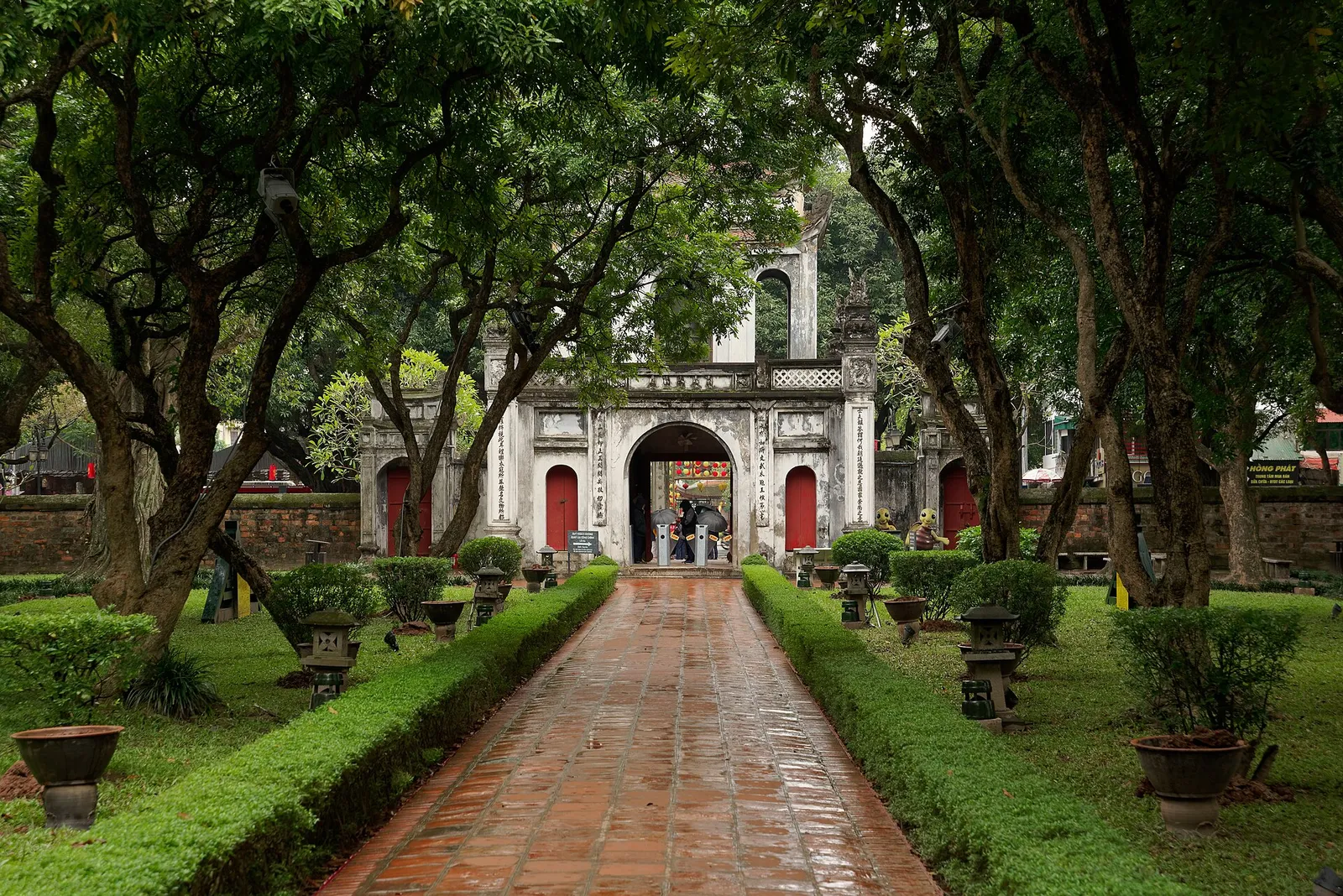
Beyond the Old Quarter, a handful of landmarks are worth your time. The solemn Ho Chi Minh Mausoleum complex, with its stilt house and One Pillar Pagoda, is the historical centrepiece, best visited in the morning (note the dress code and limited hours). The beautiful Temple of Literature, Vietnam’s first university dating from the eleventh century, is a serene walled garden of courtyards and pavilions. And Hoa Lo Prison, the site darkly nicknamed the Hanoi Hilton, gives a sobering window into the country’s turbulent history.
You do not need to rush all of these in one go. Pick the two or three that speak to you and leave the rest for another trip.
See the highlights without the logisticsA half-day city tour or an overnight Ha Long trip from Hanoi takes the planning off your plateThe street food you came for
Hanoi is, for many travellers, the best place to eat in Vietnam, and its dishes are deeply local. This is the birthplace of pho, the fragrant beef or chicken noodle soup best eaten early at a busy specialist. It is also the home of bun cha, grilled pork patties and slices in a bowl of tangy broth with noodles and herbs, the city’s signature lunch. Chase them with banh mi sandwiches, crispy banh cuon rice rolls, and the famous egg coffee (ca phe trung), a rich, sweet cup topped with whipped egg cream that tastes like liquid tiramisu.
The golden rule: eat where it is busy. A crowd of locals on tiny stools means fresh food and fast turnover. Do not be put off by the plastic furniture and the lack of a menu, that is exactly where the good stuff is.
Getting around
Hanoi is wonderfully walkable in its centre, and walking is the best way to soak it up. For longer trips, use the Grab app to book cars or motorbike taxis at a fixed price and skip the haggling. A traditional cyclo ride around the Old Quarter is a fun one-off, but agree the price clearly first. And take the traffic seriously: cross roads at a slow, steady, predictable pace and let the motorbikes flow around you.
Beyond the city
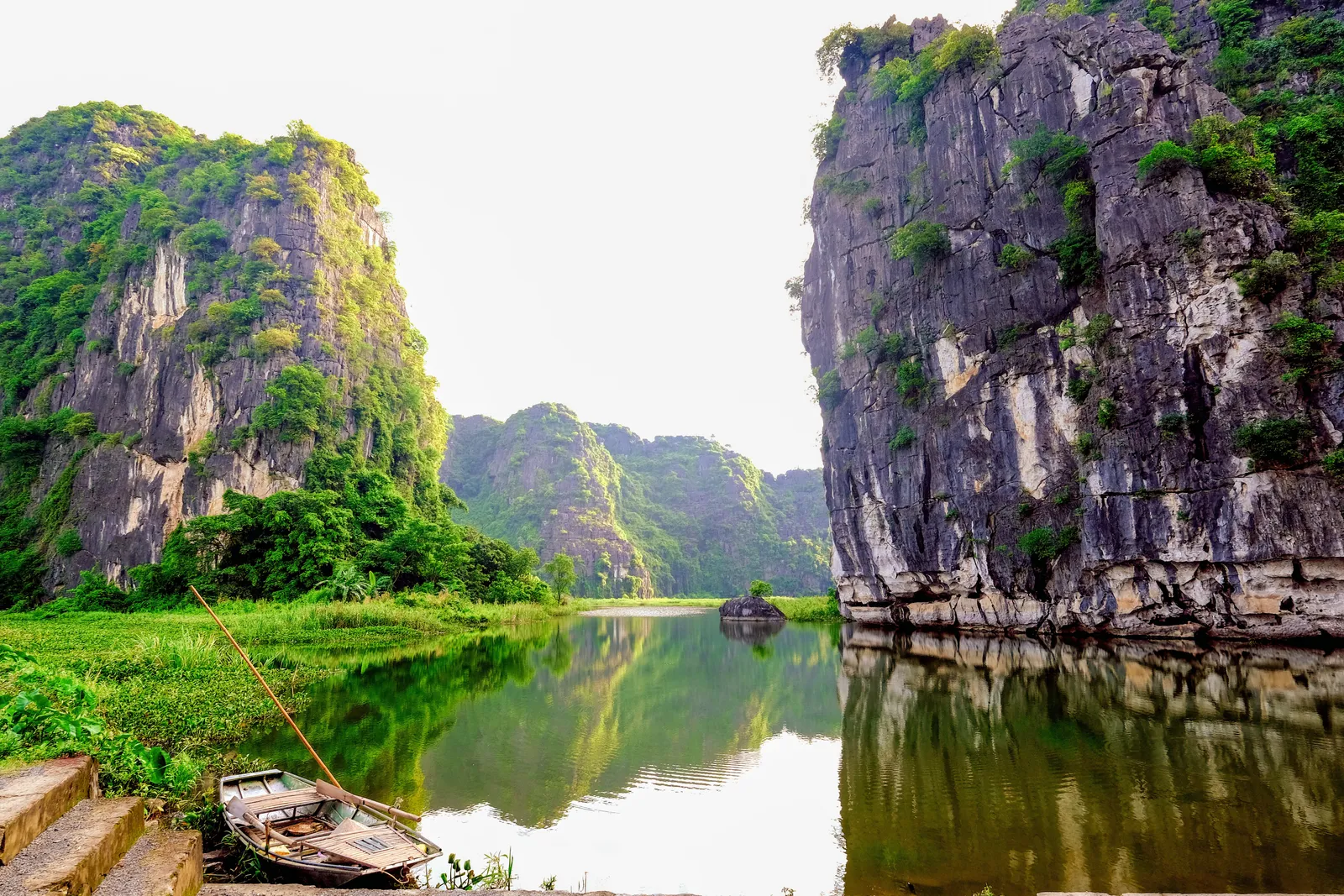
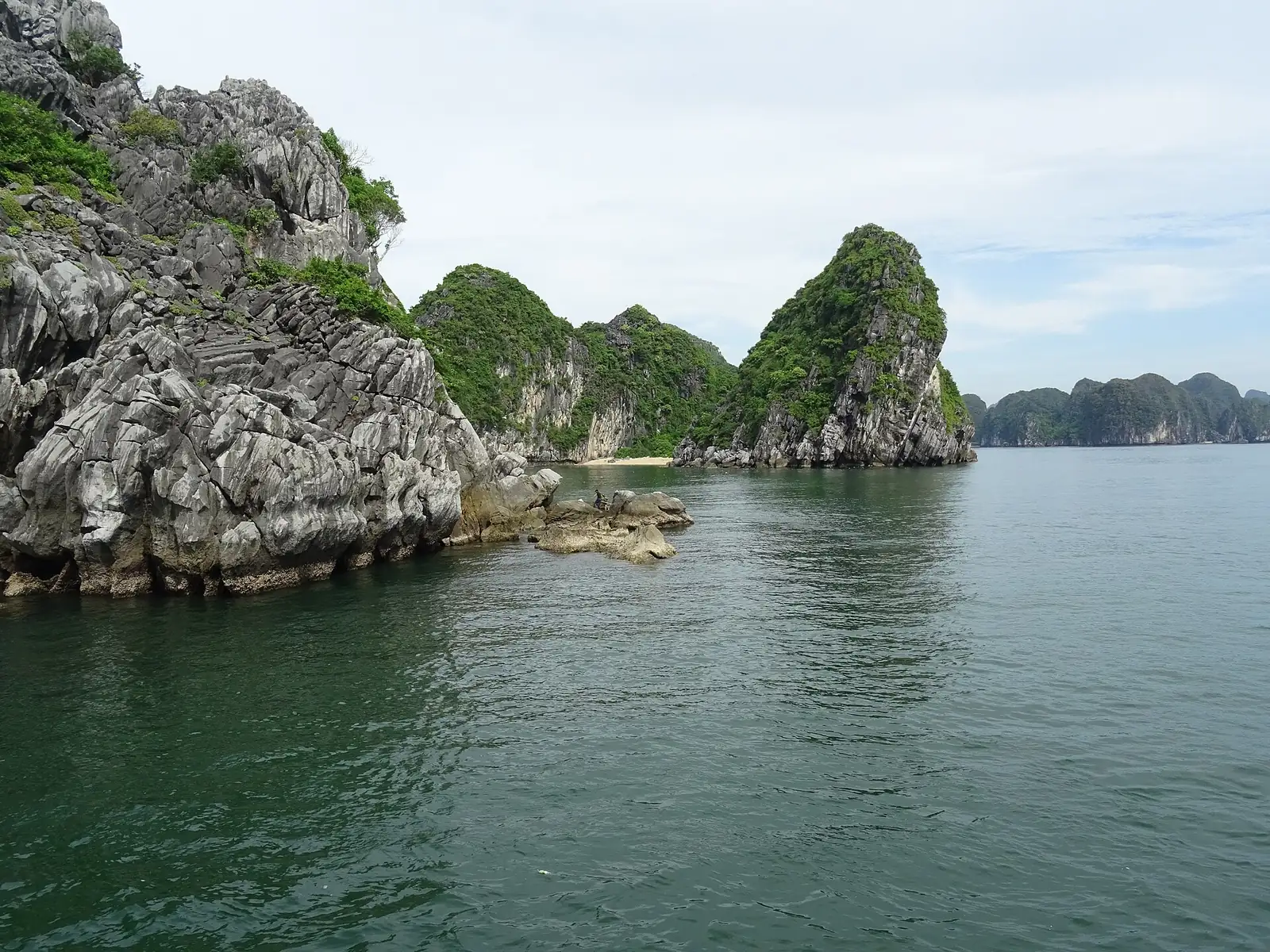
Hanoi is the launchpad for two of Vietnam’s greatest experiences. Our Ha Long Bay cruise guide explains why the overnight beats the day trip. Its thousands of limestone karsts rising from emerald water are an easy sail away and one of the country’s must-dos. To the north, the mountain town of Sapa offers rice-terrace treks and ethnic-minority villages. Both are best booked ahead, especially in peak season, and both make a perfect bookend to a few days in the capital.
Two days, laid out
| When | Where | Why then |
|---|---|---|
| Day one, early | The lake at dawn | Tai chi, cool air, the city before the traffic |
| Day one, morning | The mausoleum complex and the Temple of Literature | Morning hours and a dress code, so go early |
| Day one, afternoon | Old Quarter wandering | The trade streets, the shophouses, the coffee |
| Day one, evening | Bia hoi and street food | Plastic stools, cheap draught, the best of the city |
| Day two, morning | Hoa Lo Prison or a museum | Indoors when the heat or the rain arrives |
| Day two, afternoon | A slow coffee, the lake edge, a food crawl | Hanoi does not reward a checklist |
The pattern is early starts and late evenings with a soft middle, which is how the city itself runs. The sights that keep restricted hours are all morning propositions, and the eating is best at the two ends of the day.
The coffee, which is its own reason to come
Vietnamese coffee culture is at its most distinctive in Hanoi, and treating it as a caffeine stop rather than an activity misses the point.
The city’s signature is egg coffee, a thick, sweet, whipped-yolk cream poured over strong coffee, which sounds alarming and tastes like liquid tiramisu. It was invented here out of a milk shortage and it remains a Hanoi thing more than a national one.
Around it sits the everyday version: strong dark coffee dripped slowly through a metal filter over condensed milk, served hot in winter and over ice the rest of the year. Order it, wait for the drip, and watch the street. That waiting is the ritual.
The best cafes here are frequently up a staircase behind a shop, on a balcony overlooking the lake or the traffic, and finding one is half the pleasure. A cafe with a view of the intersection is the cheapest entertainment in the city.
Weather, seasons and what to wear
Northern Vietnam has genuine seasons, which catches out visitors who expect one climate for the whole country.
Autumn and spring are the good windows: mild, mostly dry, and the right temperature for a city you walk. Summer is hot, heavy with humidity and the wettest stretch of the year, with downpours that arrive fast and pass fast. Winter is properly cool and often grey and damp, and a jumper is not a joke in Hanoi in January.
The practical consequences are small but real. Carry a light waterproof in the wet months rather than an umbrella you will lose. Wear shoes you can walk in and take off easily, because temples and some homes ask for it. And keep something that covers shoulders and knees in the daypack for the mausoleum complex and the temples, where dress codes are enforced rather than suggested.
Where Hanoi sits in a Vietnam trip
Hanoi is the northern anchor, and almost every itinerary that includes it uses it as a base rather than a stop.
The classic pairing is the water: the limestone bays a few hours east are the country’s signature landscape, and our Ha Long Bay cruise guide explains why an overnight beats the day trip and how to pick an operator, which matters more here than almost anywhere.
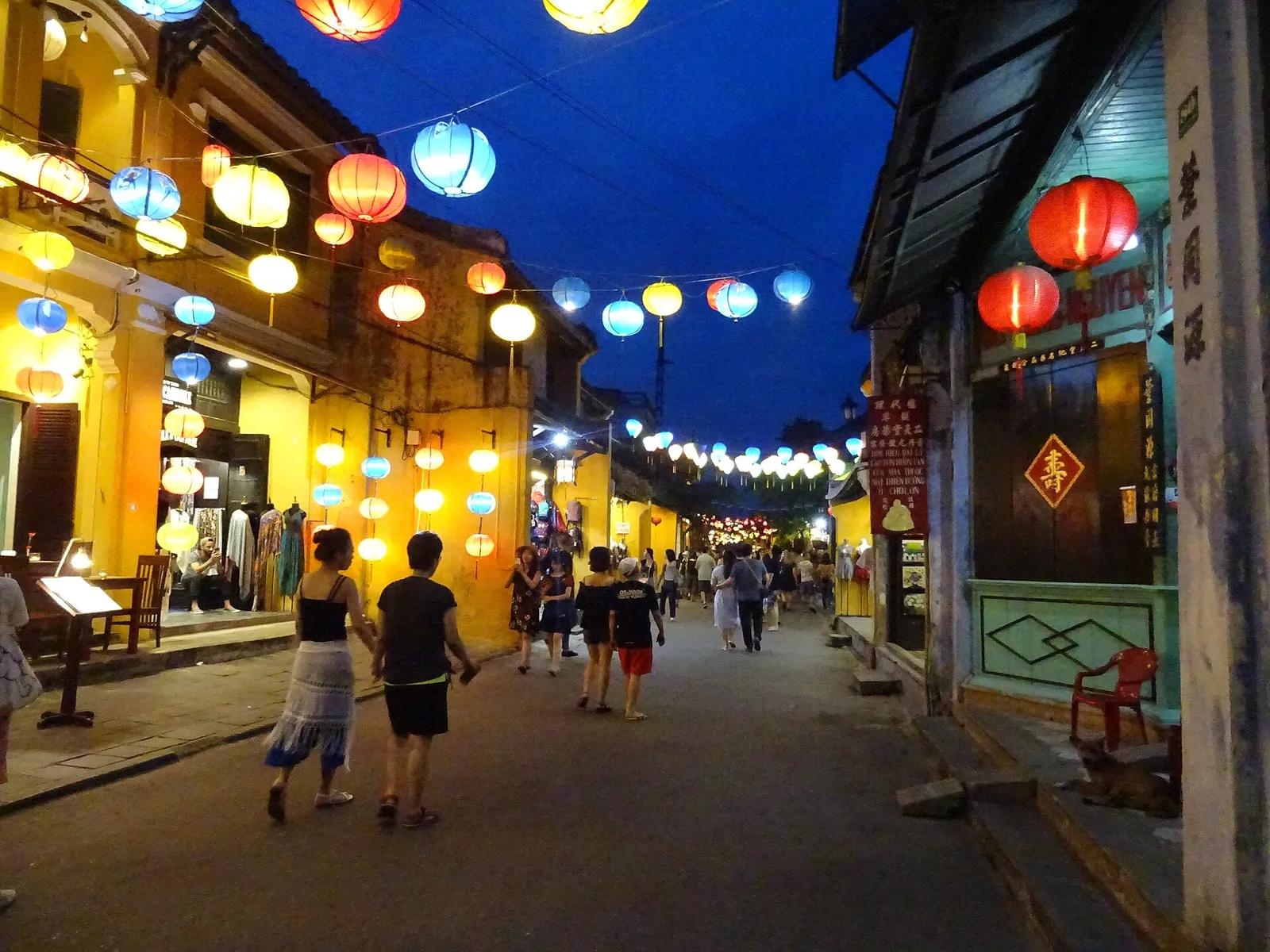
The other direction is south, and it is where the pace changes completely. Our Hoi An guide covers the lantern-lit old town that most people name as their favourite place in the country, and its famous tailors are the reason plenty of travellers arrive with an empty half-suitcase.
Between the two, Hanoi is the one that takes an hour to like and then refuses to let go.
The short version
Base yourself in or near the Old Quarter, walk until your feet ache, and eat at the busiest stalls you can find. Circle Hoan Kiem Lake at dawn, pick a couple of the big sights, try egg coffee at least once, and use Grab to skip the taxi haggle. Then let Hanoi be your springboard to Ha Long Bay, and further south to Hoi An, where the pace drops and the tailors will make you something to take home. A few days here and the city goes from overwhelming to unforgettable.