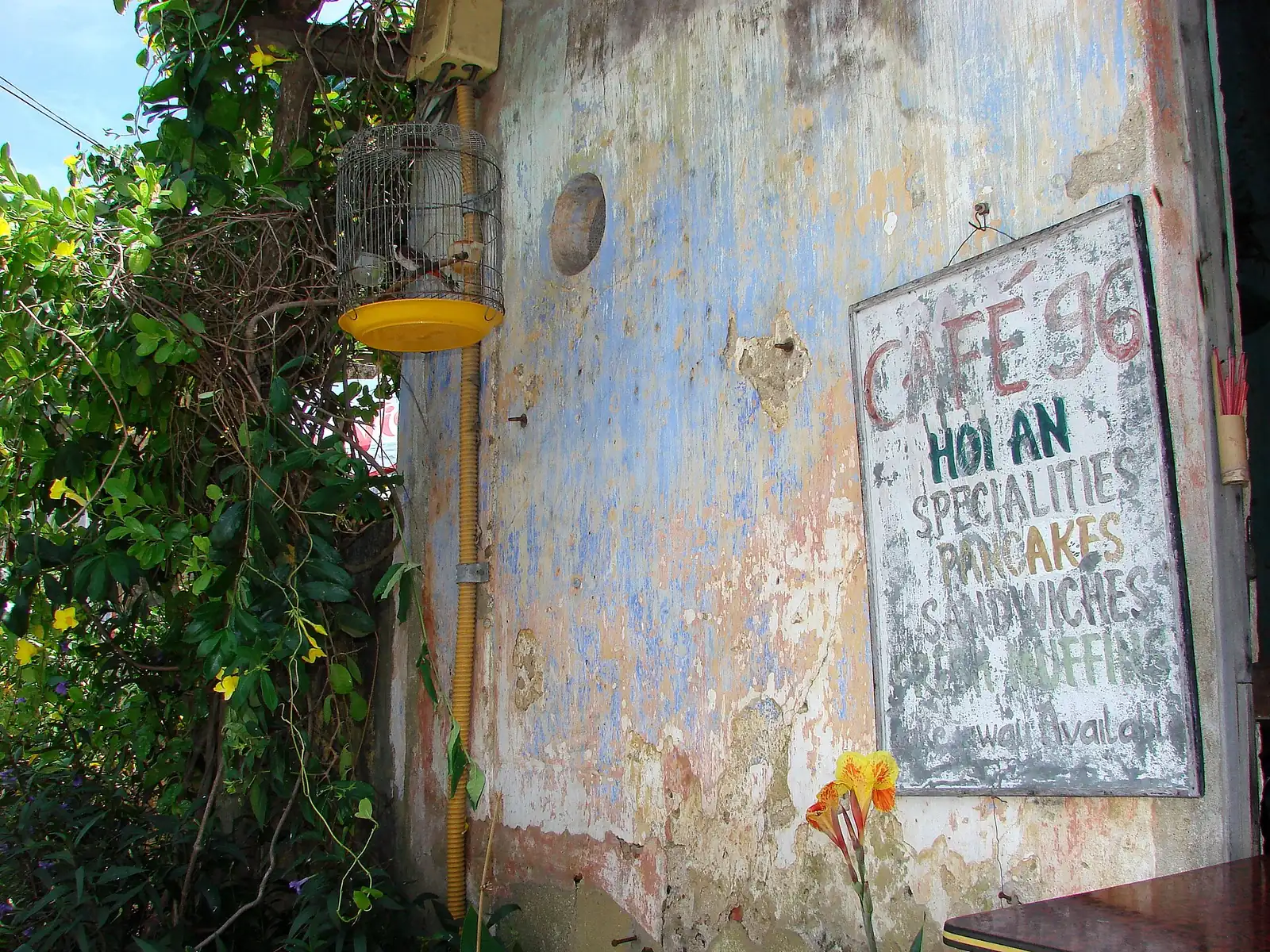
Hoi An has hundreds of tailors and they will all tell you they can make you a suit by tomorrow. Some of them can. Almost none of them should, and the single biggest reason people come home disappointed with clothes made here is that they gave the process one day instead of three.
This is a genuinely good place to have clothes made. The skill is real, the price is a fraction of bespoke anywhere in the West, and a well-made jacket from here will outlast most things in your wardrobe. But it is a process with a few rules, and breaking them is how you end up with a suit that looked fine in the shop mirror and hangs badly at home.
The single most important thing: time
Allow three days minimum. Four is better.
The reason is fittings. A garment made from your measurements will not be right first time; the whole craft is in the adjustments. A realistic timeline looks like this:
Day one: choose fabric, agree the design, get measured.
Day two: first fitting on a roughly assembled garment. This is where the real work happens, and where an honest tailor will mark changes all over it.
Day three: second fitting on the near-finished piece, small adjustments.
Day four: collection.
A 24-hour suit skips the middle entirely. It is cut, sewn and handed to you, and whatever is wrong stays wrong. That is the difference.
Choosing a tailor
There are a lot of them, quality varies enormously, and the shopfronts all look similar. A few things that actually help:
Look at finished garments, not fabric swatches. Ask to see completed pieces waiting for collection. Check the inside: seams, lining, buttonholes. That tells you far more than a wall of cloth.
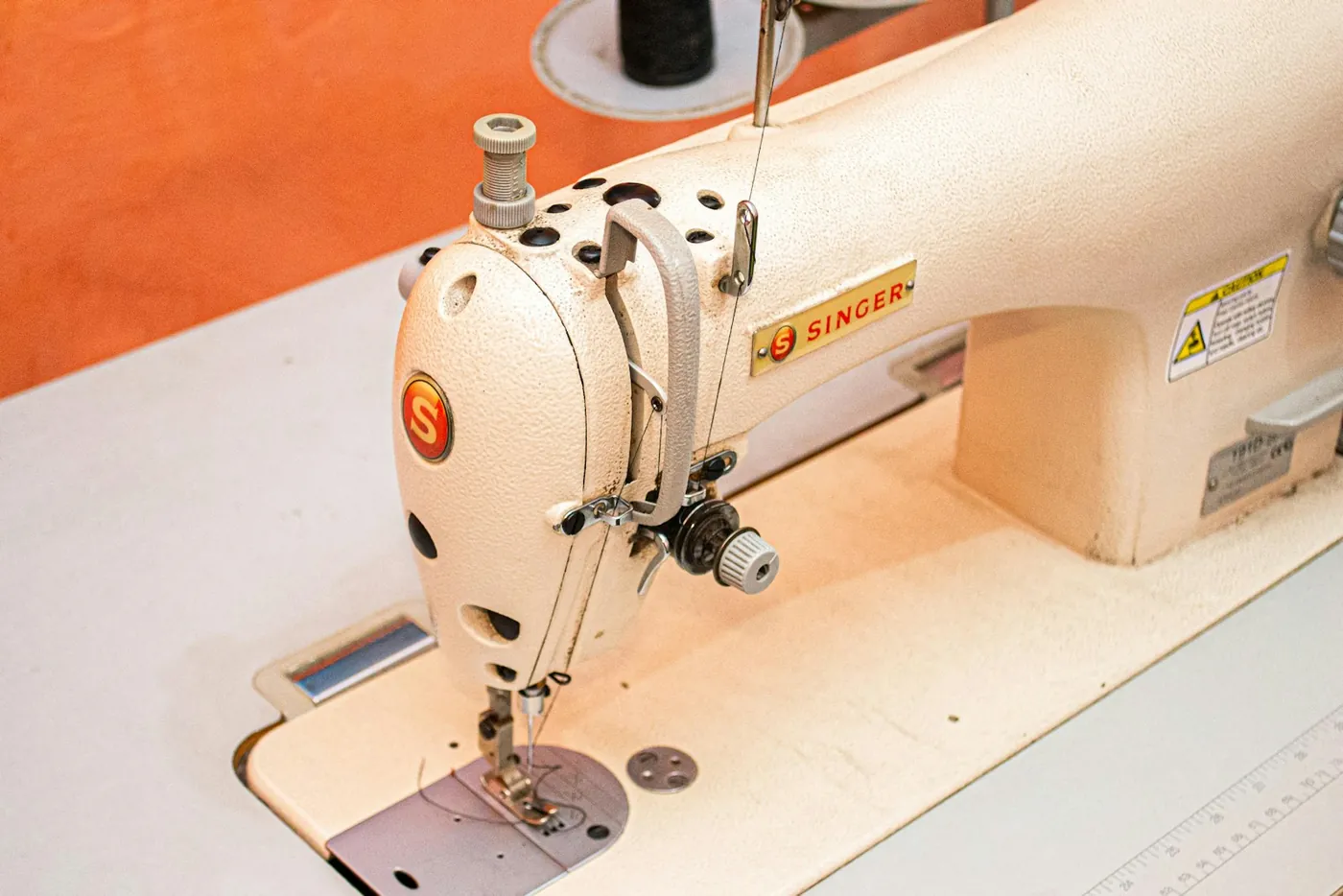
Ask who does the sewing. Some shops have their own workshop, others send everything to a shared production facility. Neither is inherently wrong, but a shop with its own tailors handles alterations faster and better.
Recent, specific reviews. Not the volume of reviews but what they say. A review mentioning fittings and alterations is worth ten saying it looked great.
Avoid touts and commission. If someone finds you on the street or your driver recommends a shop enthusiastically, a commission is priced into whatever you pay.
Do not choose on price alone. The cheapest quotes usually mean the cheapest fabric, and fabric is most of what makes a garment look expensive or not.
Fabric, which is where the money actually goes
This is the part people misunderstand. The labour is inexpensive here; the fabric is what varies, and it varies enormously.
There will be tiers, from basic polyester blends up through wools, linens and cashmere blends. The jump in how a garment drapes and wears between the bottom tier and the middle tier is large. The jump from middle to top is smaller.
Ask what the fabric is, specifically, in terms of composition and weight. “Italian wool” on its own is not information. If a shop cannot or will not tell you the composition, that tells you something.
Match the fabric to where you will wear it. A heavy wool suit is wonderful in a northern European winter and unwearable if you live somewhere warm. Linen creases, which is the point of linen, and people are regularly surprised by this.
Agreeing the deal, in writing
Before any cutting happens, have written down:
- The total price, and what it includes.
- The fabric chosen, by name or code.
- How many fittings are included.
- The collection date and time.
- What happens if it is not right at the final fitting.
This is not distrust, it is normal practice, and any reputable shop will do it as a matter of course. It also prevents the most common dispute, which is an upsell partway through: a better fabric suggested at the first fitting, agreed verbally in a friendly moment, and appearing on the bill later at a price nobody discussed.
Our budget guide makes the same point about anything made to order in Vietnam, and the tailoring is the biggest single purchase most visitors make here.
The fittings, and how to be useful at them
This is where you earn a garment that fits.
Wear the right things. The shoes you will wear with the trousers, and appropriate underlayers. Trouser length is set from the shoes.
Move. Sit down. Reach forward. Raise your arms. A jacket that looks perfect standing still and pulls when you reach is not finished.
Say what is wrong, specifically. “It feels tight across the back when I reach” is useful. “I think it is fine” when you are unsure is how people end up with clothes they do not wear.
Do not accept it to be polite. This is the one that costs people the most. The tailor would far rather adjust it now than have you leave unhappy, and the alterations are included.
Staying long enough for three fittings?Compare places near the old town so the back-and-forth is a short walk.What is worth having made, and what is not
Worth it: tailored jackets and suits, coats, shirts in a good cotton, and anything you struggle to buy off the peg because of your proportions. Copies of a garment you already own and love work particularly well; bring it with you.
Less worth it: simple casual pieces you could buy anywhere, shoes unless you have specific needs, and anything highly fashion-dependent that you will not want in two years.
Bring a photo of exactly what you want. Descriptions get lost in translation in both directions; a picture does not.
Staying long enough for three fittings?Compare places near the old town so the back-and-forth is a short walk.Shipping and the practical end
Most shops will ship internationally, and it is generally reliable, though it adds cost and time. If you can carry it, carry it, and check the weight against your baggage allowance before you order four suits.
Keep the receipt and any written agreement until the garments are home and you have worn them.
Where to stay for this
If the tailoring is a main reason for your visit, base yourself near the old town rather than out at the beach or in the paddy fields, because you will be walking back and forth several times over a few days. Our Hoi An accommodation guide sets out the three areas and why the choice matters more here than in most towns.
And if you are still deciding how long to give the town overall, our Hoi An guide covers what else there is to do around the fittings, which is quite a lot.
The short version
Go on your first day. Allow three or four days and two fittings. Choose the shop by looking inside a finished garment, not at the fabric wall. Ask what the fabric actually is. Get the price, the fabric and the fittings written down before anything is cut. Move around at the fitting and say what is wrong.
Do that and you will come home with something better made than most of what you own, for a price that will feel faintly unreasonable. Rush it and you will come home with a story about a suit you never wear.
Did you have anything made in Hoi An, and did it survive the journey home? Tell me in the comments.