The first thing that happens in Da Lat is that you put on a jacket, and you were not expecting to need one in Vietnam. The town sits high in the southern highlands, and the temperature drops enough that it has been the country’s escape from the heat since the French built it as a hill station over a century ago.
That single fact explains most of Da Lat. It is where Vietnamese couples come on honeymoon, where flowers and vegetables and coffee grow that will not grow in the lowlands, where the architecture is villas rather than shophouses, and where the whole atmosphere is a little bit dreamy and a little bit kitsch. It is genuinely unlike anywhere else in the country.
It is also, and I will be straight about this, a place some travellers love and others find twee. Let me explain both.
Why it feels so different
Da Lat was built as a retreat, and it still behaves like one. The climate is spring-like year-round: cool mornings, mild days, cold evenings. After a week in the humid lowlands this is a physical relief.
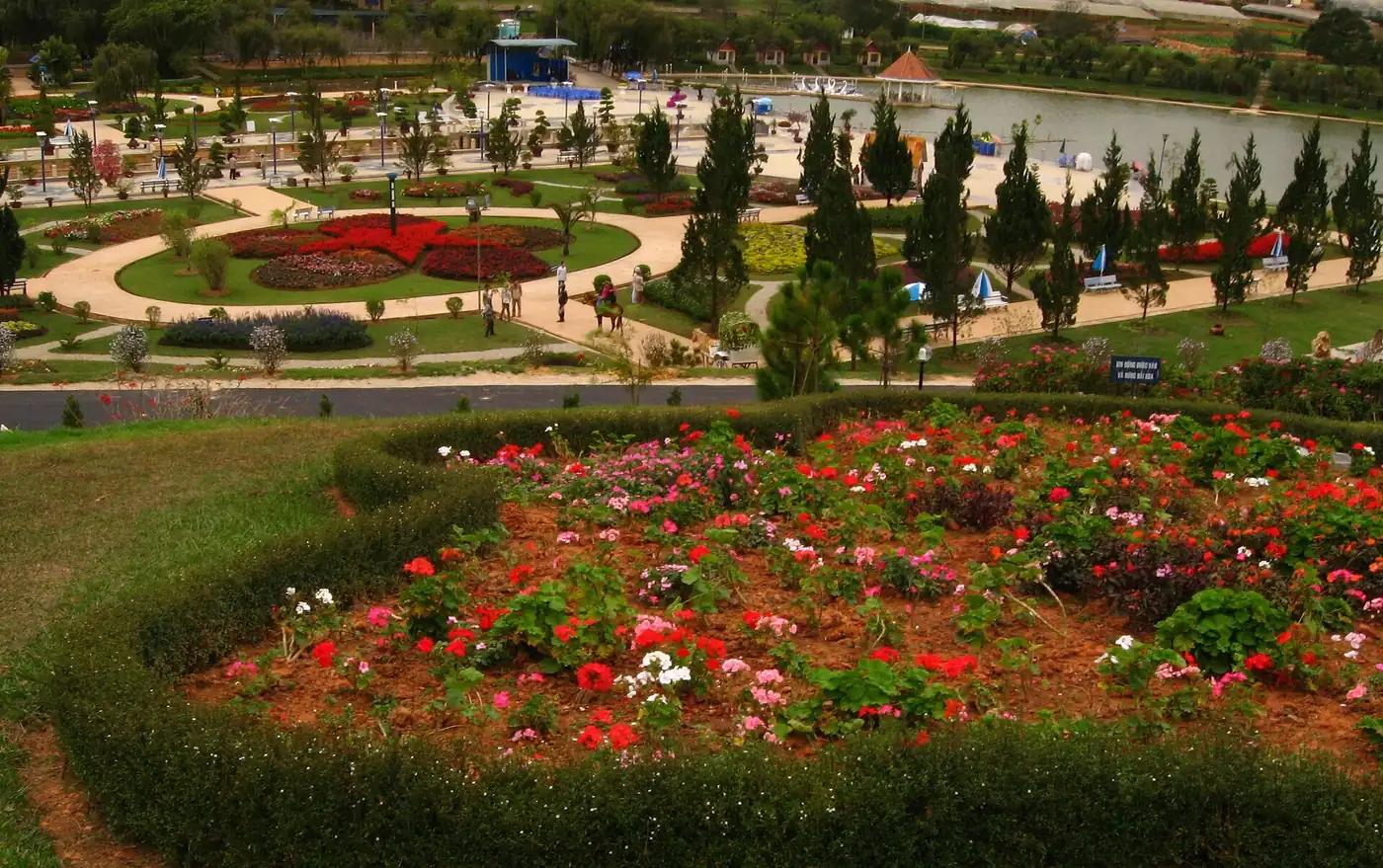
The French legacy is visible in the villas, the old railway station and the general layout, and it has been layered over with a distinctly Vietnamese romantic-holiday aesthetic: flower gardens, swan pedalos on the lake, heart-shaped everything, and photo spots built purely for photographs.
That last part is what divides people. If you find it charming, it is delightful. If you came looking for authenticity, some of Da Lat will read as a theme park. Both reactions are fair, and the trick is knowing that both versions of the town exist and choosing which one you spend your time in.
The outdoor half, which is the better half
Beyond the lake and the flower gardens, Da Lat sits in genuinely dramatic highland country, and this is where I would put your time.
Canyoning is the signature activity: abseiling down waterfalls, sliding down rock faces, jumping into pools. It is well established here and it is the thing people remember. It is also an adventure activity with real risk, so choose an operator on their safety record and equipment rather than on price, and check that your travel insurance covers canyoning, because many policies exclude it as standard.
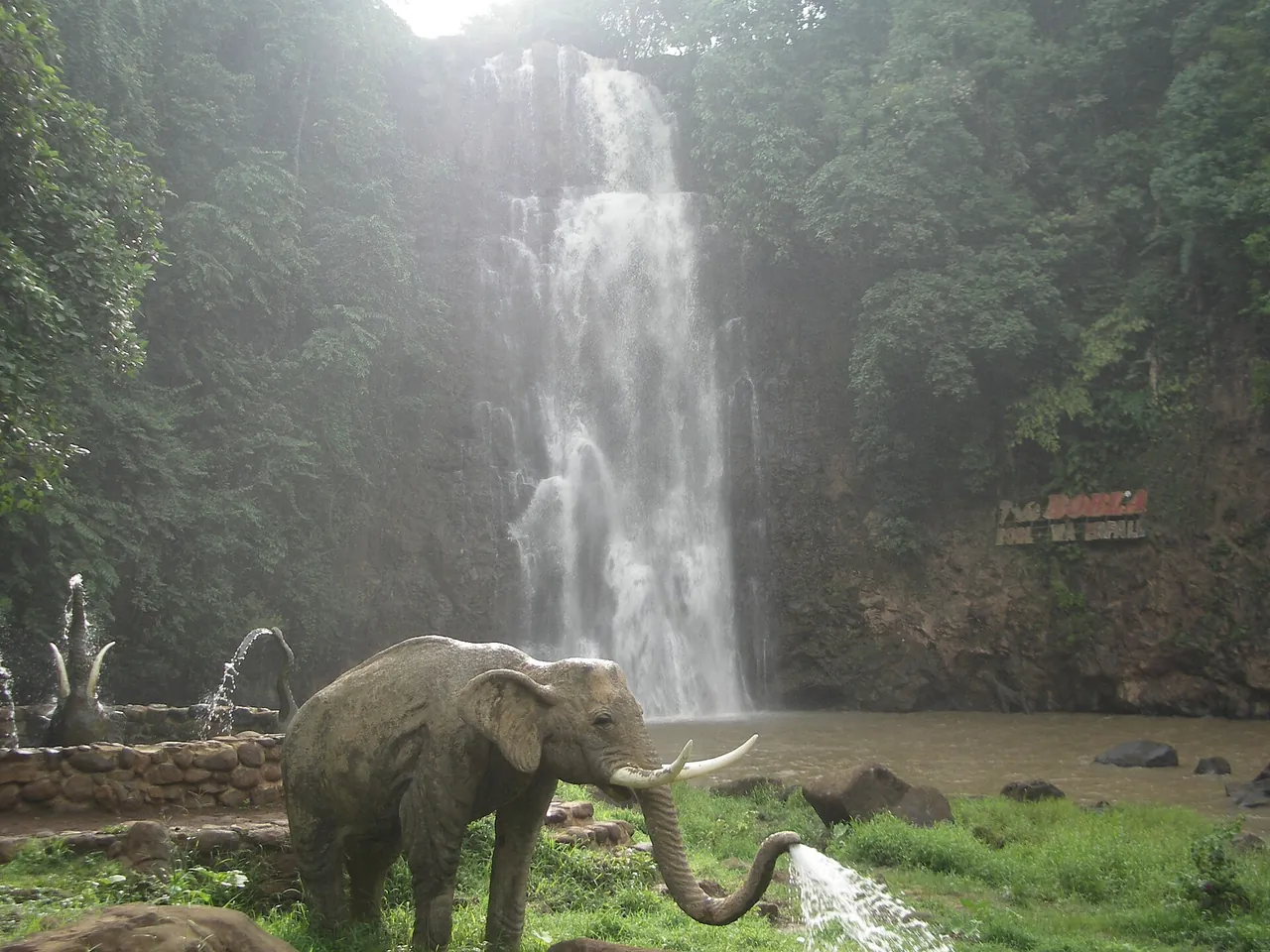
Waterfalls are scattered around the town, from ones you drive to and walk down steps at, to ones that need a proper hike.
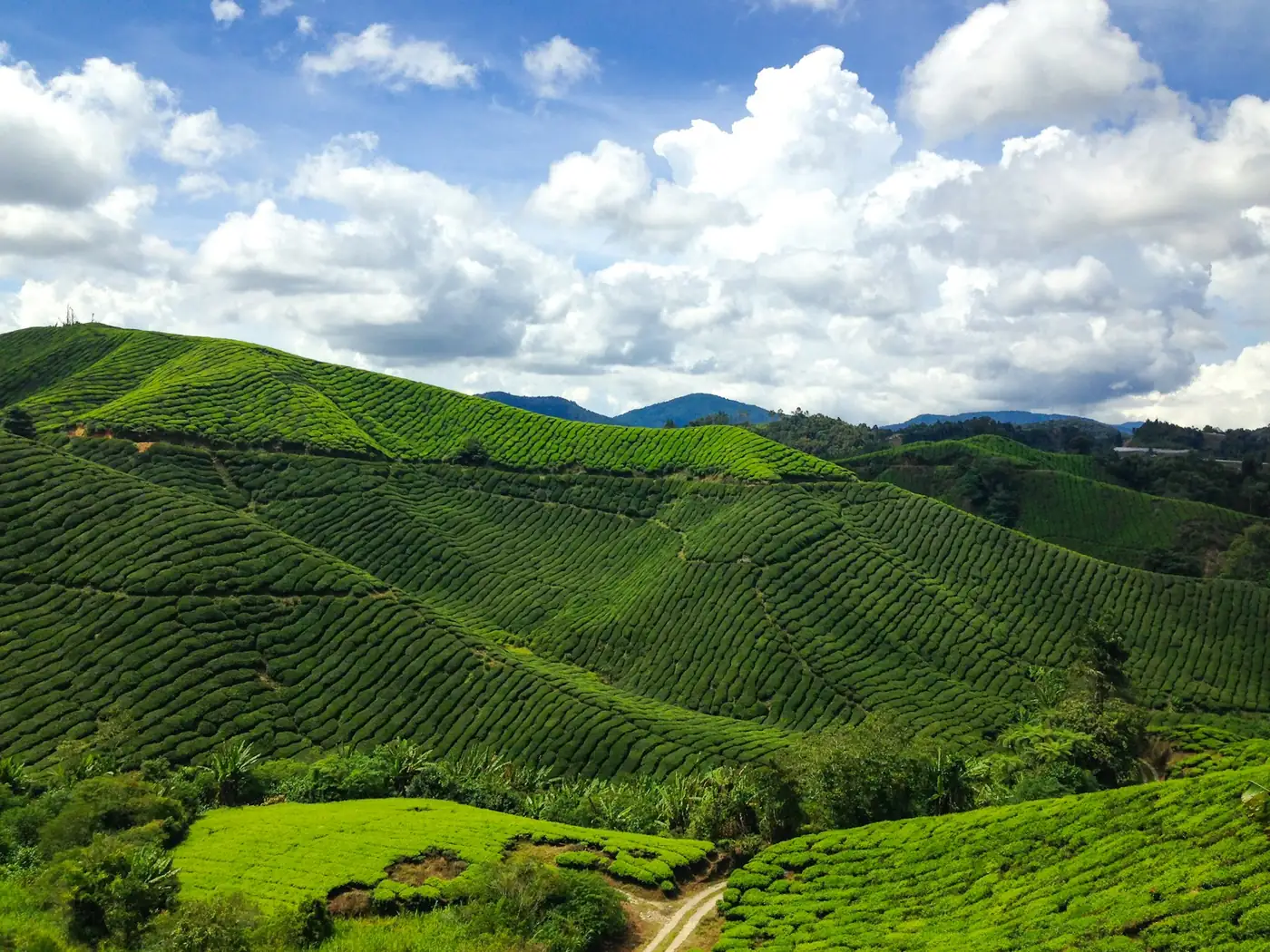
The countryside is farm country: greenhouses, coffee plantations, flower farms and pine forest. Renting a scooter or hiring a driver and getting out of town is where Da Lat stops being kitsch and starts being beautiful.
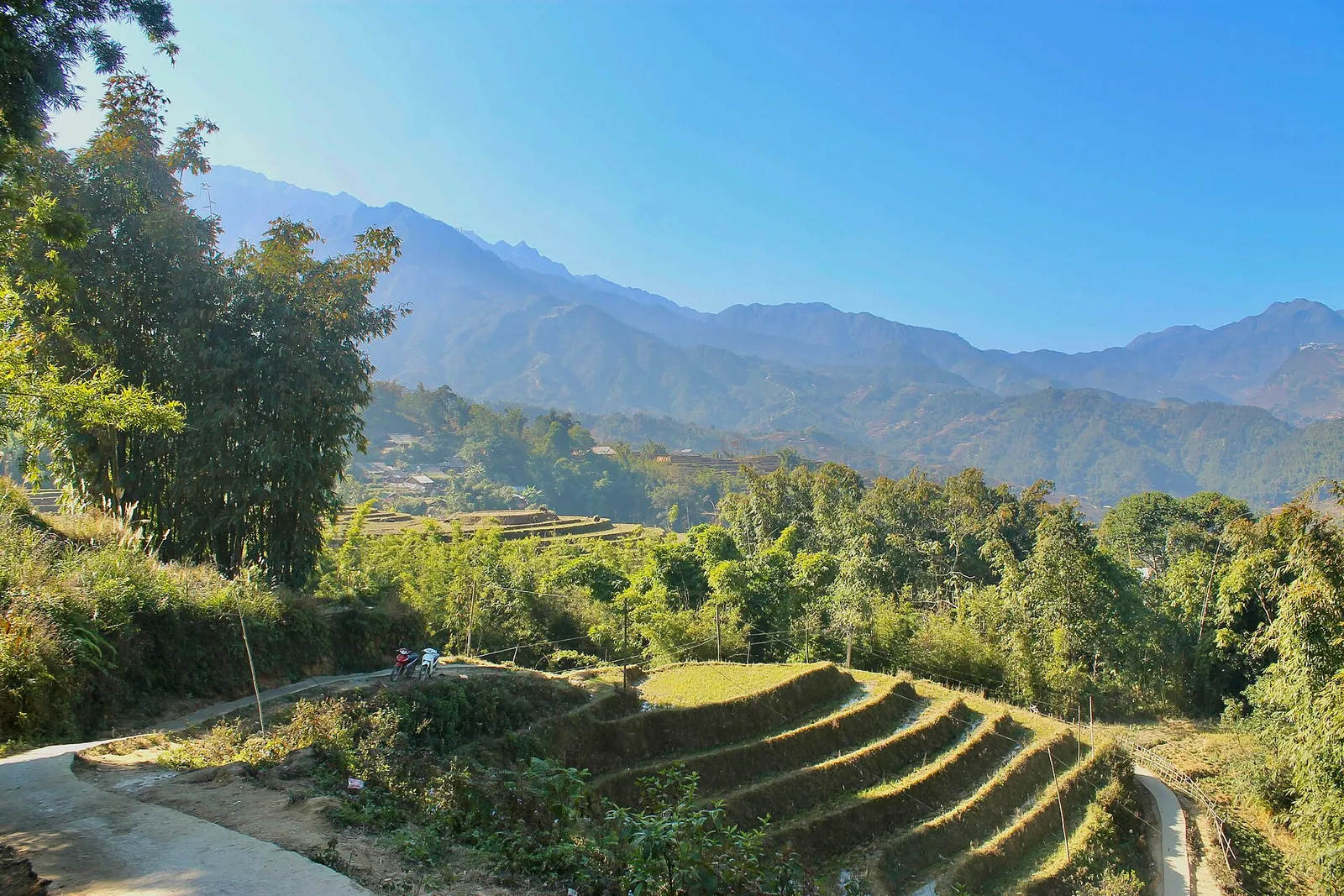
Trekking and hiking in the surrounding hills is available and much less trafficked than the northern mountain routes. If you have done the northern trekking around Sapa, this is the southern counterpart: less dramatic, less touristed, warmer.
Coffee, which deserves its own section
The southern highlands are Vietnam’s coffee country, and Da Lat is where you can actually see it: plantations you can visit, roasteries in town, and a cafe culture that takes it seriously.
Vietnamese coffee is strong, usually robusta, traditionally served either black or with condensed milk, hot or over ice. Da Lat adds its own speciality farms growing arabica at altitude, which produces something quite different from the standard lowland cup.
Sit in a cafe with a view over the valley, order it hot for once because the weather allows it, and watch the mist come in. This is one of the genuine pleasures of the place.
The town itself
The lake at the centre is the focal point, walkable around, with the pedalos and the promenade.
The night market is a genuine highlight, particularly for the street food, which leans towards hot things because the weather permits: grilled corn, hot soy milk, and the local speciality of banh trang nuong, a grilled rice paper thing often described as Vietnamese pizza.
The eccentric architecture includes a famously surreal guesthouse that is one of the strangest buildings in Southeast Asia, plus an old railway station and a cable car.
The flower gardens and photo parks are what they are. Some people love them.
Canyoning and the waterfallsCompare operators on safety and equipment, not on price.Getting there and around
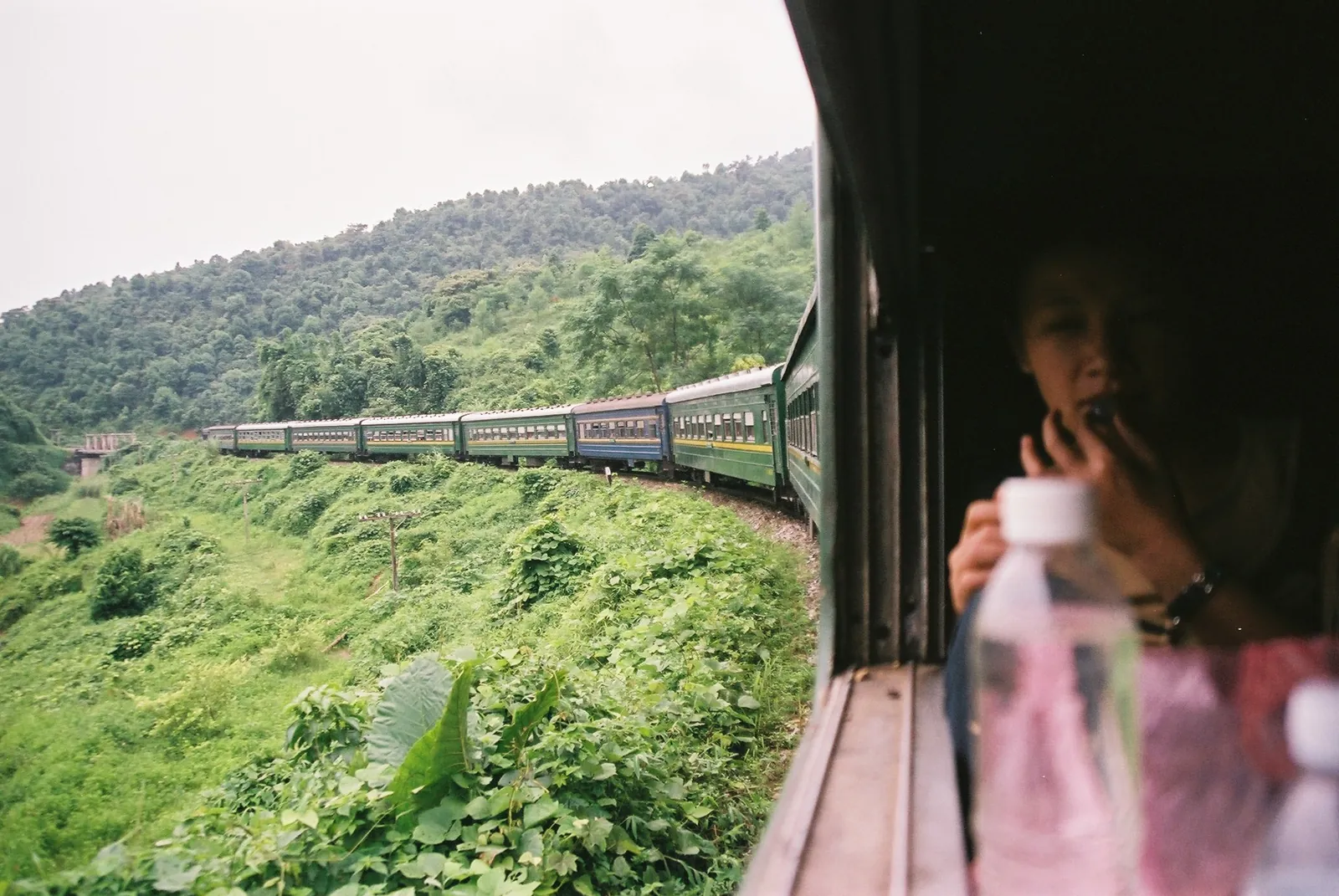
Da Lat has an airport with domestic connections, which is the fast way in. The overland route is the interesting one: the road up from the coast climbs through mountains and is genuinely scenic, and the road from Ho Chi Minh City is a common sleeper bus run.
Be aware that the mountain roads are winding, and if you are prone to travel sickness the bus up is a test. Our getting around guide covers the trade-offs between the sleeper buses, the vans and flying, which apply particularly here.
In town, everything central is walkable. To reach the waterfalls, farms and viewpoints you need a scooter, a driver or an organised tour. The usual insurance caution applies to riding, and the mountain roads here are more demanding than lowland ones.
Canyoning and the waterfallsCompare operators on safety and equipment, not on price.How long, and who it suits
Two nights is enough for the town, the night market, a waterfall and one big activity. Three lets you do canyoning and still have a day in the countryside.
It suits you if you want a break from the heat, if you like the outdoors, if you are interested in coffee, or if you enjoy places that are a bit odd.
It suits you less if you have limited days and are prioritising the country’s headline sights, because Da Lat is a detour from the main north-south route and its appeal is atmospheric rather than monumental.
The honest verdict
Da Lat is the most unusual town in Vietnam and the one that photographs least well, because its appeal is the temperature, the smell of pine, the coffee and the light through mist. None of that fits in a picture.
Go for the outdoors and the coffee, tolerate or enjoy the swan pedalos according to taste, bring a jacket, and give it two or three nights rather than one.
Did Da Lat charm you or did you find it too twee? Tell me in the comments, because this one genuinely splits people and I am curious which way you fell.