Two weeks is the sweet spot for Vietnam. It is long enough to cover the country’s three regions without living on night buses, and short enough that you have to make real choices rather than drifting. It is also the length most people book, and the length most itineraries get wrong in the same way: too many stops, too little time in each.
The shape below is the classic route, and it works. After it I have set out what to cut if you are tighter on time, and two alternative versions for travellers who want something other than the standard run.
The rules this route follows
Three principles, and they are what make it work rather than the specific stops.
Fly the long legs. Vietnam is over 1,600 kilometres end to end. Overland travel on the big north-south hops eats days you will not remember. Fly them, and take ground transport for the short regional moves.
No more than five bases in fourteen days. Every move costs you a half day at minimum once you count packing, transfer and checking in. Five is comfortable. Seven is a blur.
Direction follows the calendar, not the map. The three regions have different climates that do not line up. If the north is in a good stretch, start there and work south. If it is cold and grey up there, flip the whole thing and start in the south. Our guide to the best time to visit explains why this matters more in Vietnam than almost anywhere.

The classic two weeks
Days 1 to 3, the capital
Land in the north and give the capital two full days plus your arrival afternoon. The Old Quarter on foot, the lake, the museums you care about, and at least one long evening eating your way down a street. Do not schedule anything demanding on arrival day; the flight in is long from almost everywhere.
Days 4 to 5, the northern landscape
This is your first real decision. Two credible options:
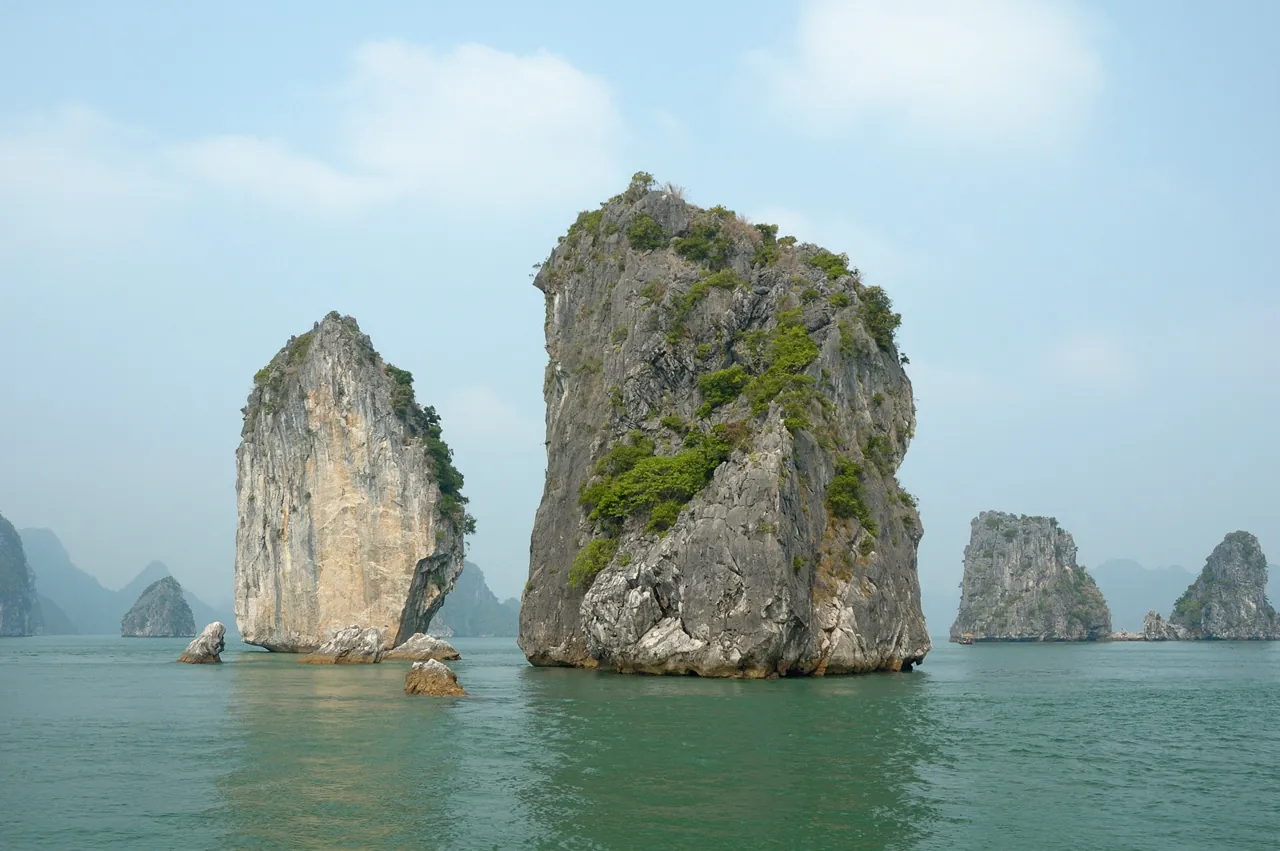
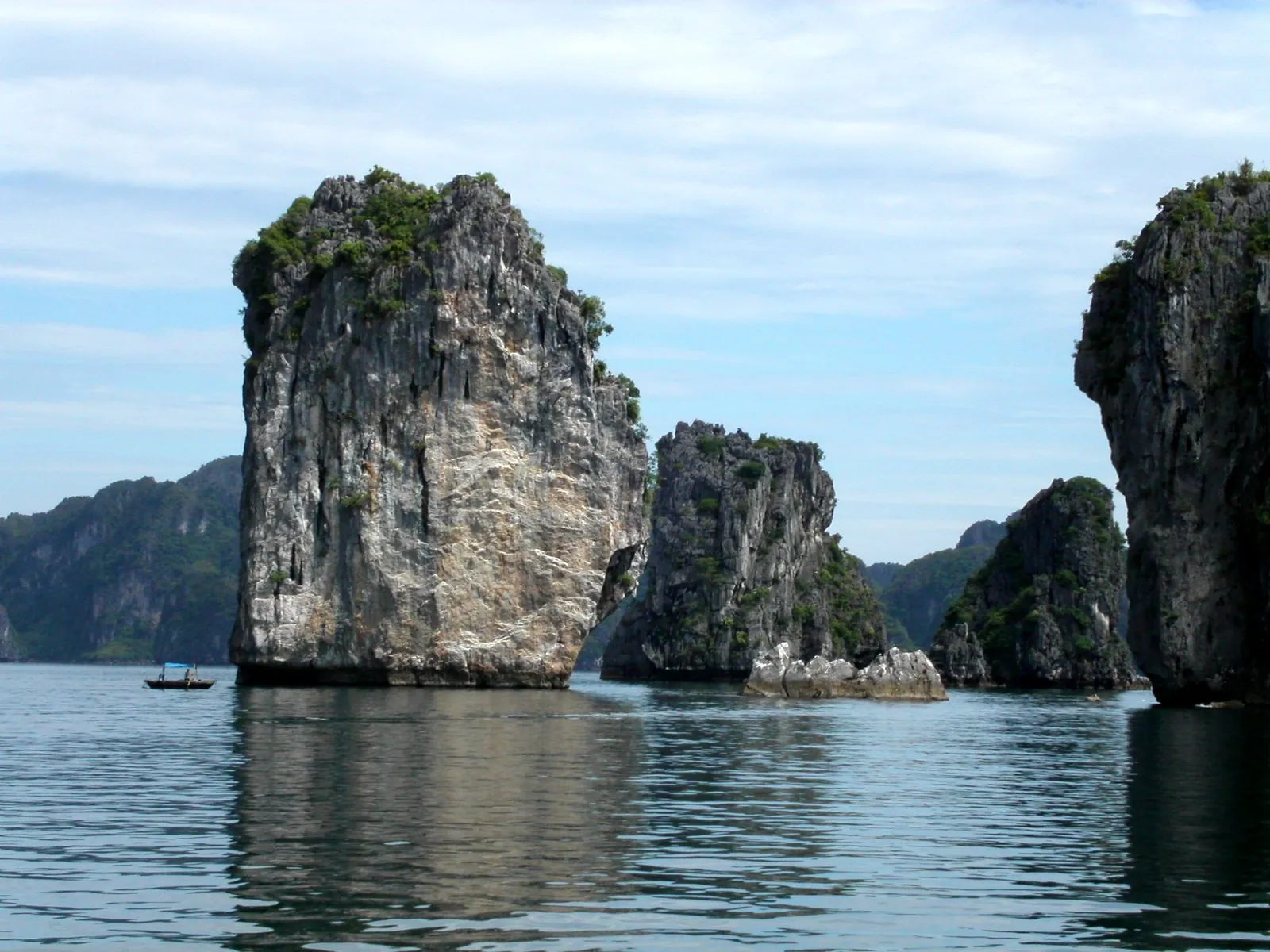
- The bay, on an overnight cruise among the limestone islands. Iconic, easy, and weather-dependent.
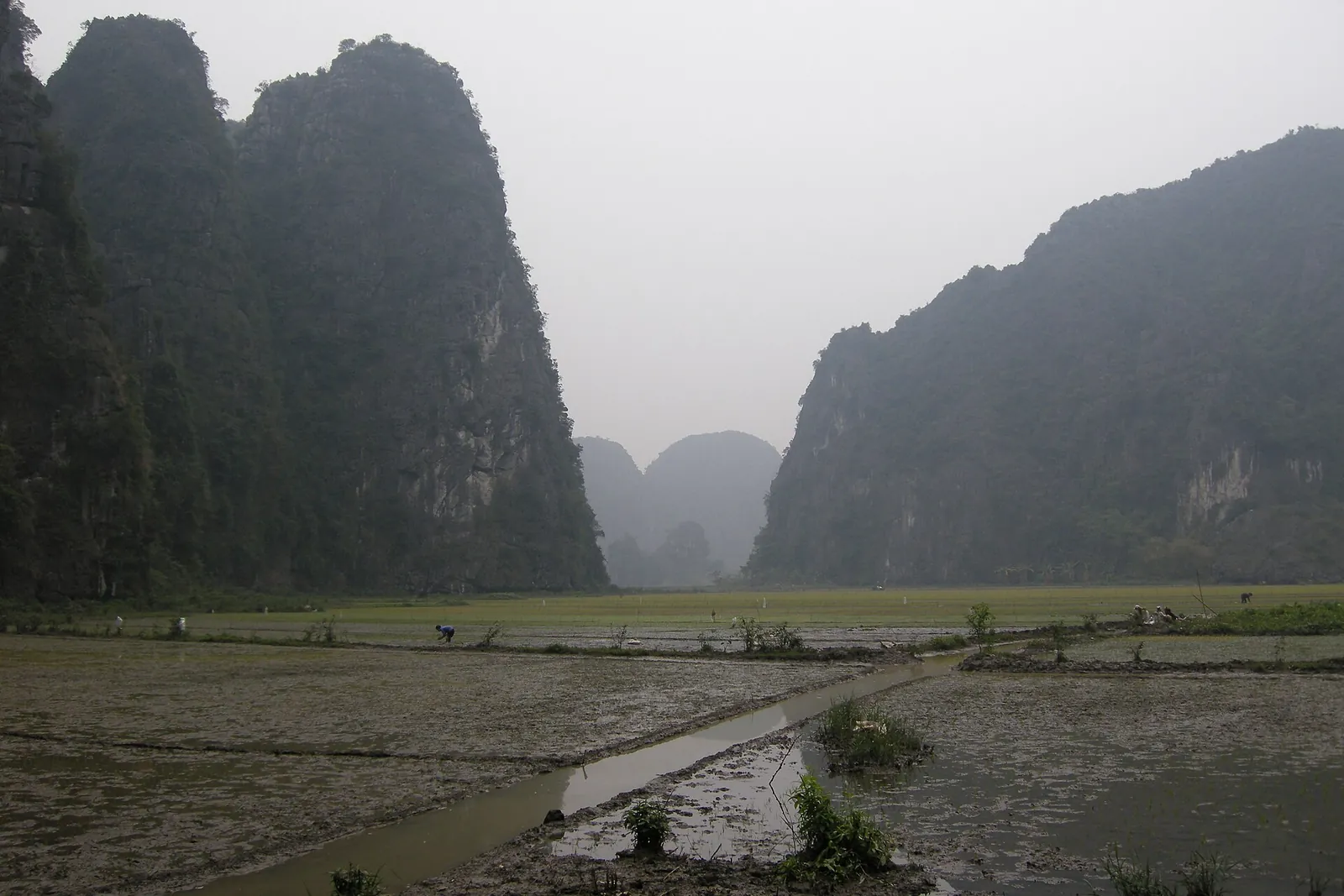
- The inland karsts, a quieter version of the same landscape reached by rowing boat through caves, with bicycles and rice fields.
If you want the postcard, take the bay. If you want fewer people and more of a working landscape, take the inland version. Doing both is possible and mildly repetitive.
Days 6 to 8, the imperial centre
Fly or take the sleeper train down to the central coast. Give the imperial capital a full day for the Citadel and a second for the royal tombs along the river, then travel over the coastal mountain pass to the beaches. The stretch between them is one of the great scenic legs in Southeast Asia, and I would take it by road or rail rather than flying it. Our Hue guide covers what survives inside the Citadel and which tombs are worth choosing.
Days 9 to 11, the old town and the coast
The lantern-lit old town is the softest, slowest stop on this route and the one people extend. Tailors, a beach twenty minutes away, cooking classes, and the best single concentration of regional dishes in the country. Three nights is right. Our Hoi An guide sets out how to split the time between the old town and the beach.
This is also the natural place to do nothing for a day, which after a week of moving you will want more than you expect.
Days 12 to 14, the south
Fly to the southern metropolis. Two days for the city itself: the war museums, which are heavy and essential, the markets, the food, and the sheer velocity of the place. Then either a day out to the tunnels, or better, an overnight into the delta to reach a dawn floating market.
Fly home from the south. Flying into one end and out of the other is the single most useful booking decision on this itinerary, and it usually costs little more than a return.
What to cut if you have less time
If you have ten days, drop one of the two northern landscape stops and shorten the south to two nights. You lose the delta.
If you have a week, do not attempt the whole country. Pick the north, or the centre plus the south, and do it properly. A week spread across 1,600 kilometres is a week of airports.
The thing I would not cut, in any version, is the slow stop. Every itinerary needs one place where you stay three nights and stop moving. Cutting it is what turns a holiday into a logistics exercise.
Version two: the slow north
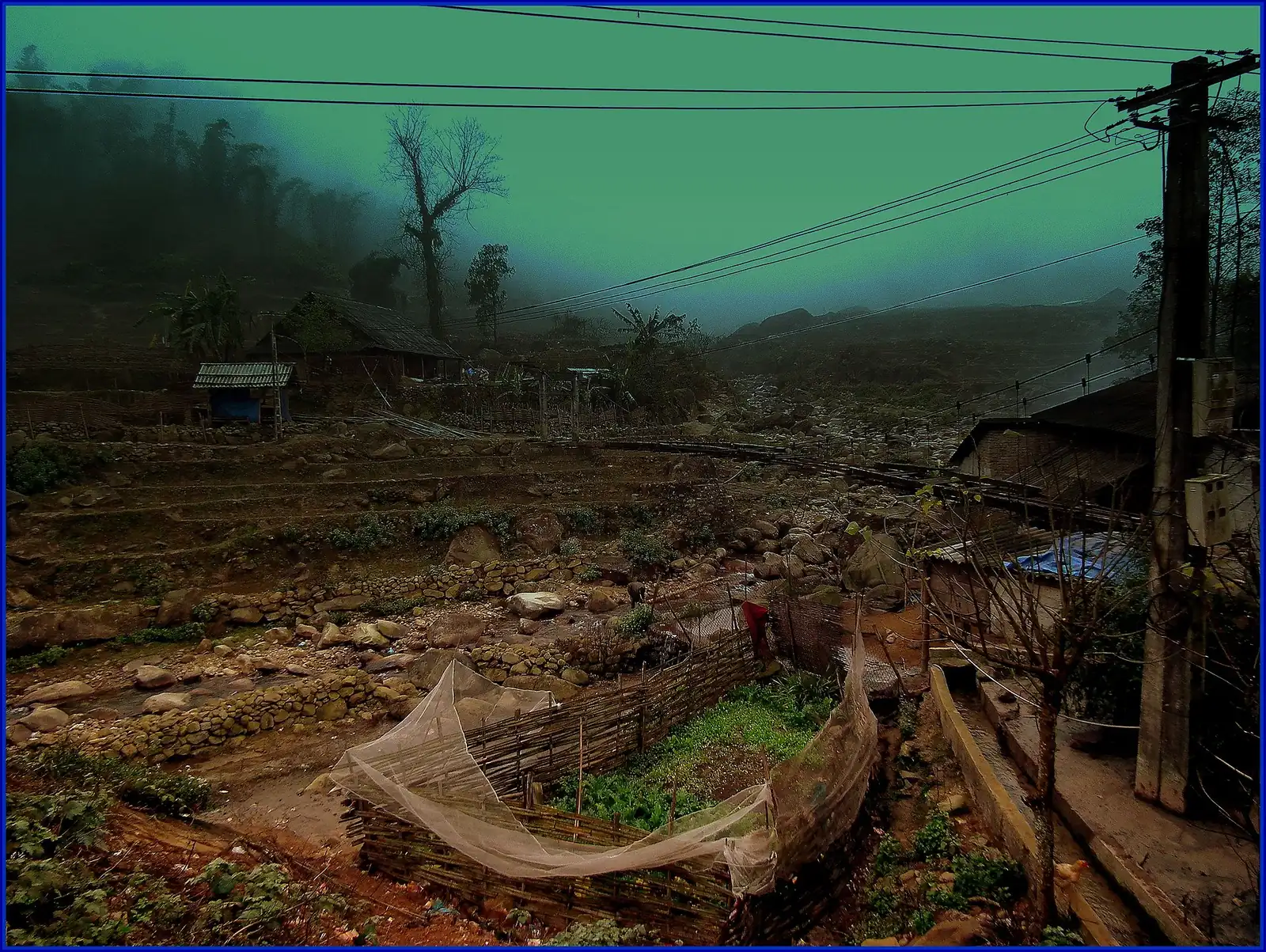
For travellers who would rather go deep than wide. Two weeks entirely in the north: the capital, the far northern mountains on a multi-day loop, the trekking valleys, the inland karsts and the bay, with time to sit still in each.
This is a better trip than the classic route for anyone who dislikes packing, likes mountains, and does not need to tick the whole country. It is also considerably cheaper, because you cut the internal flights entirely.
Fly in one end, out the otherCompare open-jaw options, they save a day and rarely cost more.Version three: beaches and cities
For travellers who want warmth and comfort rather than a heritage tour. The southern metropolis, an island or coastal resort stretch, and the central beaches, with the historical stops trimmed to one.
This suits a first trip with children, or anyone whose idea of a holiday involves a pool. It is the version I would recommend to people who found the classic route intimidating on paper.
Fly in one end, out the otherCompare open-jaw options, they save a day and rarely cost more.Practical planning notes
Book domestic flights early, particularly around major holidays when the whole country travels.
Pack for three climates. The north can be genuinely cold in winter while the south is in the thirties. One warm layer is not optional if your route includes the northern mountains.
Leave a buffer before your flight home. Weather cancels boats and occasionally disrupts flights on the central coast. Do not schedule your last cruise or ferry for the morning of your departure.
Sort entry requirements before you book flights, not after. What your passport needs varies by nationality and it determines how long you can stay.
Two weeks means twelve usable days. Arrival and departure days are not travel days. Plan for twelve and you will not be disappointed.
The flights that make the route work
The single decision that separates a comfortable two weeks from an exhausting one is being willing to fly.
Vietnam is a long, thin country, and the distances between its highlights are genuinely large. Domestic flights are frequent, competitive and inexpensive, and one of them routinely replaces an overnight bus or a full day on a train. That is not a luxury, it is what buys you the extra day in the place you actually came to see.
Two practical points. Book an open-jaw international ticket where you can, flying into one end of the country and out of the other, because backtracking the length of Vietnam to reach your outbound flight wastes a day for nothing. And treat hand luggage limits seriously on the budget carriers, since they are enforced more strictly here than many travellers expect and the fees at the gate are steep.
The trains remain worth doing once, for the coastal stretch that is genuinely scenic, and the overnight buses remain the cheapest way to move. But if the itinerary is fourteen days and you want to see the north, the centre and the south, the flights are what make it possible.
Booking the legs, and in what order
A two-week Vietnam route is really a set of transfers with holidays in between, and the order you book them in decides how much slack you have.
Book the internal flights first, because they are the fixed points that everything else hangs on and they get more expensive close in. They are also what makes a long country fit into a fortnight.
Book the first and last nights, so arrival and departure are handled while jet lagged and rushed respectively.
Book the one or two experiences with genuine capacity limits, which usually means a cruise and any multi-day trek or tour with a specific operator.
Leave everything else. Local transport, day trips, restaurants, cooking classes, tailors and most accommodation in the middle of the trip can be arranged on the ground, frequently for less than the online price and always with better information than you have now.
Two ordering details save real trouble. Put the weather-dependent legs early rather than at the end, so a cancelled sailing or a washed-out trek has somewhere to move to. And never schedule a domestic flight or an overnight bus for the morning of your international departure, since a delay there converts into a missed long-haul ticket.
The version I would book
Open-jaw into the north and out of the south. Three nights in the capital, an overnight in the bay, three in the imperial centre and over the pass, three in the old town doing very little, three in the south with an overnight in the delta.
That is five bases, two internal flights, one great train leg, and one genuine rest stop. It is not the most you could see in fourteen days. It is the most you will actually enjoy.
If you have fewer days than this, do not simply compress the same route: our ten-day itinerary explains why that fails and what to cut instead.
And if you would rather skip the reasoning and just be handed the schedule, two weeks in Vietnam sets out a north-to-south fortnight day by day, with a signature experience for each stop and a note on the one big thing a fortnight cannot fit.
What would you change about this route, and which stop would you give the extra night to? Tell me in the comments.