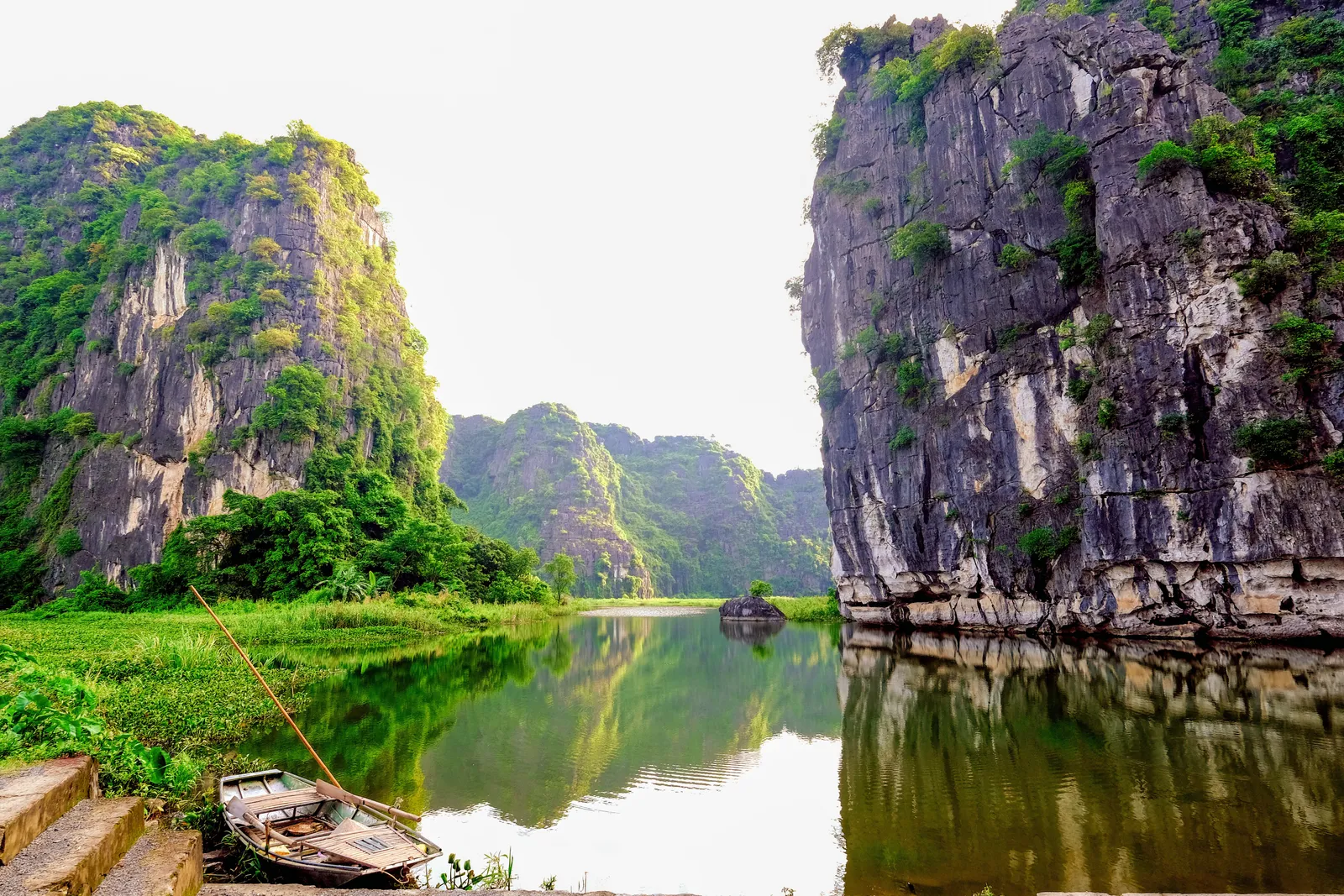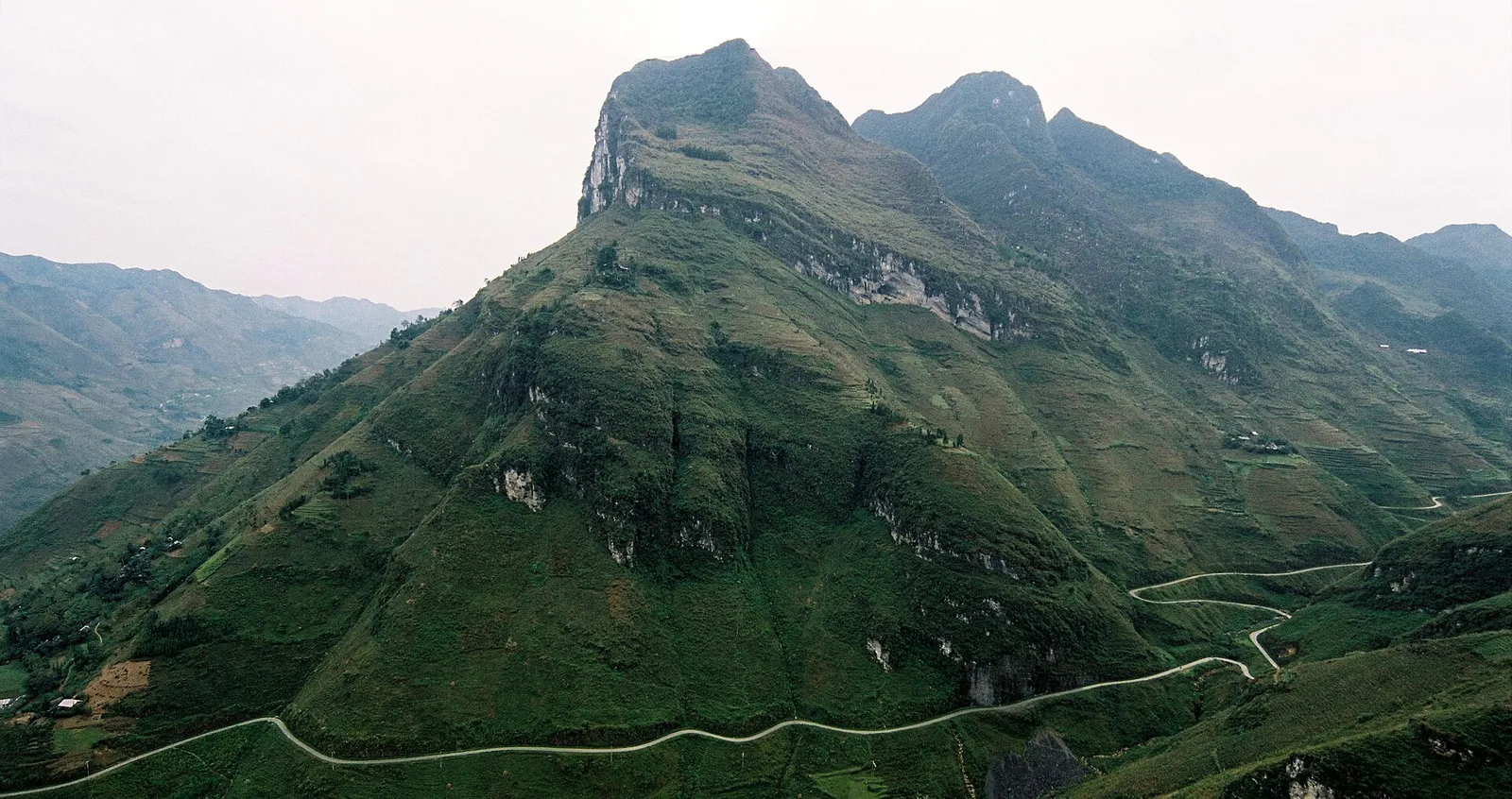
The Ha Giang Loop has become the thing everyone does in northern Vietnam, and the enthusiasm is deserved. It is a three or four day motorbike circuit through the far north, up against the Chinese border, through limestone mountains that go on past the horizon, hairpin passes cut into cliff faces, and villages where the local dress is still everyday clothing rather than a performance.
It is also the trip where I have to be the person who says the unwelcome thing, because the gap between how it is marketed and what it actually asks of you is wider here than anywhere else in Vietnam. So: what it is, how to do it, and the two questions you need to answer honestly before you book anything.
What the loop actually is
The circuit starts and ends in Ha Giang city, which is itself a long overnight bus ride from Hanoi. From there it runs a loop north and east through the mountains, taking in a series of high passes, a river gorge that is the set-piece of the whole route, and a string of small towns where you overnight in homestays.
The riding is the point. This is not a road with scenery beside it; the road is carved into the landscape and much of the time you are on a ledge with a wall on one side and a very long way down on the other.
Three days is the common minimum and it is tight. Four is the comfortable version and lets you stop when you want to rather than chasing daylight. Anything shorter is a series of transit days.
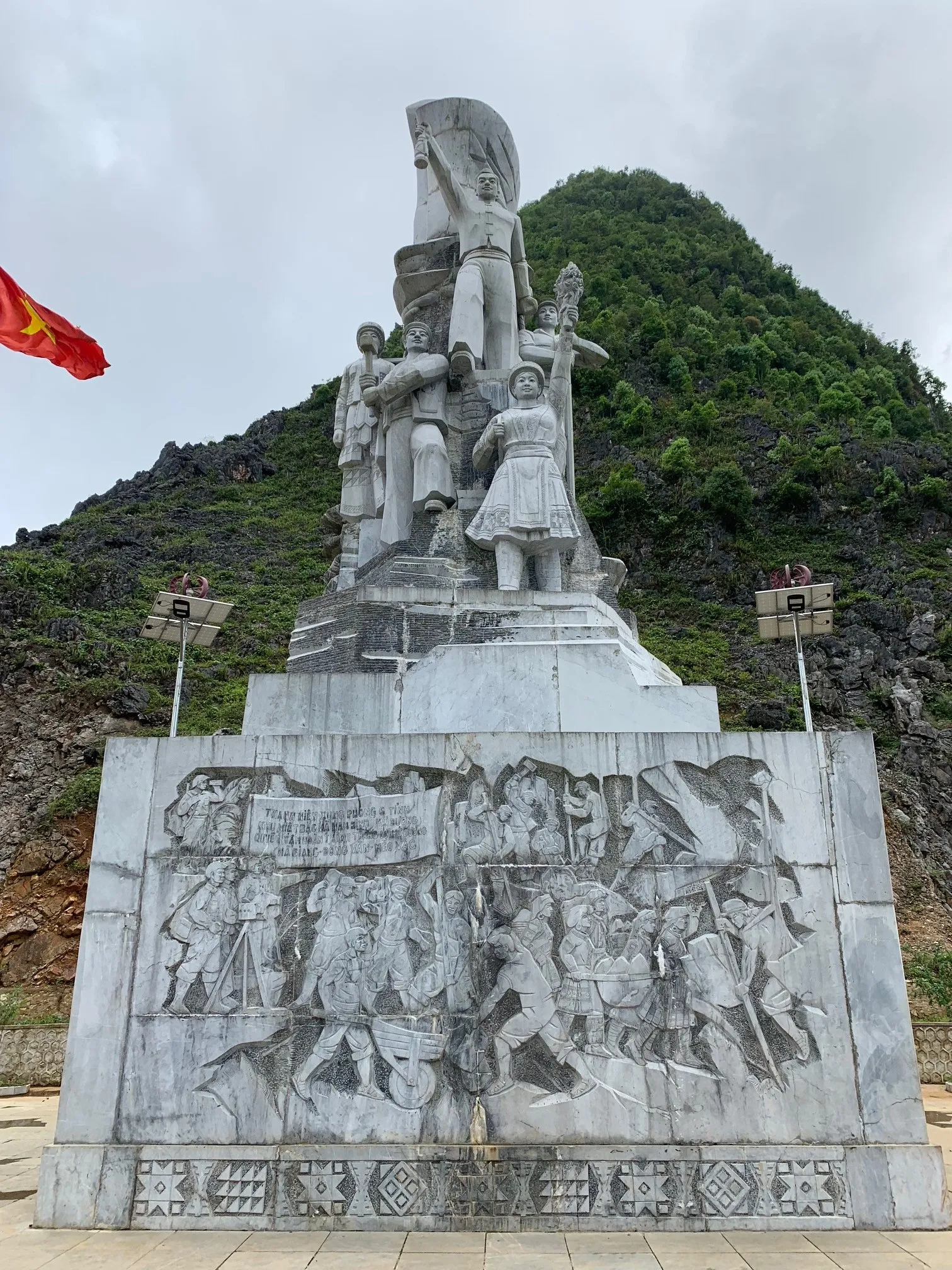
The decision: ride it yourself or take an easy rider
This is the whole thing, and I want to be direct about it.
An easy rider means you sit on the back and a local driver rides. They know the road, they ride it constantly, and you spend the entire time looking at the view instead of at the surface three metres ahead of your front wheel. It costs more. It is, for most visitors, unambiguously the better and safer choice.
Riding yourself is the version people picture. It is genuinely wonderful if you are an experienced rider. If you learned to ride two days ago on a flat beach road, this is not the place to build confidence. The passes are steep, frequently wet, sometimes gravel-strewn from landslips, and shared with trucks that use the whole road on blind corners. Accidents on this loop are not rare, and the medical infrastructure in the far north is thin.
| Easy rider | Riding yourself | |
|---|---|---|
| Cost | Higher | Lower |
| Risk | Much lower | Real, and rider-dependent |
| The views | You actually see them | You are watching the road |
| Needs experience | No | Yes, genuinely |
Licences and insurance, the part everyone skips
Here is the uncomfortable bit, and please read it before you book.
Many travel insurance policies exclude motorbike accidents entirely unless you hold a licence that is valid for that engine size in Vietnam. Renting a bike from a hostel that does not ask to see a licence does not make you covered; it makes the hostel relaxed. If you come off on a mountain road without valid cover, you are paying for evacuation and treatment yourself, and in the far north that can mean a long transfer.
What you should do is straightforward: read your own policy’s motorbike clause before you travel, confirm exactly what licence it requires, and confirm what engine size it covers. Then decide. If the answer is that you would not be covered, that is a strong argument for the easy rider, where you are a passenger rather than the rider.
Whether you legally need an international permit alongside your home licence depends on the country that issued it and the arrangements in force, so confirm your own situation rather than assuming a friend’s answer applies to you.
This is not me being squeamish. It is the single most consequential practical decision on this route.
The route, in outline
Without turning this into a set of directions, the shape is this. You climb out of Ha Giang through the first passes, spend a night partway round, continue through the highest and most dramatic section, reach the far northern point near the border, then turn and come back down through the gorge that most people rate as the highlight of the whole loop.
Homestays are booked as you go or arranged by your tour, and they are basic, communal and often the best part: dinner cooked by the family, rice wine you will be encouraged to share, and mattresses in a row under mosquito nets. Bring earplugs and low expectations about privacy and you will love it.
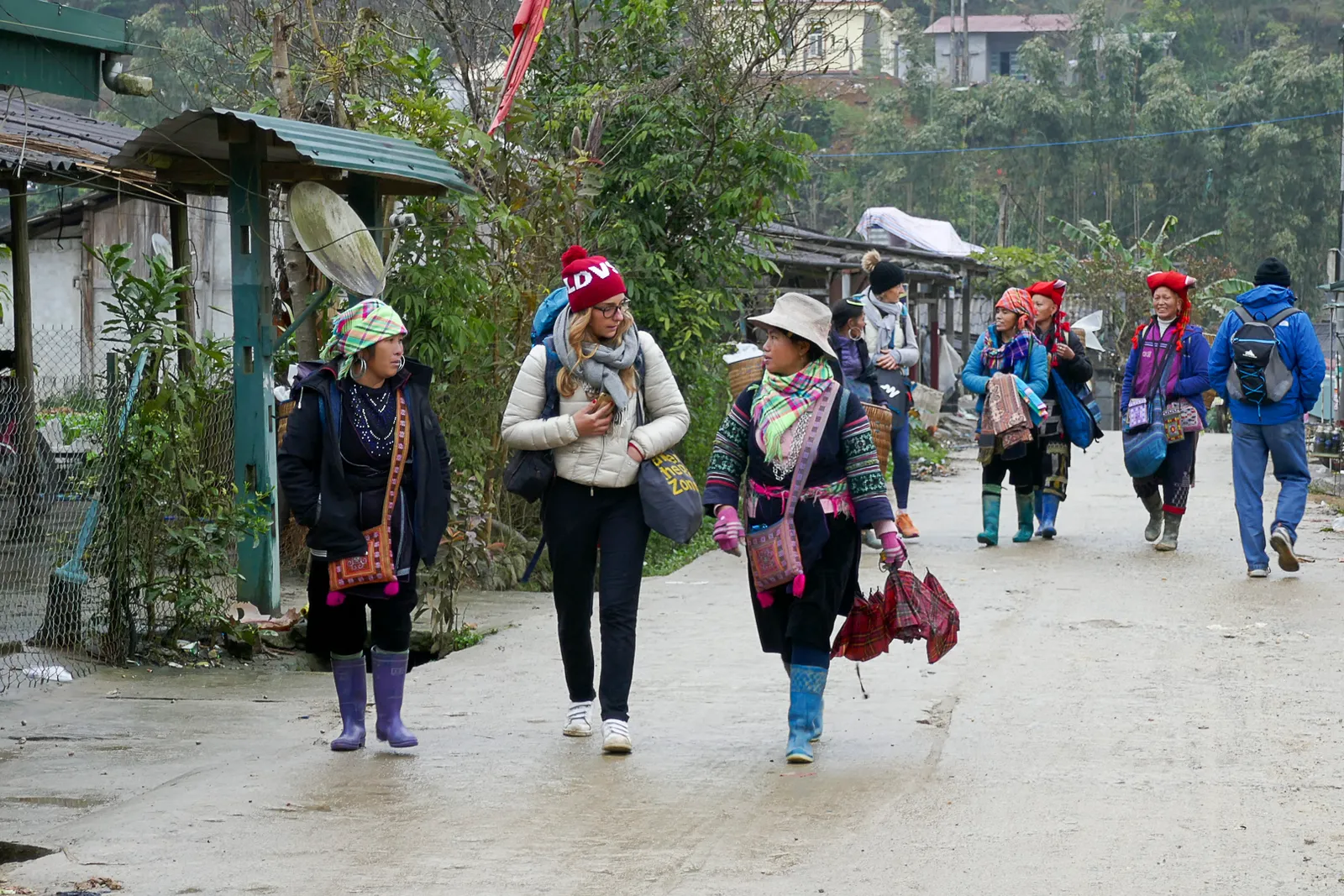
The villages belong to a number of different ethnic minority groups, each with distinct dress, language and customs. A note on manners: ask before photographing people, particularly children, and buy something if you are going to spend time in a village. The alternative is treating people’s ordinary lives as a backdrop.
Check the motorbike clause before you bookCompare policies and read what they actually cover on two wheels.When to go, and when not to
Mountain weather is the other thing that decides whether this trip is magical or grim.
The cold months in the far north are genuinely cold, with fog that can sit in the passes for days and erase every view you came for. It can be near freezing at altitude. Riding wet mountain roads in that is unpleasant and more dangerous.
The wet months bring the landslip risk, and sections of road do get damaged and repaired constantly. Rain on these passes is not a minor inconvenience.
The shoulder windows are what you want: dry enough for grip, clear enough to see, warm enough to be comfortable at altitude. The buckwheat flowers and the rice terraces each have their own short seasons that draw photographers. Our guide to the best time to visit Vietnam explains why the northern mountain calendar runs differently from Hanoi’s, which is exactly the trap here: checking a Hanoi forecast tells you very little about what the passes are doing.
Check the motorbike clause before you bookCompare policies and read what they actually cover on two wheels.Getting there, and what to pack
The standard approach is a sleeper bus from Hanoi overnight to Ha Giang, which saves a day and costs you a night of proper sleep. Limousine vans are more comfortable and more expensive. Either way, eat properly in the capital before you go, because the food up in the mountains is hearty and simple rather than varied, and the Hanoi street food run is a good last meal before three days of rice, greens and grilled pork.
Pack layers and a genuine waterproof, not a poncho. Gloves. Sunglasses. Cash, because ATMs are scarce once you leave Ha Giang city. A power bank. And leave your main luggage at your Hanoi hotel; most will store it free, and you want a small bag only.
How it compares to the rest of the north
People often ask whether to do Ha Giang or Sapa, and they are not substitutes. Sapa is walking country, more developed, easier to reach and easier to do without a vehicle. Ha Giang is riding country, rougher, further and considerably less trodden. If you want to walk between villages, go to Sapa. If you want the road itself to be the experience, come here.
The bottom line
The Ha Giang Loop deserves the reputation. It is the most spectacular thing I have done in Vietnam and the landscape genuinely does not photograph well enough to prepare you.
Do it over four days rather than three. Take an easy rider unless you are an experienced motorbike rider, and be honest with yourself about which of those you are. Read your insurance policy’s motorbike clause first. Go in a shoulder window rather than the cold fog or the heavy rain. And say yes to the rice wine at the homestay, once.
If this reads as more than you want to take on, there is a much gentler version of the same idea further south: the Hai Van Pass is a half day rather than four, and it sits between two cities you were travelling between anyway. And if you would rather watch the scenery than steer through it, the sleeper trains cover the same country from a window.
Are you planning to ride it yourself or go on the back? Tell me in the comments, and tell me how much riding you have actually done, because I will give you a straight answer.