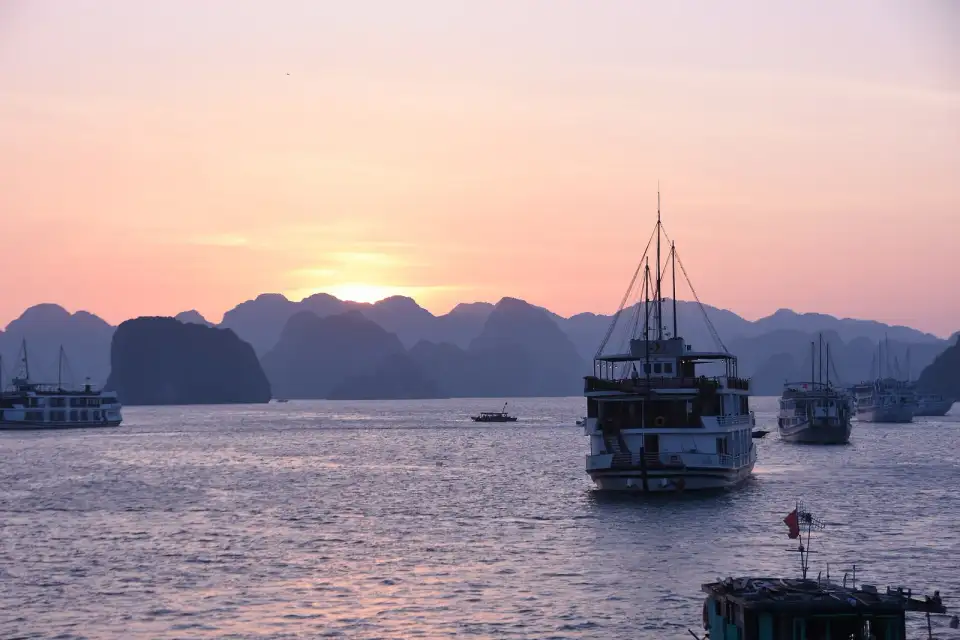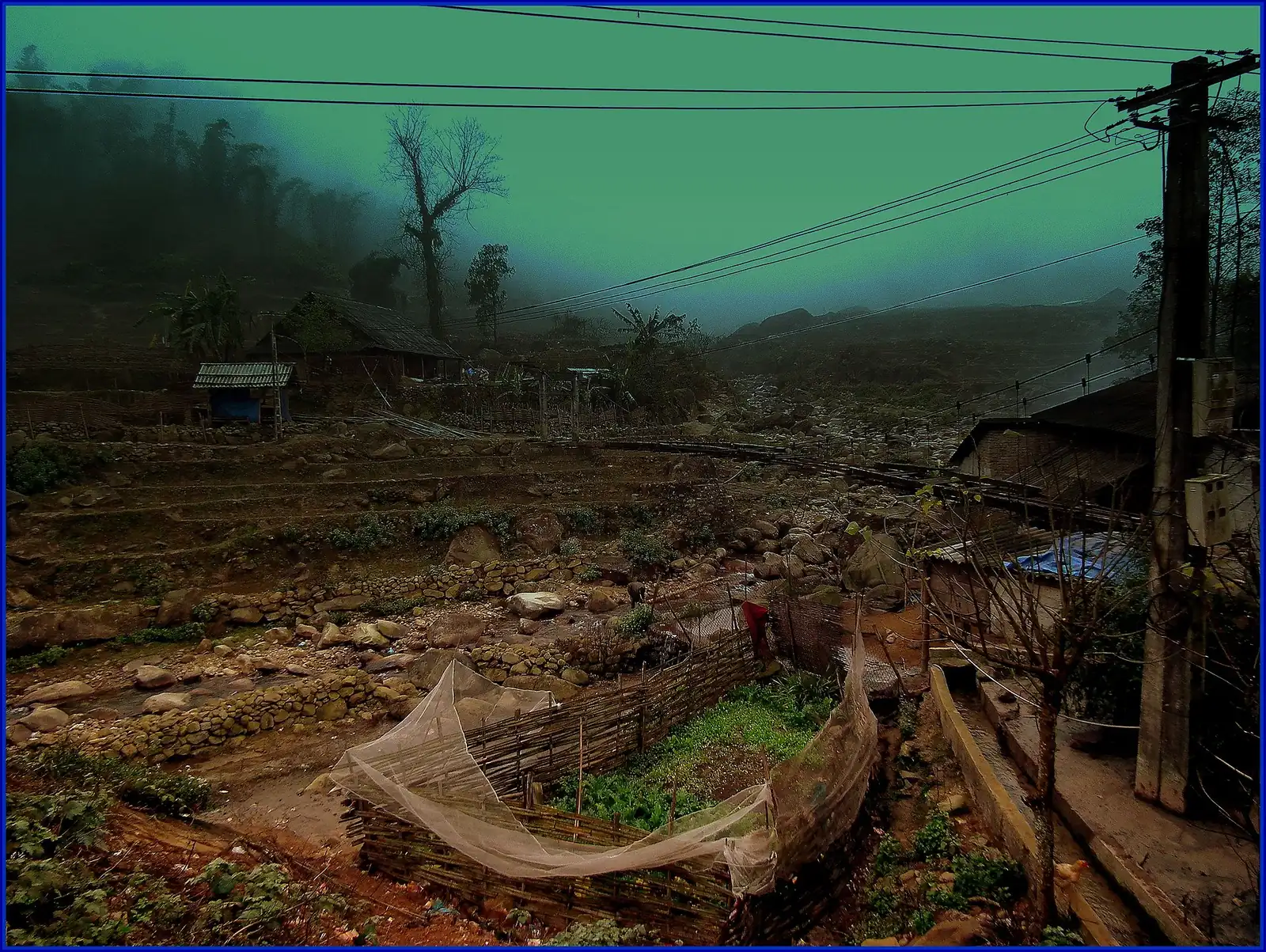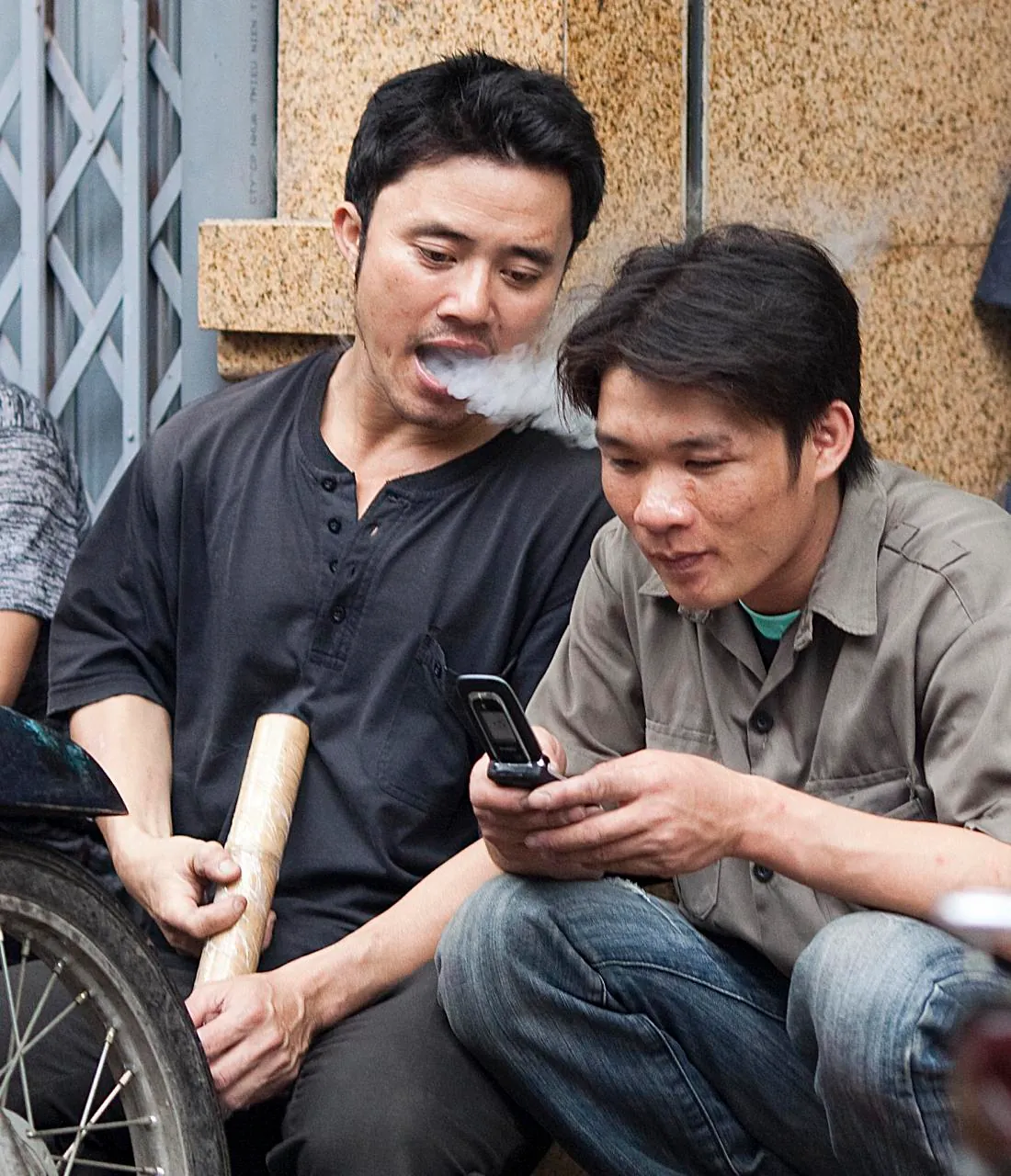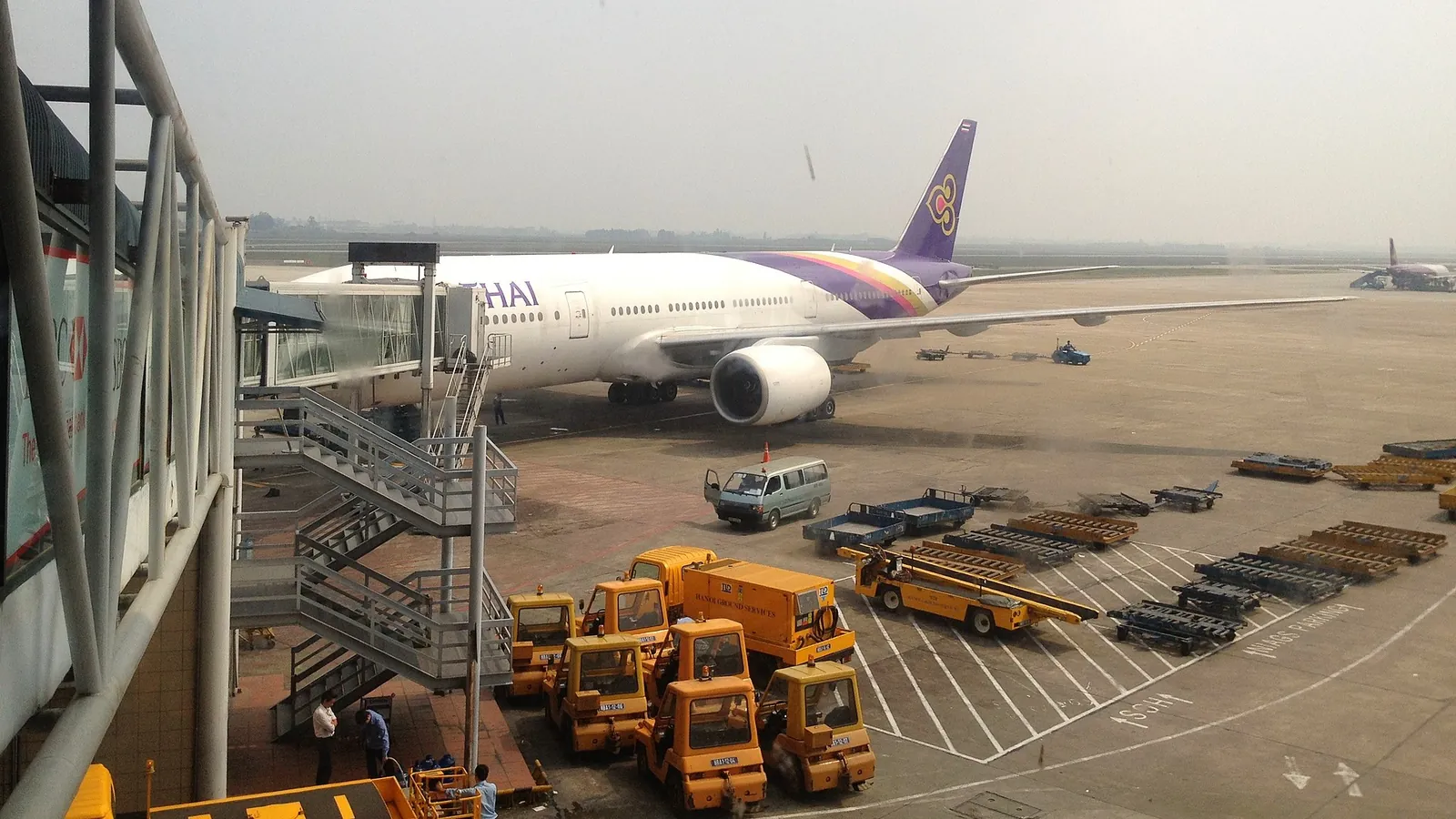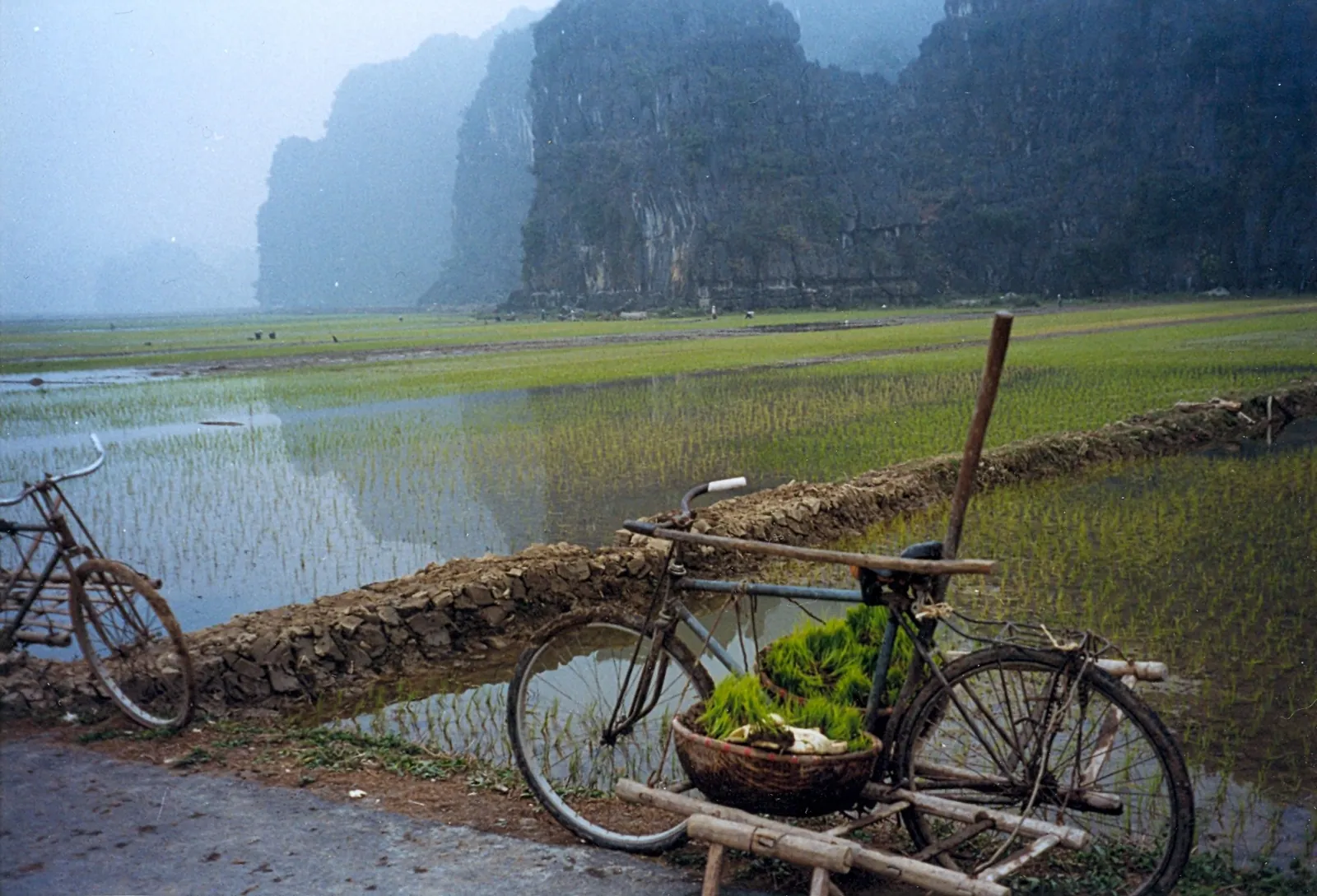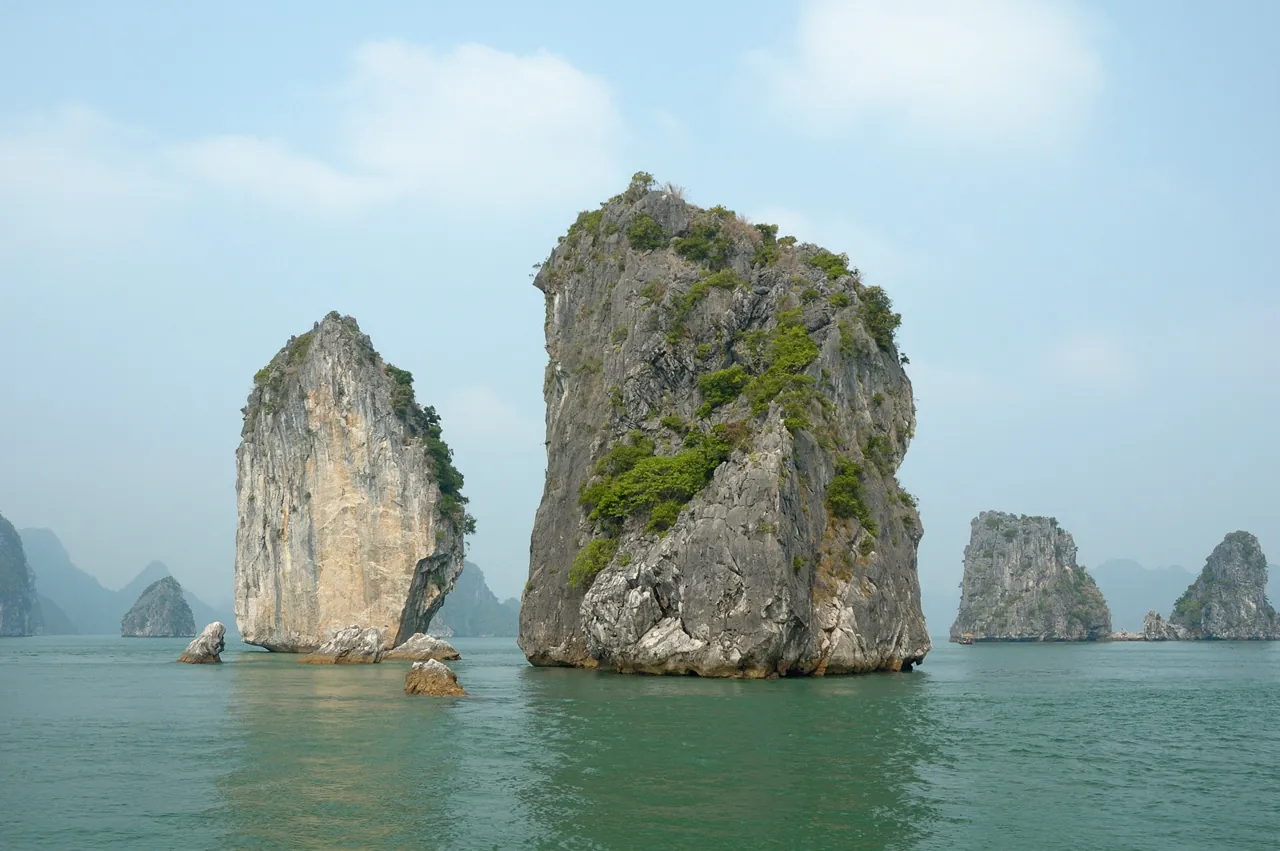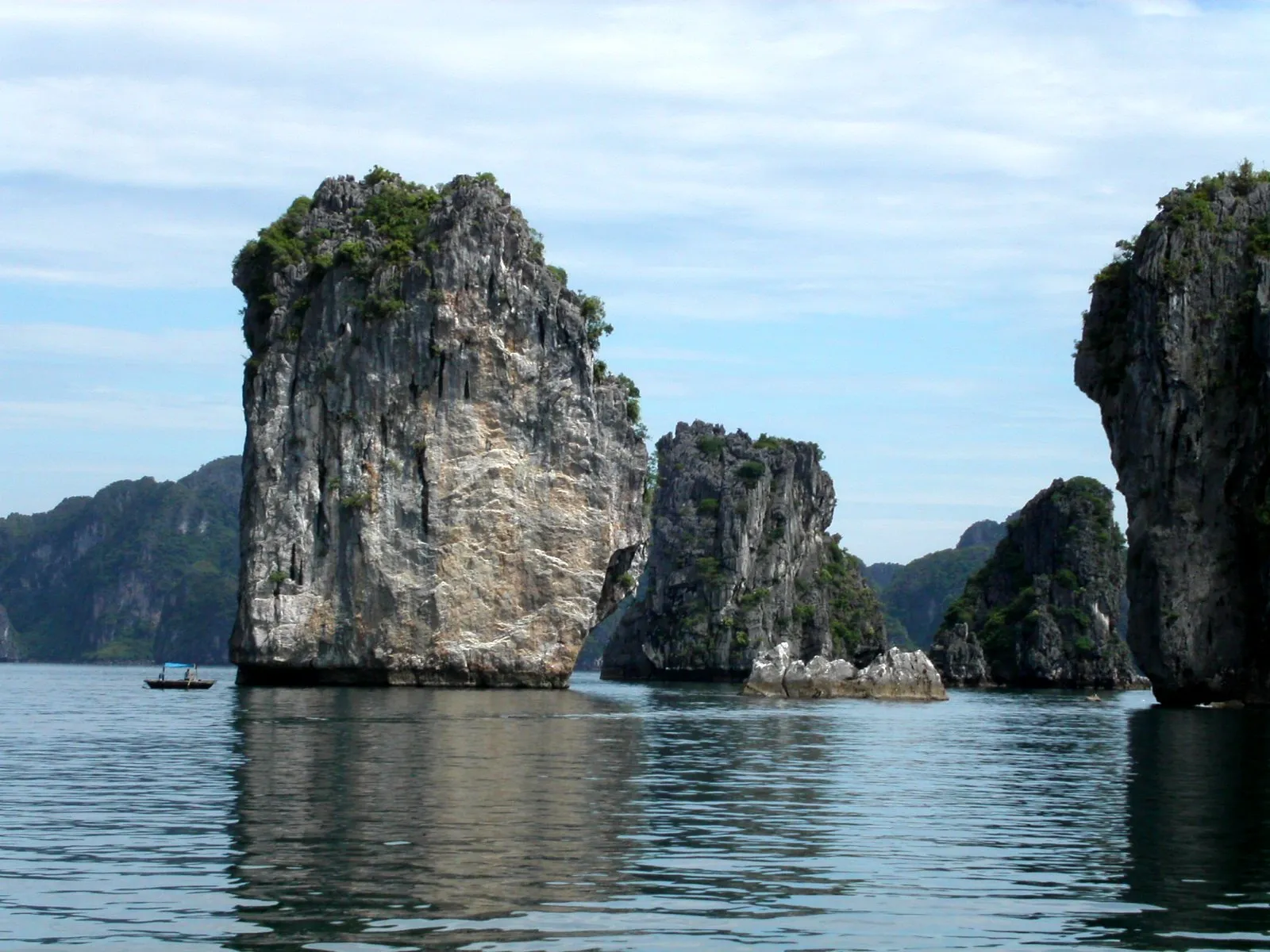
Vietnam is long, varied and endlessly rewarding, and a first trip can feel like three countries in one. The north is misty mountains and old-city buzz, the centre is lantern-lit towns and beaches, the south is river deltas and neon energy. Land with a rough plan and the country opens up beautifully. Land with no plan at all and you can lose days to logistics. This is the guide we wish someone had handed us the first time.
When to go
Vietnam does not have one single season, because it stretches more than 1,600 kilometres from north to south. Broadly, the north (Hanoi, Sapa, Ha Long Bay) is cool and dry between October and April, with a genuine chill in the mountains in winter. The central coast (Hoi An, Da Nang, Hue) is driest and sunniest between February and August. The south (Ho Chi Minh City, the Mekong) is dry between November and April and warm all year.
If you are travelling the whole length of the country, March and April tend to give you the most reliable weather from top to bottom. Whenever you go, pack for the region you are in rather than assuming one climate covers it all.
The visa, in plain English
This is the one place where your passport genuinely changes your trip, so read it properly rather than assuming.
Some nationalities walk in visa-free. Vietnam runs a unilateral exemption scheme granting a stay of up to 45 days to a specific list of countries, which currently includes the UK, France, Germany, Italy and Spain, the Nordic countries, several other European states, plus Japan and South Korea. It is a list, not a region, and it is renewed periodically rather than being permanent.
Everyone else applies for an e-visa. That includes travellers from the United States, Canada, Australia, New Zealand, Ireland and South Africa. The e-visa is open to all nationalities, is applied for online before you fly through Vietnam’s official government portal, and is valid for up to 90 days, as either a single or multiple entry. The government fee is modest, in the region of US$25 for a single entry, and processing typically takes a few working days rather than hours. Two warnings: use the official government site, because the web is thick with lookalike agencies charging several times the real fee, and apply at least a week or two ahead rather than the night before.
Whichever lane you are in, make sure your passport has at least six months of validity and a couple of blank pages, and save or print the approval to show on arrival.
How to route it
The classic first-timer route runs north to south (or south to north, it works either way): start in Hanoi, add Ha Long Bay, fly or take the train to the central coast for Hoi An and Da Nang, then continue to Ho Chi Minh City and the Mekong Delta. Domestic flights make the long hops painless and cheap, so you do not need to overland the entire country unless you want to.
Getting around
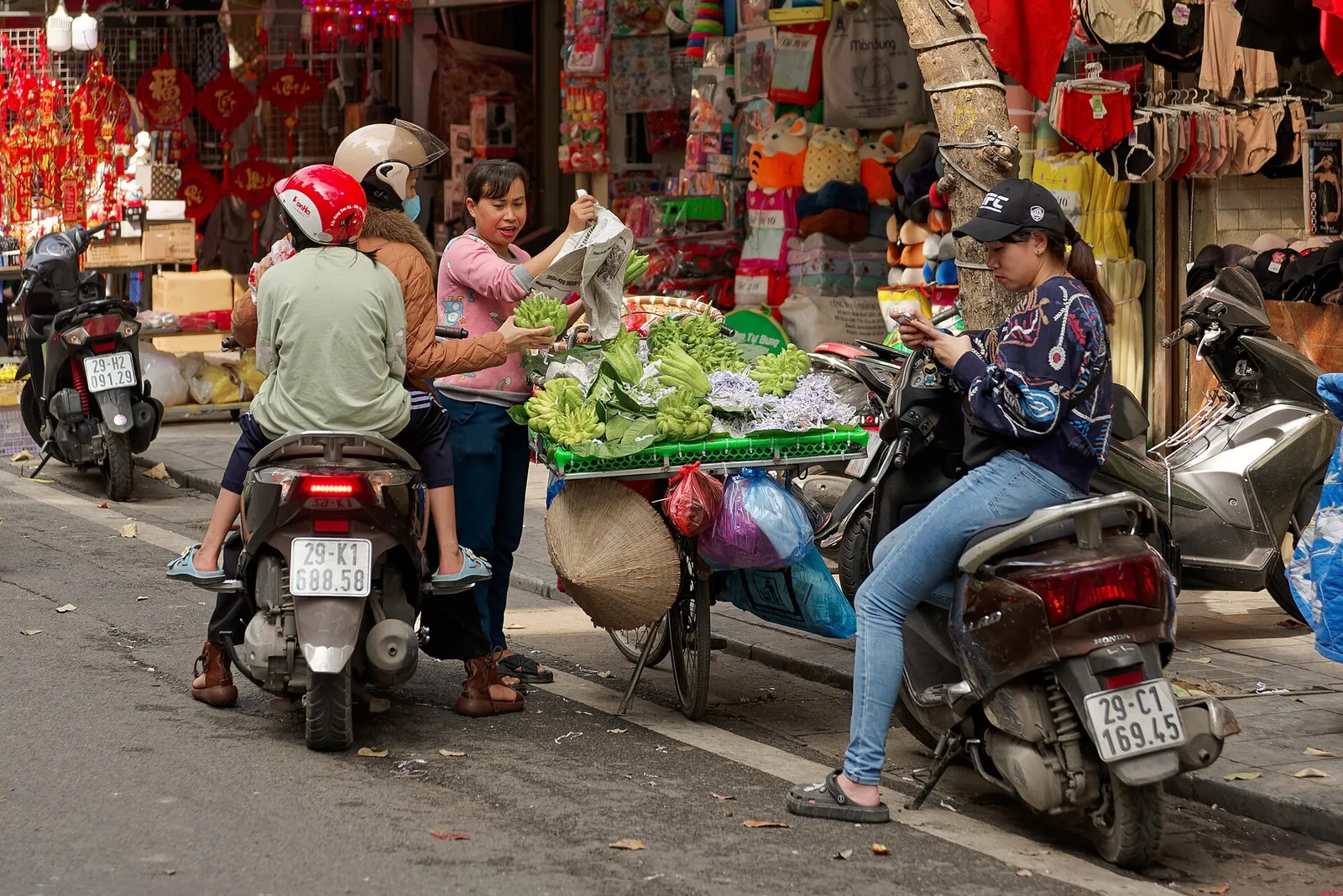
Inside cities, the Grab app is your friend, booking cars and motorbike taxis at a fixed price so you skip the haggling. Between cities you have three good options: domestic flights for the long jumps (Hanoi to Da Nang, Da Nang to Ho Chi Minh City), sleeper trains for a slower scenic ride up the coast, and long-distance buses, including comfortable sleeper buses, for shorter or budget hops. Book popular trains and flights ahead in peak season.
Let a guide handle the tricky logisticsA guided cruise, trek or Mekong day turns a complicated region into an easy, memorable outingThe traffic, and crossing the road
Vietnam runs on motorbikes, and in the big cities the traffic looks like chaos at first. The trick to crossing a busy road is simple but counterintuitive: step off the kerb steadily and keep a slow, predictable pace, and the bikes will flow around you. Do not stop suddenly, do not sprint, and do not freeze in the middle. Watch how locals do it and follow. Within a day it stops feeling terrifying.
Money and staying well
The currency is the Vietnamese dong (VND), and the numbers are large enough that everyone arrives briefly a millionaire and briefly confused. Check the live rate before you go, and then double check the zeros on every note. Carry cash for street food, markets and small shops, since many of the best cheap eats do not take cards, and ATMs are common in towns and cities. Cards work at hotels and bigger restaurants.
Do not drink the tap water. Stick to sealed bottled or filtered water, which is cheap and everywhere. Pack any regular medicines you need, and bring good sunscreen and mosquito repellent.
Then take out travel insurance, and read the small print if a motorbike is anywhere in your plans, because Vietnam has a licensing trap that catches thousands of visitors. Vietnam recognises only International Driving Permits issued under the 1968 Vienna Convention. The older 1949 Geneva Convention permit, which is the version issued in the United States, Canada and Australia, is not valid here, so holding one does not make you legal. The UK issues both kinds, so British drivers need to ask specifically for the 1968 permit. Riding without a licence Vietnam accepts, and without a motorcycle entitlement on your home licence, will usually void your travel insurance outright, which is a grim thing to discover in a provincial hospital. If the paperwork does not stack up, use Grab’s motorbike taxis instead and let someone licensed do the riding.
What to book ahead, and what to leave loose
Book your first two nights so you land somewhere sorted, your headline experiences (an overnight Ha Long cruise, a Sapa trek, a Mekong day), any peak-season flights and trains, and an eSIM so you have data the moment you switch on your phone. Almost everything else, from street food crawls to spontaneous day trips, is cheap and easy to arrange on the ground, so resist the urge to over-plan. Vietnam is at its best when you leave space to follow a recommendation down an alley.
A few small courtesies
Tipping is not expected, though rounding up or leaving a little for good service is welcome. Dress modestly when visiting temples and pagodas, covering shoulders and knees. Bargain politely and with a smile at markets, but keep perspective on small sums. And take your shoes off when entering homes and some guesthouses. A little respect goes a long way here.
What a first trip actually costs
Vietnam has a reputation for being cheap, and it is deserved, but the shape of the spending is worth understanding before you budget.
Food is astonishingly good value, and eating well every day costs a fraction of what it does at home. This is the one category where spending more rarely buys you better.
Accommodation sets your budget, because the range runs from very cheap guesthouses to full international luxury and the country does every tier well. The step from basic to genuinely comfortable is small in absolute terms and is where most people find their sweet spot.
Transport is cheap per journey and adds up across a long country, particularly if you fly the big legs rather than taking overnight buses.
Activities are where budgets actually break. A cruise, a multi-day trek, a private driver or a set of organised day trips can cost more than a week of everything else combined. They are usually worth it, but they should be planned for rather than stumbled into.
Two habits protect the total: carry cash in small notes, since street food and local transport rarely take cards, and agree prices before the ride rather than after.
The mistakes worth skipping
Almost every first-trip regret in Vietnam comes from the same short list.
Trying to see everything. The country is long and the classic route is a set of internal flights, not a road trip. Three or four bases in two weeks is comfortable; seven is a travel diary.
Assuming one climate. The north and south can be in completely different seasons on the same day, which is the single most common packing and planning error here.
Renting a motorbike casually. It is the reason most visitors get seriously hurt, and licence and insurance requirements are the reason a claim gets refused.
Eating where it is empty. A quiet restaurant with a laminated menu in four languages is almost always worse and dearer than the crowded stall next door.
Over-booking. Beyond the first nights, the internal flights and one or two headline experiences, this is a country where things can be arranged the day before, usually for less.
The short version
Route it north to south, match the season to the region, check what your own passport actually needs to enter, since the arrangements differ by nationality, sort a SIM or eSIM before you fly, use Grab in the cities and flights or trains between them, carry cash and mind the zeros, cross the road slowly and steadily, and book only your headline days out in advance. And if you are still deciding how much of the country to take on, our north versus south comparison is the fastest way to work out which half suits you. Do that, and your first trip through Vietnam will feel less like a logistics puzzle and more like the start of a long love affair with the country.