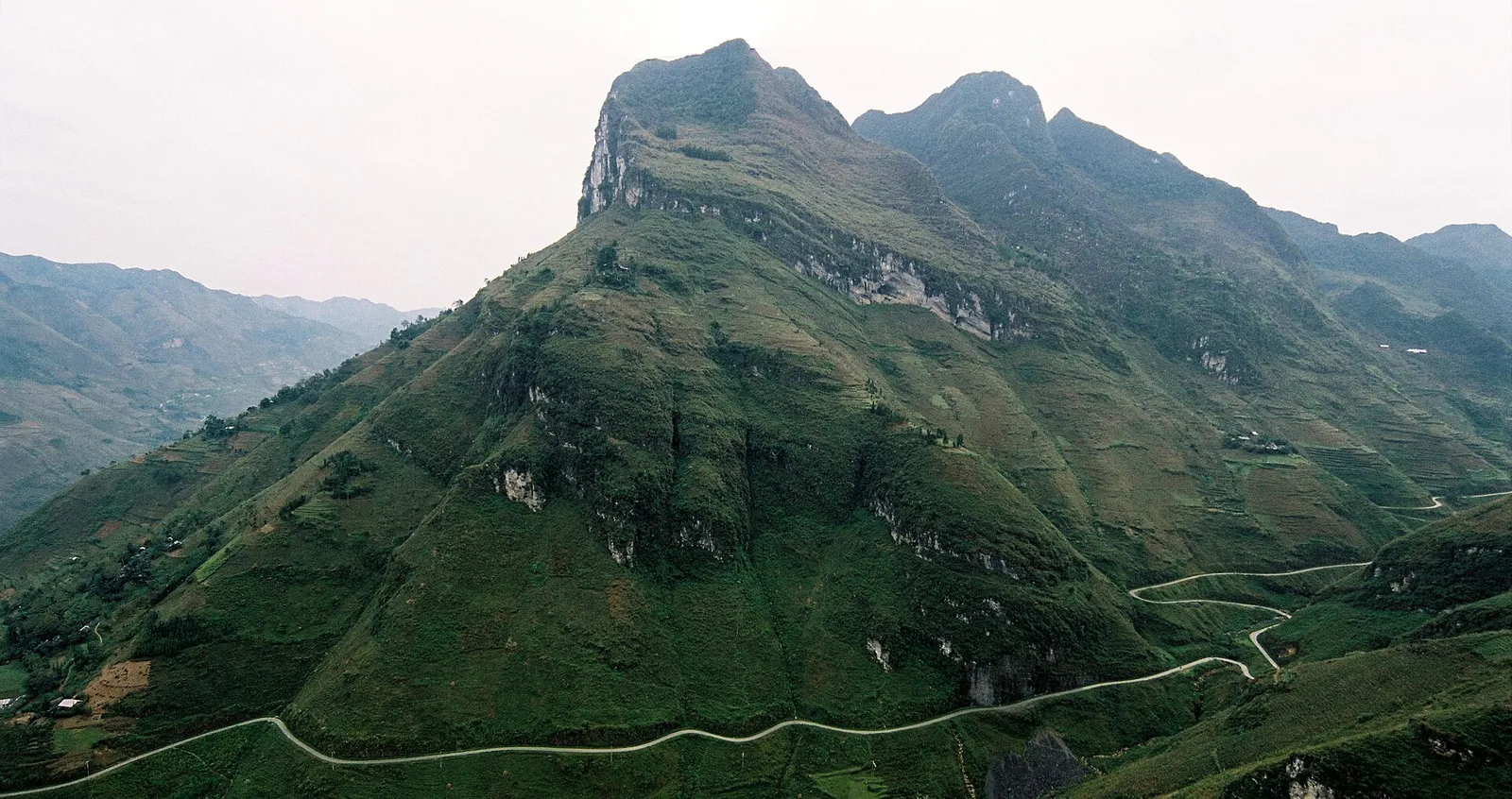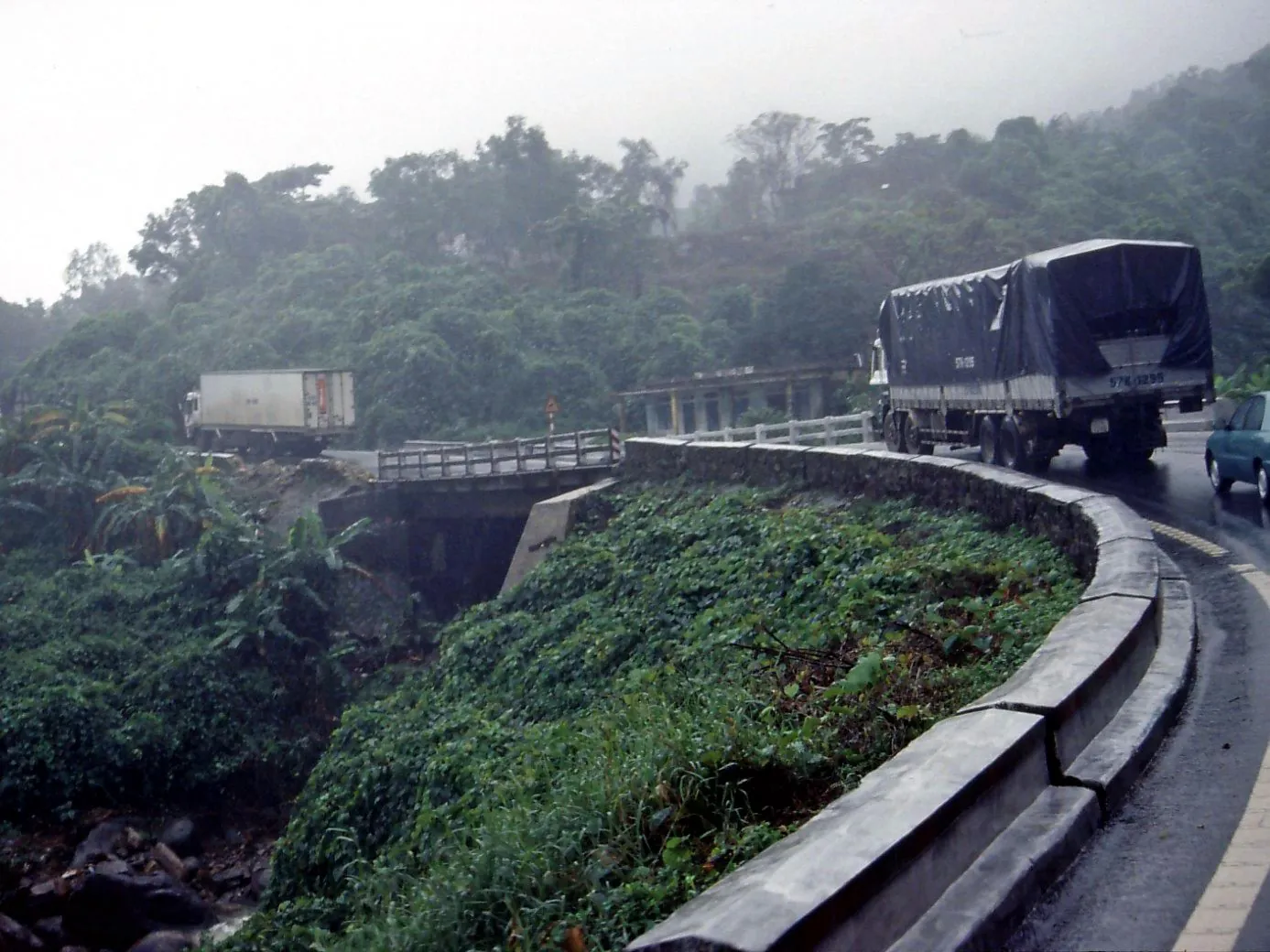
The Hai Van Pass is the best short ride in Vietnam and one of the best anywhere. A mountain spur runs out into the sea between two cities on the central coast, and the road climbs over it in a series of switchbacks with the bay opening up below you the whole way.
It is also short. This is not the far northern mountain circuit, which takes days and demands real riding ability. The pass is a half-day, it sits between two places you were probably going anyway, and it is genuinely accessible to travellers who would not attempt a longer motorbike trip.
Which is exactly why it needs a clear-eyed article, because accessible is not the same as risk-free.
What the ride actually is
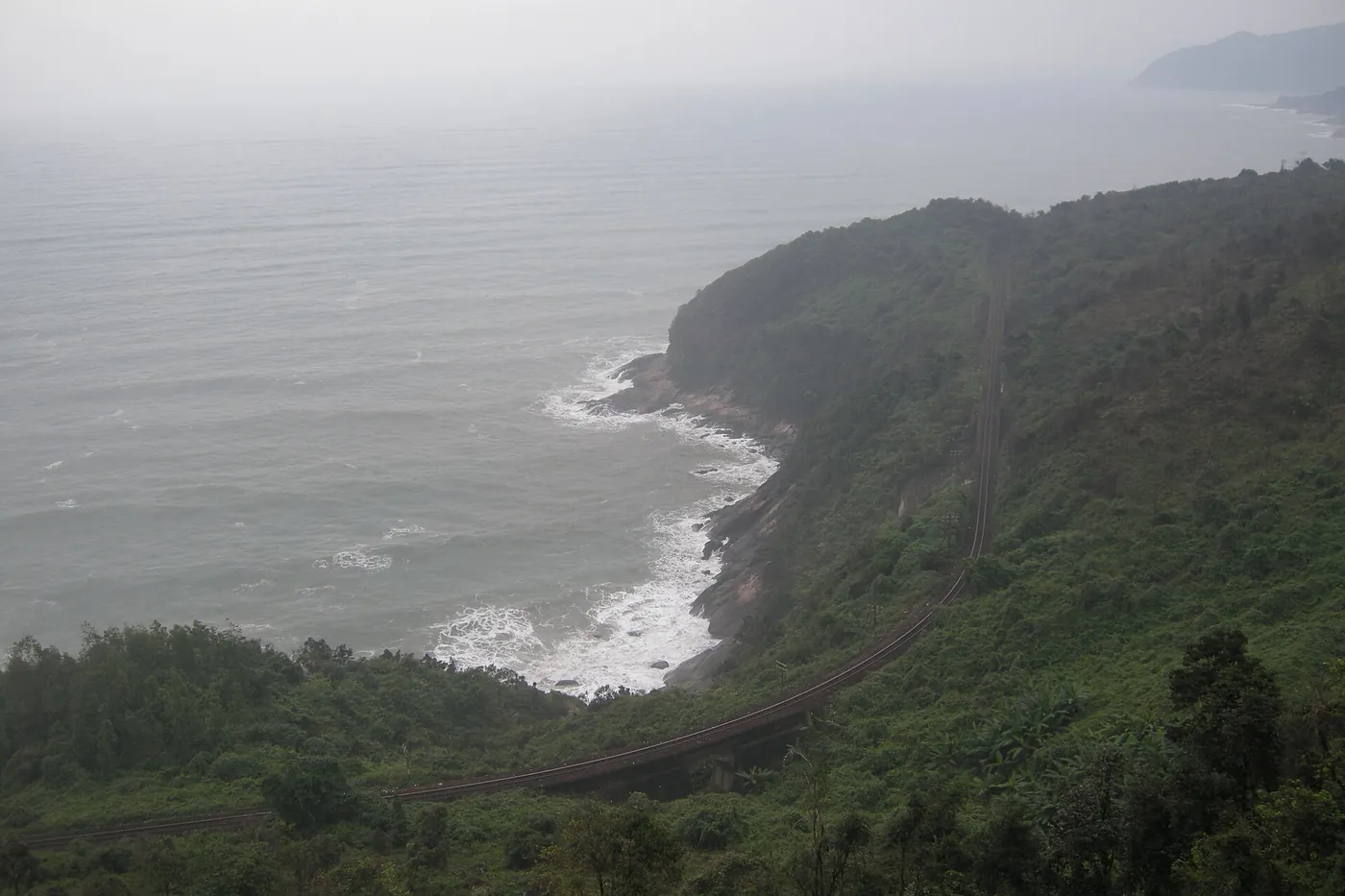
The route runs roughly eighty kilometres between the imperial city and the coastal city to its south, with the pass itself in the middle. You climb from sea level to the top of the shoulder, there is a viewpoint and some old bunkers, and then you descend the other side with the beaches spread out ahead of you.
Allow half a day including stops, or a full day if you want to detour to the lagoons and beaches along the way.
Most traffic now uses the tunnel underneath, which means the pass road itself is far quieter than it used to be. That is good news for riding it and it is why the experience has improved rather than deteriorated.
The three ways to do it
Easy rider, on the back
A local driver rides, you sit behind with a helmet, and your luggage goes separately or on the bike. This is the most popular option among travellers and it is the one I recommend to most people.
You spend the ride looking at the view rather than at the road surface, your driver knows where to stop, and you are a passenger rather than a rider, which matters for insurance.
Riding yourself
Hire a bike at one end and drop it at the other. Rental companies operating between the two cities do exactly this, and they will transfer your main luggage by van so you ride with a day bag.
This is the version people picture and it is wonderful if you can ride. The road is well surfaced and not technically difficult by mountain standards, but it is a mountain road: continuous switchbacks, occasional mist at the top, and shared with trucks and buses that use the whole width on blind corners.
By car or the train
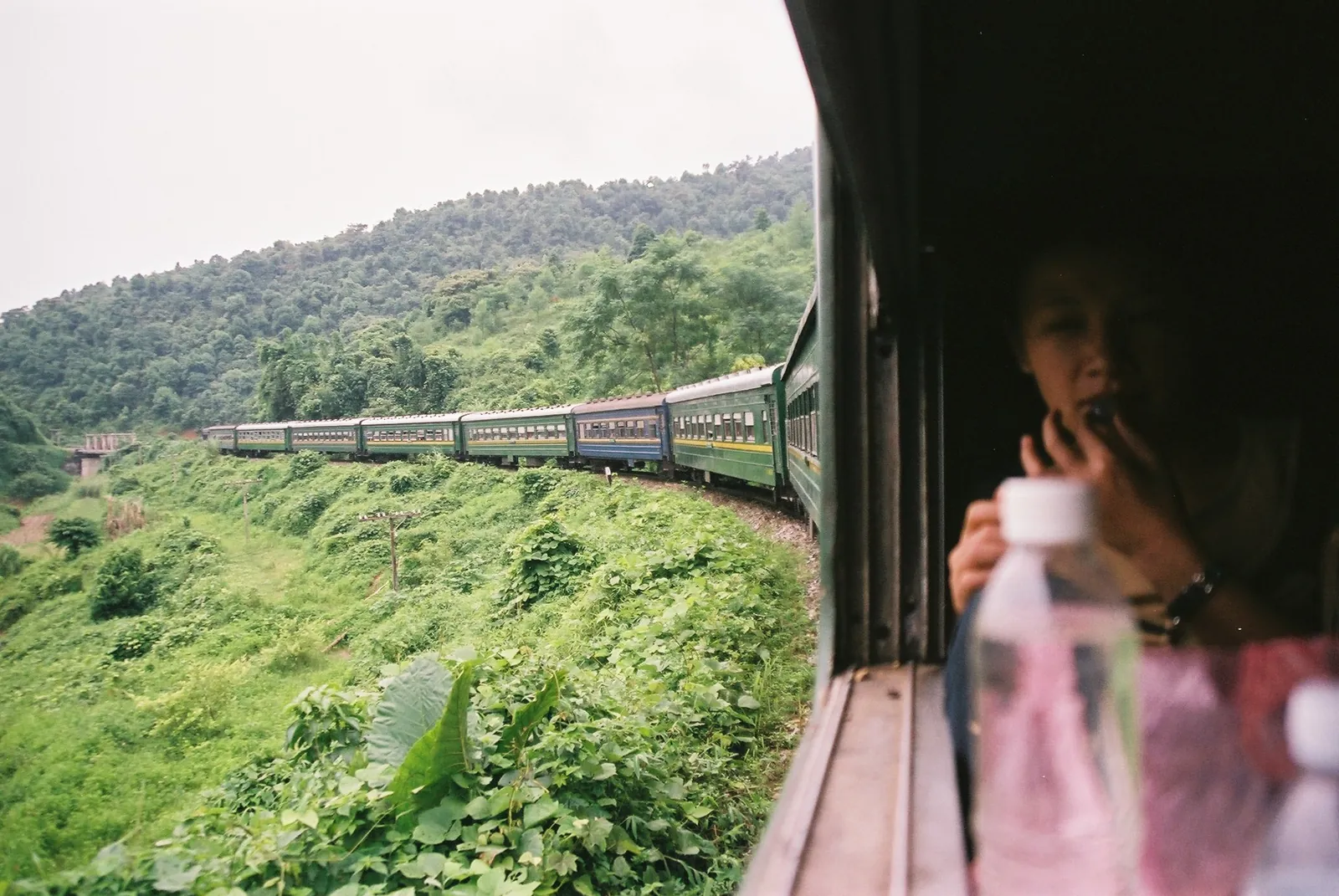
If you do not want to be on two wheels at all, a private car lets you stop at the top, and the train runs along the coast below the pass rather than over it, which is a different and equally beautiful journey. Our train guide covers that route, which is the single best rail stretch in the country.
| Easy rider | Self-ride | Car or train | |
|---|---|---|---|
| Cost | Middle | Lowest | Varies |
| You see the view | Yes | Partly | Yes |
| Needs riding skill | No | Yes | No |
| Luggage | Handled | Transferred by van | Fine |
The insurance question, which decides it
Before you decide, one clause.
Most travel insurance policies exclude motorbike accidents unless you hold a licence valid for that engine size in Vietnam. A rental company handing you keys without asking for a licence has not insured you; it has simply not asked.
This matters here even though the ride is short, because the consequences of coming off on a mountain road do not scale with the length of the trip. If you are not covered, you are paying for treatment and any transfer yourself.
Read your policy’s motorbike clause and answer three questions: does it cover riding at all, what licence does it require, and what engine size. Our travel insurance guide goes through exactly what to look for and why this is the most common cover gap among visitors to Vietnam.
If the answers are uncomfortable, take the easy rider. As a passenger you are treated completely differently by most policies, and it is the better experience anyway.
What the road is like
The climb is a steady series of switchbacks with good surface. Nothing technical, but continuous concentration if you are riding.
The top has a viewpoint, a cluster of drink stalls and the remains of old fortifications. It is worth stopping properly rather than taking a photo and moving on. On a clear day you can see a long way down both coasts.
The mist is the variable. The top of the pass generates its own weather and can be socked in when both coasts are sunny. This is not dangerous at a careful pace but it does remove the view, which is the point.
The descent on the southern side is the better half visually, with the beaches and the city laid out ahead.
Easy rider or self-drive?Compare options that include the luggage transfer between the two cities.When to ride it
Avoid the wet months on this coast, which are also the typhoon window. Rain on a mountain road with trucks is unpleasant and the view is gone.
Within a day, morning is better than afternoon: clearer air, less haze, and you arrive with time to settle in rather than riding in fading light. Never ride this road after dark.
Where it fits
This is a transfer, not a detour. You were travelling between those two cities anyway, and the pass turns a boring hour into the best half-day of the trip.
The natural direction is southbound, ending at the coast, because the descent towards the beaches is the more dramatic half and because most itineraries move that way. If you are still working out how to move between the two cities, our getting around guide sets out where the train, the bus and the bike each make sense.
If you have already ridden the far northern circuit, the pass will feel gentle by comparison. If you have not, and you enjoyed this, the Ha Giang Loop is where that interest leads next, and it is a considerably more serious undertaking.
Easy rider or self-drive?Compare options that include the luggage transfer between the two cities.Practical checklist
- Helmet, properly fastened, and ask for a better one than the token plastic shell if that is what you are handed.
- Long sleeves and closed shoes. Sunburn on a bike is severe and gravel is unforgiving.
- Sunglasses, and something waterproof.
- Photograph the bike before you set off and on return, all sides, to avoid damage disputes.
- Fuel before you start the climb.
- Do not use the tunnel on a motorbike. It is not permitted for bikes, and the pass is the whole point anyway.
The verdict
Do it. It is the most scenic half day in Vietnam that requires almost no planning, and the luggage transfer makes it easier than it sounds.
Take the easy rider unless you genuinely ride and your insurance genuinely covers you. Go in the morning, in the dry season, southbound. Stop properly at the top.
Did you ride it yourself or go on the back, and would you choose differently? Tell me in the comments.