Vietnamese food is bright, fresh and endlessly varied, built on herbs, rice, broth and balance, and it is one of the great reasons to make the trip. You can eat gloriously for the price of a coffee back home at a plastic-stool stall, then discover the same dish tastes different 500 kilometres up the coast. The trick is knowing what to order and where to look. Here is the short course.
Start with the classics
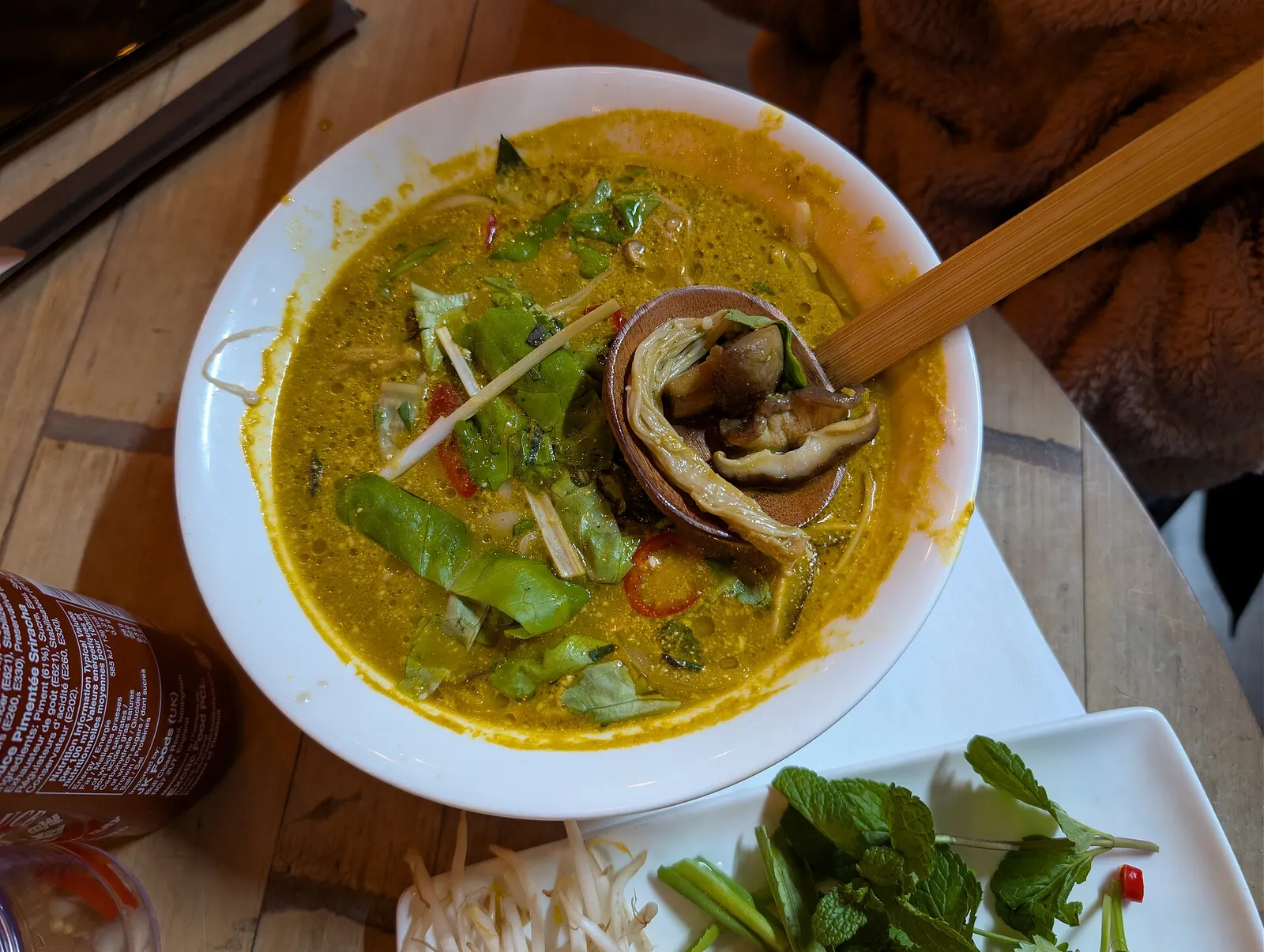
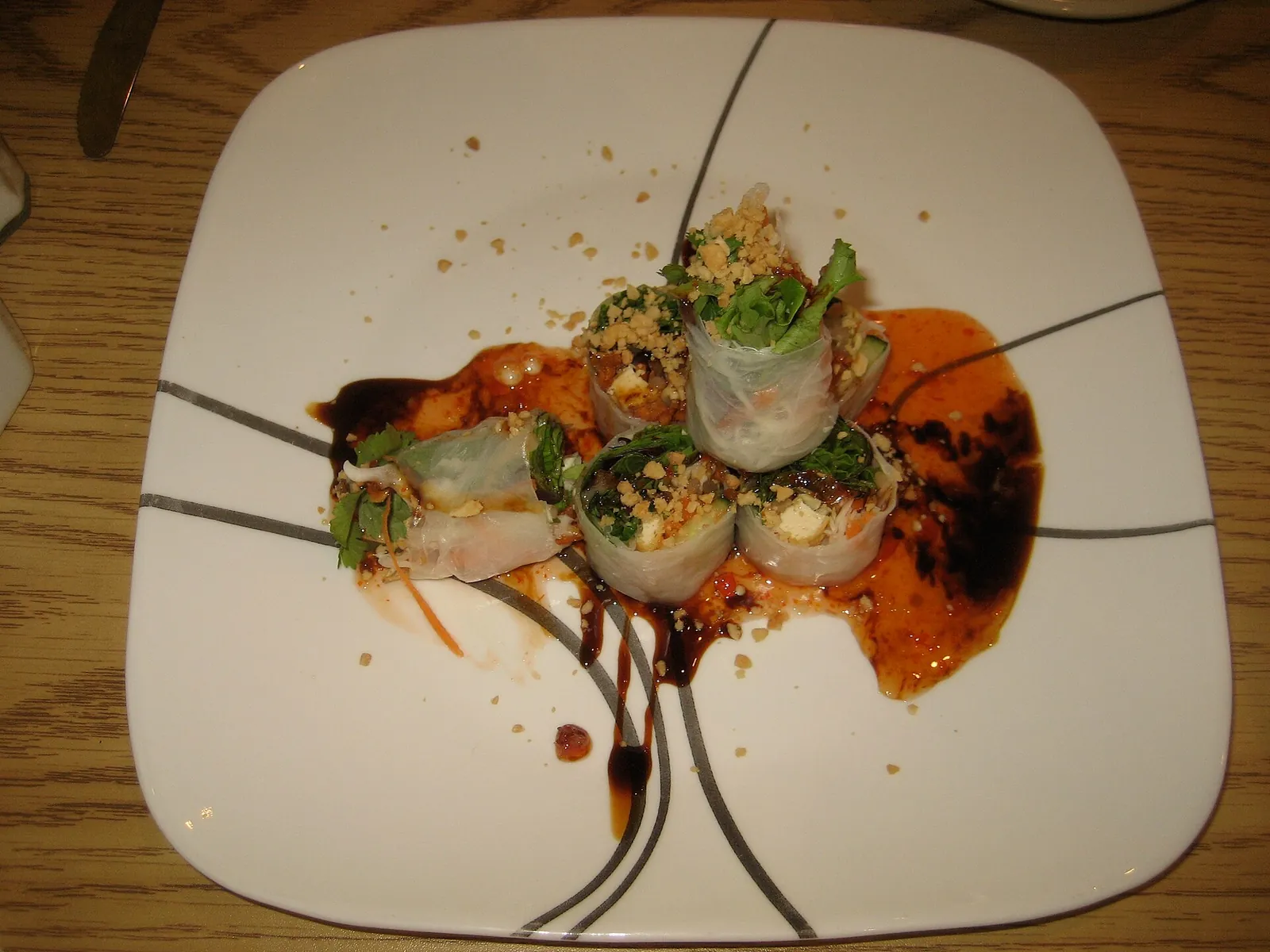
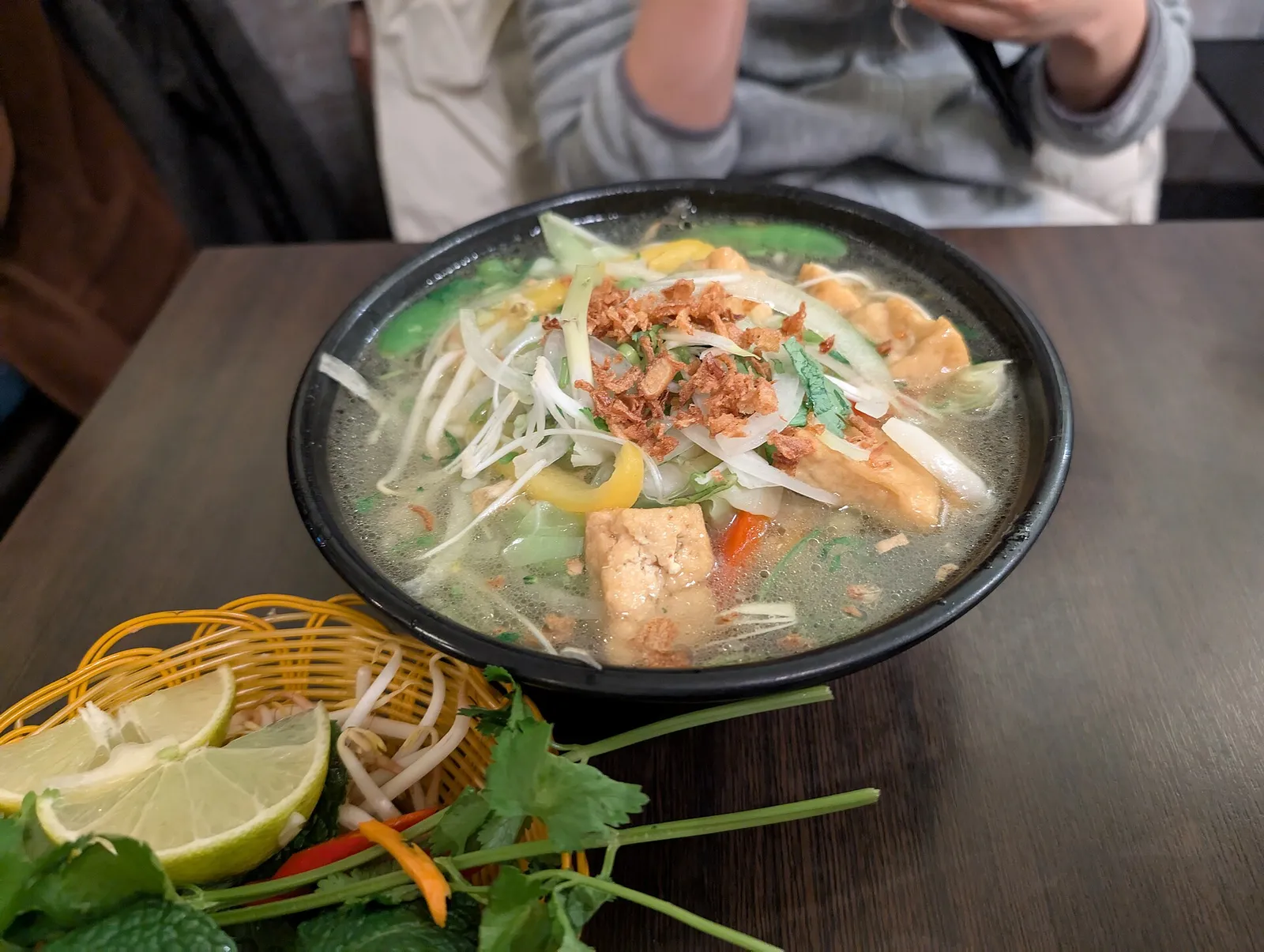
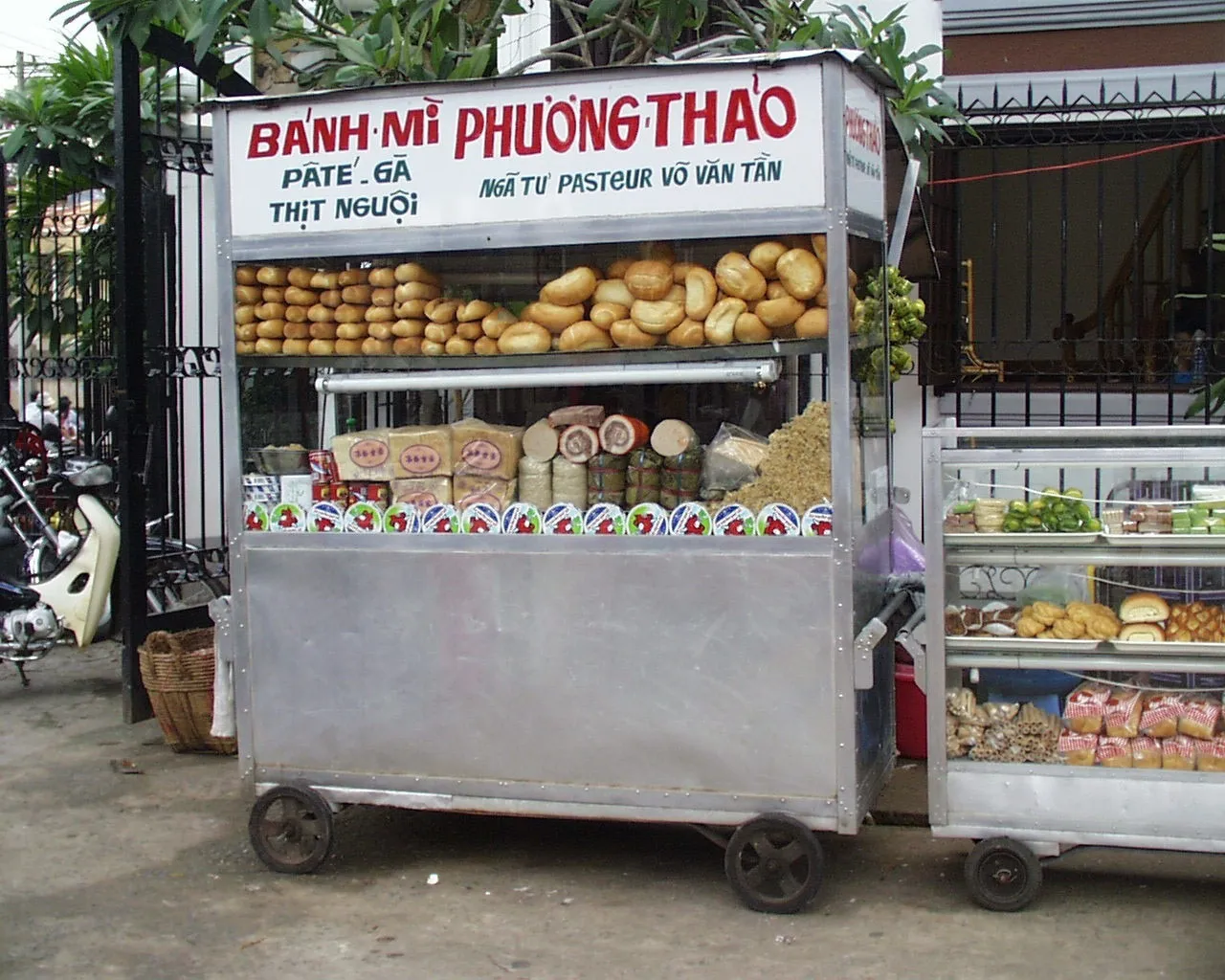
A handful of dishes are the backbone of Vietnamese eating, and you should work through all of them. Pho is the icon, a clear, fragrant noodle soup with beef or chicken, eaten most often for breakfast at a busy specialist. Banh mi is the world-beating sandwich, a crisp baguette left over from the French, filled with pate, cold cuts, pickled vegetables, chilli and herbs. Bun cha brings grilled pork patties in a tangy broth with noodles and a mountain of herbs. And goi cuon, fresh translucent spring rolls with shrimp and herbs dipped in peanut sauce, are the perfect light bite.
Order these once each and you begin to understand the whole cuisine: the balance of sweet, sour, salty and fresh, and the pile of herbs and lime that comes with almost everything.
Eat where it is busy
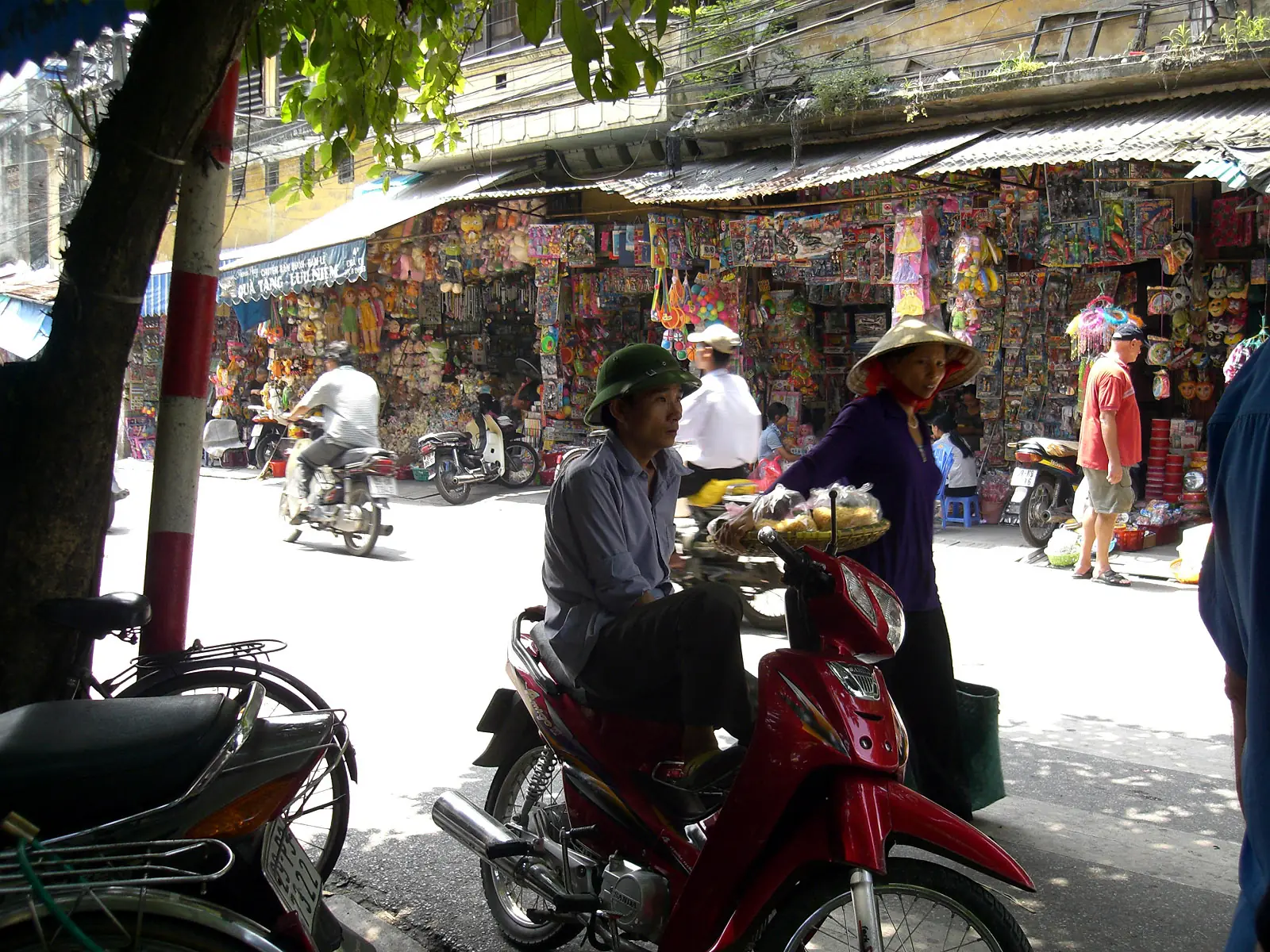
The best Vietnamese food is rarely in a fancy restaurant. It is at a street stall or a hole-in-the-wall specialist that makes one dish brilliantly, all day, every day. The rule is simple: follow the crowds. A stall packed with locals on tiny stools means the food is fresh and the turnover is fast. Do not be put off by plastic furniture, a lack of English or the absence of a menu, that is exactly where the good stuff hides. Point, smile, and enjoy.
The regions eat differently
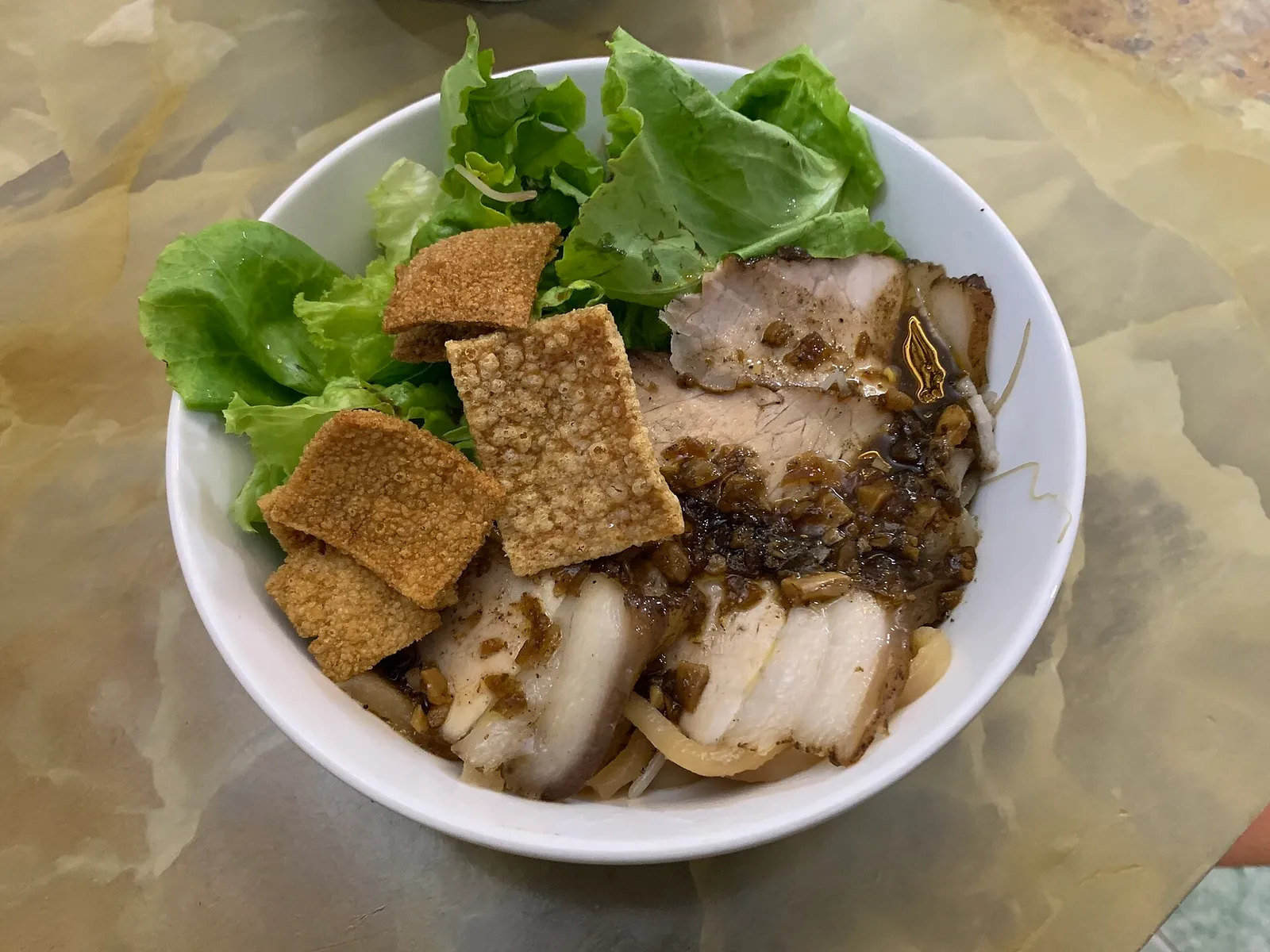
Vietnam is long, and its food changes as you travel. In the north, around Hanoi, flavours are subtler and less sweet, the birthplace of pho and bun cha, with more of a Chinese influence. In the centre, around Hue and Hoi An, the cooking is bolder, spicier and more complex, home to specialties you will not find elsewhere, from the imperial dishes of Hue to Hoi An’s cao lau noodles. In the south, around Ho Chi Minh City and the Mekong, the food turns sweeter and more tropical, with coconut, fresh herbs and abundant fruit. Eating your way from top to bottom is like tasting three cuisines.
Learn to cook the dishes you loveA market-to-table cooking class is the food memory you carry home from VietnamThe coffee obsession
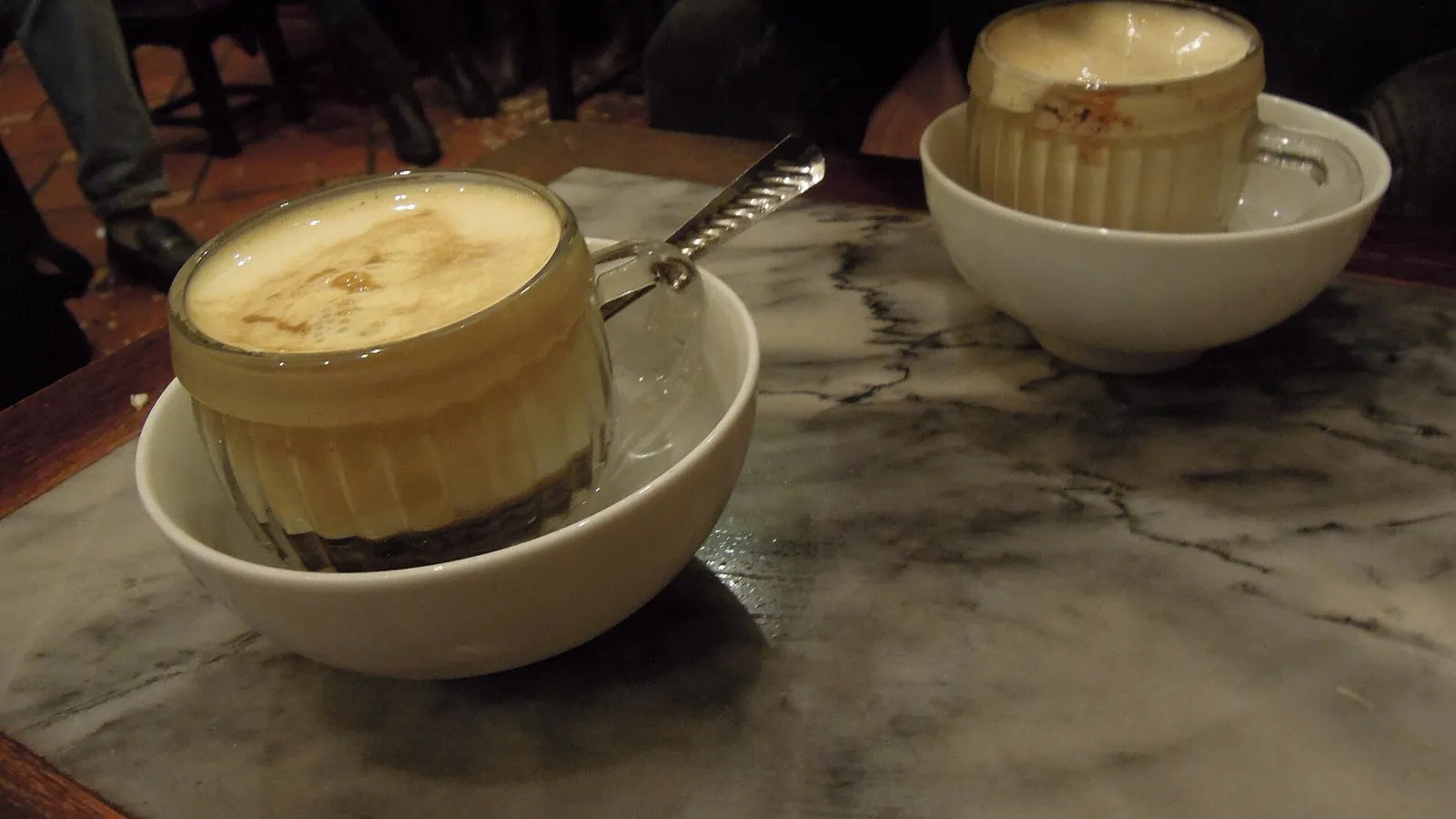
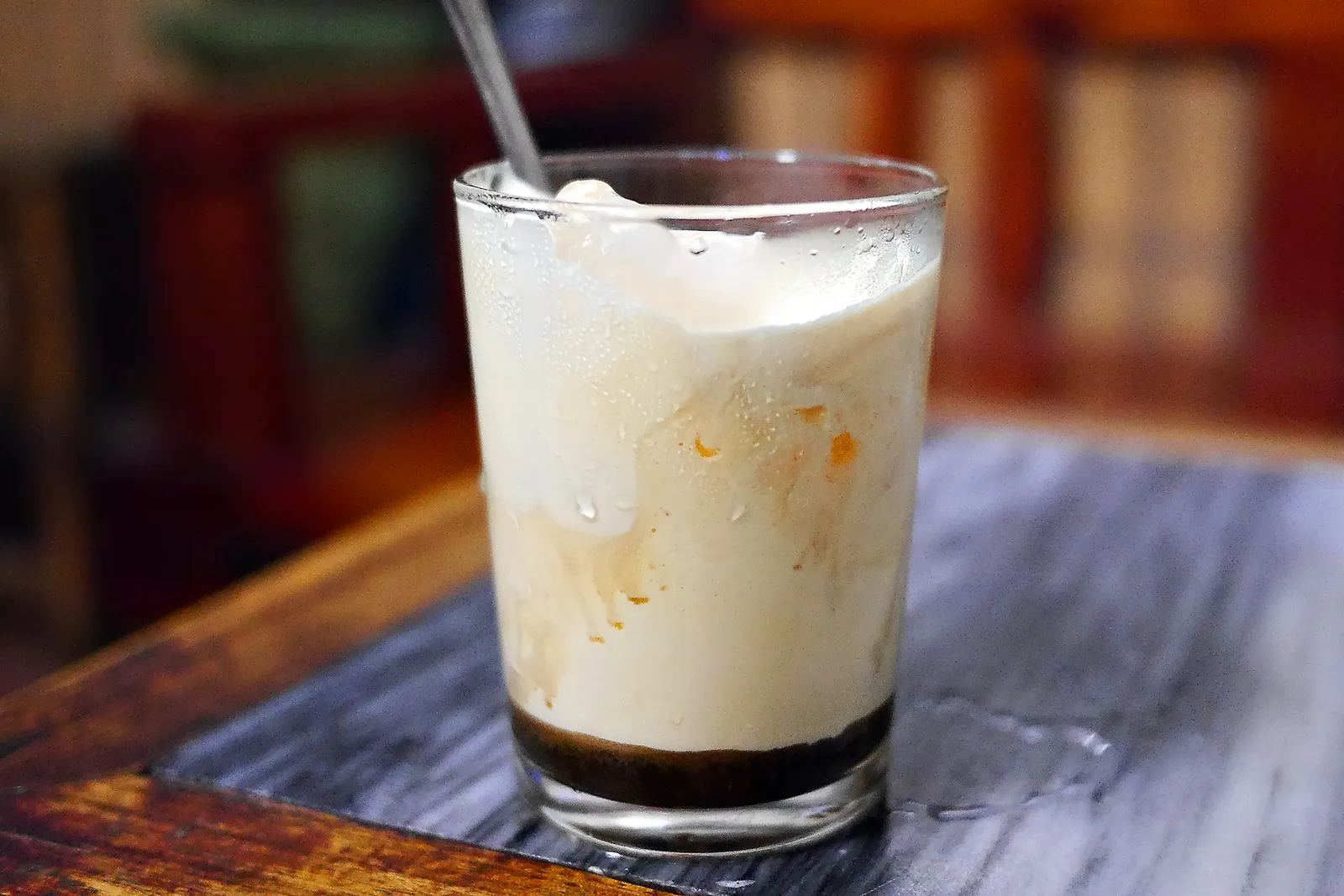
Vietnam takes coffee seriously, and it is a highlight in its own right. As one of the world’s biggest producers, it favours intense robusta beans, brewed slow and strong through a little metal phin filter and cut with sweetened condensed milk. Order a ca phe sua da, iced coffee with condensed milk, for the classic hit. Then try the Hanoi speciality egg coffee (ca phe trung), topped with a whipped, custardy egg cream, and the newer coconut coffee, a blended, almost dessert-like treat. Cafe culture here is a genuine pleasure, so slow down and enjoy a cup on a low stool watching the street go by.
Drinks, sweets and the water rule
Beyond coffee, cool down with a fresh young coconut, a glass of sugarcane juice (nuoc mia), or the tra da iced tea that often arrives free with your meal. For something sweet, seek out che, a family of colourful dessert soups and puddings with beans, jelly and coconut milk. And remember the golden rule everywhere: do not drink the tap water. Stick to sealed bottled or filtered water, which is cheap and everywhere, and be a little cautious with ice only at the smallest rural stalls.
Eating with dietary needs
Vegetarians and vegans are well served, thanks to a long Buddhist vegetarian tradition, look for the word chay on signs and menus, which means meatless. Cities have a growing scene of dedicated plant-based eateries too. The one thing to watch is fish sauce and shrimp paste, which sneak into many otherwise vegetable dishes, so ask if you need a strict meal. For allergies, learn or write down the key words, and stick to places used to travellers where you can be understood.
Eating on Vietnamese time
The schedule matters as much as the menu here, and it runs earlier than most visitors expect.
Breakfast is the important meal, and it is savoury. Pho is a morning dish in the north, cooked overnight and served from dawn, and the best northern specialists frequently sell out and close before lunch. A stall that looks shut at midday was probably excellent at seven. In the south the same bowl is eaten at any hour, so treat this as a northern rule rather than a national one.
Lunch is early and quick, often eaten standing or on a stool at a place that does one thing.
Dinner is earlier than in Europe, and many local kitchens are winding down while a Mediterranean city would just be sitting down. The exception is the pavement beer corners and the night markets, which carry on after the kitchens have closed, though the beer corners themselves start in the late afternoon and usually wind down by mid-evening rather than running properly late.
The practical rule that follows: eat the famous dish at the hour it belongs to. Chasing pho at nine in the evening in a northern city gets you a worse bowl than turning up at seven in the morning, and that single adjustment improves a Vietnam eating trip more than any restaurant list.
How to order without a common language
Almost nothing here needs Vietnamese, and a handful of habits remove the hesitation entirely.
Point at what someone else is eating. Most stalls do one dish, which removes the choice, and the bowl on the next table is the menu.
Hold up fingers for how many, and expect the herbs, chilli and lime to arrive on the side for you to add yourself. That plate of greenery is not a garnish, it is part of the dish.
Sit down first, pay after. At street kitchens you generally settle at the end, and at clusters of stalls sharing seating you pay each one separately.
Carry small notes, because stalls rarely have change for large ones, and cash is still how most of the good food is bought.
Markets, cooking classes and the fun way in
Two experiences turn eating from a series of meals into an understanding of the country, and both are inexpensive here.
The wet market at dawn is the real thing: herbs by the armful, live fish, unfamiliar fruit, and the whole supply chain of everything you have been eating, running at its busiest before eight in the morning. Go early, buy fruit, accept that you will not recognise half of it.
A cooking class is the single best value souvenir in Vietnam. The good ones start with a market walk where someone finally names the herbs for you, then teach three or four dishes you have been eating all trip. The knowledge travels home in a way a photograph does not, and it costs a fraction of the equivalent anywhere in Europe.
One more that costs nothing: ask what a stall is proud of. Vietnamese food culture is intensely local and intensely competitive, and people will happily send you across town for the better version of something you just ate. Following that advice is how most travellers find their best meal of the trip.
The dishes worth crossing a city for
Beyond the famous four, a second tier repays curiosity and is where regional pride actually lives.
Bun bo Hue, the spicy lemongrass beef noodle soup of the imperial city, is the great counterweight to pho and the dish central Vietnam will defend most fiercely. Cao lau, found essentially only in Hoi An, uses noodles traditionally made with local well water and tastes like nowhere else. Banh xeo, a crisp turmeric-yellow pancake wrapped in lettuce and herbs, is messy and worth it. Com tam, broken-rice plates with grilled pork, is the everyday lunch of the south. And bun rieu, a tomato and crab noodle soup, is the one visitors rarely order and regulars order constantly.
Ordering the local speciality wherever you land is the cheapest way to make a two-week trip taste like three countries, and it is exactly how Vietnamese people themselves talk about food: by place, not by category.
The short version
Work through pho, banh mi, bun cha and fresh spring rolls, always eat where the locals crowd in, and notice how the food changes from the subtle north to the bold centre to the sweet south. Drink the coffee like it matters, because here it does, respect the water rule, and take a cooking class so you can bring a taste home. Do that, and Vietnam will feed you as well as anywhere on earth.
Three places to go deeper. The regional split is worth following deliberately, and our banh mi and pho guide sets out exactly what changes as you travel. The coffee deserves its own afternoon and its own vocabulary. And if you are wondering what all this actually costs, the short answer is very little, with the budget guide explaining where the money really goes.