Vietnam is one of the best value destinations in Asia, and that reputation is deserved. It is also a country where two travellers can spend wildly different amounts on the same two-week route without either of them doing anything wrong. The difference is not luck. It is a small number of specific decisions.
So rather than give you a single daily figure that will be useless to half of you, let me break down where the money actually goes, what each tier buys, and which expenses quietly eat budgets without anyone noticing.
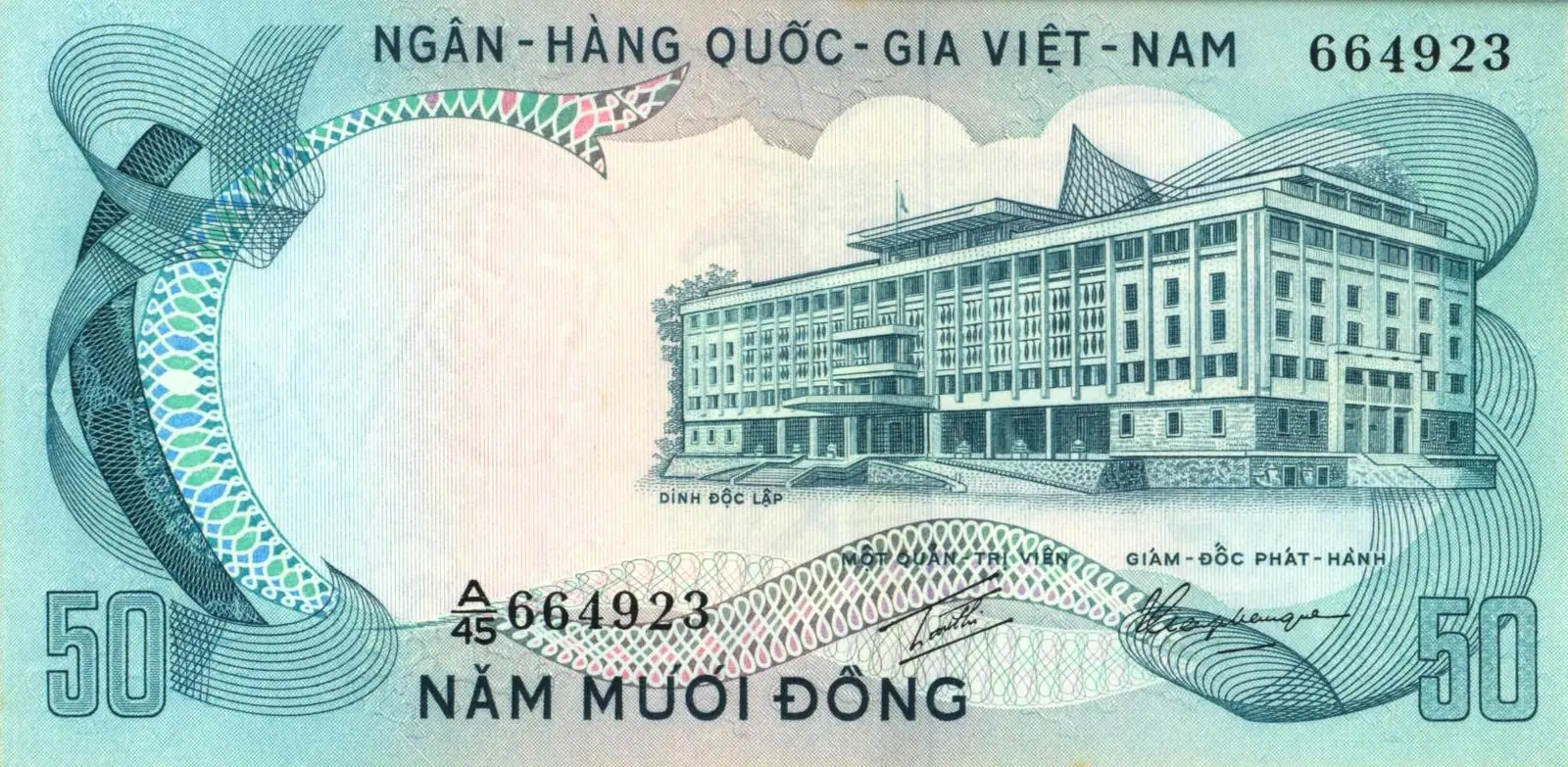
One note on currency before anything else. Everything here is in Vietnamese dong. I am deliberately not converting to anything, because exchange rates move and a converted figure ages badly. The dong deals in large numbers, which takes a day to get used to, and the live rate is shown on our home page if you want to sanity-check as you plan.
Where the money actually goes
On a typical trip the split looks roughly like this, and it surprises people:
| Category | Share of budget | Notes |
|---|---|---|
| Accommodation | The largest single line | Where the tiers differ most |
| Transport between regions | Second | Flights and sleepers add up |
| Food and drink | Surprisingly small | Even eating well |
| Activities and entries | Variable | Cruises and tours dominate |
| Local transport | Minor | Ride-hailing is cheap |
The headline is that food is not what makes Vietnam expensive or cheap. You can eat superbly for very little almost everywhere. What separates a frugal trip from an expensive one is where you sleep and how you cover the long distances.
The three tiers, honestly described
Backpacker
Dorm beds or the simplest private rooms, street food and local restaurants, sleeper buses rather than flights, and free or low-cost sights. This tier is genuinely comfortable in Vietnam in a way it is not in much of the world: the cheap food is the good food, and the cheap transport goes everywhere.
What you give up is time and sleep. Overnight buses instead of flights means arriving tired, and on a two-week trip that compounds.
Mid-range, which is where most people land
Private rooms in good small hotels and guesthouses, a mix of local eating and the occasional proper restaurant, flights on the long legs, and paying for the experiences that matter. This is the tier I would recommend to almost anyone, and the jump in quality of life from backpacker level is large relative to the extra cost.
In Vietnam specifically, mid-range accommodation punches well above its weight. Family-run hotels with genuinely warm service, breakfast included and a pool are common at prices that would get you a roadside motel elsewhere.
Comfortable and up
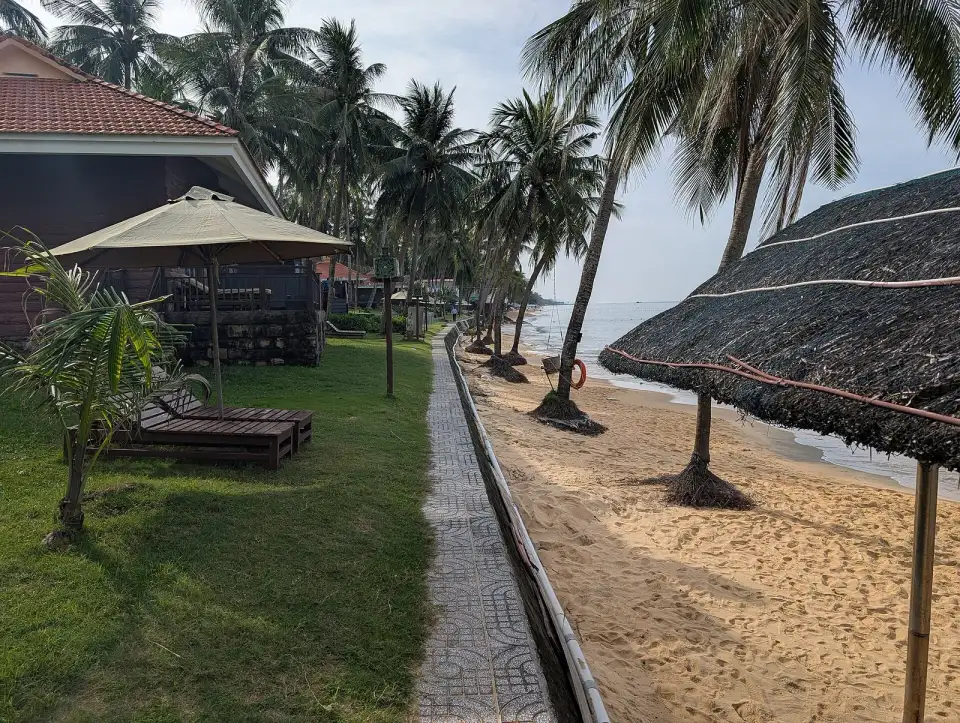
International-standard hotels, resorts on the coast, private drivers instead of buses, and the upper end of the cruise and tour market. Vietnam has a serious luxury sector, particularly on the central and southern beaches, and here you are paying international prices for international products. The value advantage shrinks considerably at this level.
Food: the good news
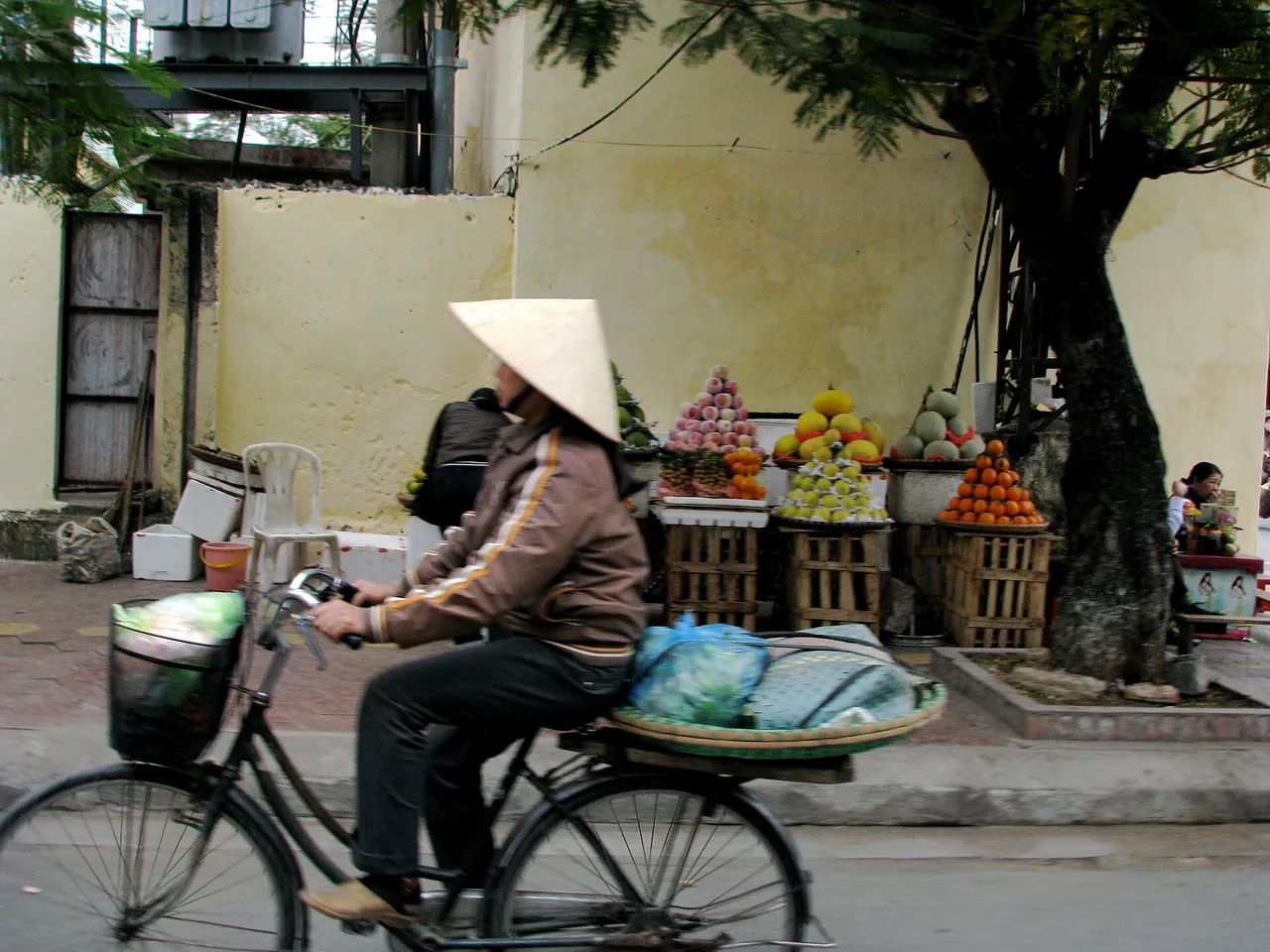
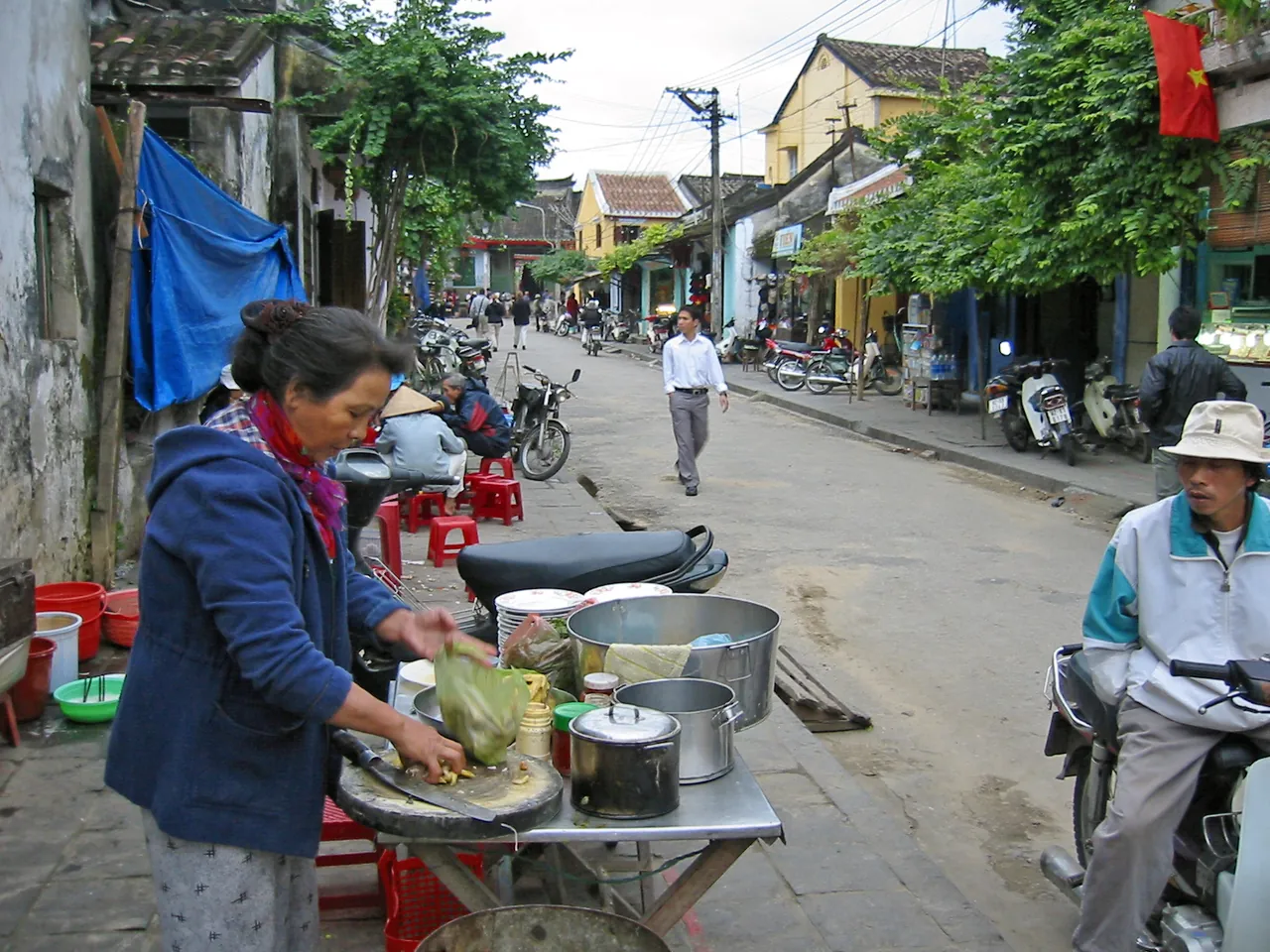
Street food and local restaurants are inexpensive to a degree that genuinely changes how you travel. You can eat three excellent meals a day, plus coffee, for less than a single mid-range restaurant meal in most Western cities.
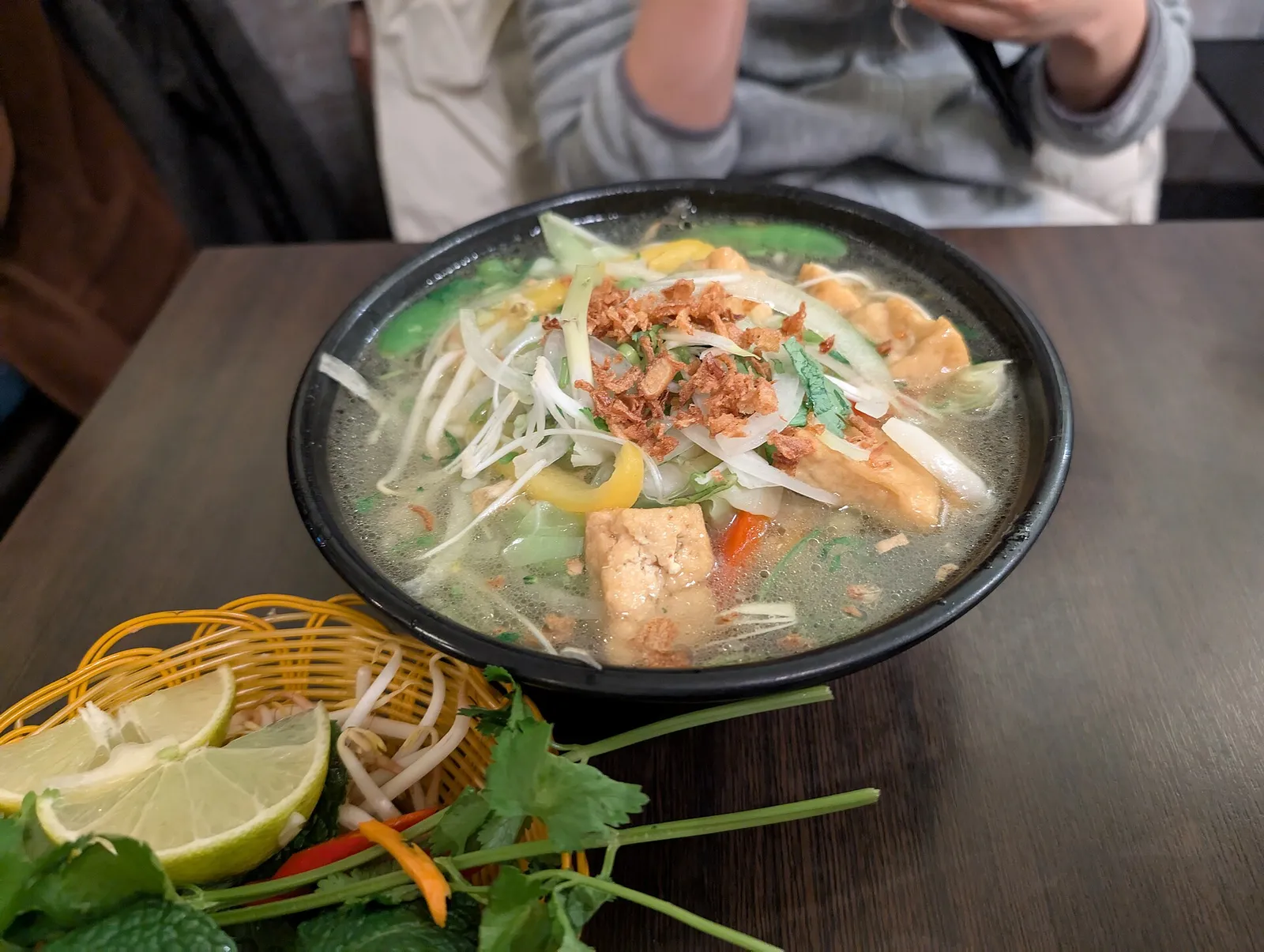
The pattern worth adopting: eat local by default, restaurant by choice. A bowl from a specialist stall that makes one dish is not a compromise on a proper meal, it is the better meal. Our Vietnamese food guide covers what to order; the budget point is that following it costs almost nothing.
Where food costs climb: Western food in tourist areas, hotel breakfasts when you have not booked them included, imported alcohol, and rooftop bars where you are paying for the view. Local beer and coffee are cheap; imported wine is not.
Accommodation: the decision that sets your budget
This is where the tiers actually diverge, and where a little research pays disproportionately.
Prices vary hugely by location within a city and by season on the coast. A room two streets back from a beach can cost a fraction of one facing it. Northern cities are generally better value than the beach resorts. And the coastal high season pushes prices up sharply while the shoulder months are noticeably softer.
Book with free cancellation where you can. Vietnamese weather moves plans, particularly around the central coast and the northern bays, and a flexible booking is worth more here than in most places.
Transport: the hidden line item
This is the expense people forget when they estimate a daily rate, because it does not happen daily. Flights between the far ends of the country, sleeper trains and buses, airport transfers and the occasional private driver add up to a meaningful share of the total.
Book domestic flights ahead rather than at the airport. Watch the baggage allowance on cheap fares, because the excess charge can exceed the fare. And be realistic that saving on an overnight bus instead of a flight is a trade of money for a day and a night of comfort, not a free saving.
Where you sleep sets the budgetCompare rooms with free cancellation, which is worth more here than most places.Activities: where budgets actually break
Most sights and museums are inexpensive. What is not inexpensive, relatively speaking, is the small number of headline experiences: overnight cruises in the northern bays, multi-day motorbike tours, diving and island trips, and private guided days.
These are worth budgeting for individually rather than folding into a daily rate. Two or three of them across a two-week trip is normal and they will be a visible share of the total. Choosing well matters more than choosing cheap: the Mekong Delta is the classic example, where the cheapest full-day coach tour delivers a fraction of what an overnight in the delta does, and people conclude the region was disappointing when actually the tour was.
Where you sleep sets the budgetCompare rooms with free cancellation, which is worth more here than most places.Cash, cards and the practical bits
Cash still matters. Cards are widely accepted in city hotels, restaurants and by airlines, but street food, markets, small guesthouses, local transport and rural anything are cash businesses. Carry more small notes than feels necessary.
ATMs are widespread in cities and thin out fast in rural areas and the mountains. Withdraw before heading somewhere remote. Fees vary between banks, so larger, less frequent withdrawals cost you less overall.
Pay in dong. Some tourist-facing operators quote in other currencies. The dong price is almost always better, because the conversion built into a foreign-currency quote is not in your favour. Ask.
Tipping is not deeply embedded but is increasingly common in tourist-facing service, and is genuinely appreciated for guides, drivers and boat rowers who work hard for modest pay.
The expenses that quietly double a trip
These are the ones I see catch people out:
- Airport transfers in the big cities, taken from whoever approaches you in the arrivals hall rather than booked by app, arranged through your hotel, or taken from the official rank of a reputable company.
- Baggage fees on cheap domestic fares.
- Laundry by the piece at hotels rather than by weight at a local shop.
- Drinks, especially imported ones, which can cost several times a meal.
- The unbooked day. Arriving somewhere with no plan and booking the first available tour at the desk is consistently the most expensive way to do anything.
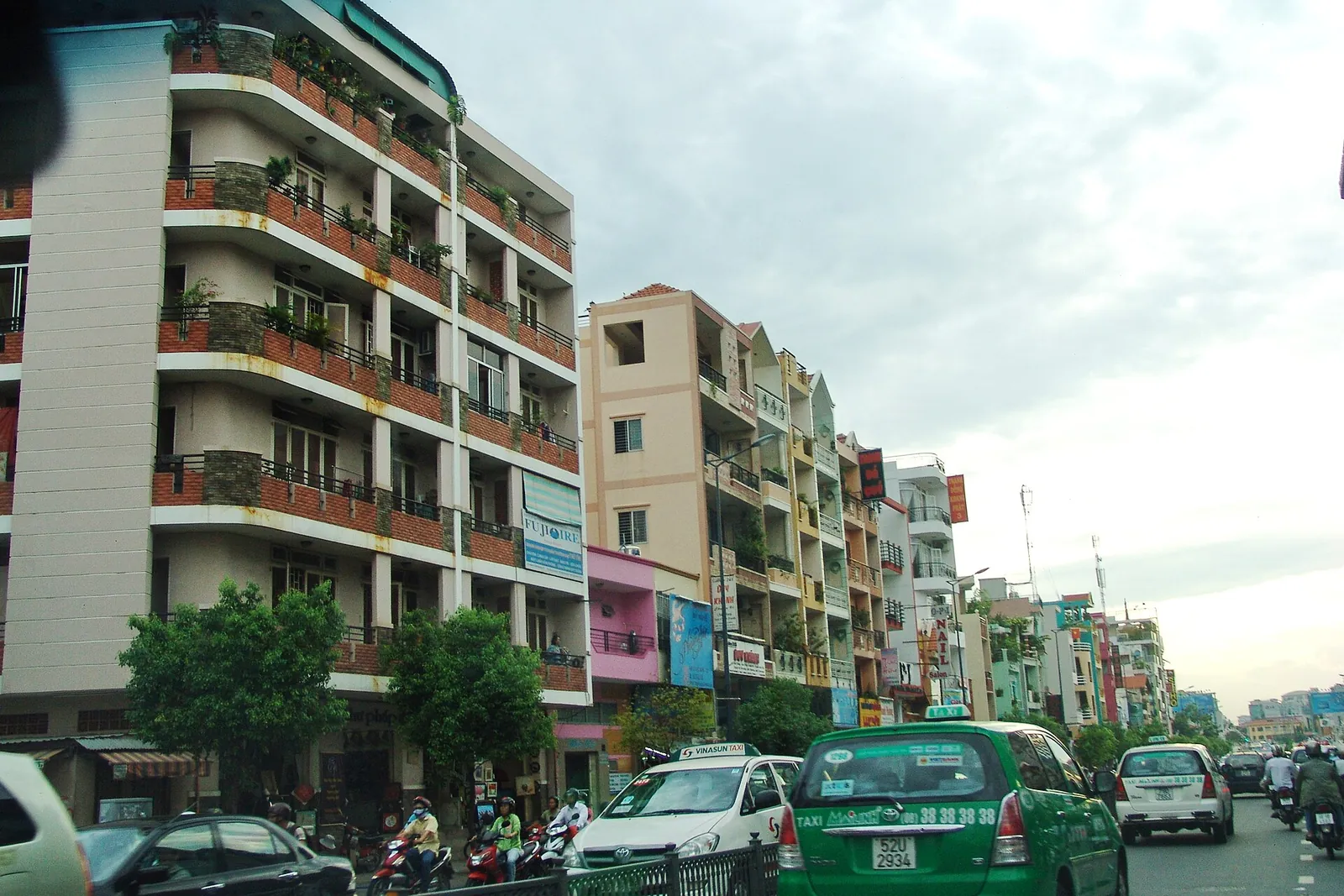
And the big one: cities are cheaper than resorts. A week split between Ho Chi Minh City and the northern cities costs meaningfully less than a week on a beach at a resort, for reasons that have nothing to do with how well you eat or what you see.
Spending less without eating worse
The useful thing about Vietnam is that the cheap version of the trip is frequently the better one, which is not true of most countries.
Food is the clearest example. The crowded stall that does one dish is both the cheapest and the best meal available, and paying more usually buys air conditioning and a laminated menu rather than better cooking. Nobody needs to economise here; the economising is automatic.
Transport is where choice matters. Flying every leg is fast and adds up; taking overnight buses for everything is cheap and costs you sleep and time. The sensible middle is to fly the long legs, take the scenic train once because it is genuinely worth doing, and use local transport within regions.
Accommodation rewards booking late rather than early, unlike flights. Outside peak periods, a few days ahead is generally enough and the rates are often better.
Tours are the real lever. They are where budgets break, and the fix is not to skip them but to choose two or three properly researched ones rather than a stream of convenient ones booked at a hotel desk.
One habit that saves money everywhere: agree the price before the ride, the massage or the tailoring, not after. It is normal, it is expected, and it removes almost every uncomfortable conversation travellers report.
The honest summary
Vietnam is cheap if you let it be. Eat where the locals eat, sleep in family-run hotels rather than resorts, fly the long legs but book them early, and budget the two or three headline experiences separately rather than pretending they fit inside a daily average.
Do that and you will spend far less than you expected while eating better than you do at home. Try to do it on the absolute minimum by taking every overnight bus, and you will save money and lose days.
Two related pages worth reading before you go. Most of the money travellers lose here is not to overspending but to a small number of avoidable situations, which our guide to the scams that actually happen covers. And the single largest unplanned expense anyone faces is medical, which is why the emergency and health page is worth ten minutes before you fly.
What did you spend more on than you expected in Vietnam? Tell me in the comments, because the answers are always the useful part.