The best meal I have had in Hanoi cost less than a coffee at the airport and was served by a woman who had been making exactly one dish, in exactly one spot, for longer than I have been alive. She did not have a menu. She did not need one. You sat, she brought it, you ate, you paid, you left. That is Hanoi eating in a sentence.
The northern kitchen is the subtle one. Where the south is sweet and the centre is fiery, Hanoi is restrained, savoury and herb-forward, built on broths and balance rather than punch. It rewards paying attention. Here is what to eat, where the eating happens, and how the whole plastic-stool system works when you have never done it before.
How street eating actually works here
Almost every great stall in Hanoi does one thing. The sign, if there is one, names the dish. That is the menu. This is the opposite of how most visitors expect a restaurant to work, and it is why the places with laminated multi-page menus in five languages are almost always the worse option.
You sit on a low plastic stool at a low plastic table, often half on the pavement. Somebody brings the dish, usually without being asked. Condiments are on the table: chilli, garlic vinegar, lime, fish sauce, a pot of herbs. You are expected to adjust your own bowl, and doing so is not an insult to the cook, it is the point.
You pay at the end, in cash, in dong. Small notes make everyone’s life easier.
The dishes Hanoi actually owns
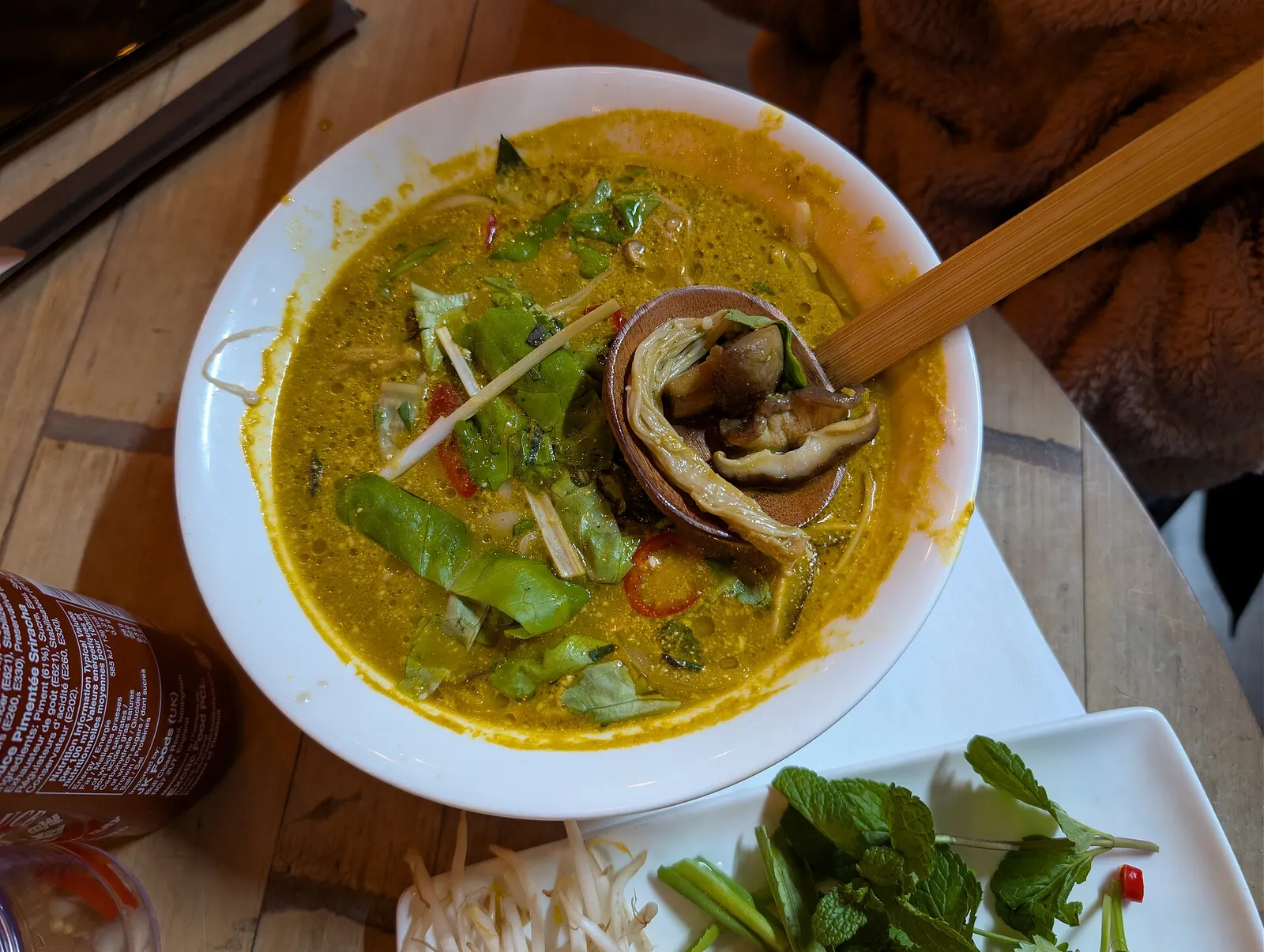
Pho is the obvious one, and northern pho is genuinely different from what most people have eaten elsewhere: a clearer, cleaner beef broth, fewer accompaniments, no mountain of herbs and sprouts on the side. The south piles the extras on; here the broth is supposed to carry it alone. Breakfast is the traditional time and the best stalls sell out by mid-morning.
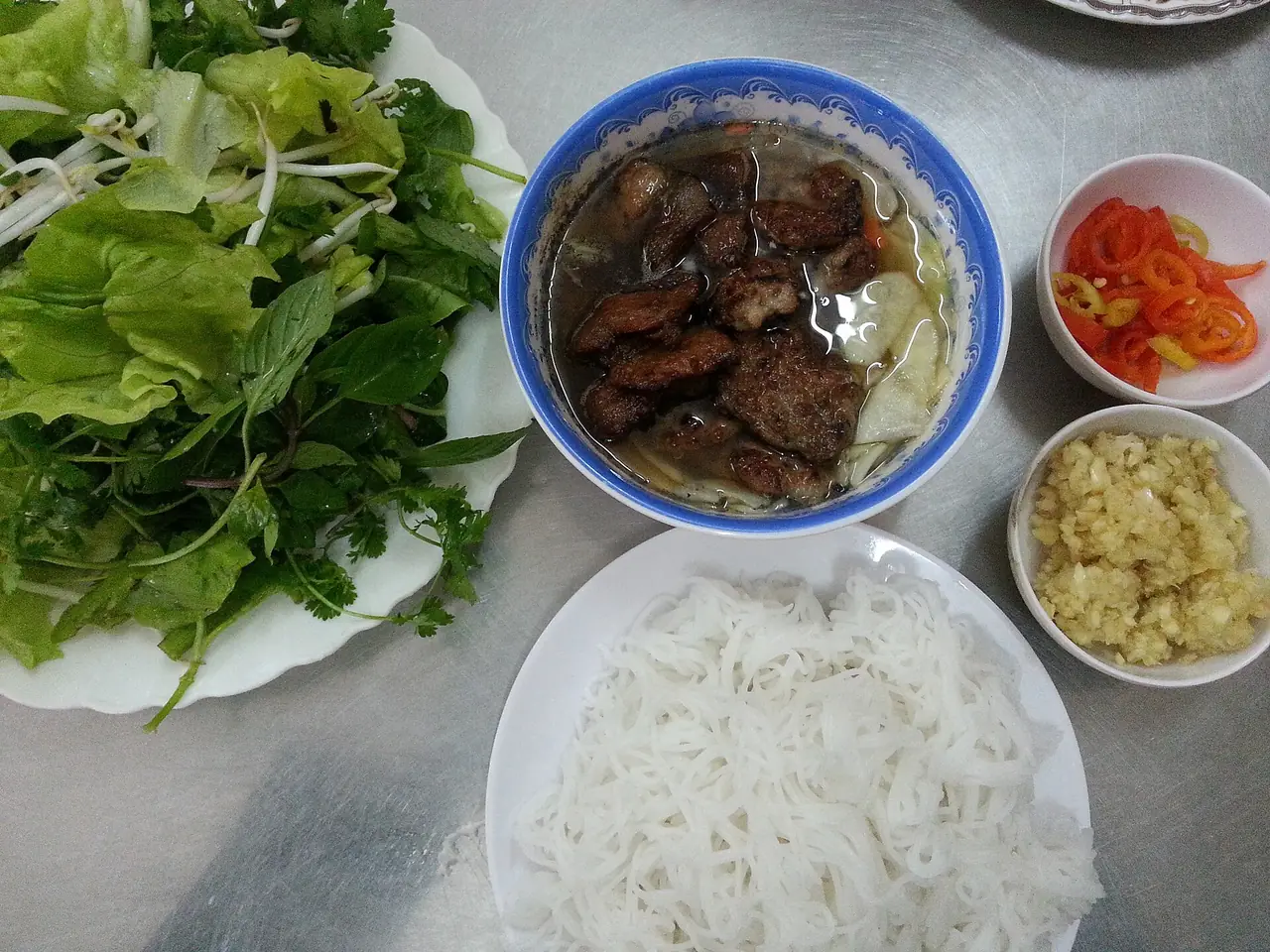
Bun cha is the one I would actually send you to first. Grilled pork patties and belly in a bowl of sweet, sharp, lightly pickled broth, with a plate of rice noodles and a mound of herbs to dunk. It is a Hanoi dish specifically, it is glorious, and it is a lunchtime thing rather than an evening one.
Cha ca is the turmeric-and-dill fish, cooked at your table in a pan, folded through noodles with peanuts and more dill than seems reasonable. It is a sit-down meal rather than a stool-and-go, and it is one of the few things worth booking a proper table for.
Banh cuon, silky steamed rice sheets rolled around minced pork and mushroom, is the delicate breakfast option and easy to miss.
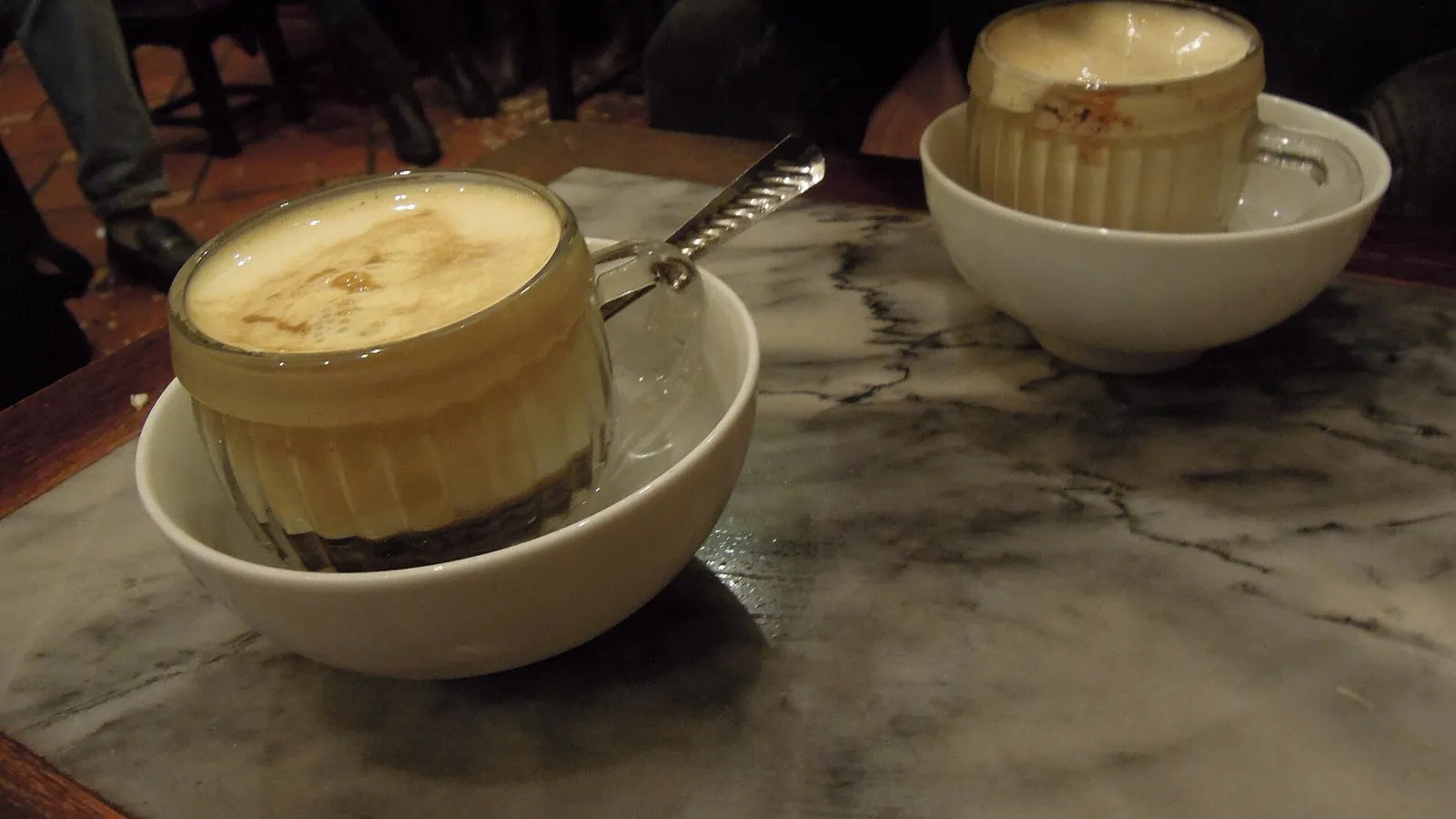
Egg coffee, ca phe trung, is Hanoi’s invention: egg yolk whipped with condensed milk into a thick, warm, custard-like foam over strong coffee. It sounds wrong and it is superb. Have it sitting down, slowly.
Our Vietnamese food guide covers the national dishes and the regional variations in more depth; this page is about where Hanoi diverges from all of them.
Where to go looking
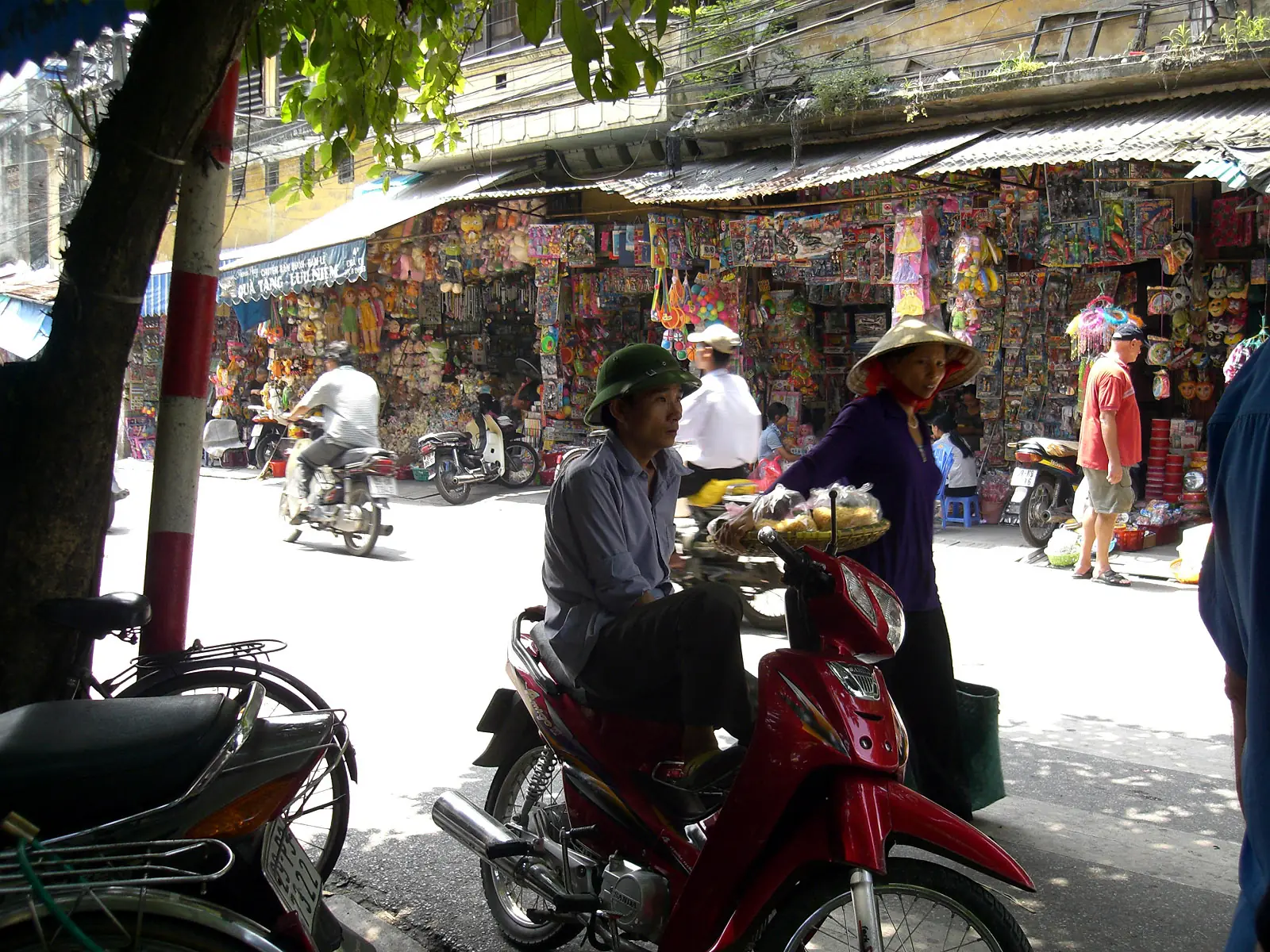
The Old Quarter is the obvious hunting ground, and it deserves its reputation, though the streets closest to the lake are the most visitor-priced. Walk two or three streets further in and both the prices and the queues change character.
The area around Truc Bach and the western edge of the Old Quarter has a denser concentration of single-dish specialists and fewer tour groups. The night market on weekends is fun but is more about atmosphere and snacks than serious eating.
My honest advice is to stop treating this as a list to tick off. Pick a dish you want, walk until you find a busy place selling it, and sit down. Hanoi has thousands of these, and the one three doors down from a famous name is frequently just as good and half as crowded.
Want someone to do the finding for you?Evening street food walks cover more ground than you would solo on night one.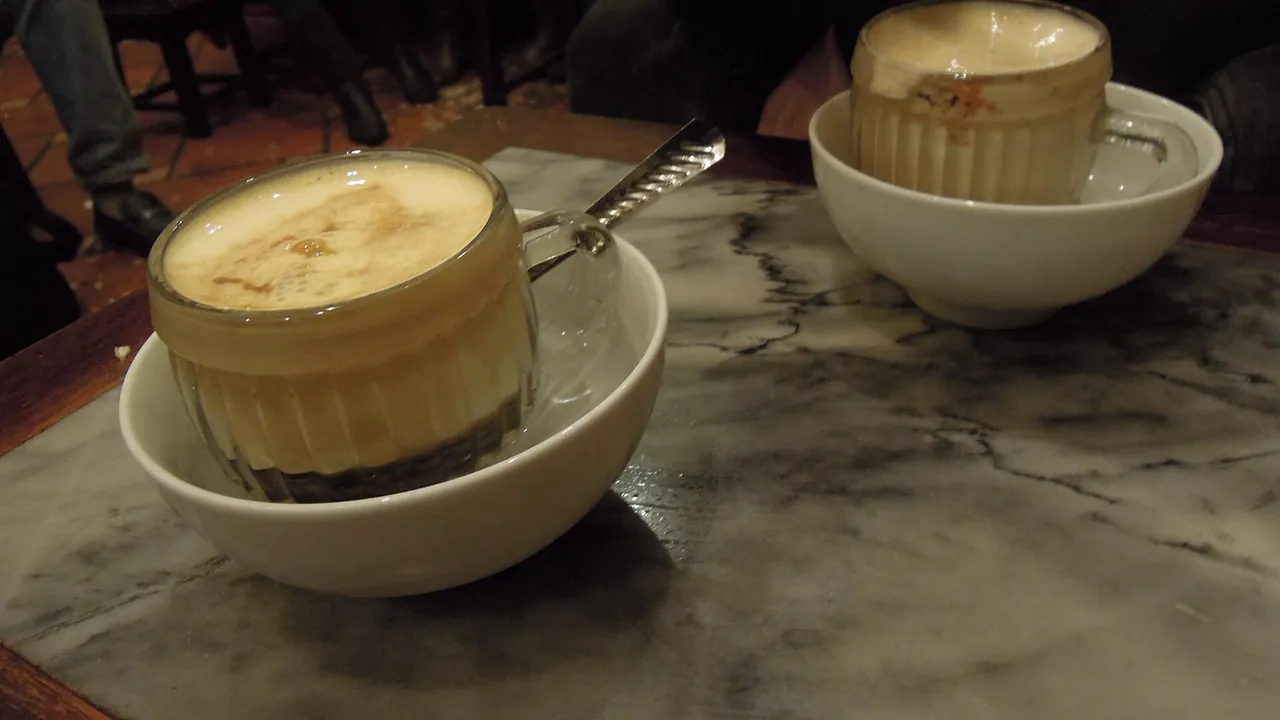
What it costs, and paying
Street dishes are inexpensive by any visitor’s standards, and the gap between a stall meal and a sit-down restaurant meal is large. Prices are in dong and cash is still the norm at stalls even as cards spread through cafes and restaurants.
A note on pricing that is worth saying plainly: at busy local stalls you are generally charged the same as everyone else. At heavily touristed spots, occasionally not. If a price feels wrong, it usually is, and the fix is to ask before you sit rather than to argue after you have eaten.
Want someone to do the finding for you?Evening street food walks cover more ground than you would solo on night one.Eating well without getting ill
The fear is overblown, but a few habits genuinely help. Eat where there is turnover, as above. Be more careful with raw herbs and salads at very quiet places than at busy ones. Ice in cafes and established stalls is commercially produced and generally fine. Drink bottled or filtered water rather than tap.
If you have a serious allergy, understand that fish sauce, shrimp paste and peanuts run through this cuisine at a level that goes well beyond what is visible in the bowl, and that a stall cook working in a second language cannot reliably guarantee absence. That is not a reason to avoid street food, but it is a reason to carry a written card in Vietnamese and to be honest with yourself about risk.
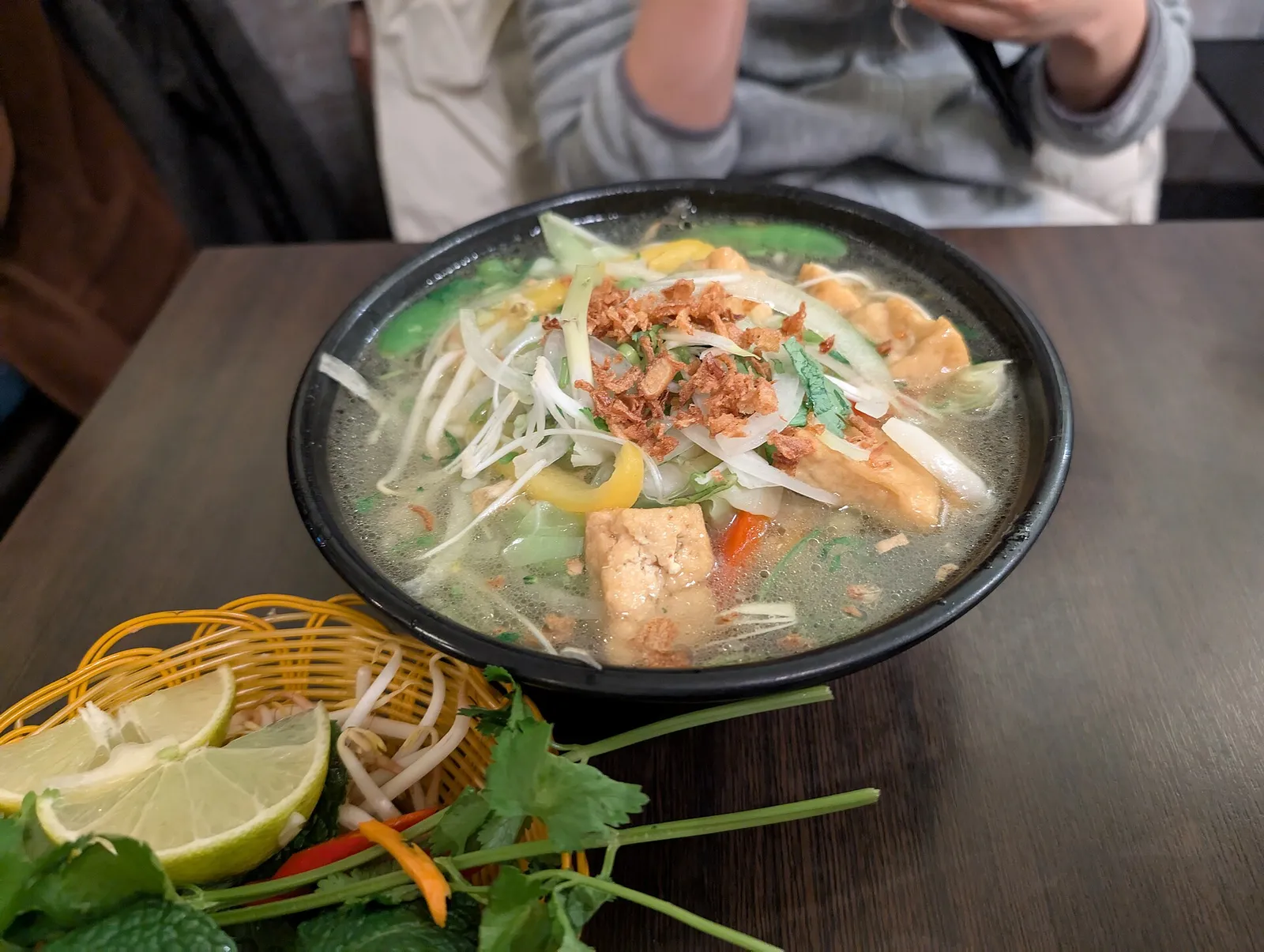
Vegetarians do better than they expect, but should know that broths are frequently meat-based even when the visible ingredients are not. Ask specifically.
How the north compares to the rest
This is the part that makes eating your way down the country so satisfying. The same dish name gives you a noticeably different bowl depending on where you are standing.
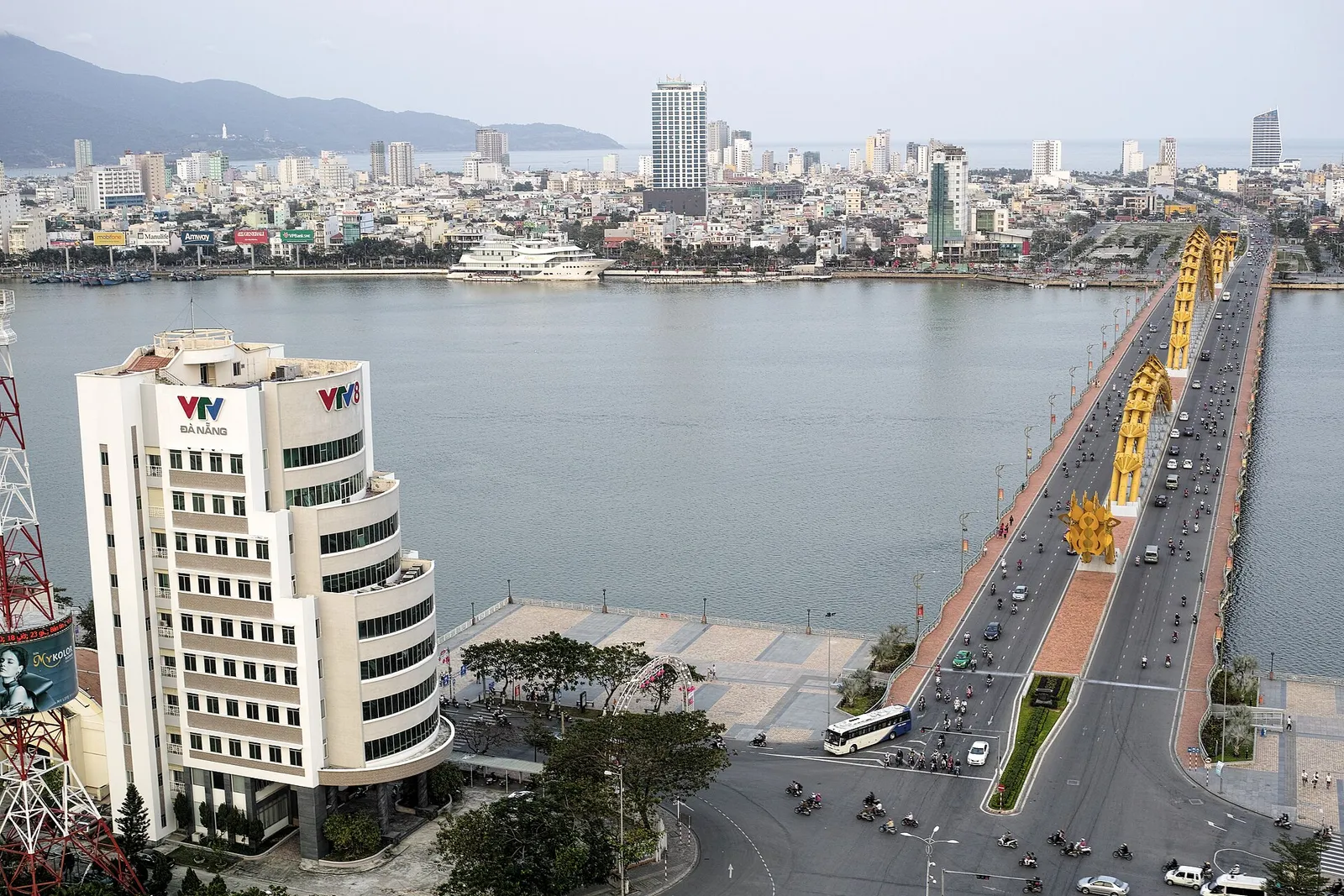
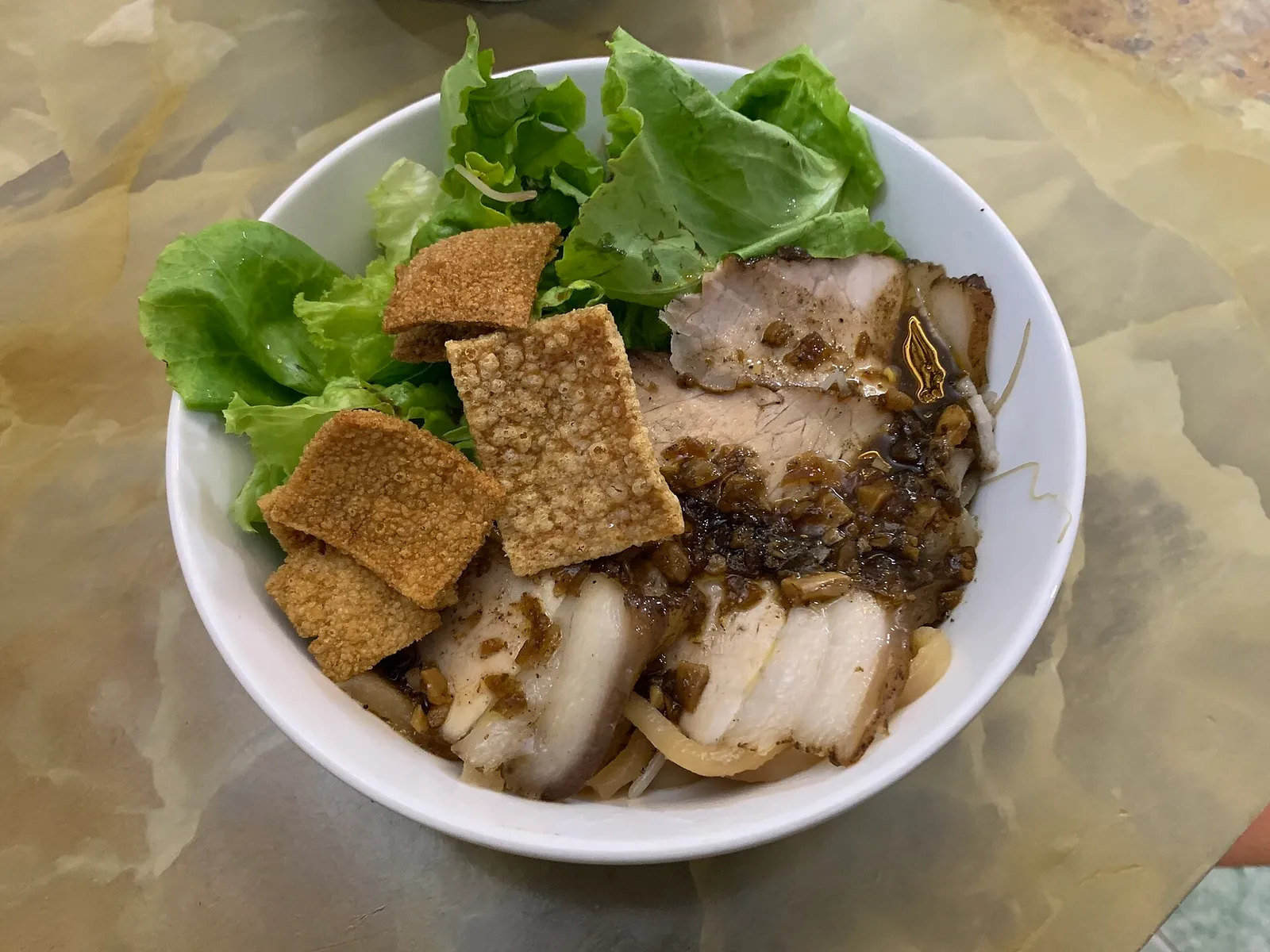
Go south to the central coast and the food turns sharper and more chilli-forward, with Da Nang doing its own seafood-heavy version of everything. Keep going and the southern kitchen sweetens up considerably.
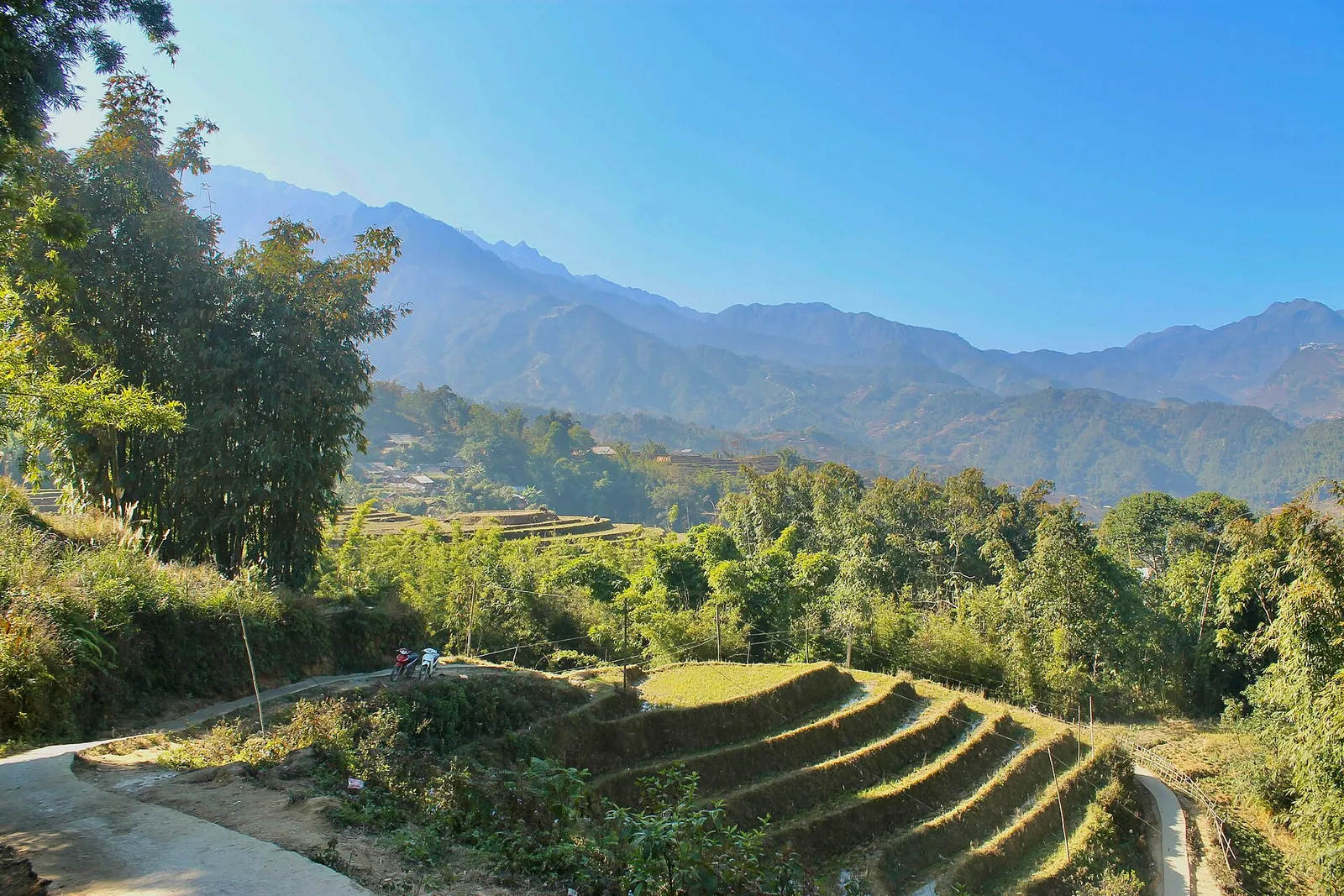
Head the other way, up into the mountains, and it changes again: the market food around Sapa is heartier, smokier and built for cold weather, with grilled meats and thick soups that would feel out of place in a Hanoi summer.
Where to start tomorrow morning
If you have one day: pho for breakfast somewhere busy, bun cha for lunch, egg coffee mid-afternoon sitting down, and let dinner happen wherever you end up walking. That is a better introduction to this city than any monument.
What did you eat in Hanoi that you are still thinking about? Tell me in the comments, and tell me which street, because that is the useful half.