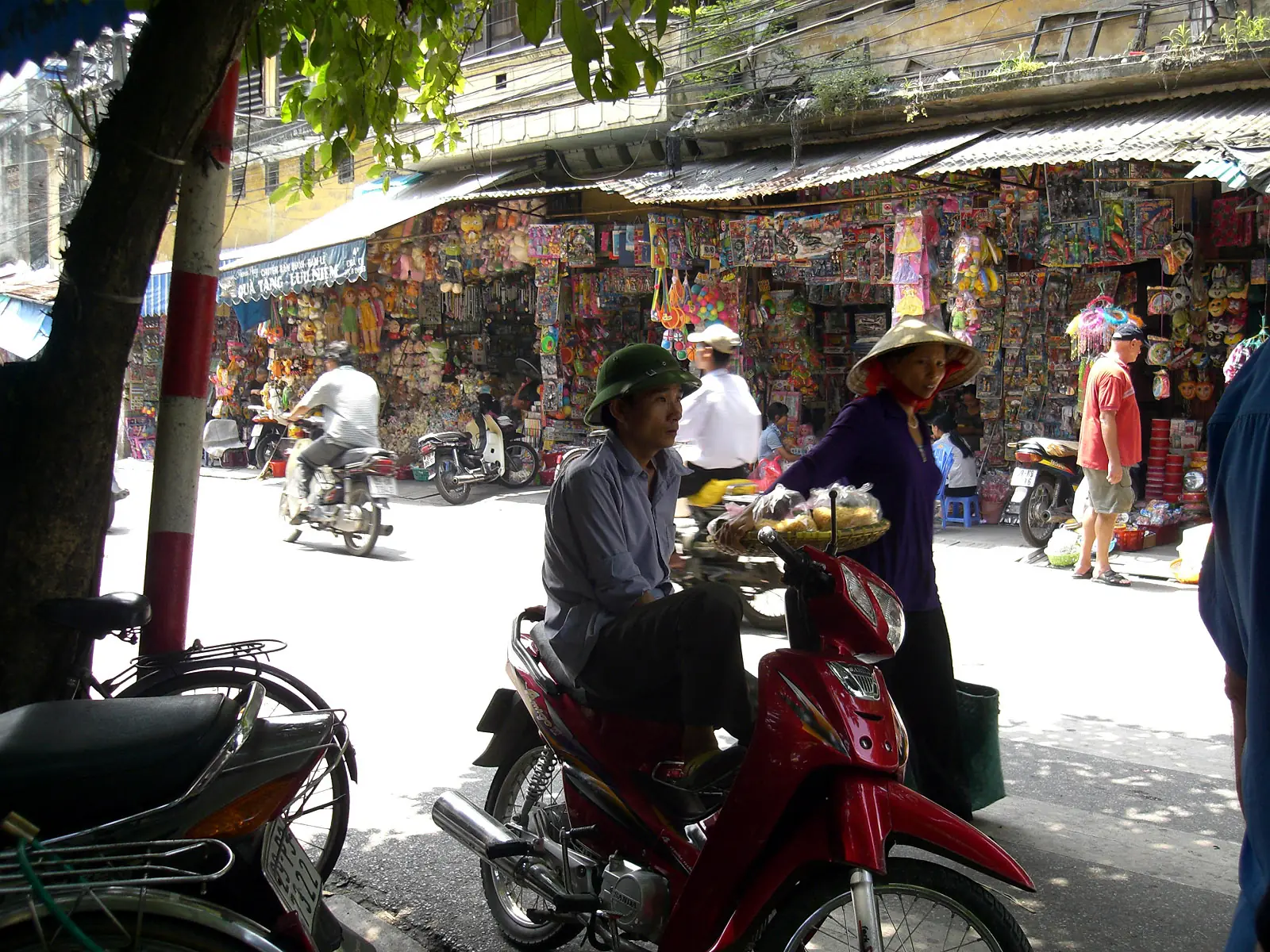
You come to Hoi An planning to eat one meal and end up eating five, because every lane off the Old Town smells better than the last. This small riverside town on the central coast is one of Vietnam’s great food destinations, with dishes that exist nowhere else in the country.
This guide covers what to eat, where to find it at every budget, a one-day tasting route, and notes for vegetarians, vegans and anyone with allergies. Come hungry.
The dishes Hoi An does like nowhere else
Before you pick a restaurant, it helps to know the handful of dishes that make this town different. Several exist nowhere else, and missing them means missing the point of eating in Hoi An.
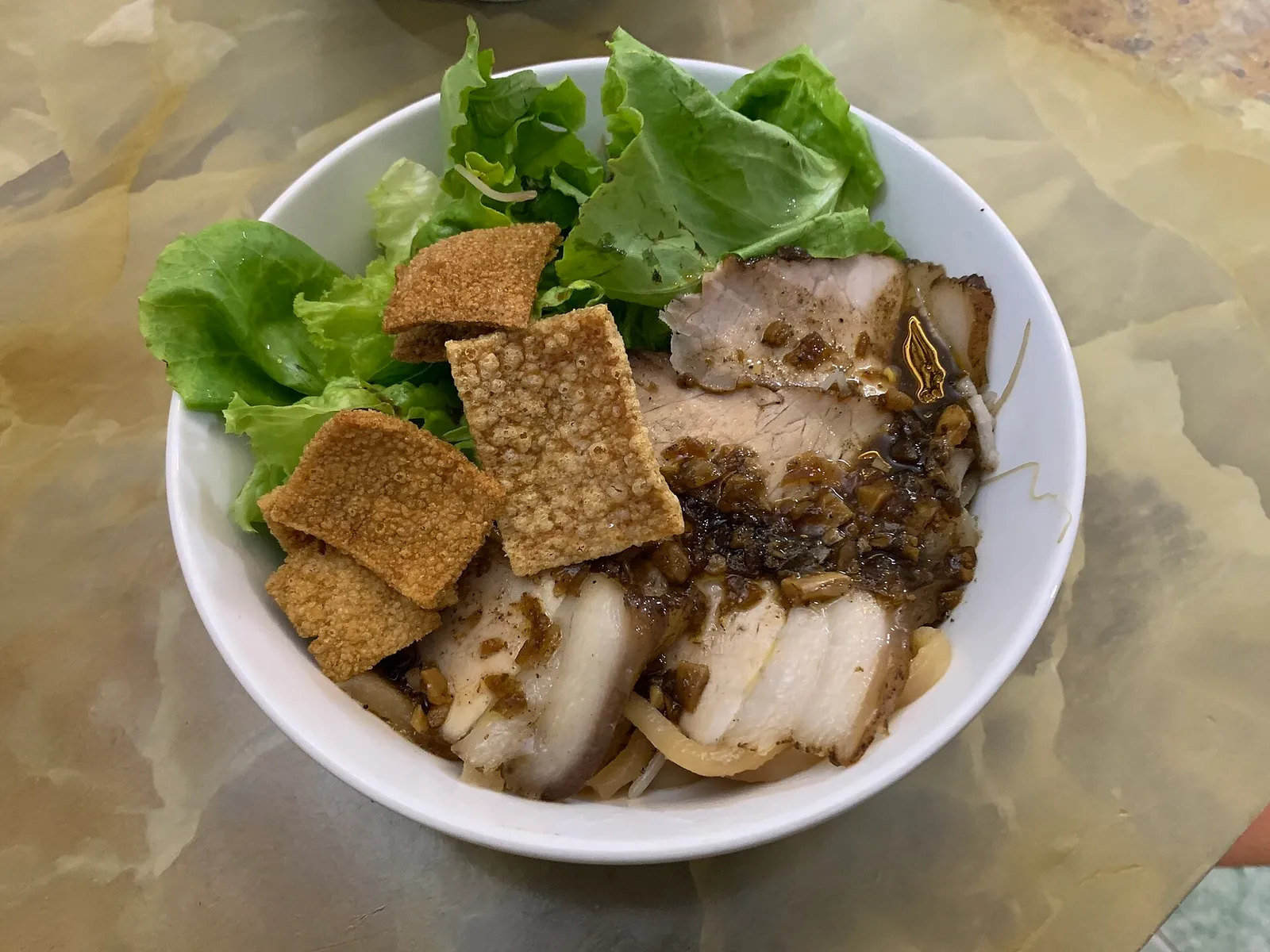
Cao lau is the dish to build a meal around: thick, chewy rice noodles with sliced pork, fresh greens and crispy croutons made from the same dough. Local lore ties the noodles to water from one particular well in town, which is why cooks insist the dish cannot be reproduced anywhere else.
White rose dumplings, known locally as banh bao vac, are delicate, near translucent parcels of rice dough folded around a shrimp filling, steamed and finished with crispy fried shallots. The name comes from the shape, meant to resemble a flower petal.
Banh mi here has a reputation that reaches well beyond Vietnam, helped along after the chef and writer Anthony Bourdain praised it on television. Our regional guide to banh mi and pho covers how this sandwich, and its cousin pho, change as you travel the country.
Round it out with com ga, simple chicken and rice for an easy lunch, and a bowl of che for dessert, a chilled, sweet mix of jelly, beans and coconut milk that suits the heat perfectly.
Where to eat, by budget and style
Hoi An serves everything from a cheap street stall to a chef-driven dining room on the water, often a few minutes apart on foot. Roughly, here is how the choices break down.
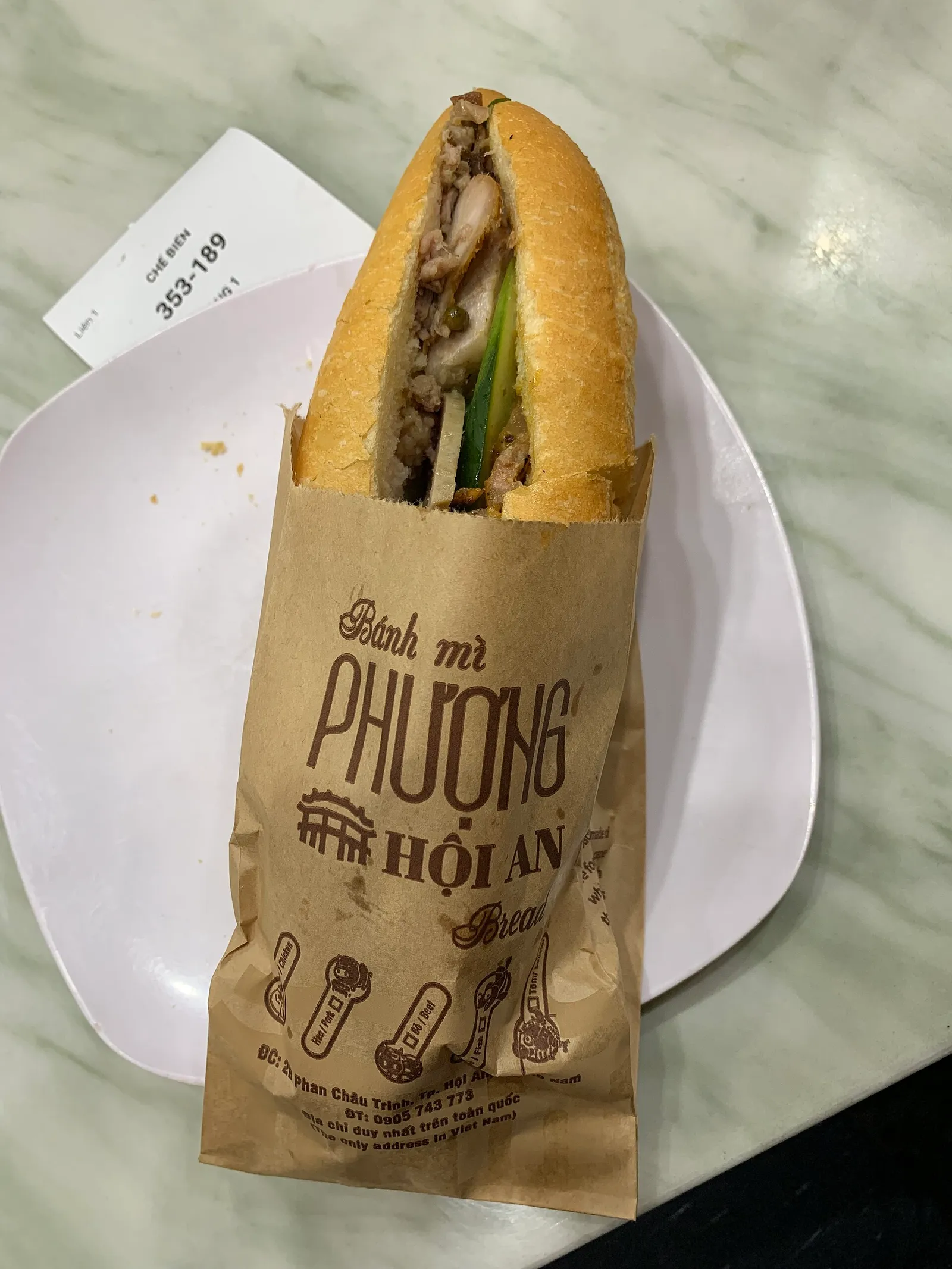
For banh mi, the longest queues in town form outside Banh Mi Phuong and Madam Khanh, both good enough to justify the wait, at roughly 30,000 to 40,000 dong a sandwich. A quieter counter a street over is often just as good with no line.
For cao lau, skip the polished restaurants on the tourist strip and look for a modest kitchen near the central market instead, where a bowl typically costs 50,000 to 80,000 dong and tastes better for it.
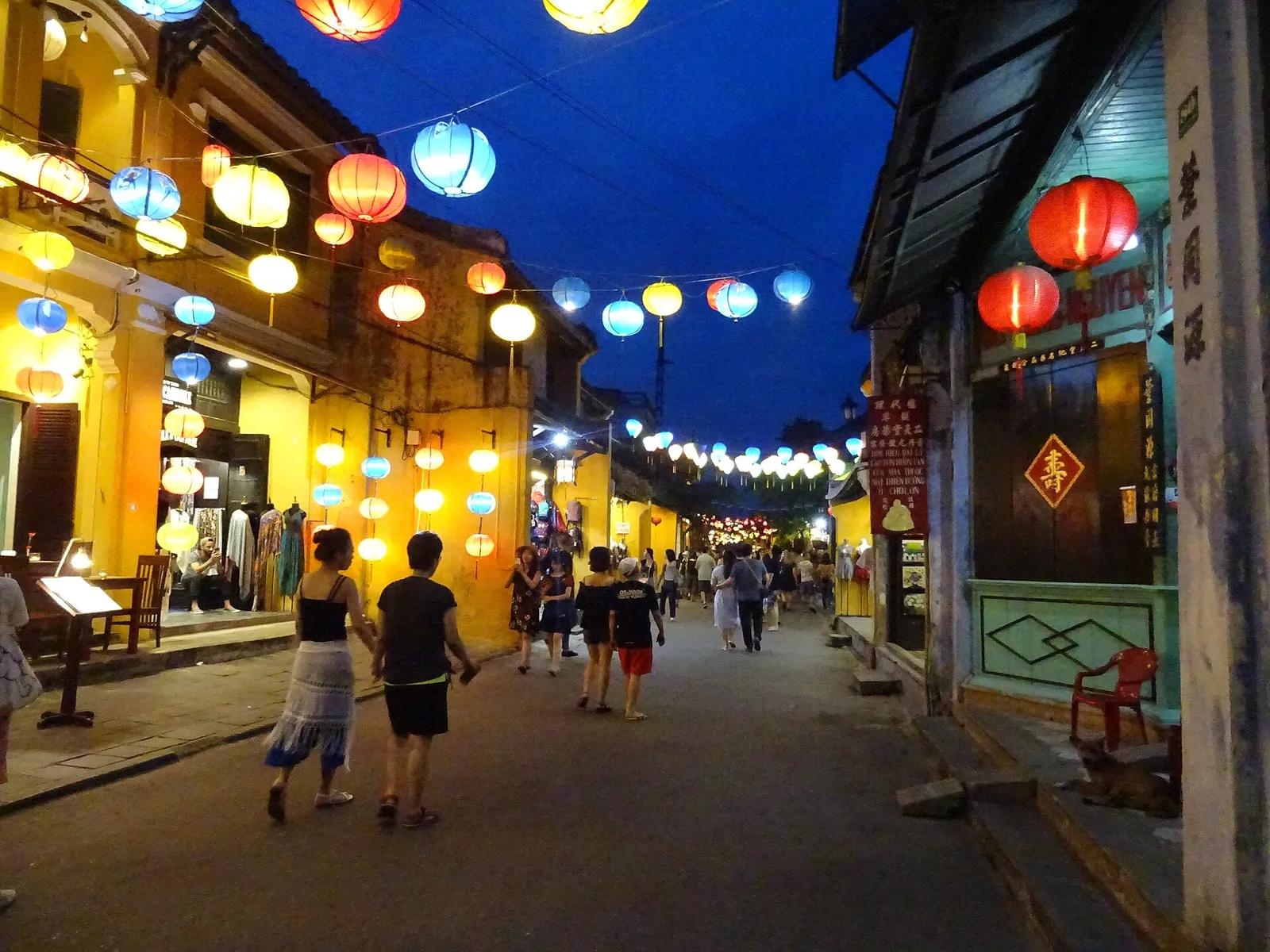
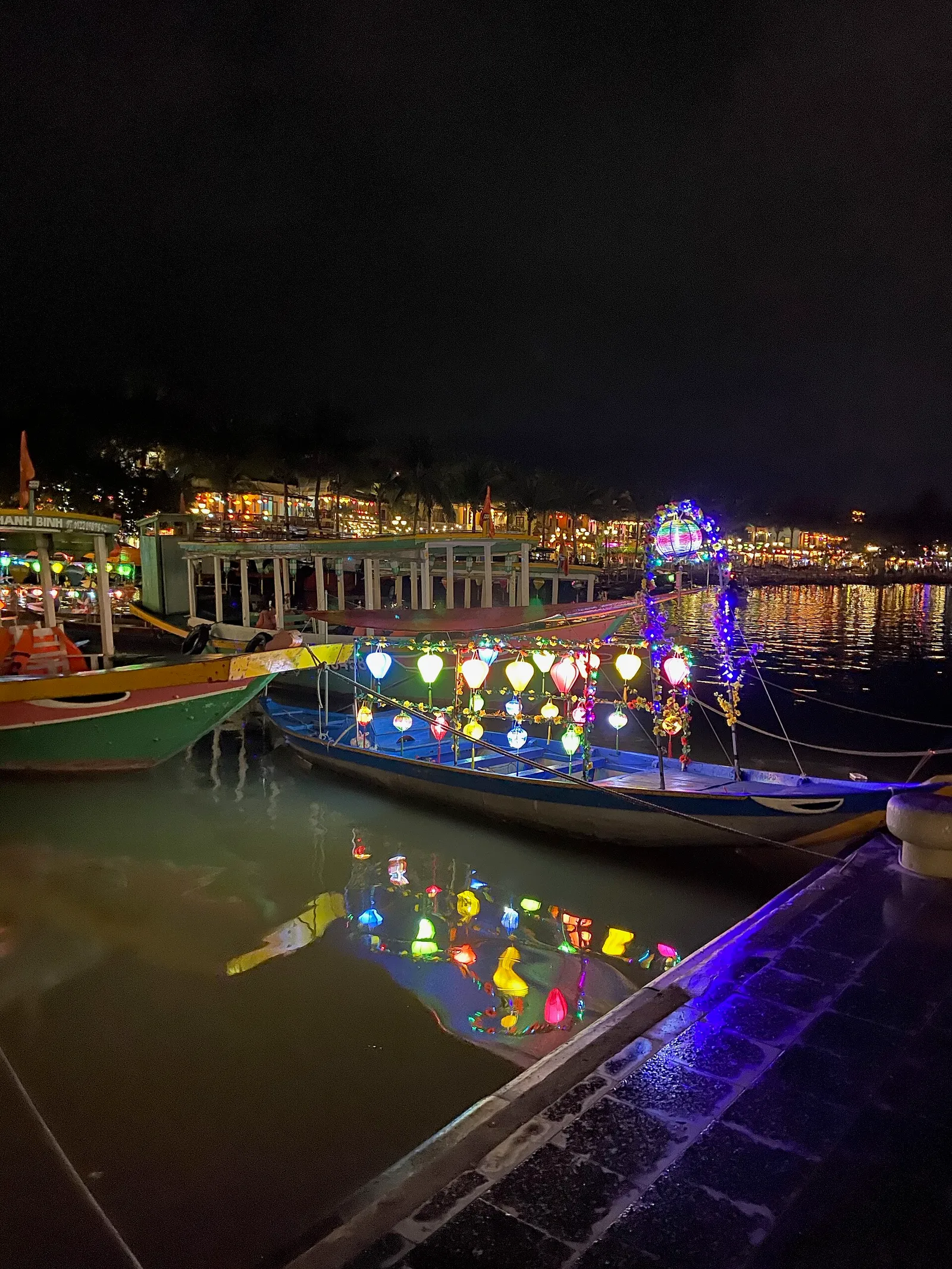
Riverside restaurants are where Hoi An turns romantic: tables face the water, the lanterns glow after dark, and dinner costs more for the setting, typically 200,000 to 400,000 dong per person, with chef-led or international kitchens running 300,000 to 600,000 dong. Our Hoi An guide covers the wider Ancient Town for planning an evening around it.
For something cheaper and more chaotic, the night market has snacks, skewers and desserts from about 20,000 to 60,000 dong, a good way to graze rather than commit to one sit-down meal.
A one-day tasting route
With one full day in Hoi An, here is a route covering the essentials without repeating a dish, built around walking distances in and near the Old Town.
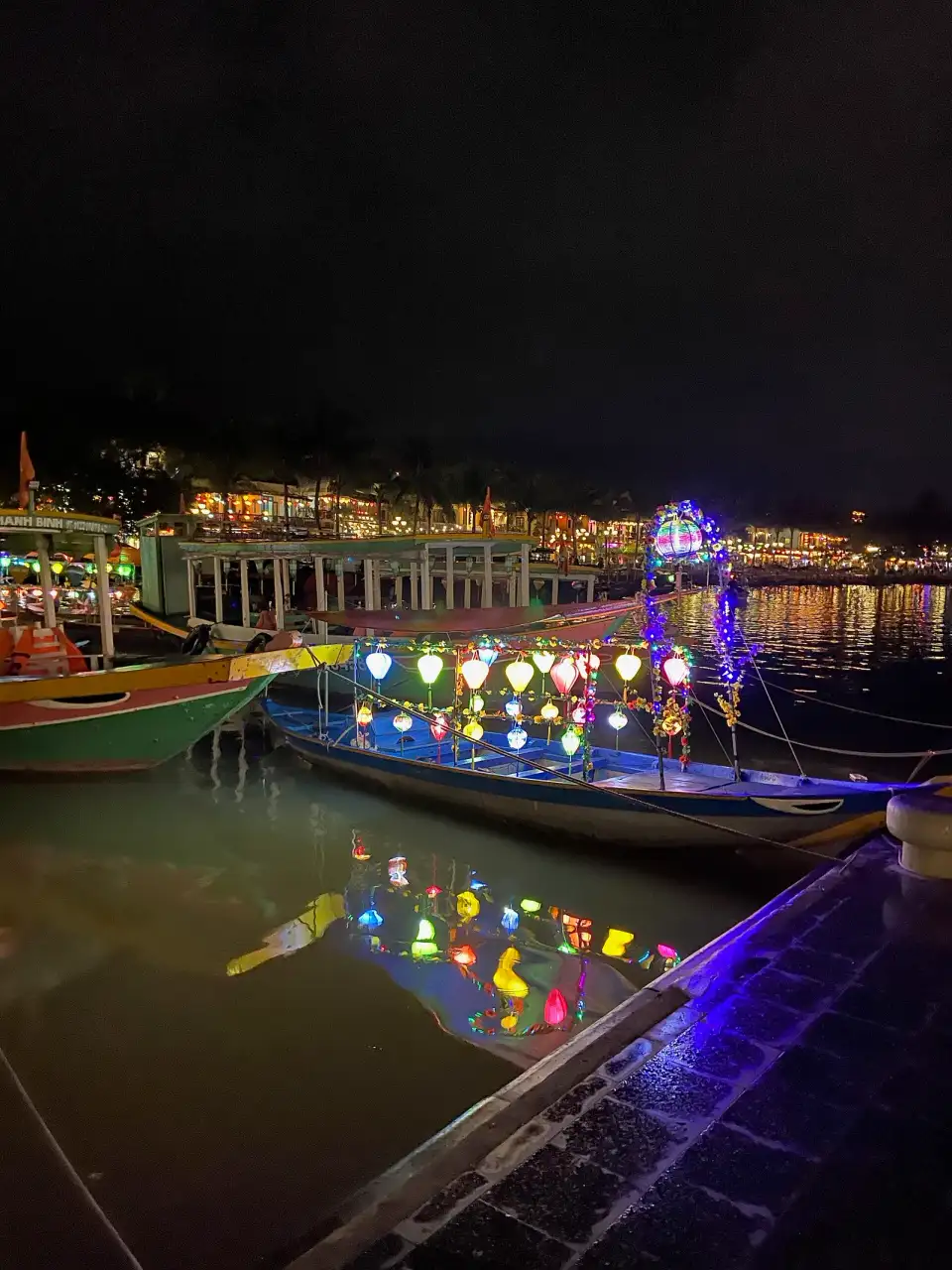
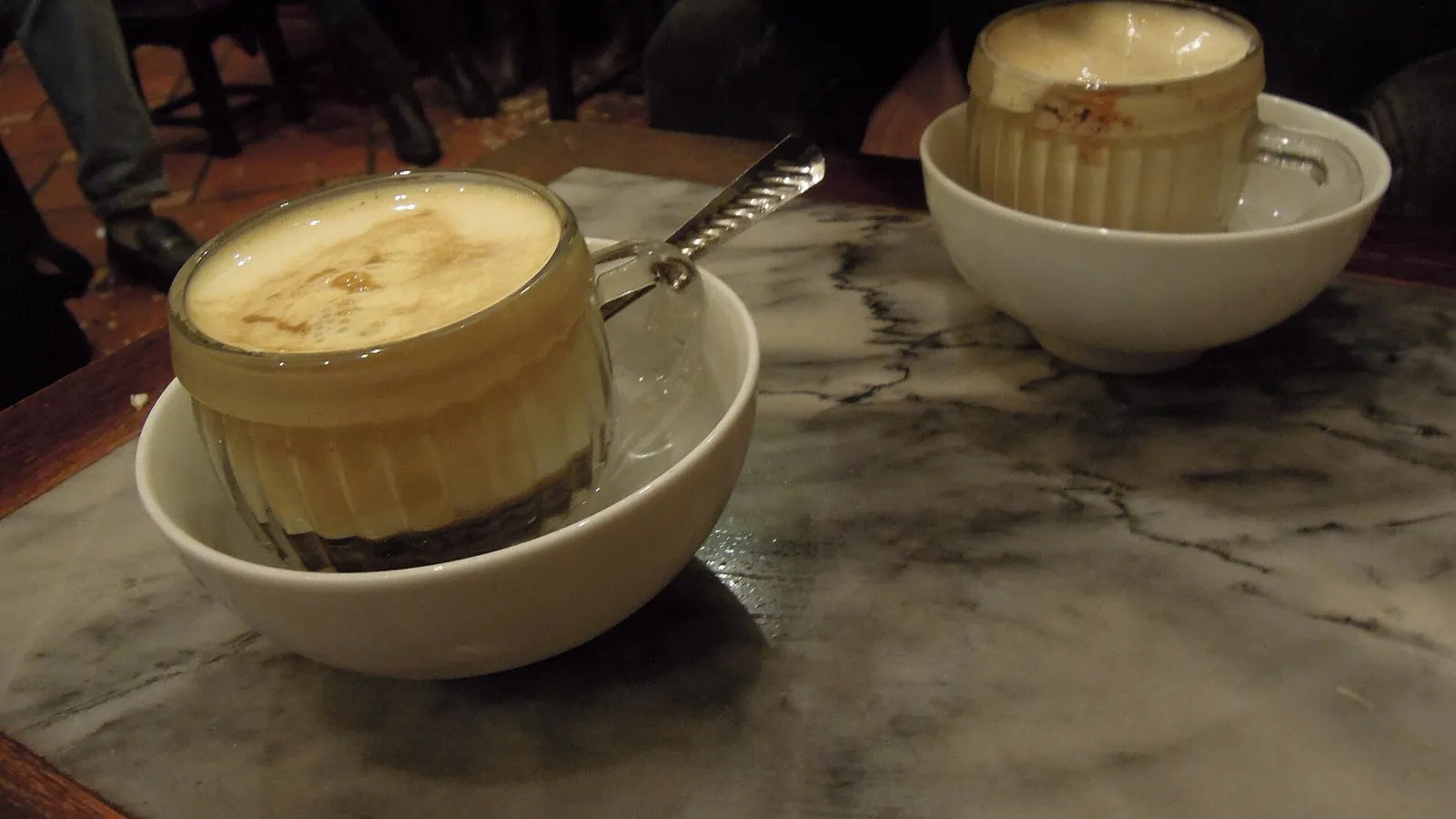
Start the morning with com ga or a fresh banh mi and iced Vietnamese coffee. At midday, sit for a proper bowl of cao lau, the dish not to skip. In the afternoon, cool off with white rose dumplings and a bowl of che. As evening arrives, wander the night market for skewers, then finish with dinner at a table facing the river, where the lanterns are lit and the boats drift past strung with lights of their own.
The route is flexible, and stretching it over two days works just as well. Everything in Hoi An sits close together, so you can eat a little, walk the lanes between meals, and arrive at the next stop hungry again.
Want a local to do the finding for you?A food tour or cooking class gets you to the good stalls fast, especially on night oneTake a cooking class home with you
Hoi An is one of the best places in the country to learn to cook, worth setting aside half a day for. A typical class starts with a market walk to learn the herbs and produce, sometimes followed by a short boat ride, then moves into the kitchen to cook two to four local dishes, which you eat at the end as your meal.
A full class with the market visit and boat trip usually costs 700,000 to 1,100,000 dong. A simpler class that skips those extras is cheaper. Either way, it is a good way to understand the food in depth, and you leave with recipes rather than just a photo of a plate.
Vegetarian, vegan and other dietary needs
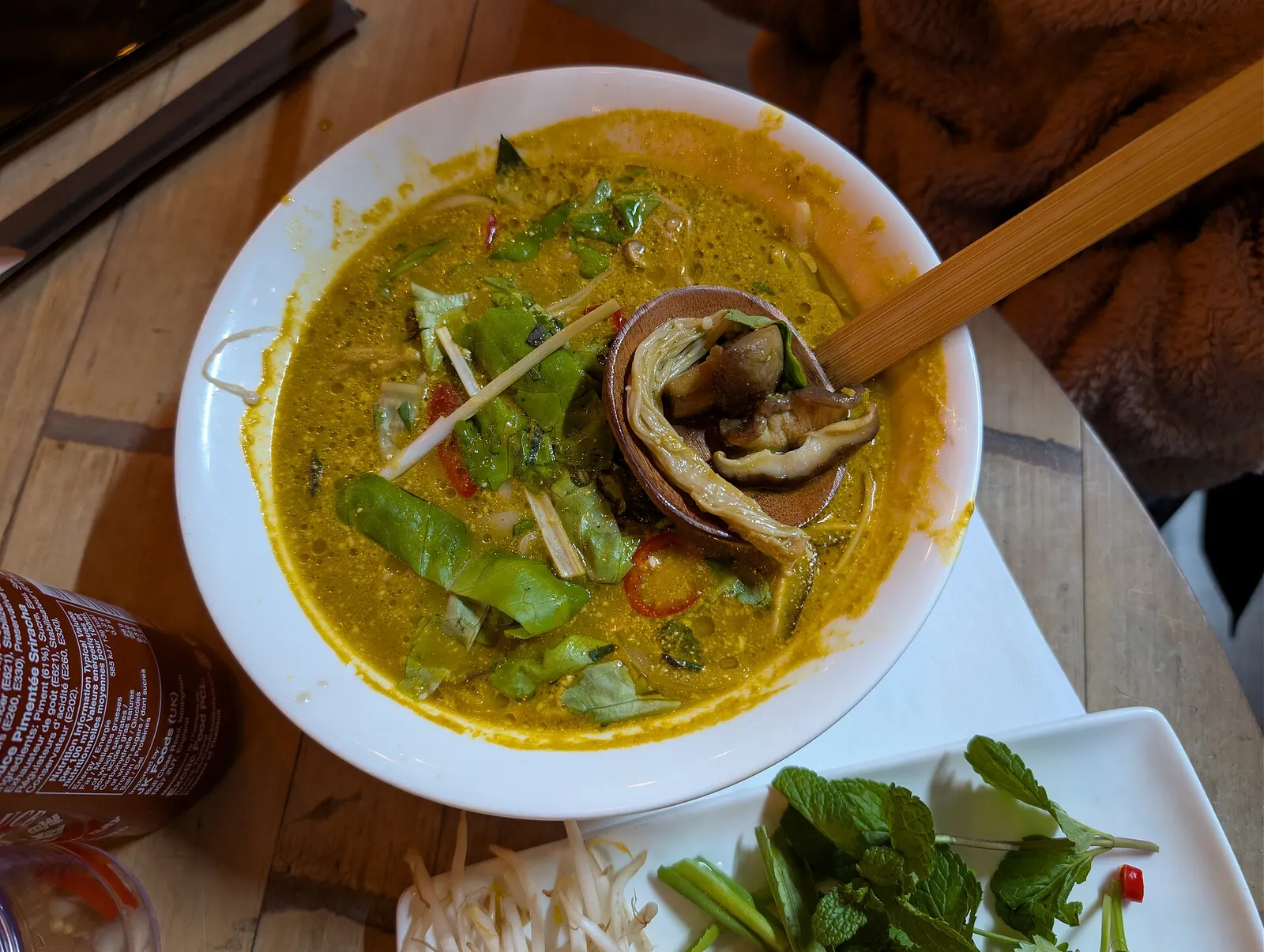
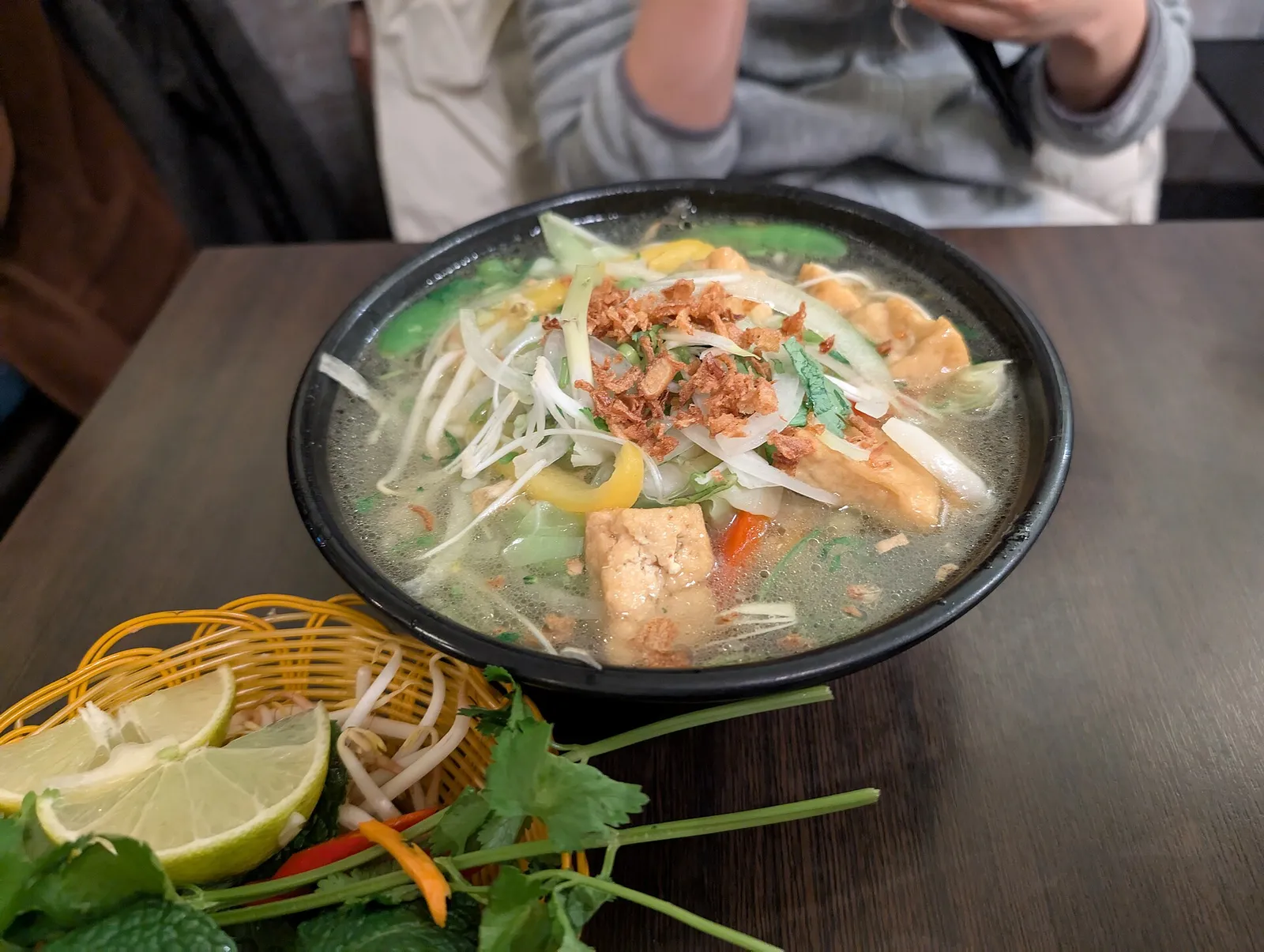
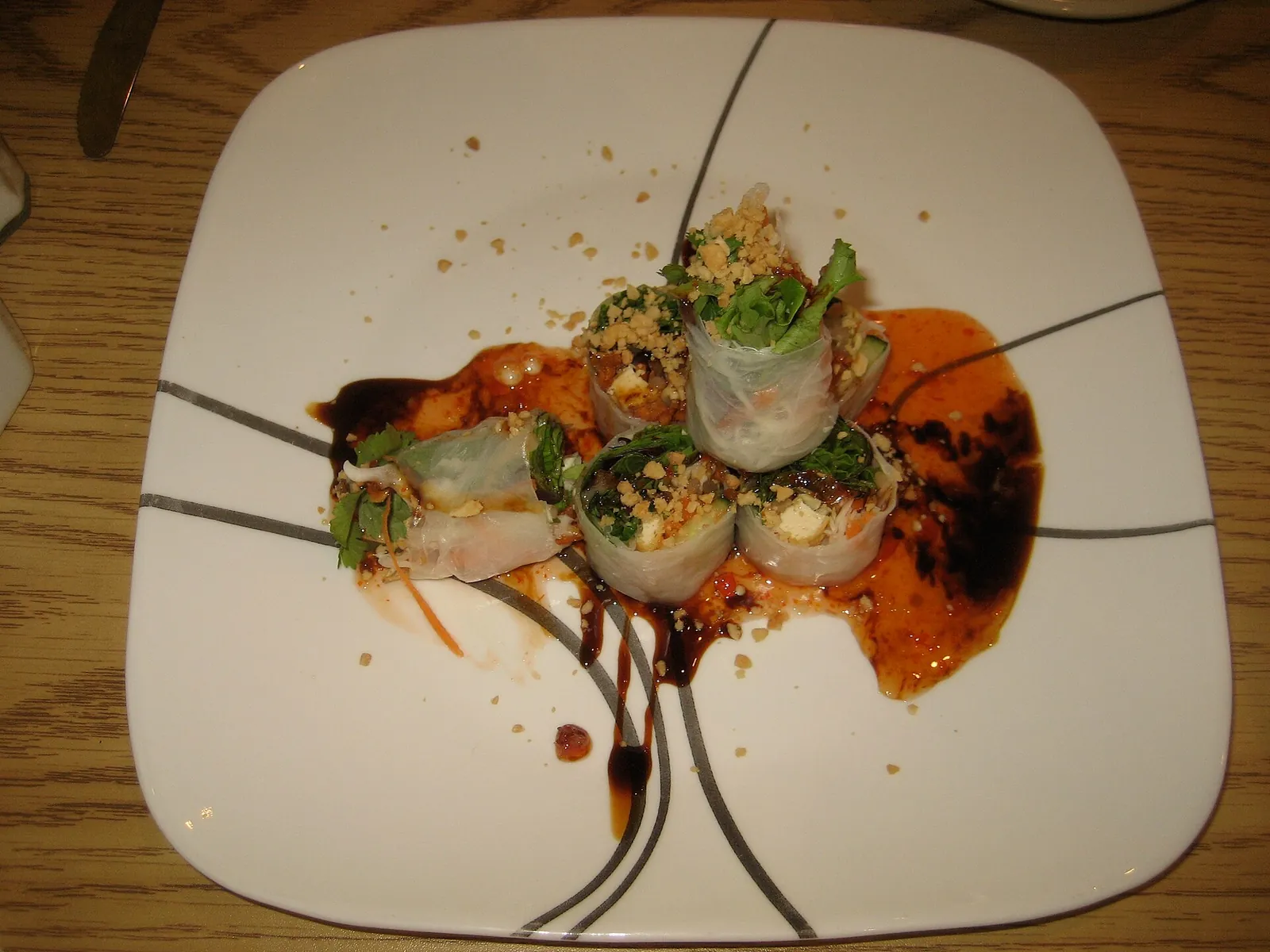
Hoi An is one of the easiest towns in Vietnam for vegetarian or vegan eating, with a genuine cluster of dedicated meat-free restaurants and menus marked clearly enough that you are not guessing. Vegetarian versions of cao lau, white rose dumplings and spring rolls are easy to track down.
Fish sauce is the thing to watch for. It shows up in dishes that otherwise look plant-based, so ask specifically if you need a strictly vegan plate. The same goes for allergies: cao lau contains pork, white rose dumplings contain shellfish, and fish sauce runs through far more of the menu than the visible ingredients suggest.
For a wider look at vegetarian and vegan eating across the rest of the country, our Vietnamese food guide covers the classics and the regional differences in more depth.
The short version
Eat cao lau at a plain local kitchen rather than a polished one, join the queue for banh mi at least once, and save one dinner for a table by the river when the lanterns come on. Vegetarians and vegans will do better here than almost anywhere else in Vietnam, and a half-day cooking class is worth the time if your schedule allows it. Hoi An rewards a slow appetite more than a packed itinerary.