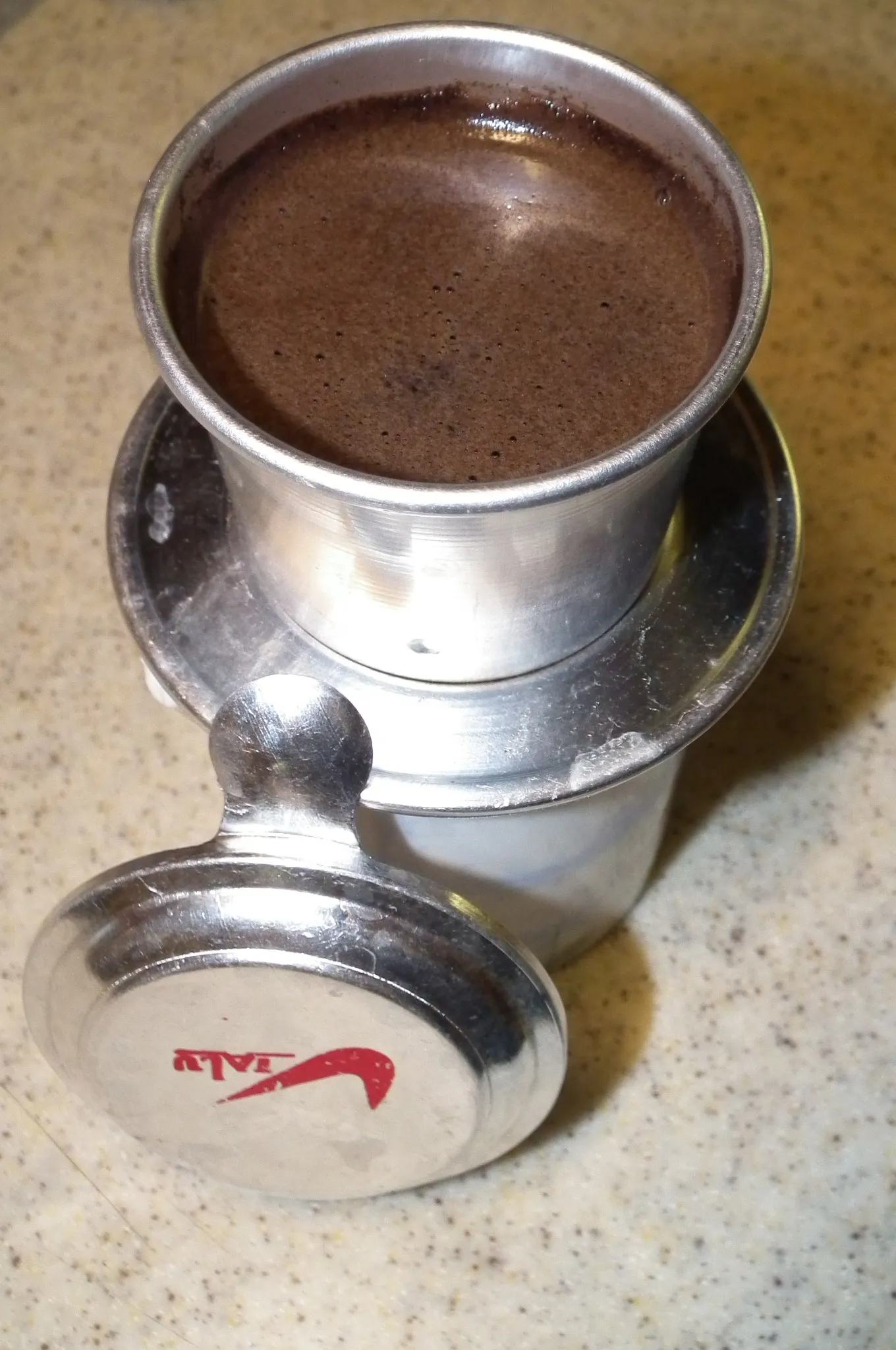
The first Vietnamese coffee I ordered arrived as a small metal contraption sitting on top of a glass, dripping slowly, with an inch of condensed milk underneath and no instructions. I waited, stirred it, poured it over ice, and understood immediately why this country drinks more coffee per person than almost anywhere in Asia.
Vietnamese coffee is not weaker or stronger than what you are used to. It is a different thing built on different assumptions, and once you know what those assumptions are, ordering becomes easy and the whole café culture opens up. Here is what you need to know.
Why it tastes the way it does
Two reasons, and they are worth understanding because they explain everything else.
The bean is mostly robusta. Most of the world’s specialty coffee is arabica; Vietnam is one of the world’s largest producers of robusta, which is stronger, more bitter, higher in caffeine and lower in acidity. It stands up to sweetness in a way that a delicate arabica does not.
The brewing is slow and concentrated. The traditional method is the phin, a small metal drip filter that sits on your glass and lets hot water pass through the grounds gradually. What comes out is thick and intense, closer to an espresso in strength than a filter coffee, but with a completely different texture.
Put those together and you get a coffee that is powerful and slightly bitter, which is exactly why condensed milk became the standard partner rather than an indulgence. The sweetness is not masking bad coffee; it is the intended balance.
How to order, in practice
The naming system is logical once you see the pattern. The words stack: coffee, then milk or not, then hot or iced.
| What you want | What to ask for |
|---|---|
| Black, hot | Ca phe den nong |
| Black, iced | Ca phe den da |
| With condensed milk, hot | Ca phe sua nong |
| With condensed milk, iced | Ca phe sua da |
Ca phe sua da is the national default and the one to start with. Da means ice, nong means hot, sua means milk. That is the whole vocabulary.
A note that catches people out: milk means condensed milk unless you specify otherwise. Fresh milk is available in modern cafés but is not the default, and asking for coffee with milk will get you the sweet version.
The specialities worth seeking out
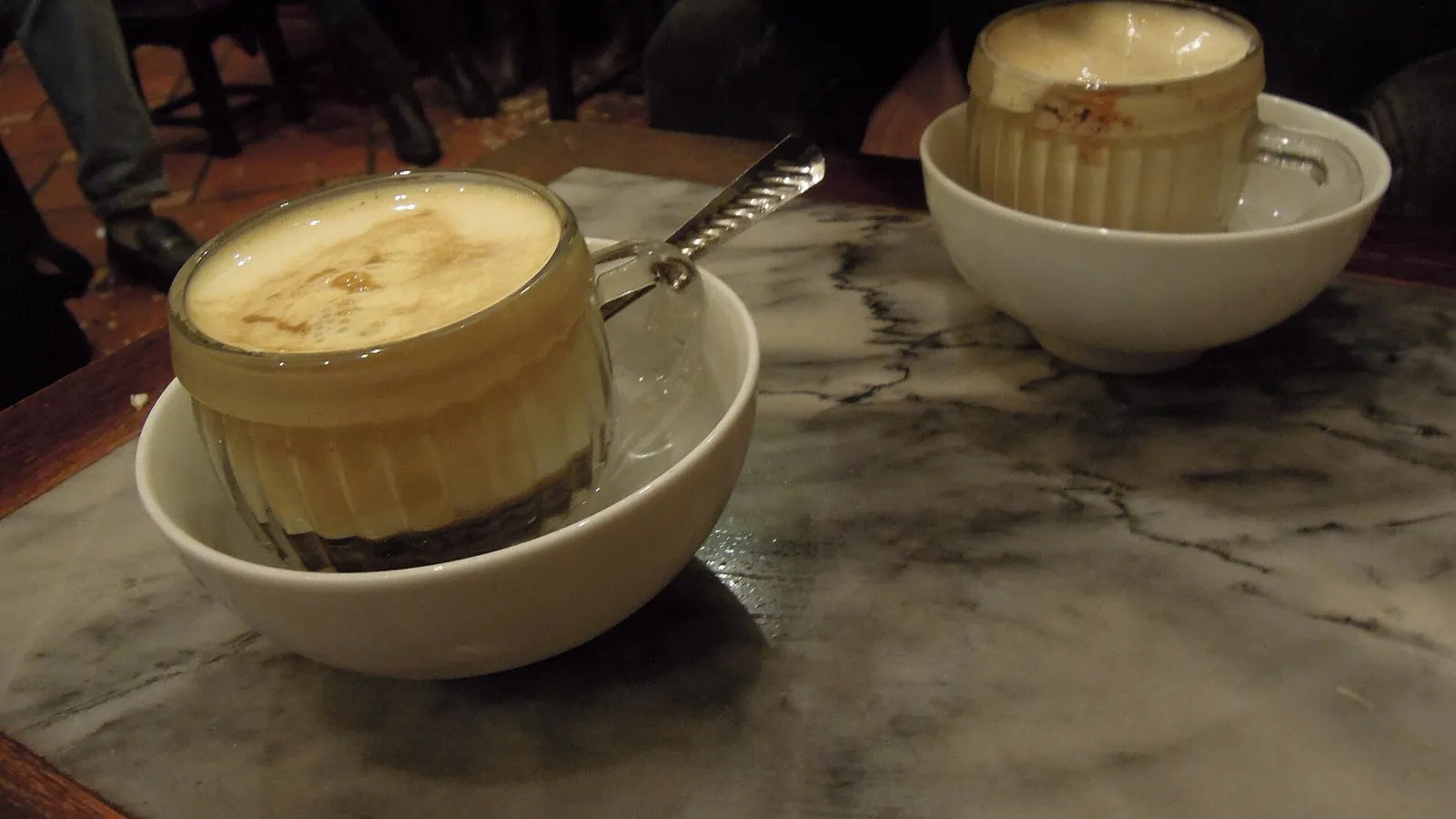
Egg coffee, ca phe trung, is the capital’s invention: egg yolk whipped with condensed milk into a thick warm foam, spooned over strong coffee. It sounds alarming and tastes like a warm liquid tiramisu. Have it sitting down, and have it hot. It is one of the genuine reasons to spend an afternoon in the Old Quarter.
Coconut coffee is coffee with blended coconut milk ice, closer to a dessert than a drink, and extremely good on a hot afternoon.
Salt coffee, ca phe muoi, comes from the imperial city and uses a lightly salted cream that cuts the bitterness. If you are passing through Hue, it is the local version and worth the detour.
Yoghurt coffee, sua chua ca phe, is exactly what it says and much better than it sounds.
Where the coffee comes from
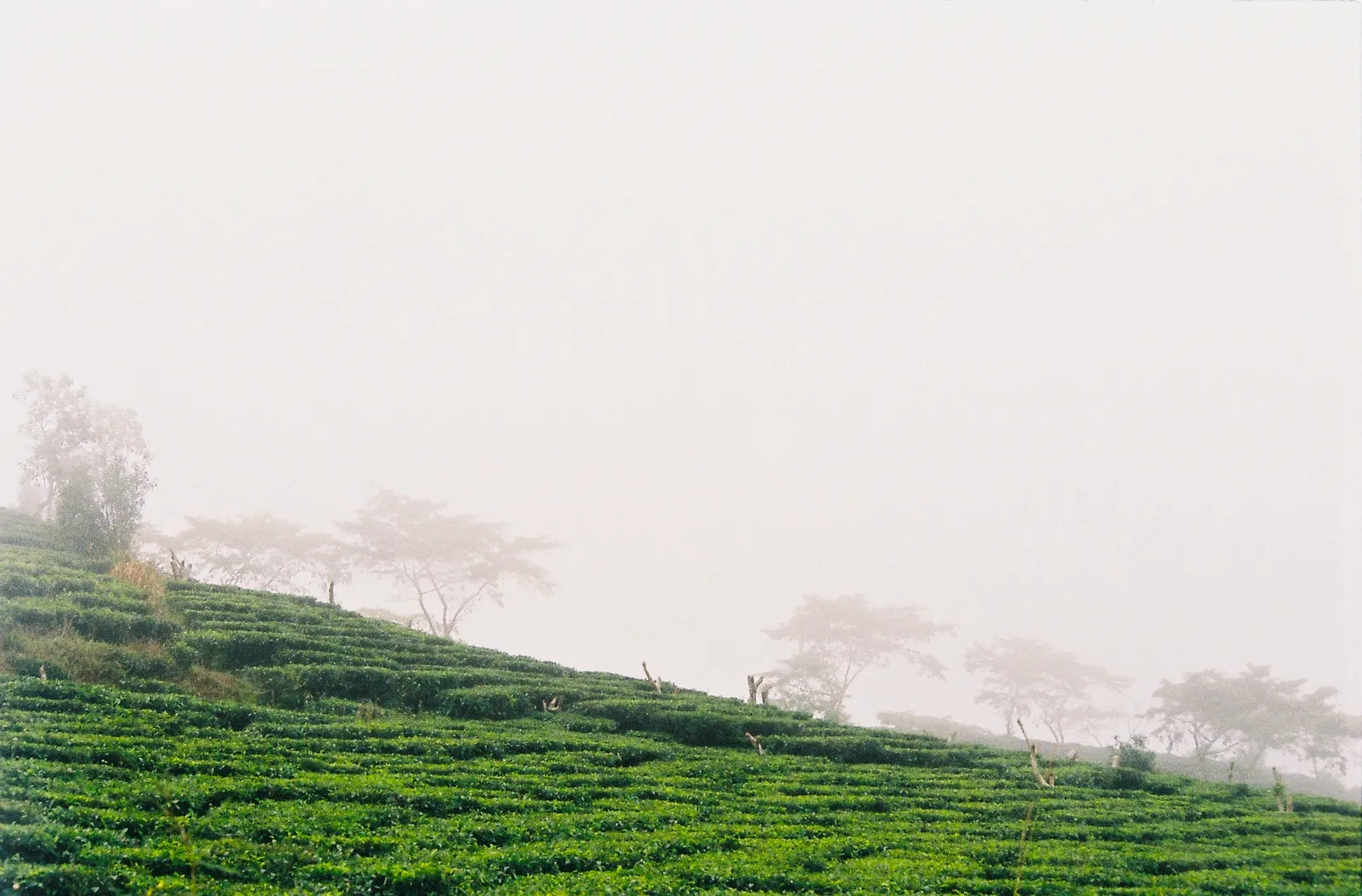
Vietnam’s coffee grows in the southern highlands, and it is a serious agricultural industry rather than a boutique one. The plantations are visible from the road, the processing happens locally, and in the highland town of Da Lat you can visit farms and roasteries and drink arabica grown at altitude, which tastes quite different from the standard lowland robusta cup.
That contrast is worth experiencing deliberately: the everyday street coffee and the highland arabica are both Vietnamese and almost unrelated in the glass.
The café as an institution
This is the part that surprises visitors most. Cafés here are not places you grab something and leave. They are where people sit for hours, work, meet, escape the heat, and watch the street.
The range is enormous. There are pavement cafés with tiny plastic stools facing the road, where the entertainment is the traffic. There are garden cafés hidden behind walls, full of plants and quiet. There are converted apartment blocks where each floor is a different café. And there is a substantial modern specialty scene in the big cities doing pour-over and single-origin work at an international standard.
Wifi is close to universal, fast, and free. Nobody will rush you. If you are working remotely, this is one of the best countries in the world for it.
Coffee, street food and the cityGuided food walks usually build in the cafés locals actually use. Coffee, street food and the cityGuided food walks usually build in the cafés locals actually use.What it costs, and how to pay
Coffee is inexpensive, dramatically so at street level and still reasonable in the specialty places. Prices are in dong and the pavement cafés are cash businesses.
A useful signal: the places charging the least are frequently the ones with the strongest coffee and the best people-watching. The modern cafés charge more and are selling you the room, the aircon and the wifi, which on a hot afternoon is a fair trade.
Practical notes
The caffeine is real. Robusta has substantially more caffeine than arabica, and the phin method concentrates it. Two iced coffees late in the day will keep you awake, and visitors regularly discover this the hard way.
Ice is fine. Commercially produced ice is the norm in cafés and established stalls.
Bringing beans home is easy and cheap, and ground coffee for a phin is widely sold. Buy a phin filter too; they cost almost nothing and they are the only way to reproduce the drink properly.
Ask for less sweet if the condensed milk is too much: it is normal to request it, and most places will adjust.
Where coffee fits in the day
Mornings are for a strong black or milk coffee alongside breakfast. Mid-afternoon is the iced coffee slot, and it is a genuine ritual rather than a habit, particularly in the southern heat. Evenings lean towards the sweeter, dessert-style versions.
That rhythm is worth adopting, because it is also the rhythm of the day here: work early, retreat from the heat in the middle, come back out in the evening. Our Vietnamese food guide covers how the eating fits around the same pattern.
The short version
Order ca phe sua da first. Let the phin finish dripping. Try egg coffee in the north and salt coffee in the centre. Sit for an hour rather than ten minutes, because that is what the café is for. And do not drink two after four in the afternoon unless you enjoy ceilings.
What is the best coffee you have had in Vietnam, and where were you sitting? Tell me in the comments.