Vietnam has a reputation as a destination for backpackers and older travellers, with families somewhere in between and unaccounted for. In practice it works well with children, and the reasons it works are social while the reasons it is hard are practical. Both are worth knowing before you book.
The reception children get
This is the part nobody puts in the brochure. Vietnamese warmth towards children is striking, to the point where visitors sometimes find it overwhelming: staff engage directly, strangers say hello, and nobody treats a child in a restaurant as a problem to be contained.
That removes a great deal of the low-level stress that makes family travel abroad tiring. You are not managing the room’s disapproval, which is frequently the actual difficulty in other countries.
Our first-time guide covers the general groundwork, most of which applies whoever you are travelling with.
The traffic, which governs everything
Here is the real difficulty, and it is not what most people anticipate.
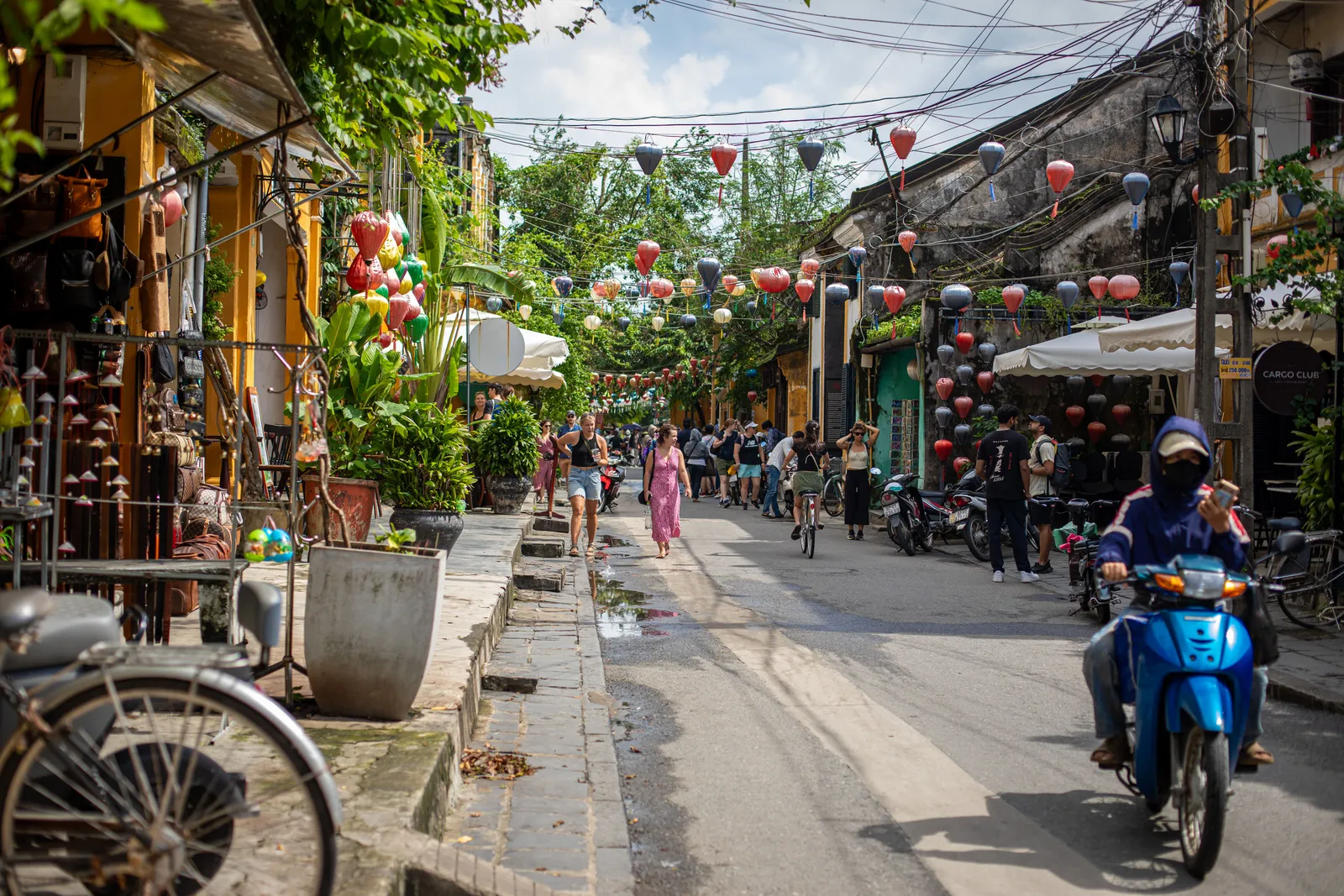
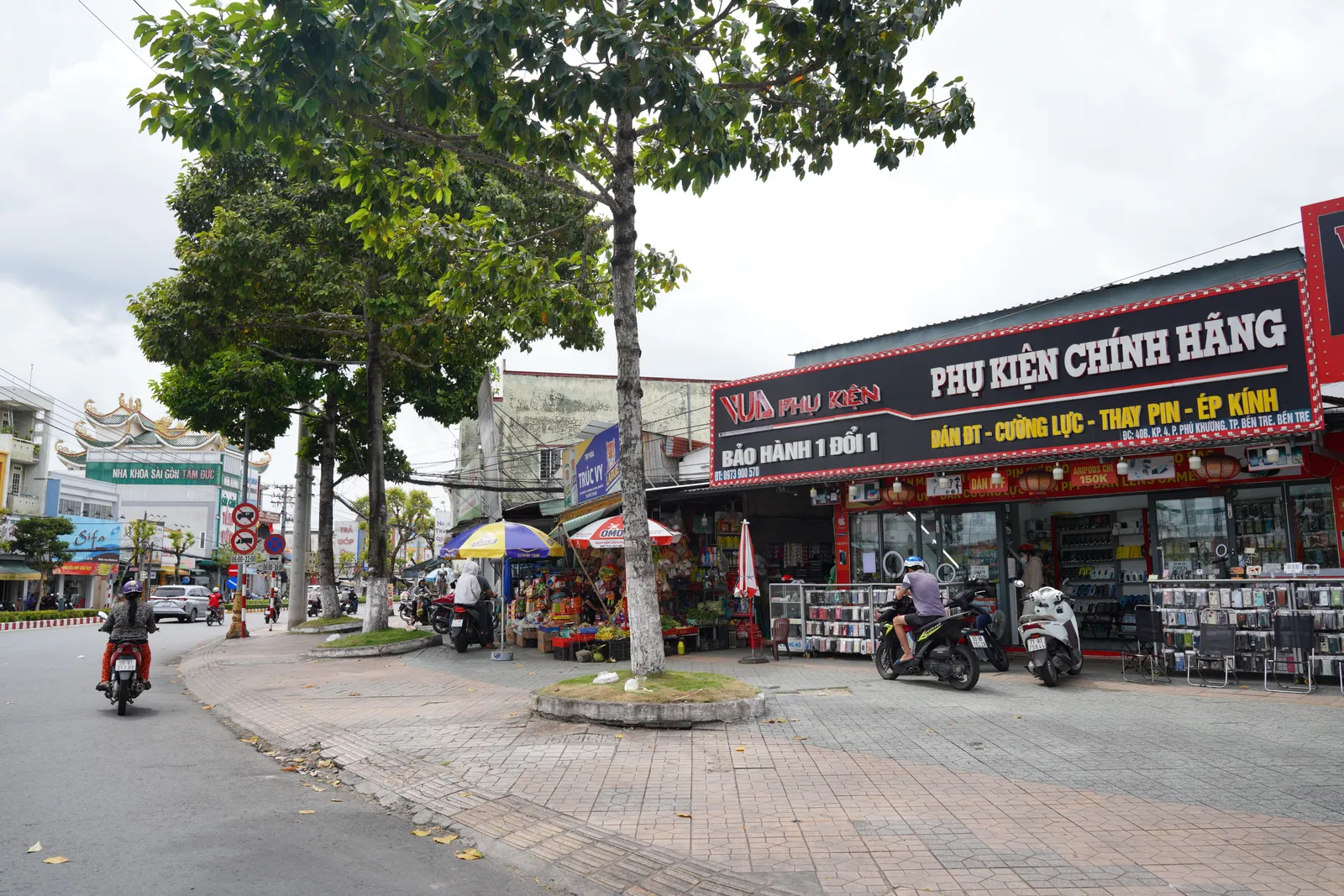
Vietnamese cities carry enormous volumes of motorbikes, and the flow does not stop for pedestrians in the way it does in Europe or North America. The technique that works is to walk steadily and predictably and let the traffic move around you, which is deeply counterintuitive and considerably harder with a small child who may stop, dart or pull.
The practical responses: hold hands firmly and keep the child on the far side from the traffic, cross alongside a group of locals wherever possible, and choose quieter streets and pedestrianised areas as your default rather than the main arteries.
This single issue shapes which areas are comfortable and which are exhausting, more than any other factor.
Where to go
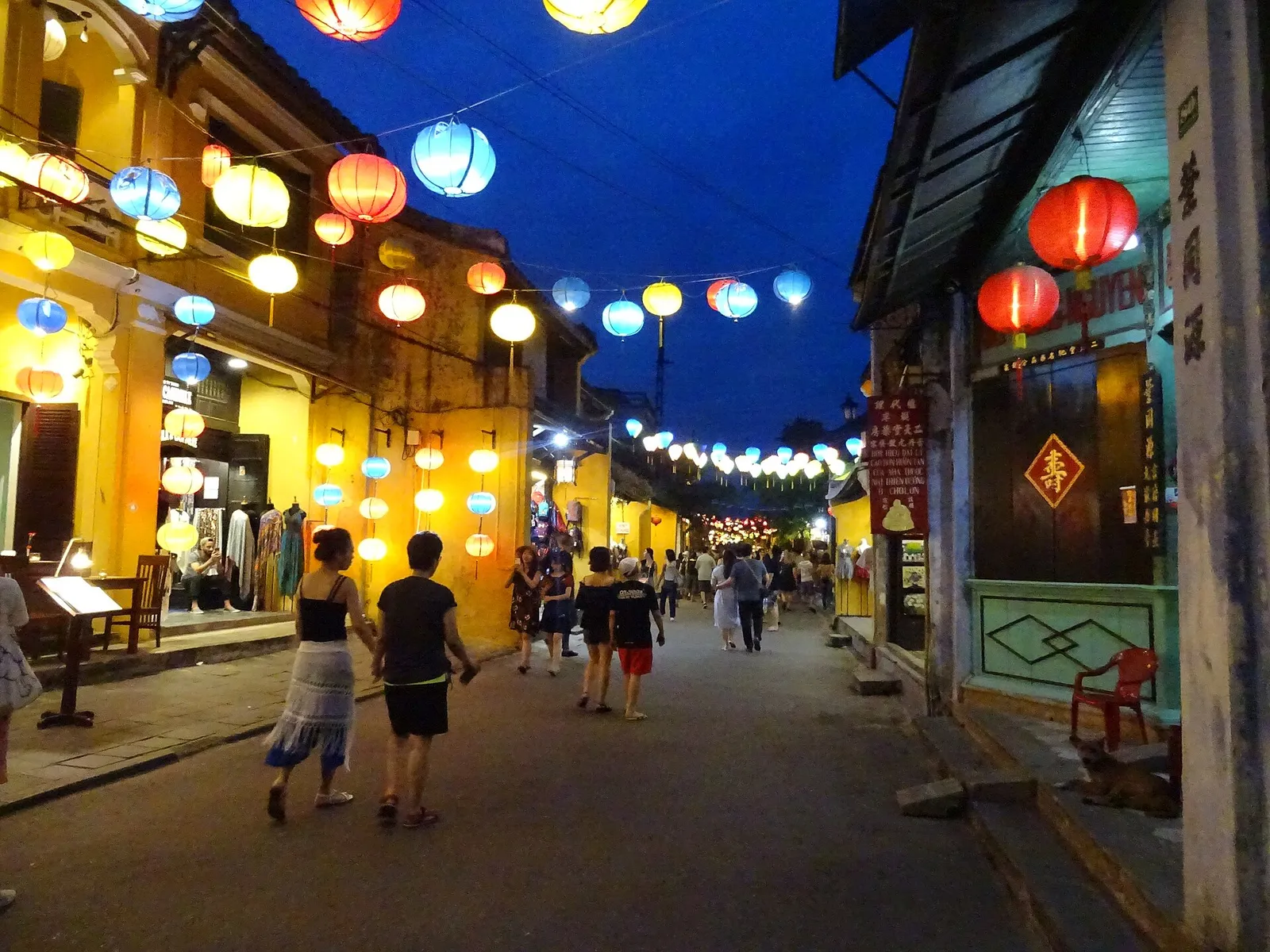
The centre is the easiest region by a wide margin. Hoi An in particular suits families: the old town is largely pedestrianised in the evenings, which solves the traffic problem outright, distances are short, and there are calm beaches a few minutes away. Our Hoi An guide covers it, and it is the single most family-friendly place in the country.
Da Nang next door adds a long sandy beach and a modern city with easy logistics.
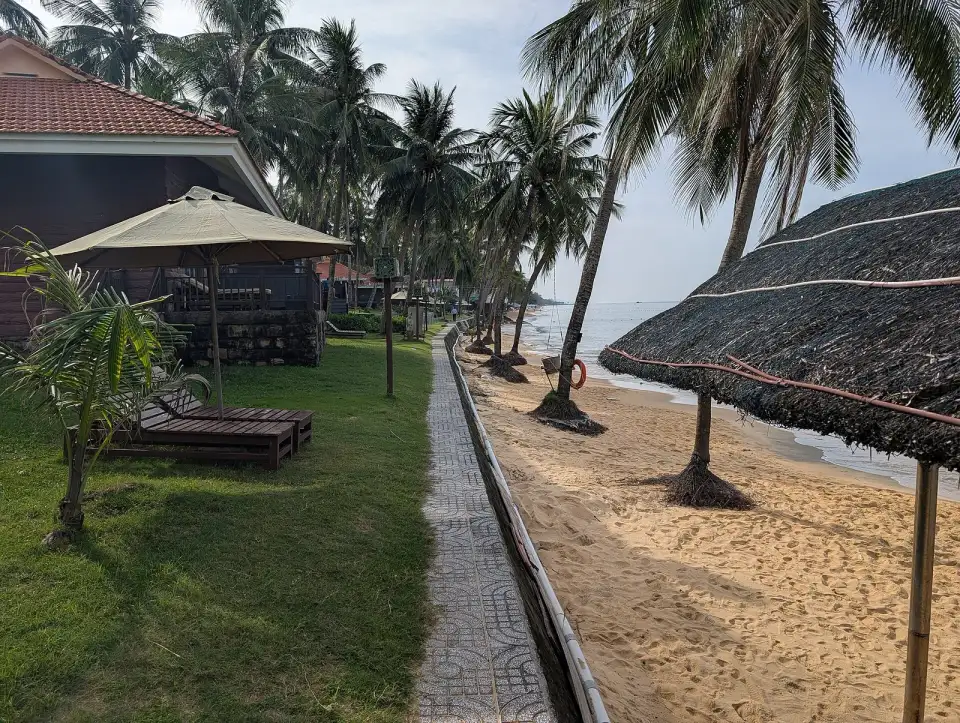
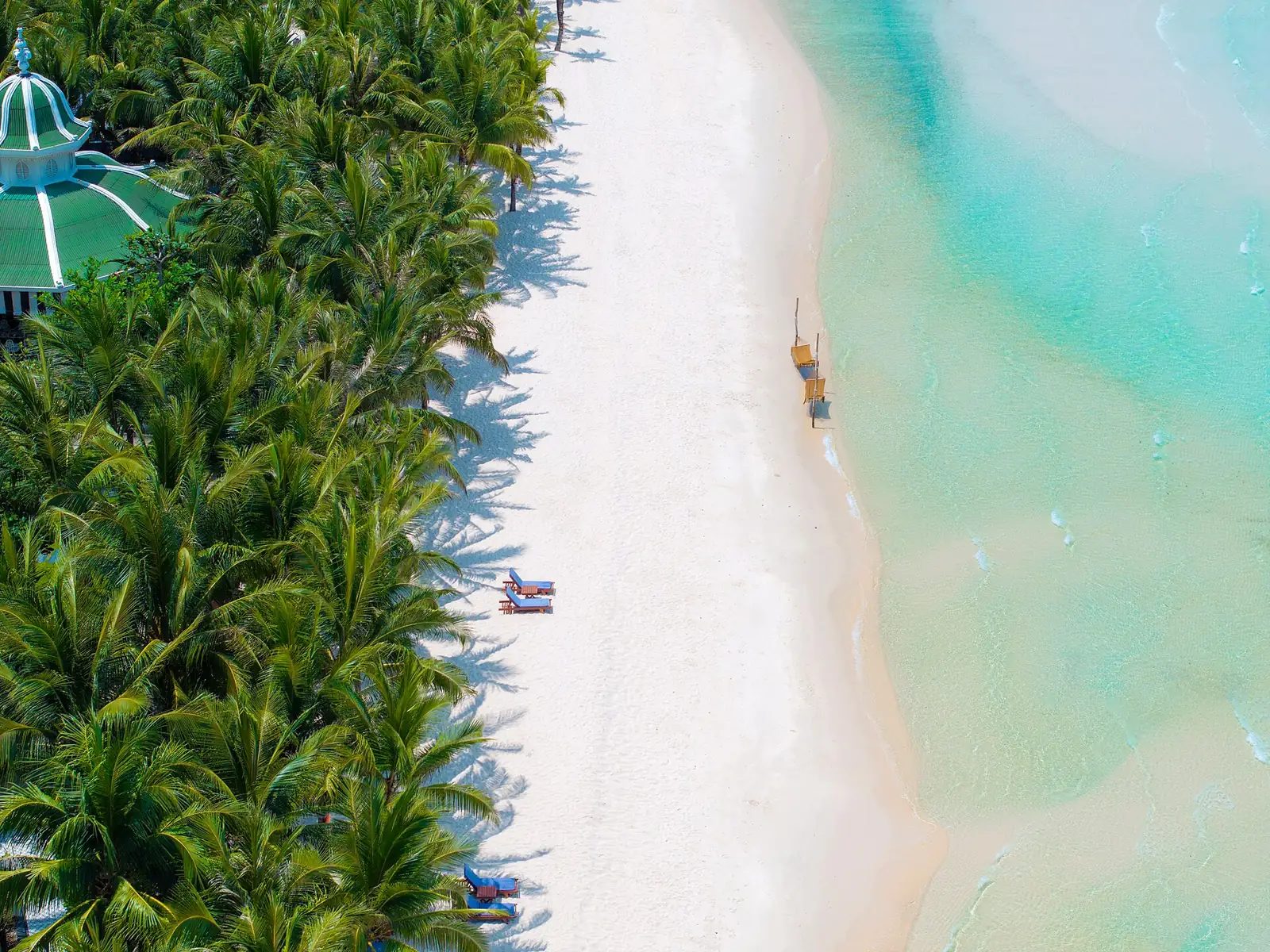
Phu Quoc in the south works well for a resort-based stay with calm water and short transfers. Our guide to Phu Quoc covers the island.
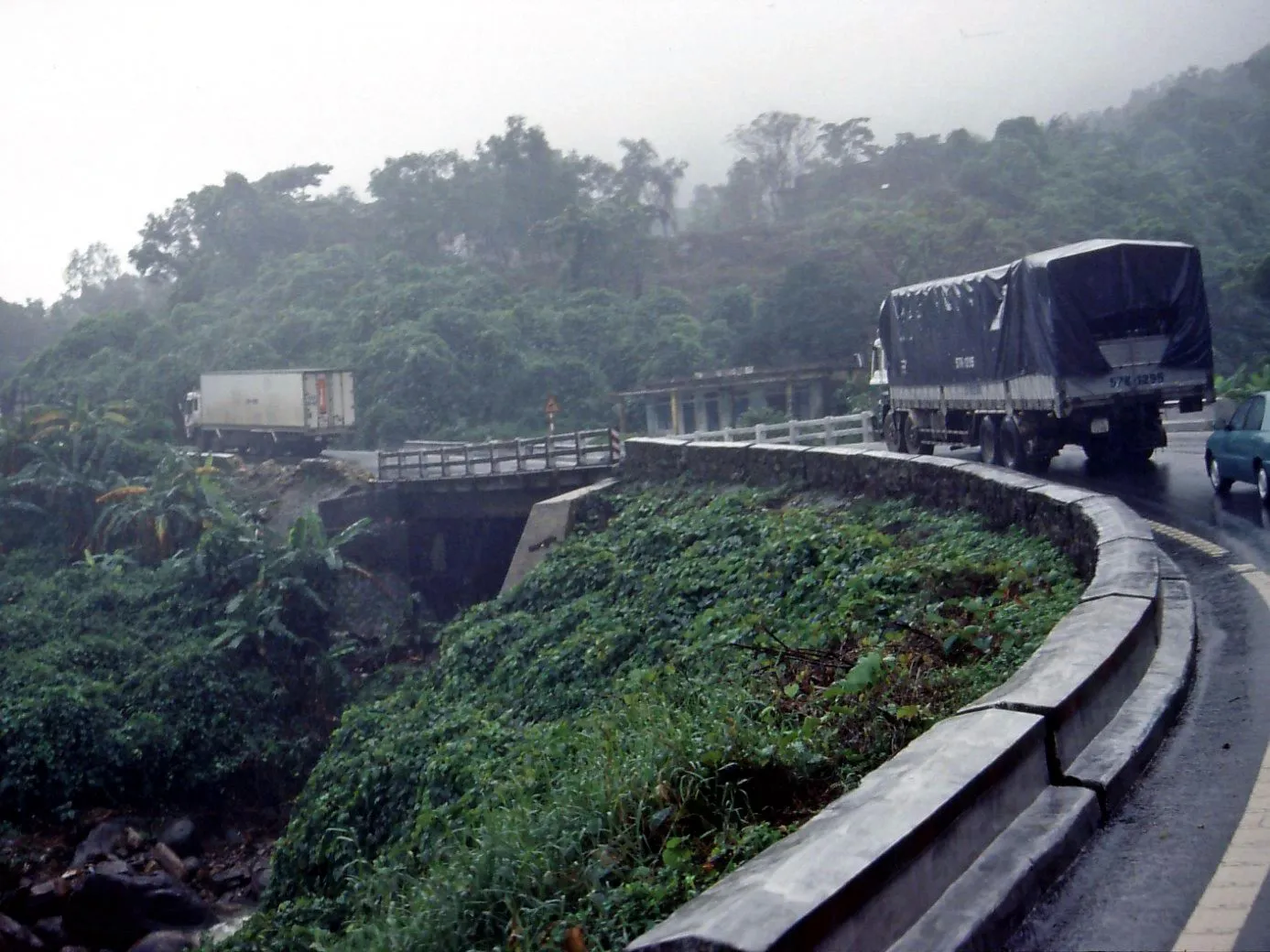
What to think carefully about: the mountainous north, including Sapa and the northern loops, which involves long winding road journeys that are hard work with young children, and any itinerary built around covering the length of the country.
Medical cover is the line that mattersDengue, animal bites and the traffic environment make this a destination where a proper policy earns its costFood, which is genuinely easy
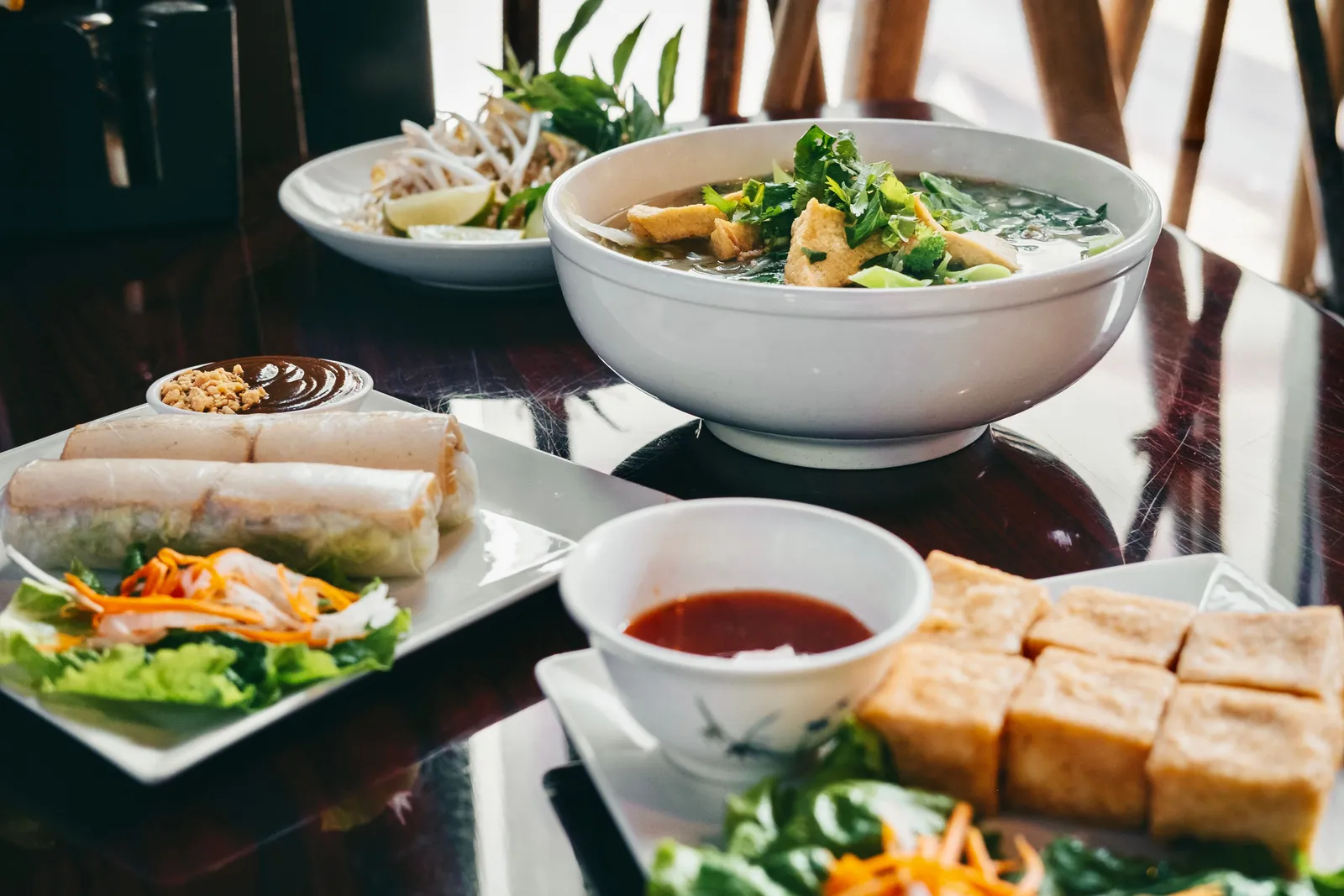
Vietnamese cooking is far less chilli-driven than several of its neighbours. Heat is generally added at the table from a dish of sauce rather than built into the cooking, which means a great deal of the food is mild by default.
The reliable options are noodle soups, rice dishes, spring rolls both fresh and fried, grilled meats and the enormous variety of fruit, which is cheap, excellent and usually the easiest win of all. Asking for something without chilli is a completely routine request.
Two practical notes: bottled water is universal and cheap, and ice in established restaurants is generally commercially produced and fine while street stalls vary more. Formula and nappies are available in supermarkets and pharmacies in the cities, with less choice on islands and in smaller towns.
Health and transport
Health: speak to a travel health professional several weeks before departure, since the advice depends on where you are going. The two recurring points are dengue, which is mosquito-borne with day-biting mosquitoes and no vaccine available to most travellers, making repellent an all-day rather than an evening habit, and rabies, which is present and carried by dogs. Any bite or scratch that breaks the skin needs immediate medical assessment.
Transport: car seats are not reliably available in taxis or hire cars, and families who consider them essential bring their own. Motorbike taxis are not appropriate for small children whatever local practice suggests. For longer journeys, hiring a car with a driver is inexpensive and straightforward, and domestic flights remove the worst of the road distances entirely.
The heat, and the shape of the day
Vietnam is hot and humid across most of the country for most of the year, and the middle of the day is hard work with small children. The pattern that works is the one local families use: out early, indoors or in a pool through the worst of the afternoon, out again in the late afternoon and evening.
That makes accommodation with a pool worth more than accommodation near the sights, and it fits the country’s own rhythm, since Vietnamese cities come alive in the evening and children are out with their families well past what northern European visitors consider bedtime.
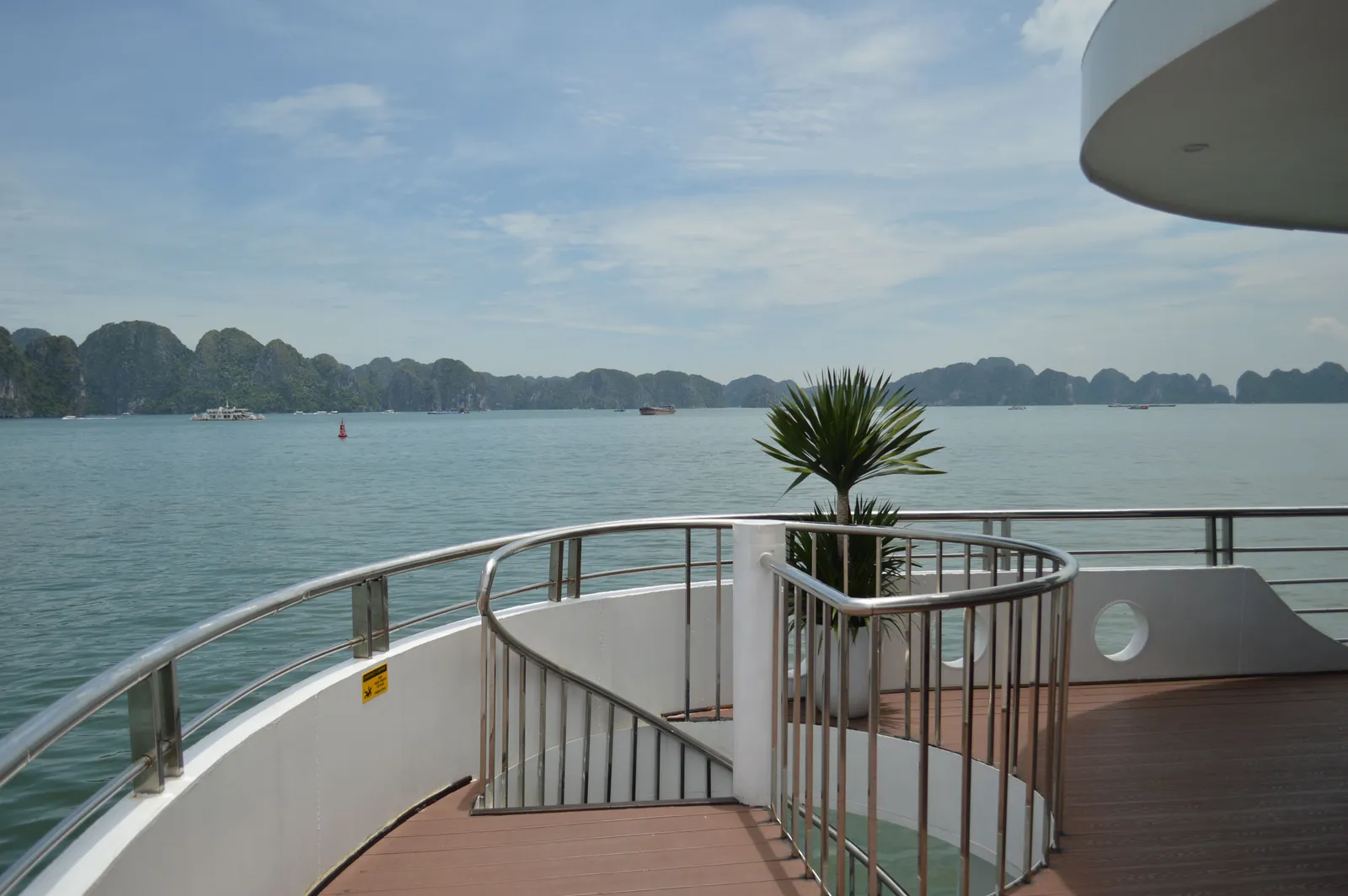
Sun protection needs more attention than at home, particularly on boats, where reflected light doubles the exposure and a bay cruise offers very little shade.
What actually works well
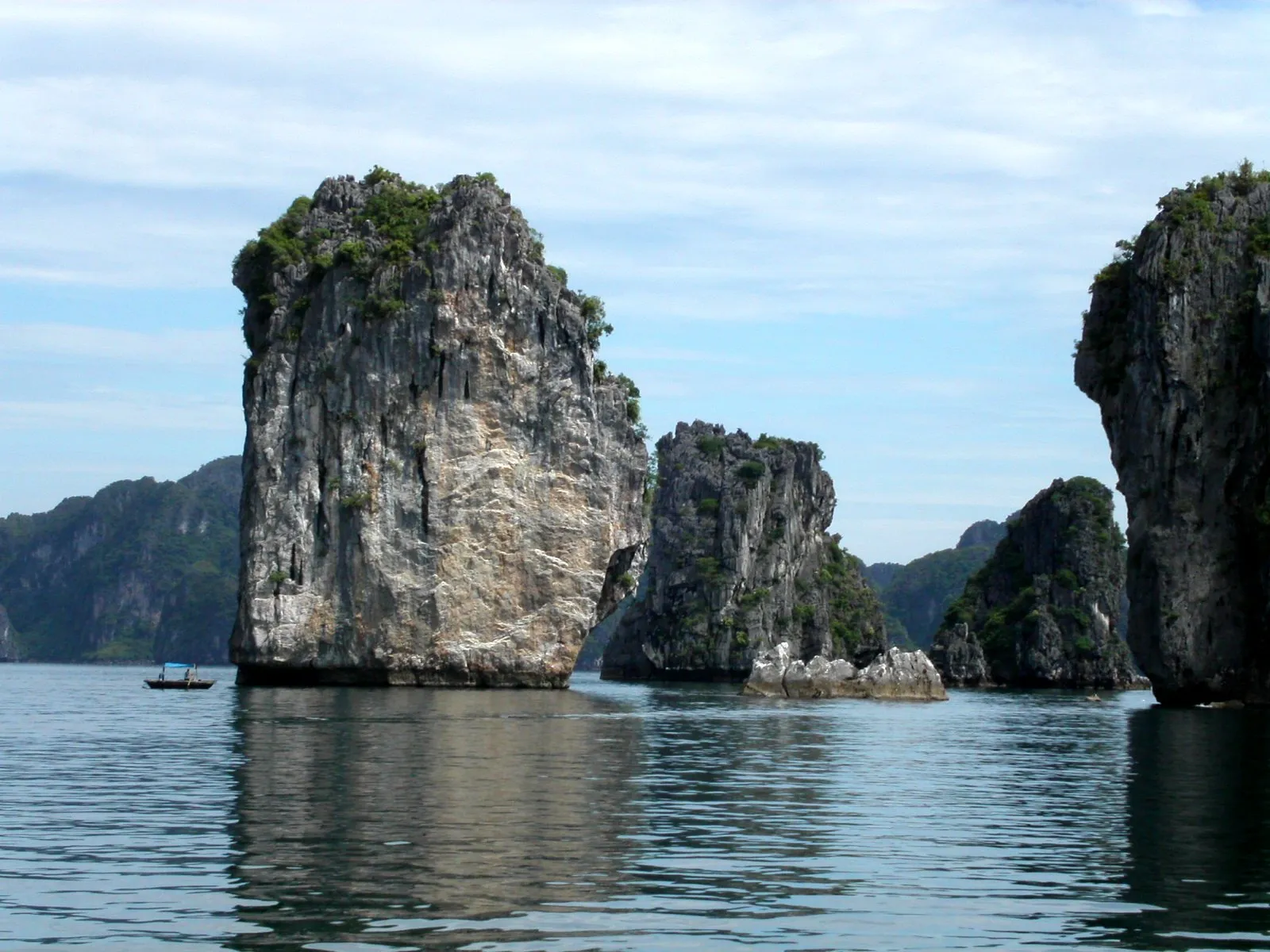
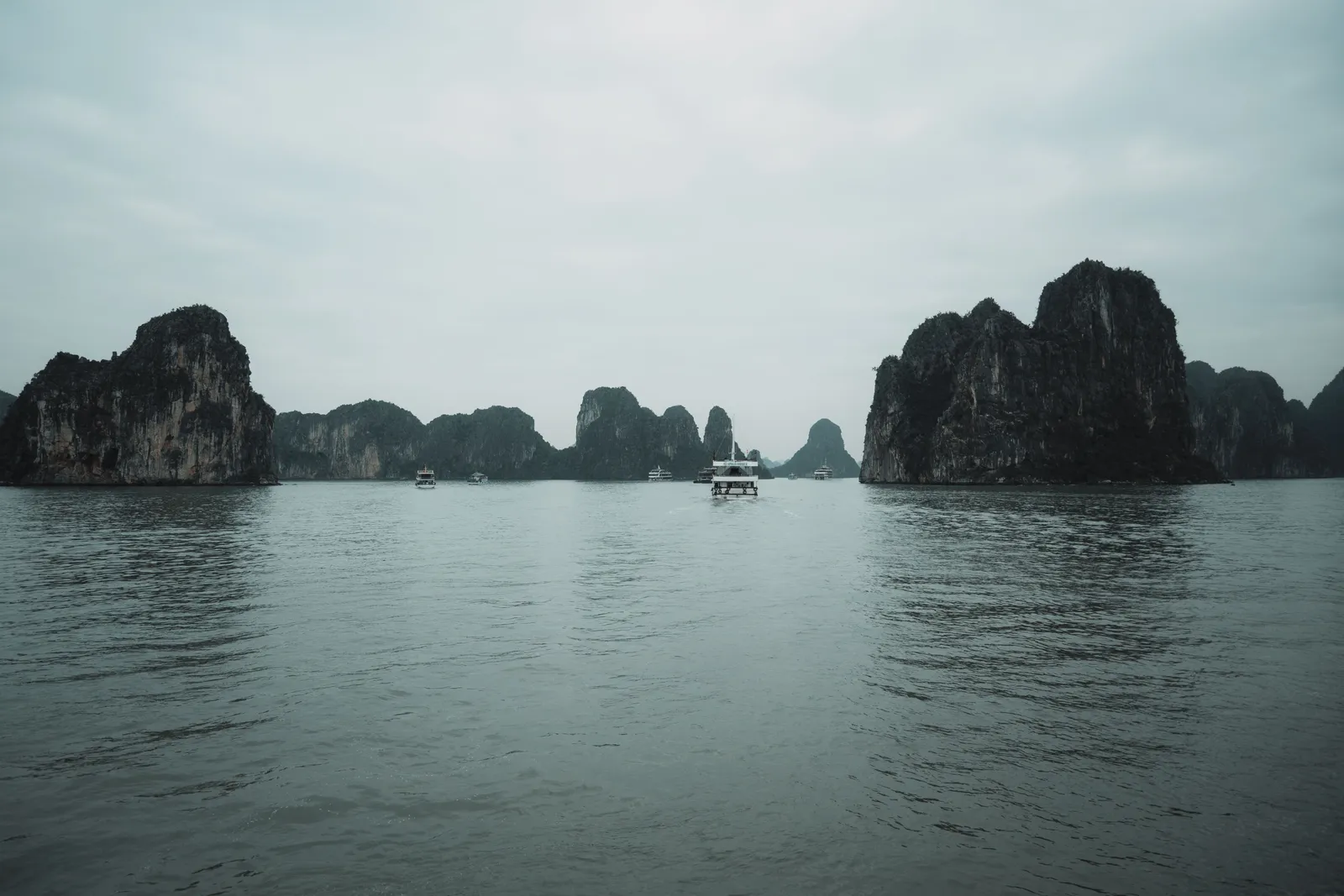
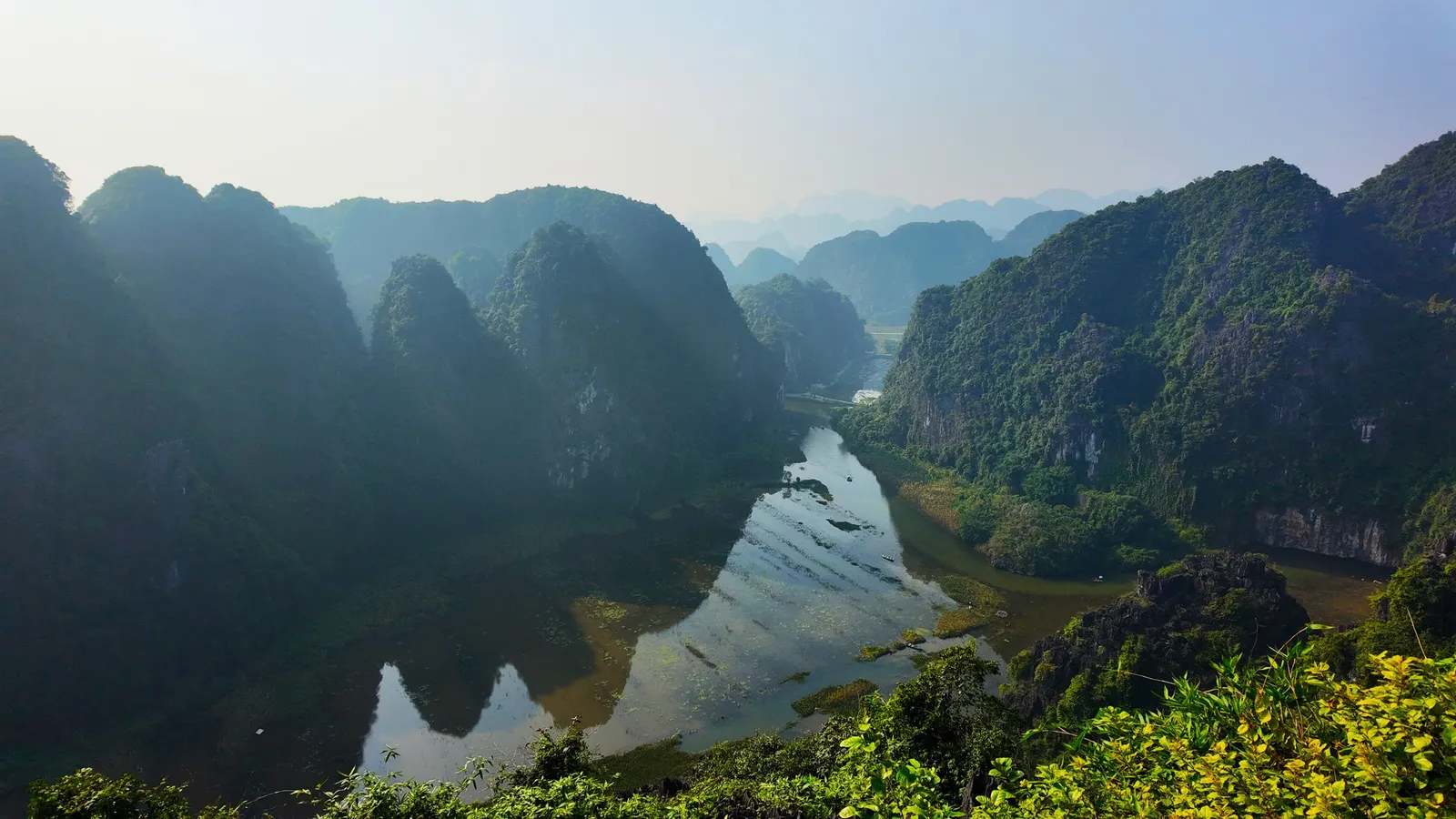
The activities that land best with children here are the simple, active ones rather than the cultural sites: a boat trip through the karsts, a bicycle ride through the rice fields outside Hoi An, a cooking class with a market visit, a lantern released on the river, and time on a calm beach.
What to be realistic about: war museums and memorial sites, which are important and are genuinely difficult material for younger children; long temple circuits in the heat; and any day built around more than one significant road journey.
None of this makes Vietnam a difficult family destination. It makes it a country where the plan needs to be built around heat and traffic, and where everything else is easier than you expected.