Vietnam is not the obvious honeymoon destination and it is a very good one, because the three things it does best are entirely different from each other. A bay full of limestone islands, a lantern-lit old town, and a beach island are not variations on a theme, which is exactly what a longer trip needs. Here is the route and the decisions that matter within it.
The three-part route
North, centre, south, in that order, with a flight between each.
Two nights on a bay cruise in the north, out of Hanoi. Three or four nights in Hoi An in the centre. Four nights on an island in the south. Plus travel, that comes to ten to twelve days comfortably.
A week means dropping one of the three, and the one to drop depends on you rather than on any ranking. Longer allows a quieter fourth stop, though the highlands and the northern mountains both involve more travel than most honeymoons want.
The bay: which boat, which bay
This is the decision that most affects how the northern leg feels.
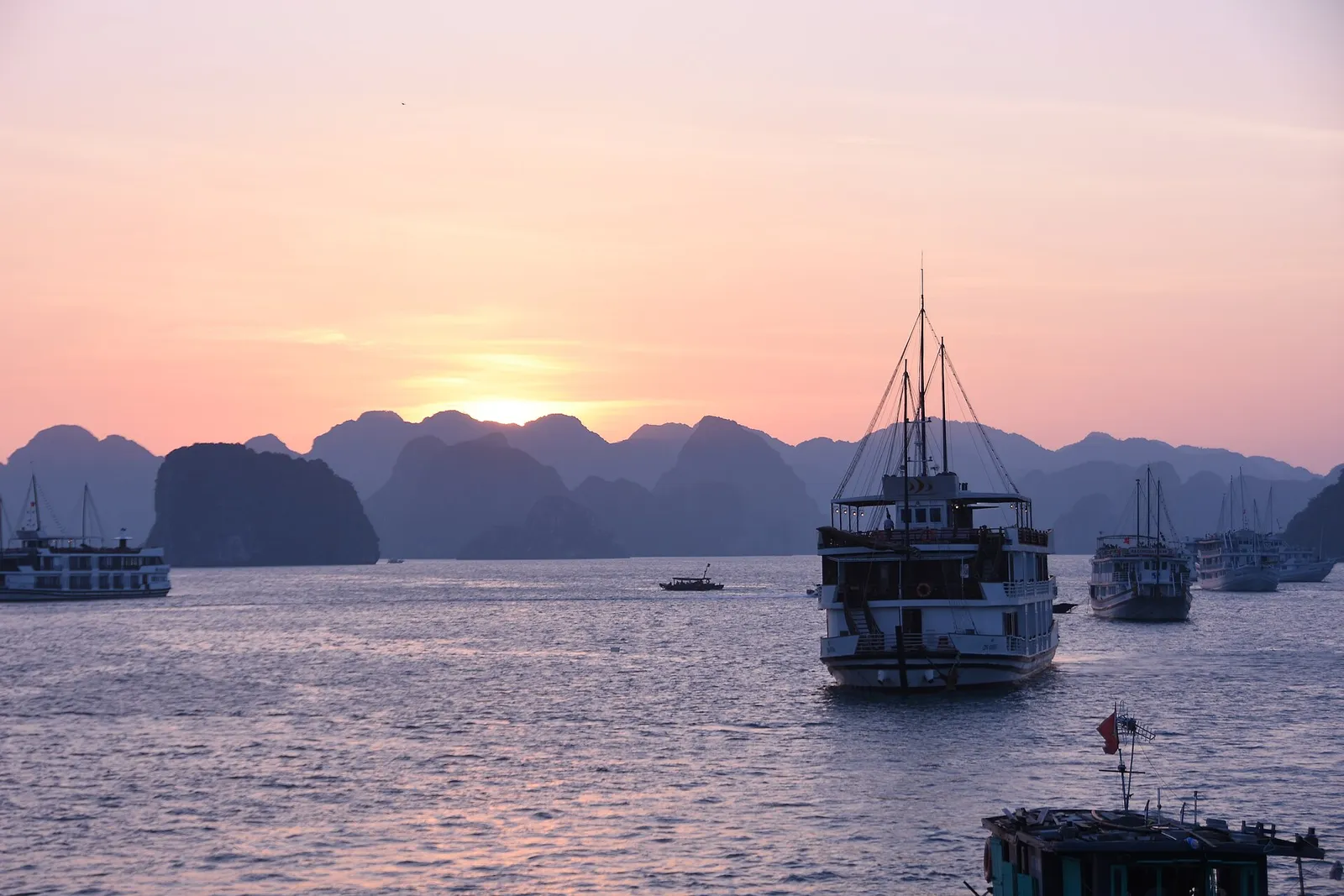
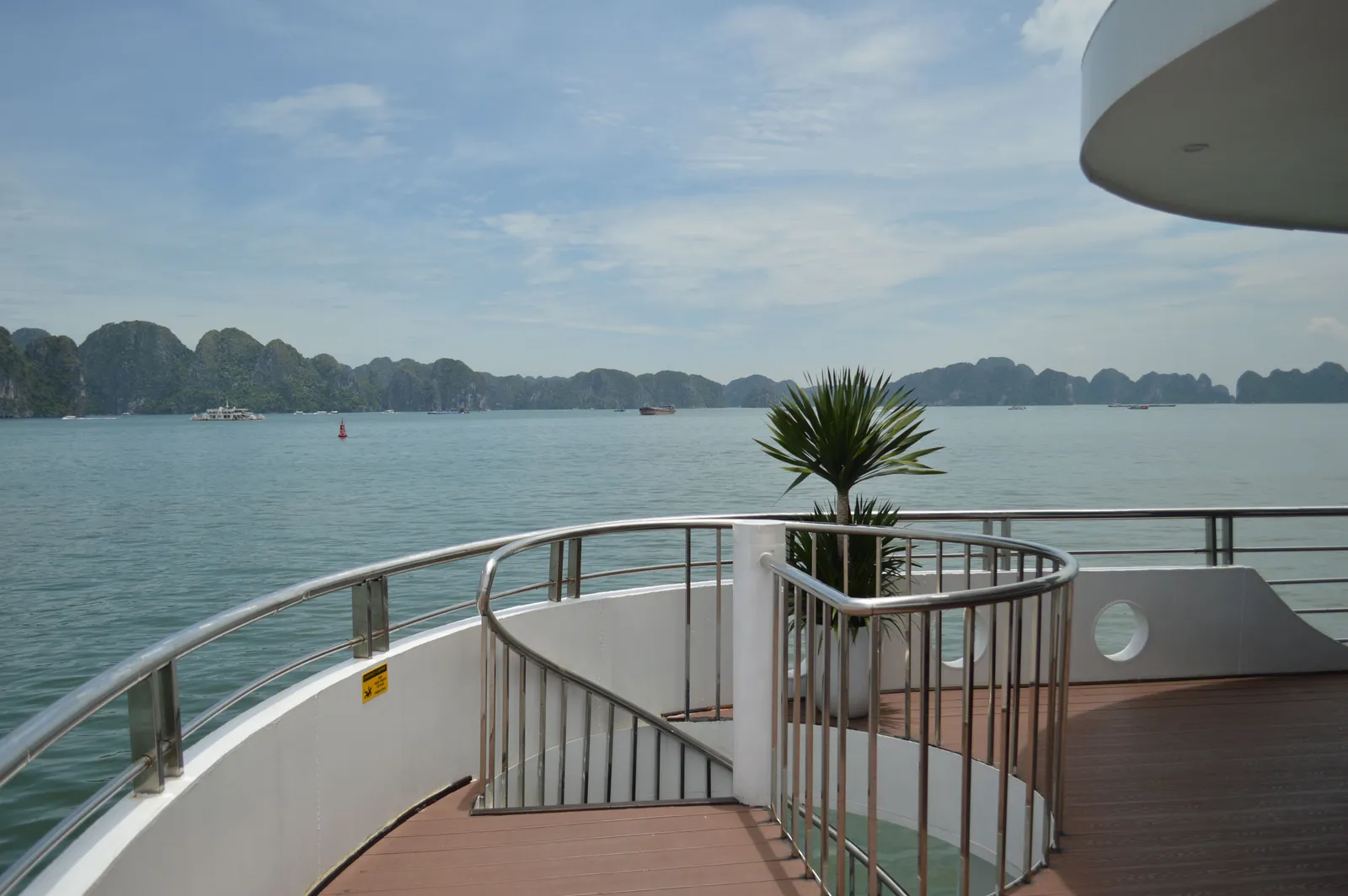
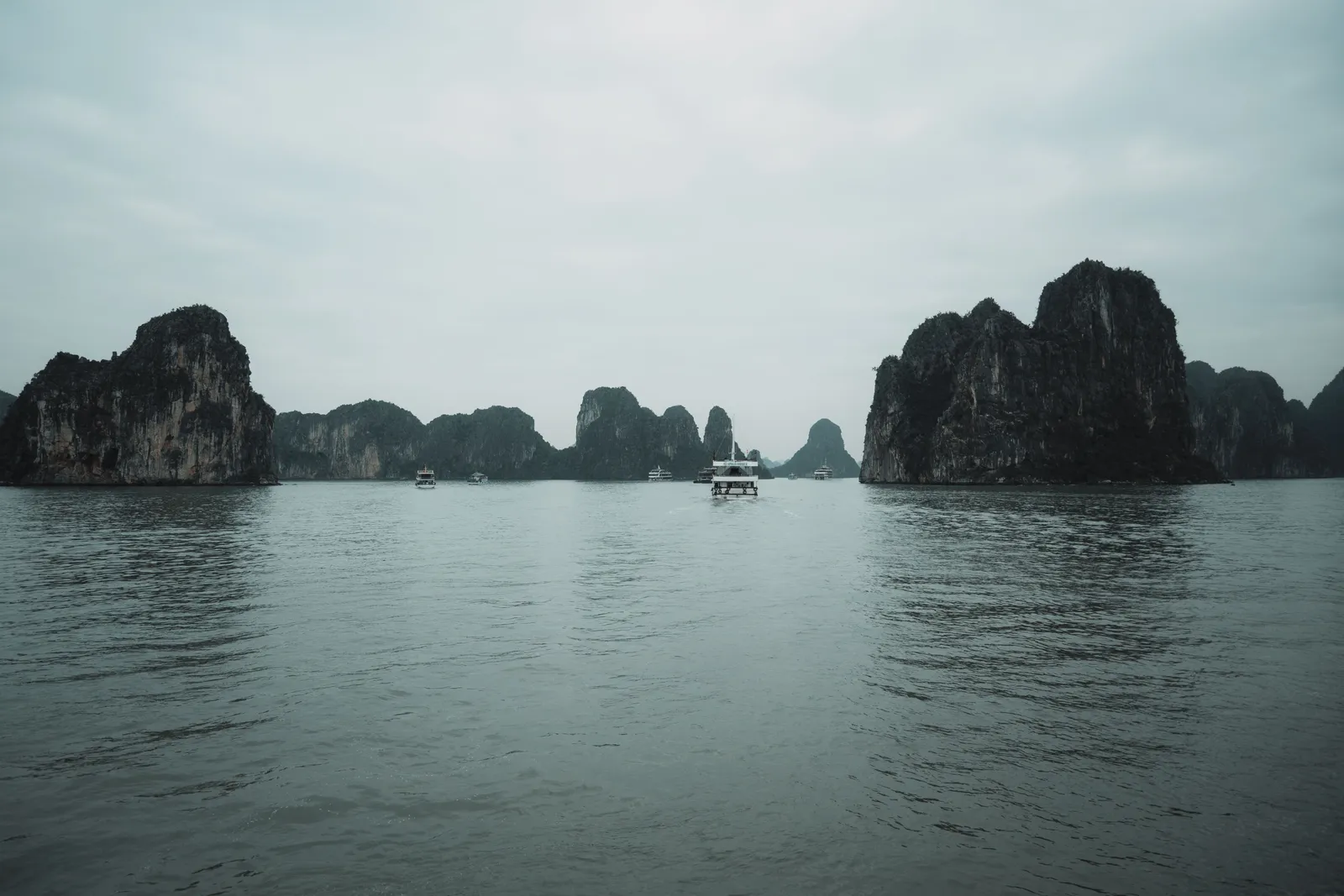
The main tourist route through Halong Bay can be busy with vessels moored close together in the popular anchorages, which is not what anyone pictures. The neighbouring Lan Ha bay and the quieter corners see considerably fewer boats for very similar limestone scenery.
Two further points. Smaller vessels with a handful of cabins give a completely different experience from the large ones, both in atmosphere and in where they can go. And an overnight is essential rather than optional, because the bay is at its best in the early morning and the evening when the day boats have left. Our Halong Bay cruise guide covers how to choose.
Hoi An: real, and busier than the photographs
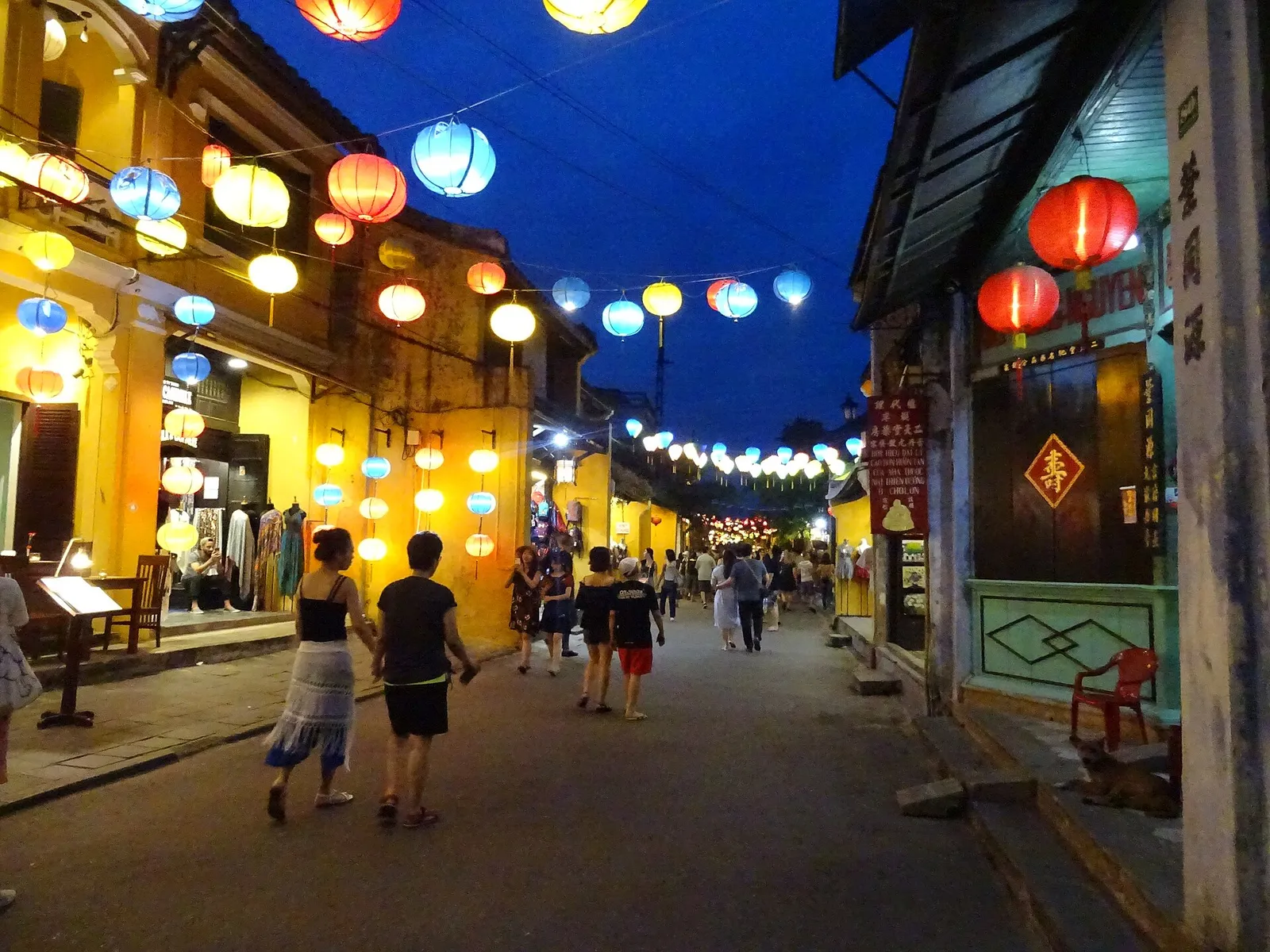
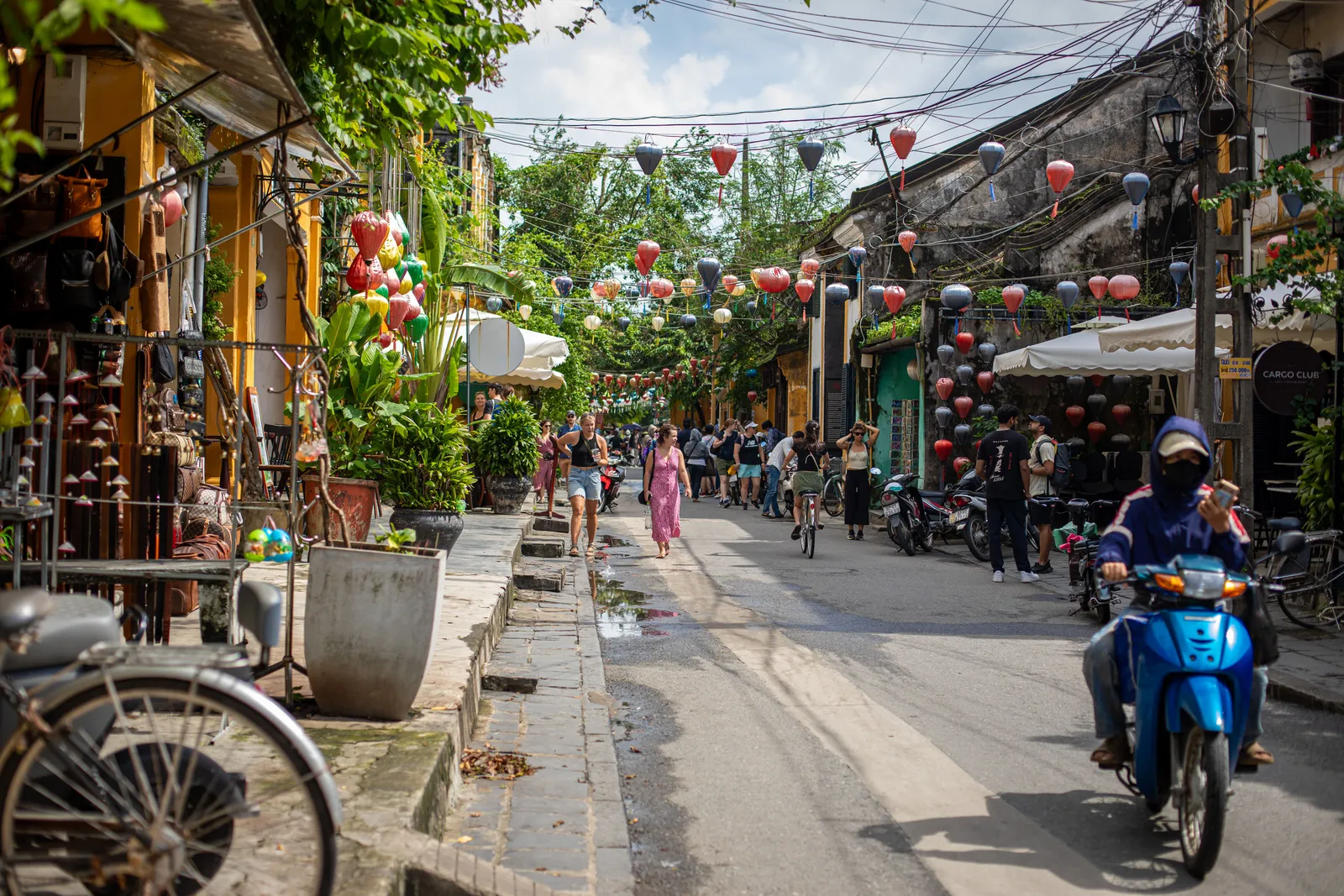
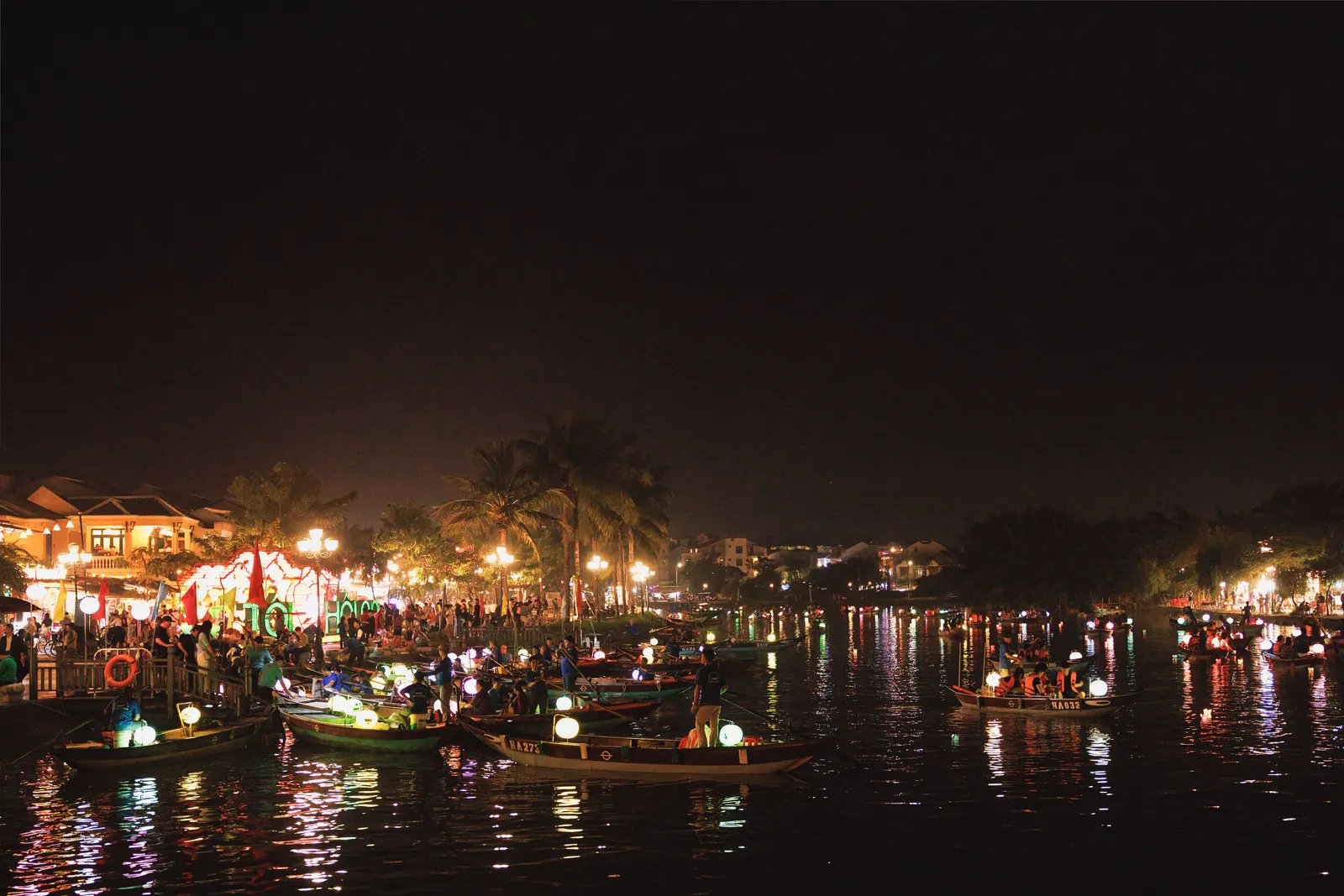
Hoi An earns its reputation. The old town is closed to traffic in the evenings and lit by silk lanterns along the river, the architecture is genuinely preserved rather than reconstructed, and the eating is excellent.
The honest caveat is that it is extremely popular, and the atmosphere everyone describes is found early in the morning and late at night rather than in the middle of the day, when the streets fill.
That is an argument for staying in or near the old town rather than out at the beach, since being there at the quiet hours is the entire point. Our Hoi An guide covers the town, and a few nights allows the tailors, the countryside by bicycle and a cooking class alongside the evenings.
The property matters more than the postcode hereOn a honeymoon in Vietnam the boat and the resort are the experience, and the good ones are small and book earlyThe island, and the quieter alternatives
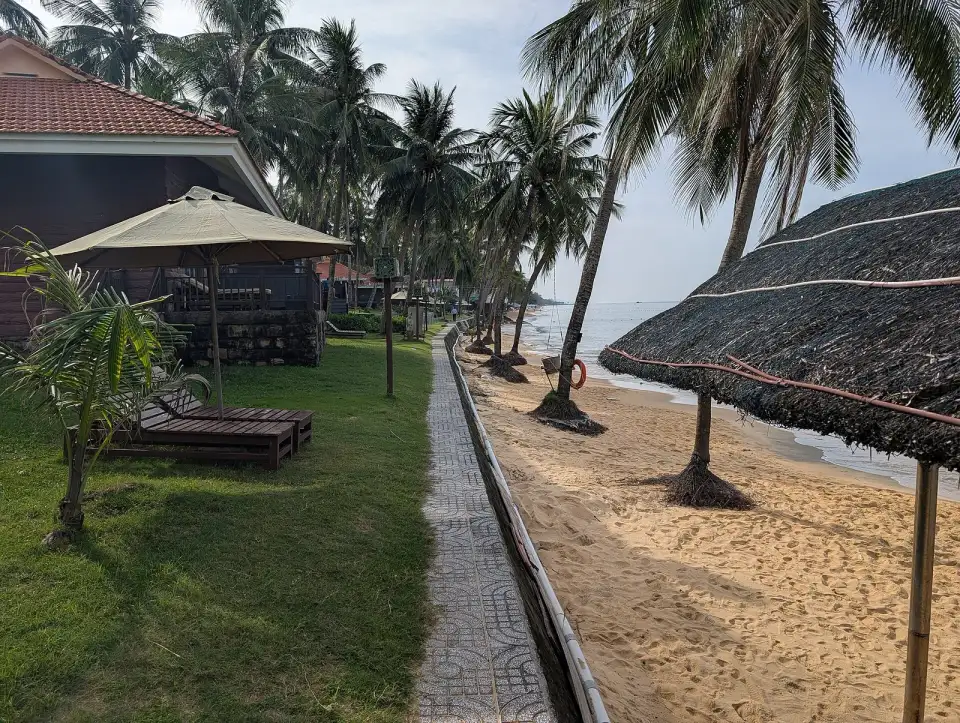
Phu Quoc is the standard southern beach stop, with a short flight from Ho Chi Minh City, long sand and a wide range of resorts. Our Phu Quoc guide covers it, and the parts away from the main developed strip are considerably calmer.

Three alternatives are worth knowing about for couples wanting seclusion over convenience:
Con Dao, a remote archipelago with a difficult history and very few visitors, which is the quietest genuine option in the country.
The Son Tra peninsula near Da Nang, forested headland with private coves and a handful of secluded resorts.
The coast around Nha Trang and Cam Ranh, where several resorts sit on their own stretches of sand.
In each case the trade is isolation: meals and outings revolve around the property, which is precisely what some couples want and exactly what others find limiting after four days.
The season problem
This is the planning issue specific to Vietnam and it is worth understanding rather than discovering.
The country is long enough that its regions have different climates and different wet seasons rather than one national pattern. There is no single month that is ideal from the northern mountains to the southern islands.
A route covering all three regions will almost always be better in one than another. The practical approach is to decide which leg matters most to you, pick dates that suit that region, and accept that another may be less reliable. Building in a flexible day and choosing accommodation with somewhere pleasant to sit out a rainy afternoon handles the rest.
That is a real constraint rather than a marketing caveat, and it is the reason honeymoon itineraries here vary so much by month.
Where the money is worth spending
Three upgrades change the trip and the rest are optional.
The boat. On a bay cruise the vessel is the entire experience, since you are on it for the whole time, and the difference between a small boat with a handful of cabins and a large one is not marginal. This is the single item worth paying up for.
A private balcony or villa at the beach stop, for the same reason a private pool matters elsewhere in the region: the middle of the day is hot, and having somewhere of your own to retreat to converts dead hours into good ones.
A guide for one day, ideally early in the trip. Vietnam rewards context more than most destinations, particularly around the war history and the imperial sites, and a good guide for a single day changes how you read everything afterwards.
What is generally not worth it: airport transfers at resort prices when ride-hailing works, and elaborate multi-stop itineraries that add a fourth region for the sake of coverage.
Two practical points
Book the boat and the resorts early. The small vessels and the better villas are limited in number and go months ahead, particularly in the dry season and around Vietnamese holidays.
Say it is a honeymoon when booking. Vietnamese hospitality takes this seriously, and the room decorations, upgrades and small gestures that follow are genuine rather than perfunctory. It costs nothing to mention and it is noticed.