In most countries the car rental article is about comparing rates. In Vietnam it is about a different question first, which is whether you should be the one driving at all. The usual answer is no, and not for the reason visitors expect. It is not mainly about nerve. It is about a licence rule that catches people out, an insurance position that follows from it, and the fact that hiring the car with a driver in it costs far less here than the same idea would at home.
The full comparison of planes, trains, buses and bikes sits in the transport guide. This page is the car specific half.
The licence question, which decides everything else
A foreign licence alone is not enough. Driving a car in Vietnam requires a licence Vietnam recognises, and your home card by itself is not that.
There are two international permits and they are not interchangeable. One is issued under the 1968 Vienna Convention and one under the 1949 Geneva Convention, countries sign one or the other or both, and Vietnam sits on the Vienna side of that line. A permit from a country that issues only the Geneva version does not become valid here because it says international on the cover.
Some visitors convert instead, obtaining a local licence through the official process, which is a realistic route for a long stay and not for a two week trip.
Check your own case before booking. Your licensing authority knows which convention your permit is issued under, and the Vietnamese embassy knows what is currently accepted. Those two answers together are worth more than any article, including this one.
And the consequence is not a fine, it is the insurance. A driver without a recognised licence is an uninsured driver, whatever the rental paperwork said, which turns a minor collision into an uncapped personal liability.

What the traffic is actually like
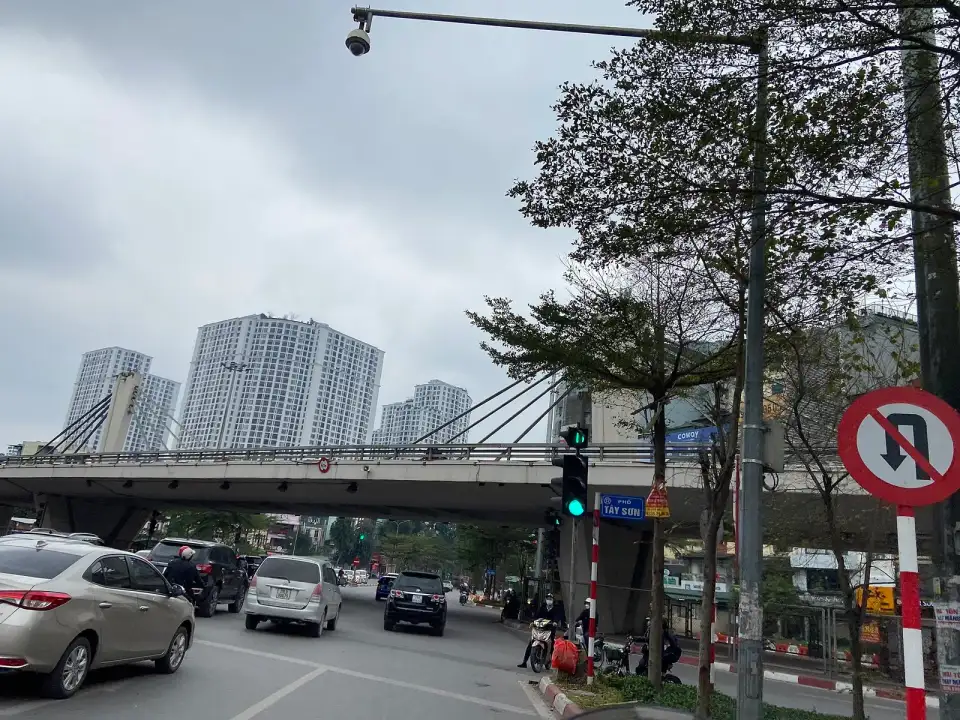
It flows rather than queues. Movement is negotiated continuously, and gaps are taken rather than given.
Motorbikes come from every side, including the side you are not looking at, and they treat a car as an obstacle to route around.
The horn is information, not aggression. It means I am here, and it is used constantly.
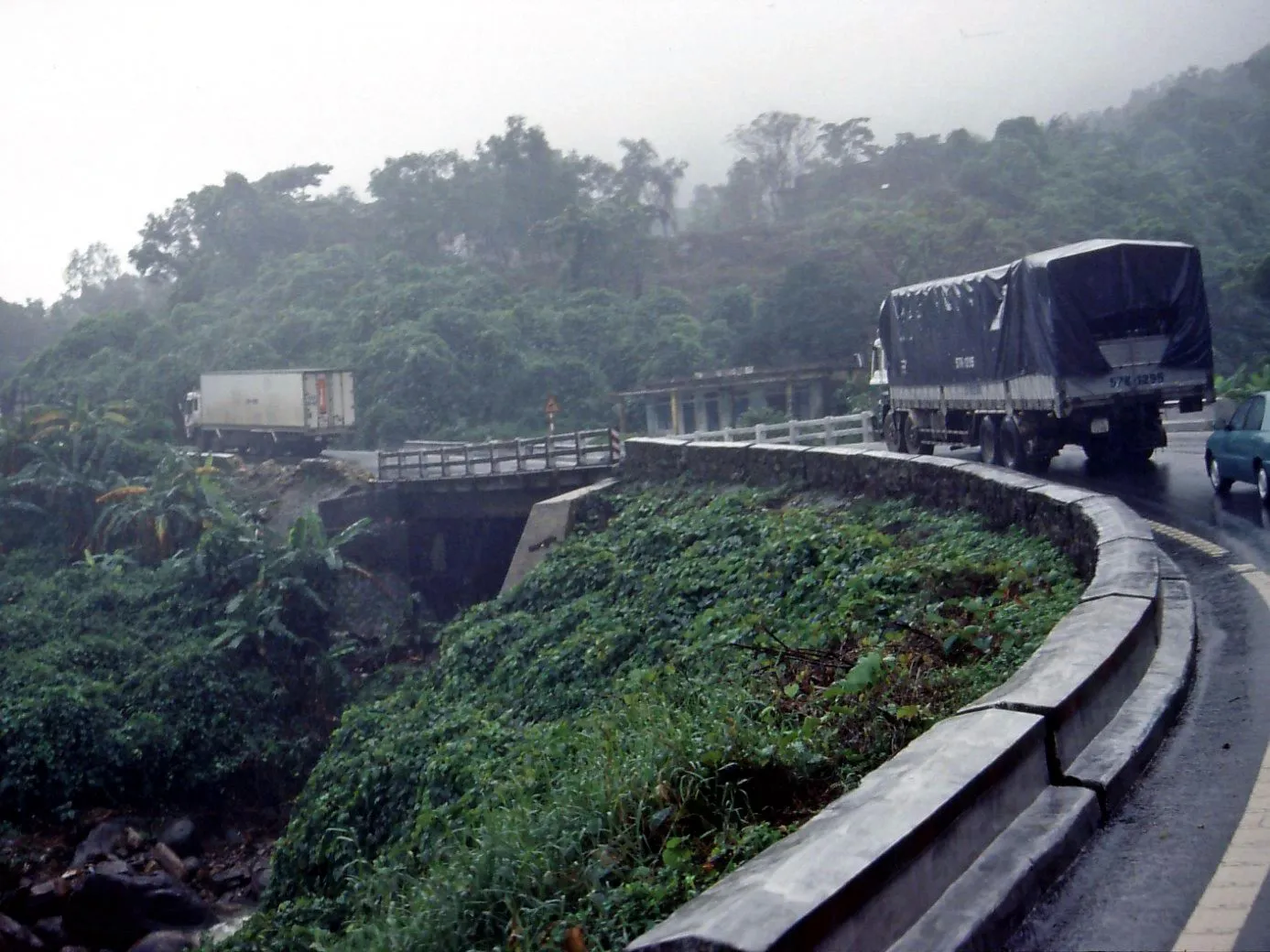
City and countryside are different countries. A quiet provincial road bears almost no relation to central Hanoi or Ho Chi Minh City at six in the evening.
Night driving is harder again, with unlit vehicles, livestock and roadworks that are not signed the way you expect.
The car with a driver, which is the default here
It is a normal service, booked by the day or by the route, through a hotel, a local operator or a driver directly.
The vehicle and the driver should be insured by the operator, though it is worth asking what the cover includes, which removes the exact exposure that self drive creates.
A day rate usually includes fuel and tolls, and it is worth confirming which, along with whether the driver’s meals and any overnight are included on a multi day route.
The driver is a local information source, which is worth more on a mountain route than on a city transfer.
It does not cover you personally. Your own travel insurance still carries the medical side, and that does not change because somebody else is driving.
When self drive does make sense
Long stays, where converting a licence is proportionate to the time you will use it.
Quiet regions, away from the two big cities, where the traffic is a different animal.
Drivers who already know the conditions, from this region rather than from a motorway at home.
With the licence confirmed first, always, because the order matters.
Covering the country
Fly the full length. North to south is further than it looks on the map, and domestic flights are the normal way to cross it.
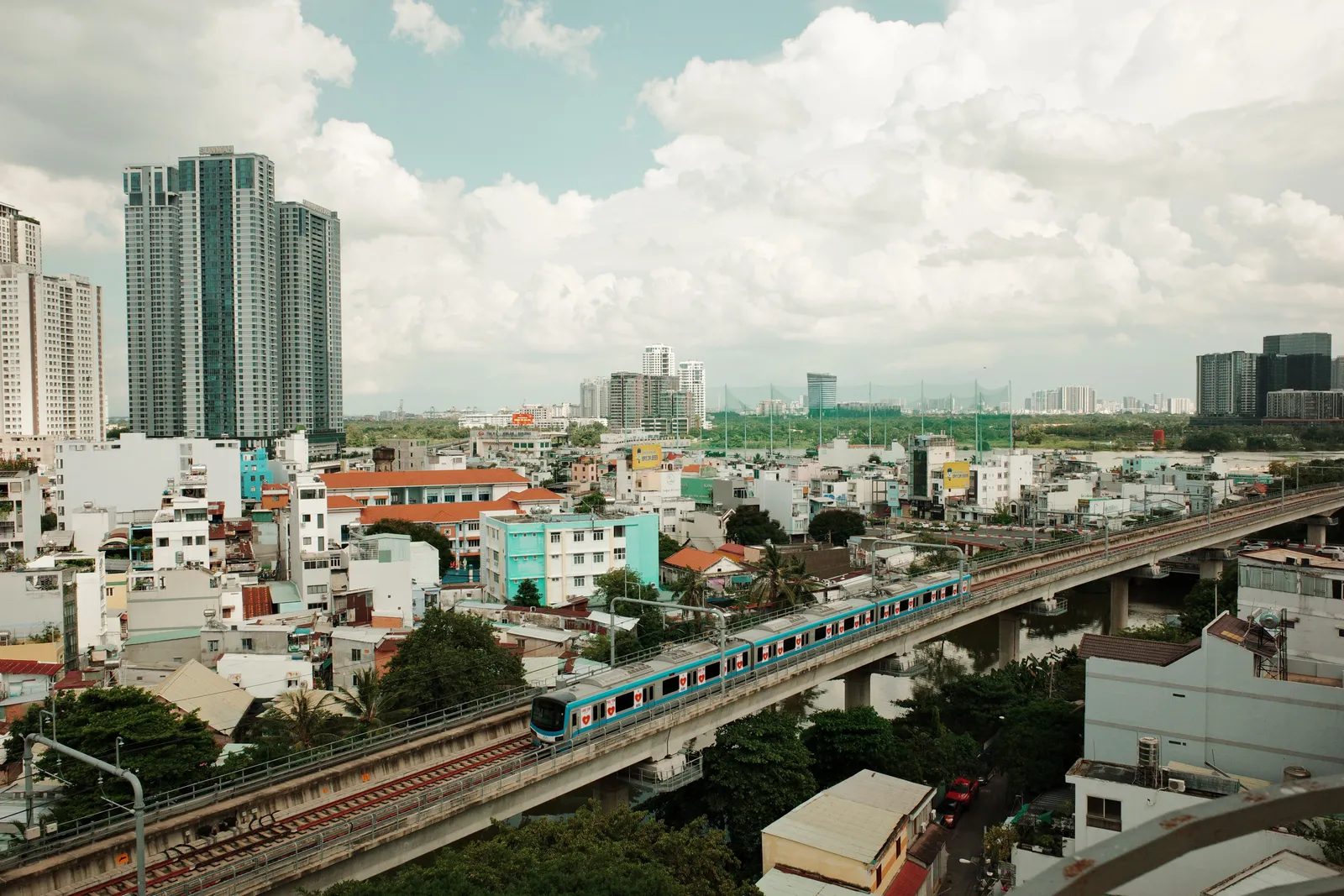
Take the train where the coast is the point. The sleeper along the coastal stretches is an experience rather than only a transfer, and it removes a night of accommodation.
Take a car with a driver for the hops, the day trips and the routes where stopping is the reason to go.
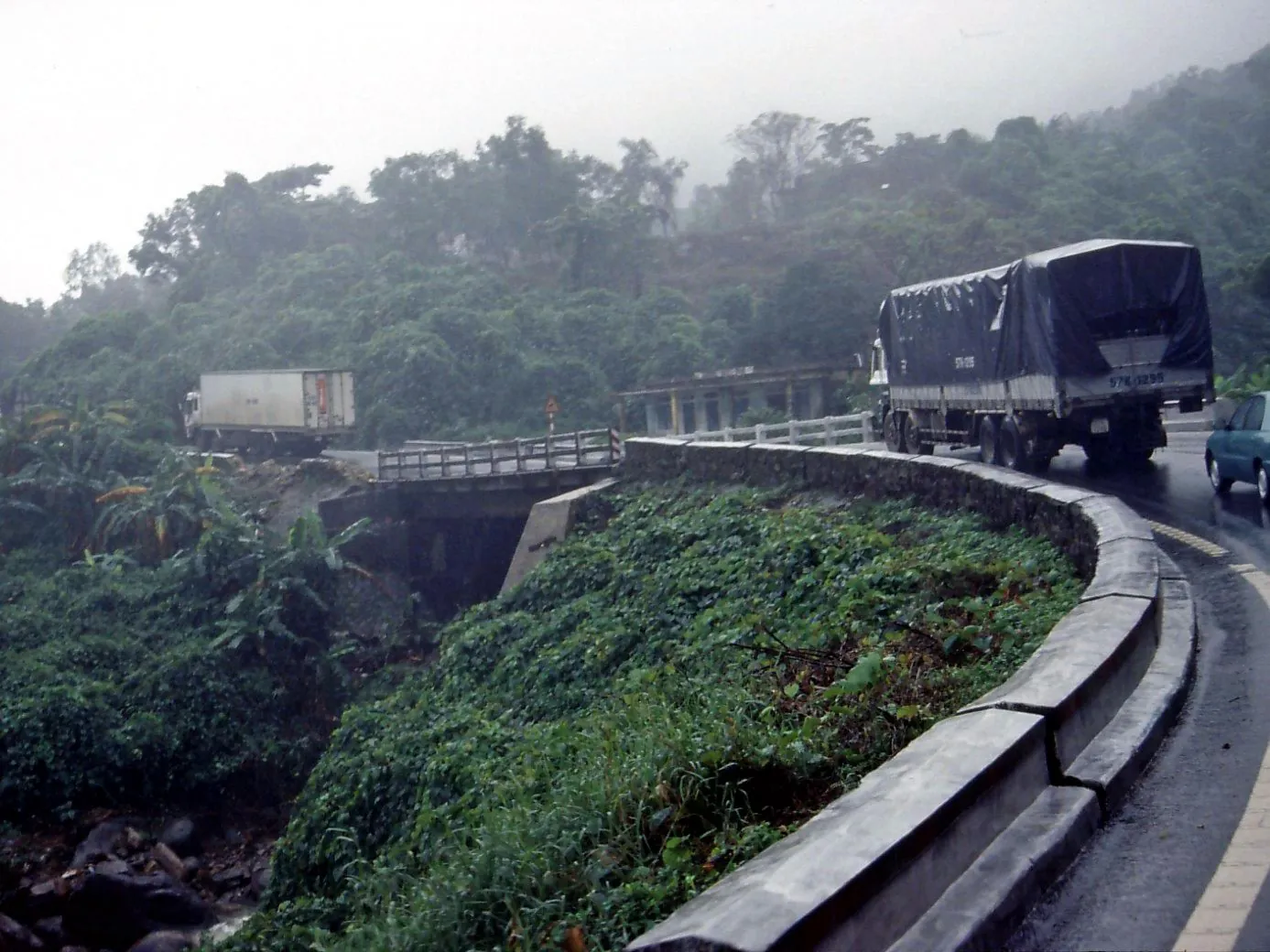
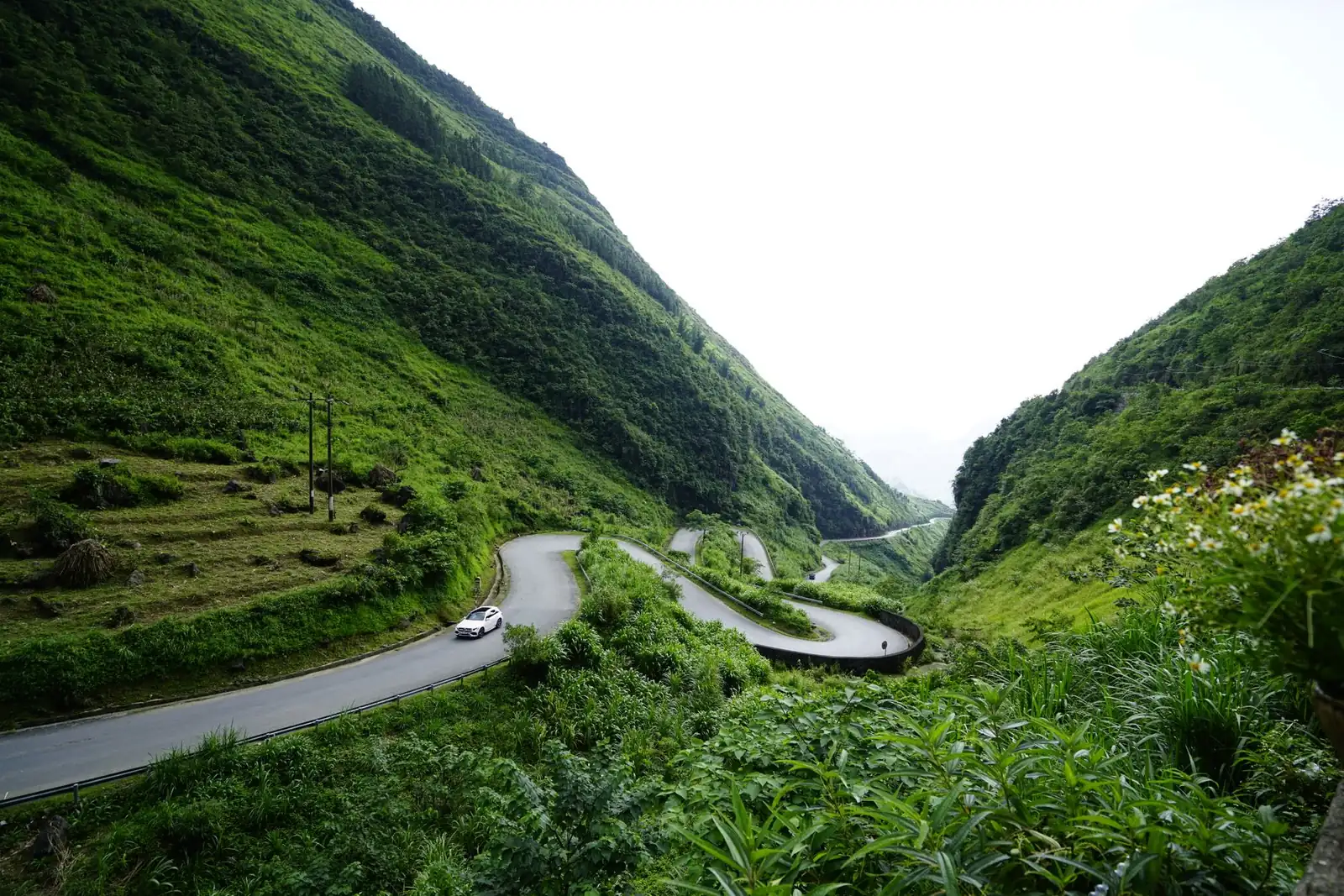
And on the famous mountain road, the Hai Van pass has its own article, because how you take that particular stretch is a decision of its own rather than a detail of this one.
The short version
Vietnam is one of the few countries where the honest car rental advice is to hire the driver with the car. It solves the licence question rather than working around it, it puts the insurance on the operator, it costs much less than the same arrangement would at home, and it turns the most demanding traffic in the region into something you watch through a window. Self drive is possible, for the right person, with the right permit, confirmed before the booking rather than after.