Vietnam’s entry rules are genuinely simpler than their reputation suggests, but they are also the single thing most likely to derail a trip before it starts. I have watched someone be refused boarding at the check-in desk because the name on their approval letter had the middle name in the wrong field. The flight left without them. That is the sort of thing this page exists to prevent.
There are two things to get right, and they are separate questions. First: does your passport need a visa at all, or does it get visa-free entry? Second: if you need one, how do you get it without falling into one of the well-known traps? Let me take them in order.
First, the honest disclaimer that actually matters
Vietnam has changed its entry rules more than once in recent years, in both directions: e-visa access has been broadened, exemption lists have been extended and re-extended, and stay lengths have been adjusted. Any specific number of days you read on a blog, including this one, has a shelf life.
So here is how to use this page. I will explain how the system is structured, because that structure is stable and it is what people actually get wrong. For the exact entitlement attached to your specific passport, check the official Vietnamese immigration portal before you book anything, and check it again closer to travel. Do not rely on a travel agency page, and do not rely on what a friend of a different nationality did last year.
Route one: visa-free entry
A meaningful number of nationalities can enter Vietnam without arranging anything in advance. Many Western European passports fall into this group, along with several East Asian ones, and separately the ASEAN countries have their own arrangement.
Two things trip people up here. The first is that the permitted stay differs between exempt nationalities, and it is shorter than most people assume. It is not an open-ended welcome; it is a fixed window, and overstaying it is treated seriously, with fines and problems on future entry. The second is that exemption schemes have expiry dates and get renewed periodically, which means a list that was accurate when it was published may not be accurate when you fly.
If your stay is longer than your exemption allows, you need a visa even though your passport is on the exempt list. That combination catches out long-trip travellers constantly.
Route two: the e-visa
For everyone else, and for exempt nationalities staying longer than their window, the e-visa is the normal path. It is applied for online, before travel, and the approval arrives electronically rather than as a sticker in your passport.
The process itself is straightforward, but it is unforgiving about detail:
- Your details must match your passport exactly. Given names and surnames go in the fields the passport says they go in, not the order you would write them socially. This is the single most common cause of a rejected or unusable approval.
- The photo and passport scan have to meet the stated spec. A phone snap of a page at an angle is a common reason for rejection.
- You are asked for your intended entry point. Turning up at a different airport or land border than the one you declared can cause problems, so think about it before you submit.
- Apply with time to spare. Processing is not instant, and applying the night before a flight is how people end up paying an agency a premium to fix something that was avoidable.
Passport validity and the onward ticket
Two requirements sit outside the visa itself and catch people at check-in rather than at immigration.
Your passport needs validity beyond your travel dates, and the usual expectation across the region is six months from entry with blank pages available. Airlines enforce this at the gate on the country’s behalf, which is why the refusal tends to happen before you have even left home.
Many carriers also want to see proof of onward or return travel. Whether you are asked is inconsistent, but the airline is the one carrying the risk of having to fly you home, so it is the airline that asks. If you are travelling one way and planning to decide later, have something bookable ready rather than arguing at the desk.
The passports that need the most care
If you hold a South African passport, do not assume the arrangements you read about for British, Irish, German or French travellers apply to you. South African passport holders consistently sit outside the European exemption schemes across this region, and that difference is exactly the sort of thing a generic travel blog written for a UK audience will not mention. Check your own entitlement specifically.
The same caution applies more broadly. Australian, New Zealand, Canadian and American passports are treated differently from one another and differently again from EU ones in various Southeast Asian entry schemes. Nationality-by-nationality is the only safe way to read any of this.
Sort cover before you sort the visaCompare policies that cover the whole trip, including the bits airlines ask about. Sort cover before you sort the visaCompare policies that cover the whole trip, including the bits airlines ask about.How long do you actually need?
This is worth thinking about before you apply, because it determines which route you take.
A first trip that covers Hanoi, the central coast and Ho Chi Minh City works comfortably in around two weeks, and that fits inside most entitlements without difficulty. Our first time in Vietnam guide sets out what that route actually looks like day to day.
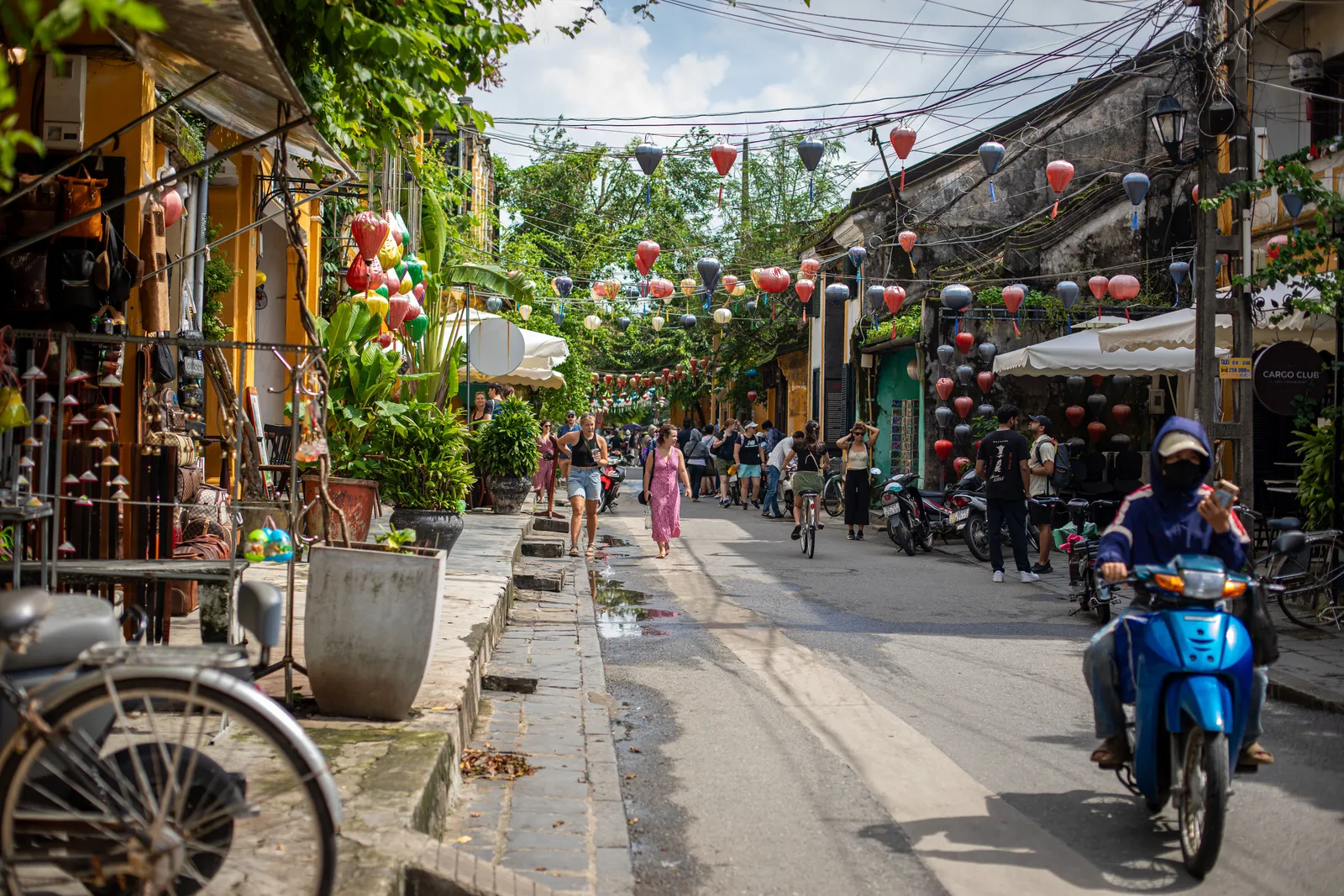
Stretch beyond that and the calculation changes. Adding the far north properly, where the mountain trekking around Sapa deserves several days on its own rather than a rushed overnight, or slowing down on the central coast around Hoi An instead of passing through, is what pushes a trip past a short exemption window. If that is your plan, work out the visa question first and build the itinerary second, rather than discovering the ceiling halfway through planning.
Arriving: what actually happens
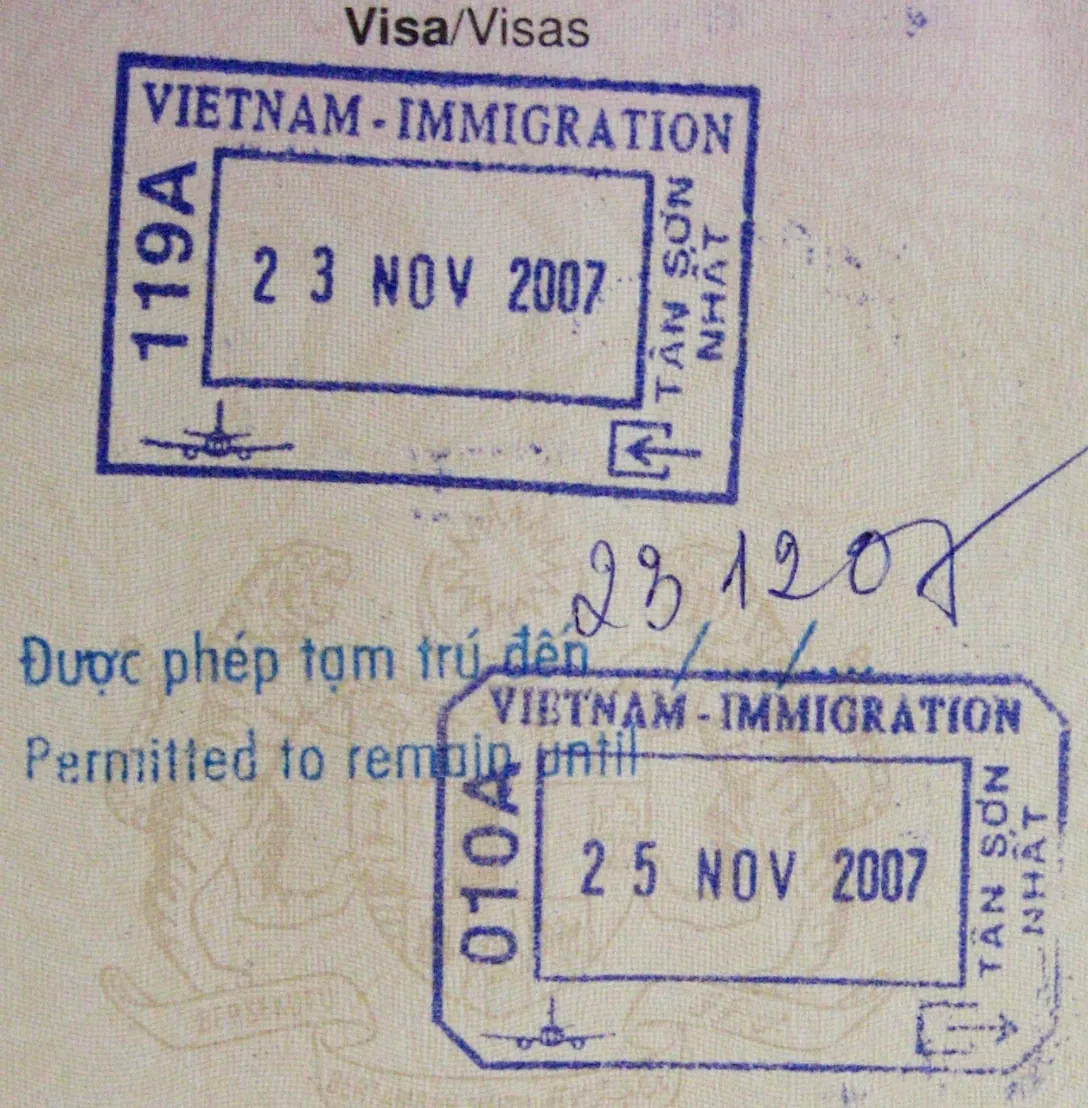
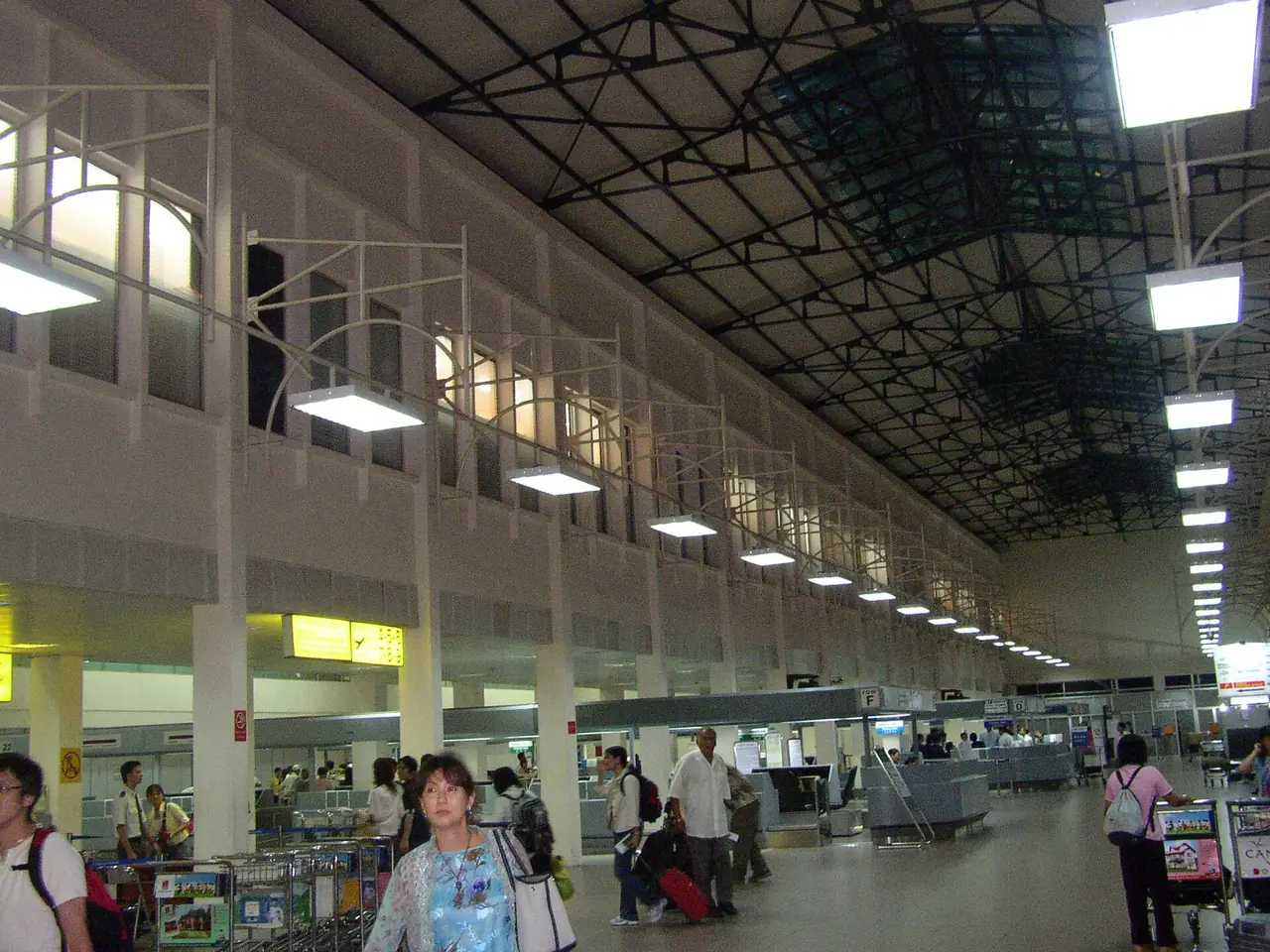
At the airport you queue at immigration with your passport and, if you have one, your e-visa approval. Have it printed as well as on your phone; battery and connectivity both fail at the worst moments. The officer scans, stamps and waves you through, and the whole thing is usually brisk.
Check the stamp before you walk away. Look at the date you have been admitted until. Occasional errors happen, and it is far easier to resolve at the desk than to explain on your way out of the country weeks later. Photograph the stamp; it costs you nothing.
Extending, and what happens if you overstay
Extensions are possible in-country, and they are handled through immigration offices or through agencies that deal with them on your behalf. The honest advice is that this is bureaucratic, takes time you would rather spend travelling, and is much easier to avoid by getting the right entitlement at the start.
Overstaying is the thing to genuinely avoid. It is fined, it is recorded, and it can complicate future entry. Nobody sets out to overstay; people arrive on a fixed exemption, lose track of the date, and discover the problem at departure. Put the last permitted day in your phone calendar the day you land.
Small things that cause big problems
Entry difficulties here are rare and almost always administrative, and the same handful of details account for most of them.
Name and passport-number mismatches. Any authorisation you obtain in advance must match your passport exactly, character for character, including middle names and the order they appear in. A typo entered at the application stage is the single most common reason someone is turned away at check-in, and it is far easier to fix before you fly than at the airport.
Using an unofficial website. Search results are full of lookalike sites charging a premium to fill in a government form on your behalf, and some of them are worse than that. Apply only through the official government channel, and be suspicious of anything with a fee that seems high or a domain that is not clearly official.
Passport validity and blank pages. Airlines enforce the destination’s requirements at check-in on their own account, which is why a validity problem ends a trip before it starts. Check the expiry date the day you book, not the week you fly.
Assuming a friend’s answer applies to you. Entitlements differ by nationality and change in both directions, and a guide written for one audience frequently does not describe another passport’s position at all.
Arriving, and the first hour
Knowing the shape of arrival removes most of the anxiety, and the shape is straightforward.
You queue, hand over the passport and whatever authorisation applies, answer a question or two about the purpose of your visit and where you are staying, and go through. There is usually no fee to pay in cash at the counter for a properly arranged entry, which is worth knowing precisely because it is the pretext for the occasional approach from someone offering to speed things up.
Two habits are worth ten seconds each. Photograph your entry stamp or record, because it establishes your permitted stay and speeds up replacing a lost passport enormously. And put your last permitted day into your phone calendar with a reminder a week ahead, on the day you arrive.
The exit is where a forgotten date becomes expensive, and nobody who overstays planned to. It happens because a country that is cheap, warm and easy to live in makes weeks disappear, which is a compliment to Vietnam and a problem for your record.
The short version
Check your own passport’s entitlement on the official portal, not a blog and not a friend’s experience. If you need an e-visa, apply early, enter your name exactly as the passport has it, and use the government site rather than a reseller. Make sure your passport has six months of validity and blank pages. Have onward travel bookable. Photograph your entry stamp and diarise the date you must leave by.
Do those things and Vietnamese immigration is one of the easier arrivals in the region. Which passport are you travelling on, and have you hit anything unexpected at the border? Tell me in the comments, it helps other readers more than you would think.