Vietnam is one of the easier countries in the world to get online in, and one where being online genuinely changes the trip rather than just being convenient. Ride-hailing, translation, maps and payment all lean on data here, and the difference between a connected traveller and a disconnected one is larger than in most places.
The good news is that mobile data is cheap, coverage is broad, and the whole thing takes about ten minutes. Here is how to do it without paying the tourist premium.
Why data matters more here than you expect
Four reasons, and they compound:
Ride-hailing. The apps are how you avoid every fare dispute in the country. They need data to work, and needing to find wifi before you can order a ride defeats the purpose.
Translation. English is common in tourist-facing businesses and much less so elsewhere. A translation app turns a market stall or a bus station from a guessing game into a conversation.
Maps. Addresses here are logical but signage is inconsistent, and alleys branch in ways that maps handle better than intuition.
Showing people where you want to go. Handing a driver a screen with the destination written in Vietnamese is the single most useful thing a phone does here.

Physical SIM or eSIM?
| Physical SIM | eSIM | |
|---|---|---|
| Setup | In person, ten minutes | Before you fly, instantly |
| Price | Usually cheaper locally | Slight premium |
| Keeps home number | No, unless dual SIM | Yes |
| Needs | Passport, an unlocked phone | A compatible phone |
Physical SIM is cheaper and still the default for most travellers. You need your passport to register it, which is a legal requirement rather than a shop policy, and it takes a few minutes at a counter.
eSIM is the better choice if your phone supports it and you want to be connected the moment you land, or if you need to keep your home number active for banking codes. You buy and install it before you fly, and it activates on arrival. It usually costs a little more than buying locally.
Either way, check your phone is unlocked before you travel if you plan on a physical SIM. A carrier-locked handset is the one thing that makes this complicated.
Where to buy
Official operator shops in the cities are the best combination of price and reliability. Staff will set it up for you, and you leave with it working.
Convenience stores and phone shops also sell them, faster and with less setup help.
Avoid unofficial resellers offering unusually cheap unlimited packages. Registration matters here, and a SIM registered to somebody else can be deactivated without warning mid-trip.
Bring your passport. It is required for registration and there is no way around it.

How much data to buy
More than you think, but it barely matters, because data here is inexpensive by the standards of almost anywhere.
Maps, ride-hailing and messaging use little. What actually consumes data is video, uploading photos, and navigation over long journeys. For a two-week trip, a generous package costs very little and removes the need to think about it. Buying a small package and topping up repeatedly is a false economy in both money and hassle.
Coverage, honestly
Cities and towns: excellent. Fast, reliable, widespread.
Main tourist areas and the coast: very good.
The mountains and remote valleys: patchy, and this is the one to plan around. Coverage exists in the towns of the far north but drops out on the passes and in the valleys between them. If your route includes the northern mountain circuits, download offline maps before you go up.
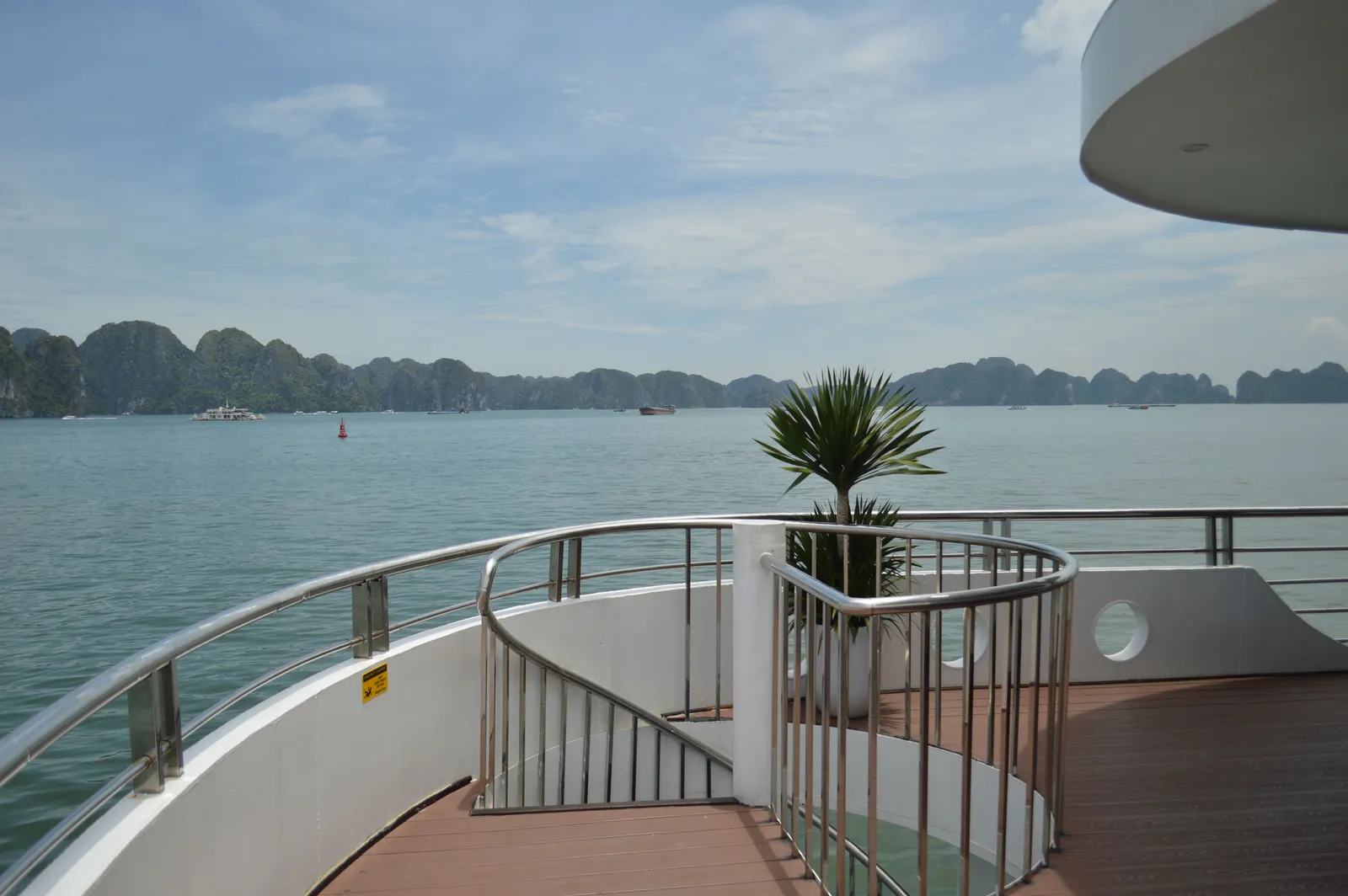
On the water: the northern bay cruises generally have some signal near the shore and lose it further out, which most people find is a feature rather than a problem.
In the delta: generally fine along the main routes, thinner on the small channels. Our Mekong Delta guide covers the overnight version, where you should expect to be genuinely offline for stretches.
Land connectedInstall before you fly and skip the arrivals-hall premium.Wifi
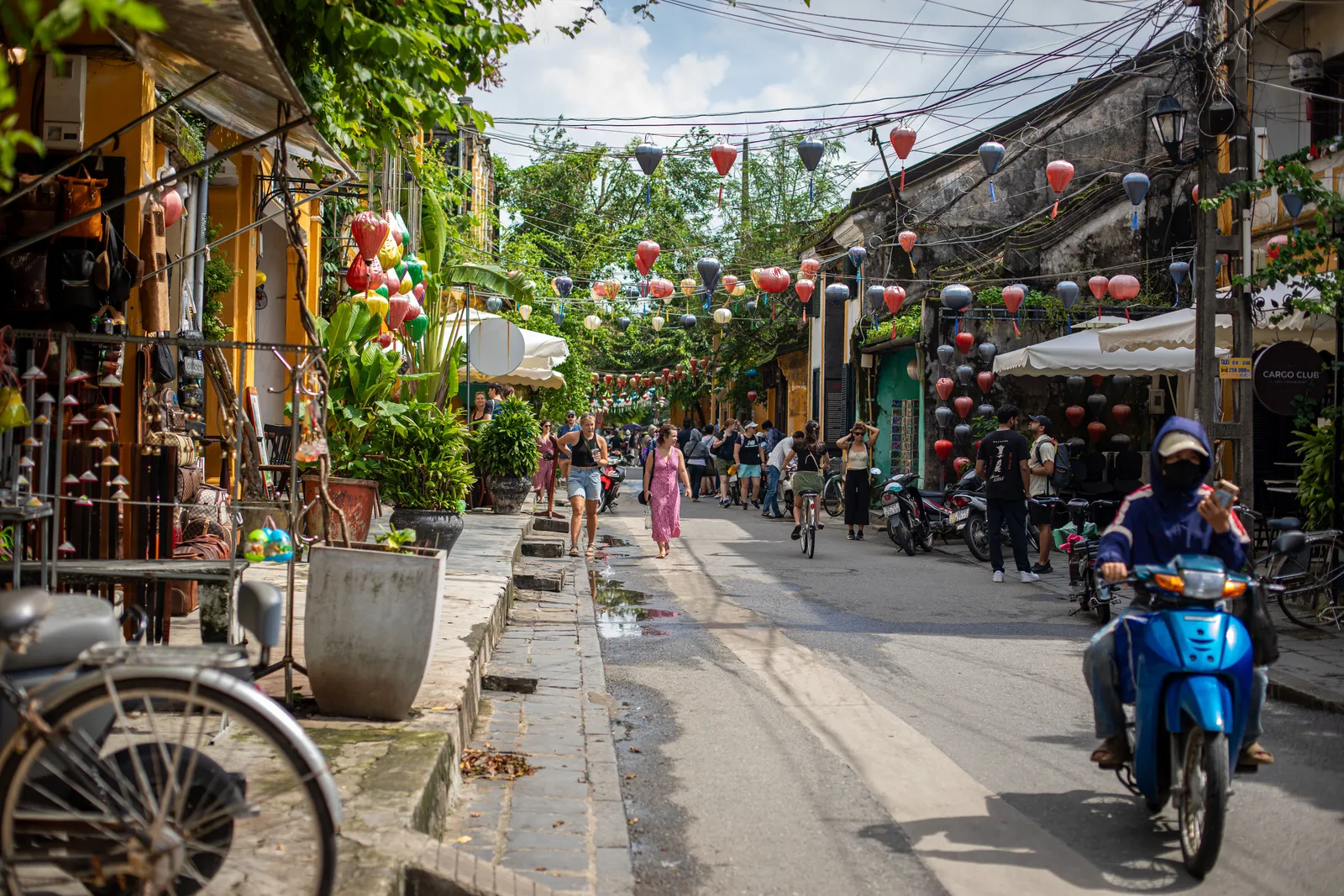
Vietnam has excellent public wifi culture. Cafes, restaurants, hotels and even small guesthouses almost all have it, it is usually free, and it is usually fast. Coffee shop culture here is serious, and a cafe with good wifi is easy to find in any town.
This means you could technically travel without data. I would still not: the ride-hailing point alone justifies it.
Practical setup notes
Save your accommodation address in Vietnamese as a screenshot, so it works with no signal.
Download offline maps for your regions before you travel, particularly the mountains.
Turn off data roaming on your home SIM before you land if you are using a local one, to avoid an accidental bill.
Keep your home SIM somewhere safe if you swap a physical one in. The tiny plastic card is easy to lose and annoying to replace.
Check whether your bank needs your home number for verification codes before you disable it. This is the most common reason to prefer eSIM.
Land connectedInstall before you fly and skip the arrivals-hall premium.Coffee shops, which is where you will actually work
If you are working remotely, Vietnam is exceptionally well suited to it. Coffee culture is deep, cafes expect people to sit for hours, wifi is fast and the coffee is superb.
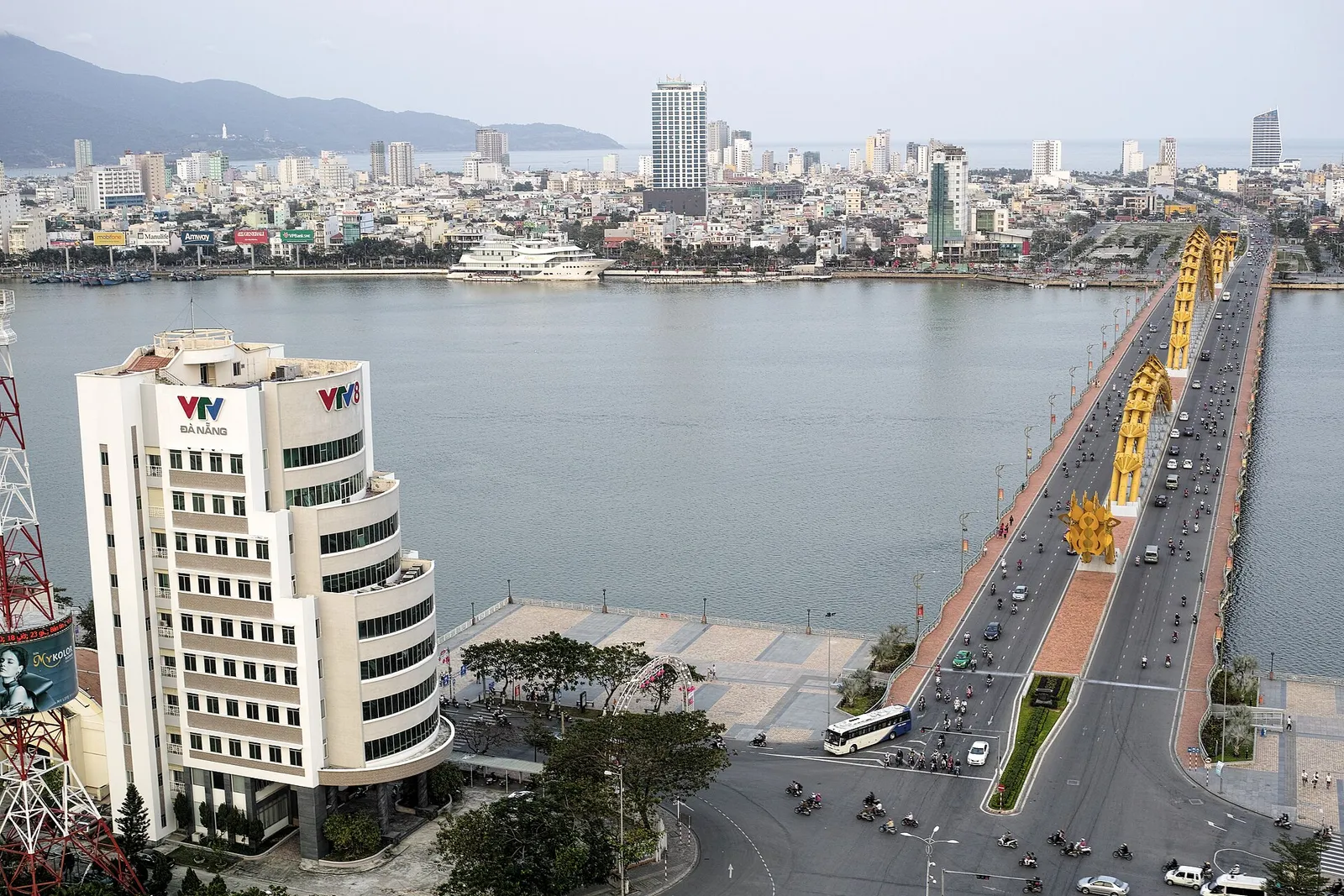
The coastal cities in particular have a substantial remote-working population and cafes built around it. Da Nang is the clearest example, with beach access and a serious cafe scene in the same city.
The short version
Buy an eSIM before you fly if your phone supports it and you want to land connected, or a physical SIM from an official shop in the city if you want the cheaper option and can wait an hour. Bring your passport. Buy a generous data package because it costs almost nothing. Download offline maps for the mountains. Screenshot your address in Vietnamese.
Then use the ride-hailing apps for everything, which is what all of this was actually for. Our first time in Vietnam guide covers the rest of the arrival-day logistics.
Did you go eSIM or physical, and would you do the same again? Tell me in the comments.