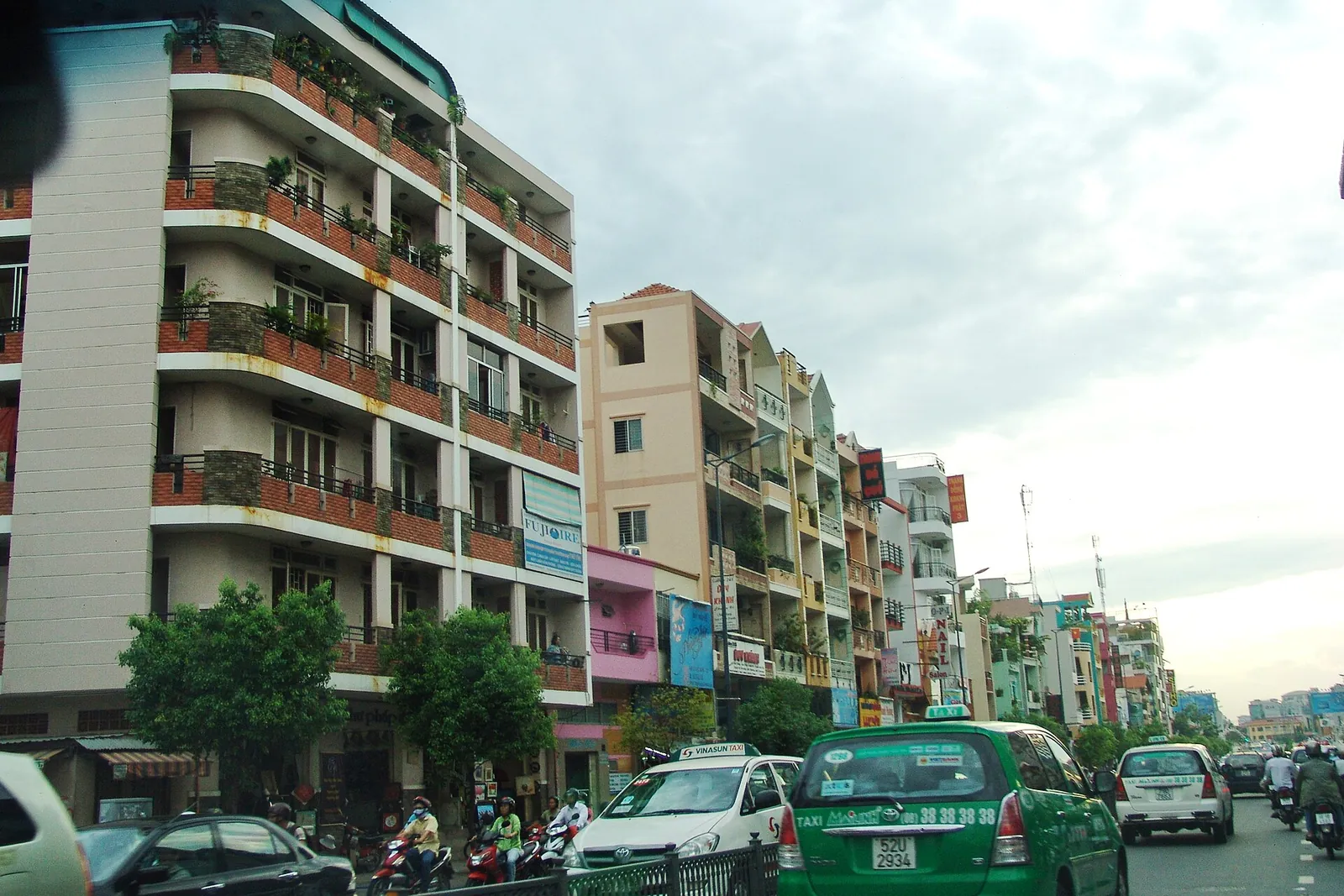
Let me start with the thing most articles about this leave out: Vietnam is not a country where you need to be on guard all day. The overwhelming majority of people you deal with here are straightforward, generous and often startlingly kind. Treating everyone as a potential scammer will make your trip worse and will not protect you from anything.
What does help is knowing the specific handful of things that genuinely recur, because they are recognisable and easy to sidestep once you have seen them written down. Here they are, roughly in order of how often they actually happen.
Transport, which is where most of it lives
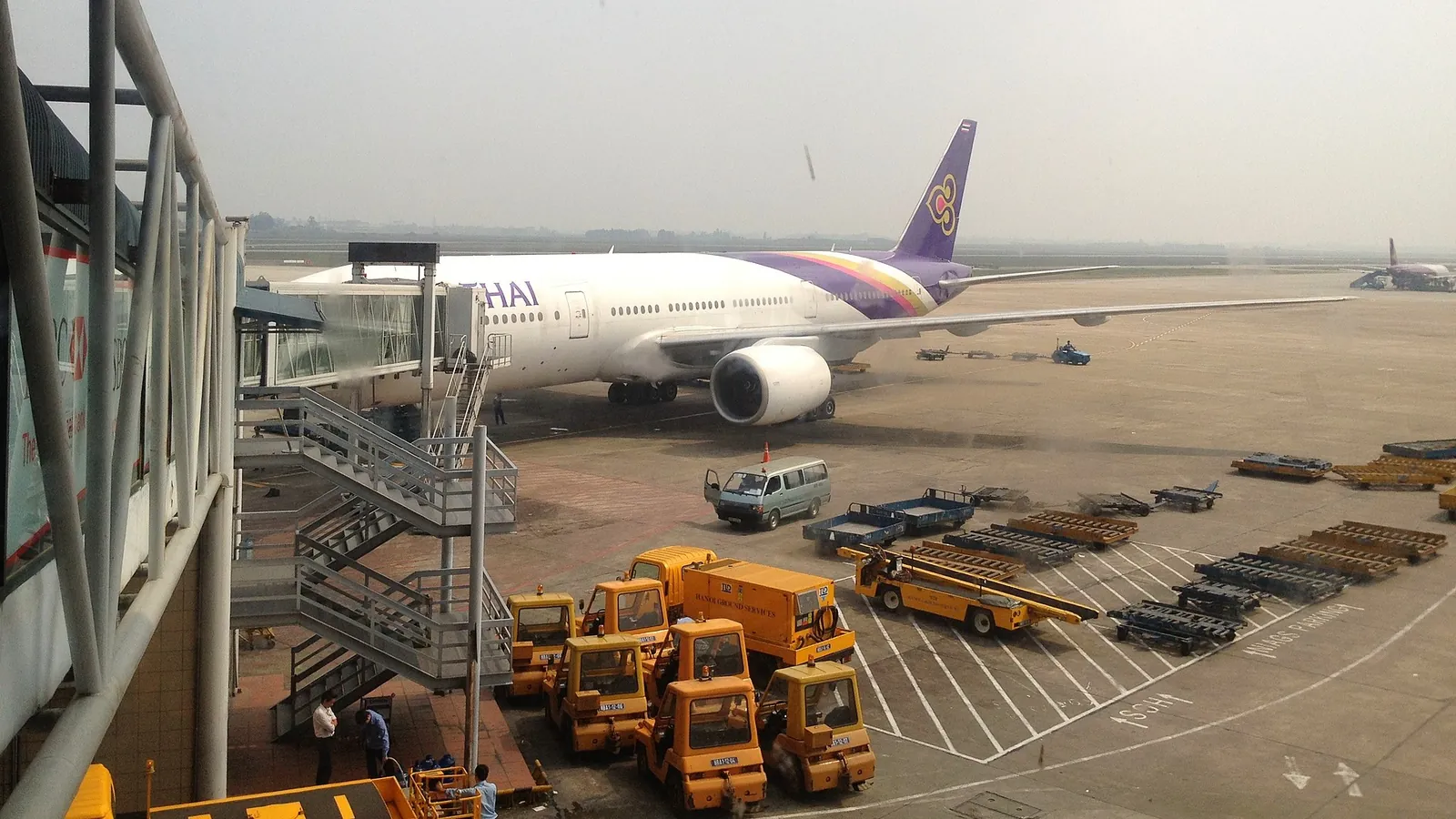
The airport taxi
The classic. A driver approaches you inside the terminal, quotes a price that sounds reasonable, and either takes a long route or the price turns out to be per person, or in a different currency than you assumed.
The fix is complete and simple: use a ride-hailing app, or the official taxi rank of a reputable company, or a car arranged by your hotel. Never accept a ride from someone who approaches you inside the arrivals hall. This one rule removes the single most common bad experience visitors have in Vietnam.
The meter that runs fast
Some taxis, particularly unbranded ones near tourist areas, have meters that climb at a remarkable rate. The reputable companies are well known and your hotel will name them.
Again, ride-hailing apps solve this by fixing the fare in advance. It is not that taxis are bad here; it is that apps remove the entire category of dispute.
The “it’s closed” detour
You ask for a specific temple, museum or shop. The driver tells you it is closed today, for a holiday, for lunch, for renovation, and offers to take you somewhere better instead, which will be a shop that pays commission.
It is almost never closed. Politely insist, or get out.
Money
The note switch
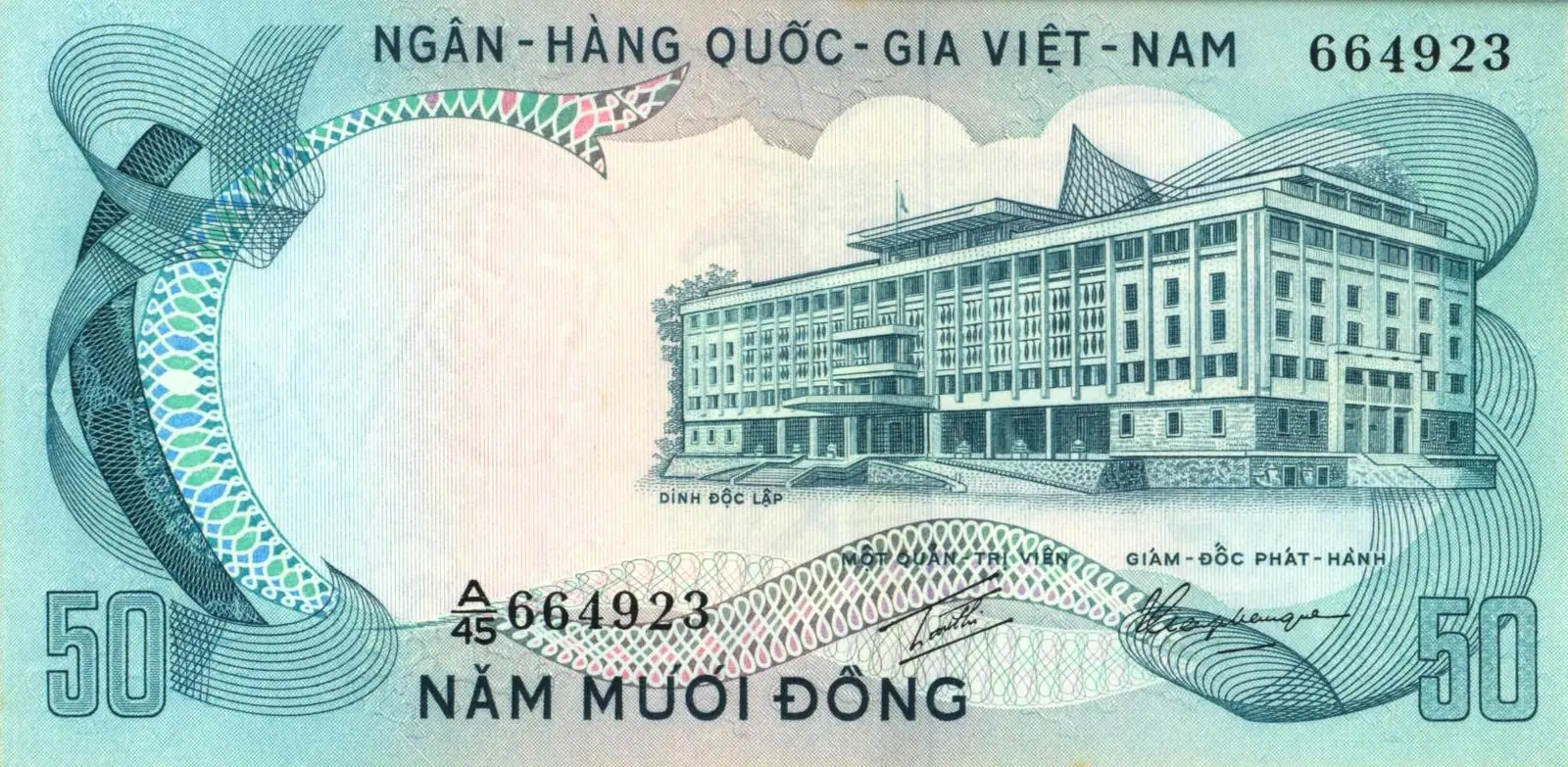
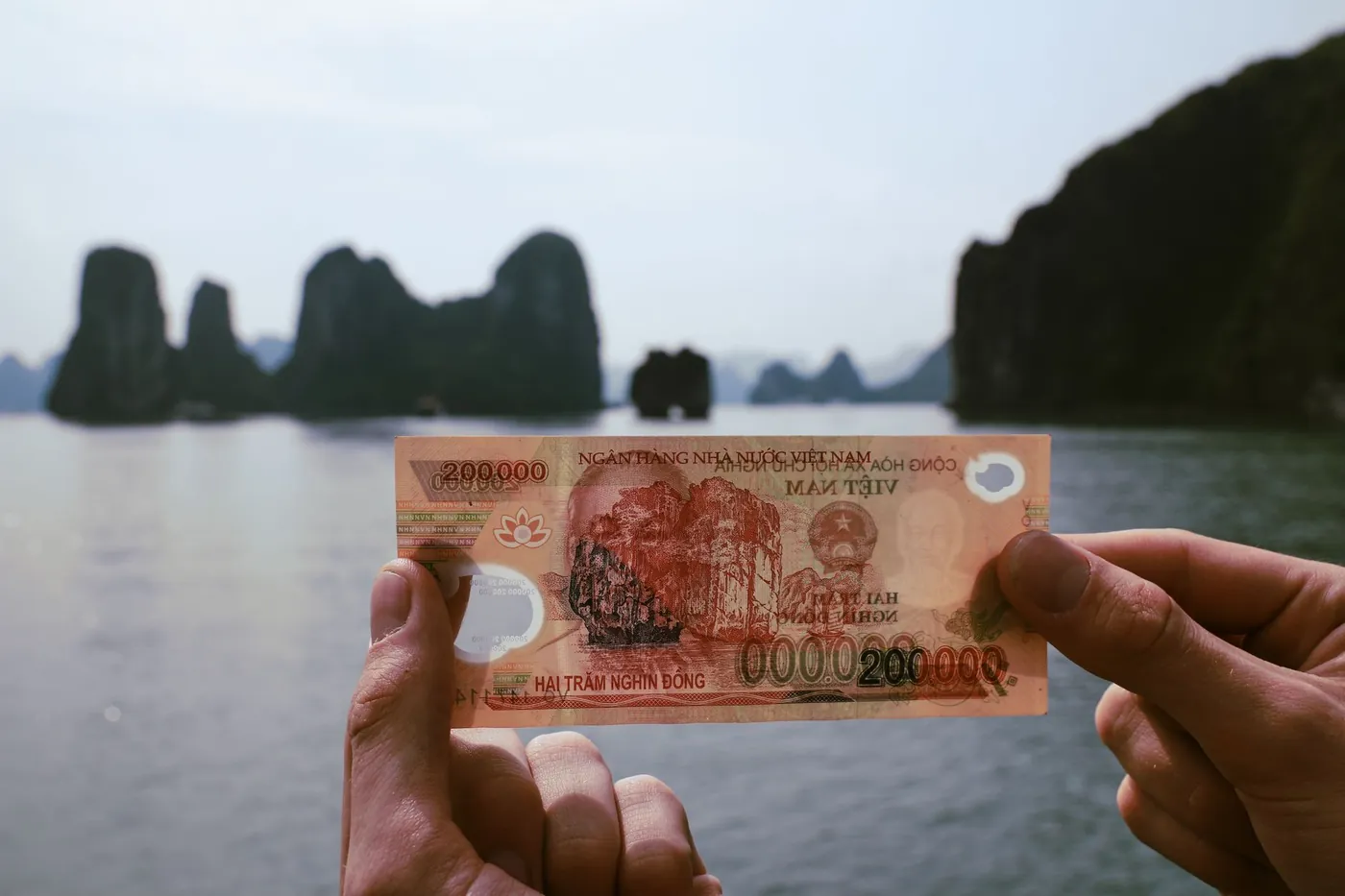
Vietnamese banknotes include several denominations that look similar in colour, and some are polymer notes of similar size. The switch involves being given change with a much smaller note substituted for a larger one, usually in a rush, usually at night.
Count your change before you walk away, and learn to recognise the notes by the number of zeros rather than the colour. This is a two-day learning curve and then you never think about it again.
Paying in the wrong currency
Some tourist-facing sellers quote in a foreign currency. The conversion built into that quote is not in your favour. Ask for the dong price and pay in dong. Our budget guide goes into why this matters across a whole trip rather than a single transaction.
The card machine
If a card terminal offers to charge you in your home currency rather than dong, decline and choose dong. That is dynamic currency conversion and the rate is set by the terminal, not your bank.
Motorbike rental disputes
This is the one that costs the most money when it goes wrong.
You rent a scooter. On return, the shop points to a scratch or a dent and demands a substantial sum, or refuses to return the passport they insisted on holding as a deposit.
The prevention is a two-minute video. Before you ride away, film the whole bike slowly, all sides, close on any existing damage, with the shop staff visible or at least the shopfront. Do the same on return. Disputes evaporate when you have this.
Second rule: do not leave your passport as a deposit. Offer a cash deposit or a photocopy. A passport is not yours to leave and getting it back can become leverage. Reputable places will accept an alternative.
Shopping and tailoring
In the tailoring towns the model is legitimate and the work is often excellent, but the pressure can be considerable: fittings that produce upsells, fabrics upgraded without a clear price, and rushed final fittings the evening before you leave.
Agree the total, the fabric and the number of fittings in writing before any cutting happens, and allow enough days for two fittings rather than one. Our Hoi An guide covers how the tailoring process actually works and why the timeline matters more than the price.
In markets generally, haggling is expected and friendly. The starting price for a visitor is high, and that is a negotiation rather than a scam. Walk away and the price usually follows.
Booked experiences take the negotiation outFixed prices and reviews beat haggling at a hotel desk on arrival day.Food and drink
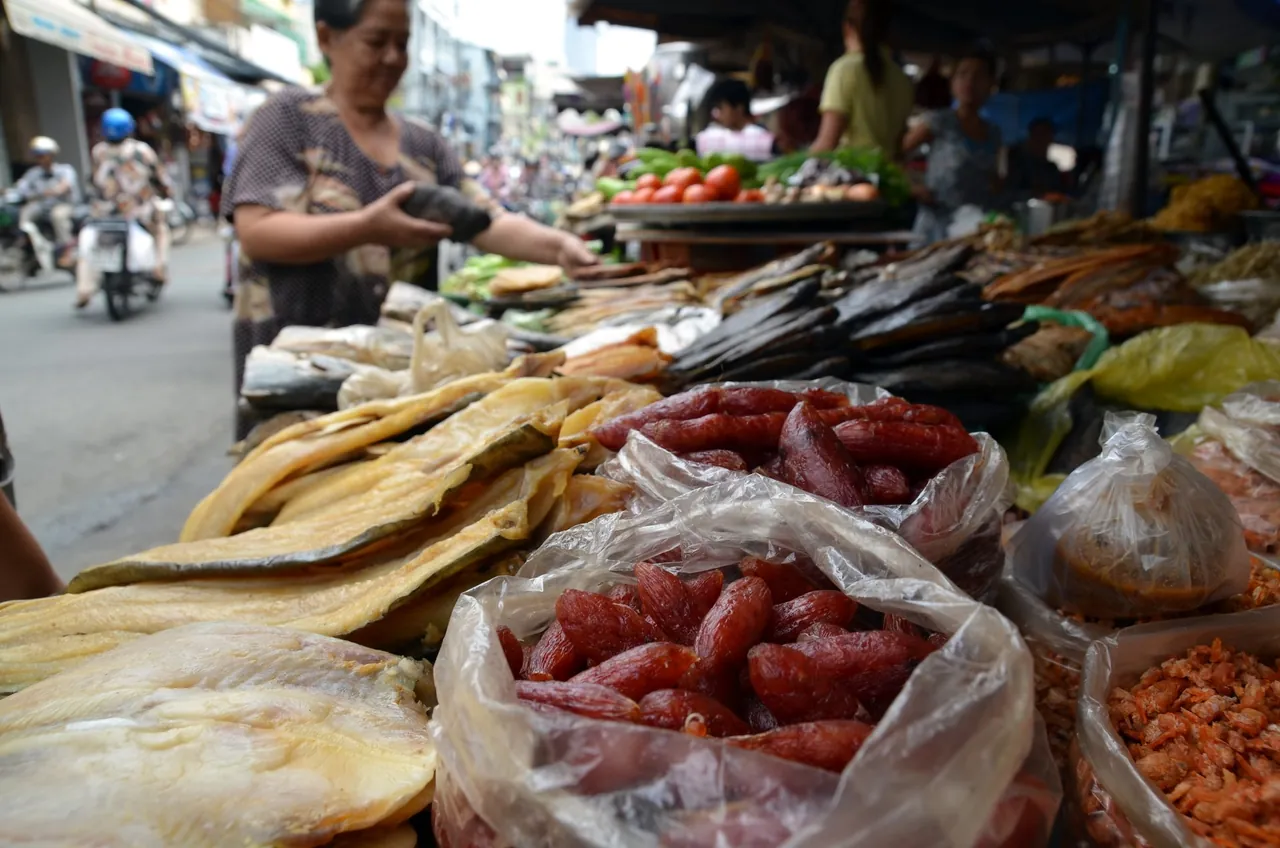
The overwhelming majority of eating here is honest, and the busy local places are the safest bet on both price and quality. Two things to know:
Unrequested extras. In some tourist restaurants, small dishes appear that you did not order and are charged for. If you did not order it and do not want it, hand it back straight away.
Price by weight. With seafood sold by weight, agree the weight and the price per unit before it is cooked, not after.
At street stalls, the risk is essentially nil. The single-dish places have fixed prices and everybody pays the same, which is another reason the street food route is the one to follow.
The ones that are overstated
In the interest of not making you paranoid:
- Violent crime against tourists is rare.
- Drink spiking is not a widespread pattern here, though ordinary sensible behaviour in nightlife areas applies as anywhere.
- Most people helping you are just helping you. If someone tells you your bag is open or your bike stand is down, they are usually right.
The actual crime that most affects visitors is not a scam at all: phone snatching from moving motorbikes in the big cities. Do not stand at the kerb texting, and keep your phone in your hand rather than dangling.
Booked experiences take the negotiation outFixed prices and reviews beat haggling at a hotel desk on arrival day.The five habits that cover almost everything
- Ride-hailing apps for all transport, including motorbike taxis.
- Count your change, and learn the notes by their zeros.
- Film rental bikes before and after, and never leave your passport as deposit.
- Agree prices in writing for anything made to order, and by weight for seafood.
- Eat where locals eat, where prices are fixed and nobody is negotiating.
Adopt those and you have covered the realistic list. Everything else is ordinary travel common sense, and Vietnam asks for less of it than its reputation suggests.
Has anything been tried on you here, and did you spot it in time? Tell me in the comments, the specifics help other readers recognise it.