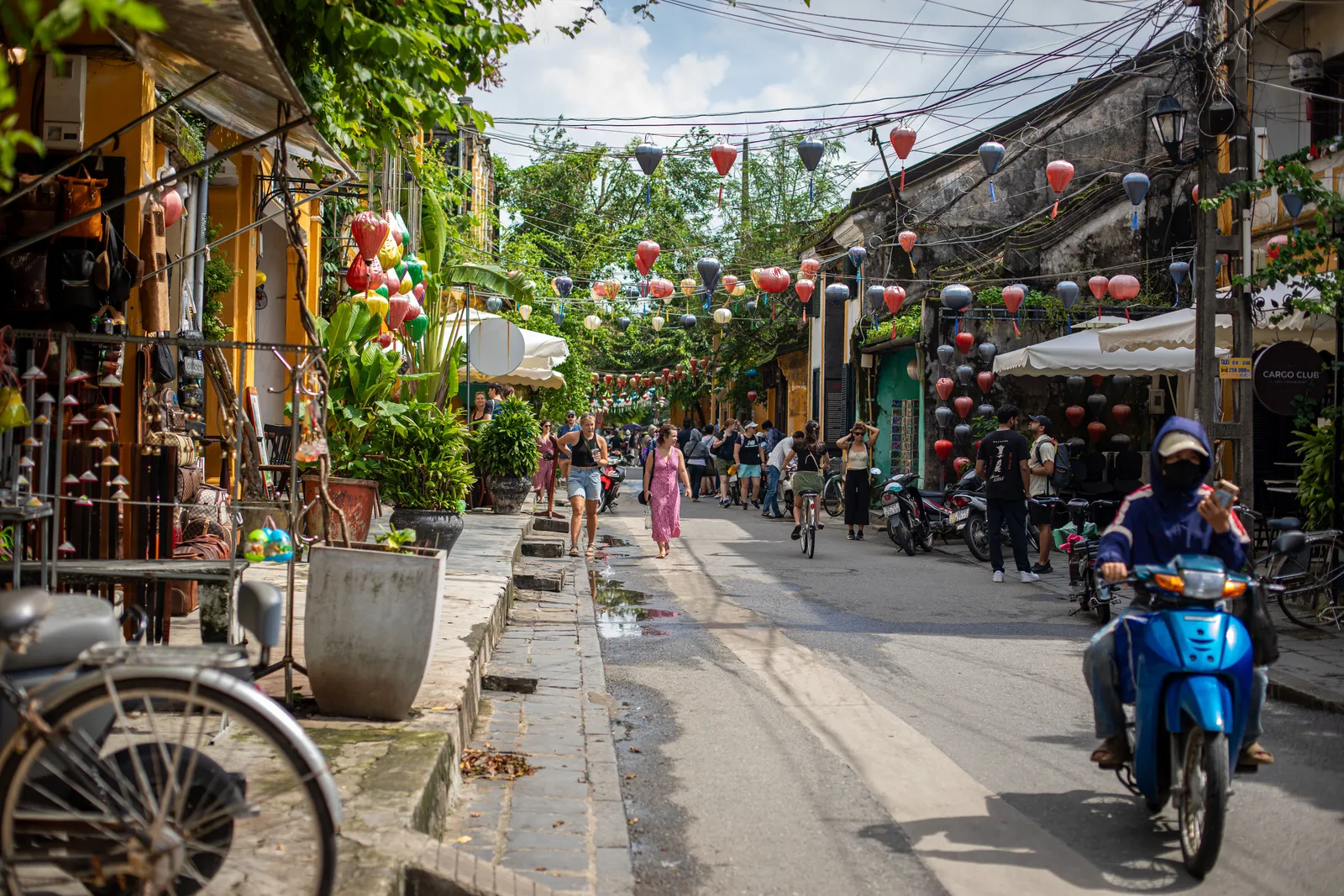
Hanoi is surrounded by good things and separated from most of them by more driving than the tour listings admit. That is the whole problem with day trips from this city: the distances are genuinely significant, and a nine-hour day where six are in a minibus is not a day out, it is a commute with a photo stop.
So here is an honest ranking. Not by how famous each place is, but by how much you actually get for the hours you spend getting there.
The ranking
| Trip | Travel time each way | Worth a day trip? |
|---|---|---|
| Limestone karsts | Around 2 hours | Yes, the best one |
| Perfume Pagoda | Around 2 hours | Yes, if you want temples |
| Craft villages | Under an hour | Yes, and underrated |
| The bay | 2.5 to 3 hours | Only just, overnight is better |
| The far northern mountains | 6 hours plus | No, needs several days |

The clear winner: the inland karsts
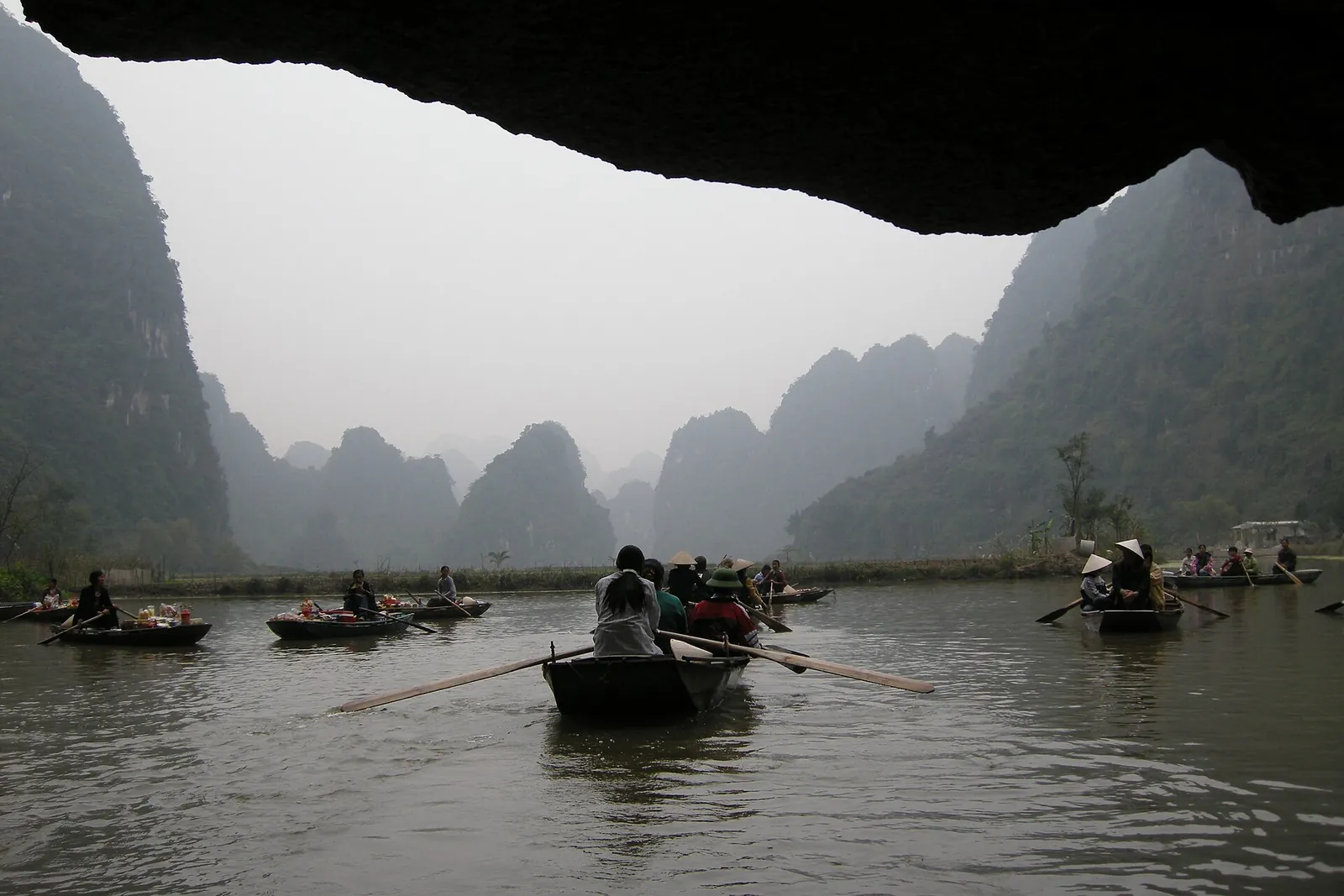
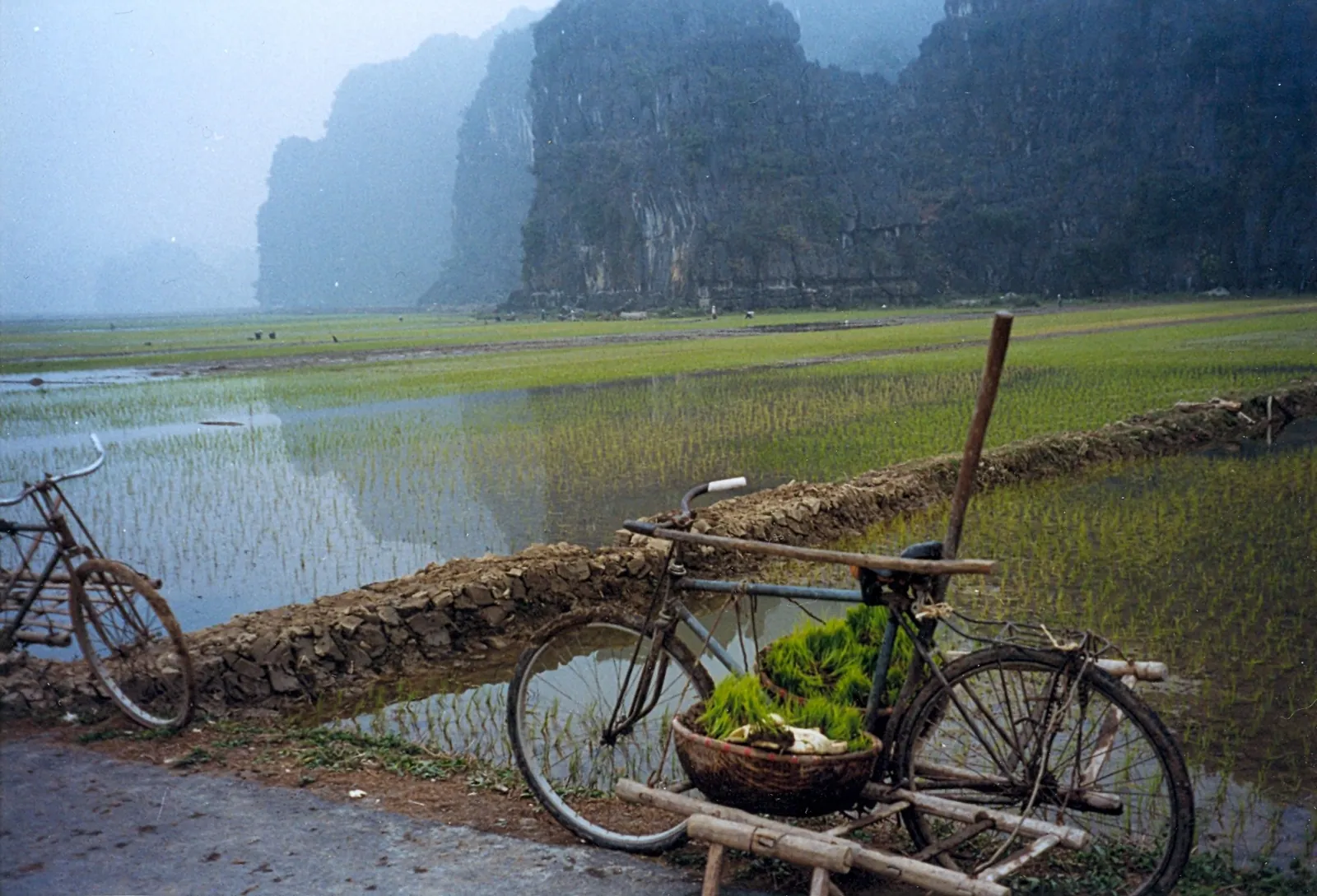
South of the city, the same drowned limestone landscape as the famous bay rises out of flooded rice fields instead of the sea, and you move through it in a small rowing boat.
This is the best day trip from Hanoi by a comfortable margin. The travel time is manageable, the landscape is genuinely spectacular, and unlike the bay you are not fighting a schedule dictated by boats. You can do a boat route, climb a viewpoint, cycle between the karsts and be back for dinner.
It also works as an overnight if you want it to, which is what I would actually do. Our Ninh Binh guide explains why the valley in the evening is the part day trippers miss, and which of the two boat routes to choose.
The one that should not be a day trip: the bay
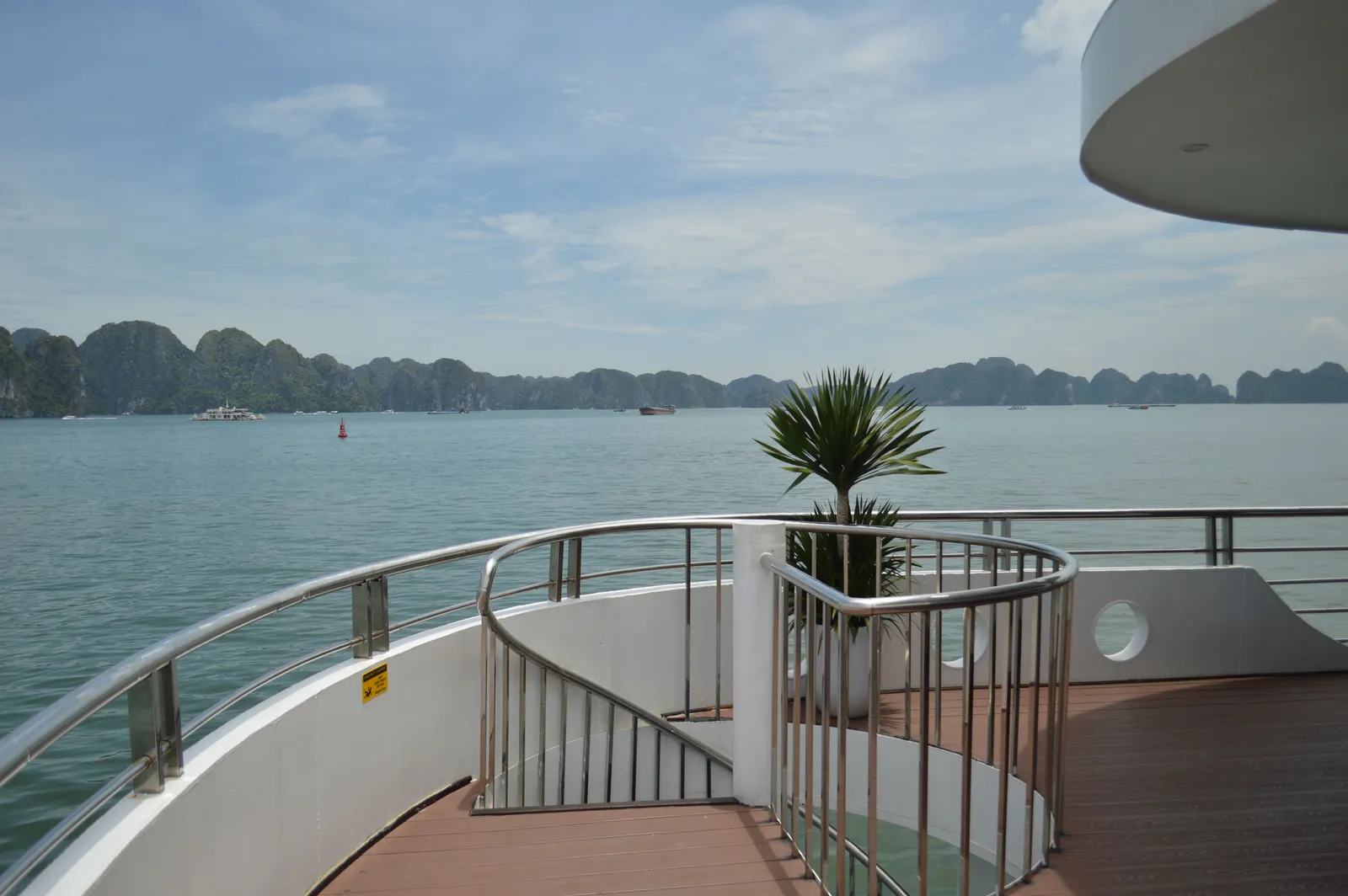
The famous limestone bay is the thing everybody wants to see, and it is the trip I would most strongly discourage doing in a day.
The drive is long. By the time you arrive, board, sail for a couple of hours and turn around, you have spent most of the day in a vehicle for a fraction of the experience. Worse, the day-trip boats all move together on the same short circuit, so you get the crowded version of a place whose whole appeal is space and quiet.
An overnight on the water is a completely different thing: you sail further, you are out there for sunset and sunrise, and the day boats have gone home. If the bay matters to you, give it the night.

The underrated one: the craft villages
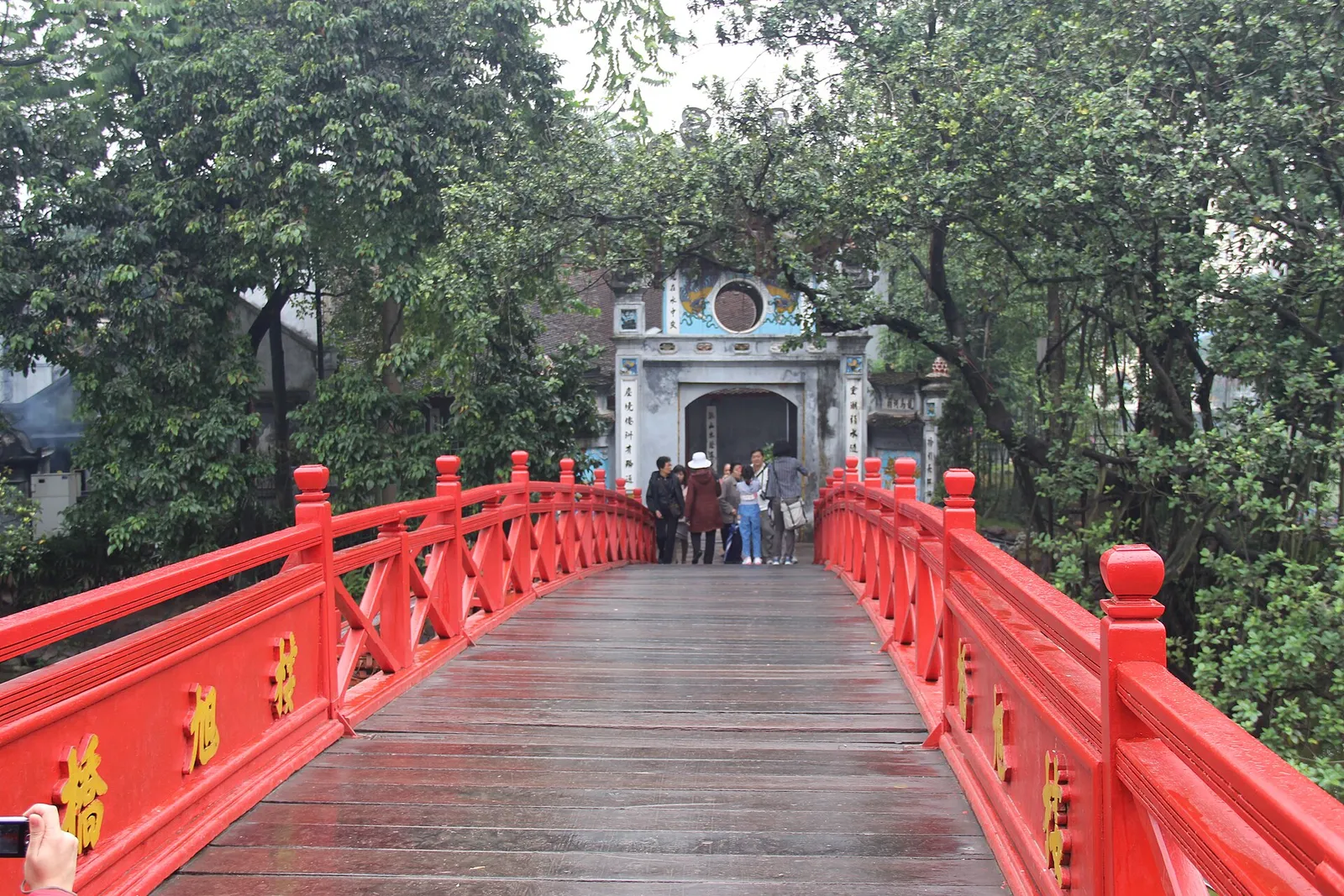
Within an hour of the city there are villages that have specialised in one craft for centuries: ceramics, silk, lacquer, conical hats, incense.
These are working places rather than attractions. You watch things being made, you buy at the source rather than at Old Quarter markup, and the travel time is short enough that a half day genuinely works. The ceramics village in particular is easy to reach independently and makes an excellent morning.
Nobody puts this at the top of a list because it is not dramatic. It is, however, the trip with the best ratio of interest to hours in a car.
The Perfume Pagoda
A complex of temples and shrines built into limestone hills, reached by a boat along a river and then either a walk uphill or a cable car.
It is a genuine pilgrimage site rather than a tourist construction, and during the spring festival period it is enormously busy with domestic visitors, which is either the appeal or the reason to avoid it depending on your temperament. Outside that window it is calm and rather beautiful.
The boat approach is the best part. Allow a full day and expect a fair amount of walking or a cable car queue.
Small group or private car?Compare options and check the collection and return times before you book.What not to attempt in a day
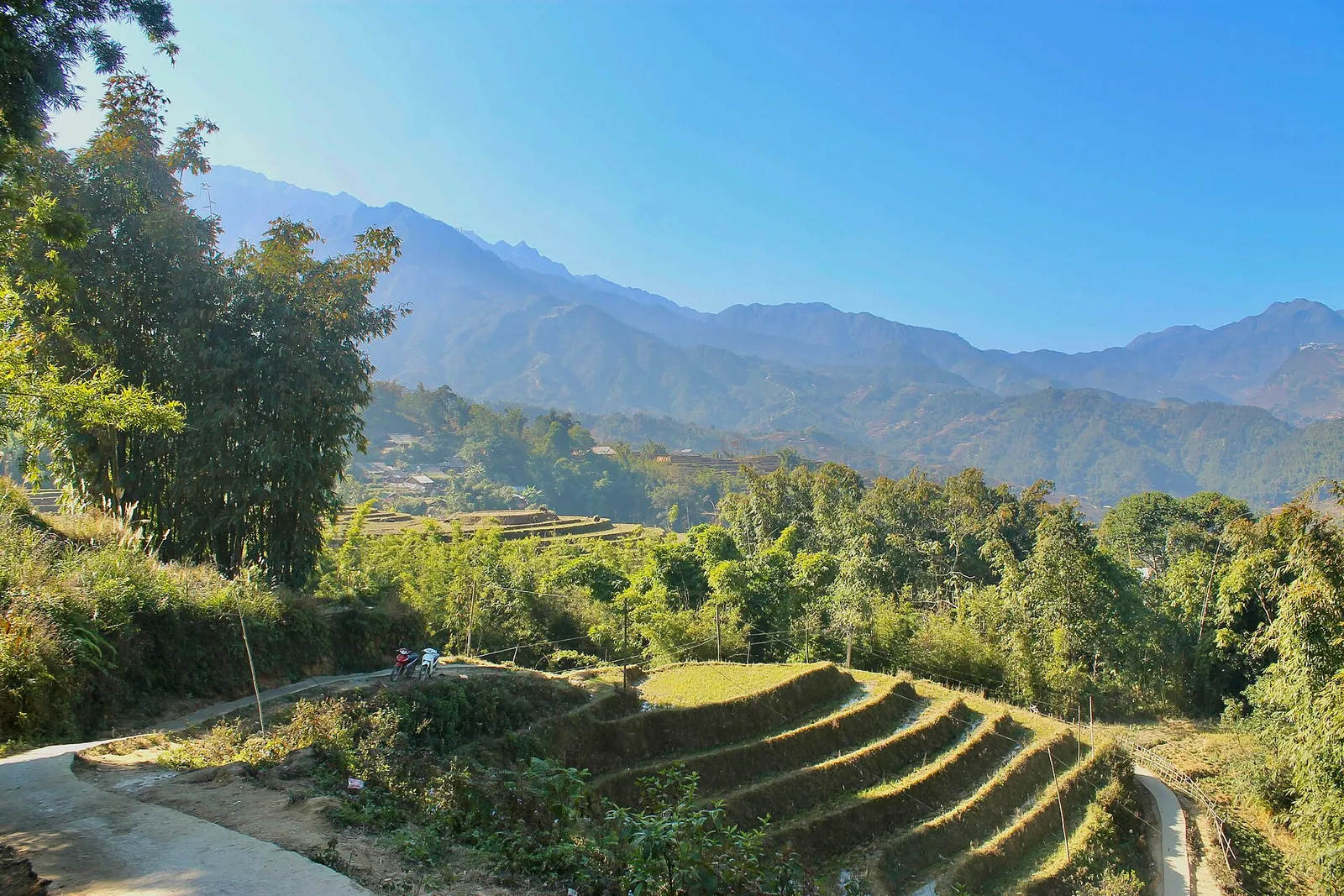
The far northern mountains. Six hours or more each way. This needs three or four days minimum, and the trekking valleys deserve at least two nights. Our Sapa trekking guide covers what that actually involves, and it is not compressible.
Anything on the central coast. People do ask. It is another region and another flight.
Booking, and doing it independently
Organised tours are cheap, frequent and collect from the Old Quarter. The trade-off is group size and a fixed schedule, plus the near-universal shop stop that exists for commissions.
Private cars with a driver cost more, split well between three or four people, and let you set the timing. For the karsts and the craft villages this is what I would do.
Independently works for the closer trips. Trains and buses reach the karst region easily and cheaply, and the craft villages are a short taxi or bus ride.
One practical point that matters more than it sounds: almost all tours collect centrally, so where you sleep affects how your day starts. Our Hanoi accommodation guide covers why staying out by the lake means an early taxi in the dark before an already long day.
Small group or private car?Compare options and check the collection and return times before you book.Building it into a trip
If you have three nights in Hanoi, take one day trip, and make it the karsts.
If you have four or five, take the karsts as a day trip and give the bay an overnight, which is the classic northern combination and the one most itineraries are built around.
If you have a week in the north, do both of those and add the mountains properly, with several nights rather than a heroic drive.
And if you only have two nights in the city, consider taking none at all. Hanoi itself rewards two unhurried days more than most capitals, and a rushed trip out is a poor trade for a morning in the Old Quarter. Our Hanoi guide covers what is actually in the city, which is more than people expect.
The short version
The inland karsts are the best day trip and the only one I would recommend without qualification. The craft villages are the underrated pick and the shortest drive. The famous bay deserves a night rather than a day. The mountains cannot be done in a day and should not be attempted.
Ask for the collection and return times before booking anything, and be suspicious of any itinerary that hides the driving.
Which day trip did you take from Hanoi, and did the hours add up? Tell me in the comments.