Vietnam is more than 1,600 kilometres long, and that single fact is what makes domestic flights less of a convenience and more of a structural requirement for most trips. An hour or two in the air replaces a full day and night on the ground, and it costs remarkably little. Here is how to use them well, and the one place the money goes wrong.
Why they matter so much here
The country’s shape does the work. Hanoi and Ho Chi Minh City sit at opposite ends of a long, narrow nation, and the journey between them is more than thirty hours by rail or roughly two hours by air.
On a trip of two weeks or less, that difference is the whole itinerary. It is what makes it possible to see the north and the south, or to fly into one end and out of the other without doubling back. Our guide to getting around Vietnam covers the full picture of trains, buses and roads; this covers the part that changes what is possible.
Several carriers compete on the main domestic routes, which keeps fares genuinely low, particularly when booked ahead.
The baggage rule, which is where money is lost
Here is the thing that catches people out repeatedly.
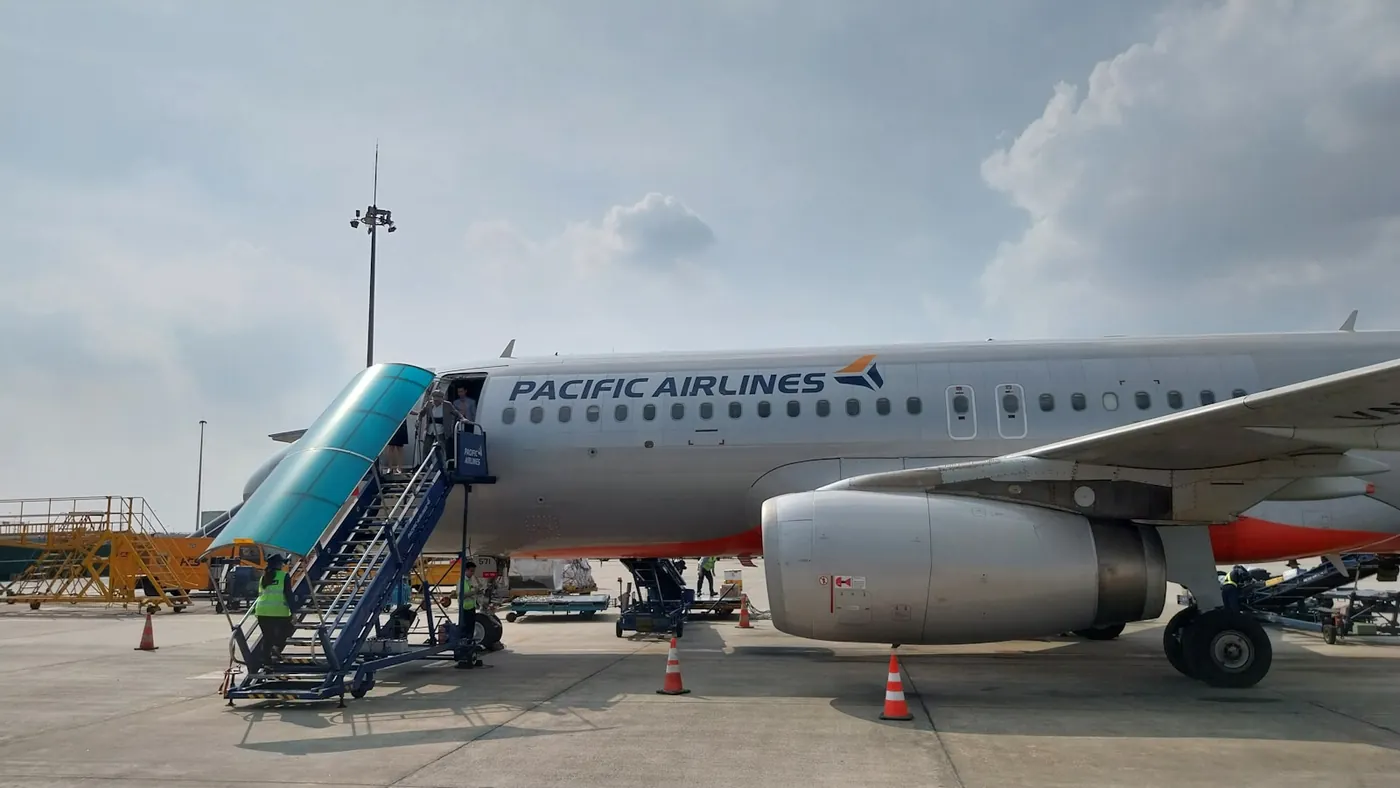
On the budget carriers, hold luggage is not included in the base fare and is charged separately. That is common enough elsewhere. What is less common is how strictly it is enforced: allowances are checked properly, including cabin baggage weight, which surprises travellers used to airlines that wave it through.
Add bags when you book. Doing it at the airport costs a multiple of the online price, and being asked to weigh a cabin bag at the gate is a normal occurrence rather than bad luck.
This is the single most common complaint about domestic flying here, and it is entirely avoidable at the booking stage.
Which routes to fly
Fly the long ones. Hanoi to Ho Chi Minh City, or any journey spanning two of the country’s three regions, is a straightforward case: the flight saves the better part of a day and a night.
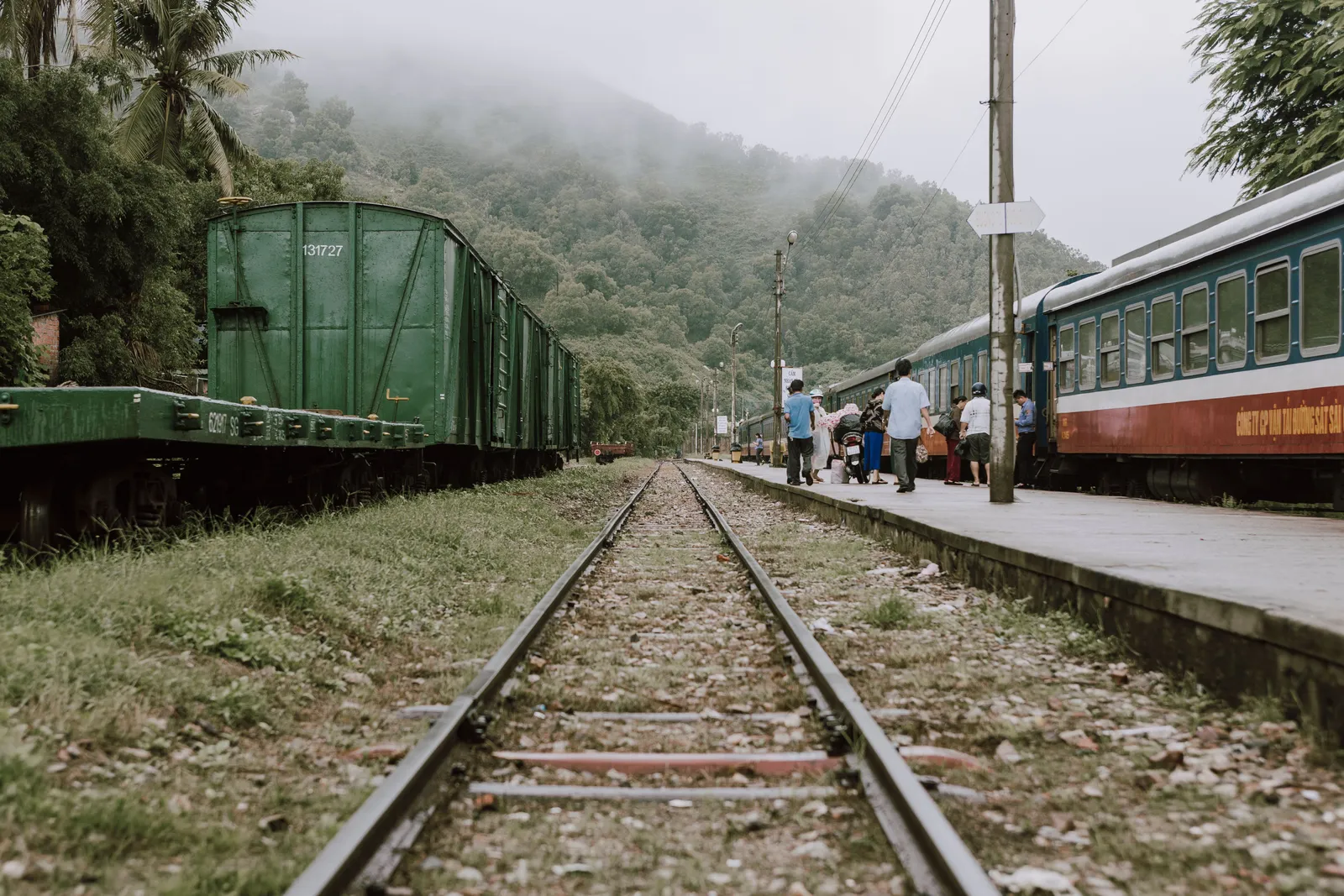
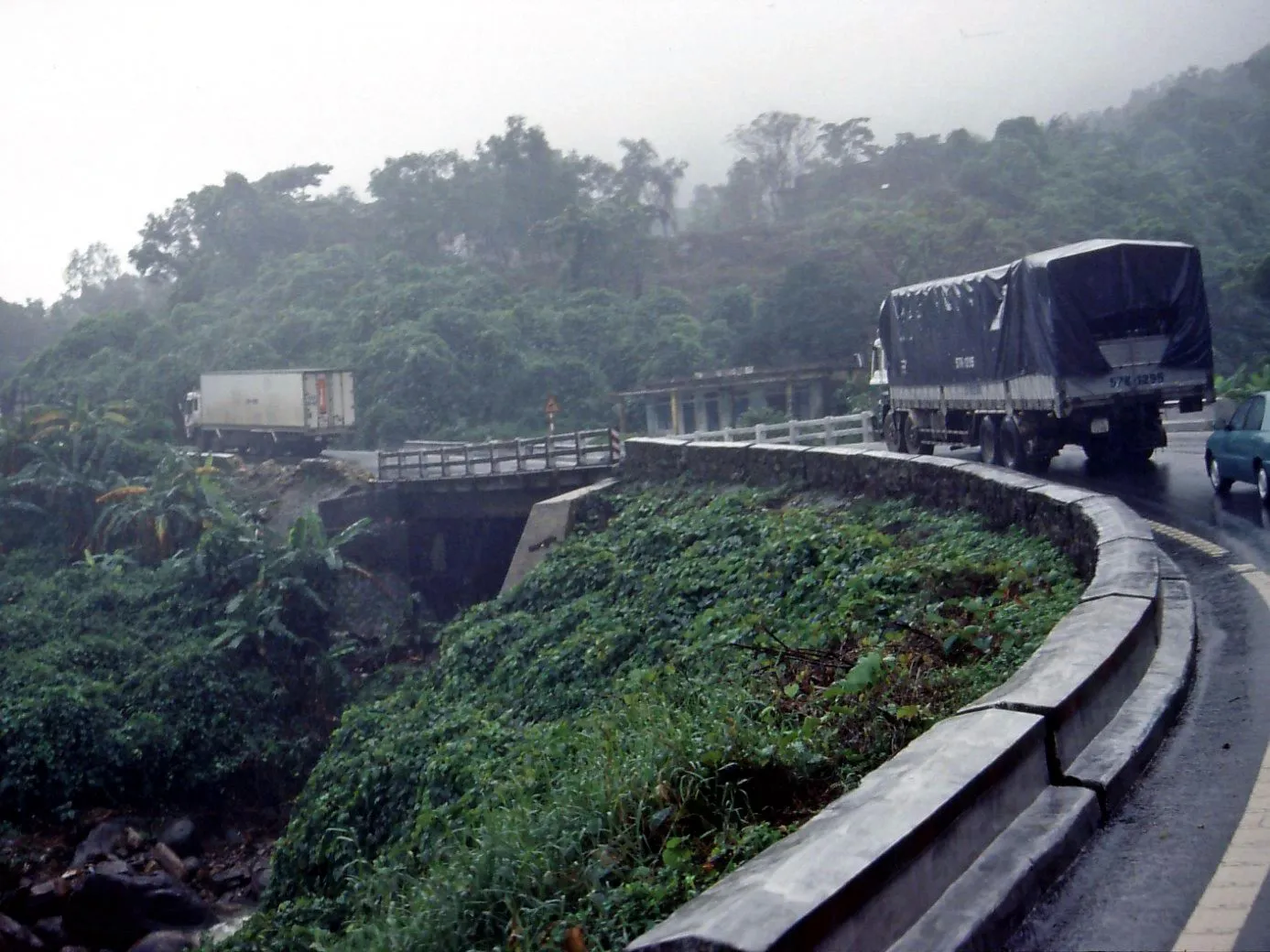
Do not fly the short ones. The stretch between Hue and Da Nang is a few hours on a coastal railway that runs along cliffs above the sea and through the Hai Van pass area, and it is one of the more scenic short train journeys in Asia. Flying it saves an hour and costs you one of the better experiences of the trip. Our sleeper train guide covers the rail network properly.
The general principle: flights for transport, trains for the journeys that are themselves worth having.
Book the bag with the seatHold luggage added at the airport costs several times what it costs at booking, and the allowances are genuinely enforcedThe airports worth knowing
Four cover most itineraries, and one of them is consistently underused.
Hanoi in the north and Ho Chi Minh City in the south are the main international gateways and the busiest domestic hubs.
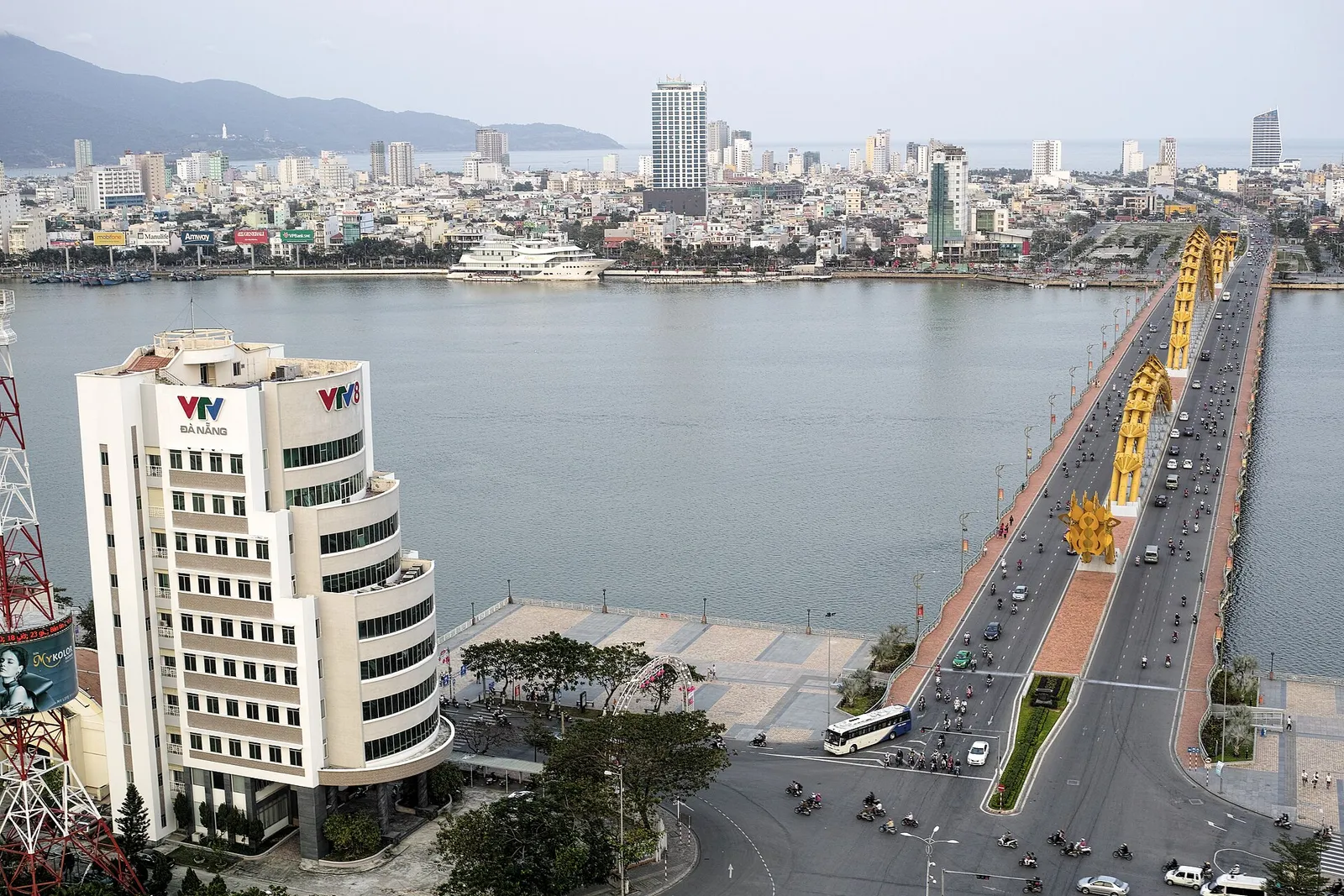
Da Nang is the one visitors miss. It serves the entire central region, putting Hoi An within about half an hour and Hue within a couple of hours, and flying into it directly rather than routing through Hanoi or Saigon saves a great deal of time on a central-region trip. Our Da Nang guide covers the city itself, which is worth more than a transit stop.
Beyond those, Phu Quoc for the southern island, Cam Ranh for Nha Trang and Da Lat for the highlands cover most of the rest.
Booking
Several weeks ahead gets the best fares on the main routes. Book further out for travel around Vietnamese public holidays, when domestic demand rises sharply and prices follow, and when trains and buses fill as well.
Last-minute seats are usually available on the busy corridors, at noticeably higher fares. Booking early also buys a choice of departure times, which matters because the cheapest seats tend to sit at the least convenient hours, and a flight that lands at one in the morning costs you a hotel night and a day’s energy that the fare saving does not cover.
At the airport
A few things differ from what European or North American travellers expect.
Domestic check-in closes earlier than you might assume relative to departure, and the desks are firm about it. Arriving around ninety minutes before a domestic departure is comfortable; an hour is tight at the busier airports.
Identity documents are checked properly. Foreign passengers need their passport for domestic flights, not a photocopy or a photo, and the name on the booking must match it. A mismatch caused by a booking made in a shortened form of your name is a genuine and recurring problem.
Delays happen, particularly in the wet season and at the busiest hubs, and they cascade through the day. The practical consequence is not to book an international connection with a tight margin behind a domestic leg, and to treat an early flight as more reliable than a late one.
Terminals are separate. At the main gateways the domestic and international terminals are distinct buildings, sometimes with a walk or a shuttle between them, which is worth knowing when connecting rather than discovering with a bag and thirty minutes.
One more consideration
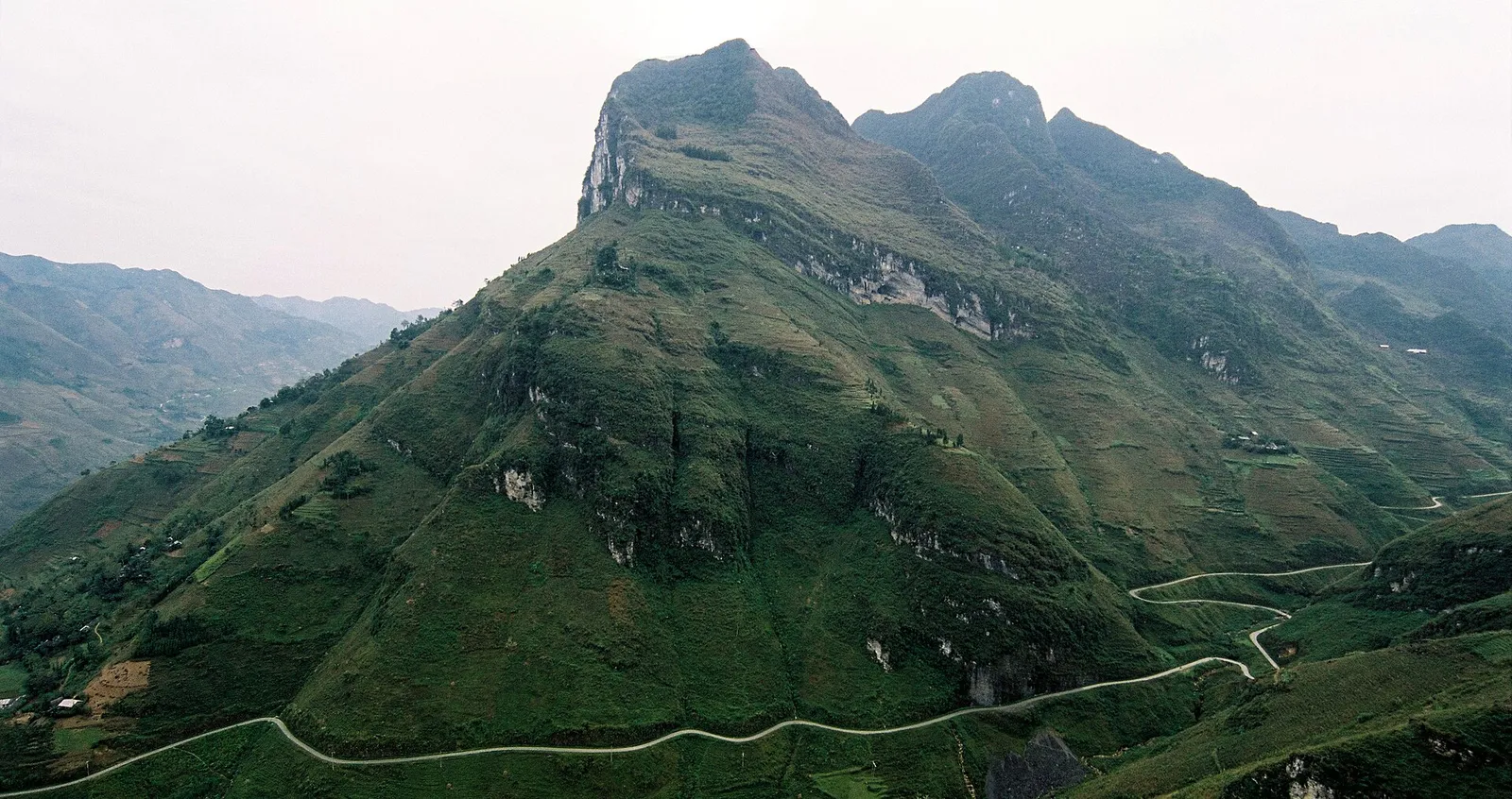
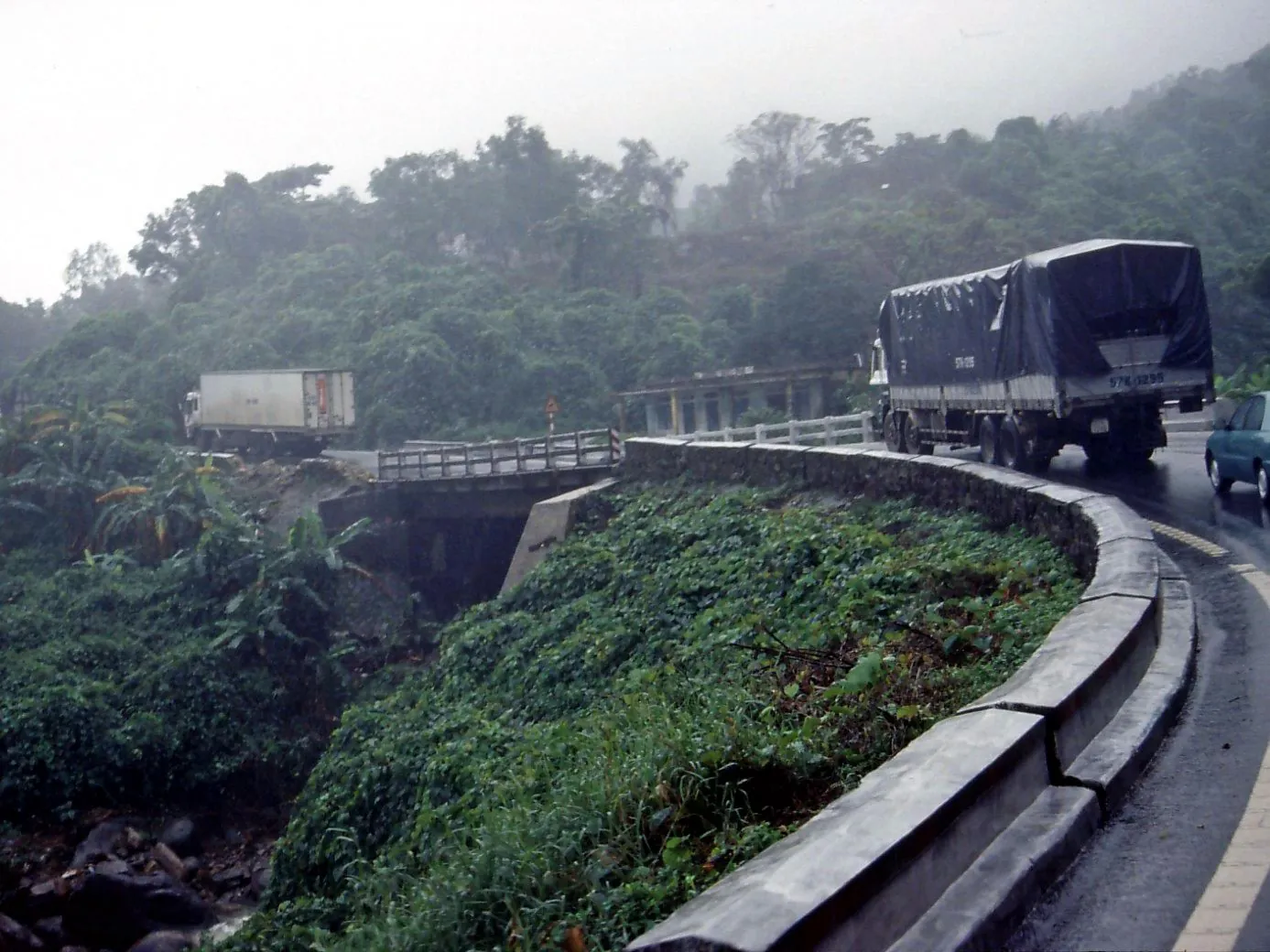
Flying skips the country between the cities, and Vietnam’s interest is not confined to its endpoints. If your itinerary is long enough to absorb it, taking one leg overland, whether by train along the coast or by road through the mountains, changes what you take home from the trip. The flights are there to buy you that option, not to replace it entirely.