Vietnam is a forgiving place to get things wrong, and visitors are given a great deal of latitude. That said, a handful of customs are worth knowing, partly because they are easy, and partly because one of them shapes every interaction you will have with a person here. Here is the short list that matters.
Saving face, which underpins everything
If you read only one section, read this one. Public criticism, visible anger and forcing someone to admit fault in front of others are considerably more damaging here than in most Western cultures, and they rarely produce the outcome you were after.
The practical version is counterintuitive for a lot of travellers: a calm, smiling approach to a problem generally resolves it faster than a firm one. Raising your voice tends to end a negotiation rather than advance it, because the other party’s priority shifts from solving your problem to not being humiliated.
This applies to hotel disputes, taxi disagreements, wrong orders and everything else. It is the single most useful cultural point for a visitor to absorb, and it is genuinely effective rather than merely polite. Our guide to common scams covers the situations where you will most need it.
Shoes, hands, heads and feet
Four physical customs, all simple.
Shoes come off entering someone’s home, and usually at temples, some traditional restaurants and many small shops and guesthouses. The signal is a rack or a pile by the door.
Both hands when giving or receiving something of significance, particularly money, a business card or a gift. One hand reads as casual.
Heads are not touched, including children’s, which surprises visitors from cultures where ruffling a child’s hair is affectionate.
Feet are not pointed at people, at altars or at Buddha images. Sitting with your soles facing a shrine is the version that comes up most.
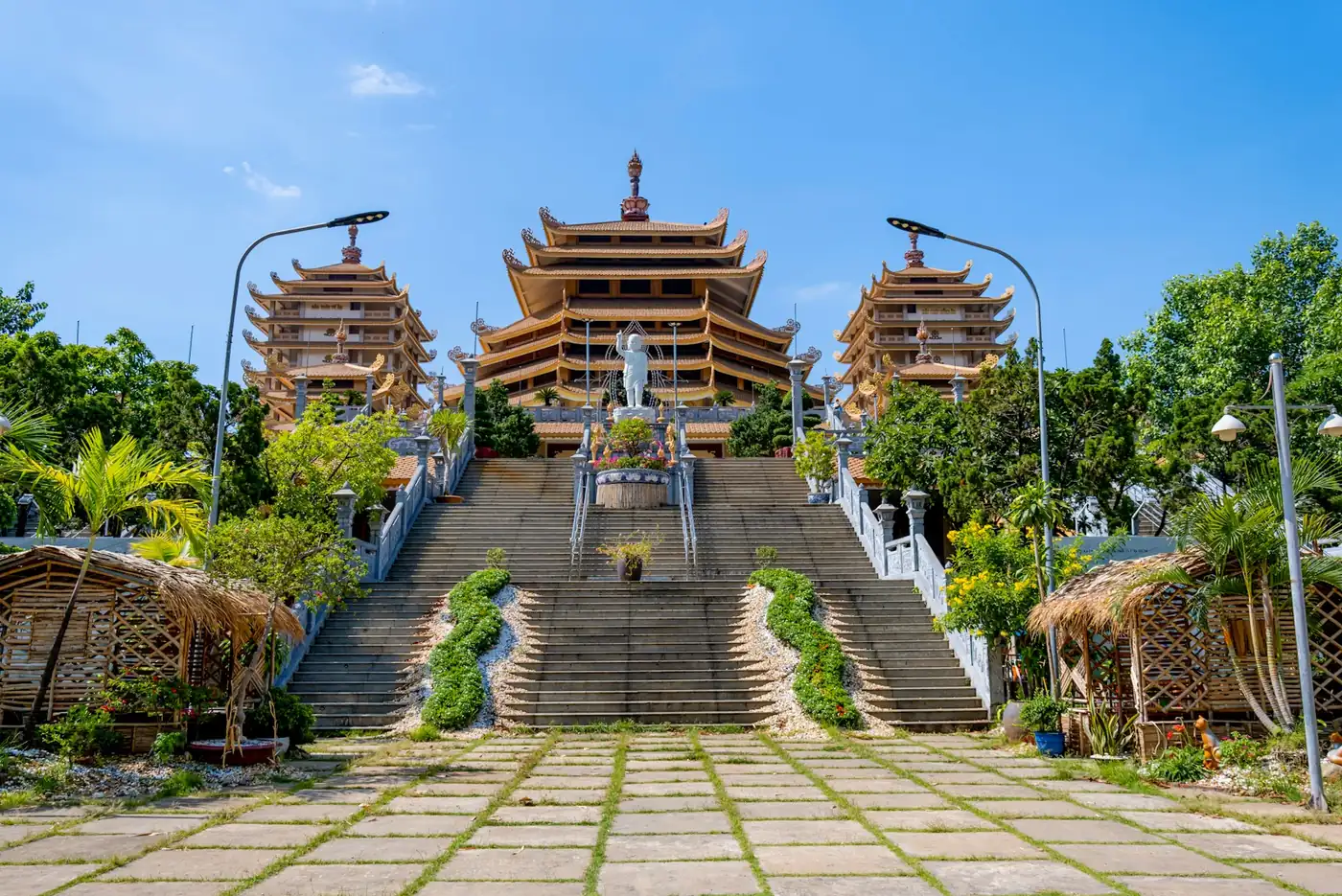
At temples
Shoulders and knees covered, for men as well as women, and shoes off where indicated. Some larger sites keep wraps for unprepared visitors, though arriving dressed appropriately is better than queueing for one.
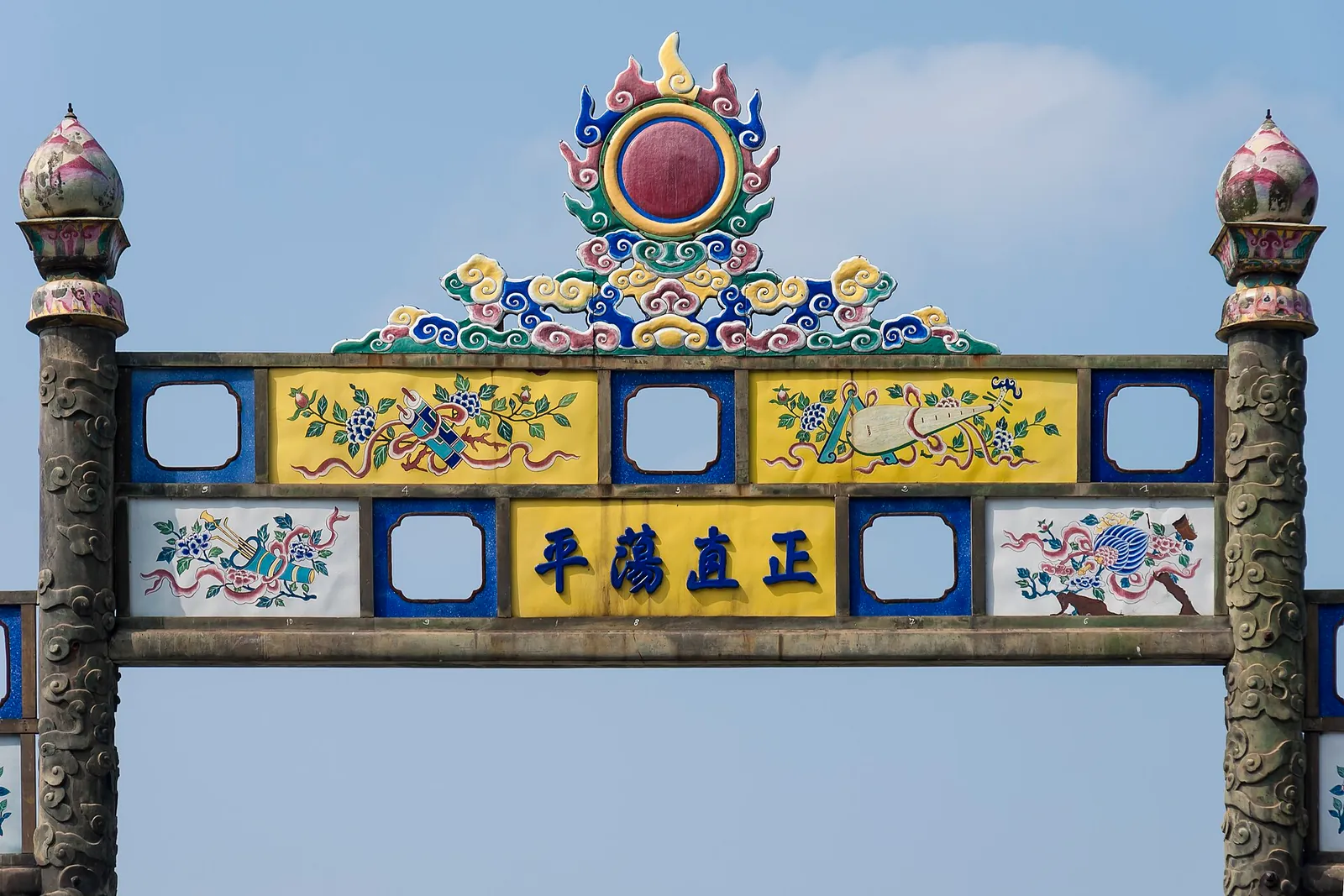
Worth noting more generally: the everyday standard of dress in Vietnamese cities is more modest than in some neighbouring countries, and beachwear away from the beach reads as odd rather than relaxed. The imperial sites covered in our Hue guide are among the places where this matters most, being both religious and formal.
Chopsticks
One rule genuinely matters: do not stand chopsticks upright in a bowl of rice. It resembles incense burned for the dead and is a strongly negative image.
The others are minor and nobody will mind if you forget: avoid pointing with them, do not use them to drag bowls around, and rest them on the holder or across the bowl when pausing.
A guide explains what the signs do notHalf a day with someone local is the fastest way to understand why things are done the way they are hereBargaining, and where it stops
In markets and with street vendors, bargaining is expected and is a good-humoured part of the transaction rather than a confrontation. Smile, go back and forth, and be prepared to walk away without hard feelings on either side.
In shops with displayed prices, supermarkets, chains and restaurants, it is simply out of place.
The distinction is easy once you know to look for it: if the seller opens with a price, it is negotiable, and if the price is printed on a label, it is not.
The drinking custom
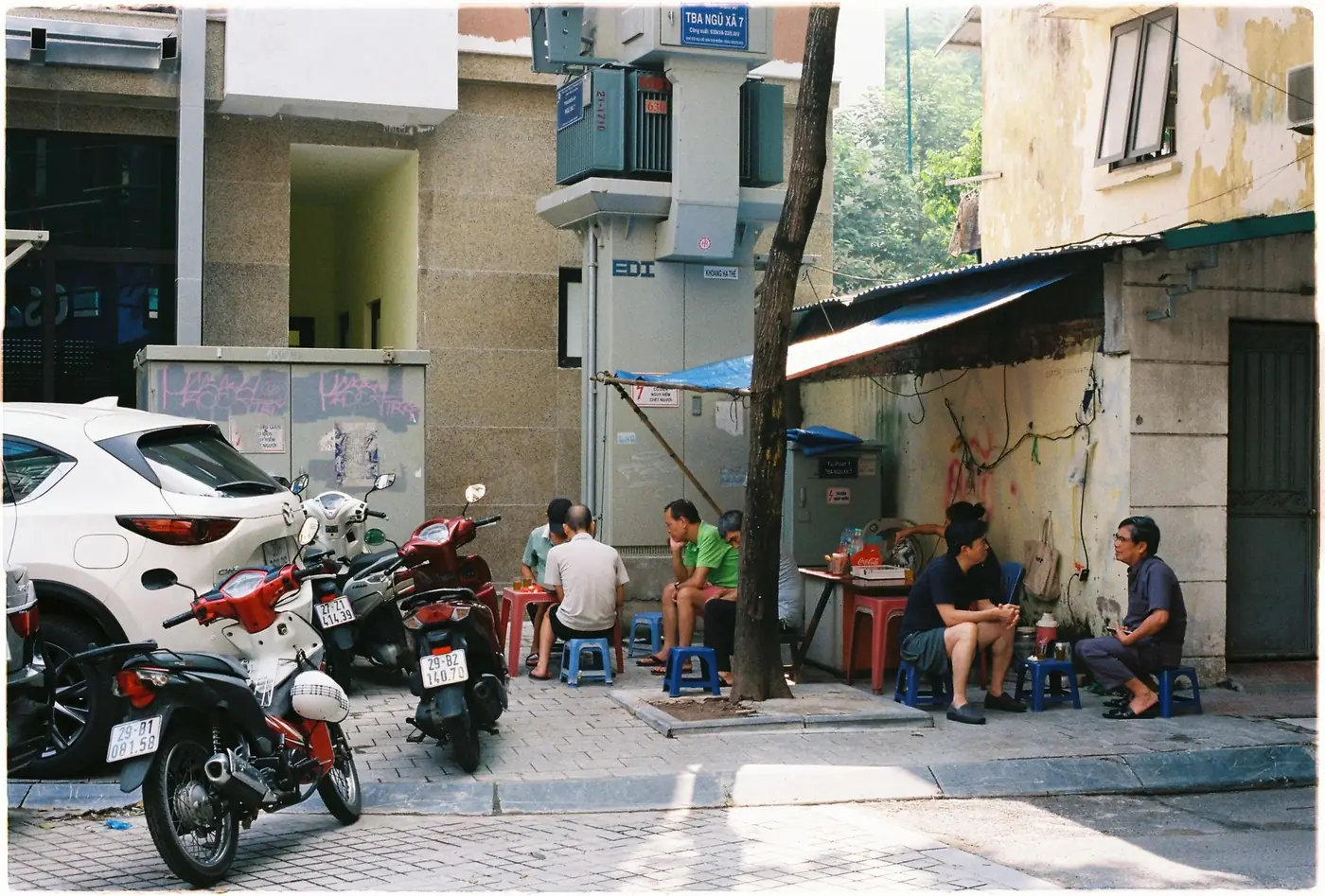
You will meet this on the first evening. Vietnamese drinking is communal rather than individual: glasses go up together with a shared call, and everyone drinks at the same moment rather than sipping independently.
It is genuinely warm hospitality and it is also relentless if you let it run, because each round is a group event rather than a personal choice. Two approaches work well: nurse a drink slowly, or be straightforward and friendly about not drinking. Both are better received than trying to keep pace out of politeness and regretting it.
Two smaller things
Photographing people deserves the same courtesy it does anywhere: ask, particularly with older people and with anyone working. A gesture towards the camera and a smile is usually enough.
Military installations, border areas and some government buildings should not be photographed at all, and this is taken seriously.
Beyond that, the general disposition towards visitors here is warm and patient, and small efforts are noticed. Our first-time guide covers the practical groundwork that sits alongside all of this.
Language, and the two words that matter
Vietnamese is tonal and genuinely hard to pronounce from written form, which puts a lot of visitors off attempting it at all. That is a mistake, because the effort registers far more than the accuracy.
Xin chào for hello and cảm ơn for thank you will carry you a remarkable distance. Both will probably come out slightly wrong, and both will be received warmly regardless.
One structural point worth knowing: Vietnamese pronouns change according to the relative age of the people speaking, which is why you will hear the same person addressed differently by different people. You are not expected to navigate this, and nobody will hold it against you, but it explains a system that otherwise looks arbitrary.
Age, and why it shapes the room
The single organising principle behind a lot of Vietnamese social behaviour is respect for age. Older people are greeted first, served first, and deferred to in conversation, and this is visible everywhere once you notice it.
For a visitor the practical version is small: acknowledge the oldest person present first when joining a group, accept things offered by older people rather than refusing, and do not be surprised when an older stranger gives you unsolicited advice, which is a form of care rather than an intrusion.
None of this requires study. Noticing that it is happening is most of the benefit.