This is the page you hope not to need, so let me make it short and useful rather than reassuring. Vietnam is a safe country for visitors by most measures, and the things that actually injure travellers here are mundane: road accidents, stomach illness, and heat. What matters is knowing who to call, and knowing the two or three things about the system that are not obvious.
The three numbers
| Number | Service |
|---|---|
| 113 | Police |
| 114 | Fire and rescue |
| 115 | Ambulance and medical emergency |
They are free to call from any mobile or landline in Vietnam, including from a phone without local credit. Save all three now.
The important caveat: English is not guaranteed. Operators in the major cities may speak some, but you should not plan on it, and outside the cities it is unlikely. This single fact changes how you should prepare.
Why a taxi is often faster than an ambulance
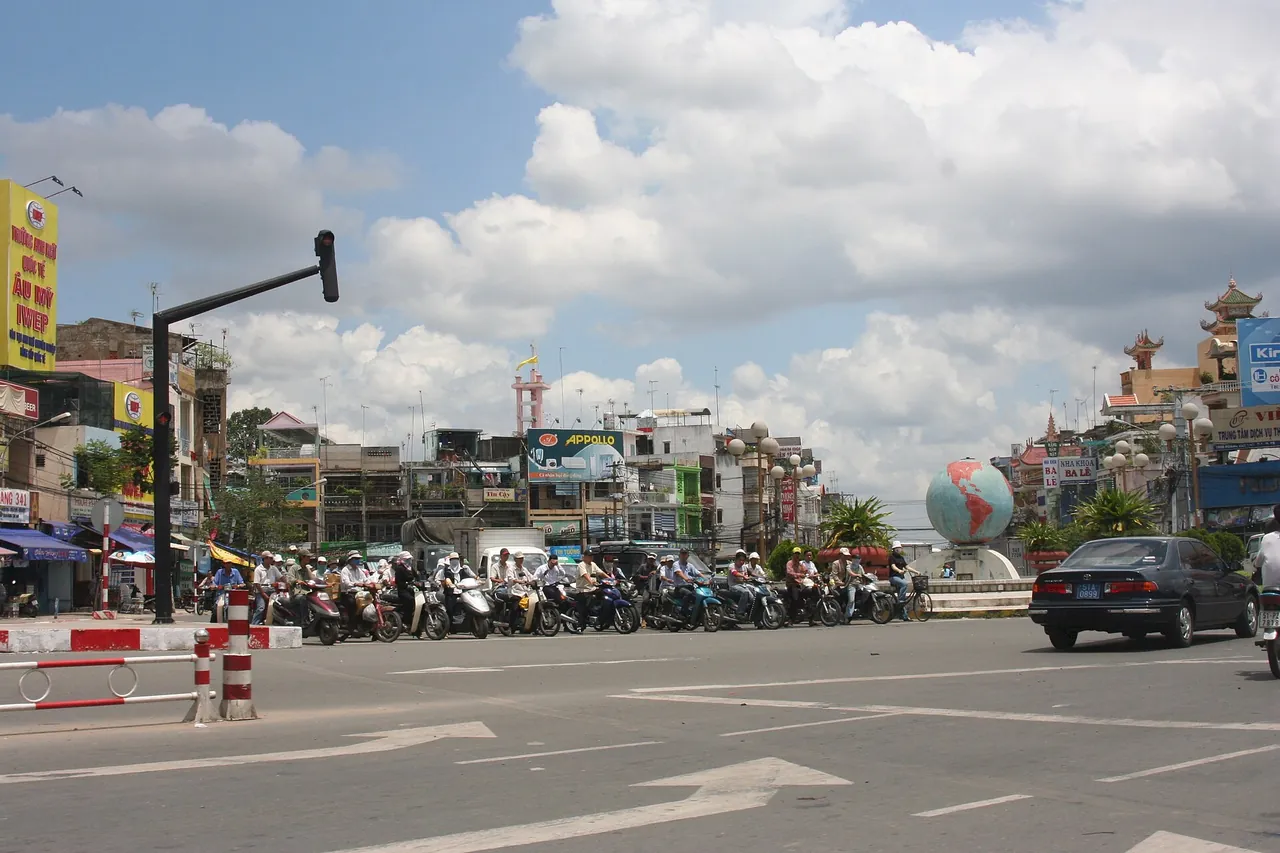
This is the piece of advice locals give and guidebooks tend not to. Ambulance response times vary enormously, traffic in the big cities is what it is, and for a non-critical injury a ride-hailing car or taxi straight to a hospital is frequently faster than waiting.
That is not advice to skip 115 for something serious. If someone is unconscious, having chest pain, bleeding heavily or has been in a bad crash, call. But for a broken wrist, a deep cut or a fever that is going the wrong way, going to the hospital yourself is usually the quicker route to being seen.
Hospitals: know the difference before you need it
Vietnam has a real split between the public system and the international private hospitals and clinics, and for a visitor the difference matters.
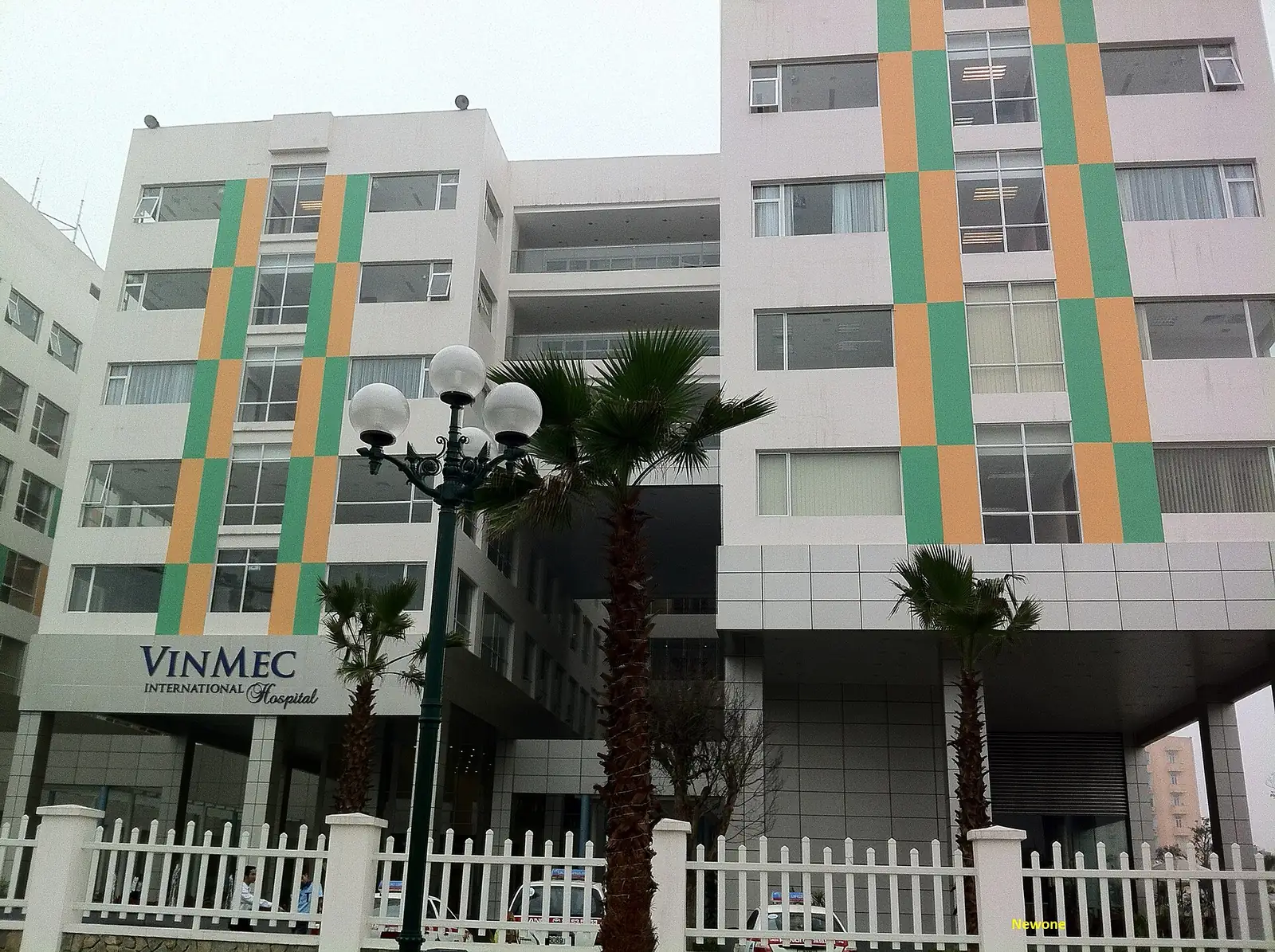
International hospitals and clinics in Hanoi and Ho Chi Minh City have English-speaking staff, are used to dealing with foreign insurance, and are the sensible default for anything non-trivial. They are considerably more expensive, which is exactly what your insurance is for.
Public hospitals are far cheaper and the clinical care can be perfectly good, but the experience is different: crowded, less English, family expected to help with the patient, and payment often required up front.
Away from the two big cities, and particularly in the mountains and on the islands, facilities thin out fast. Serious cases get stabilised locally and transferred, and that transfer is the expensive part.
Do this before you travel: find the name and location of the main international hospital in the city you are staying in, and save it. Ten minutes of searching at home beats searching on a phone at 2am.
Pharmacies are the first stop for small things
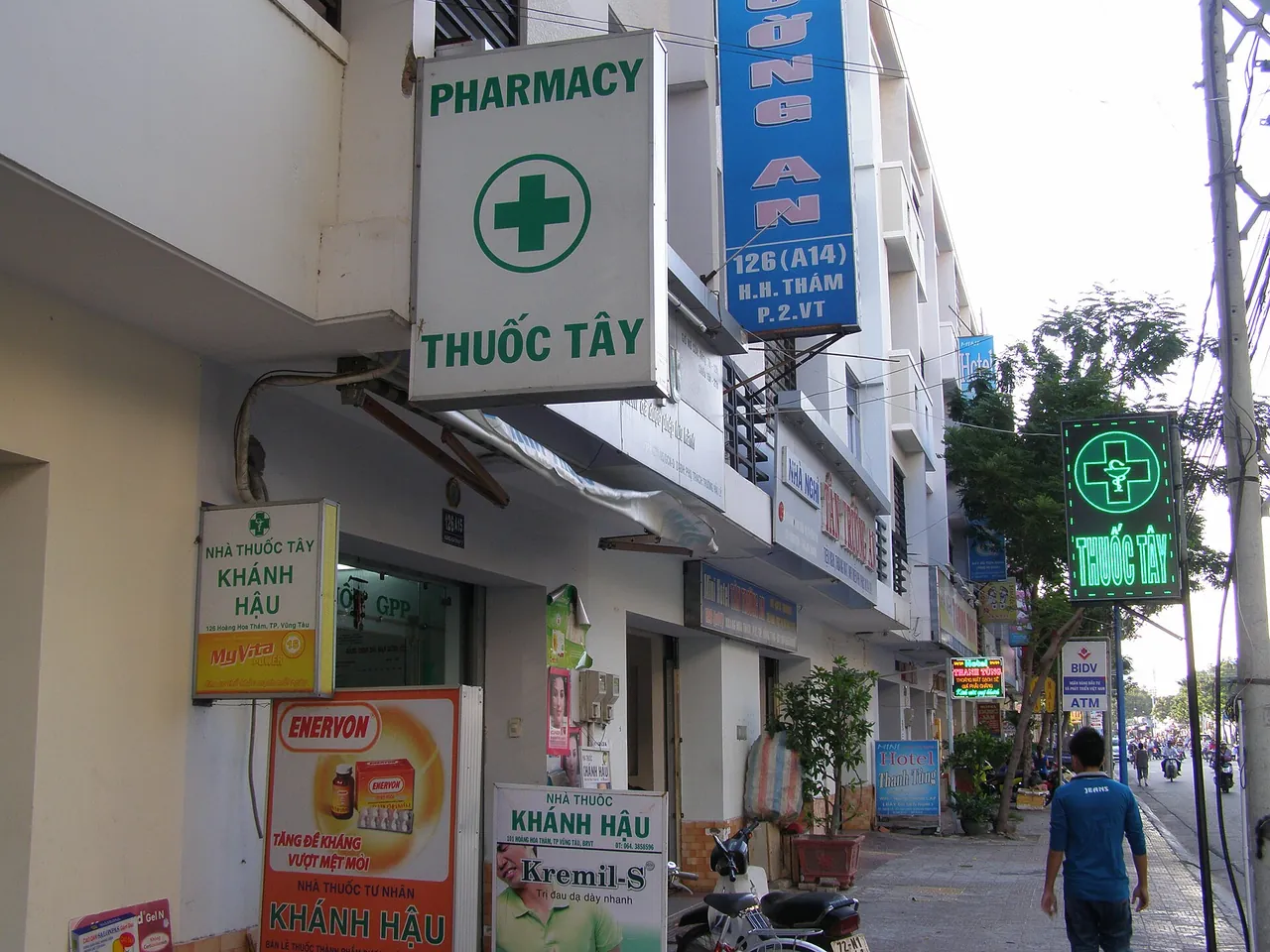
Pharmacies are everywhere, cheap, and staffed by people who will help with minor complaints without an appointment. For stomach upsets, rehydration salts, antiseptic, insect bites and ordinary aches, this is the right first call rather than a hospital.
Bring a photo of the packaging of any medication you take regularly, with the generic name rather than the brand, since brand names differ between countries.
Insurance, and the clause that catches everyone
The single most common insurance failure among visitors to Vietnam has nothing to do with hospitals. It is motorbikes.
Many policies exclude motorbike accidents entirely unless you hold a licence valid for that engine size in Vietnam. Renting a bike from a place that does not ask to see a licence does not create cover. If you come off a bike without valid cover, you are paying for treatment and any evacuation yourself.
Read your own policy’s motorbike clause before you travel. This matters most in the mountains, where the roads are demanding and the medical infrastructure is thinnest, and where a transfer can be long. The Ha Giang Loop is the clearest example, and the same logic applies to riding the coastal passes.
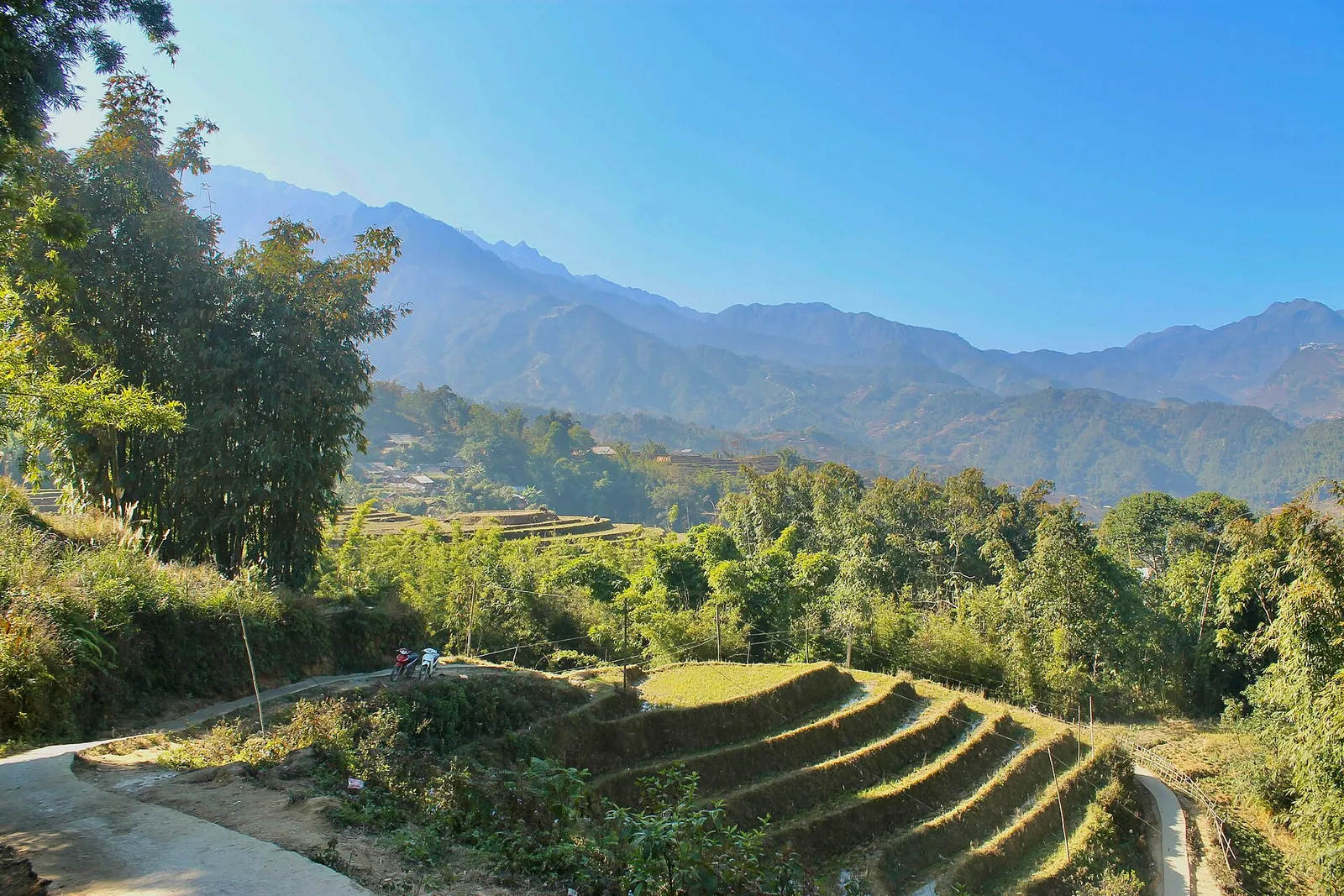
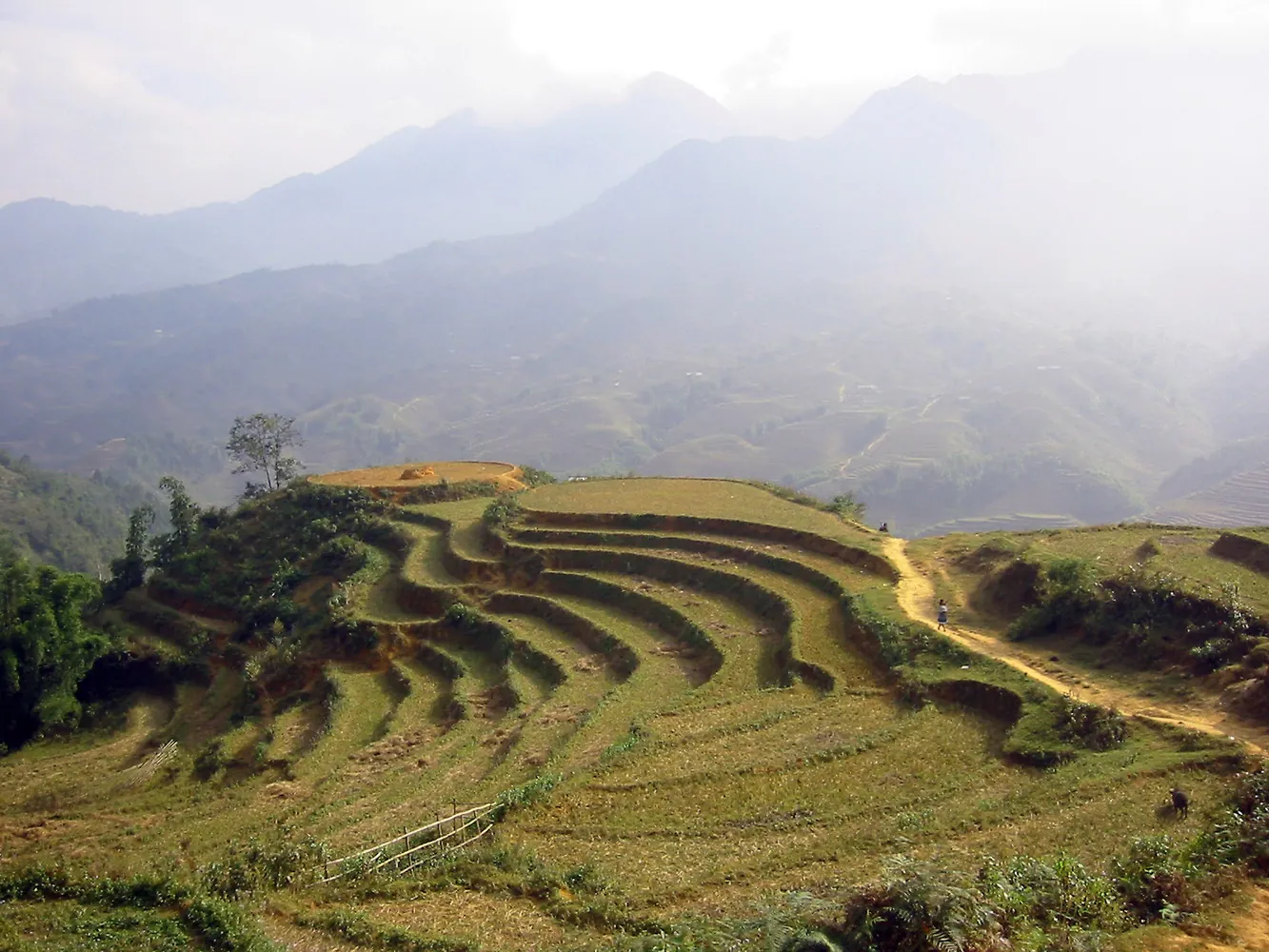
The other exclusion worth checking is trekking above certain altitudes and adventure activities, if your trip includes the northern mountains around Sapa or any caving, diving or canyoning.
Check the exclusions, not the headline priceCompare policies on what they actually cover: bikes, treks and evacuation. Check the exclusions, not the headline priceCompare policies on what they actually cover: bikes, treks and evacuation.Your embassy
For a lost or stolen passport, an arrest, or a death, your embassy or consulate is the point of contact. Many countries maintain an embassy in Hanoi and a consulate in Ho Chi Minh City, but coverage differs by nationality, and some travellers are covered by an embassy in a neighbouring country rather than in Vietnam itself.
Look up your own country’s representation before you travel and save the number. Do not assume there is one, and do not assume it is in the city you are in. This is the sort of thing that is easy to check in advance and miserable to work out on the day.
For a stolen passport you will generally need a police report first, which is what 113 or a walk into a local station is for. Keep a photo of your passport page and your entry stamp somewhere you can reach without your passport, which makes replacement significantly faster. Our visa and entry guide covers why photographing that stamp is worth doing the moment you land.
Theft, scams and the police
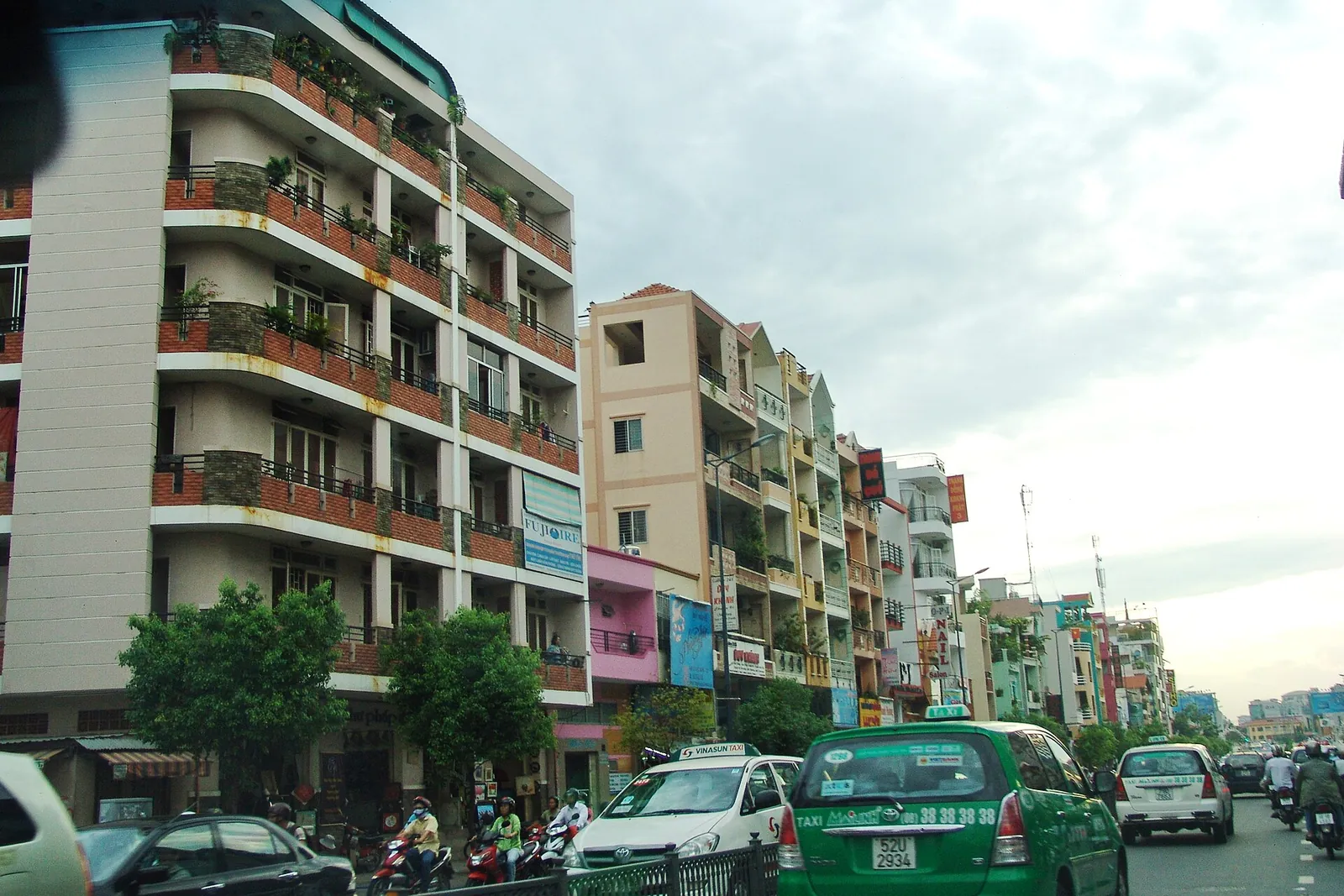
Violent crime against visitors is rare. Opportunistic theft is not, particularly phone snatching from moving motorbikes in the big cities. Do not stand at the kerb texting, do not hold your phone loosely while walking near traffic, and be alert outside bars late at night. In Ho Chi Minh City in particular this is the crime that actually happens to tourists.
If you are robbed, file a police report the same day. Not because it will recover your phone, but because your insurer will require it and getting one later is harder.
The three risks that actually put visitors in hospital
Road accidents, overwhelmingly on motorbikes. Covered above. This is the big one.
Heat and dehydration, particularly in the south and during the hot months. It creeps up on people who are walking all day. Drink more than you think, and treat the middle of the day with respect.
Stomach illness, usually mild and usually resolved with rehydration salts and a day off. Eat where there is turnover, drink bottled or filtered water, and carry rehydration sachets.
None of these are reasons not to come. All three are substantially avoidable.
The checklist
Before you fly:
- Save 113, 114, 115.
- Save your embassy’s contact details, having checked they exist in Vietnam.
- Find and save the main international hospital in your base city.
- Read your insurance policy’s motorbike clause and its adventure activity exclusions.
- Photograph your passport and insurance policy, and store them somewhere reachable without them.
On arrival:
- Photograph your entry stamp.
- Screenshot your accommodation’s address in Vietnamese.
- Buy rehydration salts at a pharmacy on day one. They cost almost nothing and you will probably use them.
That is the whole briefing. Vietnam is an easy country to travel in, and the preparation above takes half an hour and covers almost everything that realistically goes wrong.
Has anything gone wrong for you here, and how did you handle it? Tell me in the comments, the practical answers help other readers more than any list.