Most travel insurance articles are a list of things that could theoretically go wrong, written to make you buy the first policy you see. This one is about a single clause that quietly voids more claims in Vietnam than everything else combined, and about three other exclusions worth thirty seconds of your attention.
Buy insurance. That is not the interesting part. The interesting part is that a large number of travellers here are insured for a trip they are not actually taking.
The motorbike clause, which is the whole article
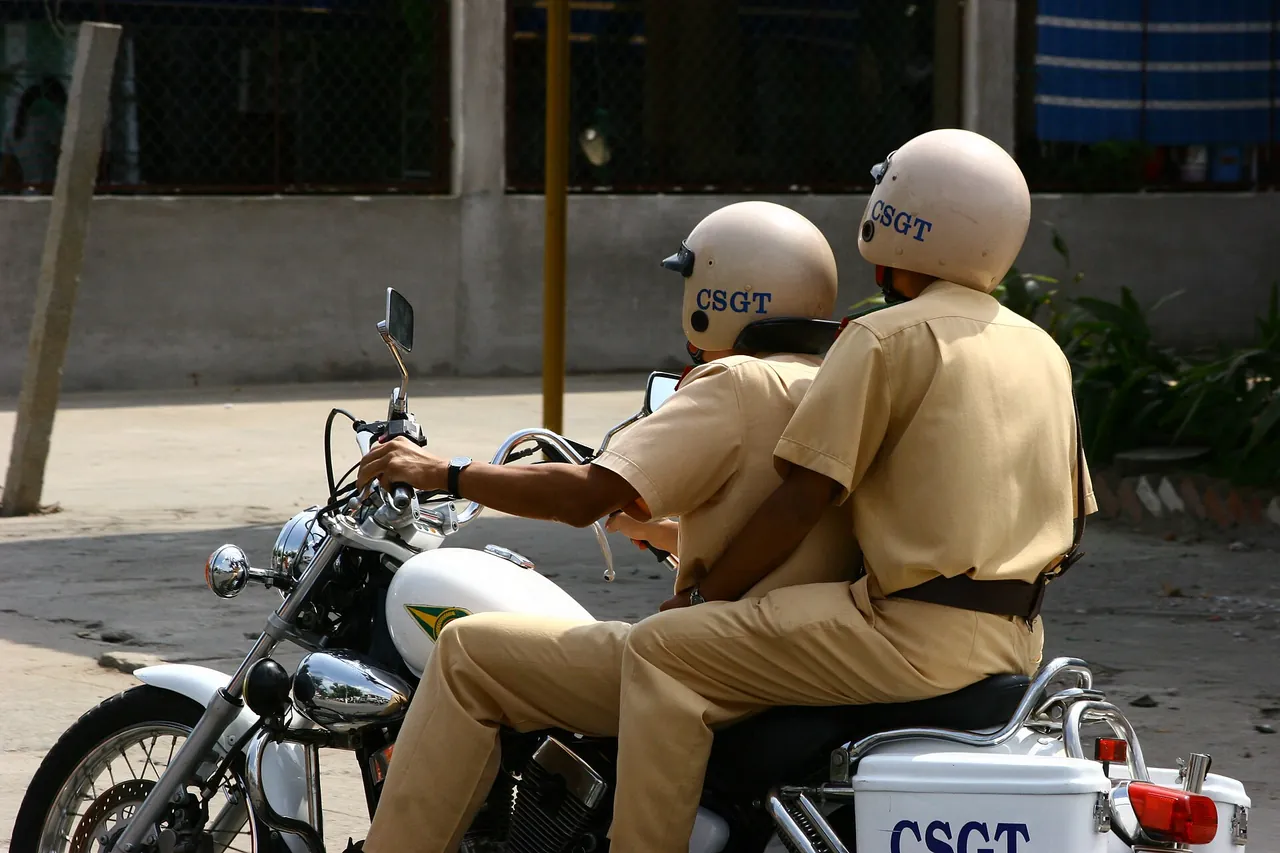
Vietnam moves on two wheels. Renting a scooter is trivially easy, hostels rent them by the day, and nobody asks to see a licence.
Most travel insurance policies exclude motorbike accidents unless you hold a licence valid for that engine size in Vietnam. Some also require a helmet, and some exclude riding entirely regardless of licence.
This is the gap. A rental shop not asking for a licence is not a legal opinion and it is certainly not insurance cover. If you come off a bike and you did not meet your policy’s licence condition, you are paying for the ambulance, the hospital, the surgery and any repatriation yourself. Motorbike accidents are also the most common serious injury among visitors here, so this is not a remote scenario.
What to actually check
Open your policy document, search for “motorcycle” or “motorbike”, and answer three questions:
- Does it cover riding at all?
- What licence does it require, and does that mean a licence from your home country, an international permit, a Vietnamese one, or some combination?
- What engine size is covered? Many policies cap at a size below what is commonly rented here.
Whether you legally need an international permit alongside your home licence depends on which country issued it and the arrangements in force, so confirm your own position rather than relying on what another traveller told you. But note that the legal question and the insurance question are separate: your insurer’s wording binds you regardless of what the police would or would not stop you for.
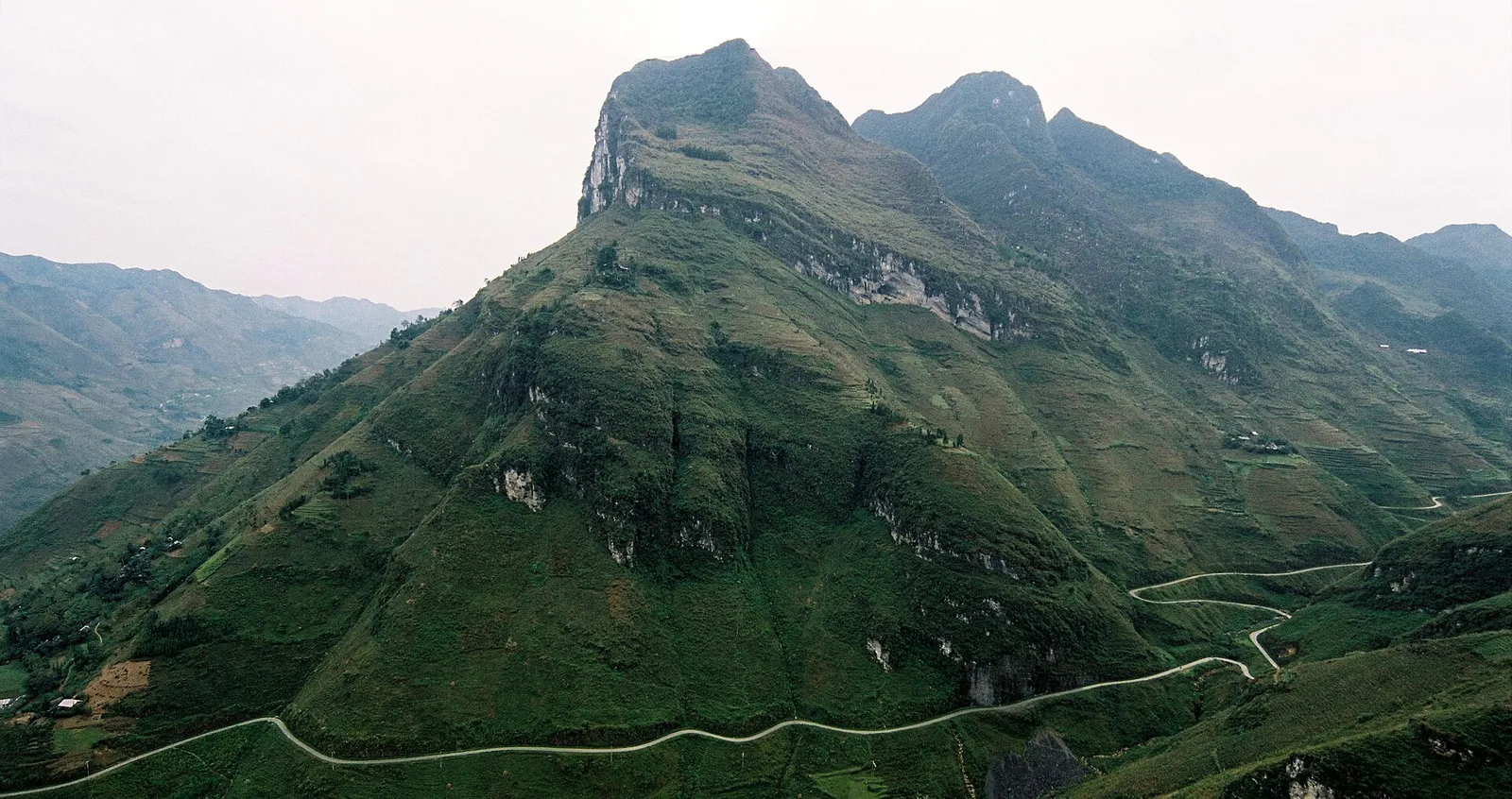
The route where this matters most is the far north. Our Ha Giang Loop guide goes into why that road in particular is not the place to discover your cover has a hole in it, and the same reasoning applies to the coastal mountain pass on the Hue to Da Nang run, which is beautiful and shared with trucks.
Medical evacuation, and why it is not padding
The second thing worth paying attention to is evacuation and repatriation cover.
Vietnam’s international hospitals in the two big cities are good. The problem is distance. In the northern mountains, on the islands and along stretches of the central coast, serious cases are stabilised locally and then transferred, and that transfer is the expensive line item. Air evacuation is not a small number.
If your itinerary includes the mountains, the islands or any diving, make sure evacuation is explicitly covered and check the limit rather than assuming the headline medical figure covers it.
The other exclusions worth checking
Adventure activities. Trekking above a stated altitude, caving, canyoning, diving beyond a certain depth and climbing are commonly excluded or require an add-on. If your trip includes the northern trekking valleys or the caves in the centre, check.
Alcohol. Most policies exclude claims arising while intoxicated. This interacts badly with motorbikes and with swimming, which are the two contexts where it actually gets invoked.
Pre-existing conditions. Declare them. An undeclared condition is the other classic reason a large claim is refused, and declaring is usually cheaper than people fear.
Valuables and single-item limits. Phone snatching from moving motorbikes is the crime that genuinely happens to visitors in the big cities. Check the single-item limit for electronics, because a headline baggage figure often hides a much lower per-item cap.

What you need for a claim to actually succeed
This is the boring part that determines whether the policy was worth buying.
A police report, filed the same day, for any theft. Insurers require it and getting one retrospectively is difficult.
Original receipts and medical records. International hospitals are used to this; ask for an English-language summary and an itemised bill before you leave.
Contact your insurer’s emergency line before major treatment where you can. Many policies require pre-authorisation for anything significant, and a claim can be reduced or refused for skipping it.
Photographs. Of the damage, the scene, the receipts, the report. It costs nothing.
Compare on the exclusionsThe cheapest policy is rarely the one that covers what you are actually doing. Compare on the exclusionsThe cheapest policy is rarely the one that covers what you are actually doing.Do credit card policies count?
Sometimes, and less often than people assume. Card-linked travel cover frequently requires the trip to have been paid for on that card, often has short maximum trip lengths, and is usually weaker on exactly the things that matter here: motorbikes, evacuation and adventure activities.
If you are relying on one, read it with the same three motorbike questions above. If it fails them and you intend to be anywhere near a bike, buy a proper policy.
How much cover, realistically
Do not optimise for the lowest premium. The difference between a cheap policy and a good one on a two-week trip is small relative to what you are already spending on flights and hotels, and it is trivial next to a single unfunded hospital admission.
What I would prioritise, in order: medical and evacuation limits, then the motorbike wording, then adventure activity cover if relevant, then cancellation and baggage. Cancellation is what people shop on and medical is what actually protects you.
Worth noting alongside this: our getting around guide sets out where riding genuinely is the best way to travel and where a driver or the train is better, which is a decision that interacts directly with what you can insure.
The two-minute version
Buy a policy with real medical and evacuation limits. Open the document and search for “motorbike”. If the wording does not clearly cover you for the bike you intend to ride, either do not ride, ride pillion with a driver, or buy a policy that does. Declare pre-existing conditions. Keep receipts and file police reports the same day.
That is it. The rest is detail, but that clause is the one that decides whether your insurance is real.
Have you ever had a claim in Southeast Asia, and did it pay out? Tell me in the comments, because the experiences are more useful than the marketing.