Vietnam is a much easier country to eat vegetarian in than most people expect, and a much harder one to eat vegetarian in accidentally. Those two statements are both true, and the gap between them is where visitors get caught.
The country has a deep Buddhist vegetarian tradition with dedicated restaurants in every town. It also uses fish sauce as a foundational seasoning and builds most of its famous soups on meat stock, including dishes that arrive looking entirely vegetable. Knowing where the line falls is the whole skill.
The good news: com chay
Com chay means vegetarian food, and it refers to a genuine, established tradition rather than a modern accommodation. Buddhist vegetarian restaurants exist across the country, are inexpensive, and are often excellent.
Look for the words chay on a sign, frequently alongside a lotus or a swastika symbol, which in this context is the ancient Buddhist symbol and carries no other meaning. These places serve entirely plant-based food, usually as a buffet or a set of dishes over rice, and the cooking can be genuinely inventive: mock meats made from tofu, wheat gluten and mushroom, done well rather than as an afterthought.
A useful cultural detail: many Vietnamese Buddhists eat vegetarian on specific lunar calendar days, typically around the new and full moon. On those days, chay options multiply everywhere, including at ordinary restaurants and street stalls. If your trip coincides, you will notice.
The traps, in order of how often they catch people
Fish sauce
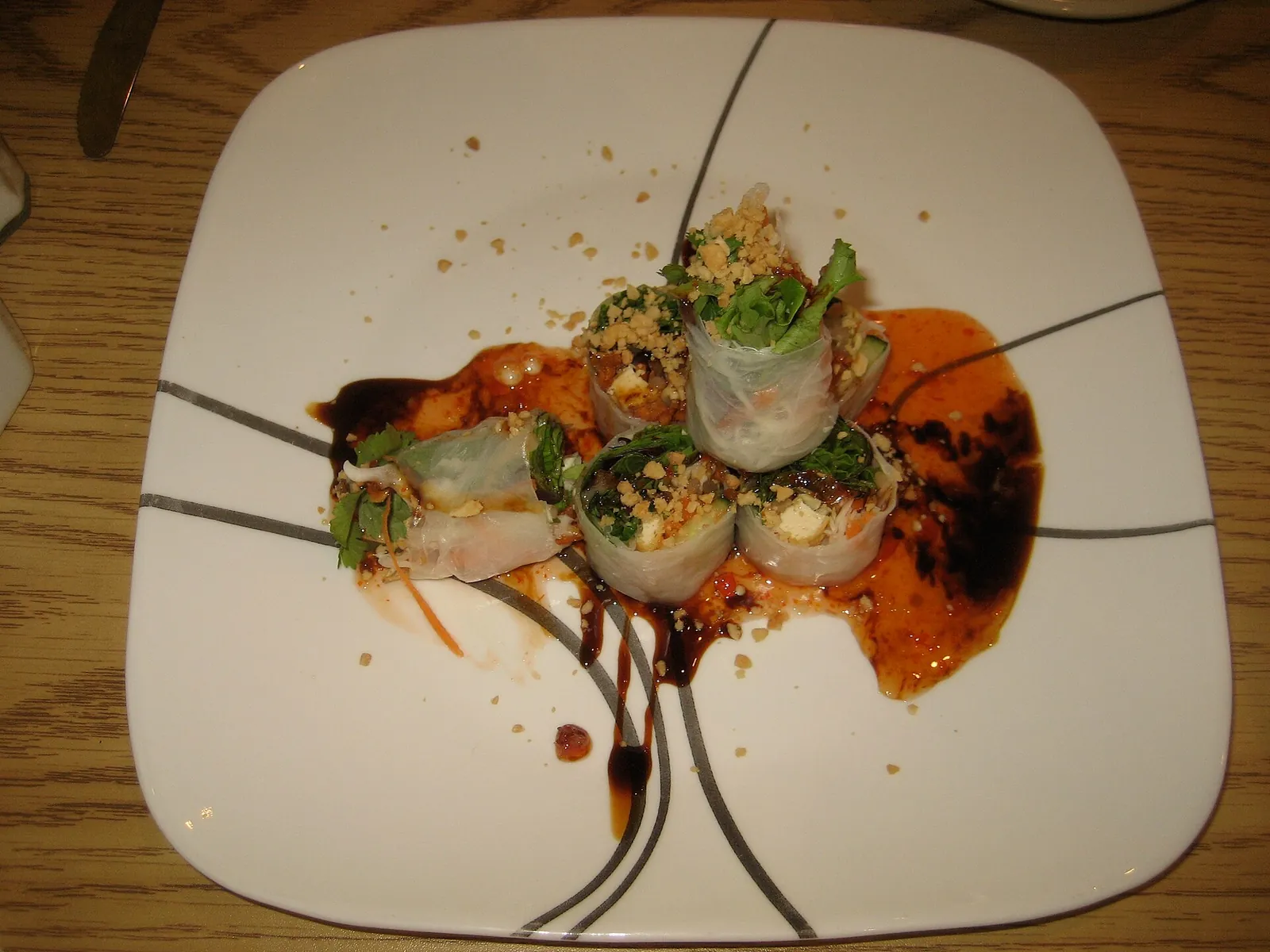
Nuoc mam is in almost everything. It is the salt of this cuisine, present in marinades, dipping sauces and dressings that look entirely vegetable. A plate of green papaya salad or fresh spring rolls will usually contain it.
Strict vegetarians and vegans need to ask specifically. Dedicated chay restaurants use a soy-based substitute instead, which is one of the strongest arguments for seeking them out rather than negotiating at a general restaurant.
Meat broth
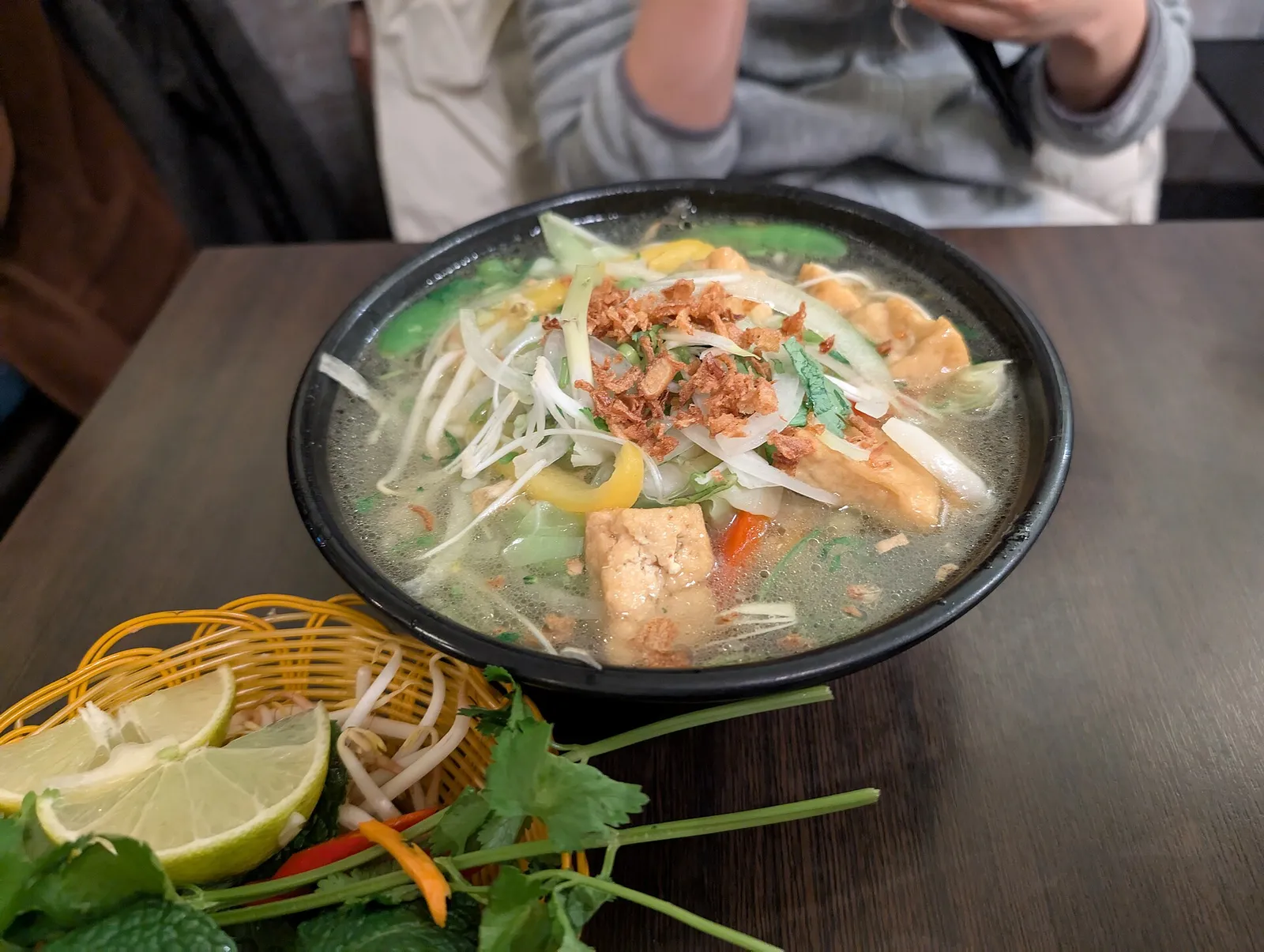
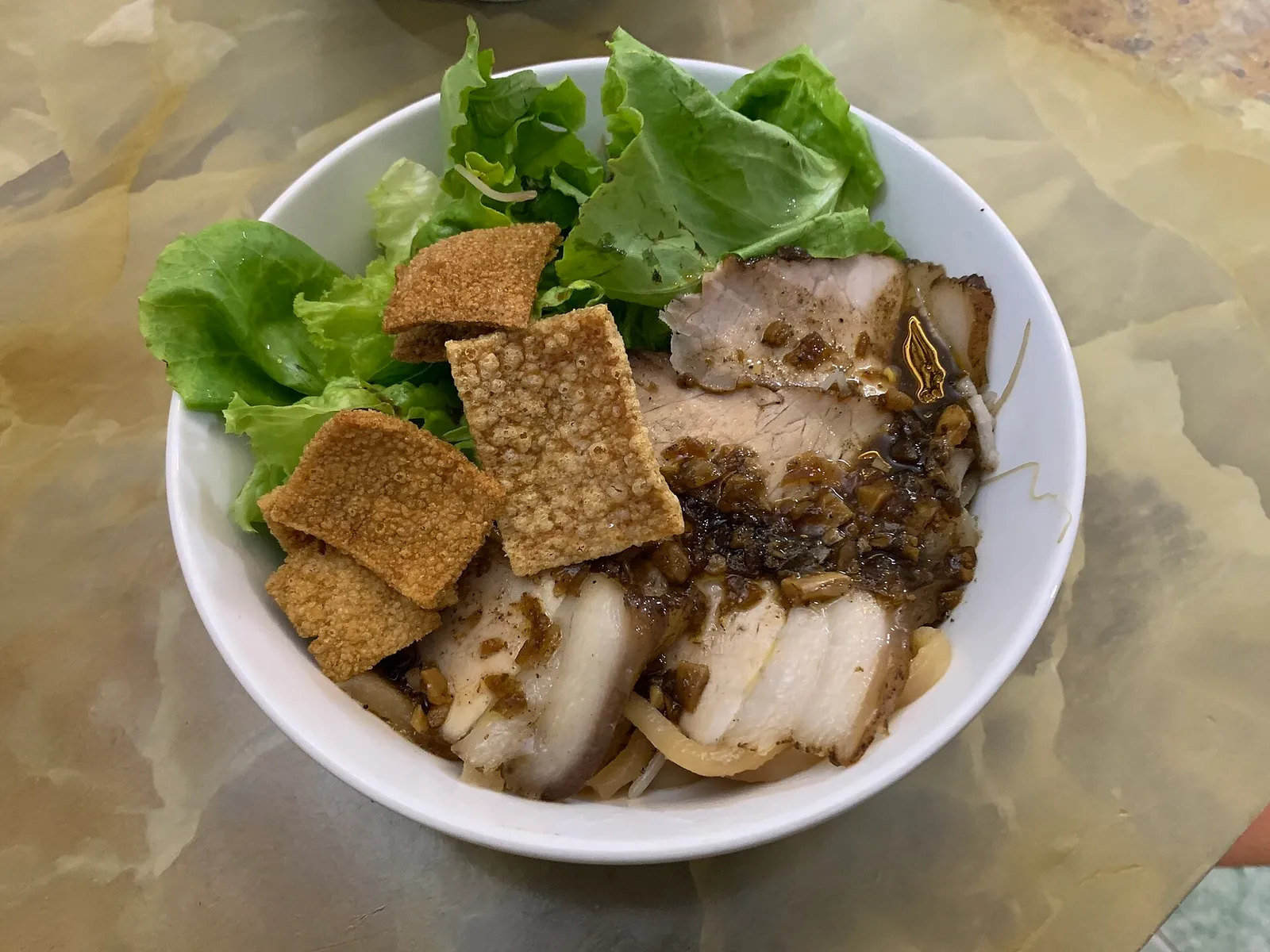
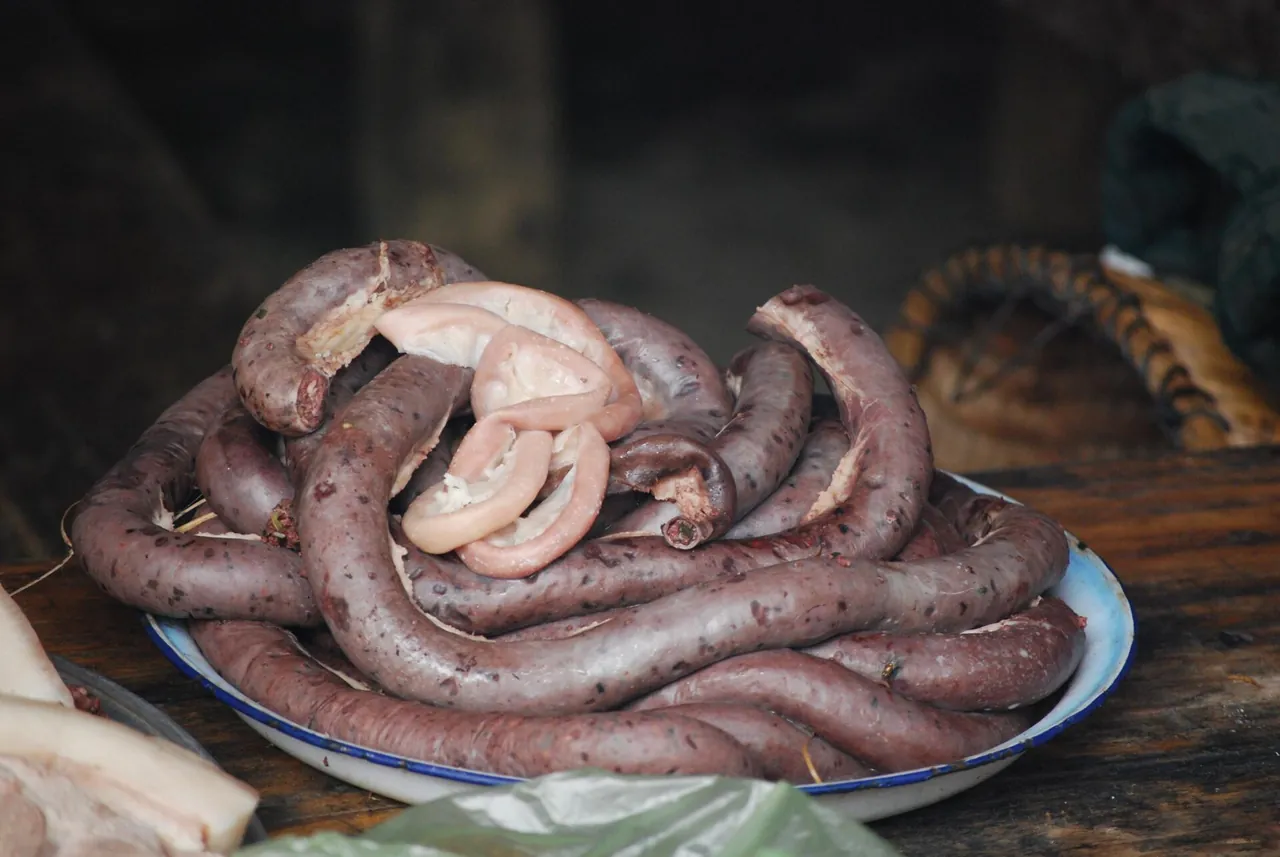
The famous noodle soups are built on bones. Pho is a beef or chicken broth by definition, and a bowl with no visible meat is still a meat bowl. The same applies to most of the regional noodle soups.
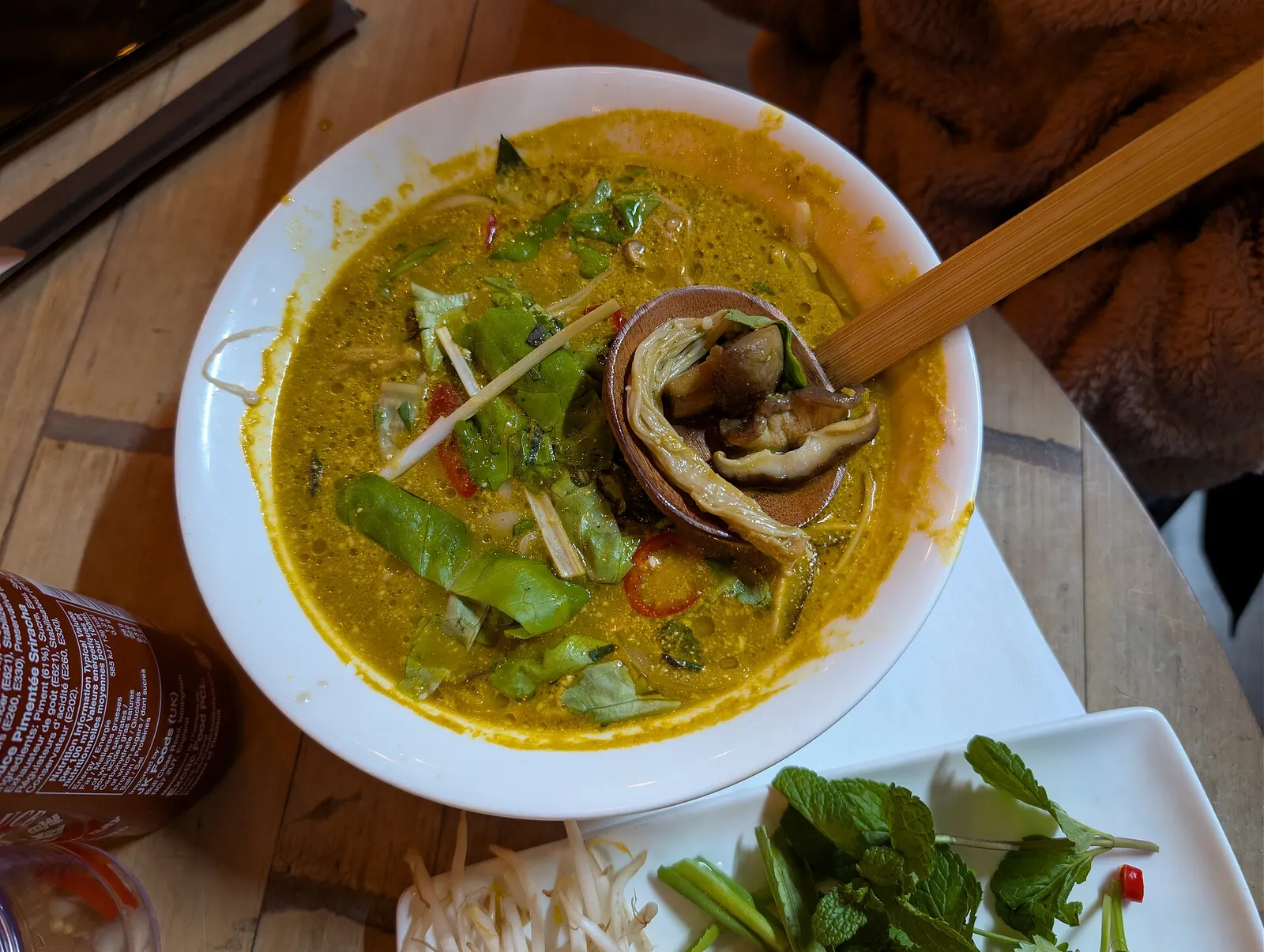
Vegetarian versions exist and are labelled pho chay, and they are made with a genuinely different stock. Asking for pho without meat gets you meat broth with the slices left out, which is not the same thing at all.
Shrimp paste and dried shrimp
Mam tom and dried shrimp appear in dipping sauces, in some salads, and sprinkled over dishes as a garnish. This is the one that catches people who have already learned about fish sauce.
Egg and dairy for vegans
Egg is common. Condensed milk is in most coffee. Vietnamese cooking uses very little dairy otherwise, so vegans generally find dairy easy and eggs the harder problem, which is the reverse of the situation in Europe.
What to actually eat
Beyond the chay restaurants, plenty of mainstream dishes are naturally plant-based or easily made so:
Fresh spring rolls with tofu instead of shrimp and pork, though check the dipping sauce.
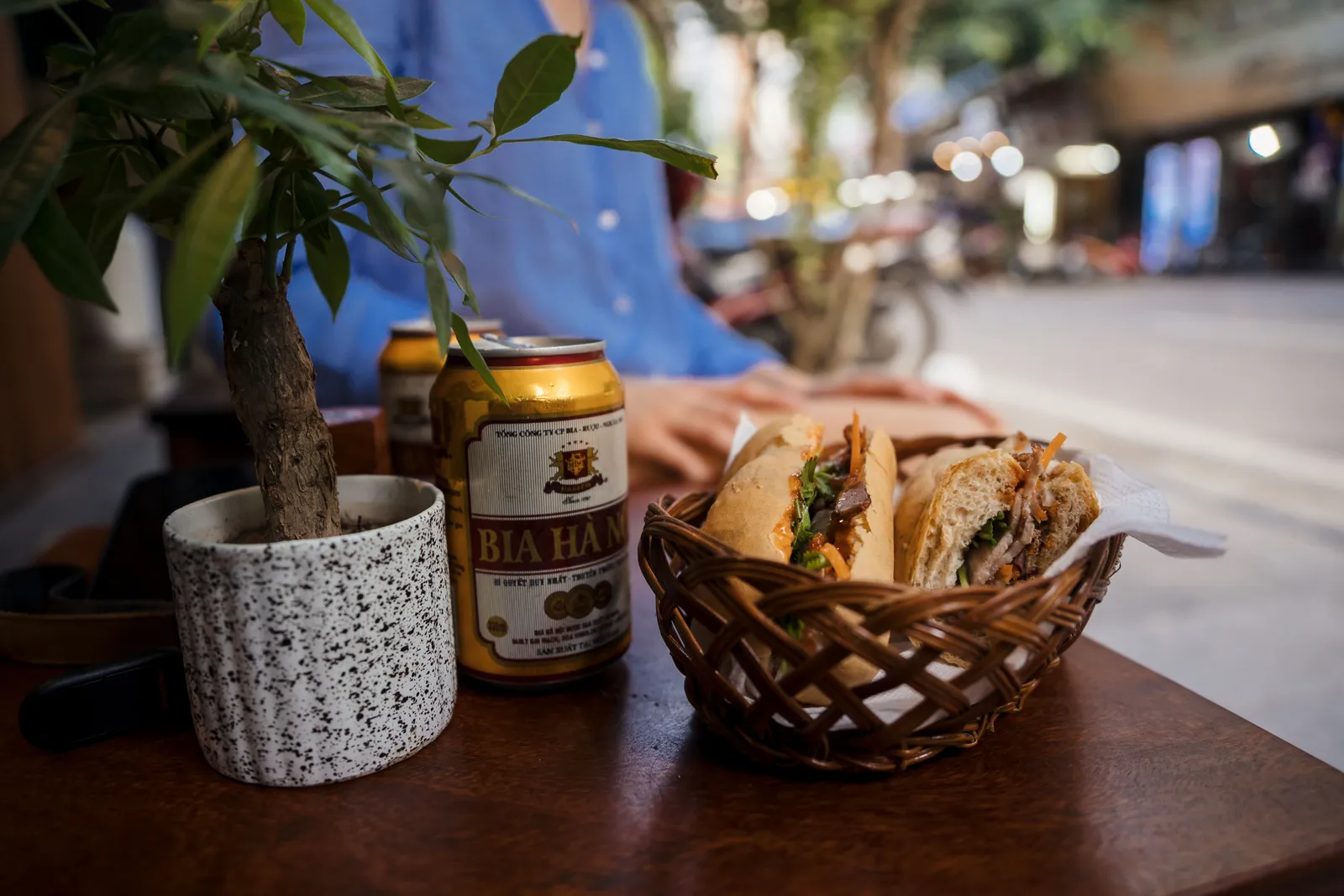
Banh mi chay, the vegetarian version of the sandwich, with tofu or mock meat, pate omitted, and the pickled vegetables and herbs that make the thing work anyway.
Com tam and rice plates with tofu and vegetable sides, widely available.
Banh xeo, the turmeric crepe, made with mushroom and bean sprouts rather than pork and shrimp.
Morning glory stir-fried with garlic, which is on every menu in the country and is one of the great simple vegetable dishes anywhere.
Tofu in tomato sauce, a home-cooking staple that turns up everywhere and is genuinely comforting.
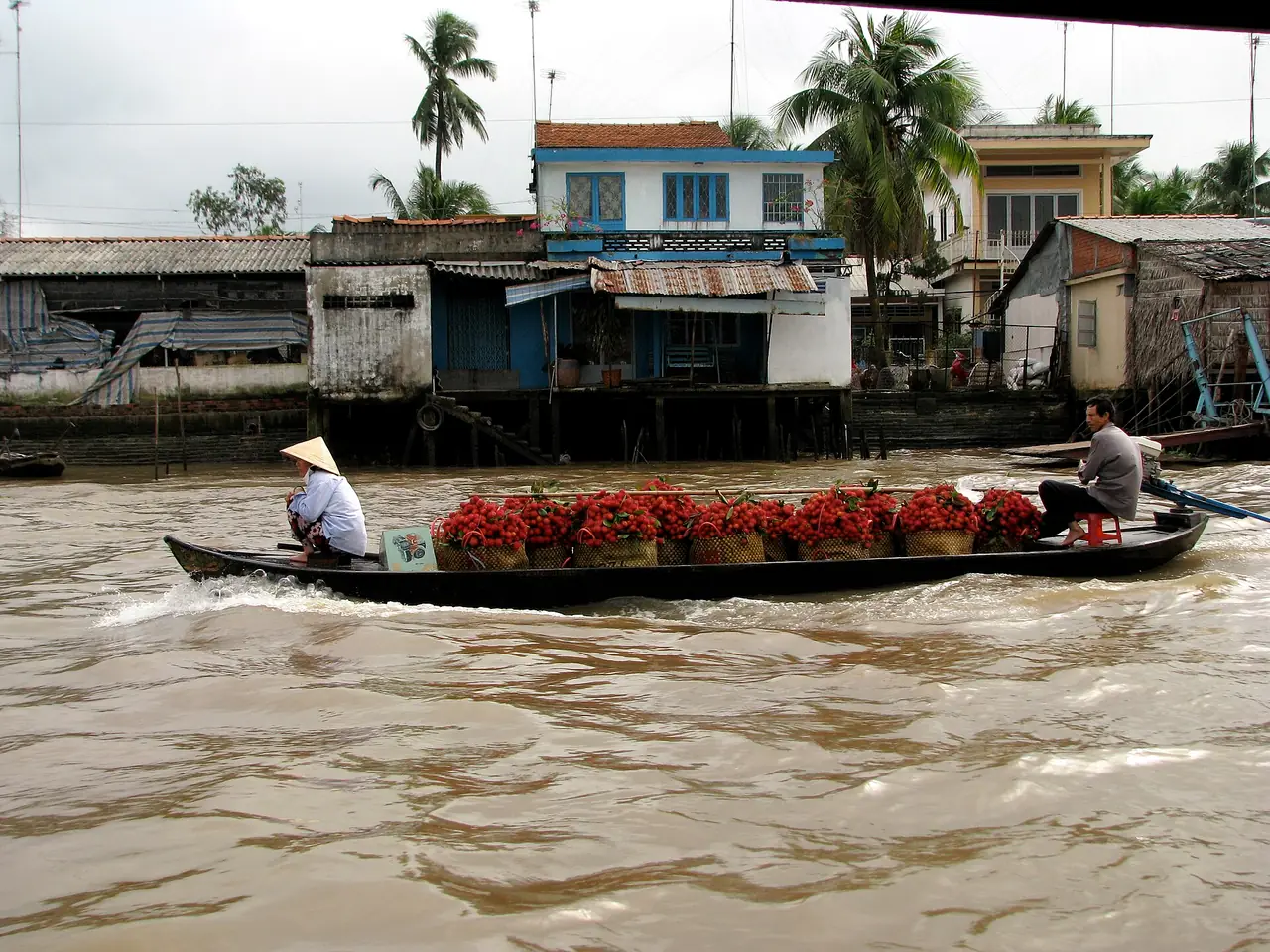
The fruit, which is exceptional, varied and cheap in every market.
Which regions are easiest
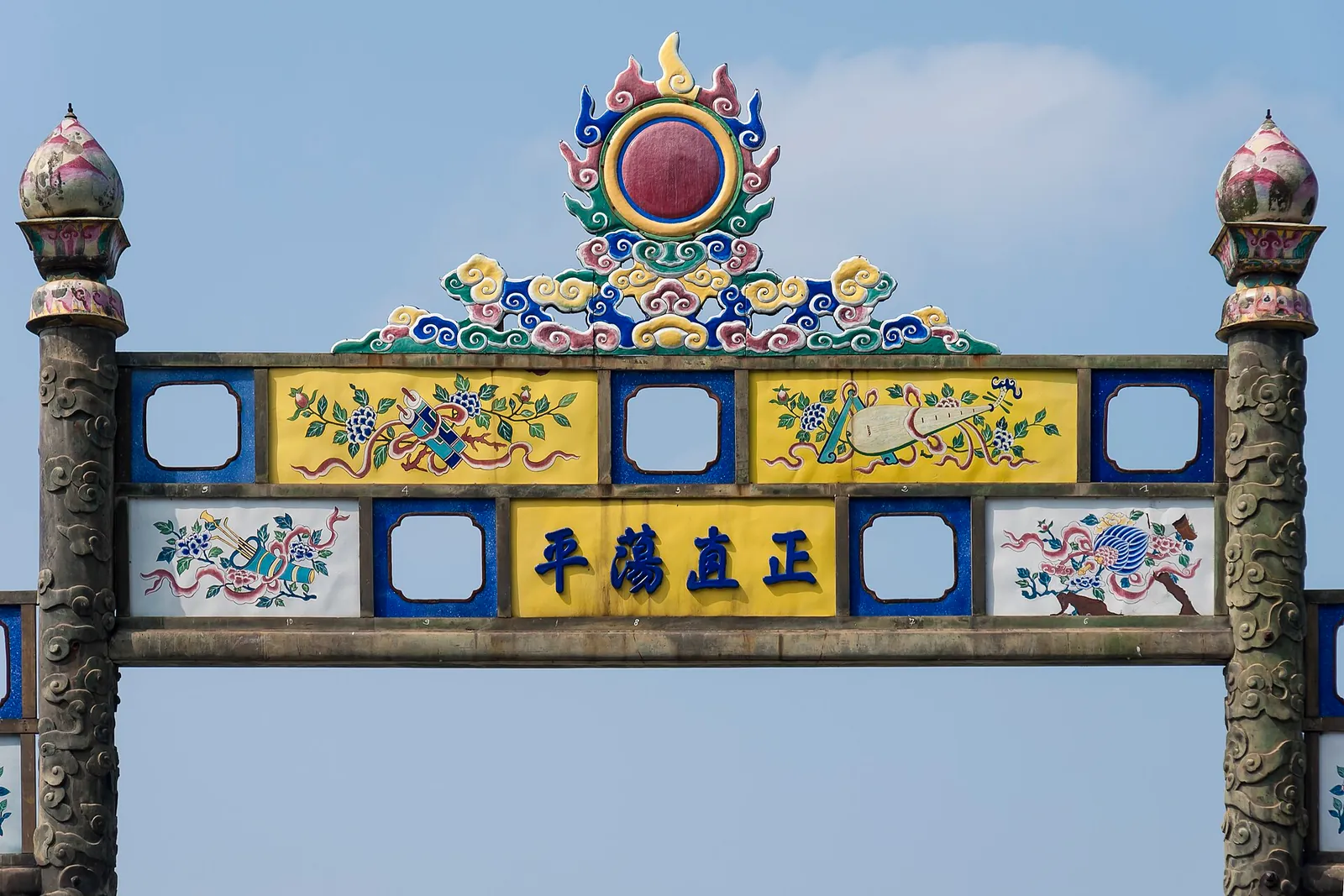
The imperial centre is the strongest, and this surprises people. The court cooking tradition around Hue produced an elaborate vegetarian cuisine tied to the city’s Buddhist temples, and the small steamed rice cakes and delicate dishes translate naturally into chay versions. If you eat vegetarian, this is the city where you will eat best.
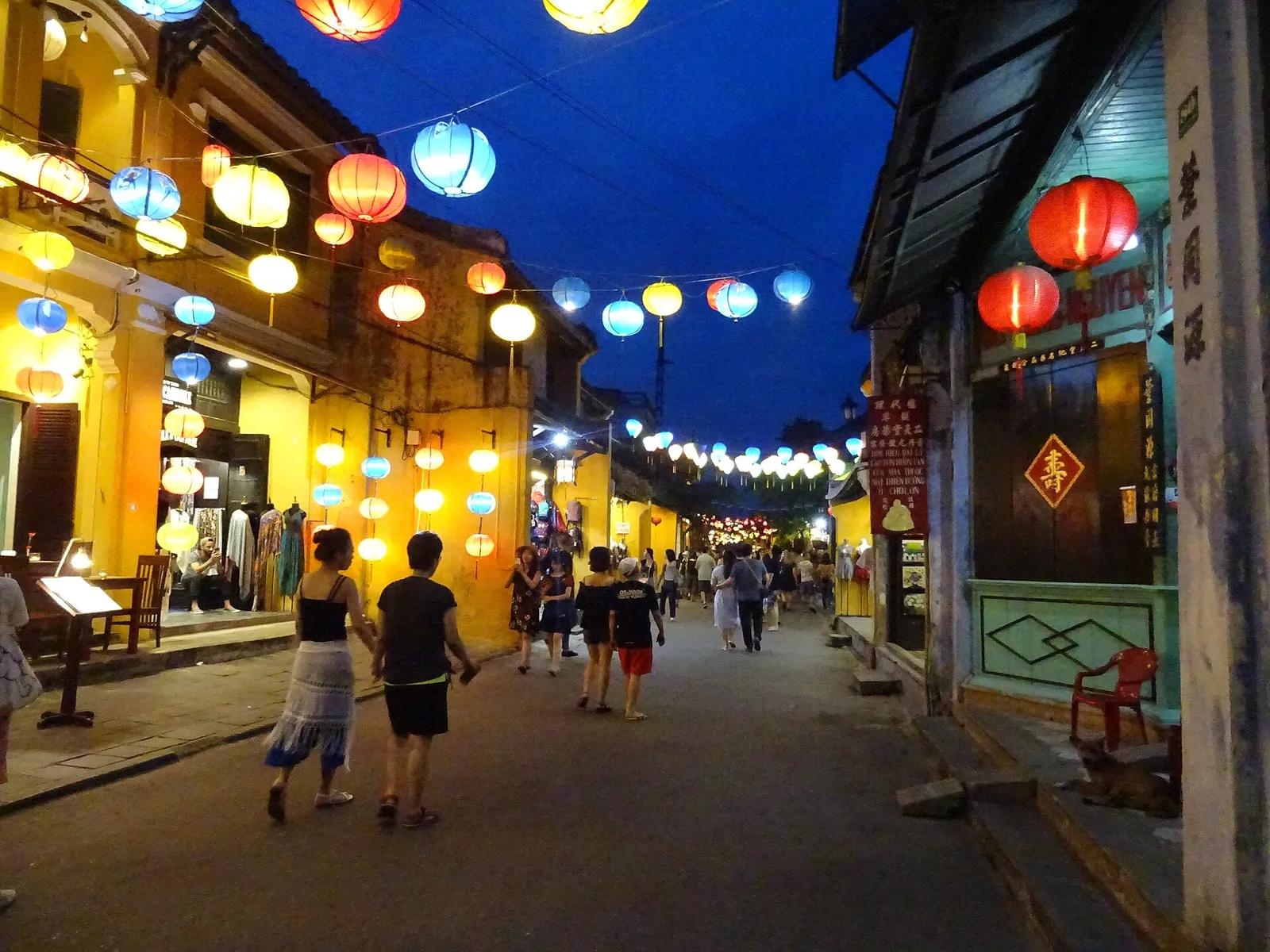
The old town of Hoi An has adapted heavily to international visitors and has a large number of dedicated vegetarian and vegan restaurants alongside the traditional chay places. It is the easiest town in the country for a vegan.
The big cities have both the traditional chay restaurants and a growing modern plant-based scene.
Rural areas and the mountains are the harder end, where the concept exists but the options narrow to rice, tofu, eggs and vegetables. Perfectly fine, less varied.
Cooking classes are the shortcutMost will run a vegetarian version, and you learn the sauces to ask about. Cooking classes are the shortcutMost will run a vegetarian version, and you learn the sauces to ask about.Being clear without being difficult
A few practical habits make this smooth:
Ask before you order, not after. Once a bowl is made it is made, and sending it back wastes food and creates awkwardness.
Be specific rather than general. “No meat” is understood as no visible meat. Naming fish sauce and broth specifically is what gets you the right dish.
Understand where the limit is. At a busy street stall cooking one dish in a shared wok, cross-contamination is a fact of the setup. If you are avoiding animal products for ethical reasons you will probably accept that; if you have a serious allergy, that is a different conversation and the chay restaurants are the safer route.
Do not assume English. A written phrase on your phone works far better than a spoken explanation, and it works at every stall regardless of who is serving.
Allergies, which are not the same thing
Worth separating clearly. Vegetarianism here is a well-understood concept and easy to accommodate. Allergies are harder, because fish sauce, shrimp paste and peanuts run through the cuisine at a level that goes beyond what is visible, and a stall cook working in a second language cannot reliably guarantee absence.
If you have a serious allergy, carry a written card in Vietnamese, favour dedicated restaurants over street stalls, and be honest with yourself about the risk in a shared-wok environment.
The bottom line
Find the chay places, they are everywhere and they are cheap. Learn the word and one sentence about fish sauce. Expect the soups to be built on meat unless labelled otherwise. Eat brilliantly in the imperial centre and in the old town, and accept a narrower menu in the mountains.
Done that way, vegetarian travel here is easy and the food is genuinely good rather than a series of side dishes. Our Vietnamese food guide covers the wider cuisine, and much of it translates.
Where did you eat best as a vegetarian in Vietnam? Tell me in the comments, the addresses help.