Order pho in the capital and then order it again a thousand kilometres south, and you will get two noticeably different bowls with the same name. The same is true of banh mi, of almost everything else, and it is one of the quiet pleasures of travelling the length of this country.
Most food writing treats Vietnamese dishes as fixed recipes. They are not. They are regional traditions that shift as you move, and knowing what changes turns eating here from a series of meals into something more like a tour. Here is what actually differs, and how to spot the places doing each version well.
Pho, north versus south
The soup is the clearest example of the regional split, and the difference is real enough that people argue about it seriously.
| Northern pho | Southern pho | |
|---|---|---|
| Broth | Clearer, more savoury, restrained | Slightly sweeter, richer |
| Served with | Very little on the side | A large plate of herbs and sprouts |
| Sauces | Rarely used | Hoisin and chilli sauce standard |
| Noodles | Often wider | Often thinner |
| Eaten | Mostly at breakfast | Any time of day |
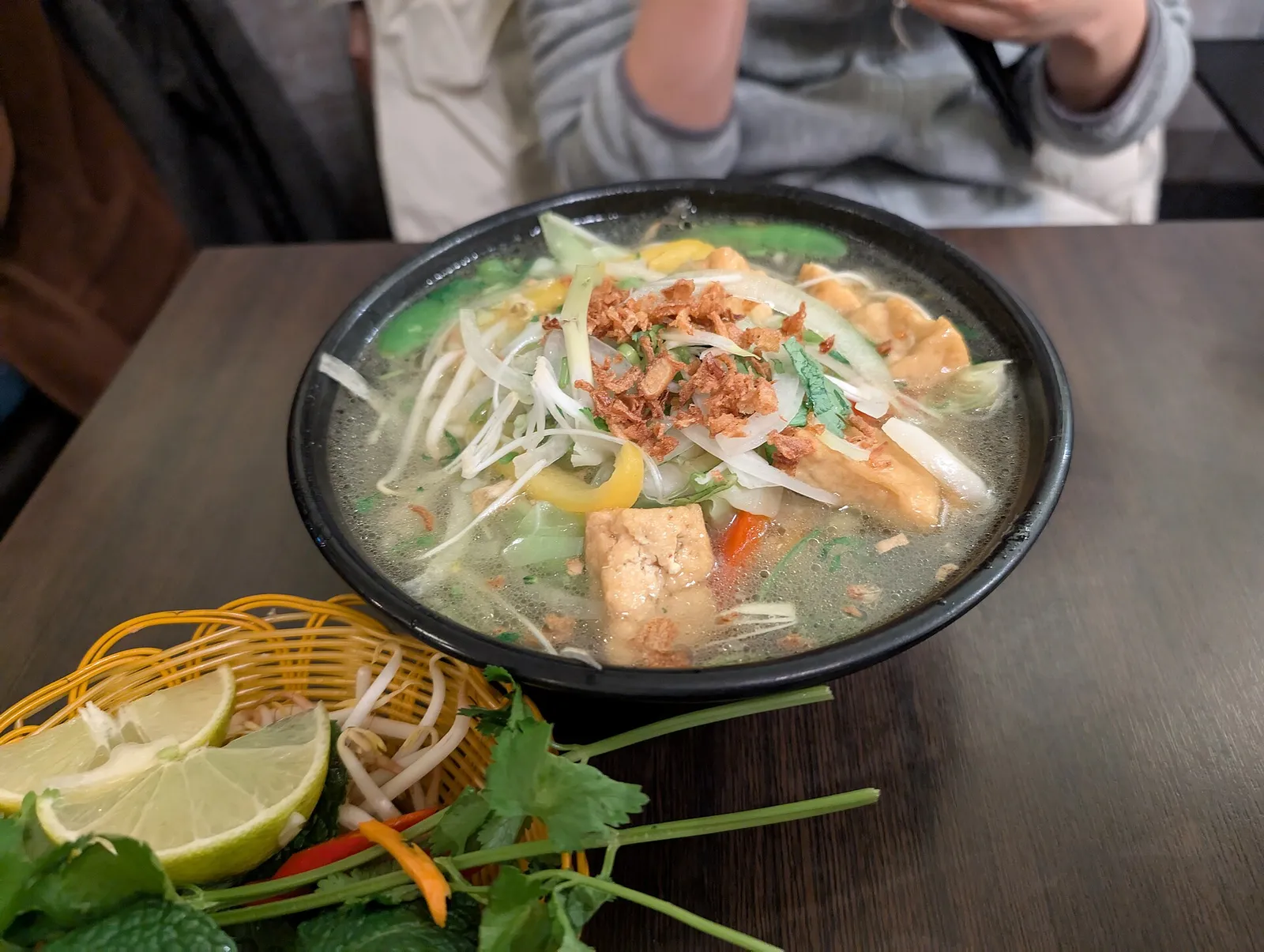
Northern pho is built on the idea that the broth should carry the bowl alone. It arrives close to complete, with spring onion and maybe a wedge of lime, and the expectation is that you eat it as served. Adding a pile of sauces to a good northern bowl is, to a northern cook, missing the point.
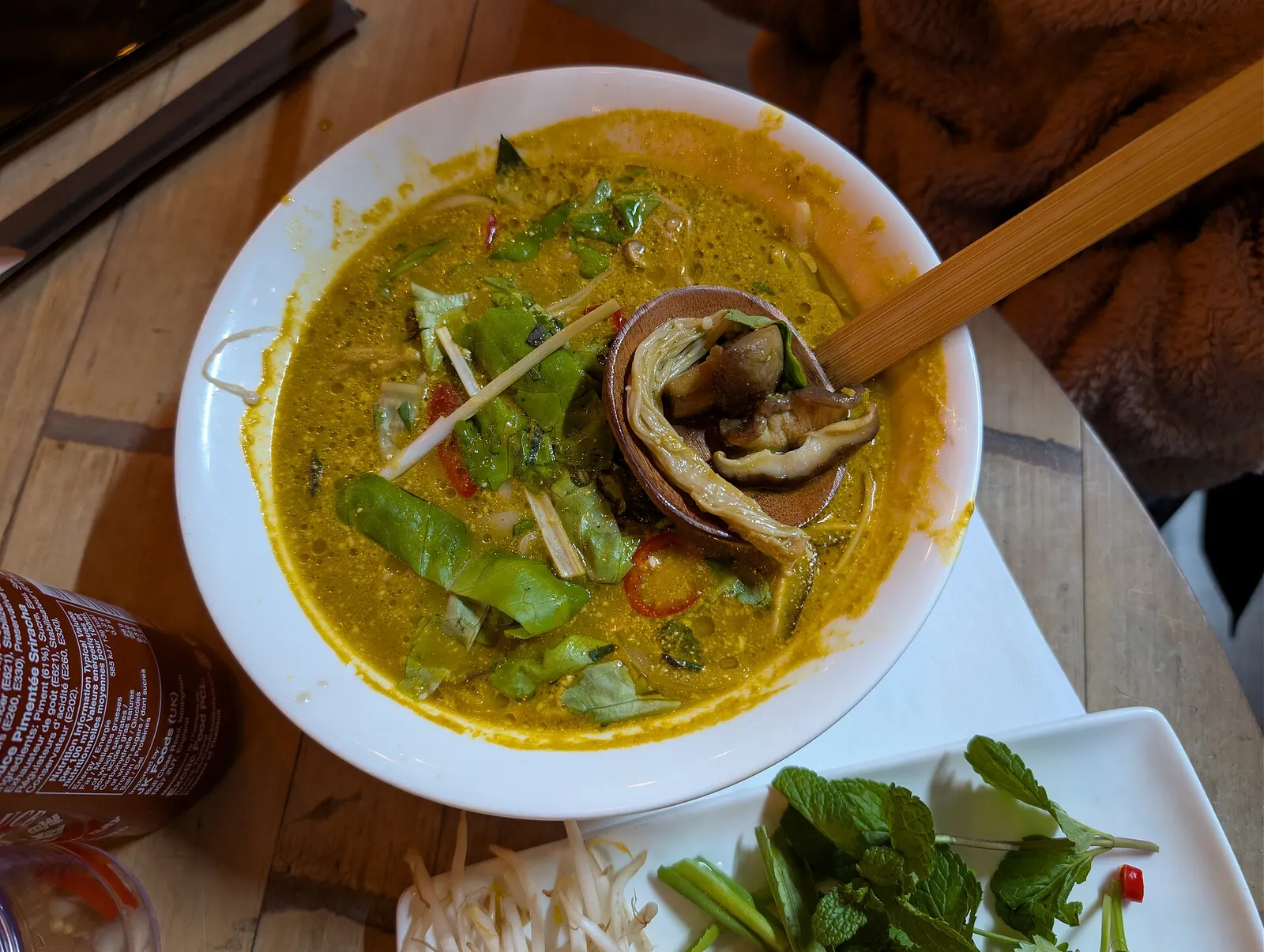
Southern pho arrives with a side plate that can be bigger than the soup: Thai basil, bean sprouts, sawtooth herb, lime, chilli, plus bottles of hoisin and sriracha on the table. You build your own bowl. It is generous, customisable and a bit sweeter.
Neither is correct. If you have only eaten Vietnamese food outside Vietnam, you have almost certainly eaten the southern style, because that is what emigration spread. Our Hanoi street food guide covers what the northern kitchen specialises in more broadly, and the restraint runs through all of it.
How to tell a good pho place
It specialises. A place selling pho and twelve other things is not a pho place.
It is busy at the right hour. Pho is traditionally breakfast in the north, and the best places sell out by mid-morning. A pho shop that is quiet at eight in the morning is telling you something.
The broth is clear, not cloudy, and smells of charred onion and spice rather than just of meat.
There is no menu, or a very short one.
Banh mi, which changes even more
The sandwich is the country’s other great export, and it varies more by region and by stall than pho does.
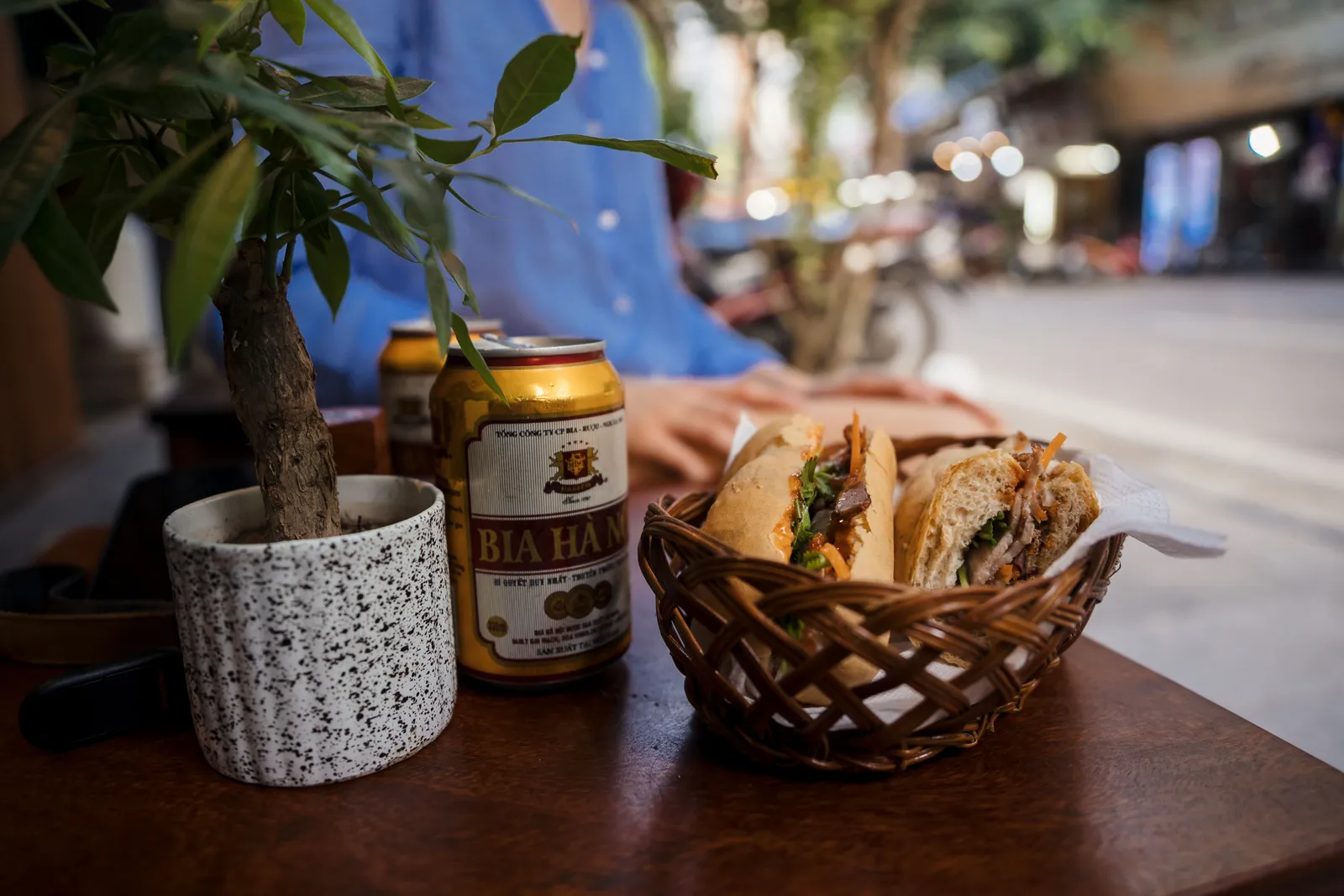
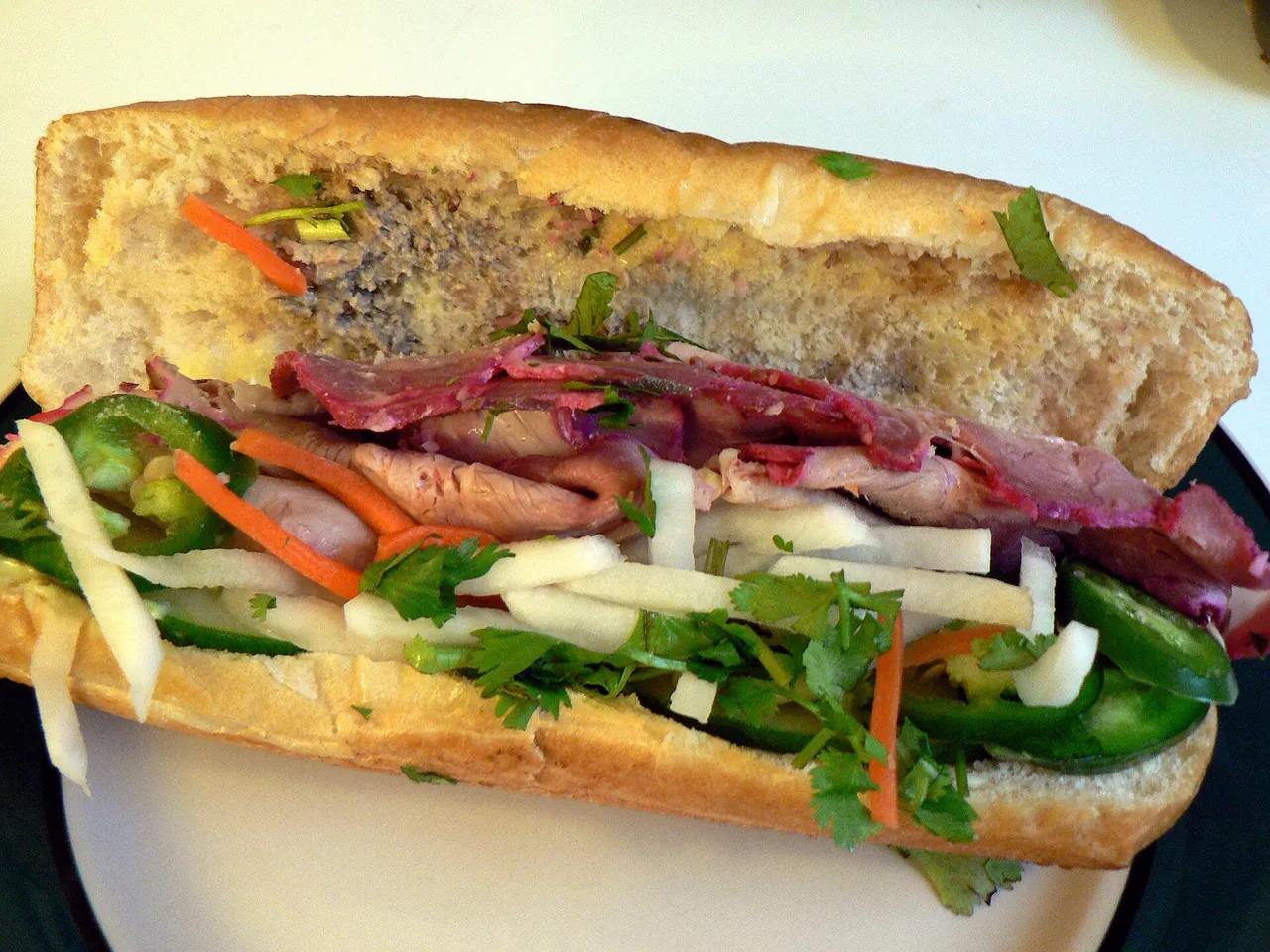
The constant is the bread: a light, airy baguette with a thin crackly crust, quite unlike a French one, made with a proportion of rice flour that gives it that texture. That bread is the whole foundation, and a banh mi made with a heavy European baguette is not the same thing.
The fillings shift:
In the south, banh mi tends towards abundance: multiple cold cuts, pate, a smear of mayonnaise or margarine, pickled carrot and daikon, cucumber, coriander, chilli, and a splash of seasoning sauce. This is the version most people know.
In the centre, the sandwiches are frequently more focused, with a single grilled filling and a distinctive local sauce, and the towns along the coast each have their own signature versions with fiercely loyal followings.
In the north, banh mi is more restrained again and less ubiquitous, since the northern breakfast is more likely to be a soup.
How to tell a good banh mi place
It is a dedicated cart or a hole in the wall, not a cafe with banh mi on a laminated menu.
The bread is being warmed as you order, not pulled from a bag.
There is a queue at breakfast or in the late afternoon.
The pickles look bright, because they are made fresh and turned over quickly.
The other dishes that change
Bun cha belongs to the capital and barely exists elsewhere in the same form.
Bun bo Hue, the spicy lemongrass beef noodle soup, is a central speciality and is noticeably milder outside its home city.
Com tam, broken rice with grilled pork, is a southern dish through and through.
Banh xeo, the turmeric crepe, is enormous and folded in the south and smaller and crisper in the centre.
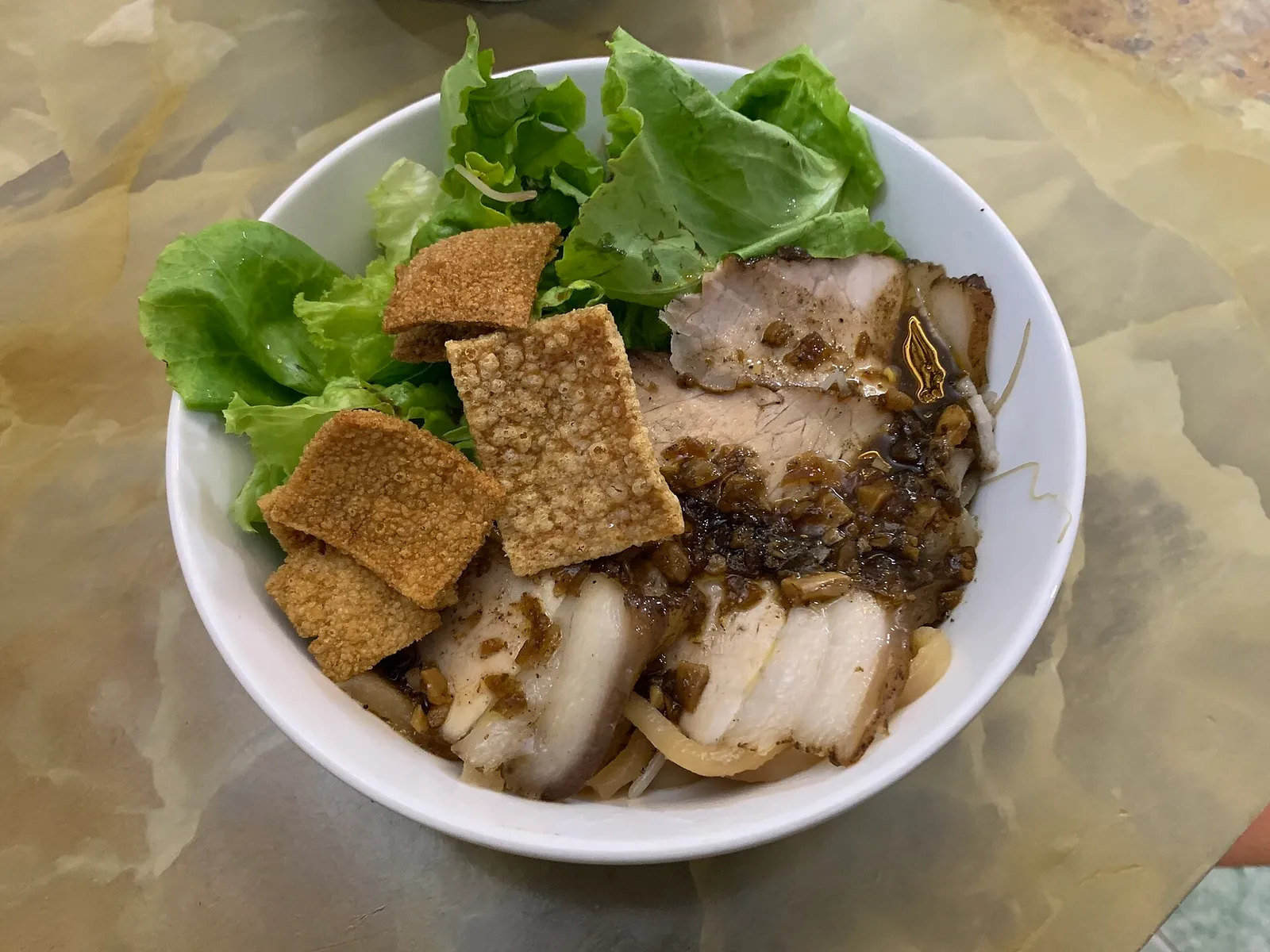
Cao lau exists in one town on the central coast and traditionally nowhere else, which is exactly the kind of hyper-local thing this cuisine does well.
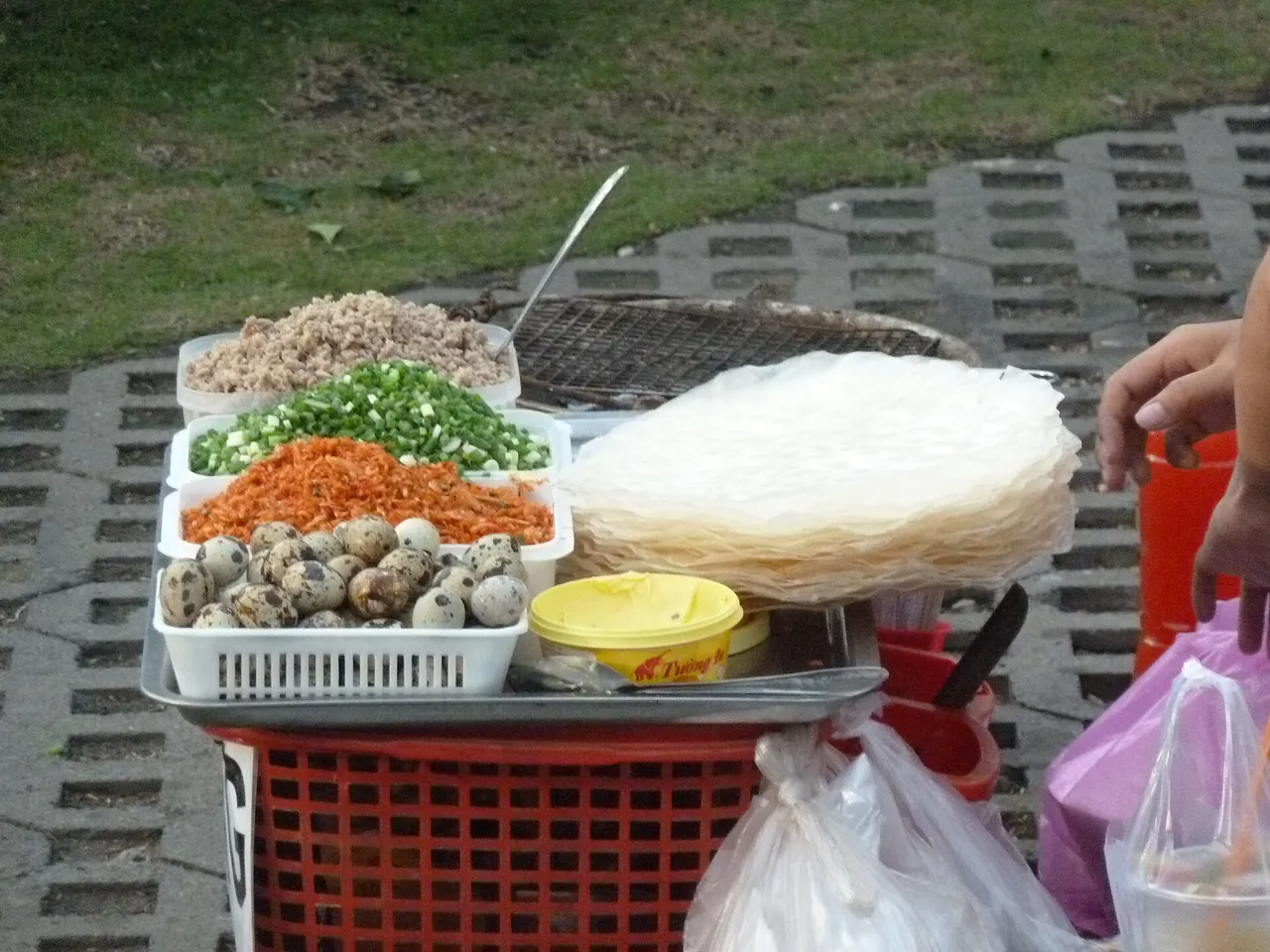 Eat the regional versions with a guideA food walk in each city is the fastest way to taste the differences.
Ordering with confidence
A few habits that work across all of it:
Point and smile. Most street places sell one thing, so pointing at what the person next to you is eating is a complete order.
Adjust your own bowl. The condiments on the table are there for you. In the south this is expected; in the north, taste first.
Say if you do not want chilli, before rather than after.
Eat at the right time. Soups are morning food, sandwiches are morning and late afternoon, rice plates are lunch. Turning up at the wrong hour is how people conclude a famous dish was disappointing.
Follow the crowds. Turnover means freshness, and a queue of locals is the only review that matters.
Eat the regional versions with a guideA food walk in each city is the fastest way to taste the differences.For vegetarians
Both dishes have vegetarian versions, and both need asking for specifically. Pho chay is made with a genuinely different stock, rather than the meat broth with the slices removed. Banh mi chay swaps in tofu or mock meat and omits the pate. Our vegetarian guide goes through the traps, of which meat broth in an apparently vegetable soup is the biggest.
The point of all this
The reason to care about the regional differences is not pedantry. It is that eating your way down the country is one of the genuine pleasures of travelling here, and it costs almost nothing.
Every time you cross into a new region, order the thing you already know and pay attention to what changed. That is a running thread through the whole trip, it is free, and it will teach you more about Vietnam than most of the sights. Our food guide covers the wider menu, and the same principle applies to nearly all of it.
Which version won for you, north or south? Tell me in the comments, and be prepared to defend it.