Vietnam drinks a great deal of beer, and it drinks it in a very specific way: cold, cheap, over ice, with food, on the pavement, in company. Understanding that pattern is more useful than memorising brand names, because the same bottle costs three different prices in three different settings and tastes best in only one of them. Layered on top of the traditional scene is a genuine, decade-old craft brewing industry that has given the country some of the most interesting beer in Southeast Asia. This guide covers both ends, what to order where, and the one rule you absolutely must not break. For the caffeinated half of Vietnamese drinking culture, our coffee culture guide covers the other national obsession.
Bia hoi: fresh beer with no shelf life
Bia hoi translates roughly as fresh beer, and the name is literal. It is brewed daily, unpasteurised, and delivered around the city in kegs to be sold and drunk within hours. There is no bottling line, no preservative and no distribution chain worth speaking of, which is precisely why it costs almost nothing.
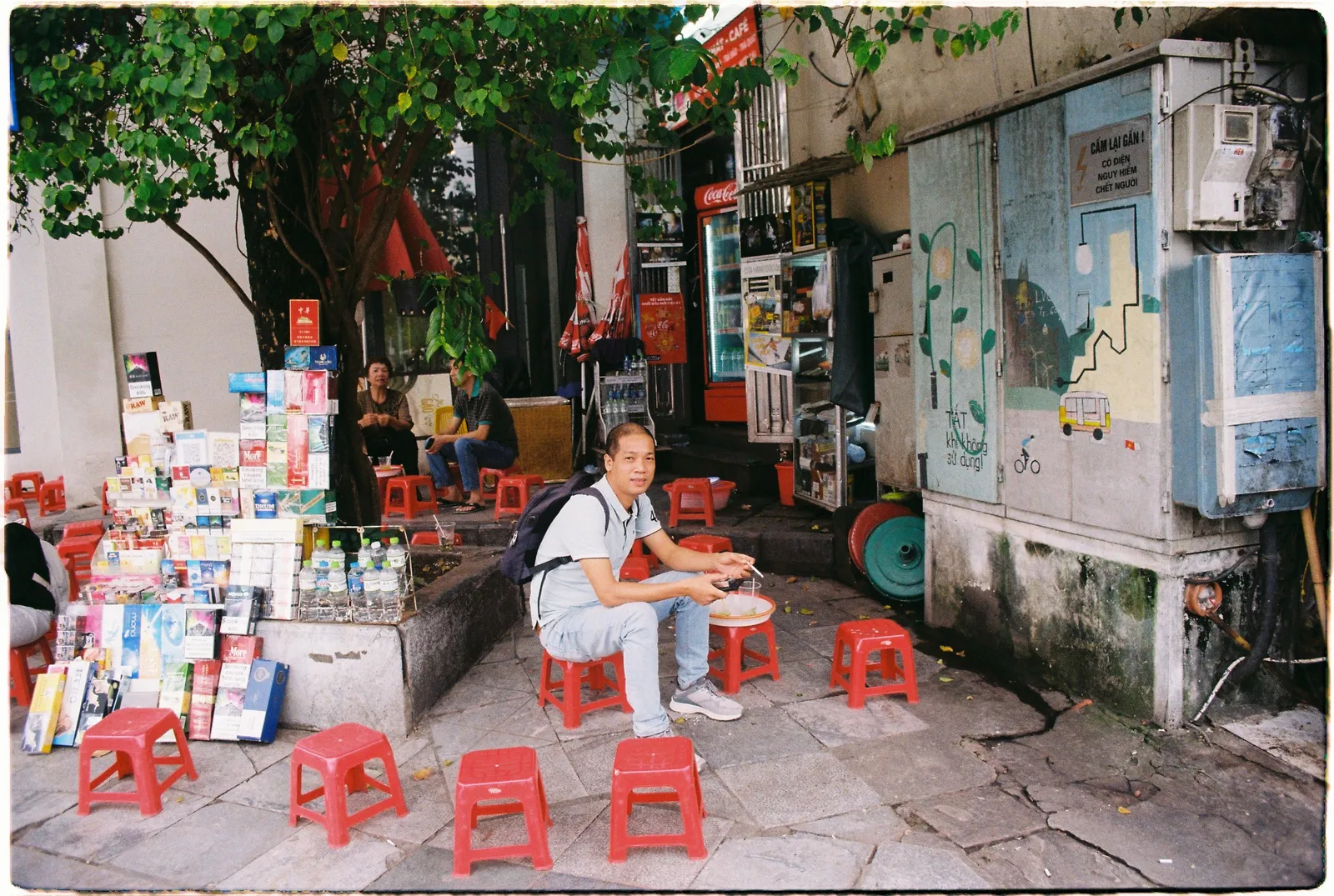
The result is a light, straw-coloured lager, typically around three to four per cent, served very cold and often over ice in a heavy glass tumbler. It is not a complex beer, and it is not trying to be. It is a hot-climate beer designed to be drunk in quantity with fried food while sitting on a low stool.
Two practical consequences follow from the lack of shelf life. First, stalls run out. When the day’s keg is gone, that is the end of it, which is why bia hoi drinking is an early evening activity rather than a late night one. Second, freshness varies with turnover, so a busy corner is genuinely better than a quiet one.
Prices sit broadly in the 10,000 to 25,000 VND range per glass, with the tourist-facing corners of the Hanoi Old Quarter at the upper end and neighbourhood stalls well below it. Figures drift, so check the board.
Where bia hoi is, and is not
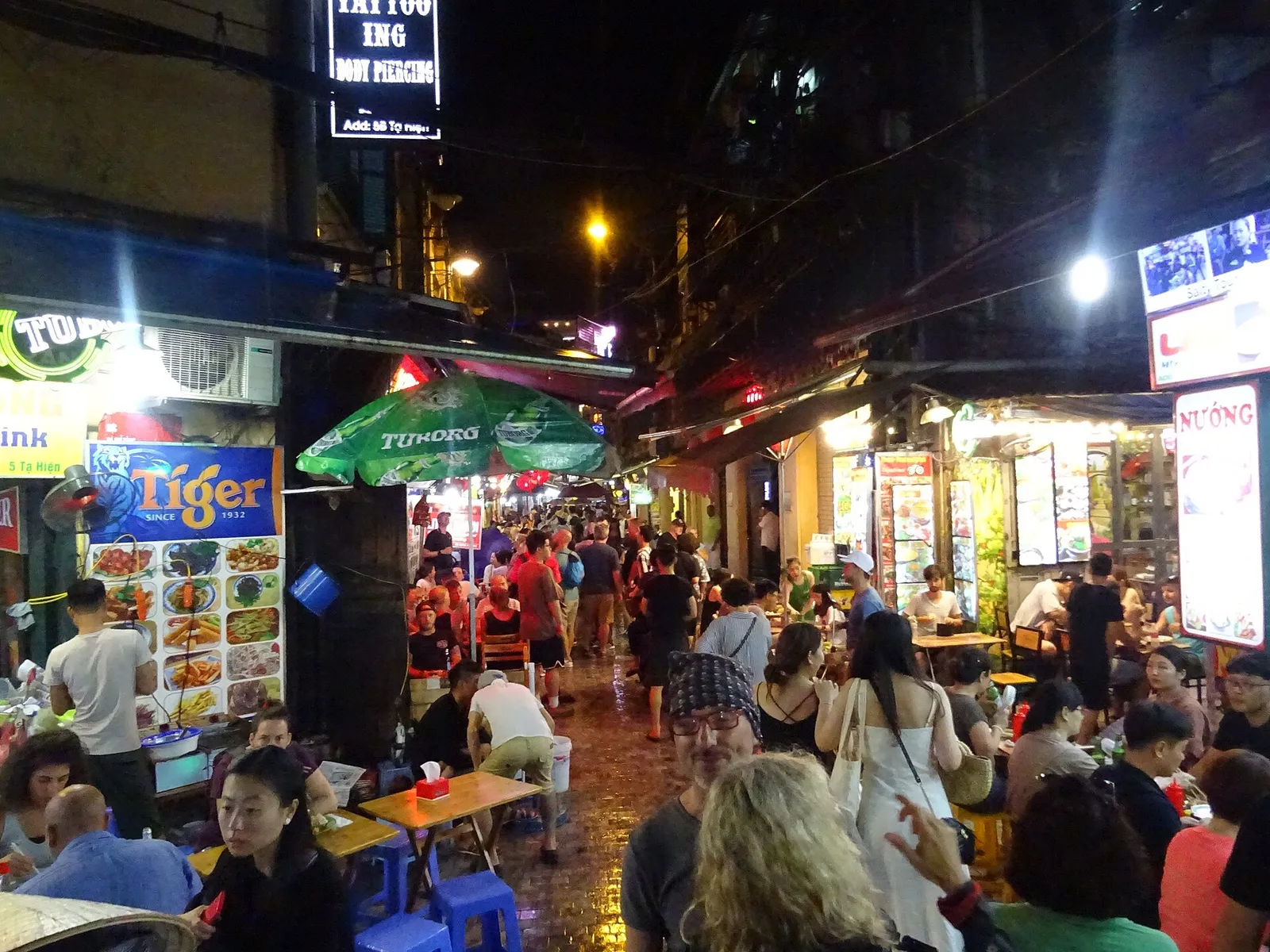
Bia hoi is a northern institution, and Hanoi is its capital. The Old Quarter has stalls on what feels like every second corner, with the crossroads at Ta Hien the most famous and by some distance the most crowded. Ordinary residential streets across the city have their own quieter versions, which are cheaper and often more enjoyable.
Travel south and the culture thins out. Ho Chi Minh City has fresh beer, but the default there is bottled or canned mass-market lager drunk in enormous quantities at a quan nhau, the noisy food-and-beer restaurants that are the real backbone of Vietnamese social drinking nationwide. Central Vietnam sits somewhere between the two.
The mainstream Vietnamese beers
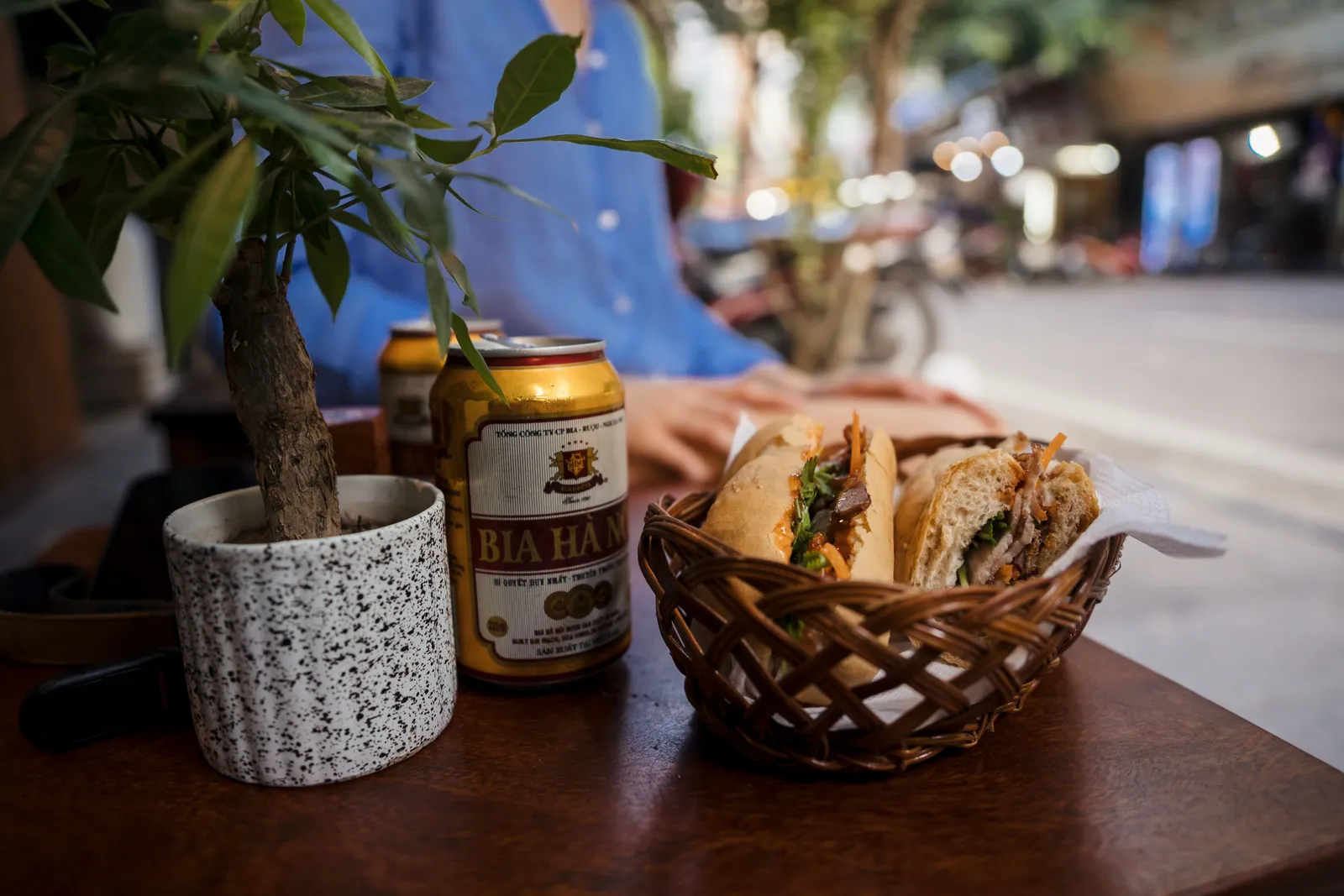
Below the craft scene and above the fresh beer sits the mass market, and it is strongly regional. Different cities have their own long-established brands with fiercely loyal local followings, and ordering the local one is both cheaper and a small courtesy. Saigon and Hanoi each have their namesake beers, the central coast has its own, and there are national and international lagers everywhere.
They are all broadly similar light lagers in the four to five per cent range, and none of them will change your life. What matters more is temperature and context: served properly cold with grilled food at a street restaurant, they do exactly what is required of them.
A note on ice. Vietnamese drinkers routinely add ice to beer, which horrifies visitors and makes complete sense in the climate, since it keeps the last third of the glass as cold as the first. Try it before dismissing it.
The craft beer scene
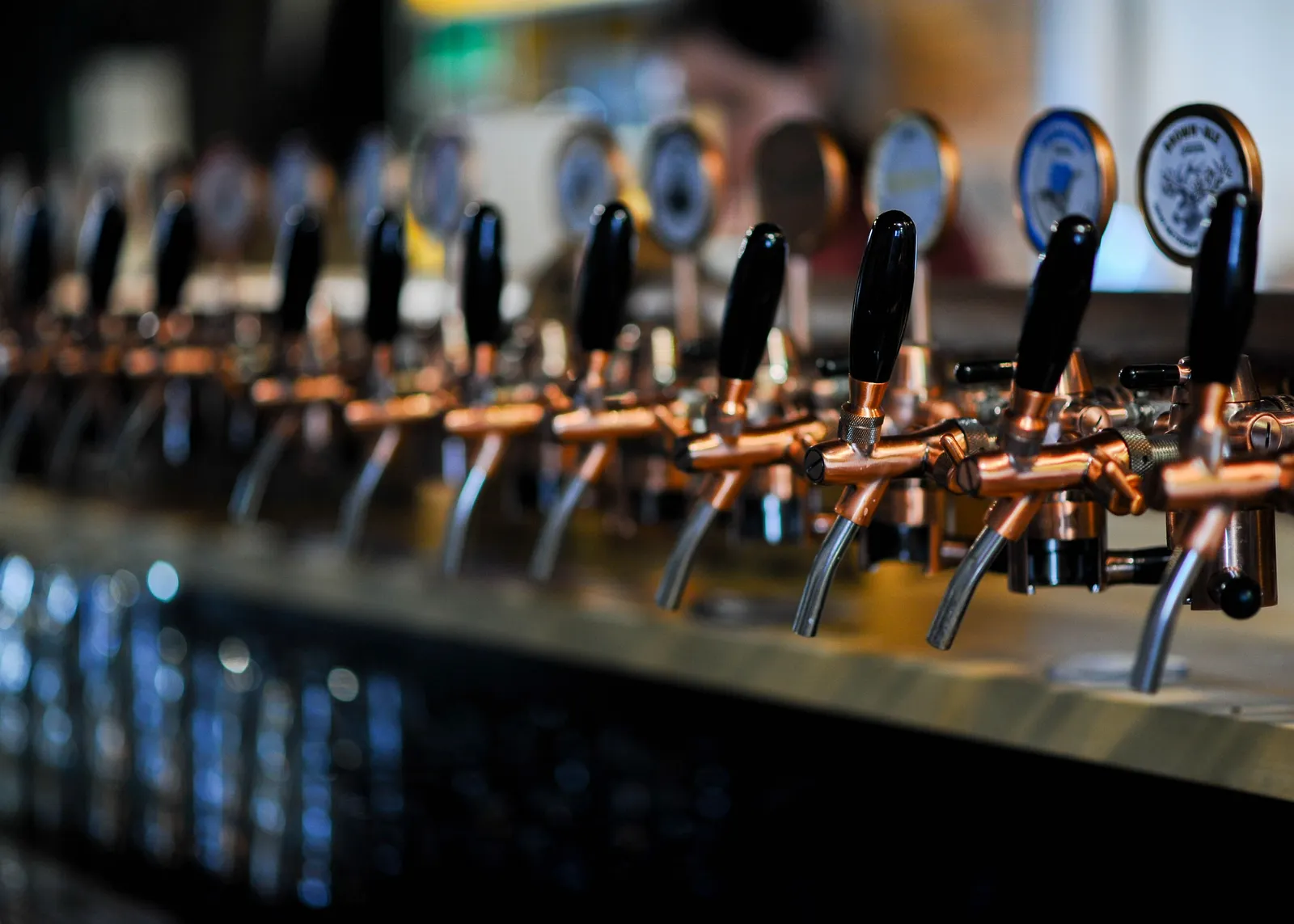
Vietnam’s craft brewing industry took off in the mid 2010s and is now well established, with Ho Chi Minh City as its centre and Hanoi, Da Nang and Hoi An all having scenes of their own. The larger taprooms pour long rotating lists that run well into the dozens of taps, mixing their own beers with guest pours.
What makes it interesting is the local ingredient work: passion fruit and mango wheat beers, jasmine and lemongrass pale ales, coffee stouts using Vietnamese robusta, and beers using cacao from the Mekong Delta. The results are frequently excellent and genuinely distinctive rather than imitations of American styles.
Prices are a different world from bia hoi. Expect roughly 100,000 to 170,000 VND for a pint depending on the venue and the strength, with tasting flights a sensible way to work through a list. Breweries and taprooms open and close, so check current listings rather than an old article.
Join a guided beer and street food crawlLocal guides know which stalls pour the freshest beer and which taprooms are currently worth the trip.Rice wine, etiquette and drinking games
Ruou is Vietnamese rice spirit, and it appears far more at family tables, weddings and rural gatherings than in tourist bars. Strength varies wildly, particularly with home-produced versions, and the flavour is usually milder than the alcohol content suggests, which is the trap. You will also see large glass jars of ruou thuoc, spirit infused with herbs, roots, fruit and occasionally preserved creatures, sold as a traditional tonic.
The etiquette is worth knowing because it will come up. Drinking is collective rather than individual: people toast together rather than sipping independently, and the call of mot hai ba, vo is the standard cue to raise glasses. Pouring for others before yourself is polite, as is using two hands when receiving a drink from someone older. Refusing entirely is acceptable, and saying you are driving is a universally understood and respected reason.
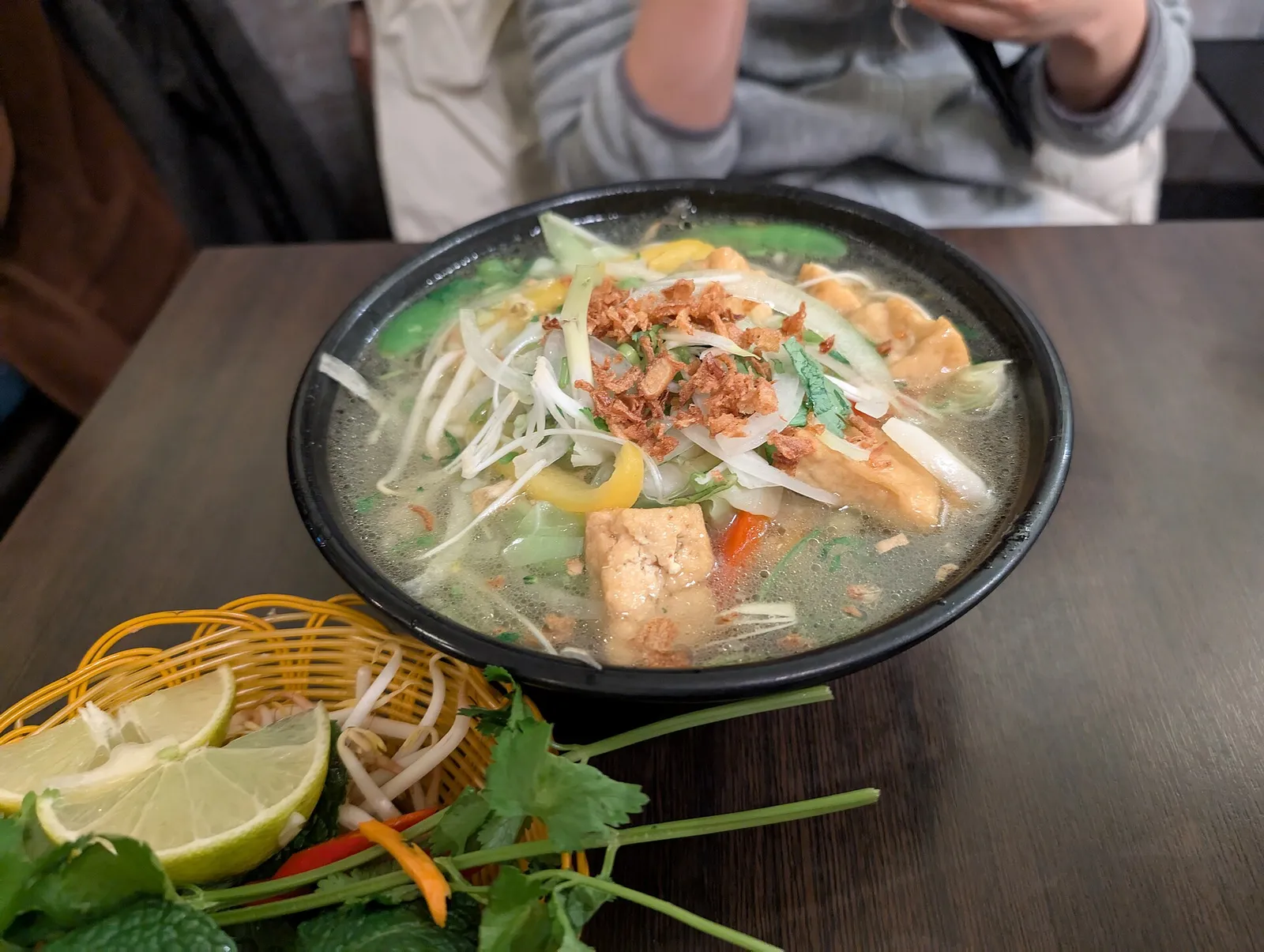
Above all, drinking happens with food. There is very little culture of drinking on an empty stomach, and the shared plates arriving alongside the beer are half the point. Our Vietnamese food guide covers what tends to land on those tables.
The one rule you cannot break
Do not drive or ride after drinking anything at all. Vietnam applies an effectively zero tolerance standard: any detectable alcohol in a driver or motorbike rider is an offence, with no allowance for a single beer. Penalties were increased sharply under the road traffic administrative penalties decree in force since the start of 2025, and include substantial fines in the millions of dong, licence point deductions and impoundment of the vehicle. Roadside breath testing is routine and frequent, including in the evening in tourist areas, and foreign visitors are penalised on the same basis as residents. Fine bands change, so check the current position on official government channels rather than relying on figures in a travel article.
The practical answer is simple: leave the rented motorbike where it is and take a ride hailing app or a metered taxi home. It costs a fraction of the fine and none of the aggravation. For more on how the evening scene works city by city, see our Vietnam nightlife guide.