Vietnamese nightlife does not look like nightlife anywhere else, and the best of it happens at knee height on a pavement rather than in a club.
The defining institution is a plastic stool, a glass of cheap fresh beer and a street corner, and once you understand that, the rest of the scene makes sense: the rooftop bars are the international layer on top, the backpacker strips are the imported layer beside it, and the pavement is the thing that is actually Vietnamese.
Here is how each city does it, and what to expect from the hours.
Bia hoi, the institution
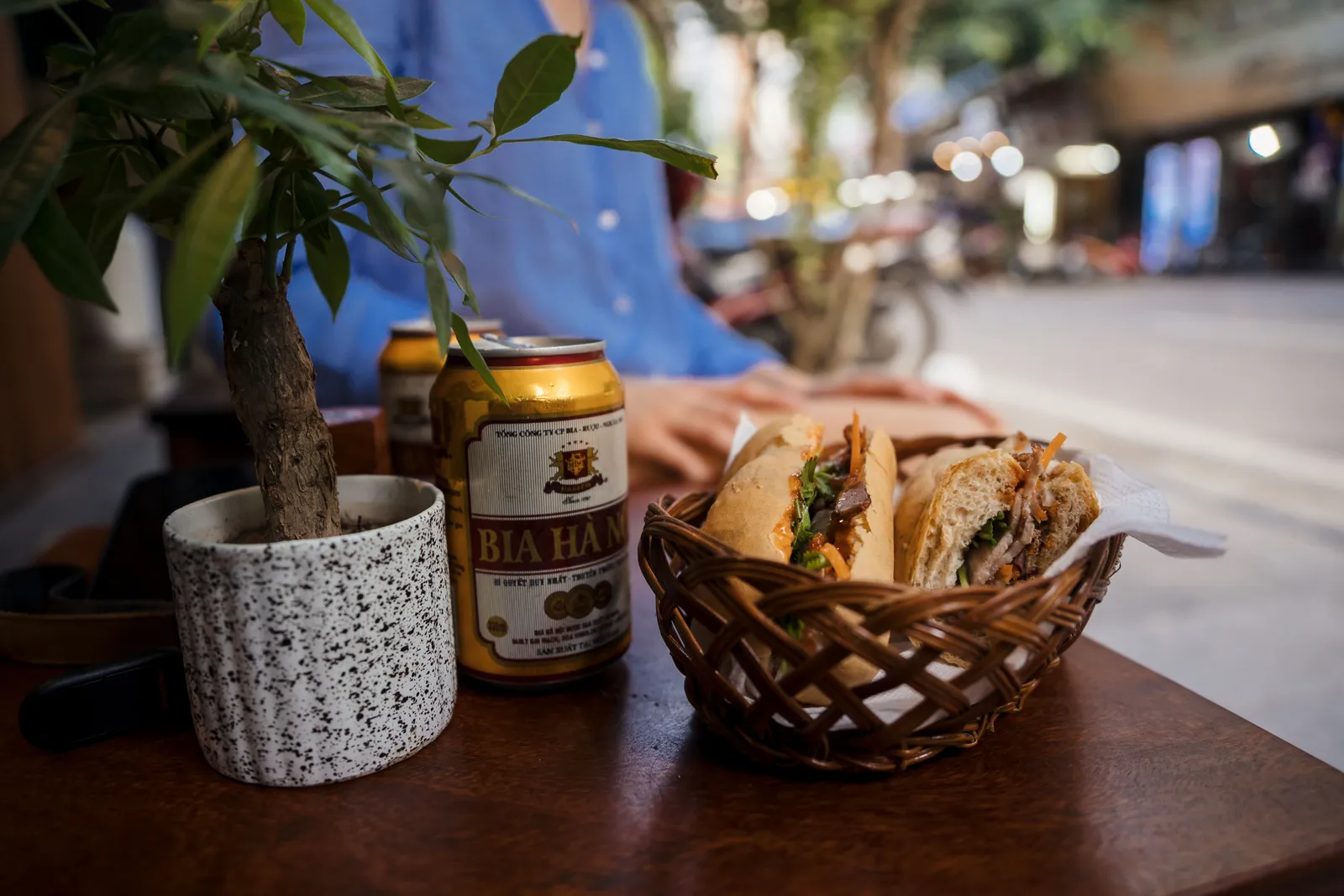
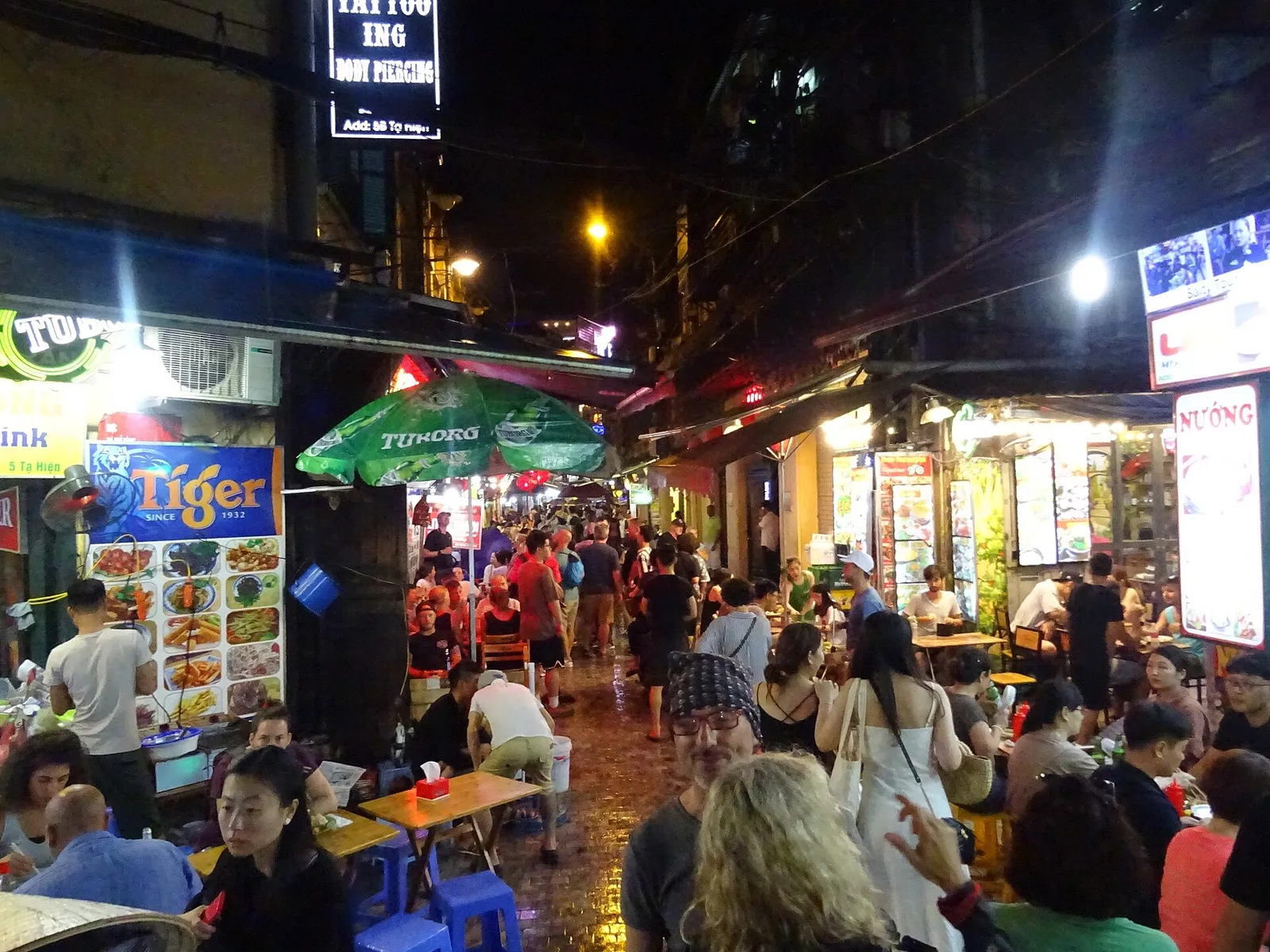
Bia hoi is fresh draught beer, brewed and delivered daily, sold from kegs on street corners at prices that seem like a misprint. It is light, it is served over ice, and it is drunk sitting on tiny plastic stools at low tables, usually starting in the late afternoon.
This is the most Vietnamese thing you can do in an evening. It is not a tourist experience, though tourists are welcome; it is where people go after work. The food that comes with it is street food, the conversation is loud, and the whole thing usually winds down by mid-evening rather than running late.
The northern cities are the heartland of it. If you do one night out in Vietnam, do this one.

The capital
Beer corner in the Old Quarter is the famous concentration of it: a junction where several bia hoi places meet and the stools spread across the road. It is busy, it is fun, and it is genuinely mixed between locals and visitors.
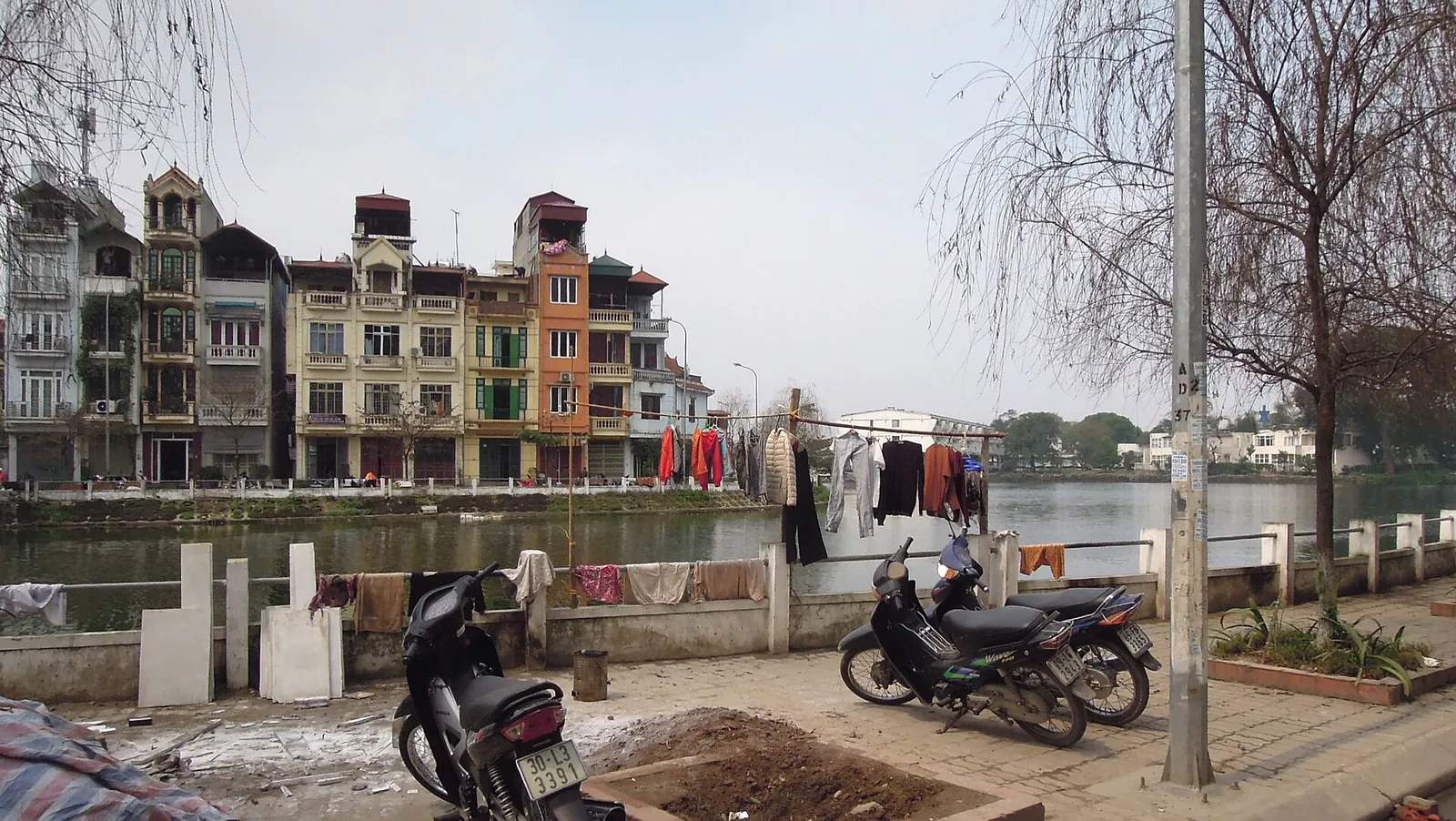
Beyond that, the capital has a good craft beer scene that has grown fast, a set of speakeasy-style cocktail bars hidden behind shopfronts and up staircases, and lakeside places that are more about sitting than drinking.
The hours are the thing to know. The capital is not a late city by regional standards. Many places wind down earlier than you would expect, and the Old Quarter has periodic enforcement of closing times. Start early rather than planning a late one. If you are staying in the middle of it, our Hanoi accommodation guide explains which streets are loud enough to affect your sleep, which is the flip side of staying near the action.
The southern metropolis
This is where the actual late nightlife is. The southern city runs later, louder and more internationally than anywhere else in the country.
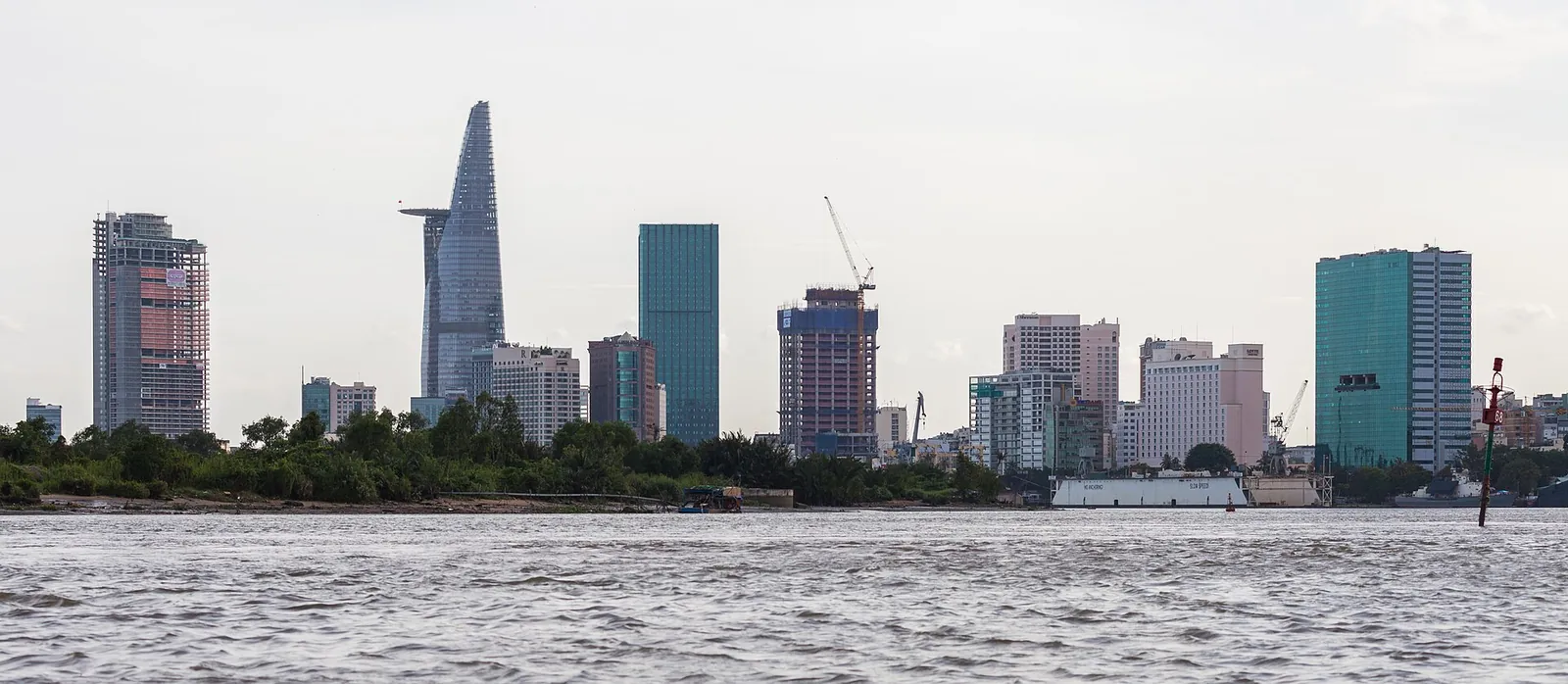
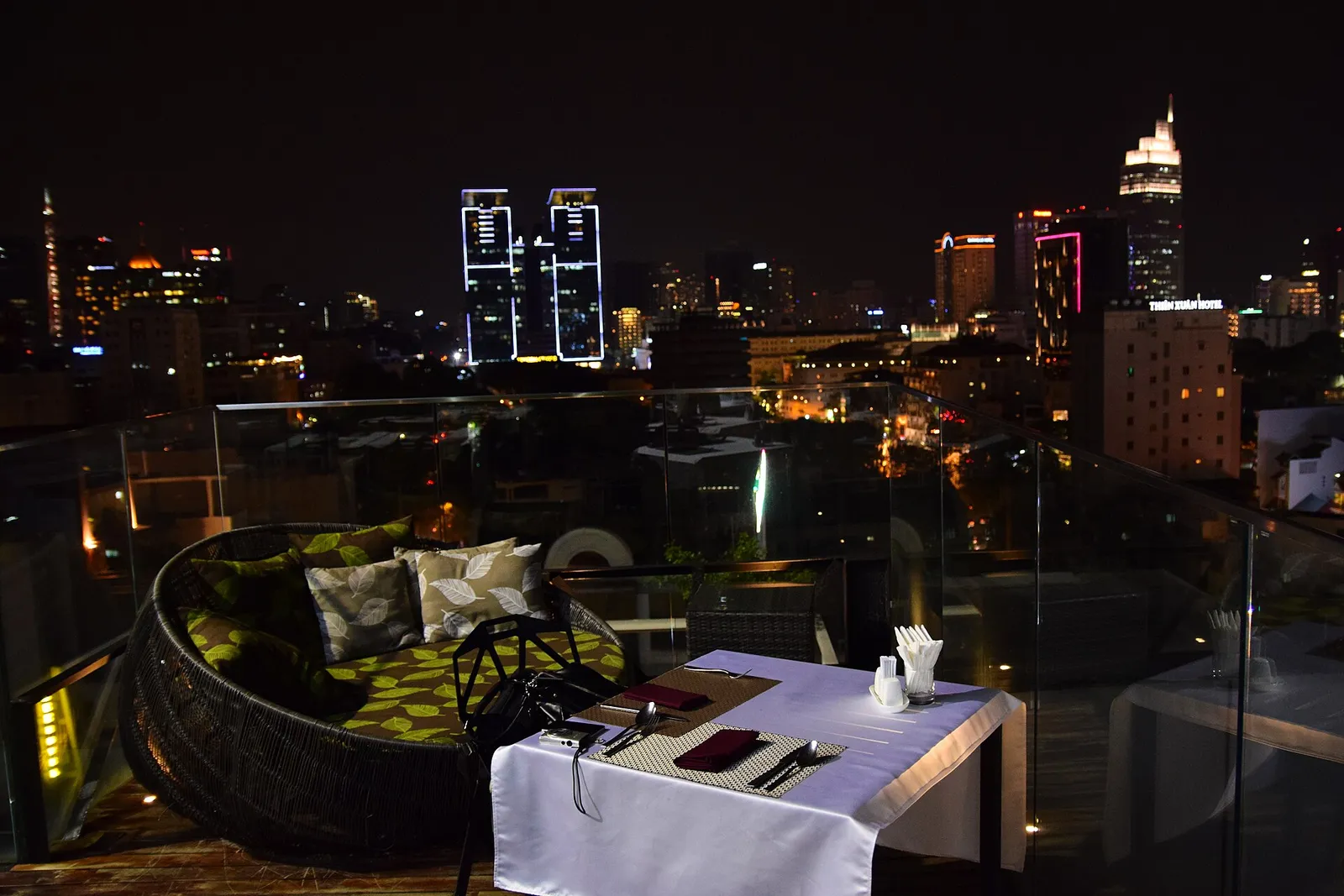
The rooftop bars are the signature: high floors, skyline views, expensive by local standards and worth doing once. Dress a little smarter than usual, since some enforce it.
The backpacker street is a full-volume strip of bars with speakers facing the road, cheap drinks and a crowd that spills into the street. It is exactly what it sounds like. Excellent fun for a night and a genuinely bad place to sleep near.
The craft beer and cocktail scene here is the country’s best, spread across the central districts and increasingly good.
Local drinking happens where it does everywhere: on pavements, at seafood places with plastic chairs, over shared plates. Our Ho Chi Minh City guide covers the districts and where each kind of evening happens.
The coast
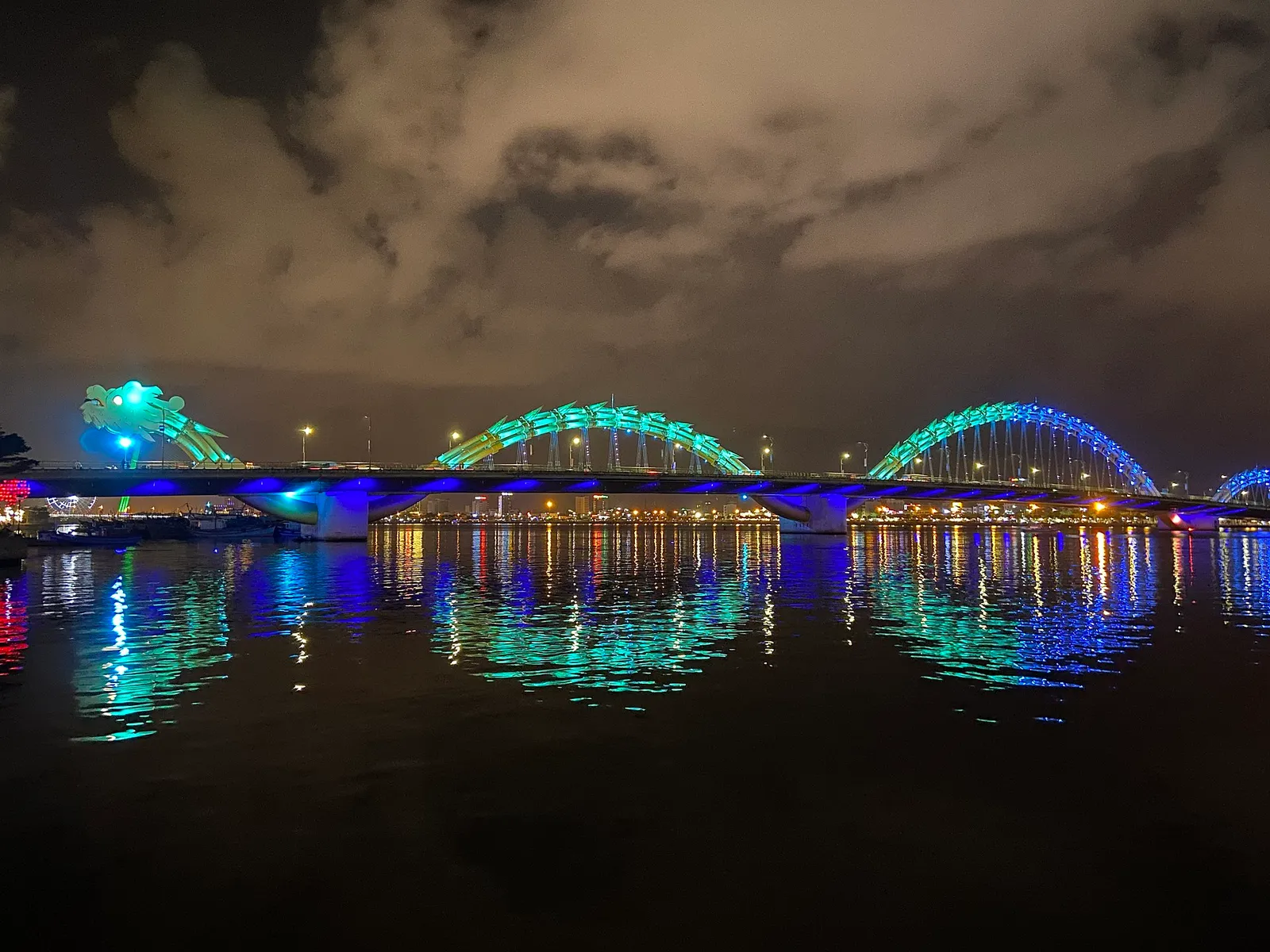
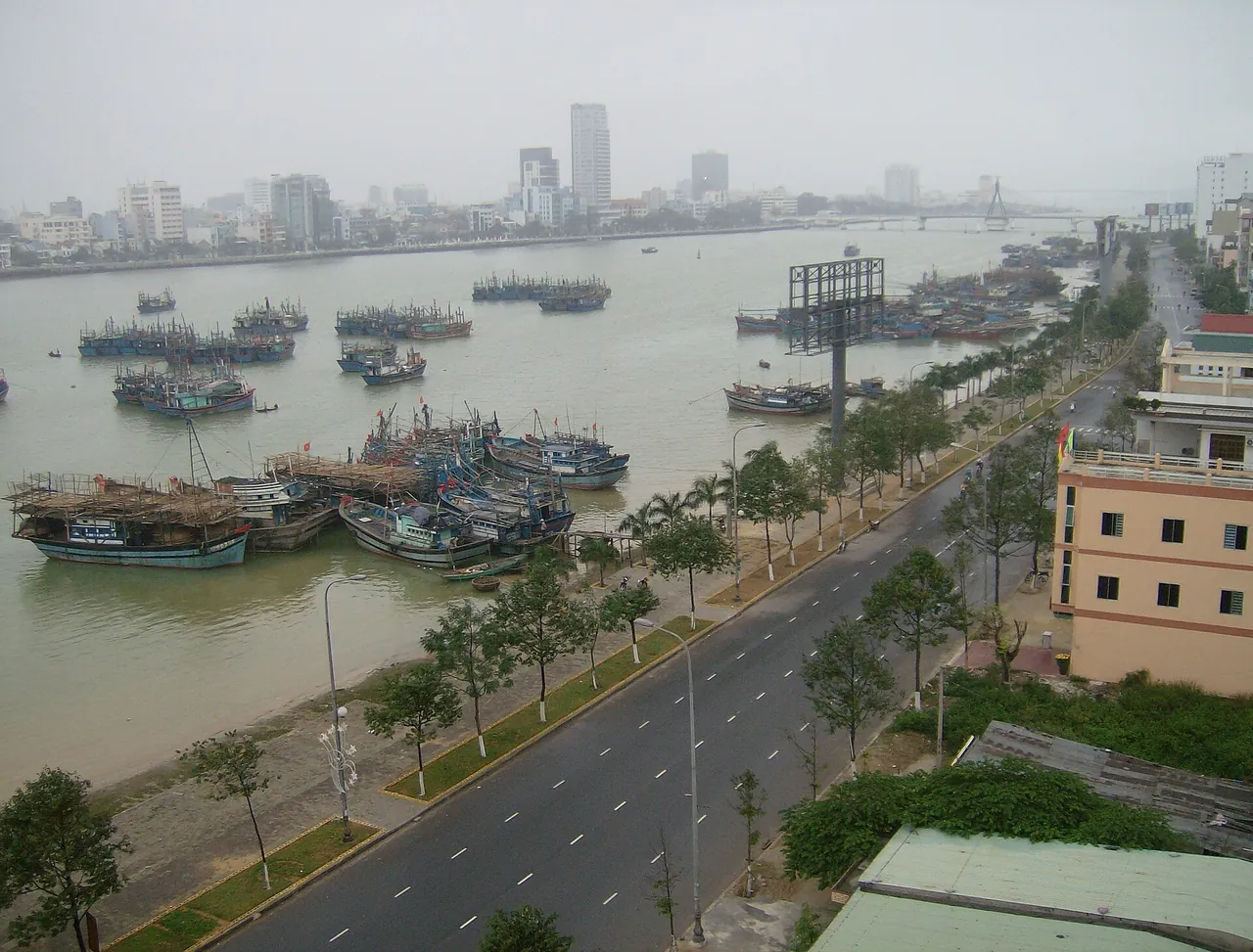
Beach towns run a different rhythm: beach bars, sunset drinks, and a slower, more spread-out scene. The central coast towns lean gentle, with riverside bars and live music rather than clubs.
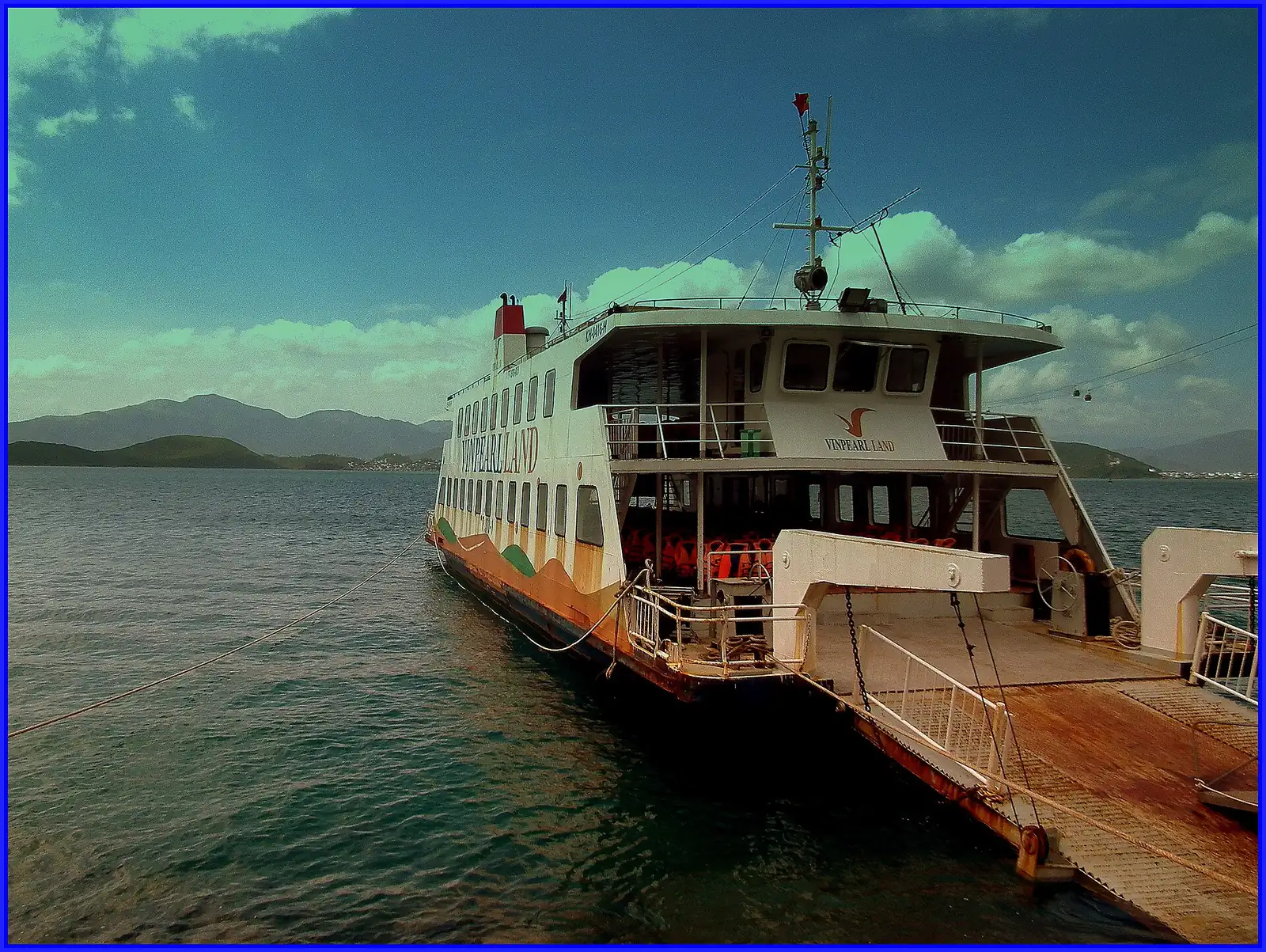
Nha Trang is the exception on this coast and has a proper party reputation, including the boat trips that turn into drinking sessions. Ask what you are booking.
The islands have beach club and bar scenes that vary enormously by season and by which end of the island you are on.
Street food and beer walksAn easy first-night way into the pavement scene with someone who knows it.The old town on the central coast
Worth its own note because it is the opposite of everywhere else. The lantern-lit old town has an atmospheric, low-key evening scene: riverside bars, a few late places, and the general expectation that people are strolling rather than drinking heavily. There is a small late strip if you want it, but this is a town for a quiet drink by the water.
Practical things
Prices. Bia hoi is astonishingly cheap, local bottled beer is cheap, imported spirits and wine are not. A rooftop cocktail can cost more than a day of eating. Everything is in dong.
Getting home. Use ride-hailing apps, including motorbike taxis if you are sober enough to be sensible about it. Never ride a bike yourself after drinking: enforcement is strict, penalties are serious, and your travel insurance will almost certainly exclude any accident involving alcohol.
Ice is commercially produced and fine in established places.
Drink spiking is not a widespread pattern here, but ordinary sensible behaviour applies as anywhere, particularly in the busiest strips.
Noise and neighbours. If you are staying near a nightlife area, ask for an interior room. This is the single most common accommodation complaint across the country.
Solo travellers do well here. The stool-and-street format is inherently sociable, and hostel bars in the main cities make meeting people straightforward.
Street food and beer walksAn easy first-night way into the pavement scene with someone who knows it.A suggested first night
If you want the genuine version rather than the imported one:
Start at five or six in the afternoon at a bia hoi corner with a plastic stool. Eat what the stall next door is selling. Move on to a local beer place or a craft bar at eight. If you still want more, find a rooftop or a cocktail bar at ten, and treat that as the international dessert rather than the meal.
That sequence gets you the thing that is actually Vietnamese first, while you are still fresh enough to enjoy it, rather than after three cocktails.
The honest summary
Vietnam is not a nightlife destination in the way Thailand is, and if clubbing is your priority you will find the southern city delivers and everywhere else does not.
What it is, is a country with one of the best casual drinking cultures anywhere: cheap fresh beer, street food, low stools, and no pressure to be anywhere else. That is worth more than a club.
Where did you have your best night out in Vietnam? Tell me in the comments, and tell me whether you were sitting on a stool.