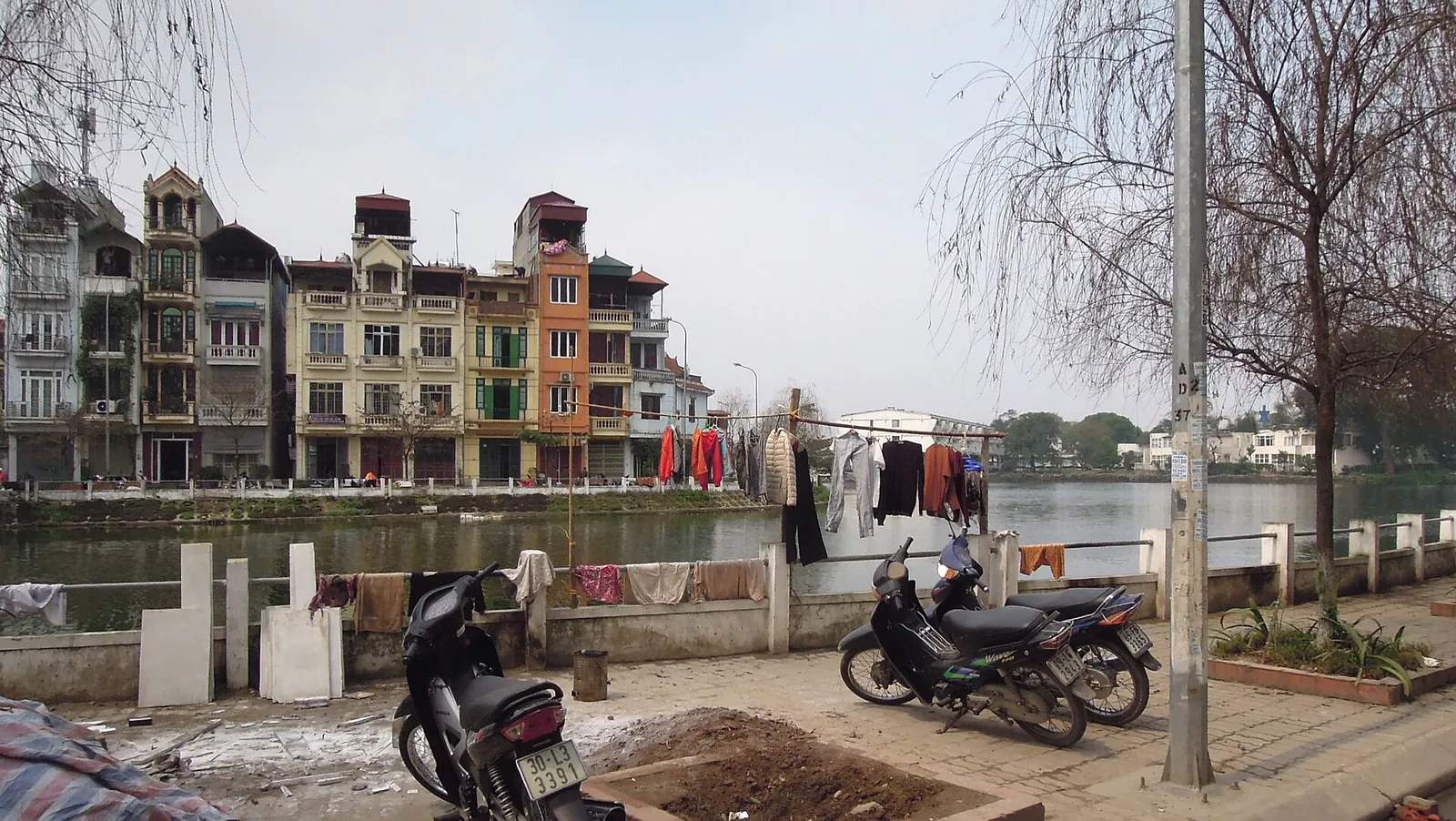
Hoi An is a town where the accommodation decision genuinely shapes the holiday, because the three areas people stay in are only a few kilometres apart and feel completely different. One puts you in a lantern-lit heritage town, one puts you on a beach, and one puts you in the middle of rice paddies with a bicycle.
All three are good. Choosing the wrong one for what you actually want is the most common way people end up slightly disappointed by a town almost nobody dislikes.
The three areas
| Area | Best for | Trade-off |
|---|---|---|
| Old town and around | Atmosphere, walking, tailors | Busy, no beach, pricier |
| An Bang beach | Sea, sunsets, relaxing | Fifteen minutes from the old town |
| The rice fields between | Value, quiet, character | Need a bicycle for everything |

The old town and its edges
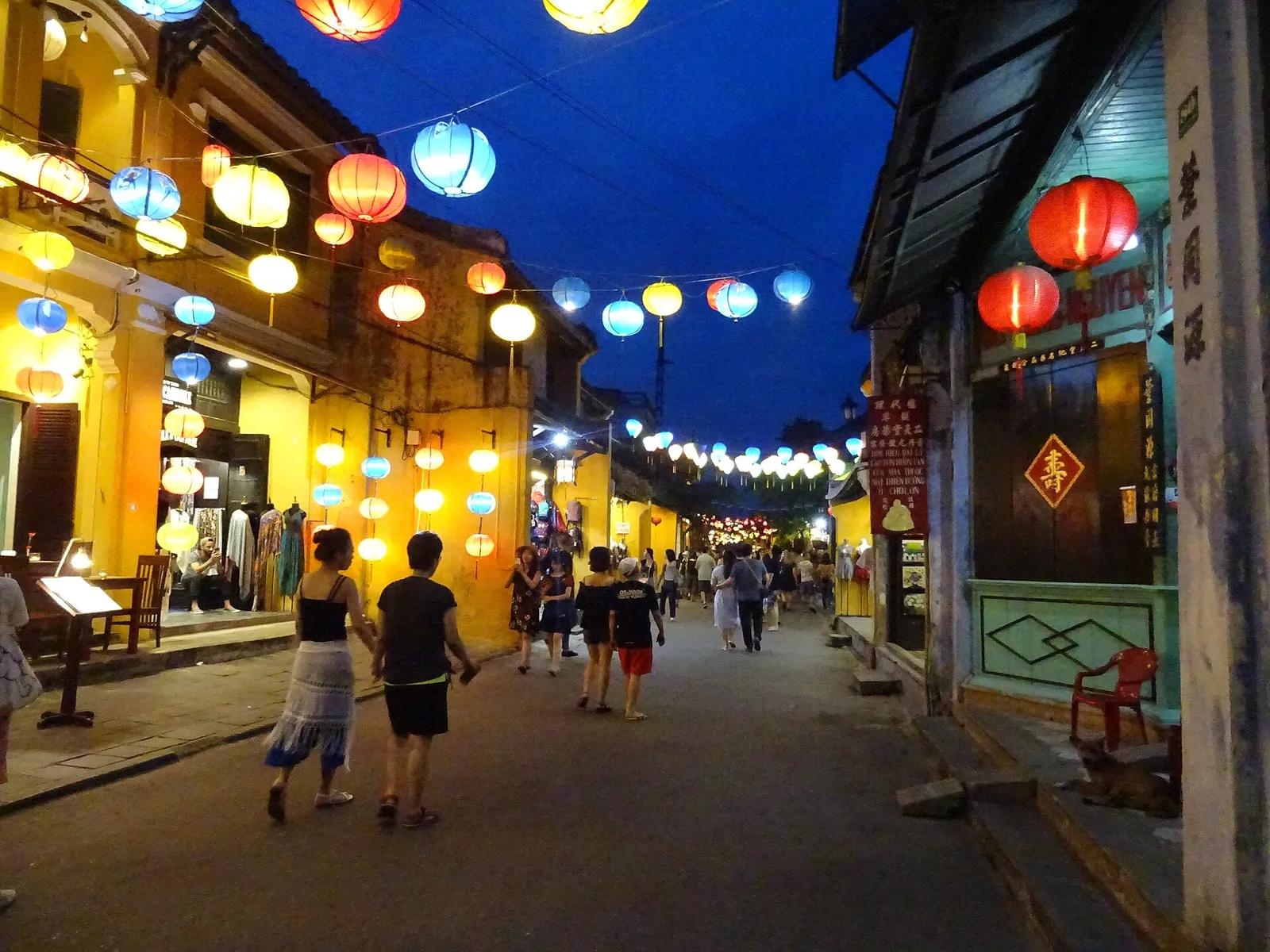
Staying in the protected old town itself is rare, since the heritage buildings are mostly shops and restaurants. What people mean by old town accommodation is the ring of streets immediately around it, which is a five to fifteen minute walk to the lanterns.
This is the right choice if you want to wander in the evening without arranging anything, if you are here for the tailoring and expect several fittings, or if you have only two nights and want to maximise the town.
The trade-off is that this is the busiest part of a town that receives a lot of visitors, prices are highest, and you are not near the sea. Our Hoi An guide covers what is actually in the old town and how the ticket system for the heritage houses works.
An Bang and the beach strip
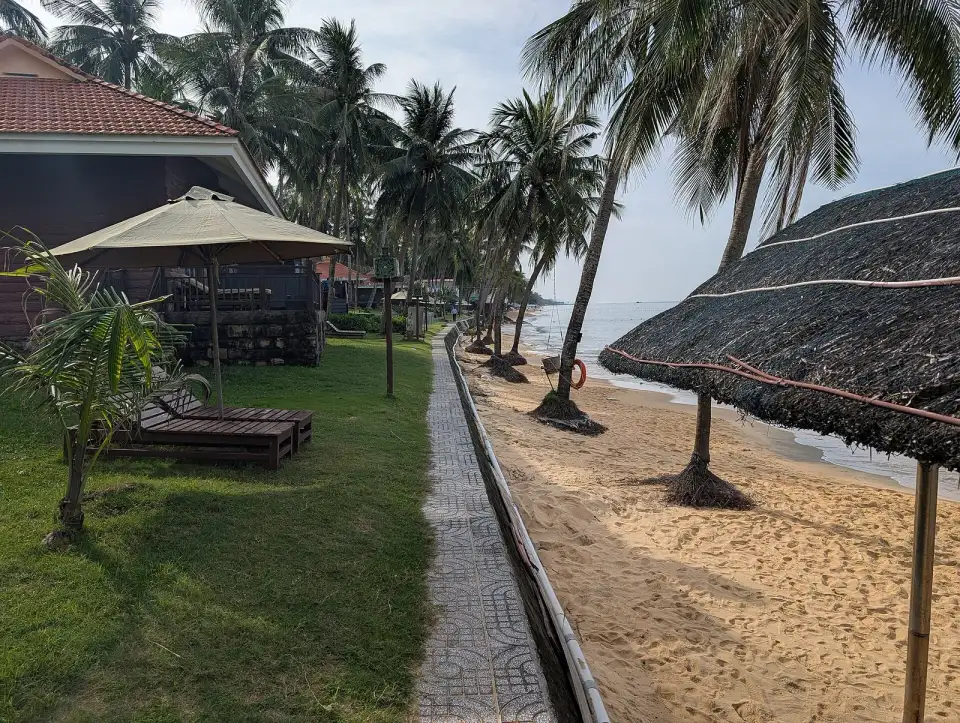
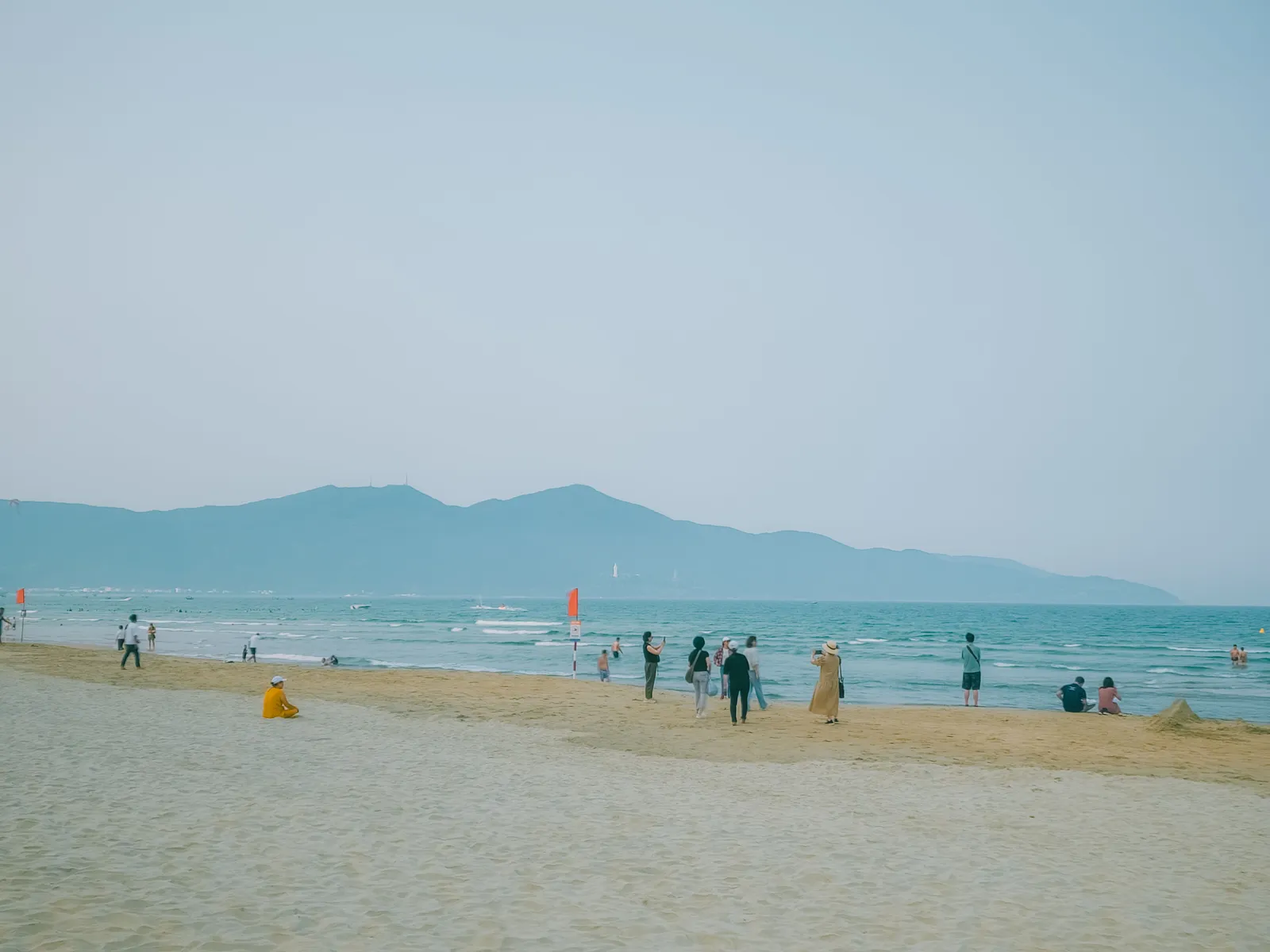
The coast sits a short ride away, and the beach areas have developed into a proper alternative base: beachfront places, small hotels a street back, and a genuine beach scene with restaurants and bars on the sand.
Stay here if the sea is a significant part of why you came, if you are travelling with children, or if your ideal day is swimming in the morning and cycling into town in the evening.
The trade-off is the distance. It is not far, but it is far enough that you will not casually pop into the old town, and evening trips back mean a bicycle in the dark or a taxi.
A note worth knowing: this stretch of coast is affected by erosion and by the sea state through the year, and the beach is noticeably wider and calmer in some seasons than others. If the beach is your main reason for choosing this base, check what conditions to expect for your dates.
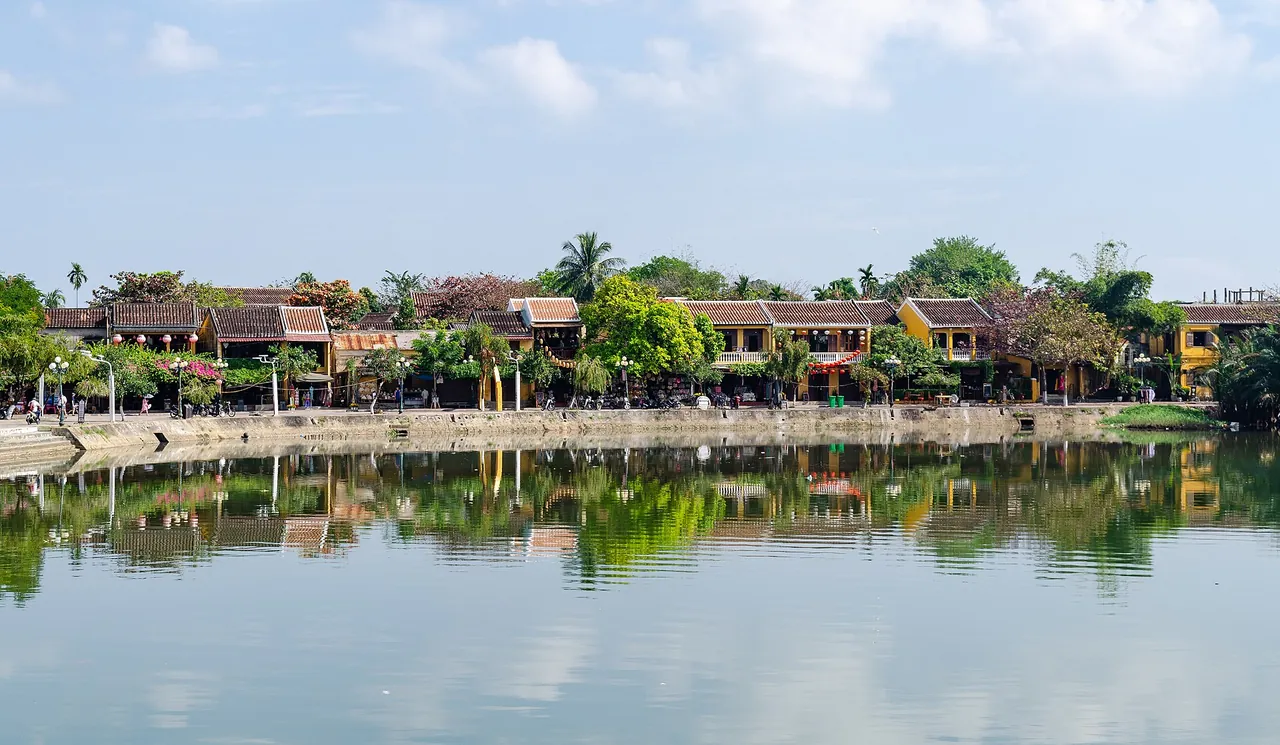
The rice fields in between
This is the option most people do not consider and the one I would pick.
Between the old town and the coast sit paddy fields, and scattered among them are homestays, boutique hotels and villas with pools. You get quiet, you get views over green fields with water buffalo in them, you get better value than either the town or the beach, and you are ten minutes by bicycle from both.
The trade-off is that you are reliant on that bicycle. If cycling at night on unlit lanes does not appeal, or if you have mobility limits, this is not the base for you.
Town, beach or paddy fields?Compare all three, they are minutes apart and completely different.Matching the base to the trip
Two nights. Near the old town. You do not have time to be commuting.
Three or four nights, the standard stay. Rice fields or beach, cycling in for the evenings. This is the version most people enjoy most.
With children. The beach, or a paddy-field place with a pool.
Here for the tailoring. Near the old town. Fittings mean going back and forth several times over a few days, and distance turns that from easy into tedious.
Recovering from a busy itinerary. Rice fields, with a pool, and do very little. Hoi An is where most two-week routes put their rest stop, and our two-week itinerary explains why this is the natural place for it.
Practical notes
Flooding is a real seasonal factor. The old town sits on a river and floods in the wet months, sometimes significantly, with streets navigated by boat. That is remarkable to witness and inconvenient to be booked into. If you are travelling in the autumn window, check the situation and book somewhere with flexible cancellation.
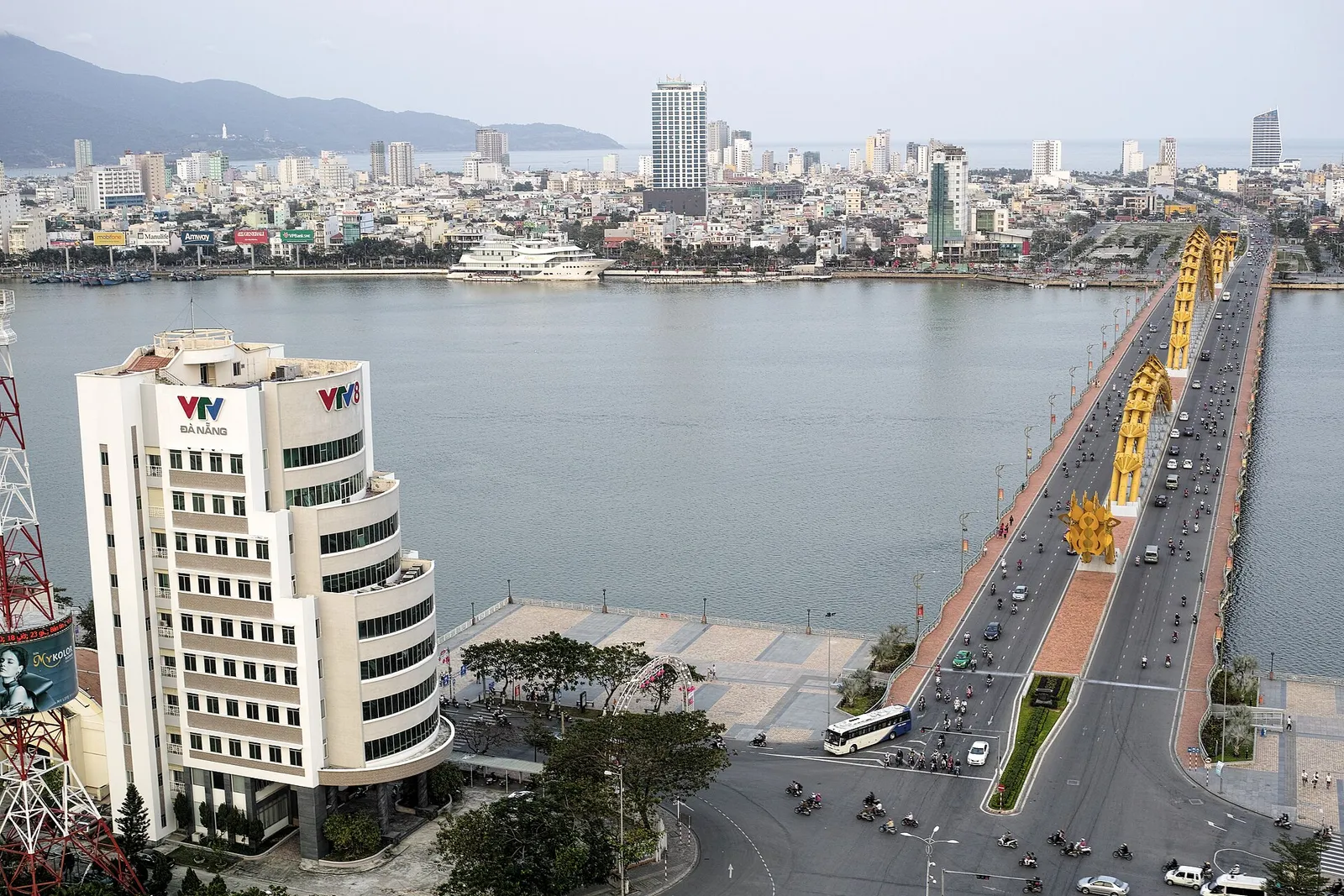
The airport is Da Nang, roughly forty-five minutes away, and transfers are straightforward and inexpensive. If you want a city and an airport in the same place, Da Nang is the alternative base, with Hoi An as a day trip in reverse. That works, though most people prefer it the other way round.
Pools earn their keep. The central coast is hot for much of the year and the middle of the day is best spent horizontal. Outside the old town, a pool is close to standard even at modest prices.
Book ahead in high season. This is one of the most visited towns in the country and the good mid-range places fill.
Town, beach or paddy fields?Compare all three, they are minutes apart and completely different.The honest recommendation
For a three or four night stay, which is what Hoi An deserves: a small place among the rice fields with a pool and free bicycles, ten minutes from the old town and ten from the sea.
You get the lanterns in the evening, the beach in the morning, quiet at night, and you pay less than you would for either extreme. The only thing it asks of you is that you are happy on a bicycle, which in a town this flat is not much of an ask.
If that does not appeal, stay near the old town for two nights or on the beach for four, and pick according to whether you would rather walk to dinner or swim before breakfast.
Where did you base yourself in Hoi An, and would you do it differently? Tell me in the comments.