Da Nang is the city most visitors to central Vietnam pass through and comparatively few stay in, which is a mistake worth reconsidering. It has the region’s airport, several kilometres of beach, a genuine working city with proper value, and it sits half an hour from Hoi An. Here is how the areas divide.
The river splits the city
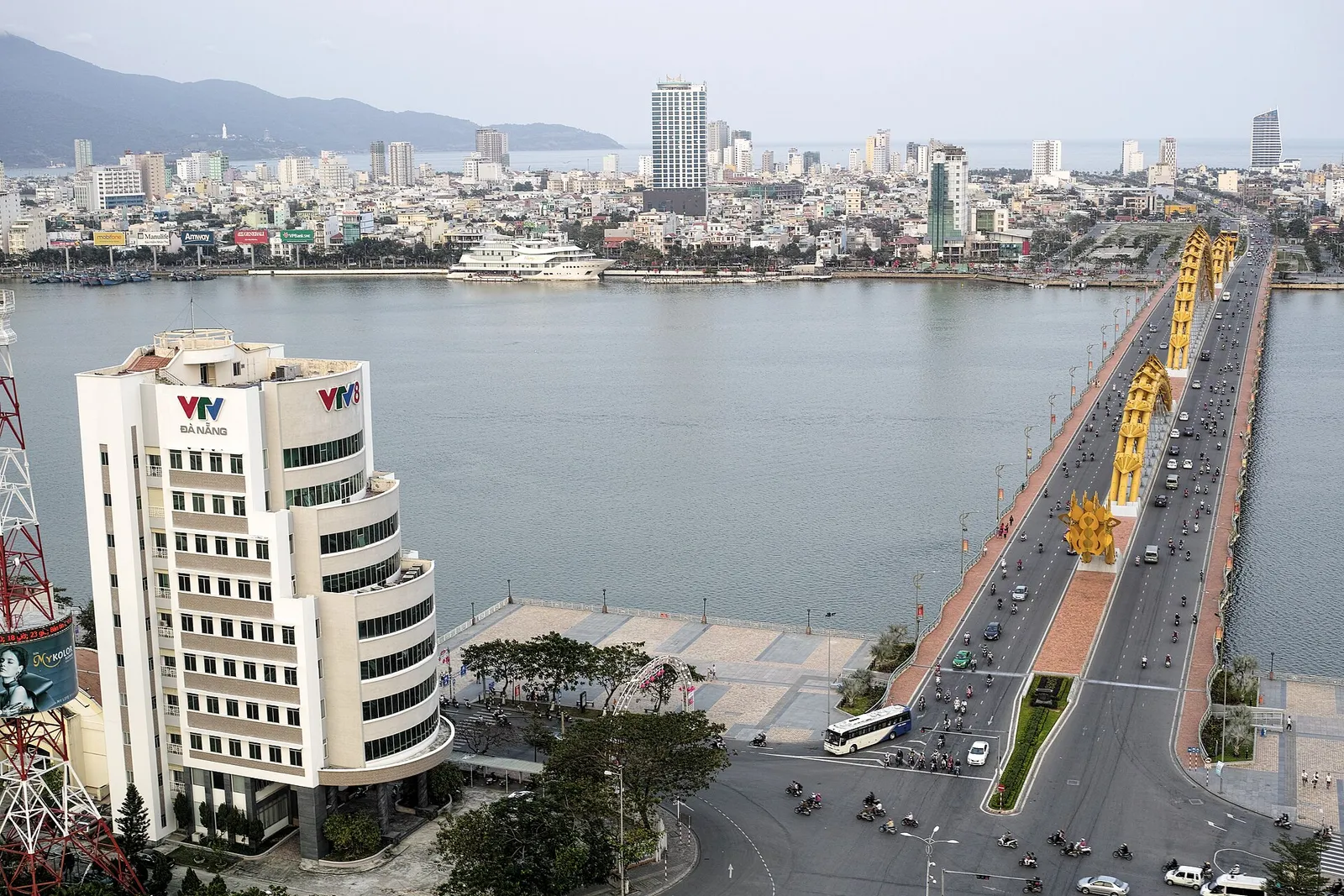
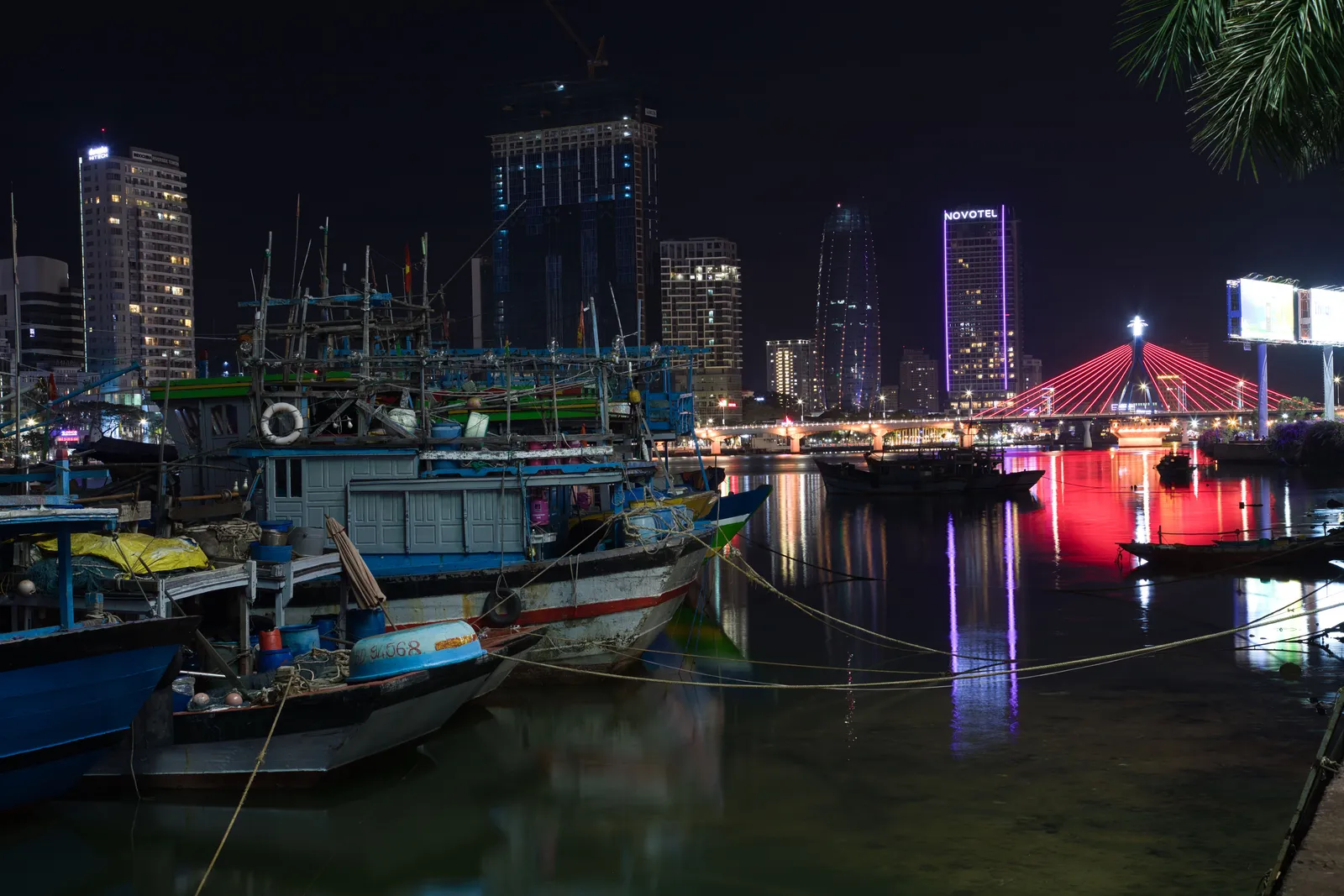
The essential geography: the Han river runs through Da Nang, with the city proper on the west bank and the beach strip on the east, connected by several bridges including the dragon-shaped one that has become the city’s emblem.
That division matters because the two sides offer completely different stays. The beach side is resorts and sand. The city side is markets, local restaurants and everyday Vietnamese life at a fraction of the price. A short taxi ride connects them, but you are choosing one as your default.
The beach strip: My Khe and south
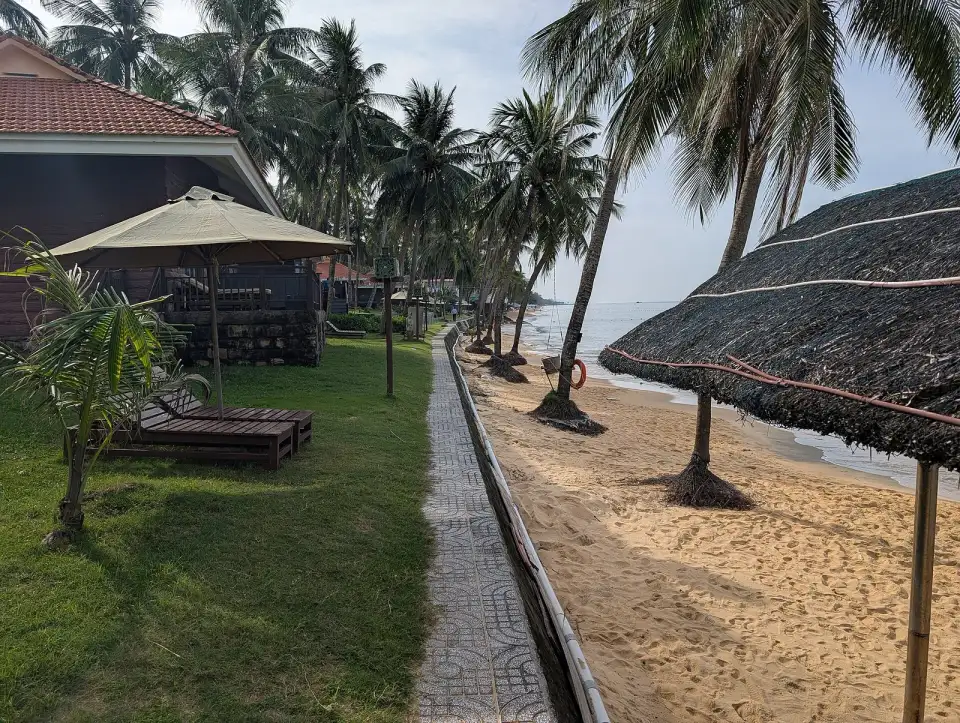
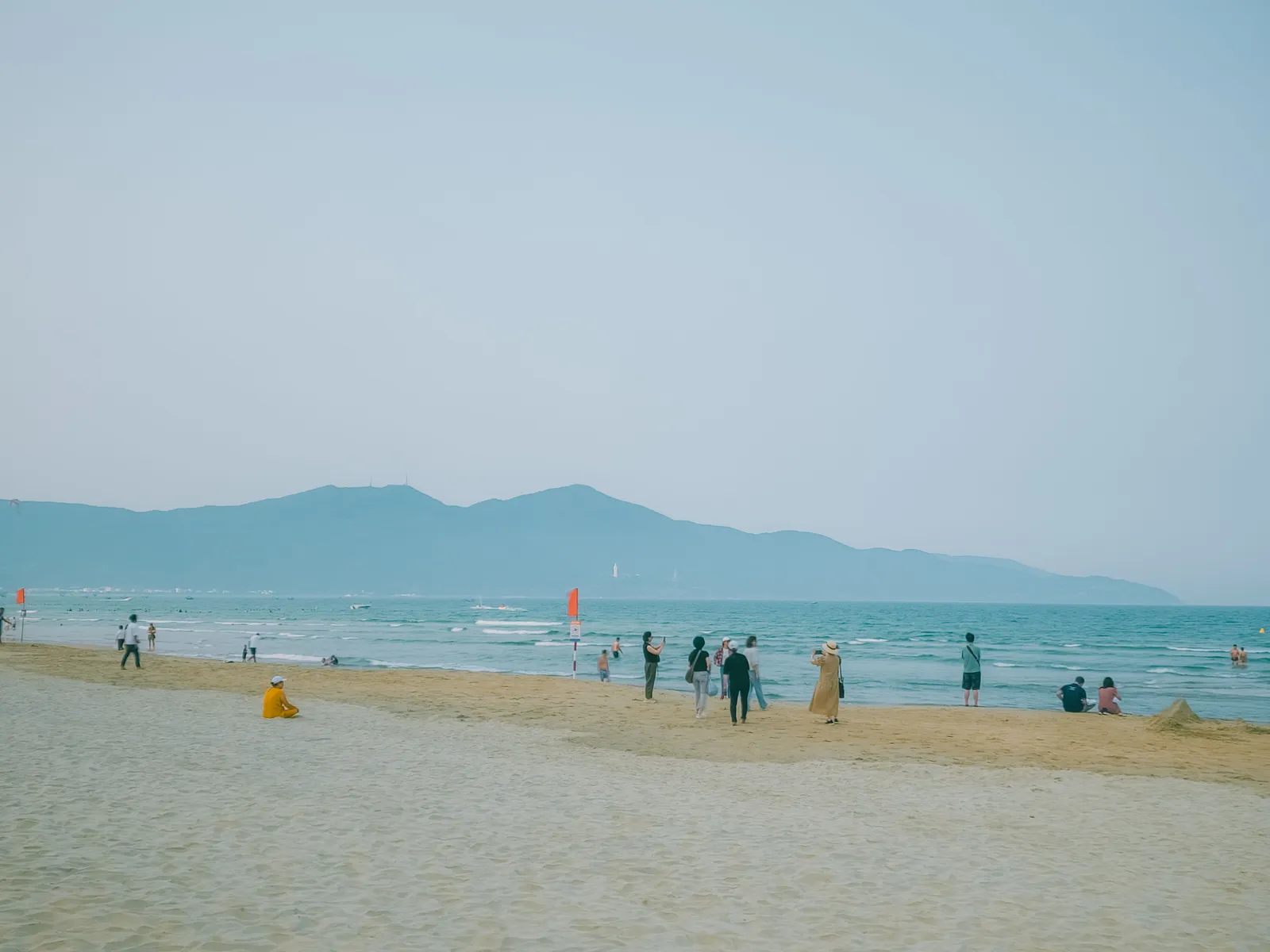
The eastern shore carries several kilometres of wide, gently shelving sand, with My Khe at its centre and hotels running from mid-range to genuinely luxurious along the front.
This is where to stay if the beach is the point. The sand is good, the water is calm in season, and waking up to it is the reason people book here. What you give up is the food and the value on the other side of the river, and the fact that the strip itself is largely hotels rather than a neighbourhood.
The city centre: value and food
The west bank around the Han market and the riverside is where the money goes furthest. Small hotels, local restaurants, markets, and a city getting on with itself around you.
You are not on the beach, and you are a few minutes from it by taxi. What you gain is a substantially cheaper room, considerably better and cheaper eating, and the riverside in the evening when the bridges light up. Our Da Nang guide covers what there is to do on this side.
An Thuong: the middle ground
Set back a block or two from the southern end of the beach is An Thuong, a compact grid of streets that has become the concentration point for international restaurants, cafes, bars and mid-range accommodation.
It is the practical answer for a lot of visitors: walkable to the sand in one direction and to somewhere to eat in the other, without paying beachfront prices or taking a taxi into the city every evening. If you are unsure, this is the safe choice.
The river decides the holidayBeach side for sand and resorts, city side for food and value, and a taxi ride between them either waySon Tra: seclusion at a price
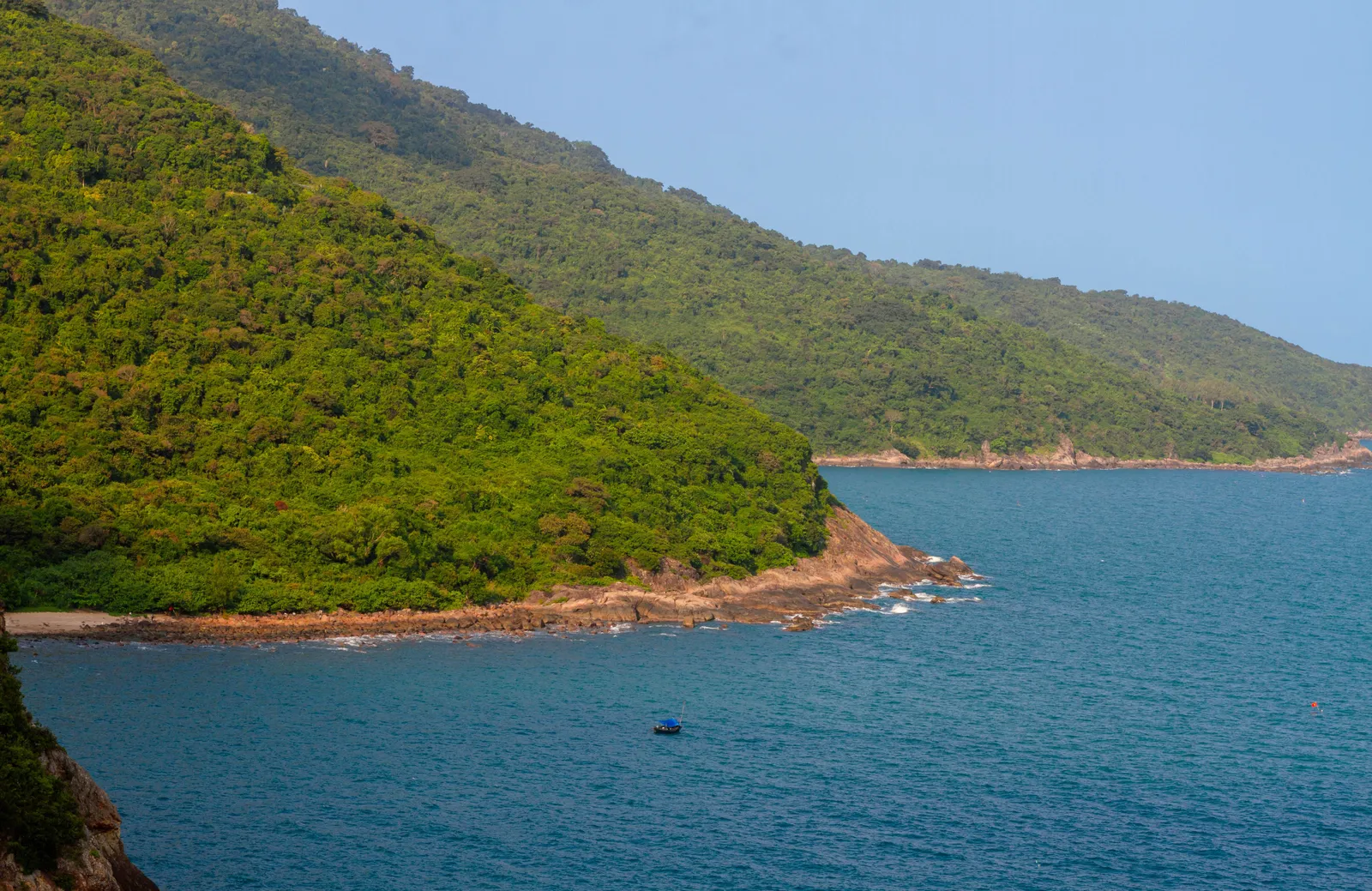
North of the city, the Son Tra peninsula is a forested headland with private coves, long views and a handful of secluded luxury resorts.
It is genuinely beautiful and it is genuinely isolated. There is essentially nothing outside the resorts, which means every meal and every outing involves a drive back into the city.
That suits honeymoons and stays where the property is the holiday. It is a poor choice for anyone intending to explore the region, and the drive gets old faster than the view does.
Da Nang or Hoi An
The question everyone asks. The honest answer:
Hoi An has the atmosphere. The lantern-lit old town, the preserved merchant houses, the tailors and the riverside are what people come to central Vietnam for, and our guide to where to stay in Hoi An covers it.
Da Nang has the practicality. The airport, the beaches, far better everyday value, and a much wider choice of ordinary restaurants.
They are around half an hour apart, which is close enough that the question is less either-or than it appears. A common and effective pattern is to split the stay, and anyone arriving late or departing early benefits from a night in Da Nang at each end regardless of where the middle of the trip happens.
Two nights covers Da Nang itself comfortably. It stretches considerably further if you use it as a base for day trips north to Hue and south to Hoi An, which is an efficient way to see the whole central region without repeatedly changing hotels. For how this compares with basing yourself in the capital, our guide to where to stay in Hanoi covers that end of the country.
Practical points
The airport is central. Unusually for a city this size, Da Nang’s airport sits close to the middle rather than an hour out, which means transfers are short and cheap from anywhere in the city, and a late arrival or early departure is far less painful than in Hanoi or Ho Chi Minh City.
Getting between the two sides. Ride-hailing apps work well and the crossing is a matter of minutes and small change, so the river is less of a barrier in practice than it looks on a map. Walking across the bridges is possible and pleasant in the evening, less so in the middle of a hot day.
The beach has a season. The central coast has a wet period that brings rougher seas and grey skies, and during it the beach hotels drop their rates considerably. If the sand is the reason you are coming, check the timing before booking the beach side over the city side, since the two are affected very differently.
Weekend evenings on the river. The bridge that breathes fire and water runs its show on weekend nights, which draws a crowd to the riverside and is genuinely worth timing an evening around if your dates line up.